Fishing in Northern Ireland
- Lakes
- 626
- Rivers
- 5,413
- Access
- 59
- Boat Ramps
- 12
- Shops
- 0
Northern Ireland sits at the north-east corner of the island of Ireland, flanked by the Atlantic to the north-west and the Irish Sea to the east.
The fishing here is built around freshwater — a dense network of rivers draining the Sperrins, the Mournes and the Antrim hills, feeding into loughs that range from vast limestone basins to intimate upland pools.
The sea is always close, but it's the inland water that defines the scene. Lough Neagh is the centrepiece: the largest freshwater lake in the British Isles, and home to pollan, a native species found almost nowhere else in the UK.
Its tributaries hold dollaghan, an unusually large strain of brown trout that evolved in these catchments and can push well past the size you'd expect from a river fish.
The Lower and Upper Bann, which drain Lough Neagh to the north and south respectively, carry salmon and sea trout alongside the dollaghan, and are among the most fished rivers in the province. Lough Erne in County Fermanagh is the other anchor.
It's Northern Ireland's only large limestone water body, and that geology makes it exceptionally productive.
Brown trout here run to 5kg with some regularity, and the mayfly hatch in the second or third week of May draws fly fishers who time their trips around it. A 5. 1-metre angling boat is the standard way to work the shallow bays and island drop-offs properly.
On the border with the Republic, Lough Melvin opens as early as 1 February — earlier than almost anywhere else in the province — and has never been artificially stocked.
Salmon, sea trout, brown trout and Arctic char share water that has stayed largely unchanged since the Ice Age. Fishing the Northern Ireland side requires both a Loughs Agency permit and a Northern Ireland licence.
For all freshwater fishing, a rod licence from DAERA is required by law, plus a permit or day ticket for the specific water. DAERA manages a Public Angling Estate covering a wide range of rivers and loughs, accessible to visitors on a permit.
Waters in the Foyle and Carlingford catchments fall under the Loughs Agency instead — a separate licensing system. Sea angling needs no licence for most species, though salmon and sea trout at sea are the exception.
Current rules, seasons and permit details are best checked directly with DAERA or the Loughs Agency before you go, since seasons vary by water and catch-and-release rules for salmon are now standard across DAERA waters. The coast offers its own fishing.
Strangford Lough produces pollack, wrasse and seasonal mackerel on the drift, with the fast tidal currents dictating when you can fish effectively. Red Bay on the Antrim coast is known for tope and spurdog by boat.
Belfast Lough and Larne Lough are accessible year-round for mackerel in summer and whiting and codling through winter.
What makes Northern Ireland worth the trip for a freshwater angler is the combination of genuinely wild fish — dollaghan, Melvin's unstocked trout, native pollan — and the relative lack of pressure compared to rivers further south or across the water.
The infrastructure is there if you need it; the solitude is there if you want it.
Top waters to fish near Northern Ireland
Species & education
Learn what type of fish are in Northern Ireland and what's needed to catch them.
Find which waters have the species you want to catch
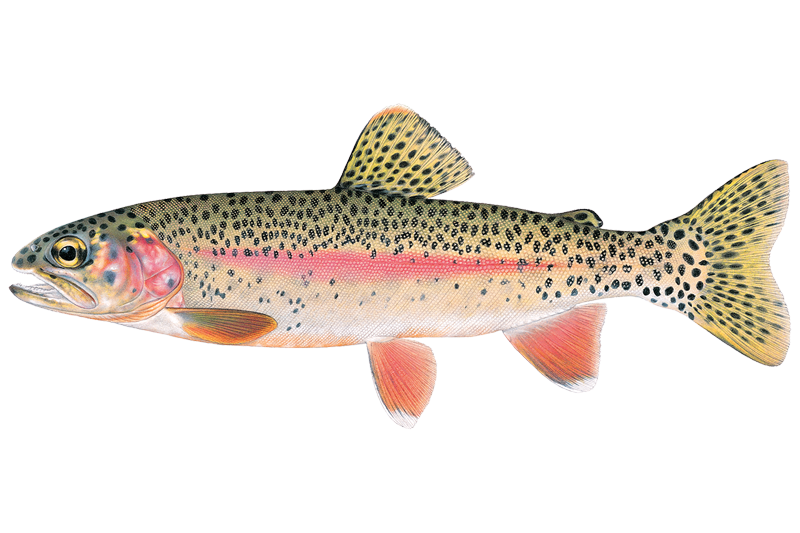
Rainbow Trout
Oncorhynchus mykiss
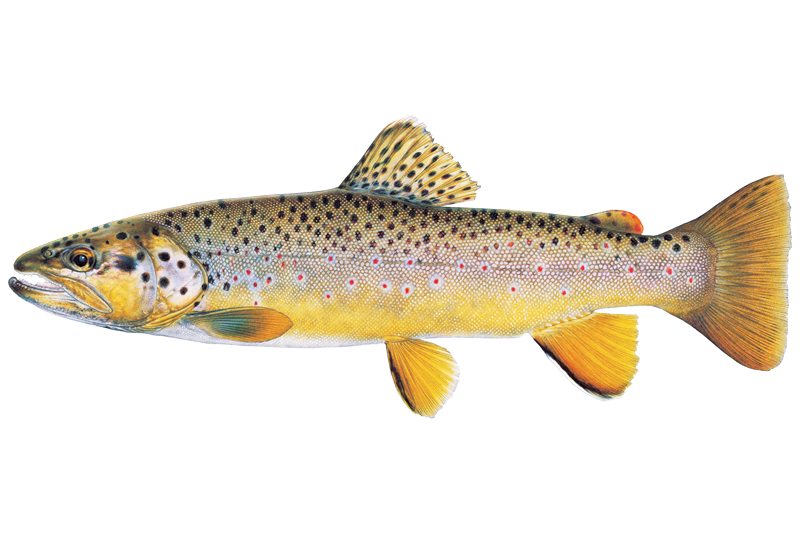
Brown Trout
Salmo trutta
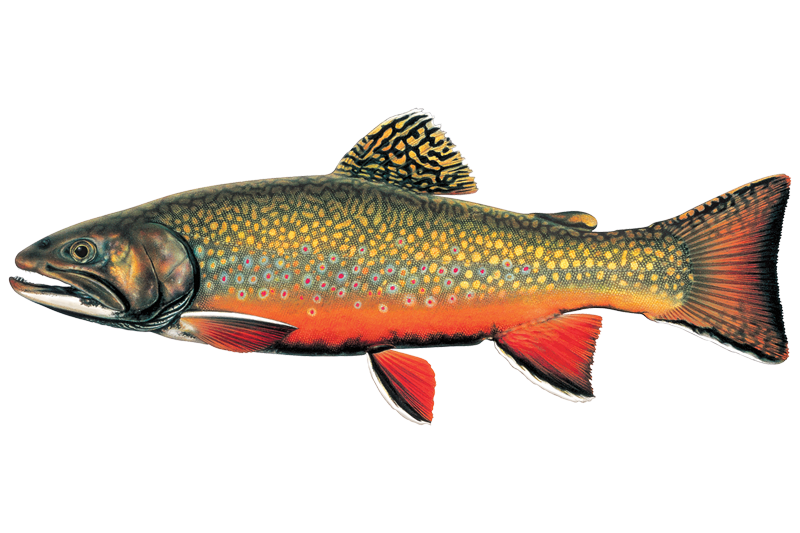
Brook Trout
Salvelinus fontinalis
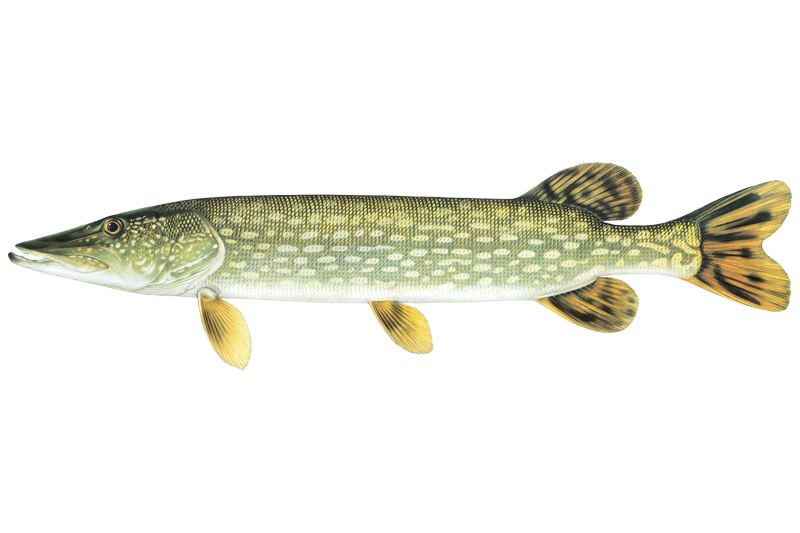
Northern Pike
Esox lucius

Allis Shad
Alosa alosa

Angler
Lophius piscatorius

Arctic Char
Salvelinus alpinus

Atlantic Bluefin Tuna
Thunnus thynnus

Atlantic Cod
Gadus morhua

Atlantic Halibut
Hippoglossus hippoglossus

Atlantic Herring
Clupea harengus

Atlantic Horse Mackerel
Trachurus trachurus

Atlantic Mackerel
Scomber scombrus
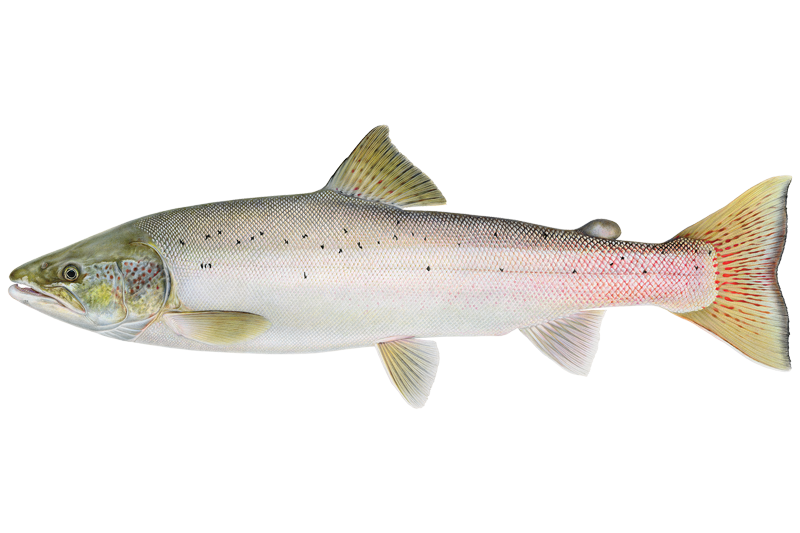
Atlantic Salmon
Salmo salar

Atlantic Wolffish
Anarhichas lupus

Ballan Wrasse
Labrus bergylta

Barbel
Barbus barbus

Black Seabream
Spondyliosoma cantharus

Bleak
Alburnus alburnus

Blonde Ray
Raja brachyura

Blue Shark
Prionace glauca

Bogue
Boops boops

Bourget Whitefish
Coregonus lavaretus

Brill
Scophthalmus rhombus

Bull Huss
Scyliorhinus stellaris

Coalfish
Pollachius virens

Common Bream
Abramis brama
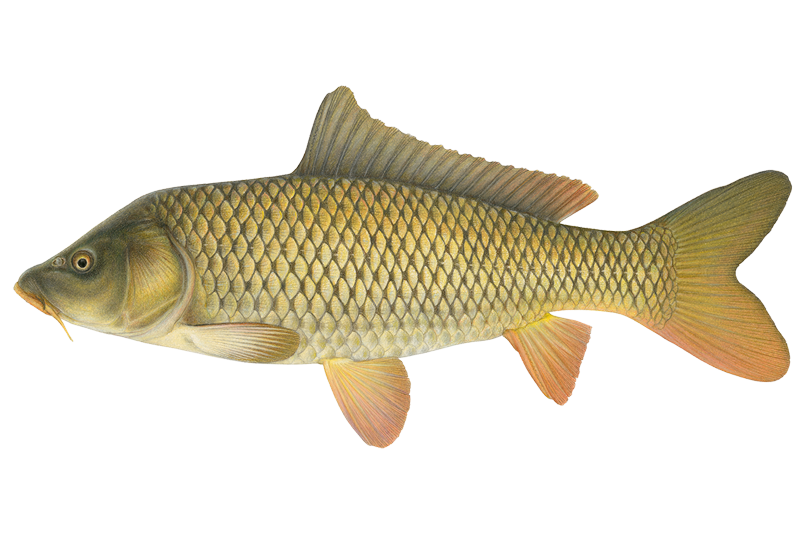
Common Carp
Cyprinus carpio

Common Dace
Leuciscus leuciscus

Common Gudgeon
Gobio gobio

Common Roach
Rutilus rutilus

Common Skate
Dipturus intermedius

Common Sole
Solea solea

Common Stingray
Dasyatis pastinaca

Common Sturgeon
Acipenser sturio

Conger Eel
Conger conger

Corkwing Wrasse
Symphodus melops

Couch's Seabream
Pagrus pagrus

Crucian Carp
Carassius carassius

Cuckoo Ray
Leucoraja naevus
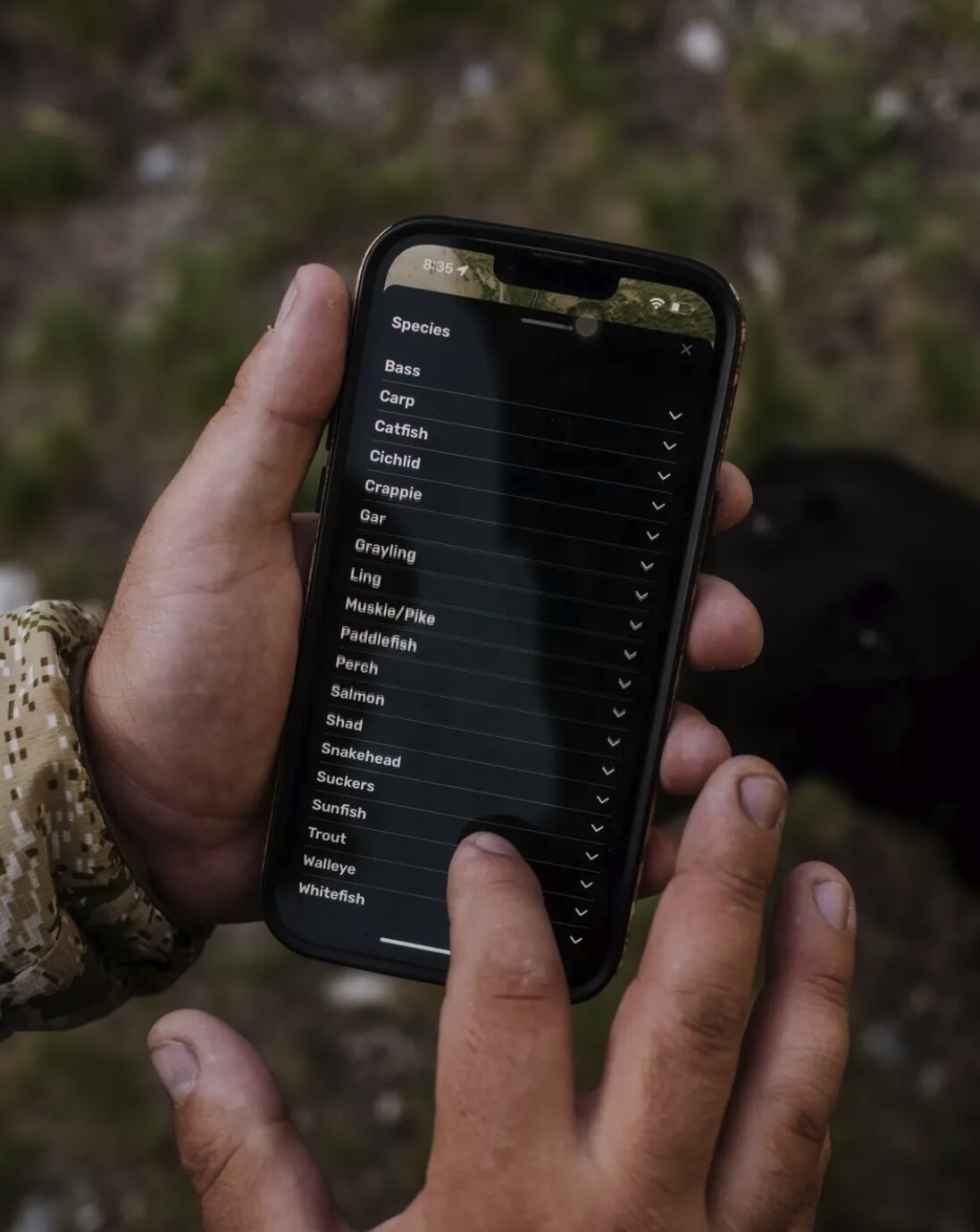
Fish smarter with real-time insights
Whether you're en route and conditions shift or you're looking for the best spot based on current flows, we enable you to make informed decisions on the fly.
Northern Ireland licenses and regulations
Explore Northern Ireland waters
Top fishing waters
Popular Cities
Loading popular cities...
Smarter Fishing Starts in the App.
onWater Fish gives you everything you need to plan smarter, fish better, and own every trip from first cast to last.