Lake Cherokee
- Boat Ramps
- 0
- Access Points
- 0
- Species
- 23
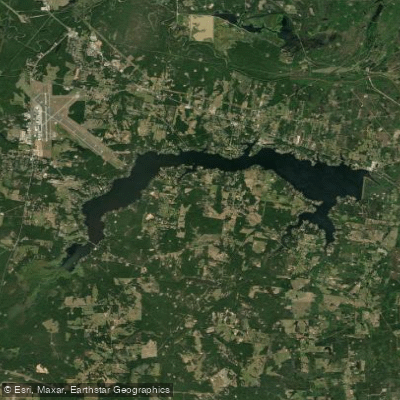
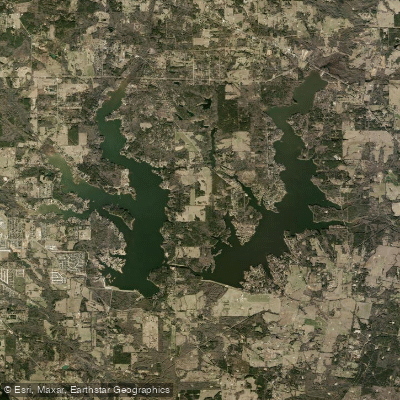
Lake Cherokee in Texas is a 3,360-acre private lake located in Rusk and Gregg counties in East Texas, situated approximately 14-16 miles from cities like Longview, Kilgore, Henderson, and Marshall. As a private reservoir owned by Cherokee Water Company, this clear-water lake offers excellent fishing opportunities for both largemouth bass and various panfish species. The lake features diverse structure including points, humps, creeks, and islands, providing quality habitat for multiple fish species. Unlike many East Texas lakes, Cherokee maintains relatively clear water with good visibility, making it an attractive destination for anglers seeking a more intimate fishing experience on a smaller, well-managed water body.
Species & education
Learn what type of fish are at Lake Cherokee and what's needed to catch them.

Find which waters have the species you want to catch
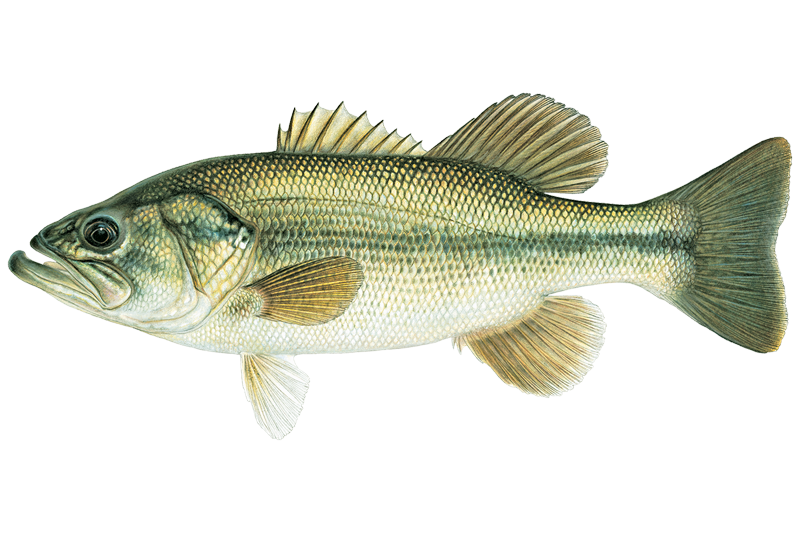
Largemouth Bass
Micropterus salmoides
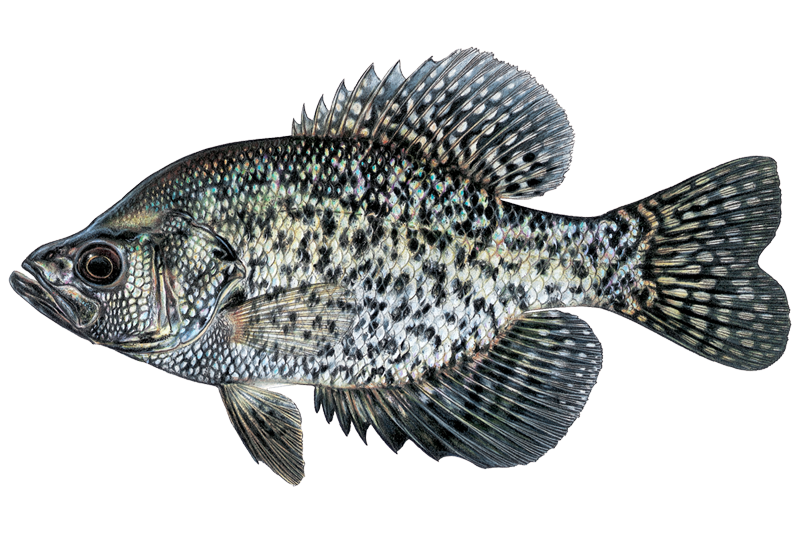
Black Crappie
Pomoxis nigromaculatus

Black Bullhead
Ameiurus melas
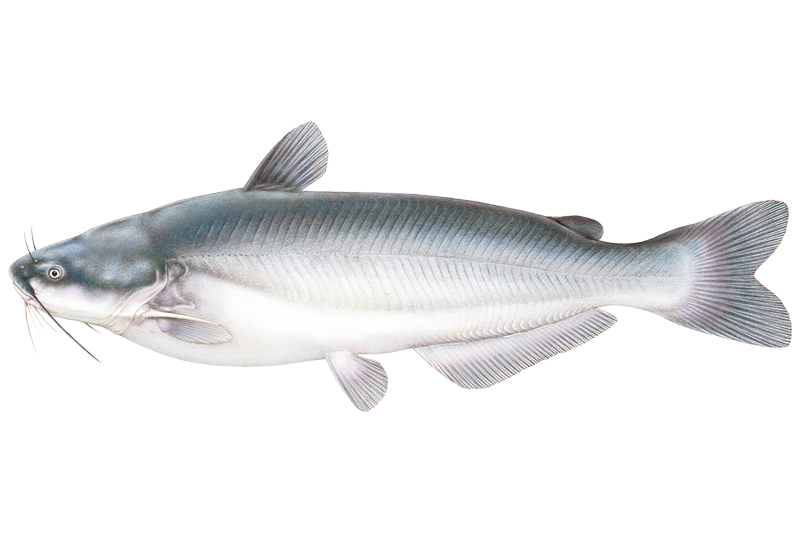
Blue Catfish
Ictalurus furcatus
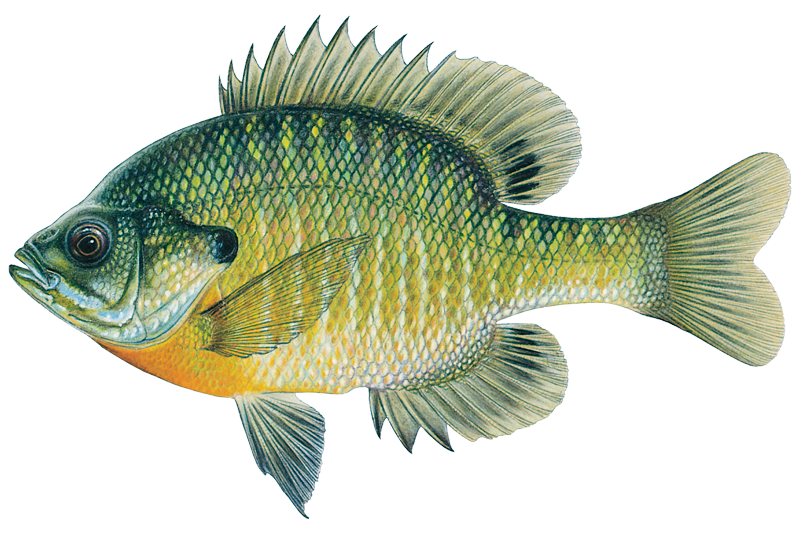
Bluegill Sunfish
Lepomis macrochirus
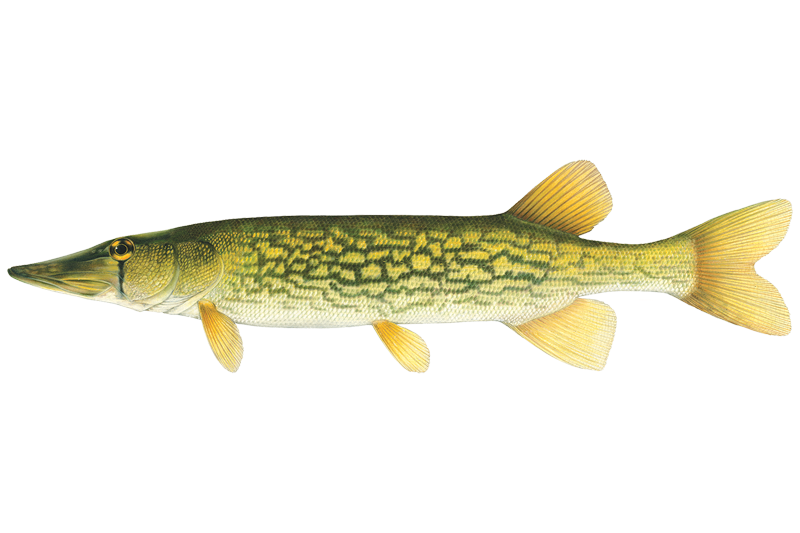
Chain Pickerel
Esox niger
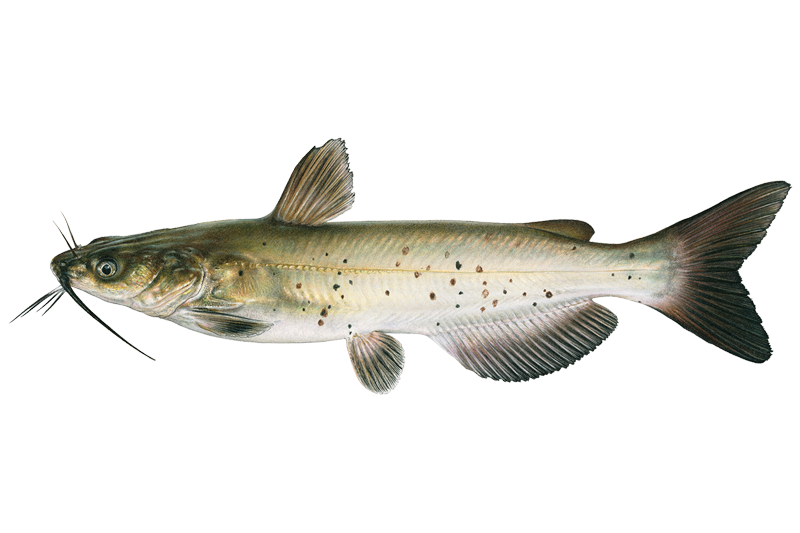
Channel Catfish
Ictalurus punctatus
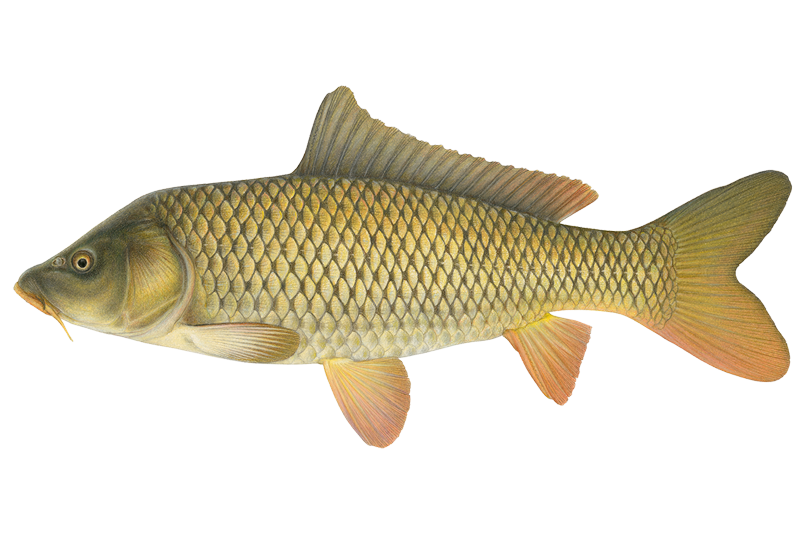
Common Carp
Cyprinus carpio
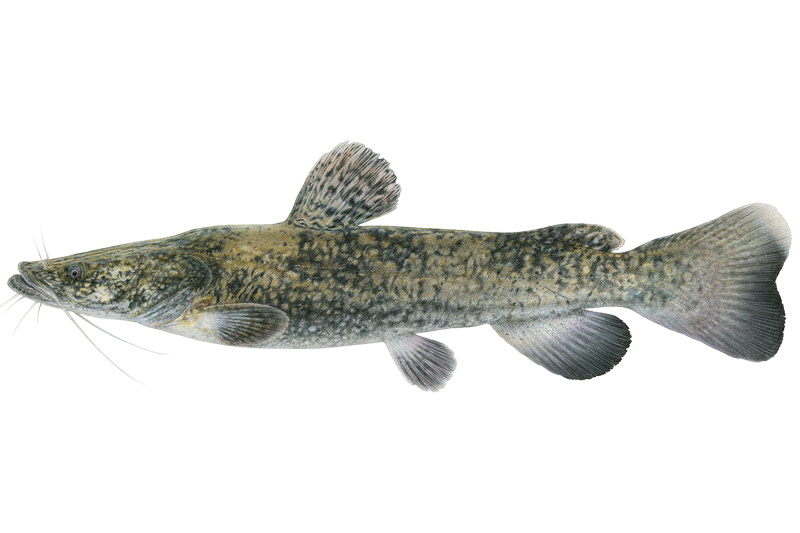
Flathead Catfish
Pylodictis olivaris
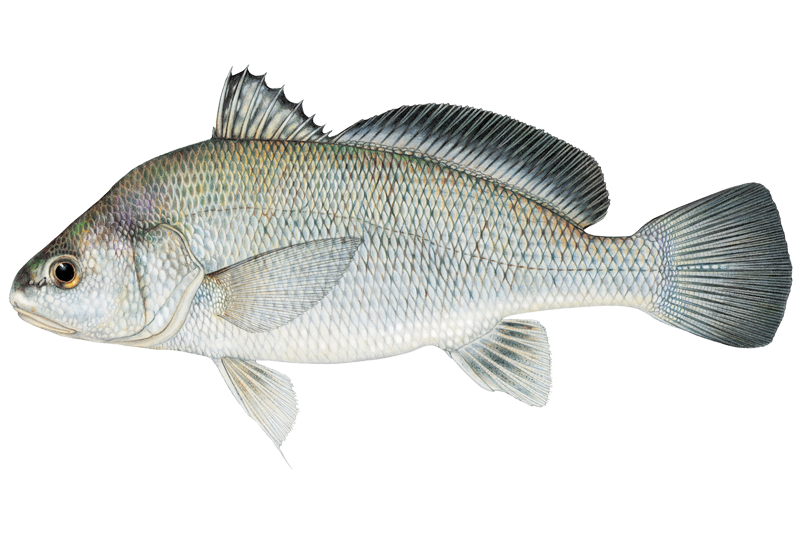
Freshwater Drum
Aplodinotus grunniens
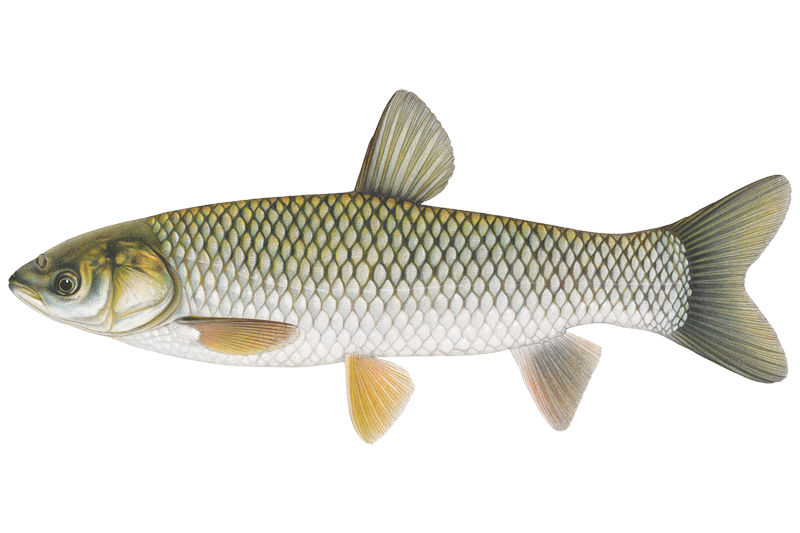
Grass Carp
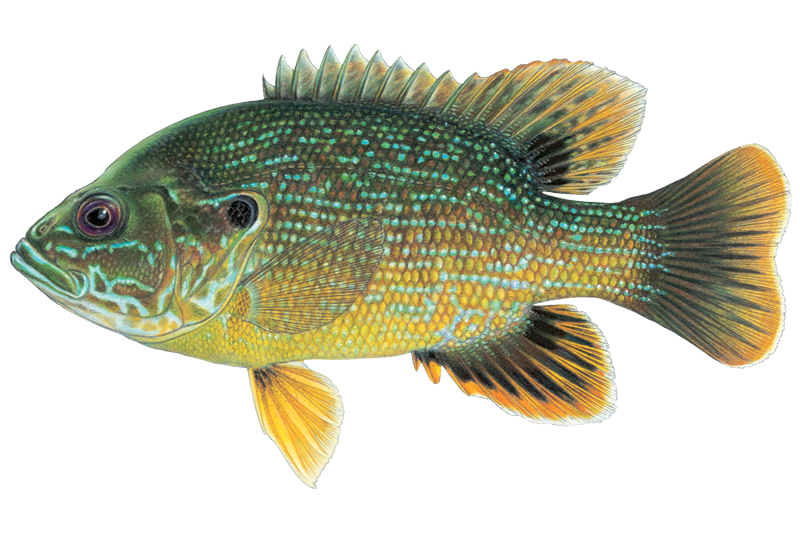
Green Sunfish
Lepomis cyanellus
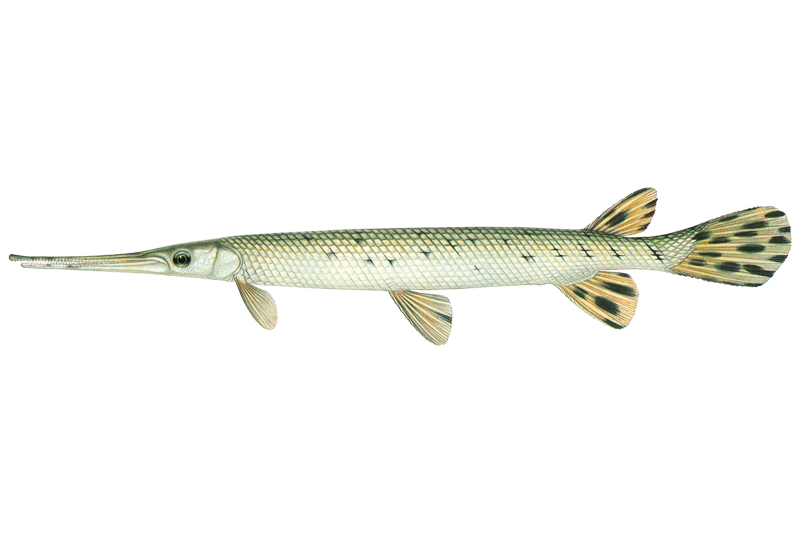
Longnose Gar
Lepisosteus osseus
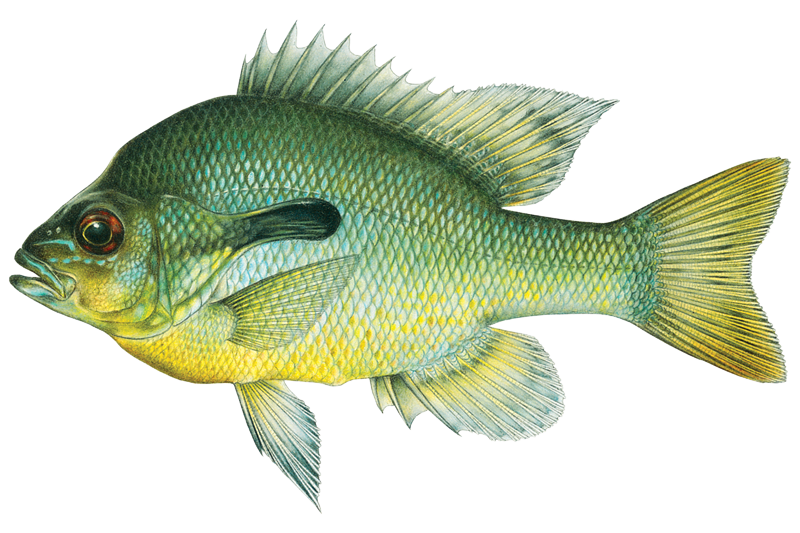
Redbreast Sunfish
Lepomis auritus
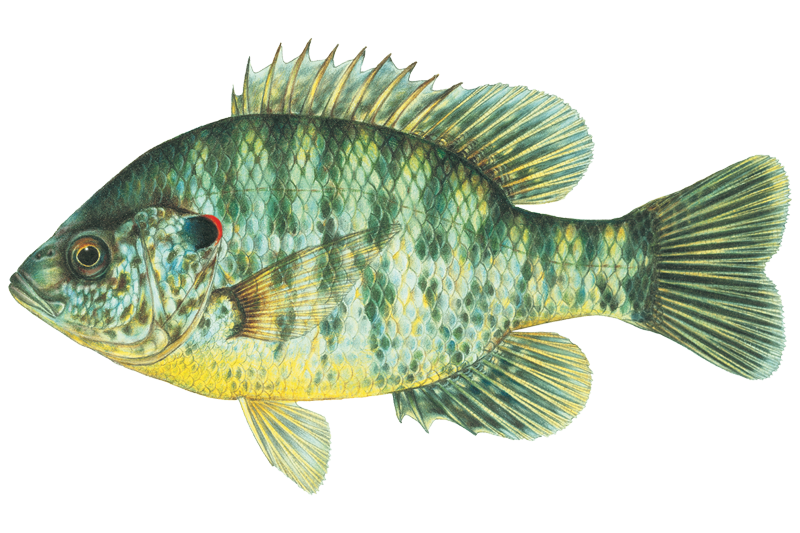
Redear Sunfish
Lepomis microlophus
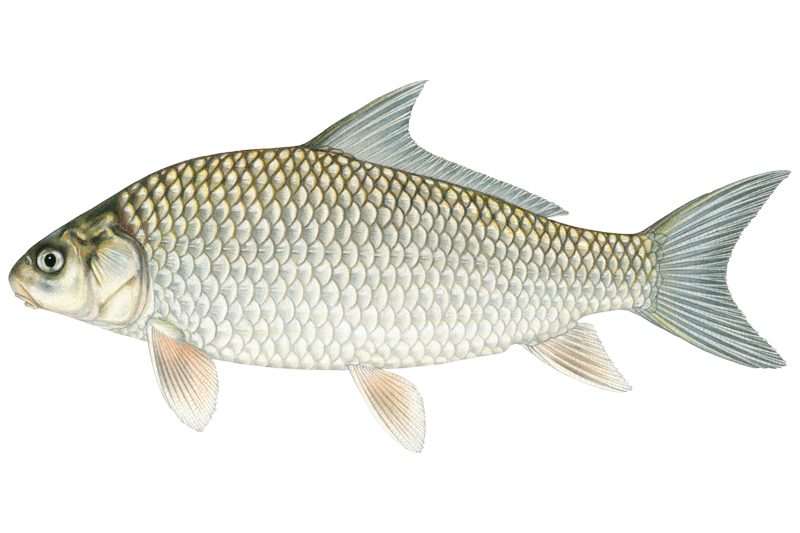
River Carpsucker
Carpiodes carpio
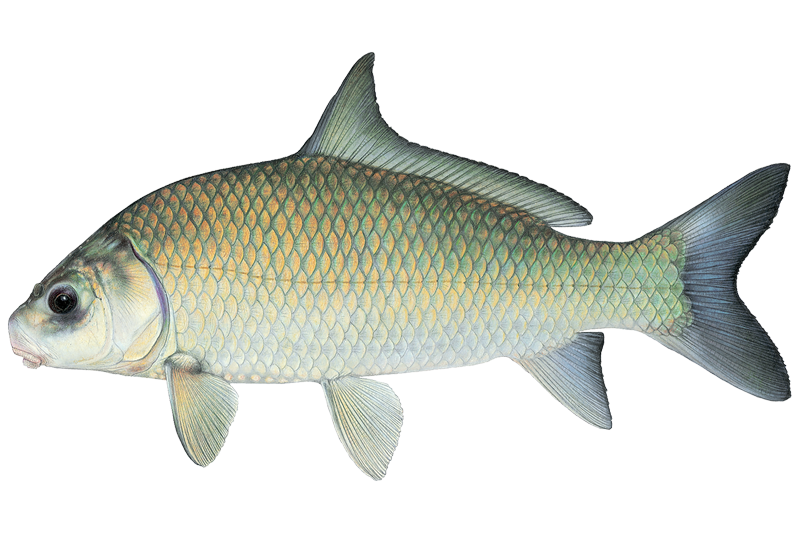
Smallmouth Buffalo
Ictiobus bubalus
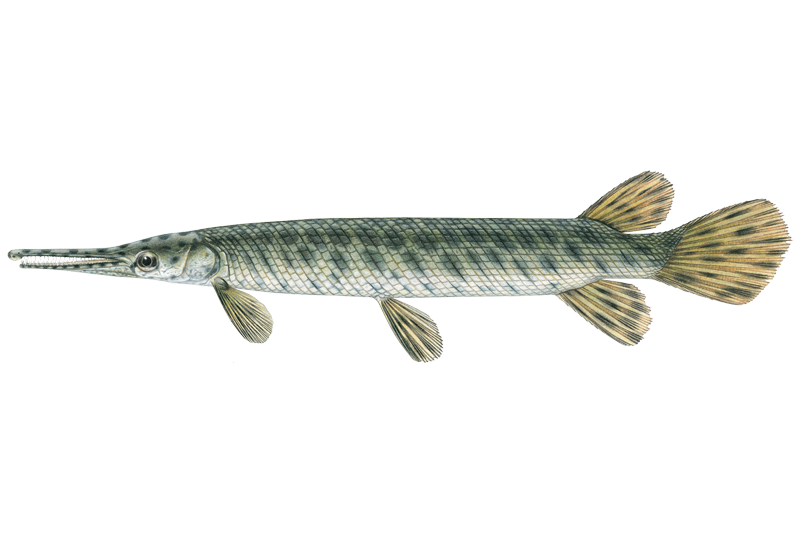
Spotted Gar
Lepisosteus oculatus
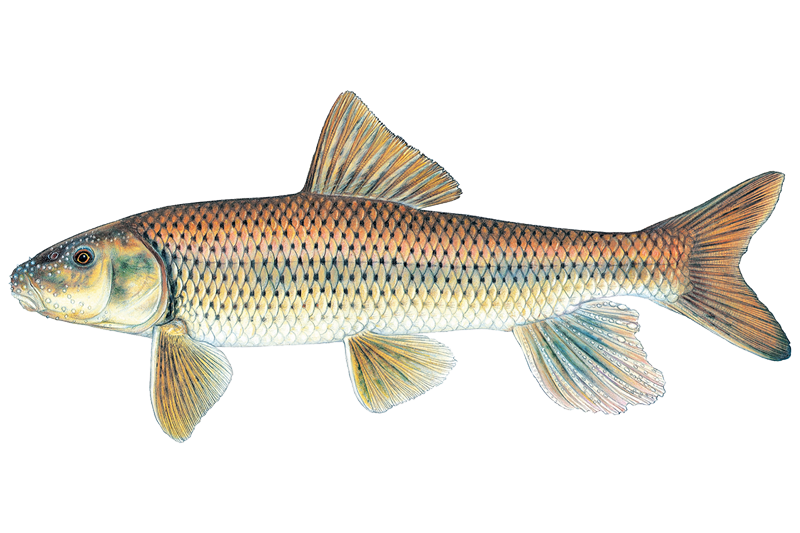
Spotted Sucker
Minytrema melanops
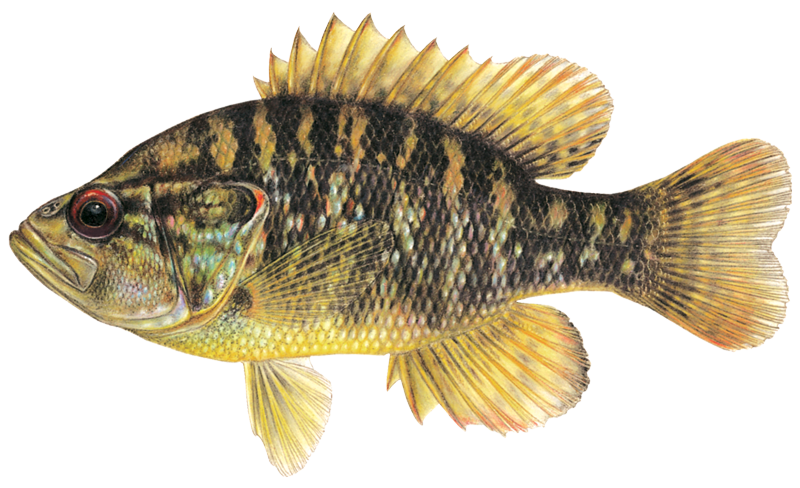
Warmouth Sunfish
Lepomis gulosus
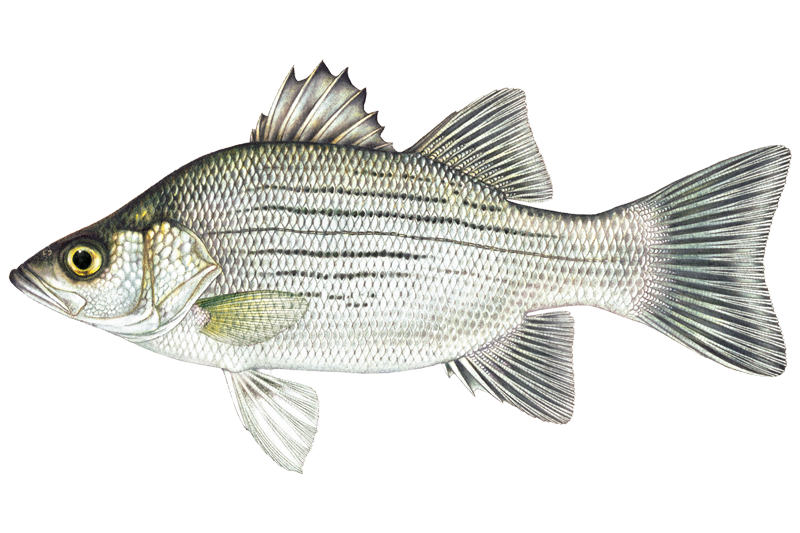
White Bass
Morone chrysops
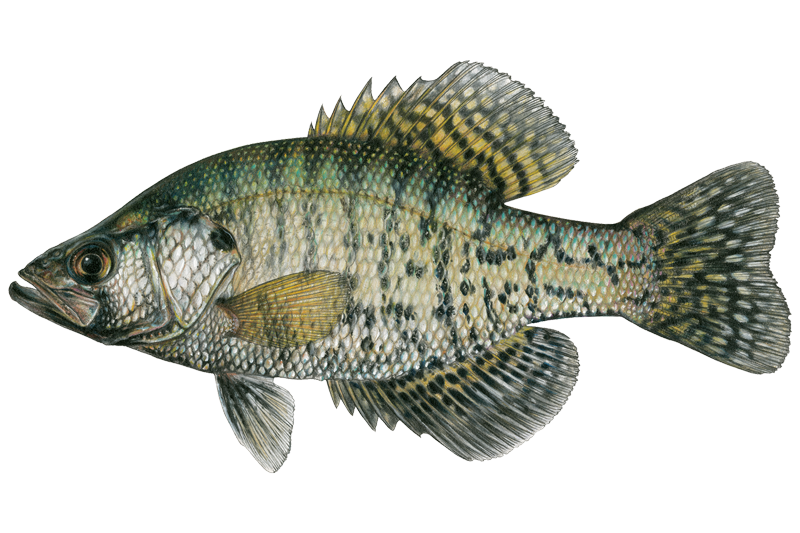
White Crappie
Pomoxis annularis
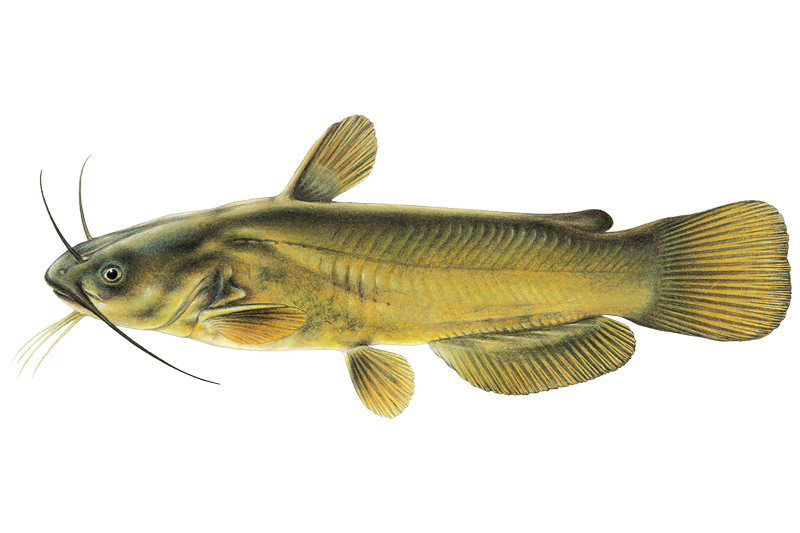
Yellow Bullhead
Ameiurus natalis
Fishing spots, boat ramps & amenities
Learn how to get on Lake Cherokee. Uncover great fishing access points, boat ramps, and all the facilities you need for an unforgettable day on the water. Some locations shown may border or include private property. Always check property boundaries and applicable regulations before visiting. onWater's Public & Private Land layer can help you plan your access with confidence.
The lake features numerous productive fishing areas centered around its diverse structure. Points extending into the main lake provide excellent bass fishing opportunities throughout the year. Creek arms offer protected water with good cover and structure for various species. Humps and underwater islands serve as prime bass habitat, particularly during summer months. The dam area typically holds deeper-water fish and provides good catfish opportunities. Various coves and protected areas around the lake offer excellent panfish habitat and serve as spawning areas for multiple species.
Know where you can legally fish on Lake Cherokee
See public and private land boundaries along the water, turn on private parcels with owner details to know where permission is required, and find land-trust parcels that offer permitted fishing access.
Texas licenses and regulations

Texas Boating Regulations
When using any type of watercraft to access a body of water, it is important to follow all federal, state, and local rules and regulations. These rules and regulations include boat permitting and licensing, invasive species inspections and stamps, life jacket and PFD rules, motor size and horsepower restrictions, noise limitations, restrictions on personal watercraft, and many more. Visit the web link below for the most current rules and regulations for this body of water.

Texas Fishing License
All residents and visitors over the age of 17 require a Texas fishing license to reel in fish, mussels, clams, and crayfish across the state. In addition, you’ll need specific tags or endorsements based on the size of the catch and its location.

Texas Fishing Regulations
This river has a variety of species and regulations, including potential floating and/or watercraft restrictions. Because this river is specially managed for species, seasons, angling methods, and watercraft, it is strongly encouraged you check all federal, state, and local regulations before fishing. Visit any of the links below, inquire locally, or contact a local fly shop to learn current regulations and restrictions.

Texas Stream Access Laws
Access must usually be obtained through the use of public property. The typical access may be from the right of way of a public road that crosses the stream, through a publicly owned boat launch area, or from some other public land (a park, for example) adjacent to the stream. There is no general right to cross private property to get to a navigable stream. There are a number of privately owned parks or campgrounds where members of the public may have access to a navigable stream by paying a small fee to the landowner. If the private landowner forbids access, an attempt to use the private land would be a trespass. Texas courts have recognized that a member of the public may engage in a variety of lawful activities along a navigable stream. Besides boating, persons may swim, float, walk, wade, picnic, camp, and (with a license) fish. Public use must be confined to the stream bed and, to a limited extent, the banks. State law prohibits parking on a highway bridge and generally forbids (with certain exceptions) parking in the main traveled part of a highway. Within a public road’s right of way, private fencing that restricts public passage to the stream is illegal.
Take Lake Cherokee with you
The onWater Fish app keeps this water's access points, species and conditions in your pocket, with the tools you use once you're there.
Use the map without signal
Download the map around Lake Cherokee to use it offline when coverage drops.
Log your catches here
Keep a private fishing journal for Lake Cherokee to find where and when fish are biting for you.
HD depth charts from Garmin
Find drop offs, ledges, channels, points and shallow flats with Garmin depth charts in the app.
Get the onWater Fish app
Free on iOS and Android
Water and weather conditions (10 day forecast)
See the best times to fish Lake Cherokee and check the forecast before you go.
No forecast data available.
Fishing near Lake Cherokee
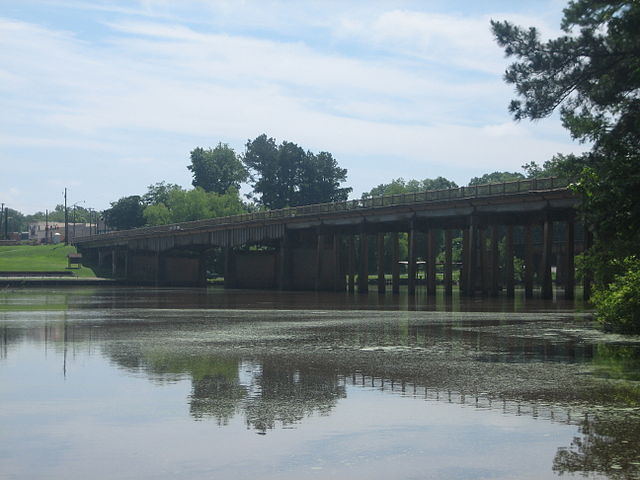
Sabine River
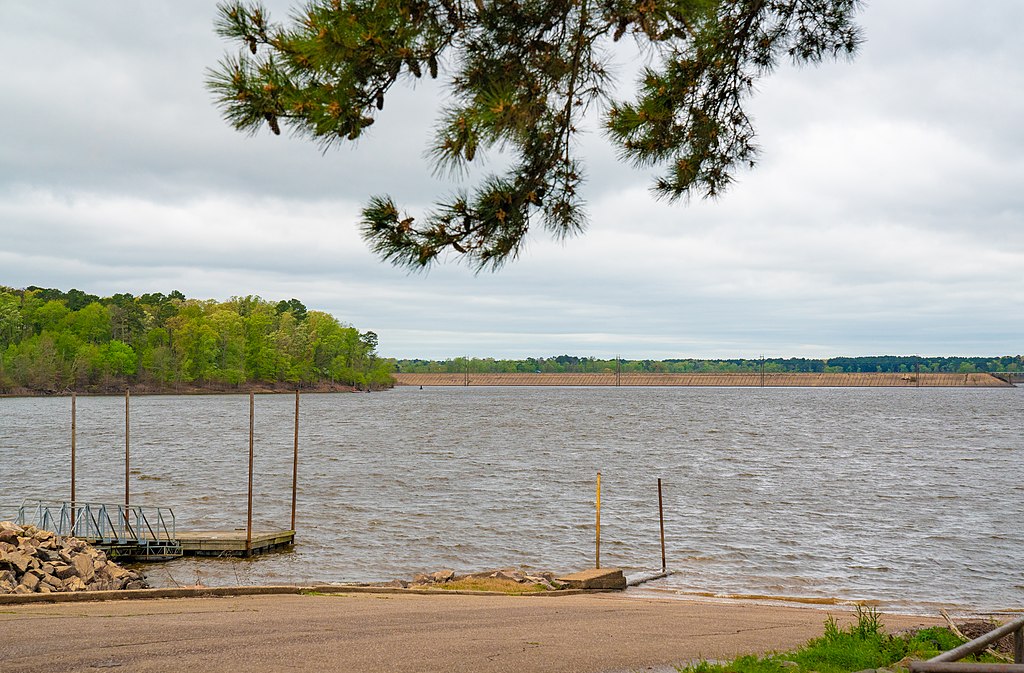
Lake O' the Pines
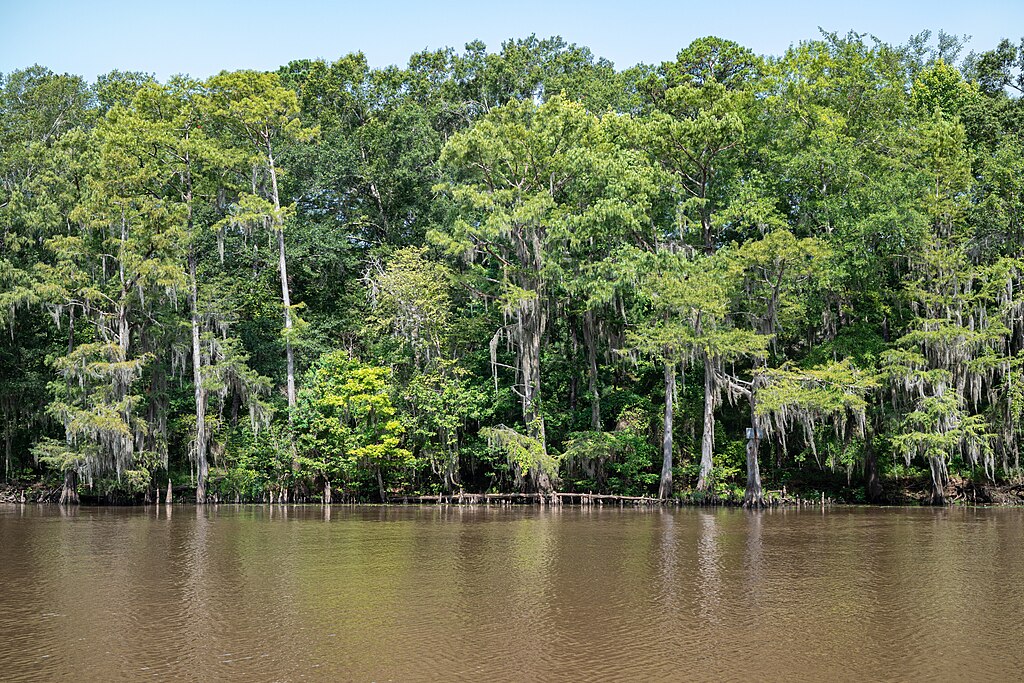
Big Cypress Bayou
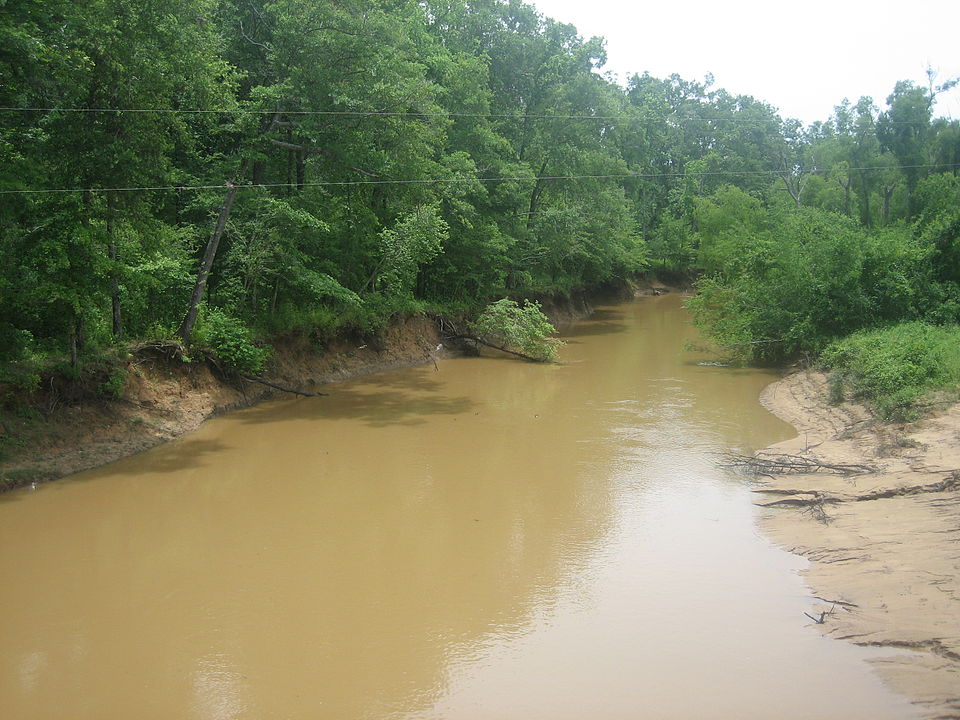
Angelina River
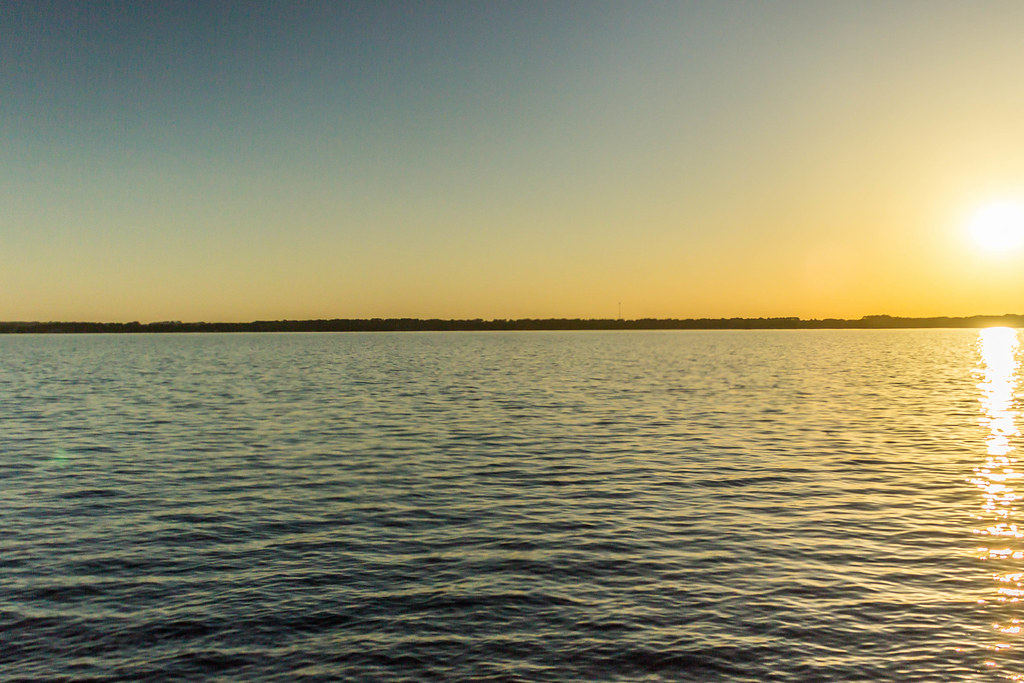
Lake Palestine
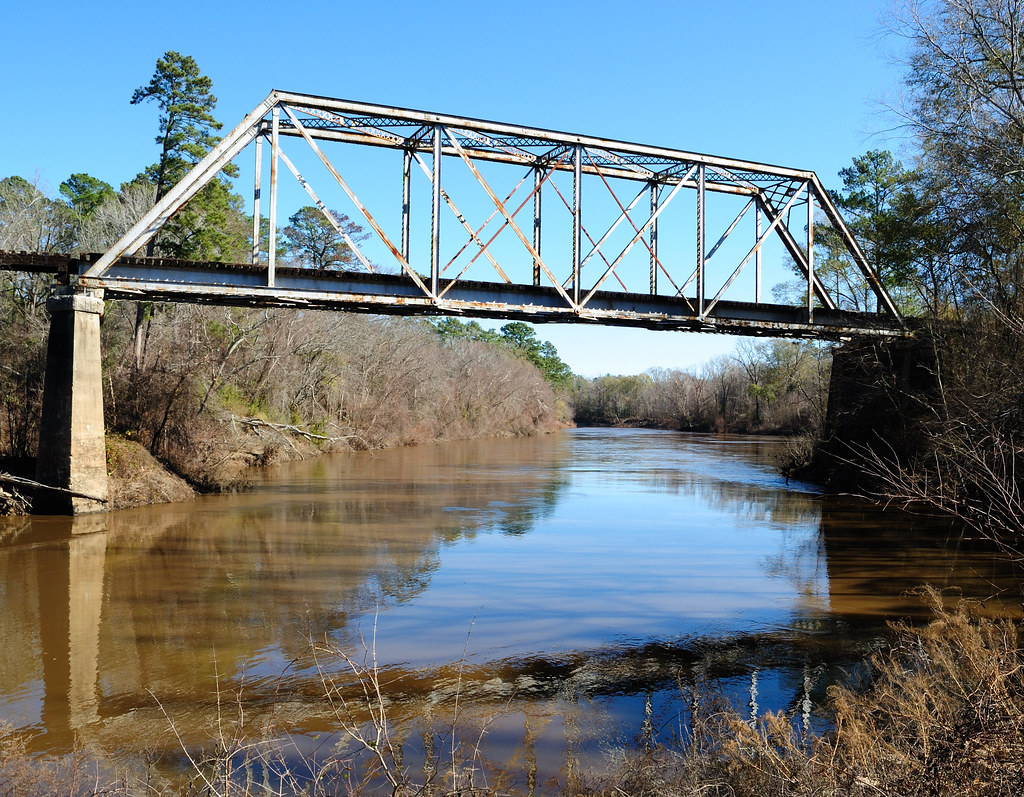
Neches River
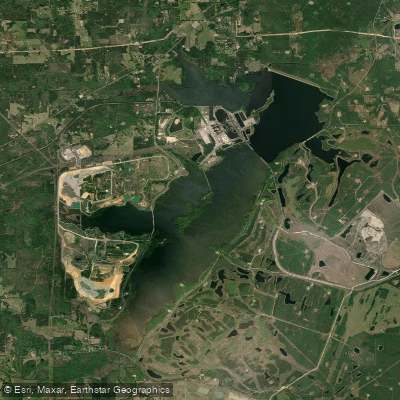
Martin Lake
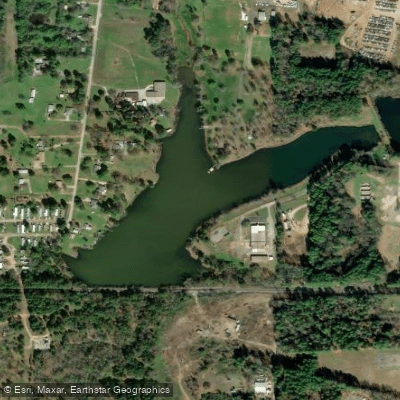
Lake Harris
Little Cypress Bayou
Lake Tyler
Explore near Lake Cherokee
Fish species
Nearby waters
More in Texas
Smarter Fishing Starts in the App.
onWater Fish gives you everything you need to plan smarter, fish better, and own every trip from first cast to last.