Warmouth
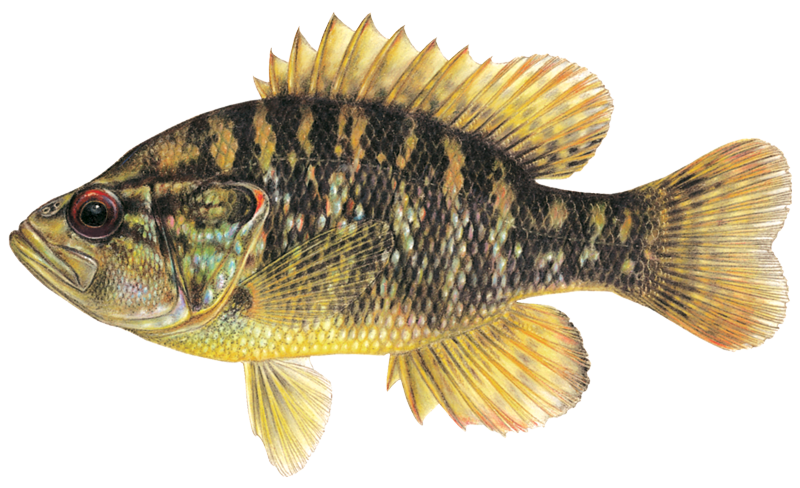
Warmouth are a medium-sized sunfish species found in Washington's lowland lakes and slow-moving waters. In Washington, they are non-native but established in scattered populations.
Scientific Name: Lepomis gulosus
They are distinguished by their large mouths that extend past the pupil of the eye, distinctive dark lines radiating from bright red eyes, and unique teeth on the tongue - a feature found on no other sunfish species.
Warmouth have brownish-green bodies with deep brown mottling and subtle purple hues, typically reaching 6-10 inches in length.
Fishing in Washington
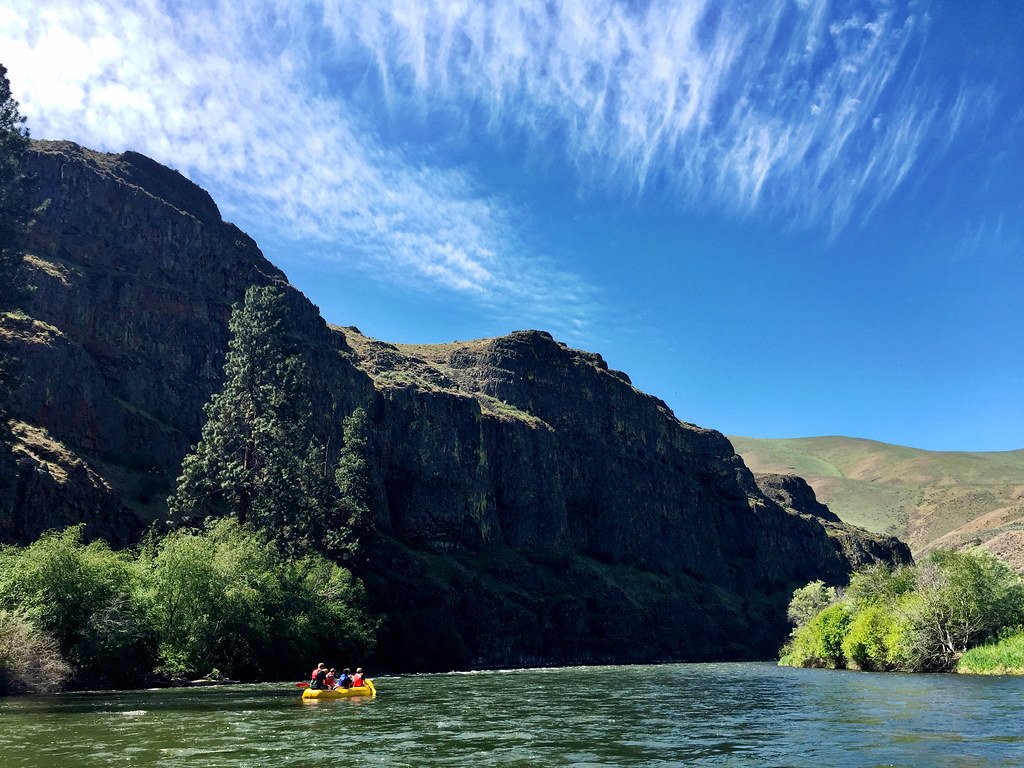
Yakima River
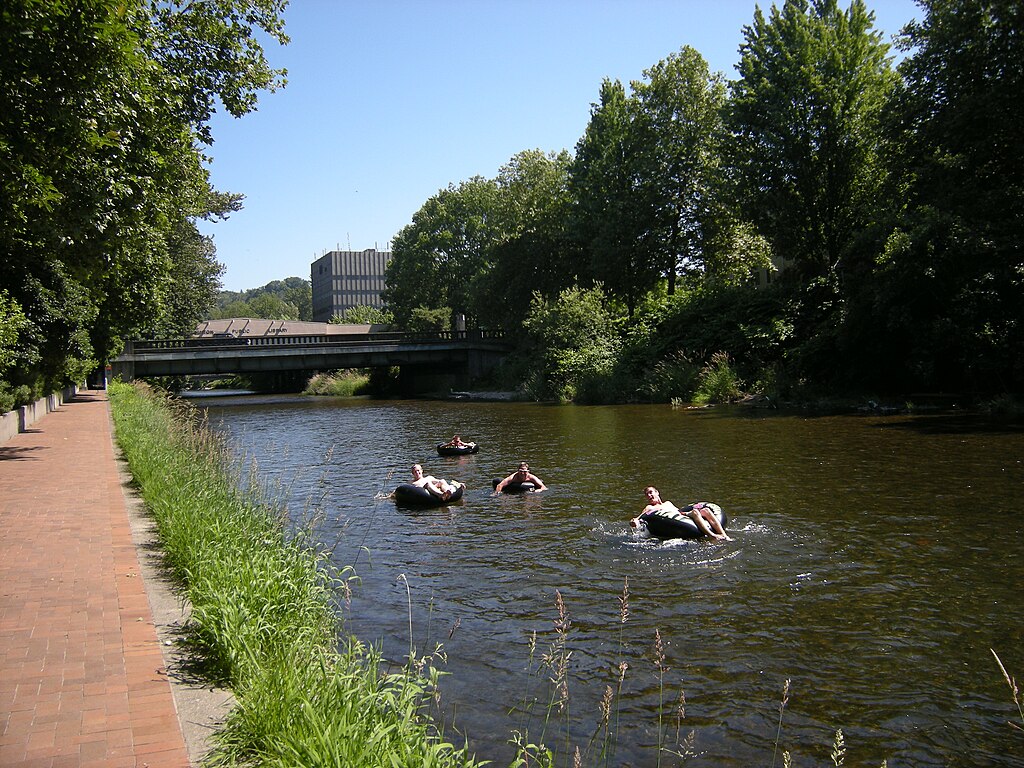
Cedar River
Puyallup River
Snoqualmie River
East Passage
Cowlitz River
Naches River
Commencement Bay
Cle Elum River
What to know
Habitat Distribution
Found in Washington's lowland lakes and slow-moving waters. In Washington's lowland lakes, look for them in shallow, weedy areas.Key Locations
Silver Lake in Cowlitz County where they cohabitat with largemouth bass, bluegill, yellow perch, and other warmwater species.Specific Spots
Target them around heavy cover like submerged logs, fallen trees, rock piles, and thick vegetation in moderately deep water. They prefer heavily vegetated areas with cover like rocks, logs, fallen trees, and thick vegetation in moderately deep pools. Focus on areas with muddy substrate and heavy vegetation, and around docks, fallen timber, and vegetated shorelines.Warmouth FAQ
Answers from onWater's species guide.
What are the best lures and bait for Warmouth in Washington?
Small jigs, live bait like worms and chopped shrimp, spinners, and flies. They respond better to live bait than small artificial flies. Warmouth have large mouths relative to their size, so using larger bait profiles can help avoid smaller sunfish and target warmouth specifically.
What flies work for Warmouth in Washington?
Small woolly buggers, medium to small nymphs, and microjigs in sizes #14 to #4. Black, silver, gold, and chartreuse microjigs are particularly effective, with the extra weight helping get flies down between rocks and wood where warmouth hide.
How do you catch Warmouth in Washington?
Target them around heavy cover and fish slowly and thoroughly around cover. They often hide underneath structures and dart out to ambush prey. Fish these patterns vertically around shoreline cover or with slow retrieves.
What do Warmouth eat?
They are opportunistic carnivores feeding on aquatic insects, crayfish, small fish, snails, mussels, and crustaceans. Juveniles primarily eat small crustaceans and aquatic insect larvae, while adults consume larger prey.
Where do Warmouth live in Washington?
Found in Washington's lowland lakes and slow-moving waters. In Washington's lowland lakes, look for them in shallow, weedy areas.
Fish smarter with real-time insights
Whether you're en route and conditions shift or you're looking for the best spot based on current flows, we enable you to make informed decisions on the fly.







See it in the app
Most maps show you water.
onWater shows you Warmouth.



- 01 · Species map filter
Map every Warmouth water
Pick Warmouth and the map zeroes in on the waters they call home. No more guessing which lake holds them.
- 02 · Waterbody species
Tap any water. See what lives there.
Species, behavior and seasonal patterns for every lake, river and pond, before you leave the driveway.
- 03 · Angler Intelligence
Ask how to catch Warmouth
Tactics, gear and timing from onWater's AI fishing guide, tuned to the species and the water you're on.
Stop guessing where Warmouth are.
Open the map, filter by Warmouth, and head to water that holds them. Download onWater and plan your next trip in minutes.
- Species map filter
- Angler Intelligence
- Fishing journal
Explore other species
Trout, bass, salmon, panfish and everything in between. Each guide unpacks the behavior, seasons, and tactics that put fish in the net.

Find which waters have the species you want to catch

Largemouth Bass

Smallmouth Bass
Micropterus dolomieu

Rainbow Trout
Oncorhynchus mykiss

Brown Trout
Salmo trutta

Brook Trout
Salvelinus fontinalis

Cutthroat Trout
Oncorhynchus clarkii clarkii (coastal cutthroat), O. clarkii lewisi (westslope cutthroat)

Northern Pike
Esox lucius

Muskellunge
Esox masquinongy x Esox lucius

Walleye
Sander vitreus

Black Crappie
Pomoxis nigromaculatus

American Shad
Arctic Grayling
Thymallus arcticus

Atlantic Salmon
Salmo salar

Black Bullhead
Ameiurus melas

Bridgelip Sucker
Catostomus columbianus

Brown Bullhead
Ameiurus nebulosus
Bull Trout

Burbot
Lota lota

Channel Catfish
Ictalurus punctatus

Chinook Salmon
Oncorhynchus tshawytscha
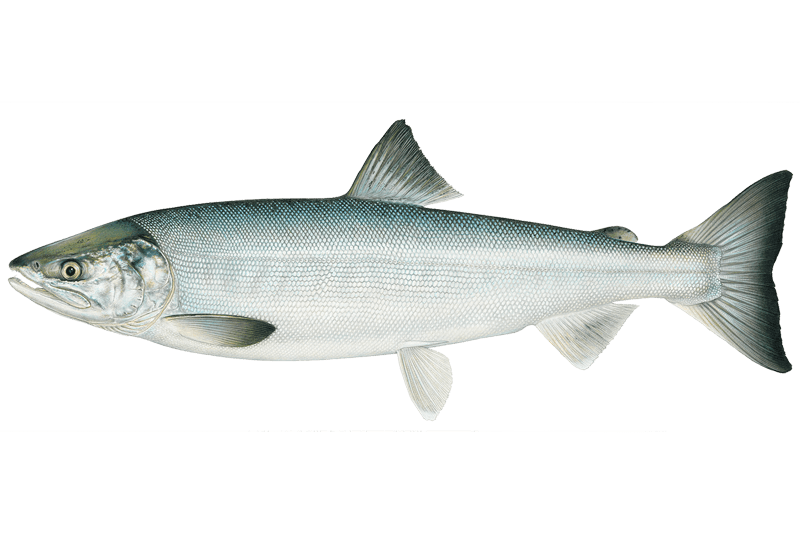
Chum Salmon
Oncorhynchus keta

Coastrange Sculpin
Cottus aleuticus

Coho Salmon
Oncorhynchus kisutch

Common Carp
Cyprinus carpio carpio
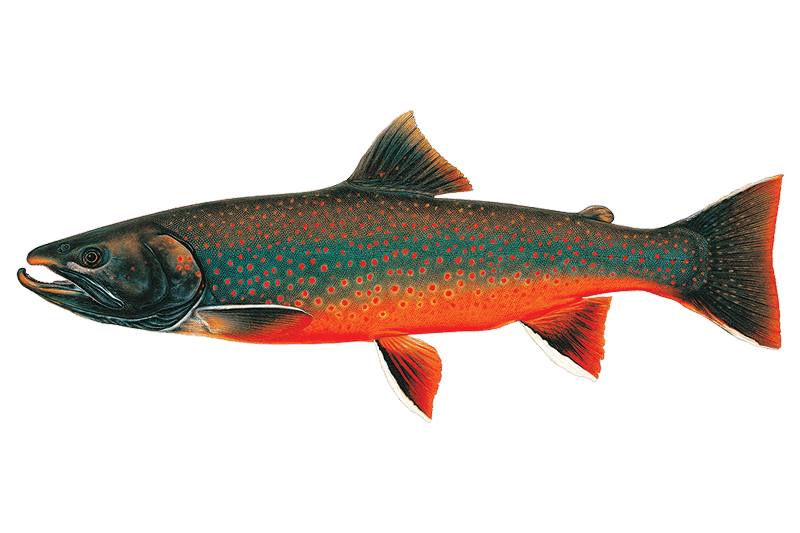
Dolly Varden
Salvelinus malma

Flathead Catfish
Pylodictis olivaris

Gizzard Shad
Dorosoma cepedianum

Golden Trout
Oncorhynchus mykiss aguabonita

Grass Carp
Ctenopharyngodon idella

Green Sunfish
Lepomis cyanellus
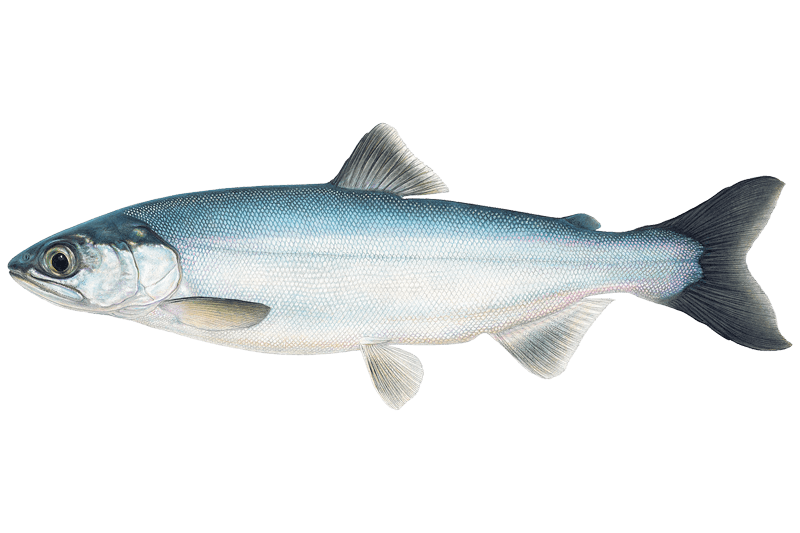
Kokanee Salmon
Oncorhynchus nerka

Lake Trout
Salvelinus namaycush
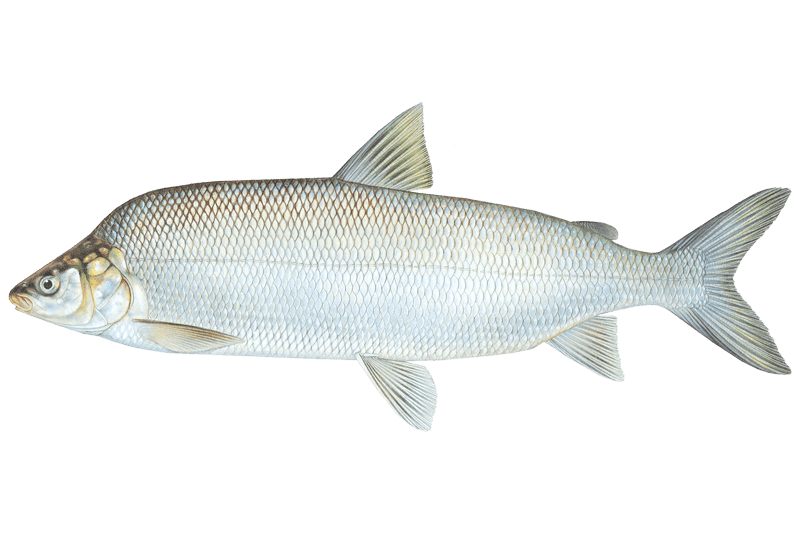
Lake Whitefish
Coregonus clupeaformis

Largescale Sucker
Catostomus macrocheilus

Longnose Sucker
Catostomus catostomus
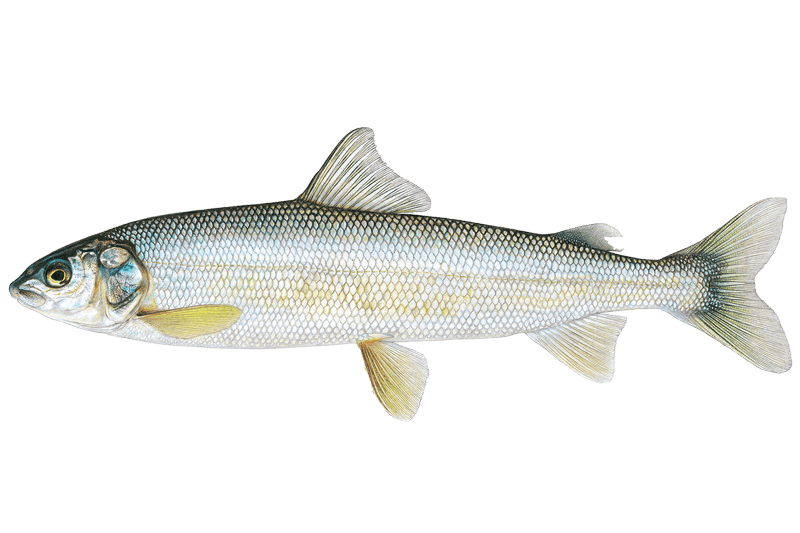
Mountain Whitefish
Prosopium williamsoni
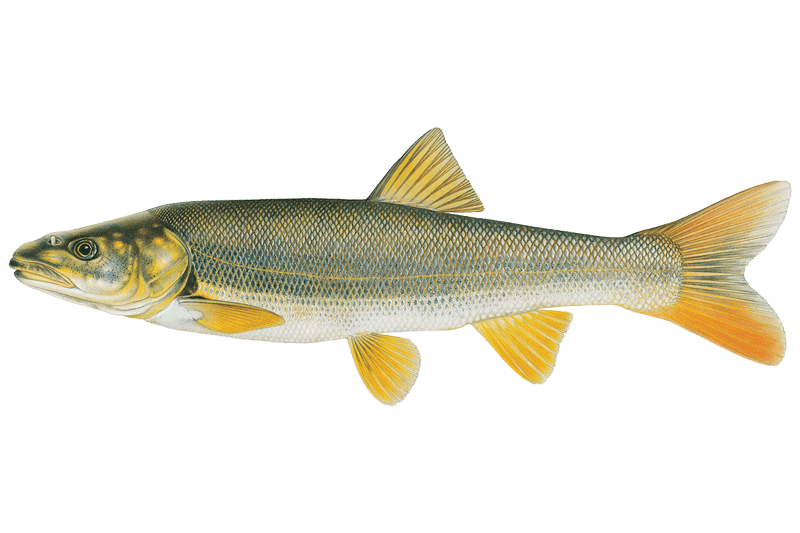
Northern Pikeminnow
Ptychocheilus oregonensis

Pacific Herring
Clupea pallasii

Pacific Lamprey
Entosphenus tridentatus

Pink Salmon
Oncorhynchus gorbuscha
Washington licenses and regulations

Washington Boating Regulations
When using any type of watercraft to access a body of water, it is important to follow all federal, state, and local rules and regulations. These rules and regulations include boat permitting and licensing, invasive species inspections and stamps, life jacket and PFD rules, motor size and horsepower restrictions, noise limitations, restrictions on personal watercraft, and many more. Visit the web link below for the most current rules and regulations for this body of water.

Washington Fishing License
Residents and non-residents alike must have a license to fish or shellfish in Washington waters. Everyone age 15 and older needs a fishing license. You do not need a license if you are fishing for common carp, crawfish, bullfrogs, or collecting relic shells.

Washington Fishing Regulations
This river has a variety of species and regulations, including potential floating and/or watercraft restrictions. Because this river is specially managed for species, seasons, angling methods, and watercraft, it is strongly encouraged you check all federal, state, and local regulations before fishing. This river is prone to emergency regulations. Stay up to date on specific river regulation changes. Visit any of the links below, inquire locally, or contact a local fly shop to learn current regulations and restrictions.

Washington Stream Access Laws
In Washington, the public has a right to use streams that are capable of floating a “bolt of shingles” during high flows. While a bolt of shingles is not large, this test does eliminate some smaller streams capable of being floated in a kayak. Washington does not recognize a right to portage across private land.
Explore nearby waters
Explore Washington waters
Top fishing waters
Popular Cities
Loading popular cities...

Smarter Fishing Starts in the App.
onWater Fish gives you everything you need to plan smarter, fish better, and own every trip from first cast to last.