Round Whitefish

Round Whitefish are a relatively small, bottom-feeding member of the salmon family found in Washington's cold, deep lakes and rivers.
Scientific Name: Prosopium cylindraceum
- They're easily distinguished from Lake Whitefish by their more cylindrical body shape, smaller maximum size (typically 8-12 inches, rarely reaching 22 inches), and distinctive single nostril flap rather than two.
- These silver-sided fish have sepia brown to bronze backs with a greenish tinge, large scales edged in black, and amber to orange fins.
Fishing in Washington
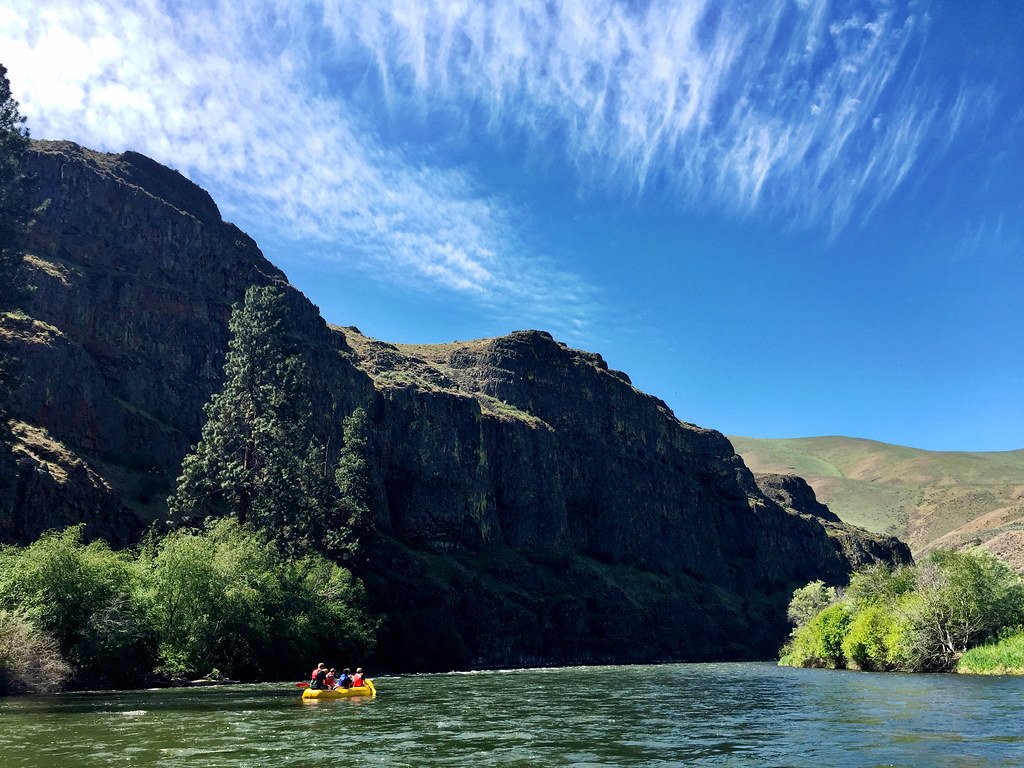
Yakima River
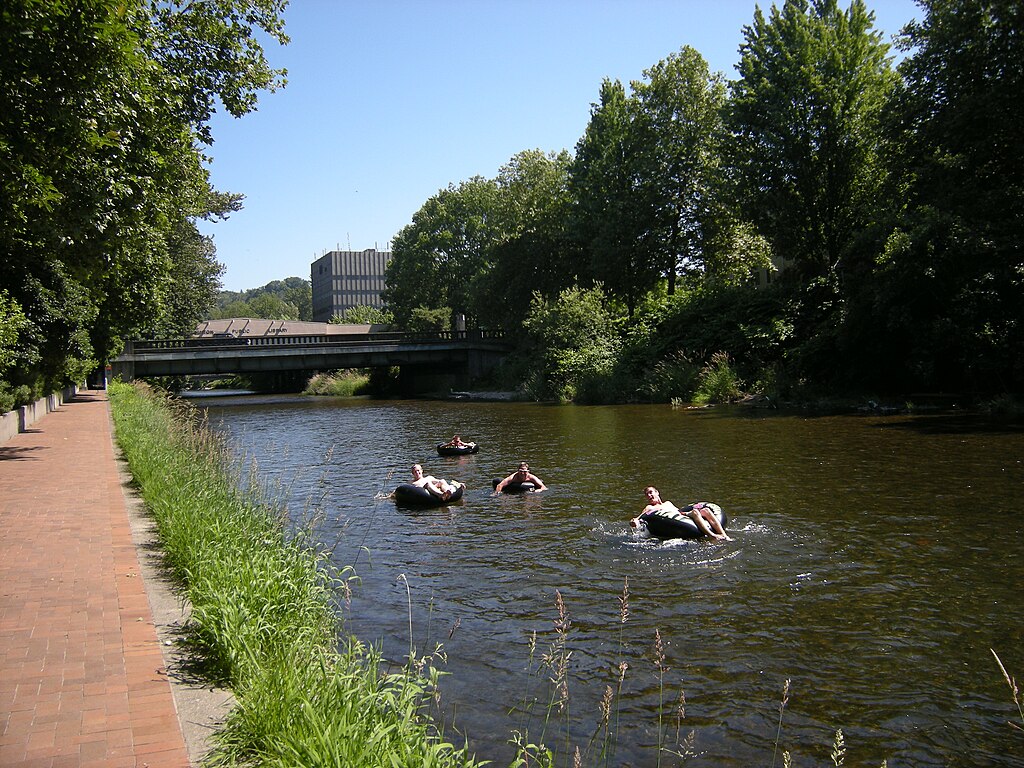
Cedar River
Puyallup River
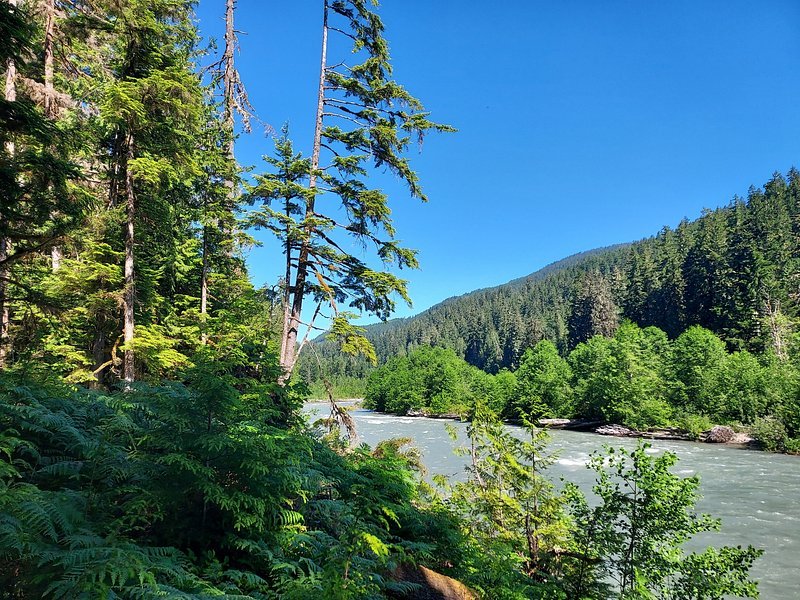
Snoqualmie River
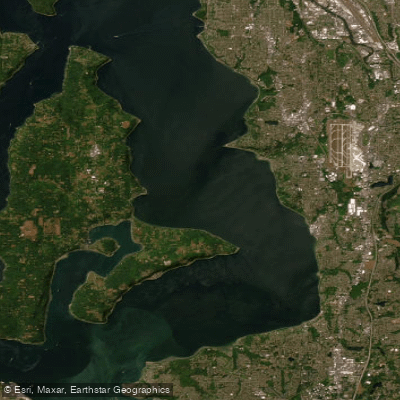
East Passage
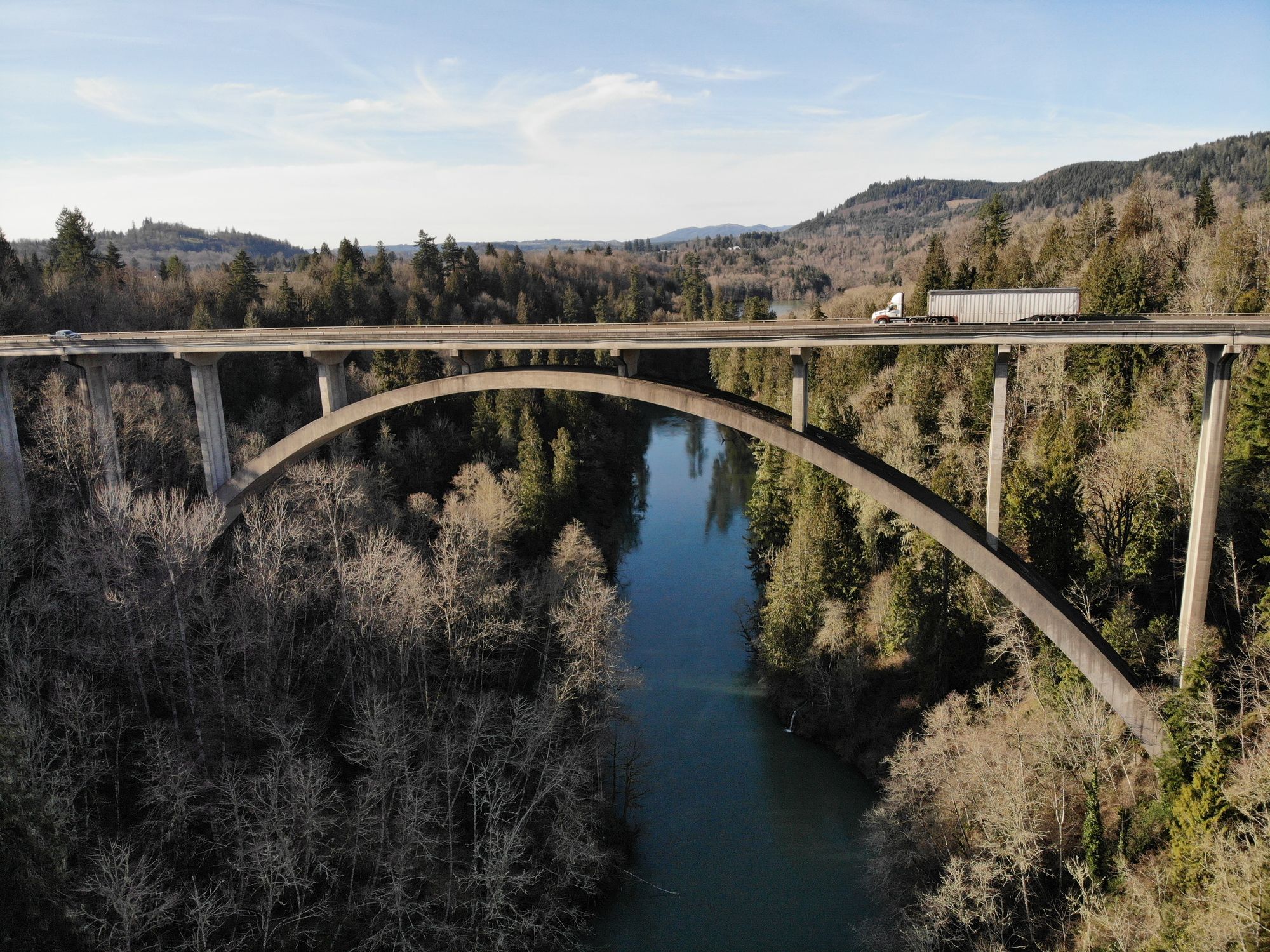
Cowlitz River
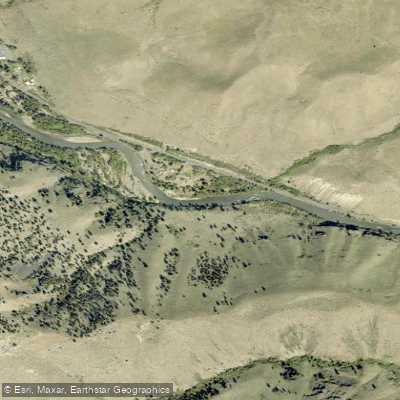
Naches River
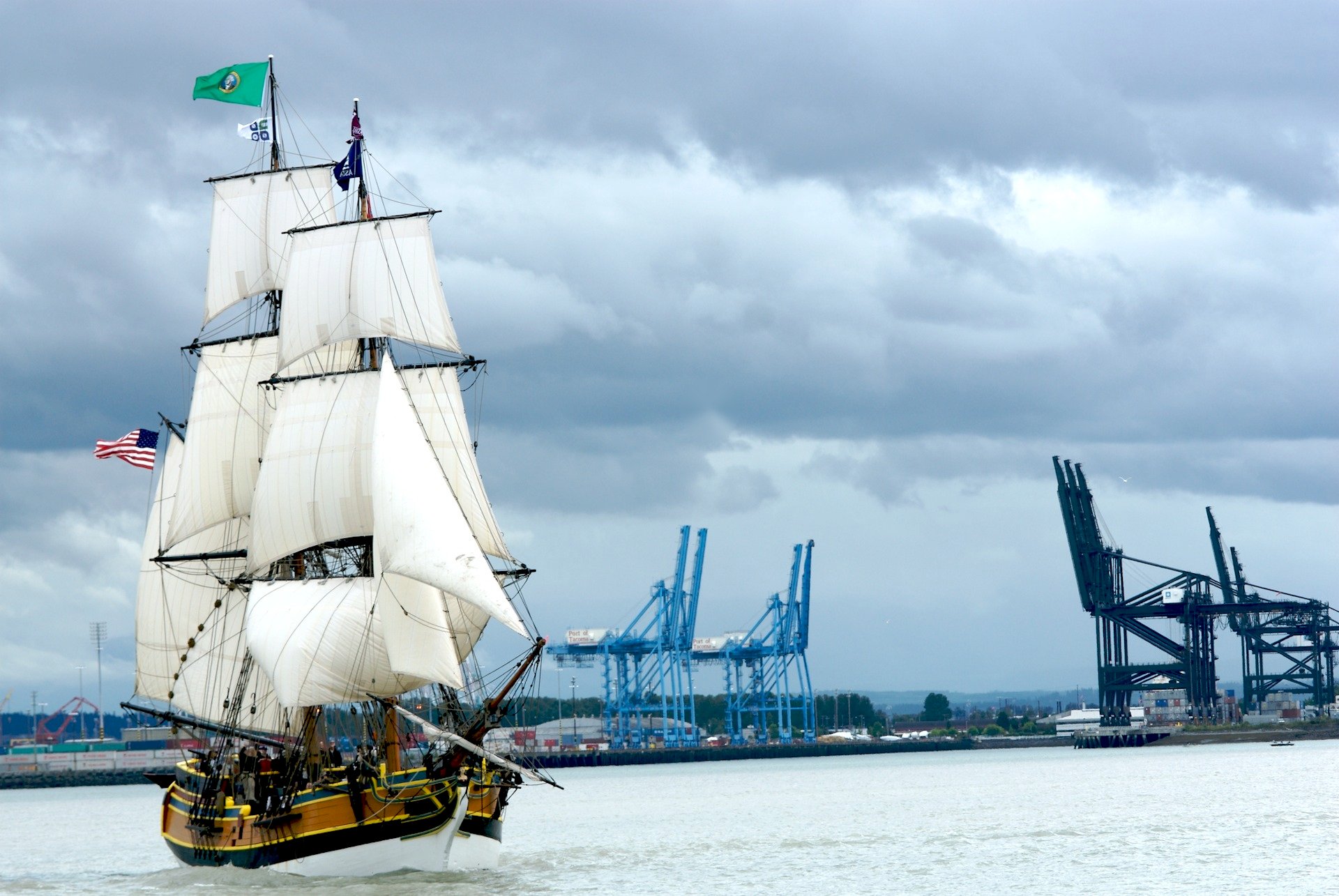
Commencement Bay
Cle Elum River
What to know
Habitat Distribution
- Found in Washington's cold, deep lakes and rivers throughout northeastern and northwestern regions.
Key Locations
- In Washington, they're found in the Great Lakes system but not Lake Erie, and inhabit deep areas of major rivers and reservoirs.
Specific Spots
- Look for them in the deepest portions of lakes and rivers, particularly around drop-offs, rocky areas, and spring holes.
- Focus on deep water areas with rocky substrates, as Round Whitefish spend most of their time hugging the bottom.
Round Whitefish FAQ
Answers from onWater's species guide.
What are the best lures and bait for Round Whitefish in Washington?
Use small spoons, cured fish roe, insects, and minnows. Small snails and clams work particularly well as bait.
What flies work for Round Whitefish in Washington?
Try small nymph patterns, particularly the Prince Nymph in sizes 14-22, which is considered the top producer for whitefish. Other productive flies include small beadhead nymphs, Pheasant Tail nymphs, and patterns representing caddis larvae, mayfly nymphs, midge larvae, and stonefly nymphs.
When is the best time to fish for Round Whitefish in Washington?
April-May and again in October-November when they move into shallower waters. Avoid fishing during their late fall spawning period when they congregate to reproduce.
How do you catch Round Whitefish in Washington?
Target Round Whitefish during their most active periods in April-May and again in October-November when they move into shallower waters. Fish slowly and keep baits or lures near the bottom since these fish are demersal feeders that stir up substrate looking for prey.
What do Round Whitefish eat?
Round Whitefish are primarily bottom-feeders, consuming tiny crustaceans, snails, insect larvae, and fish e.g.gs found on lake and river bottoms.
Fish smarter with real-time insights
Whether you're en route and conditions shift or you're looking for the best spot based on current flows, we enable you to make informed decisions on the fly.







See it in the app
Most maps show you water.
onWater shows you Round Whitefish.



- 01 · Species map filter
Map every Round Whitefish water
Pick Round Whitefish and the map zeroes in on the waters they call home. No more guessing which lake holds them.
- 02 · Waterbody species
Tap any water. See what lives there.
Species, behavior and seasonal patterns for every lake, river and pond, before you leave the driveway.
- 03 · Angler Intelligence
Ask how to catch Round Whitefish
Tactics, gear and timing from onWater's AI fishing guide, tuned to the species and the water you're on.
Stop guessing where Round Whitefish are.
Open the map, filter by Round Whitefish, and head to water that holds them. Download onWater and plan your next trip in minutes.
- Species map filter
- Angler Intelligence
- Fishing journal
Explore other species
Trout, bass, salmon, panfish and everything in between. Each guide unpacks the behavior, seasons, and tactics that put fish in the net.

Find which waters have the species you want to catch

Largemouth Bass

Smallmouth Bass
Micropterus dolomieu

Rainbow Trout
Oncorhynchus mykiss

Brown Trout
Salmo trutta

Brook Trout
Salvelinus fontinalis

Cutthroat Trout
Oncorhynchus clarkii clarkii (coastal cutthroat), O. clarkii lewisi (westslope cutthroat)

Northern Pike
Esox lucius

Muskellunge
Esox masquinongy x Esox lucius

Walleye
Sander vitreus

Black Crappie
Pomoxis nigromaculatus

American Shad
Arctic Grayling
Thymallus arcticus

Atlantic Salmon
Salmo salar

Black Bullhead
Ameiurus melas

Bridgelip Sucker
Catostomus columbianus

Brown Bullhead
Ameiurus nebulosus
Bull Trout

Burbot
Lota lota

Channel Catfish
Ictalurus punctatus

Chinook Salmon
Oncorhynchus tshawytscha
Chum Salmon
Oncorhynchus keta

Coastrange Sculpin
Cottus aleuticus

Coho Salmon
Oncorhynchus kisutch

Common Carp
Cyprinus carpio carpio
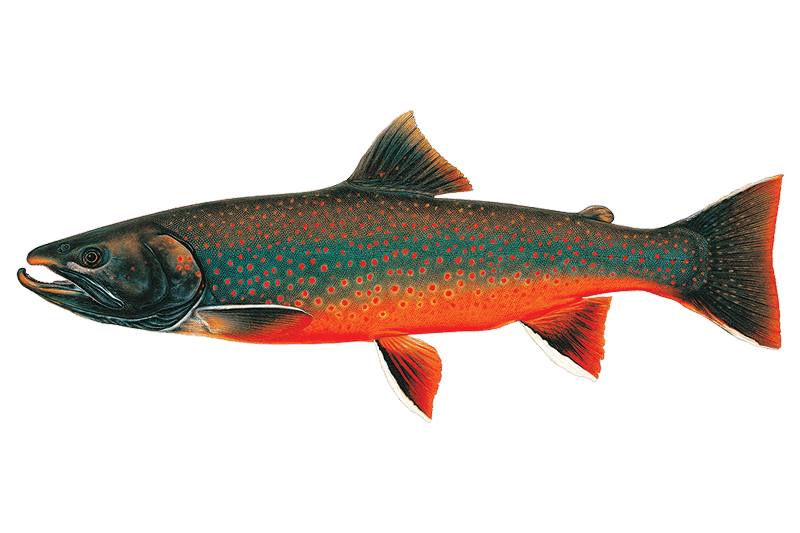
Dolly Varden
Salvelinus malma

Flathead Catfish
Pylodictis olivaris

Gizzard Shad
Dorosoma cepedianum
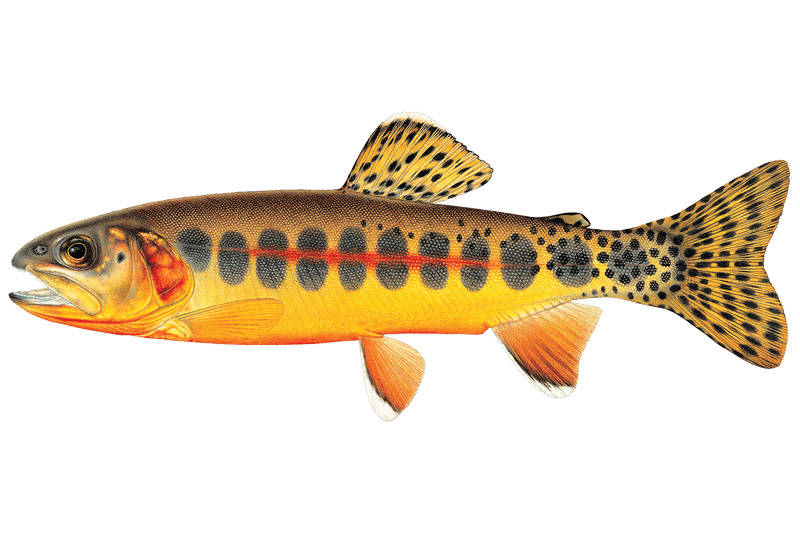
Golden Trout
Oncorhynchus mykiss aguabonita

Grass Carp
Ctenopharyngodon idella

Green Sunfish
Lepomis cyanellus
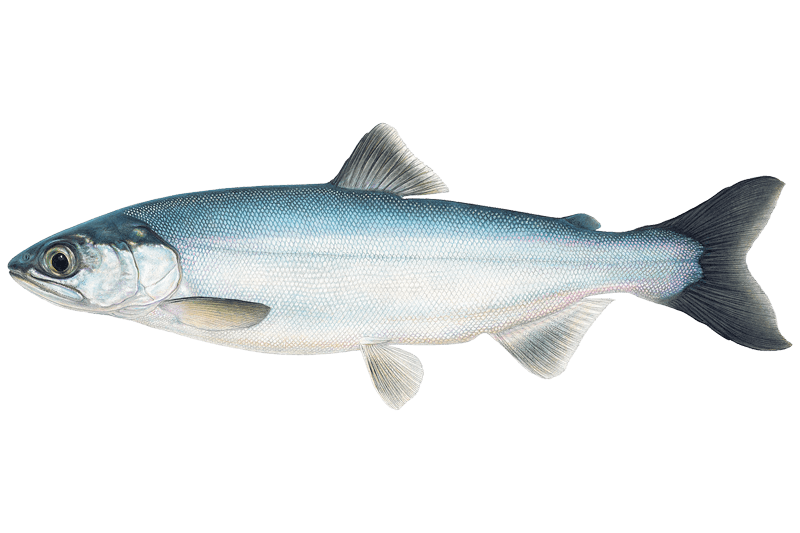
Kokanee Salmon
Oncorhynchus nerka

Lake Trout
Salvelinus namaycush
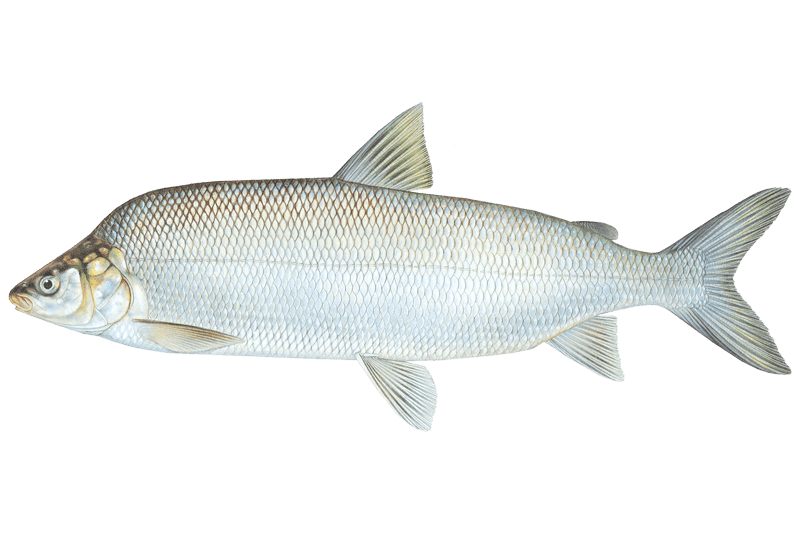
Lake Whitefish
Coregonus clupeaformis

Largescale Sucker
Catostomus macrocheilus

Longnose Sucker
Catostomus catostomus
Mountain Whitefish
Prosopium williamsoni
Northern Pikeminnow
Ptychocheilus oregonensis

Pacific Herring
Clupea pallasii

Pacific Lamprey
Entosphenus tridentatus

Pink Salmon
Oncorhynchus gorbuscha
Washington licenses and regulations

Washington Boating Regulations
When using any type of watercraft to access a body of water, it is important to follow all federal, state, and local rules and regulations. These rules and regulations include boat permitting and licensing, invasive species inspections and stamps, life jacket and PFD rules, motor size and horsepower restrictions, noise limitations, restrictions on personal watercraft, and many more. Visit the web link below for the most current rules and regulations for this body of water.

Washington Fishing License
Residents and non-residents alike must have a license to fish or shellfish in Washington waters. Everyone age 15 and older needs a fishing license. You do not need a license if you are fishing for common carp, crawfish, bullfrogs, or collecting relic shells.
Washington Fishing Regulations
This river has a variety of species and regulations, including potential floating and/or watercraft restrictions. Because this river is specially managed for species, seasons, angling methods, and watercraft, it is strongly encouraged you check all federal, state, and local regulations before fishing. This river is prone to emergency regulations. Stay up to date on specific river regulation changes. Visit any of the links below, inquire locally, or contact a local fly shop to learn current regulations and restrictions.
Washington Stream Access Laws
In Washington, the public has a right to use streams that are capable of floating a “bolt of shingles” during high flows. While a bolt of shingles is not large, this test does eliminate some smaller streams capable of being floated in a kayak. Washington does not recognize a right to portage across private land.
Explore nearby waters
Explore Washington waters
Top fishing waters
Popular Cities
Loading popular cities...
Smarter Fishing Starts in the App.
onWater Fish gives you everything you need to plan smarter, fish better, and own every trip from first cast to last.