Blue Crab

Blue Crab (Callinectes sapidus), meaning 'beautiful savory swimmer,' is New Jersey's prized crustacean found throughout saltwater and brackish estuaries.
New Jersey harvests an estimated 19 million crabs annually, making them a cornerstone of the state's recreational fishery.
Scientific Name: Callinectes sapidus
Also known as jimmies (males), sooks (females)
These swimming crabs reach up to 23 cm (9 inches) carapace width and exhibit distinct sexual dimorphism - males ('jimmies') have narrow abdomens resembling the Washington Monument with blue claws tipped in red, while females ('sooks') have broad, rounded abdomens like the Capitol dome with orange claws tipped in purple.
Fishing in New Jersey
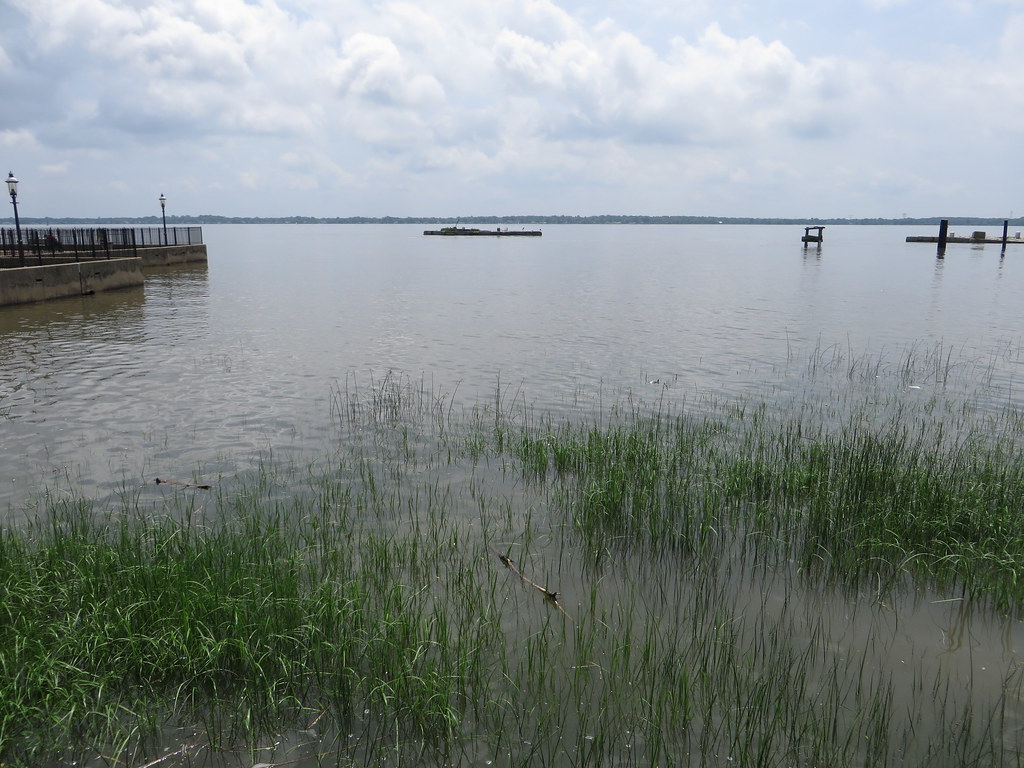
Delaware River
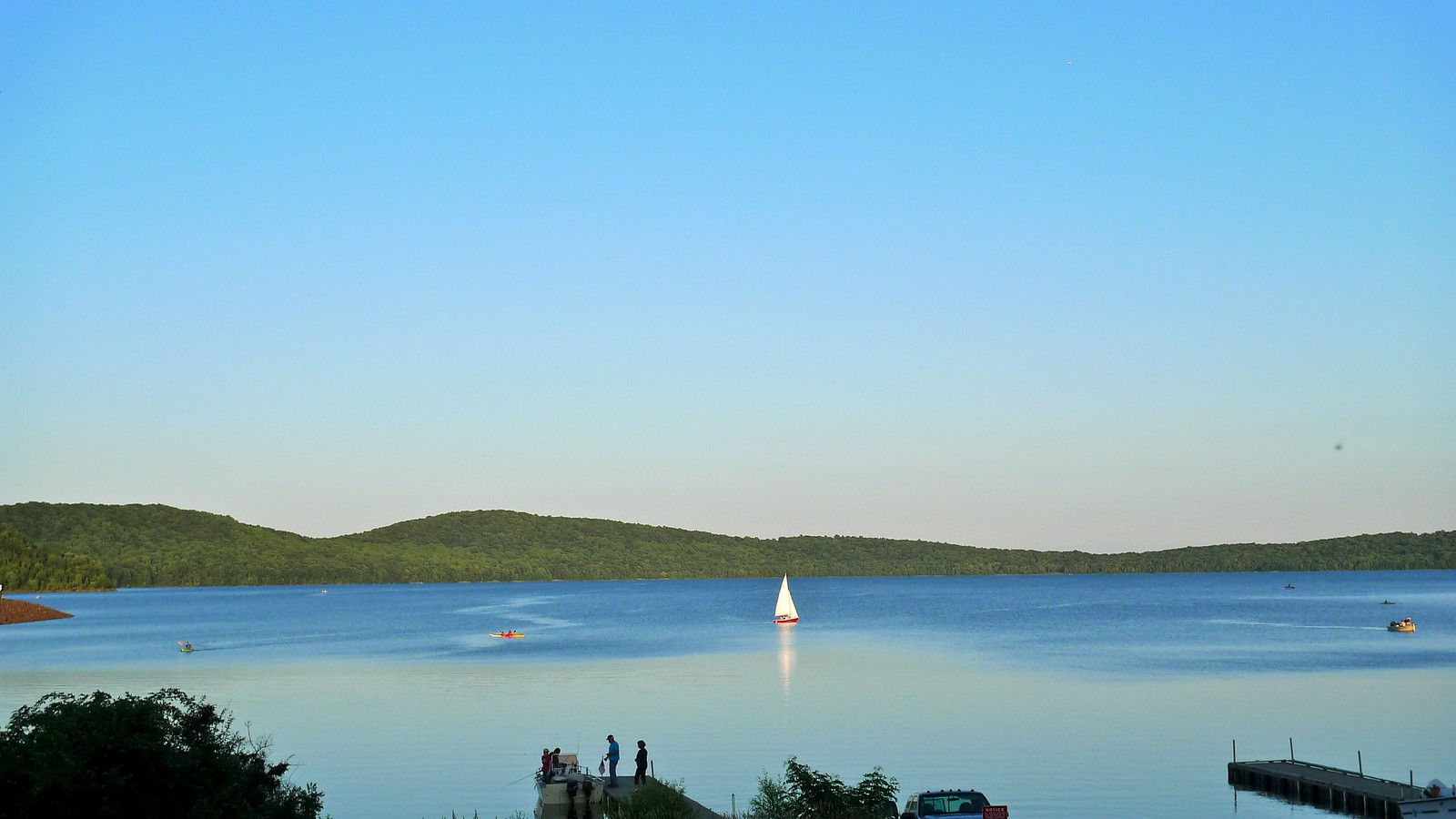
Round Valley Reservoir
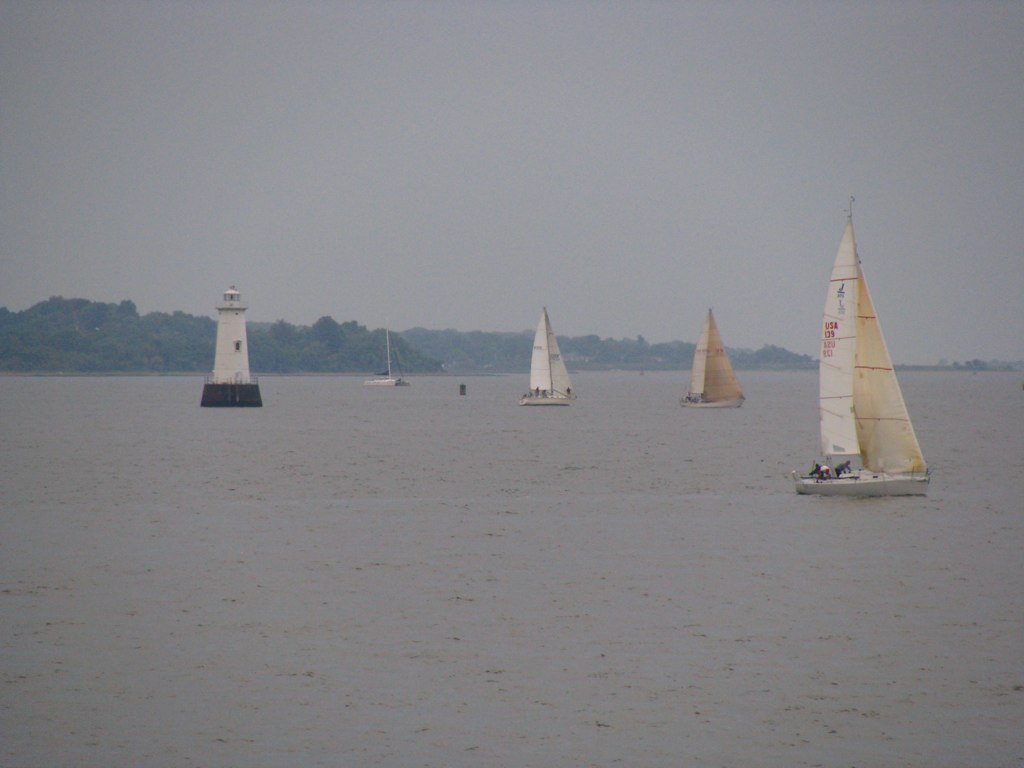
Raritan Bay
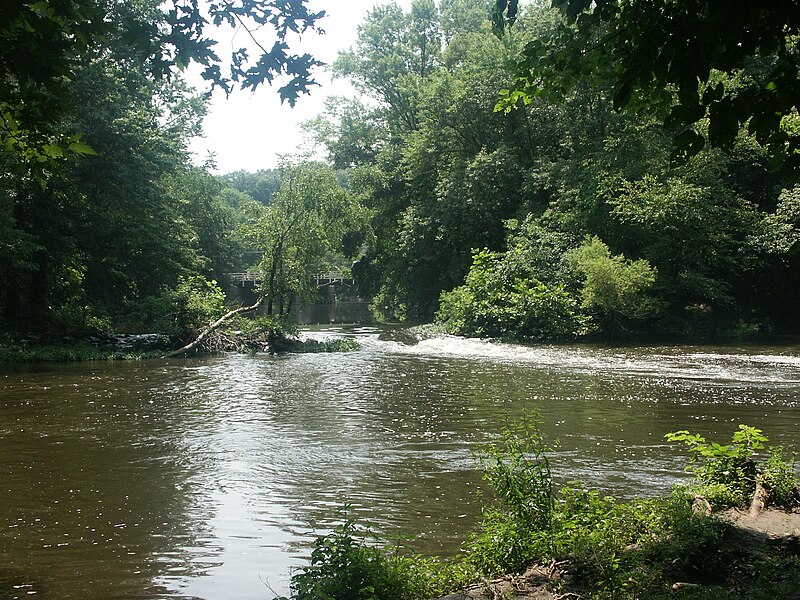
Millstone River
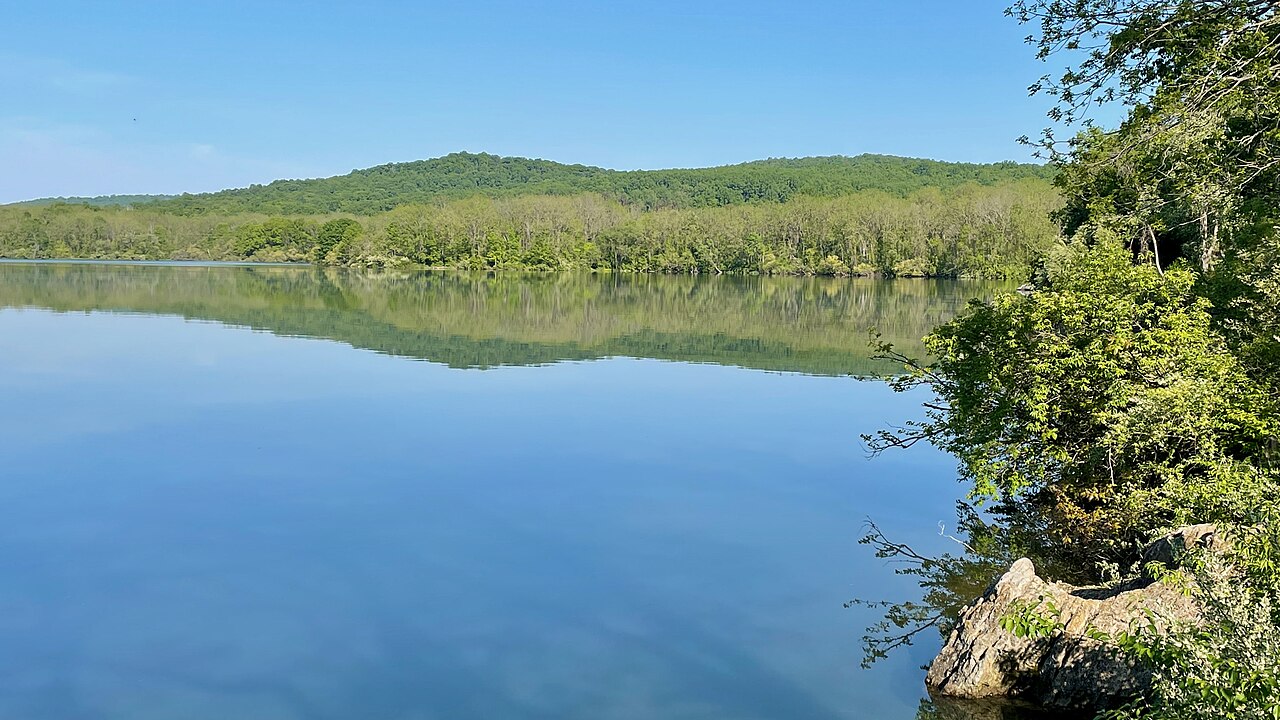
Spruce Run Reservoir
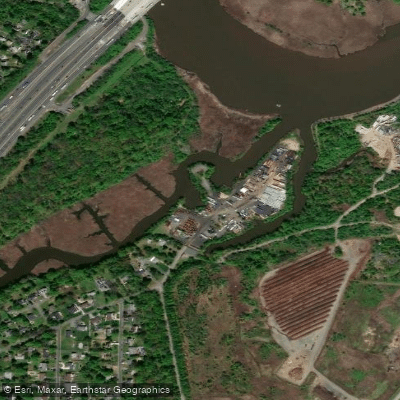
Lawrence Brook
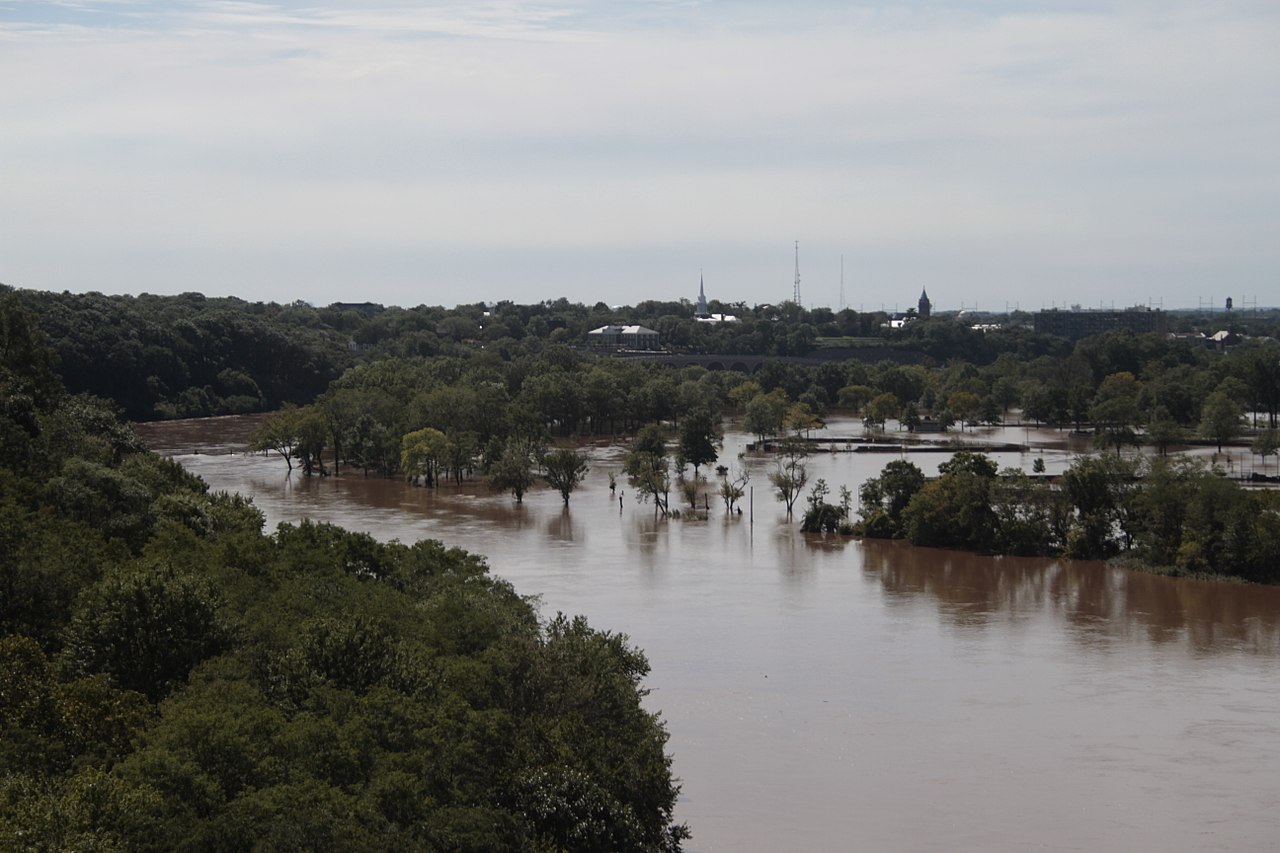
Raritan River
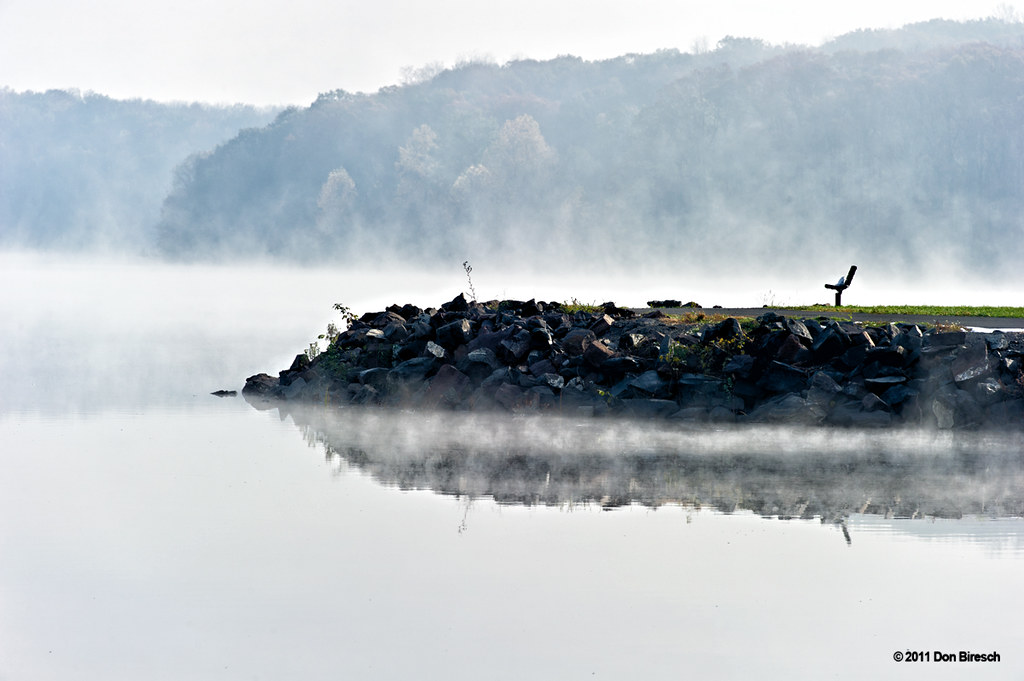
Lake Nockamixon
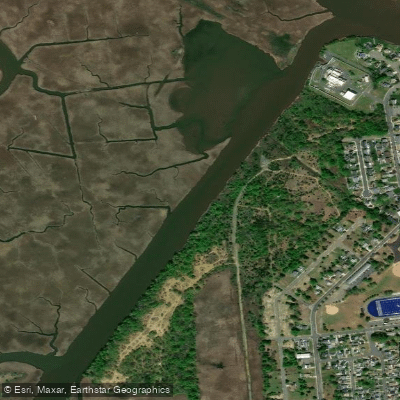
Washington Canal
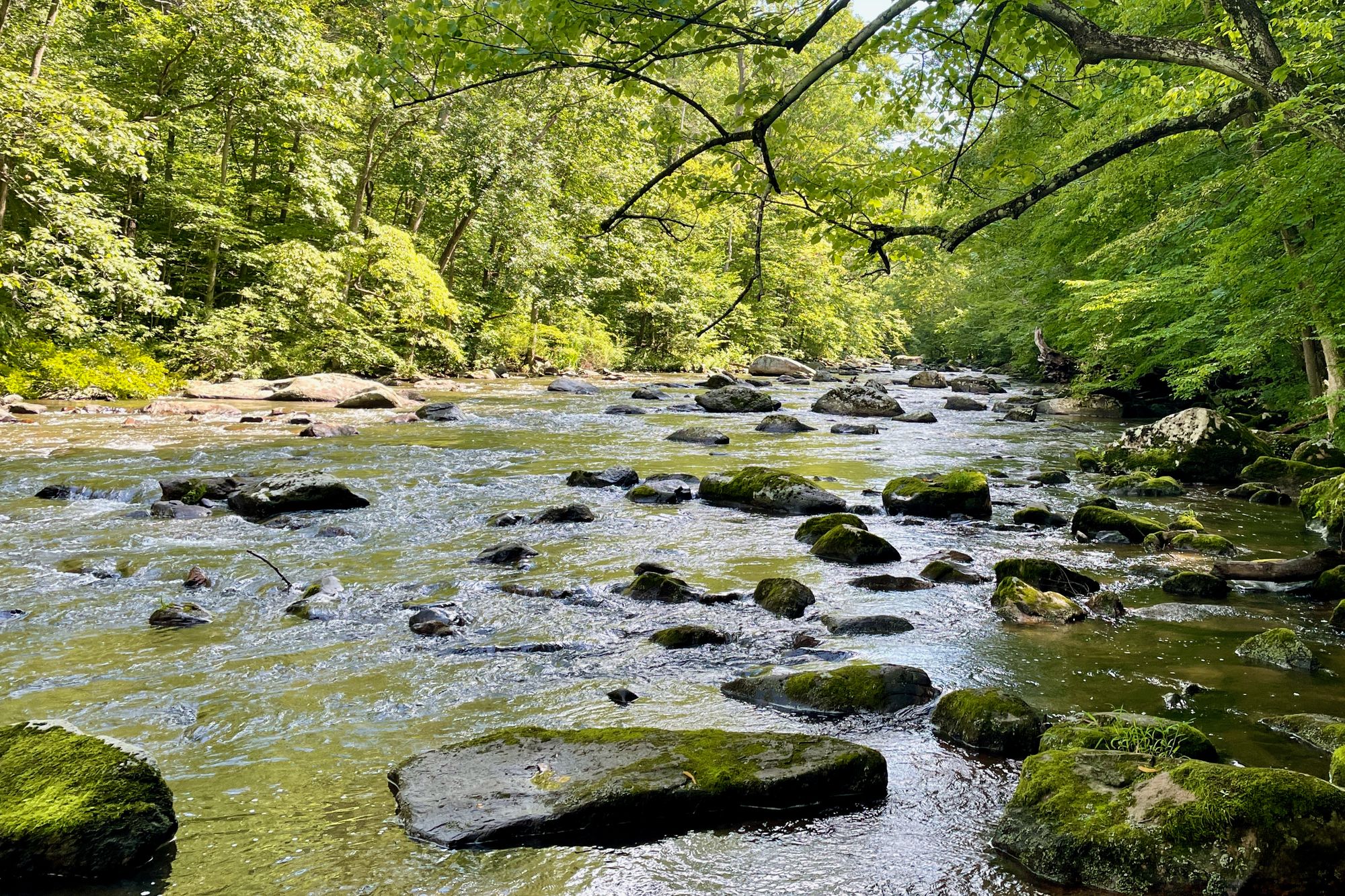
South Branch Raritan River
What to know
Habitat Distribution
Found throughout saltwater and brackish estuaries from the Raritan to coastal bays and up the Delaware River. They inhabit soft-bottom habitats in estuarine waters, tidal creeks, rivers, and shallow saltwater bays throughout New Jersey's coast.Key Locations
Red Bank Marina on Navesink River, Berkeley Island County Park, Mantoloking Bridge areas, Barnegat Bay system, Edwin B. Forsythe NWR access points (Cedar Run Dock Road, Parkertown Dock Road, Scotts Landing), Grassy Sound Marina, Atlantic City bridges, Delaware Bay areas like Turkey Point and Dividing Creek, Barnegat Bay Complex (Barnegat Bay, Manahawkin Bay, Little Egg Harbor), Navesink River, Delaware Bay, and coastal marshesSpecific Spots
3-6 feet of water, shore-based spots include numerous piers and bulkheads, while boat access opens deeper bay areasBlue Crab FAQ
Answers from onWater's species guide.
What are the best lures and bait for Blue Crab in New Jersey?
Chicken thighs (preferred over necks for more oil and scent), bunker/menhaden, and any oily saltwater fish - avoid thin-skinned fish like mackerel
When is the best time to fish for Blue Crab in New Jersey?
Peak crabbing season runs June through October, with July and August offering the highest numbers and largest crabs. Avoid fishing egg-bearing females May through August.
How do you catch Blue Crab in New Jersey?
Primary methods include handlines, collapsible crab traps, and crab pots. Handlines work best from docks or boats - drop straight down (not at distance), and retrieve slowly when feeling extra weight or tugging.
What do Blue Crab eat?
Blue crabs are omnivorous predators feeding on thin-shelled bivalves (clams, mussels, oysters), crustaceans, annelids, small fish, plants like eelgrass, carrion, and even other blue crabs. Their diet composition typically includes 20-40% mollusks, 10-26% arthropods, 5-12% fish, and 1-7% polychaetes.
Where do Blue Crab live in New Jersey?
Found throughout saltwater and brackish estuaries from the Raritan to coastal bays and up the Delaware River. They inhabit soft-bottom habitats in estuarine waters, tidal creeks, rivers, and shallow saltwater bays throughout New Jersey's coast.
Fish smarter with real-time insights
Whether you're en route and conditions shift or you're looking for the best spot based on current flows, we enable you to make informed decisions on the fly.







See it in the app
Most maps show you water.
onWater shows you Blue Crab.



- 01 · Species map filter
Map every Blue Crab water
Pick Blue Crab and the map zeroes in on the waters they call home. No more guessing which lake holds them.
- 02 · Waterbody species
Tap any water. See what lives there.
Species, behavior and seasonal patterns for every lake, river and pond, before you leave the driveway.
- 03 · Angler Intelligence
Ask how to catch Blue Crab
Tactics, gear and timing from onWater's AI fishing guide, tuned to the species and the water you're on.
Stop guessing where Blue Crab are.
Open the map, filter by Blue Crab, and head to water that holds them. Download onWater and plan your next trip in minutes.
- Species map filter
- Angler Intelligence
- Fishing journal
Explore other species
Trout, bass, salmon, panfish and everything in between. Each guide unpacks the behavior, seasons, and tactics that put fish in the net.

Find which waters have the species you want to catch

Largemouth Bass

Smallmouth Bass

Rainbow Trout

Brown Trout

Brook Trout
Salvelinus fontinalis

Northern Pike

Muskellunge

Walleye
Sander vitreus

Black Crappie
Pomoxis nigromaculatus

Alewife
Alosa pseudoharengus

American Eel
Anguilla rostrata

American Shad
Alosa sapidissima

Atlantic Salmon
Salmo salar

Atlantic Sturgeon
Acipenser oxyrinchus oxyrinchus

Black Bullhead
Ameiurus melas

Black Drum
Pogonias cromis

Blacknose Dace
Rhinichthys atratulus

Black Sea Bass
Centropristis striata

Blue Catfish
Ictalurus furcatus

Bluefish
Pomatomus saltatrix

Bowfin
Amia calva

Brown Bullhead
Ameiurus nebulosus

Chain Pickerel
Esox niger

Channel Catfish
Ictalurus punctatus

Chinook Salmon
Oncorhynchus tshawytscha

Common Carp
Cyprinus carpio

Creek Chub
Semotilus atromaculatus
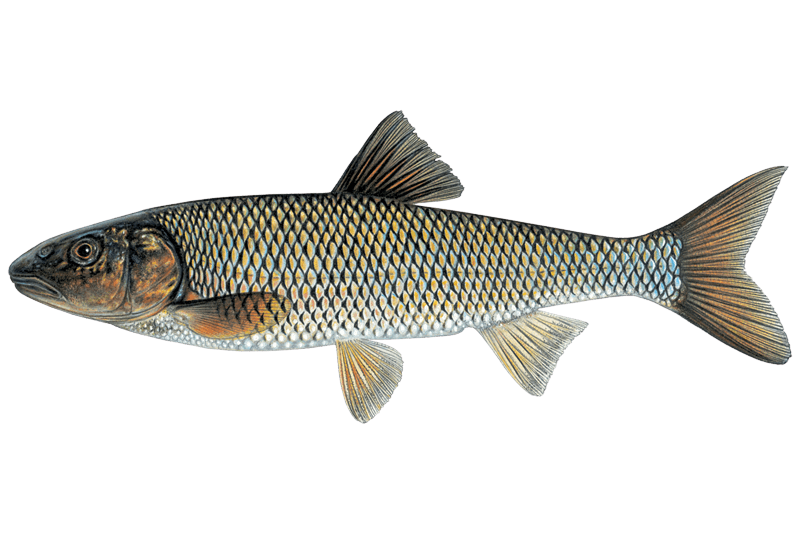
Fallfish
Semotilus corporalis

Flathead Catfish

Gizzard Shad
Dorosoma cepedianum

Grass Carp
Ctenopharyngodon idella

Green Sunfish
Lepomis cyanellus

Hickory Shad
Alosa mediocris

Lake Trout
Salvelinus namaycush
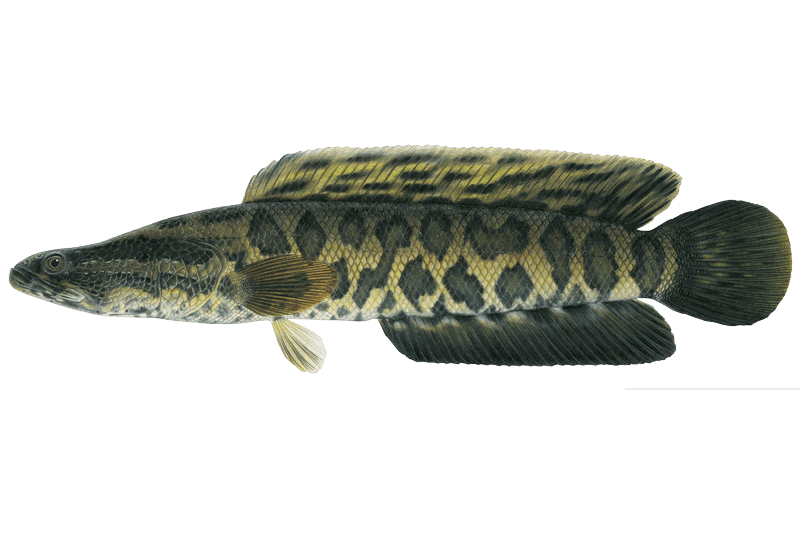
Northern Snakehead
Channa argus

Pumpkinseed
Lepomis gibbosus
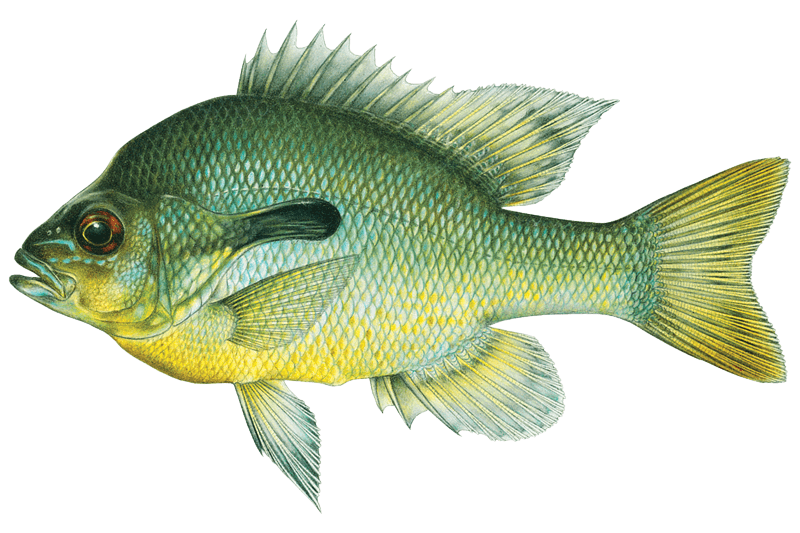
Redbreast Sunfish
Lepomis auritus
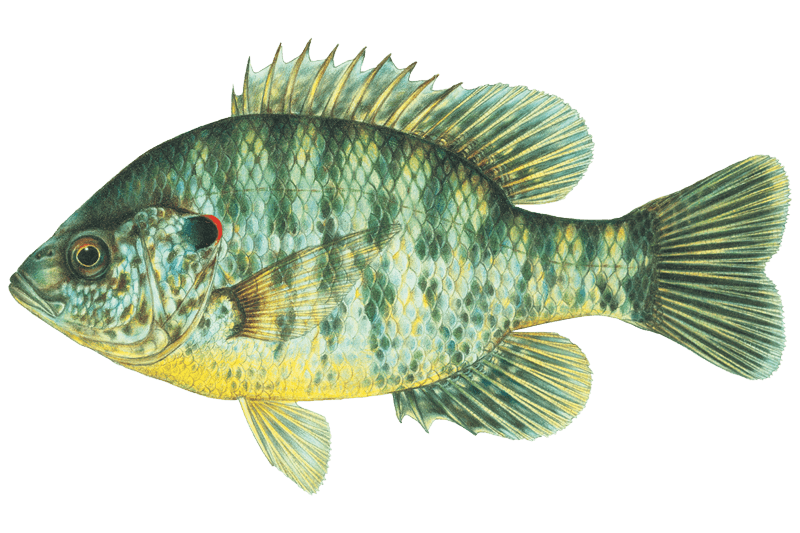
Redear Sunfish
Lepomis microlophus
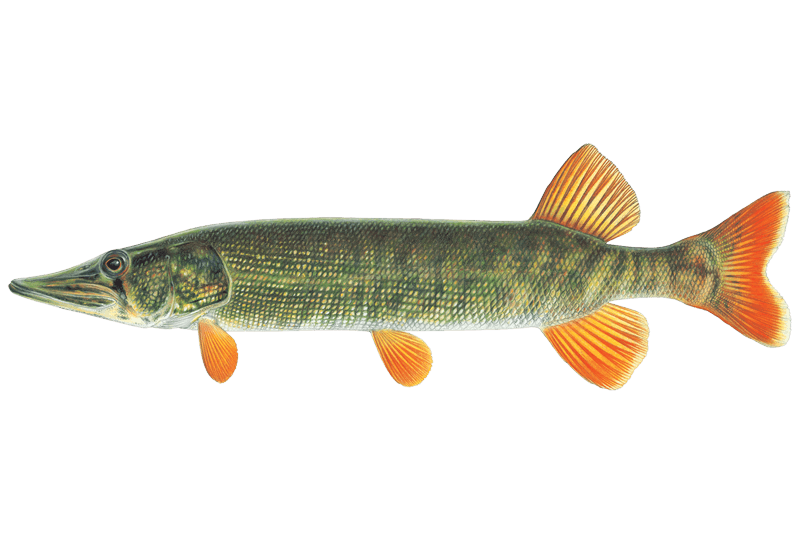
Redfin Pickerel
Esox americanus americanus

Rock Bass
Ambloplites rupestris
New Jersey licenses and regulations

New Jersey Boating Regulations
When using any type of watercraft to access a body of water, it is important to follow all federal, state, and local rules and regulations. These rules and regulations include boat permitting and licensing, invasive species inspections and stamps, life jacket and PFD rules, motor size and horsepower restrictions, noise limitations, restrictions on personal watercraft, and many more. Visit the web link below for the most current rules and regulations for this body of water.

New Jersey Fishing License
Anyone age 16 and older must have a valid license (see Exceptions) to fish the fresh waters of New Jersey with handline, rod and line, or longbow and arrow. This includes privately owned lakes and other waters. New Jersey does not require a general saltwater fishing license but there are a limited number of saltwater licenses and permits required. Additionally, most saltwater anglers need to register with the free New Jersey Saltwater Recreational Registry Program.

New Jersey Fishing Regulations
This river has a variety of species and regulations, including potential floating and/or watercraft restrictions. Because this river is specially managed for species, seasons, angling methods, and watercraft, it is strongly encouraged you check all federal, state, and local regulations before fishing. Visit any of the links below, inquire locally, or contact a local fly shop to learn current regulations and restrictions.

New Jersey Stream Access Laws
There are two types of streams are boatable in New Jersey: tidal streams and non-tidal, navigable streams. The public can use any stream influenced by the tide, unless prohibited by law in the particular stretch of stream. Navigable streams may be boated, whether or not they are influenced by the tide. This includes streams capable of being used for transporting valuable commerce, such as commercial logs.
Explore nearby waters
Explore New Jersey waters
Top fishing waters
Popular Cities
Loading popular cities...
Smarter Fishing Starts in the App.
onWater Fish gives you everything you need to plan smarter, fish better, and own every trip from first cast to last.