Black Crappie

Black Crappie are one of New Jersey's most popular freshwater panfish, found in lakes, ponds, reservoirs, and slow-moving rivers throughout the state. In New Jersey, Black Crappie are more abundant and grow larger than White Crappie.
These schooling fish are opportunistic feeders with diets changing by life stage.
Scientific Name: Pomoxis nigromaculatus
- They're distinguished from White Crappie by their 7-8 dorsal spines (versus 5-6 for White Crappie) and irregular black blotches across their silver-green bodies rather than vertical bars.
- These schooling fish typically reach 10-12 inches, with the state producing specimens over 15 inches.
Fishing in New Jersey
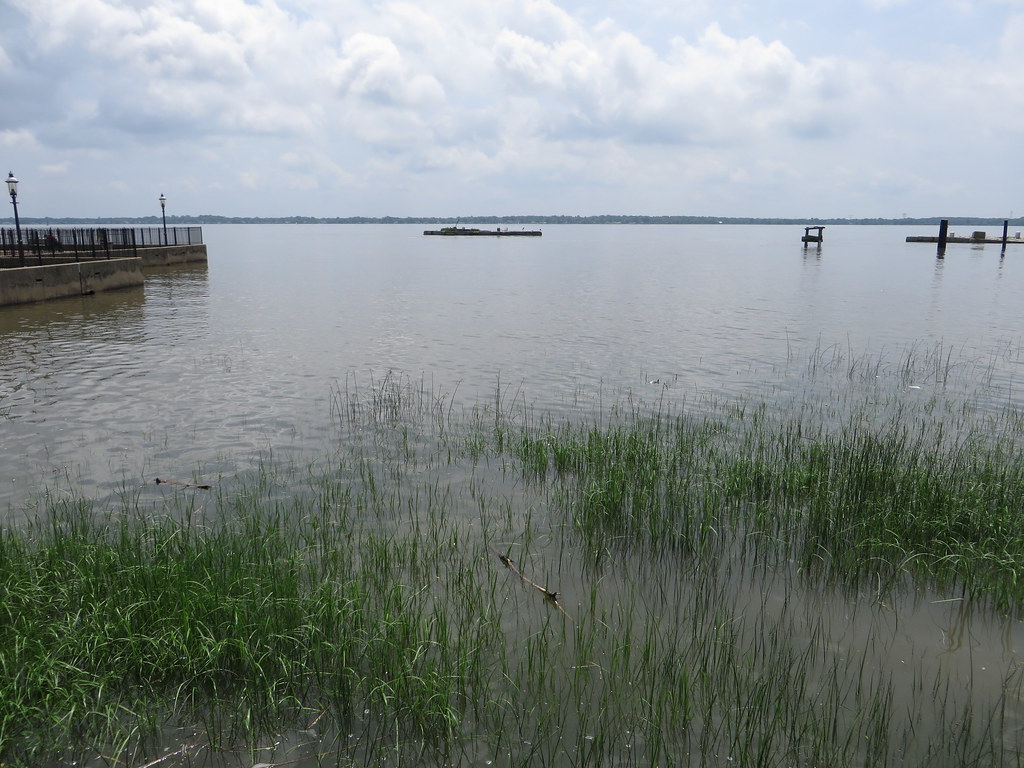
Delaware River
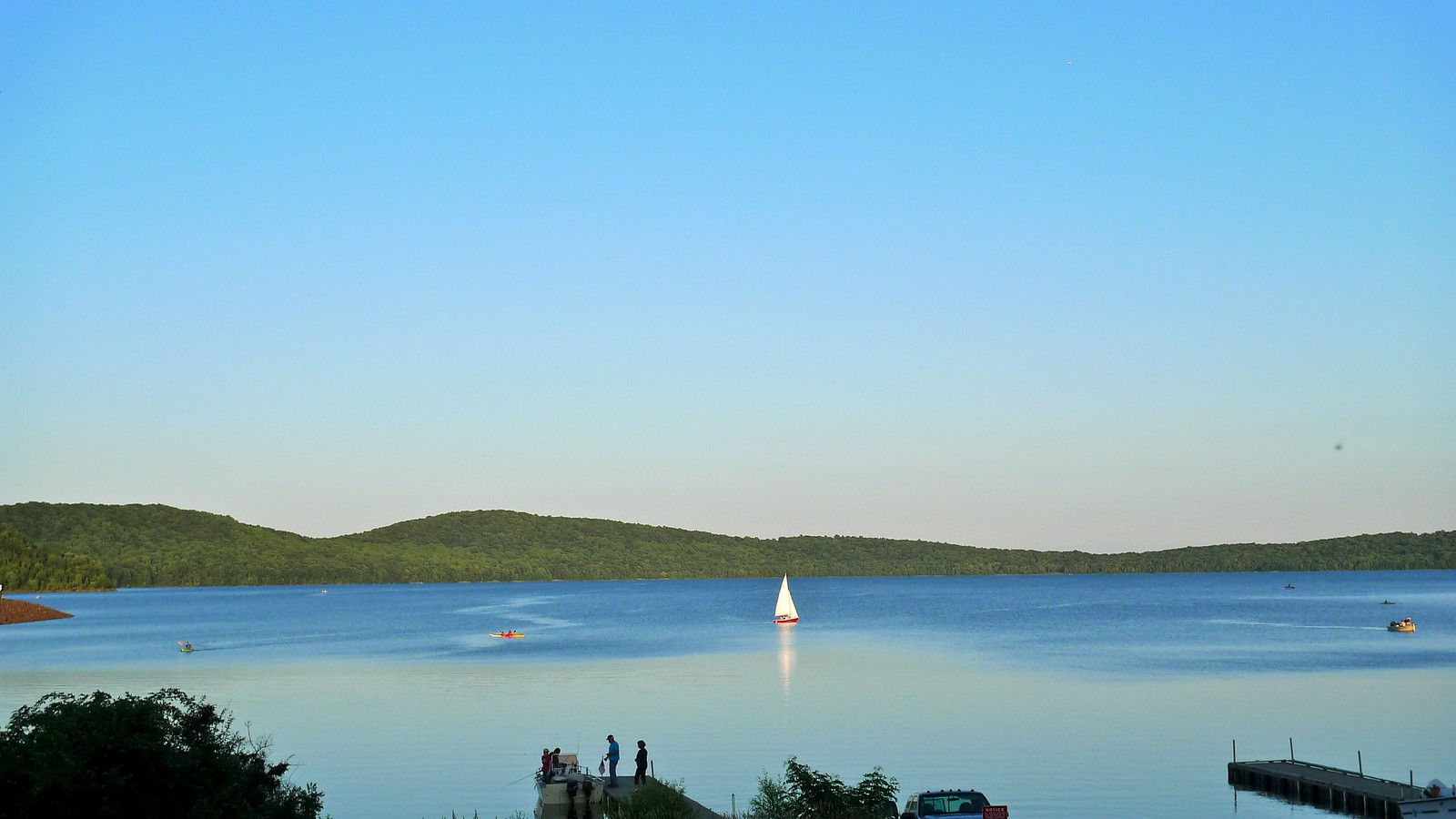
Round Valley Reservoir
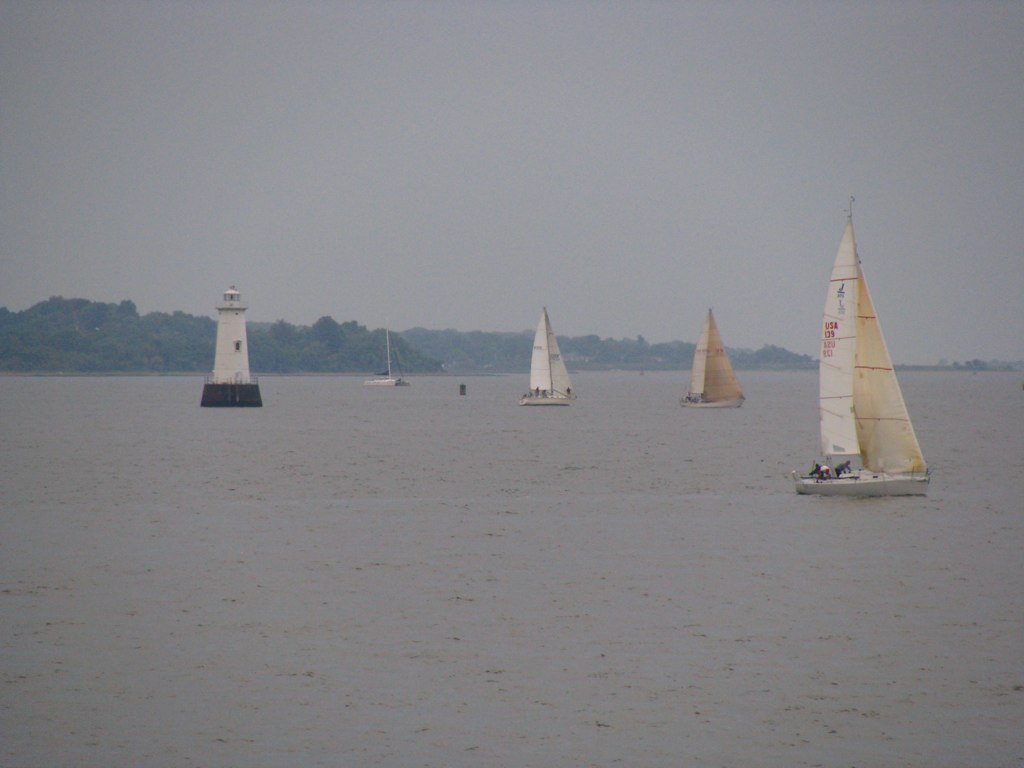
Raritan Bay
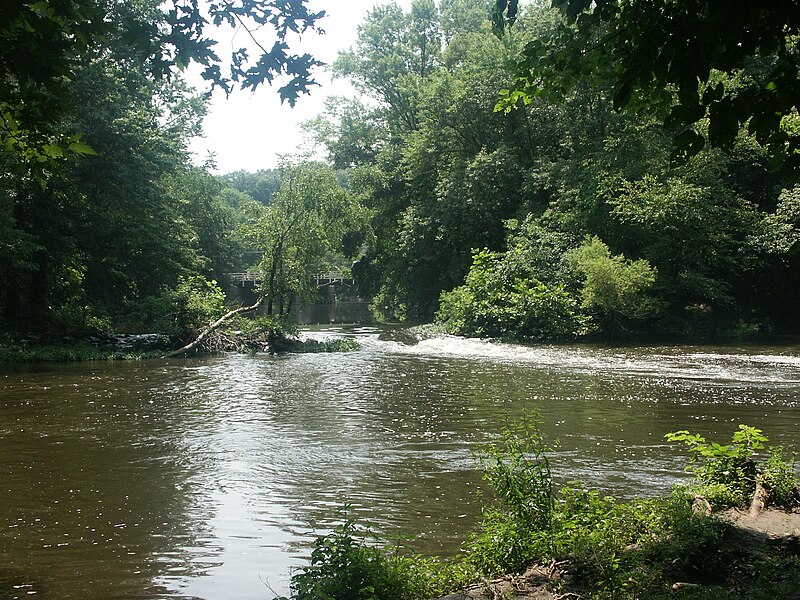
Millstone River
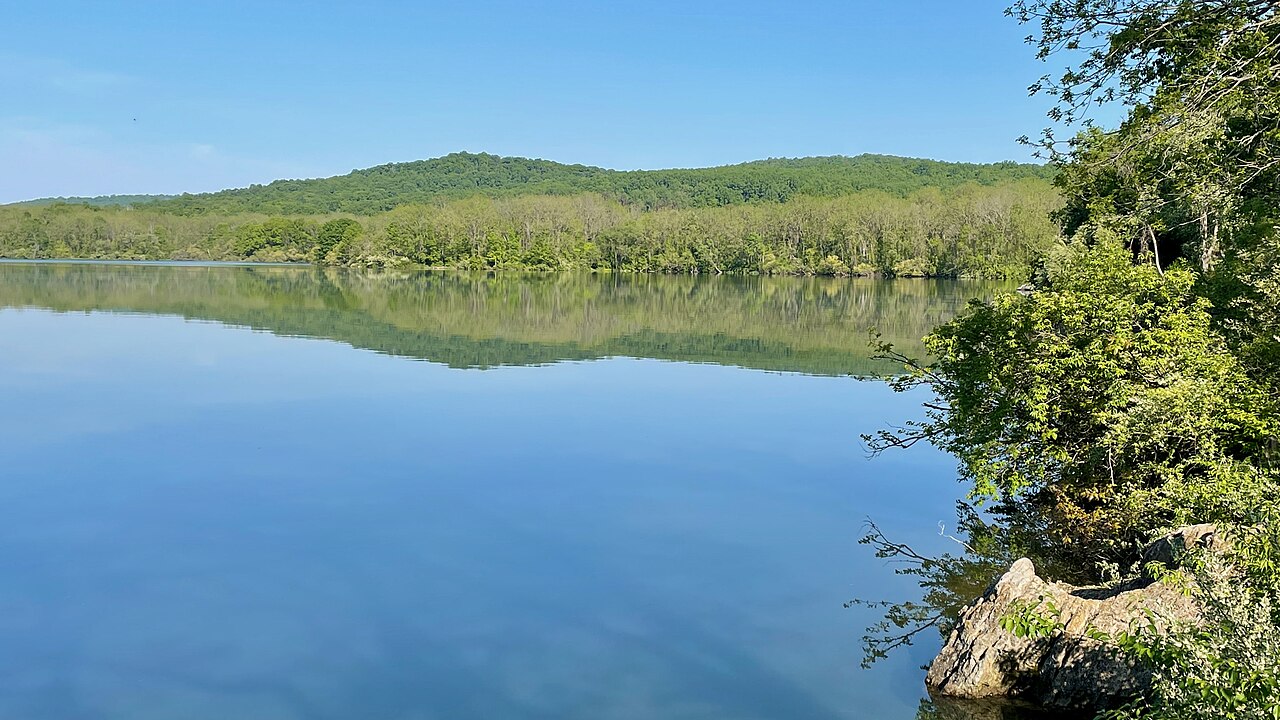
Spruce Run Reservoir
Lawrence Brook
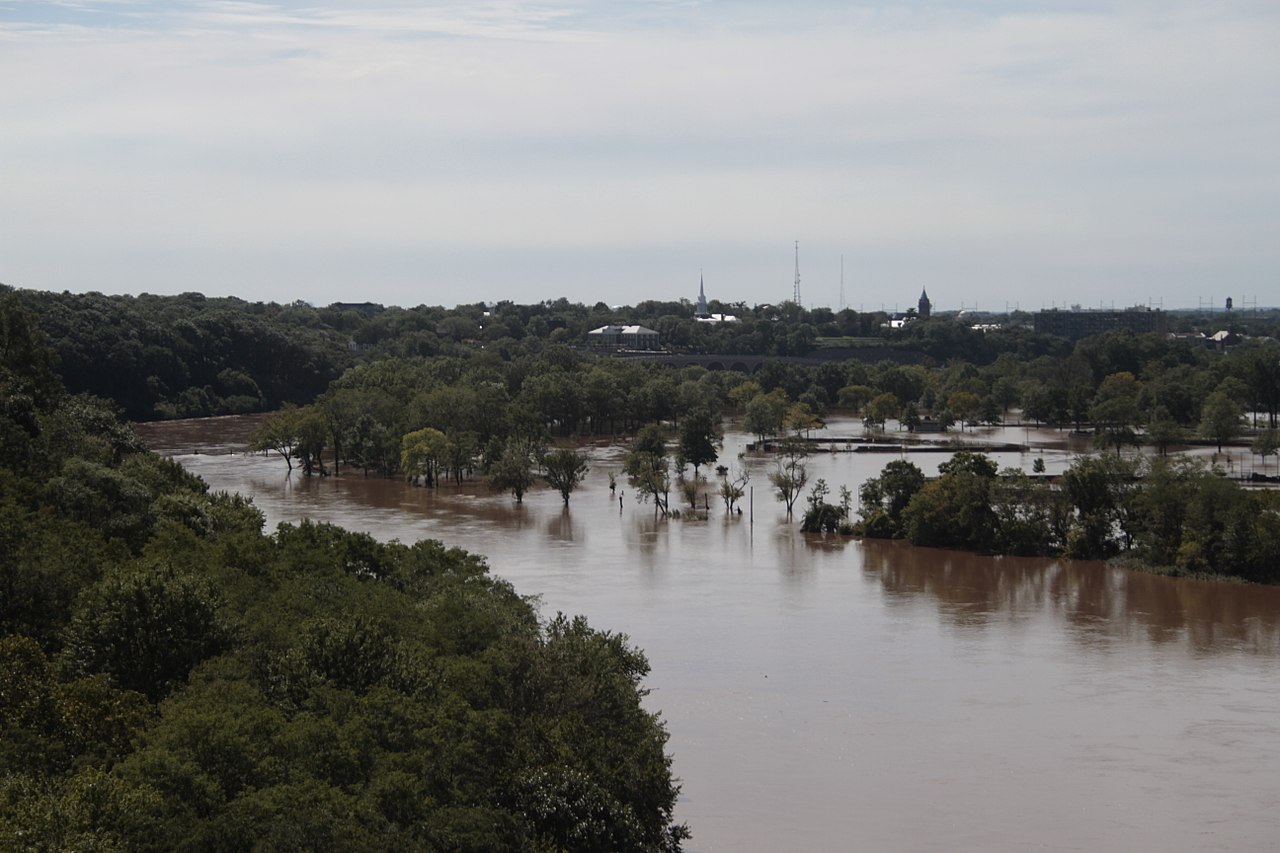
Raritan River
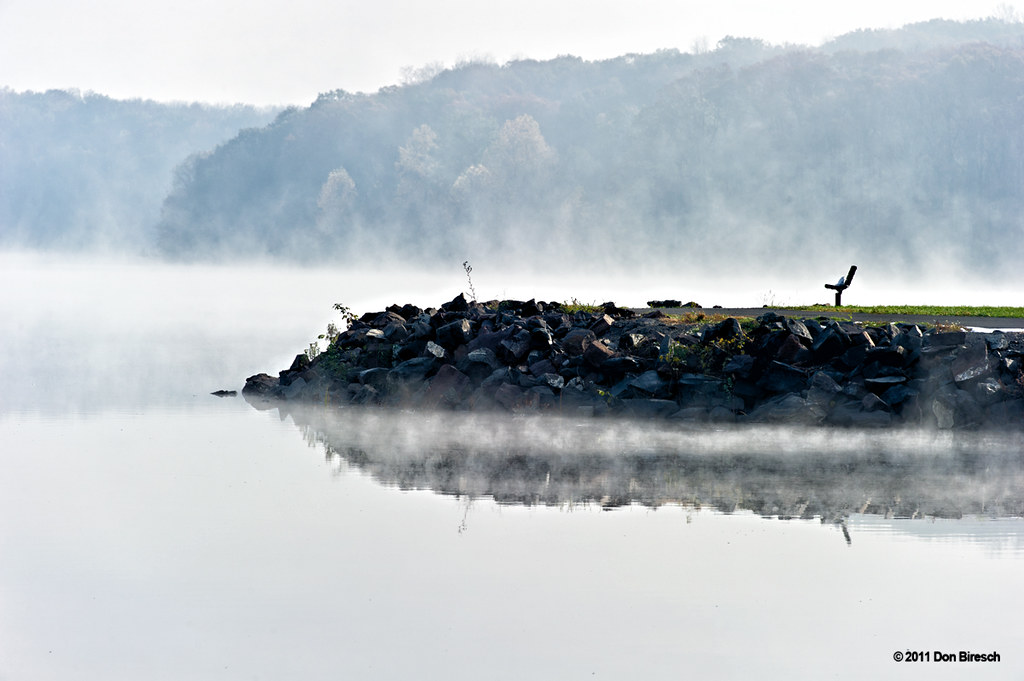
Lake Nockamixon
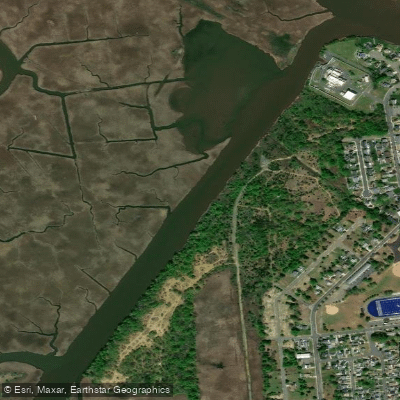
Washington Canal
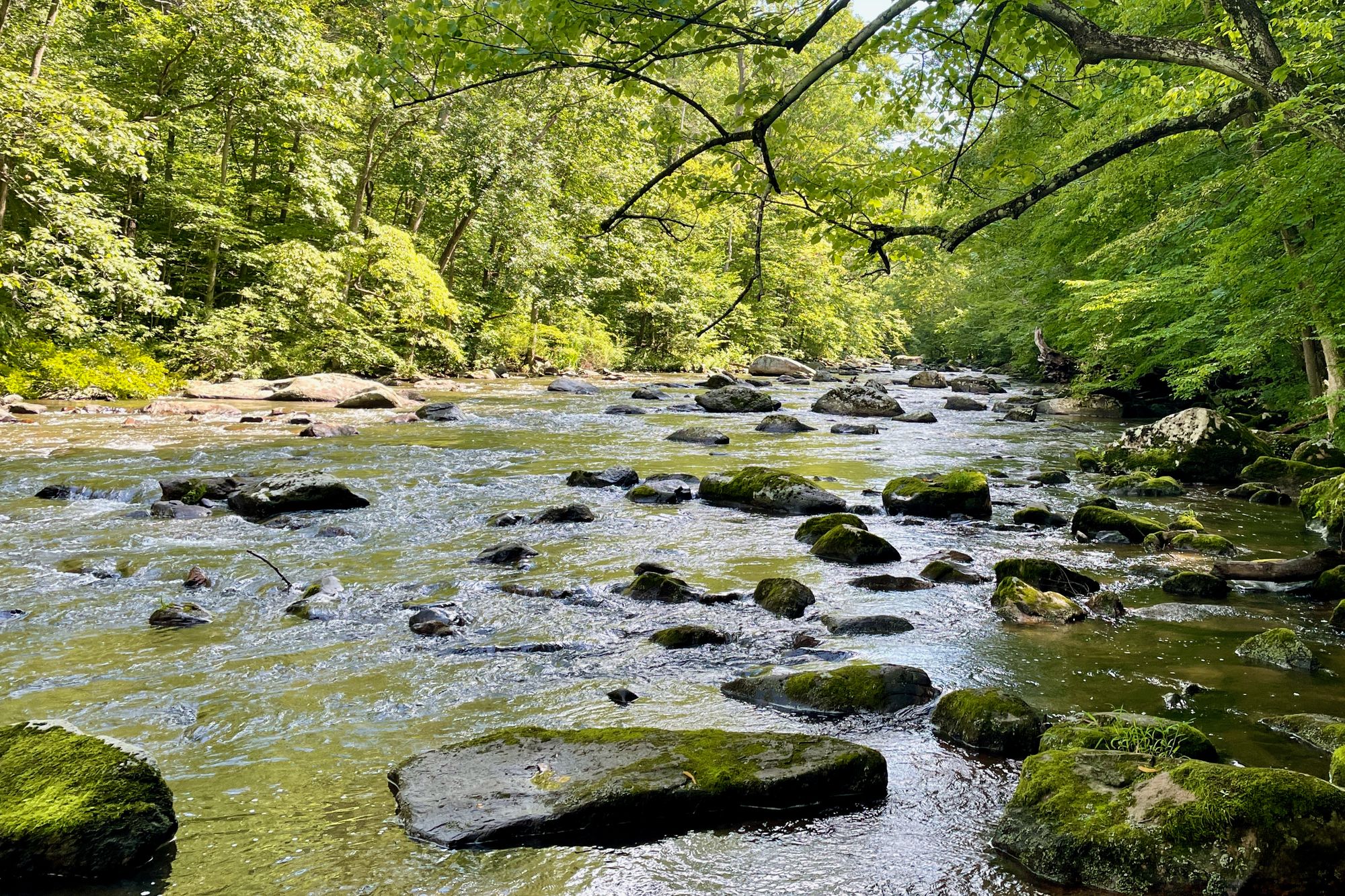
South Branch Raritan River
What to know
Habitat Distribution
- Found in lakes, ponds, reservoirs, and slow-moving rivers throughout the state.
Key Locations
- Prime New Jersey waters include Union Lake, Lake Lenape, Salem Canal, Cooper River Lake and Upper Cooper River, Farrington Lake, Lake Hopatcong, Manasquan Reservoir, Spruce Run Reservoir, and Swartswood Lake.
Specific Spots
- Target them around structure - stumps, standing timber, brush piles, docks, stake beds, and vegetation edges.
- They inhabit waters with abundant cover such as submerged timber, brush piles, vegetation, and artificial structure.
Black Crappie FAQ
Answers from onWater's species guide.
What are the best lures and bait for Black Crappie in New Jersey?
1/16-1/32 ounce jigheads tipped with 2-inch soft plastics in colors like monkey milk, chartreuse combinations, or contrasting patterns. Live minnows (fathead, emerald shiners).
What flies work for Black Crappie in New Jersey?
Productive patterns include Clouser Minnows, Woolly Buggers, micro jigs on light jigheads (1/64-1/124 ounce), and craft fur baitfish in sizes 8-12.
When is the best time to fish for Black Crappie in New Jersey?
Prime Black Crappie fishing in New Jersey occurs during spring (pre-spawn movement) and fall when fish school heavily and feed aggressively.
How do you catch Black Crappie in New Jersey?
Top techniques include vertical jigging with slow, subtle presentations - slight rod lifts followed by pauses, as Crappie often hit on the fall or pause. Bobber fishing is highly effective, suspending small jigs or live minnows 1-2 feet below slip bobbers set to place baits just above structure.
What do Black Crappie eat?
Juveniles consume zooplankton and microcrustaceans, while adults feed primarily on small fish (fathead minnows, shad, small carp), insects, insect larvae, and crustaceans.
Fish smarter with real-time insights
Whether you're en route and conditions shift or you're looking for the best spot based on current flows, we enable you to make informed decisions on the fly.




See it in the app
Most maps show you water.
onWater shows you Black Crappie.



- 01 · Species map filter
Map every Black Crappie water
Pick Black Crappie and the map zeroes in on the waters they call home. No more guessing which lake holds them.
- 02 · Waterbody species
Tap any water. See what lives there.
Species, behavior and seasonal patterns for every lake, river and pond, before you leave the driveway.
- 03 · Angler Intelligence
Ask how to catch Black Crappie
Tactics, gear and timing from onWater's AI fishing guide, tuned to the species and the water you're on.
Stop guessing where Black Crappie are.
Open the map, filter by Black Crappie, and head to water that holds them. Download onWater and plan your next trip in minutes.
- Species map filter
- Angler Intelligence
- Fishing journal
Explore other species
Trout, bass, salmon, panfish and everything in between. Each guide unpacks the behavior, seasons, and tactics that put fish in the net.
No species information available.
New Jersey licenses and regulations
Explore nearby waters
Explore New Jersey waters
Top fishing waters
Popular Cities
Loading popular cities...

Smarter Fishing Starts in the App.
onWater Fish gives you everything you need to plan smarter, fish better, and own every trip from first cast to last.