Bowfin

Bowfin are primitive freshwater fish that have inhabited New Jersey waters for millions of years, dating back to the Jurassic period. Often called 'living fossils,' they are the sole surviving member of the Amiiformes order.
These cylindrical fish are air-breathing predators with sharp teeth and extremely bony skulls, capable of surviving in low-oxygen waters that would kill other species.
Scientific Name: Amia calva
Also known as living fossils
- These cylindrical fish are air-breathing predators with sharp teeth and extremely bony skulls.
Fishing in New Jersey
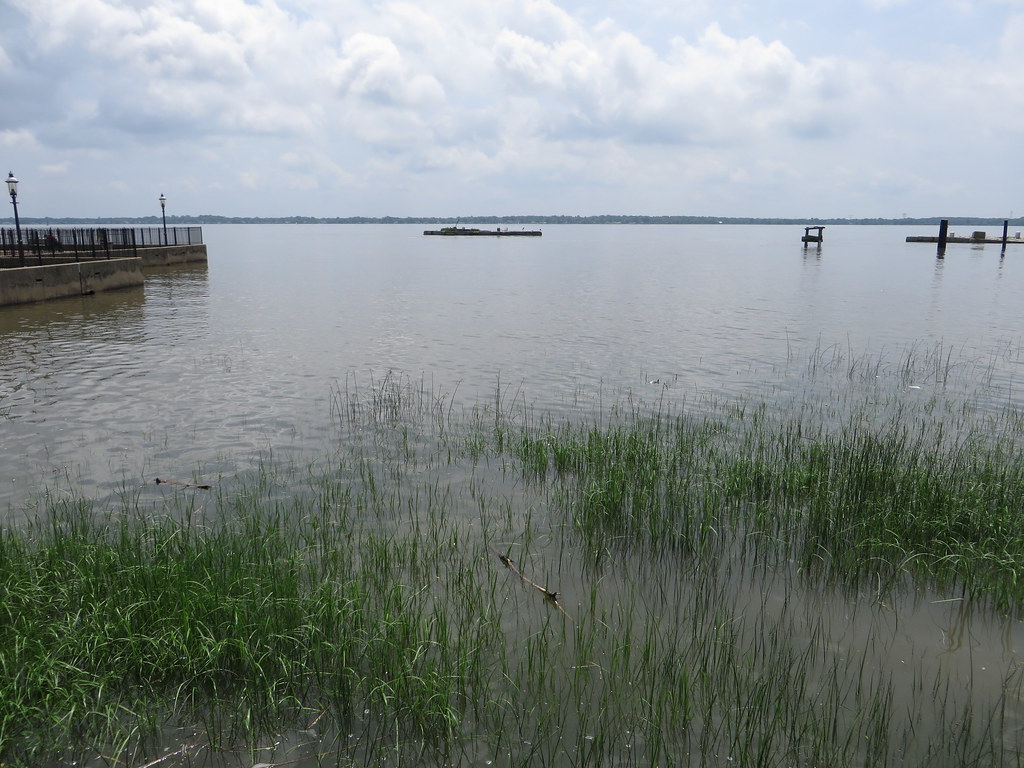
Delaware River
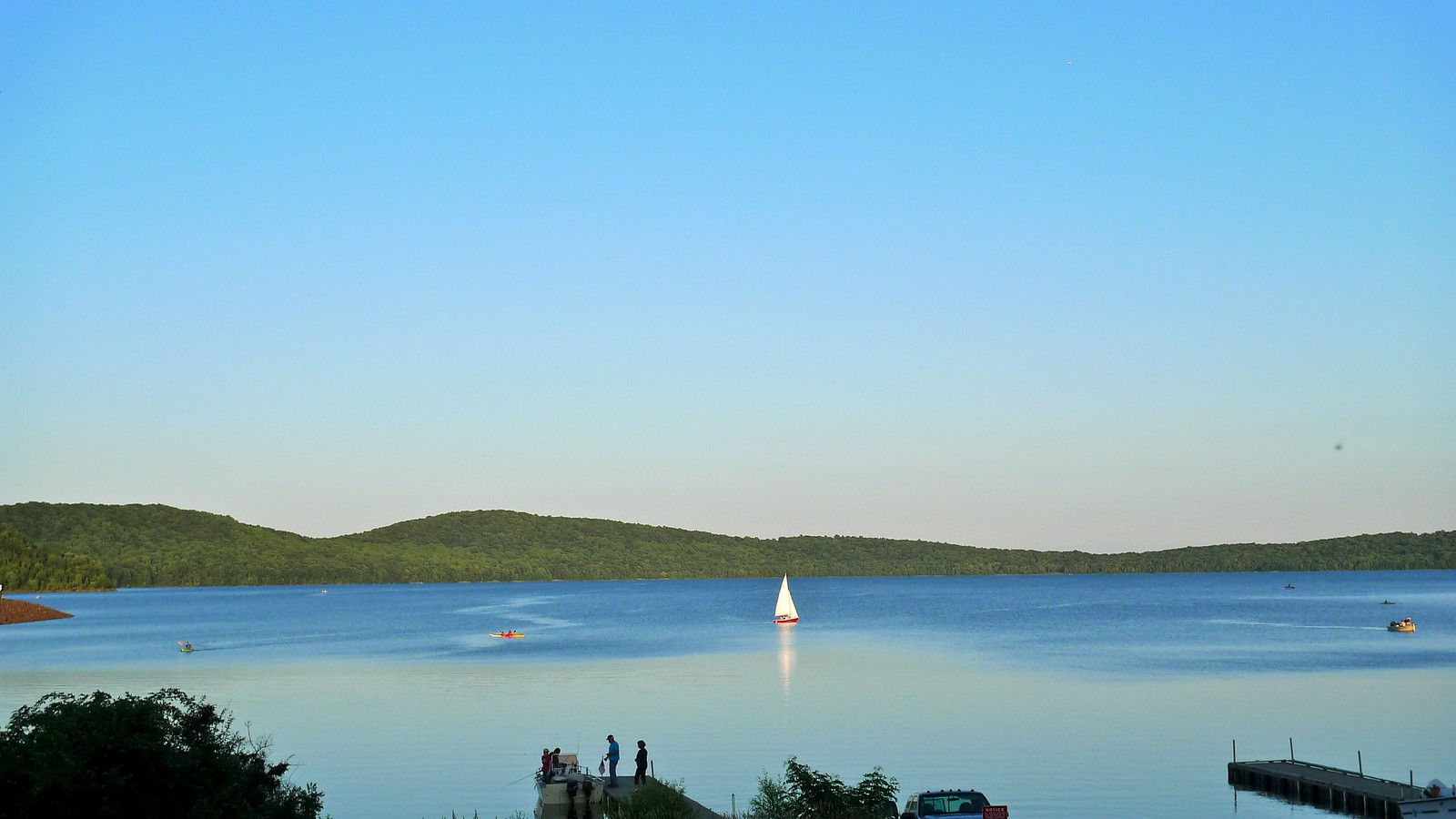
Round Valley Reservoir
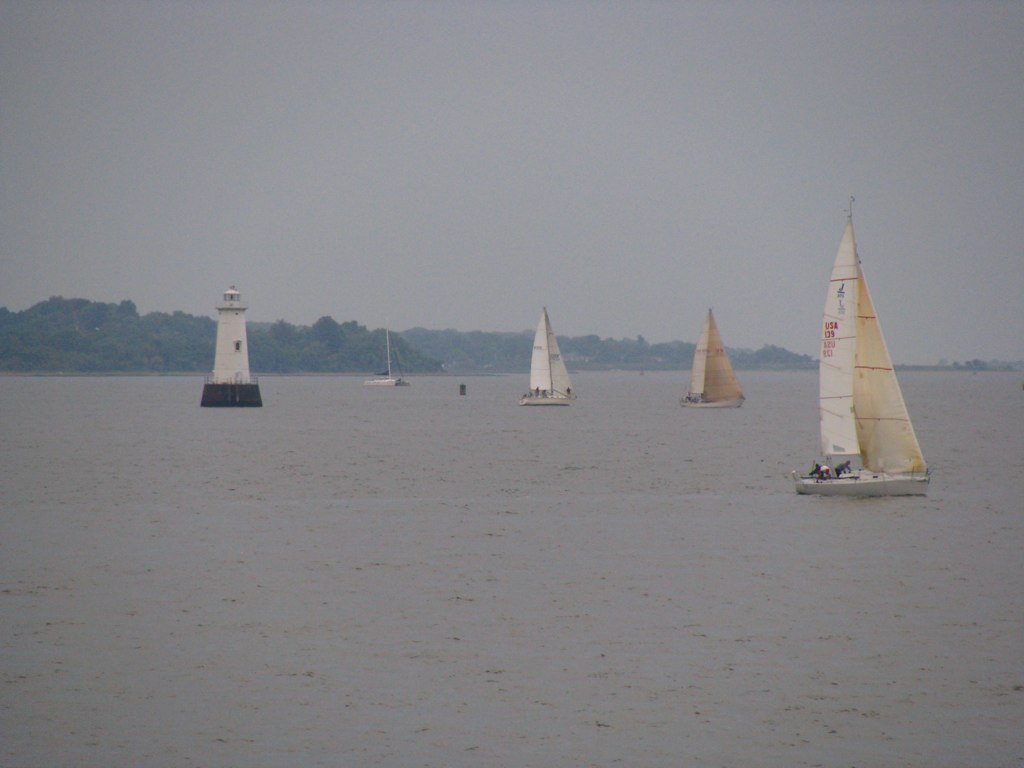
Raritan Bay
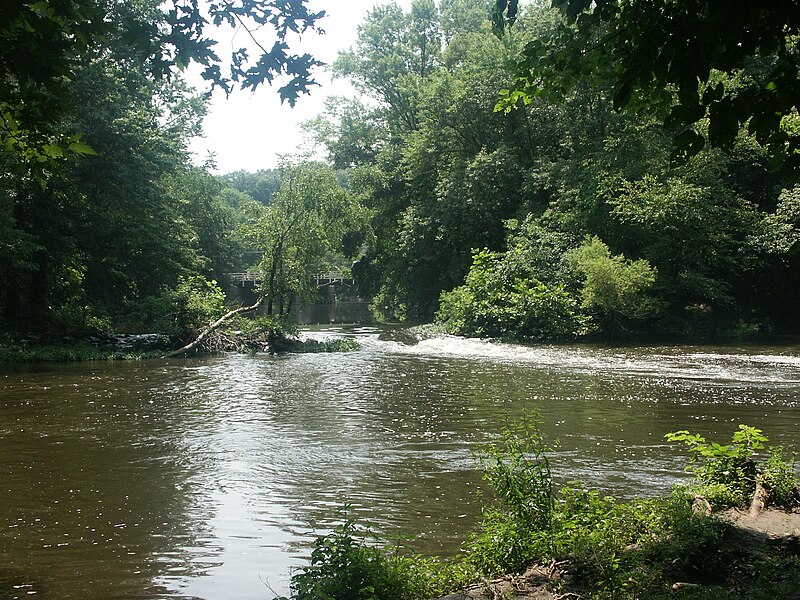
Millstone River
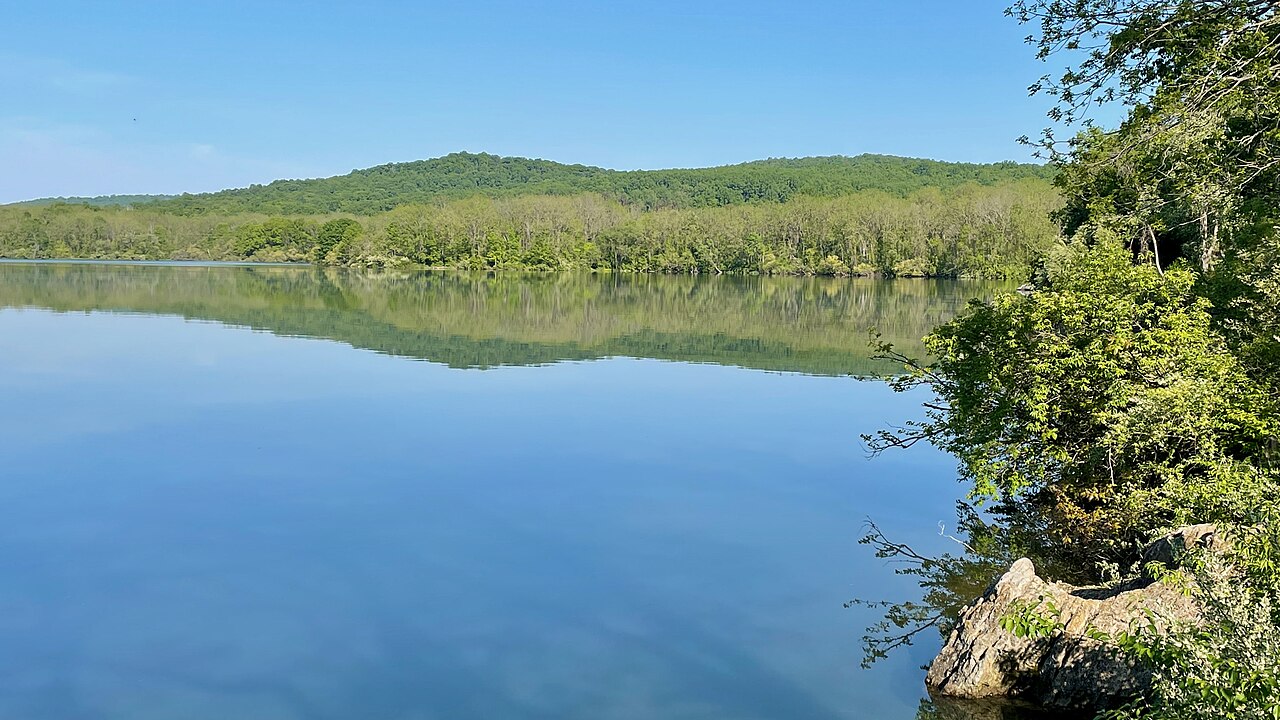
Spruce Run Reservoir
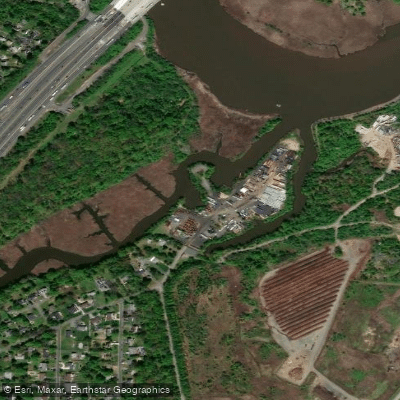
Lawrence Brook
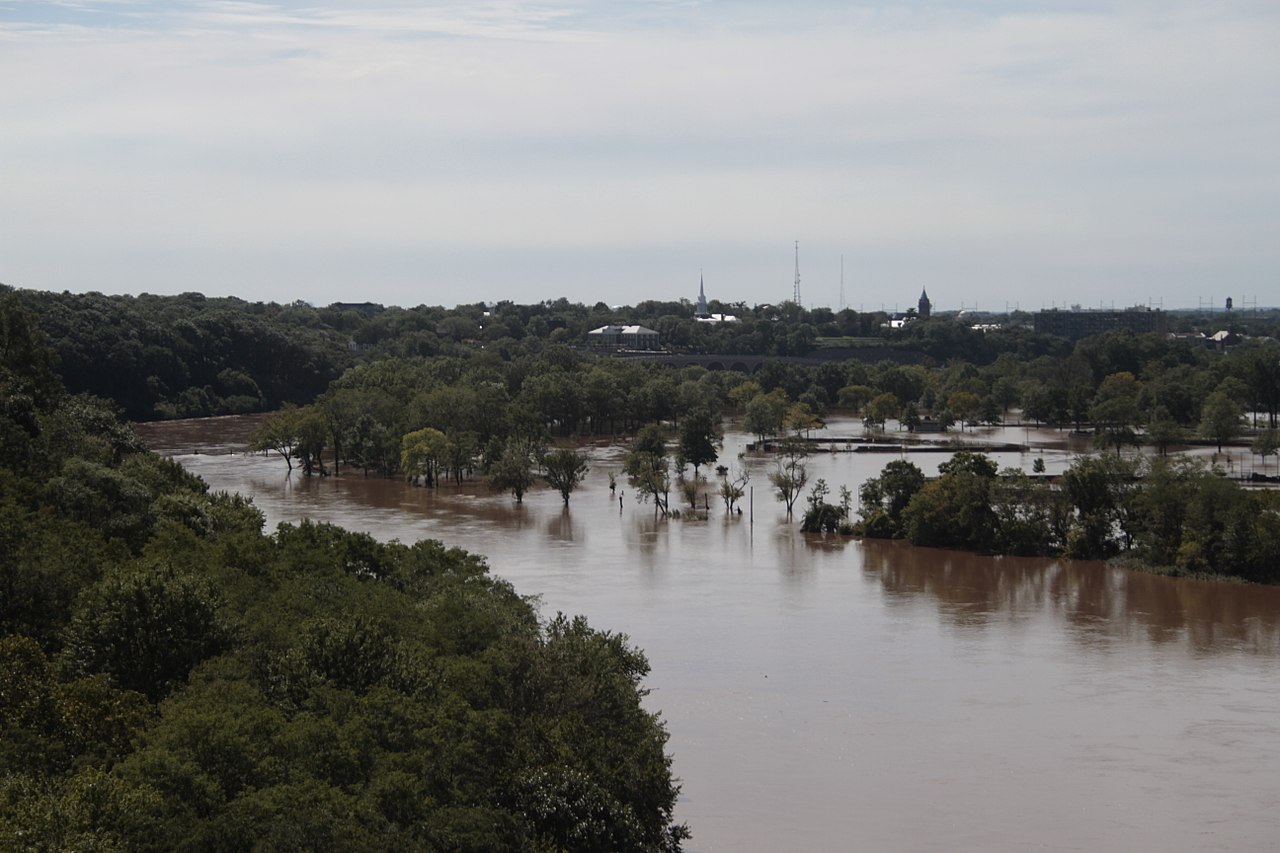
Raritan River
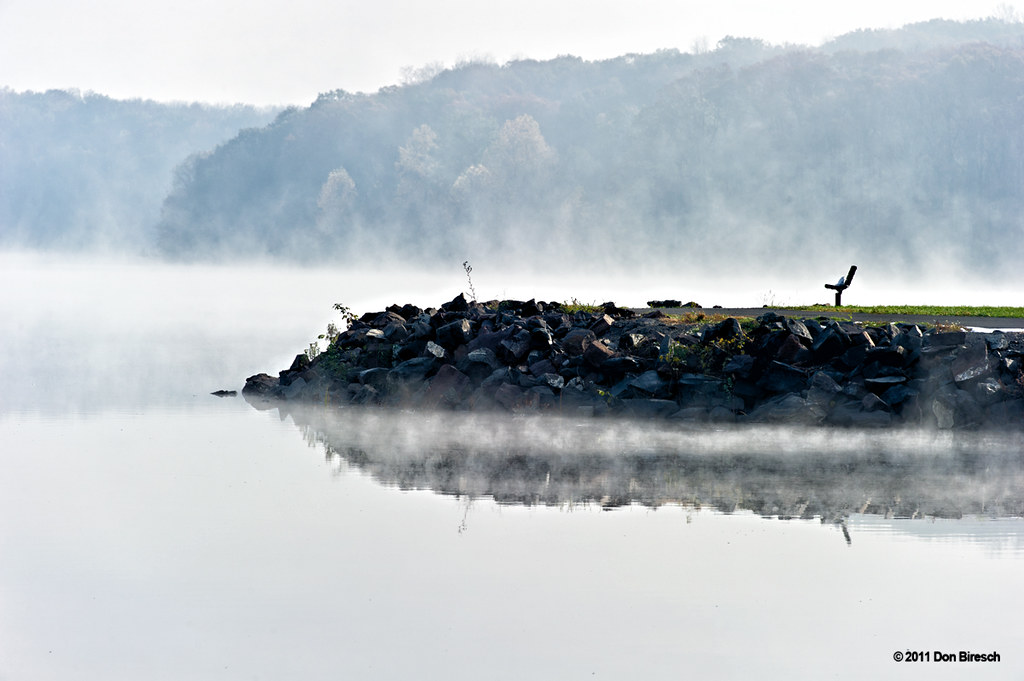
Lake Nockamixon
Washington Canal
South Branch Raritan River
What to know
Habitat Distribution
- They prefer heavily vegetated shallow areas, lowland rivers, swamps, and backwater areas with little to no current, often hiding in muck right at shoreline underbrush.
- Focus on swampy tidal waterways in South Jersey with dense vegetation and minimal current.
Key Locations
- In New Jersey, bowfin are native and found primarily in tributaries of the Delaware River, including the Mantua Creek where recent state records have been caught.
- They also inhabit Lake Wawayanda and the Salem Canal, along with swampy tidal waterways throughout South Jersey.
Specific Spots
- heavily vegetated shallow areas, work banks around stumps and bushes.
Bowfin FAQ
Answers from onWater's species guide.
What are the best lures and bait for Bowfin in New Jersey?
Cut bait is the most productive method - fresh American shad chunks during spring Delaware River runs, and bluegill chunks year-round work best. Other effective baits include shrimp, crab meat, nightcrawlers, minnows, salamanders, and frogs.
What flies work for Bowfin in New Jersey?
crawfish patterns, Game Changers, or large streamers in black, olive, brown, or green.
When is the best time to fish for Bowfin in New Jersey?
Late spring/early summer during spawning period when water temperatures reach 60-65°F, though they can be caught year-round.
How do you catch Bowfin in New Jersey?
Use bobber rigs with 4/0 hooks and give fish several seconds to run with bait before setting the hook hard into their bony skulls. Target heavily vegetated shallow areas, work banks around stumps and bushes, and look for their telltale air-gulping swirls at the surface.
What do Bowfin eat?
Bowfin are voracious ambush predators that feed on fish (including speckled perch and catfish), freshwater crayfish, frogs, insects, aquatic invertebrates, mollusks, and small rodents.
Fish smarter with real-time insights
Whether you're en route and conditions shift or you're looking for the best spot based on current flows, we enable you to make informed decisions on the fly.







See it in the app
Most maps show you water.
onWater shows you Bowfin.



- 01 · Species map filter
Map every Bowfin water
Pick Bowfin and the map zeroes in on the waters they call home. No more guessing which lake holds them.
- 02 · Waterbody species
Tap any water. See what lives there.
Species, behavior and seasonal patterns for every lake, river and pond, before you leave the driveway.
- 03 · Angler Intelligence
Ask how to catch Bowfin
Tactics, gear and timing from onWater's AI fishing guide, tuned to the species and the water you're on.
Stop guessing where Bowfin are.
Open the map, filter by Bowfin, and head to water that holds them. Download onWater and plan your next trip in minutes.
- Species map filter
- Angler Intelligence
- Fishing journal
Explore other species
Trout, bass, salmon, panfish and everything in between. Each guide unpacks the behavior, seasons, and tactics that put fish in the net.

Find which waters have the species you want to catch

Largemouth Bass

Smallmouth Bass

Rainbow Trout

Brown Trout

Brook Trout
Salvelinus fontinalis

Northern Pike

Muskellunge

Walleye
Sander vitreus

Black Crappie
Pomoxis nigromaculatus

Alewife
Alosa pseudoharengus

American Eel
Anguilla rostrata

American Shad
Alosa sapidissima

Atlantic Salmon
Salmo salar

Atlantic Sturgeon
Acipenser oxyrinchus oxyrinchus

Black Bullhead
Ameiurus melas

Black Drum
Pogonias cromis

Blacknose Dace
Rhinichthys atratulus

Black Sea Bass
Centropristis striata

Blue Catfish
Ictalurus furcatus

Bluefish
Pomatomus saltatrix

Brown Bullhead
Ameiurus nebulosus

Chain Pickerel
Esox niger

Channel Catfish
Ictalurus punctatus

Chinook Salmon
Oncorhynchus tshawytscha

Common Carp
Cyprinus carpio

Creek Chub
Semotilus atromaculatus

Fallfish
Semotilus corporalis

Flathead Catfish

Gizzard Shad
Dorosoma cepedianum

Grass Carp
Ctenopharyngodon idella

Green Sunfish
Lepomis cyanellus

Hickory Shad
Alosa mediocris

Lake Trout
Salvelinus namaycush
Northern Snakehead
Channa argus

Pumpkinseed
Lepomis gibbosus
Redbreast Sunfish
Lepomis auritus

Redear Sunfish
Lepomis microlophus
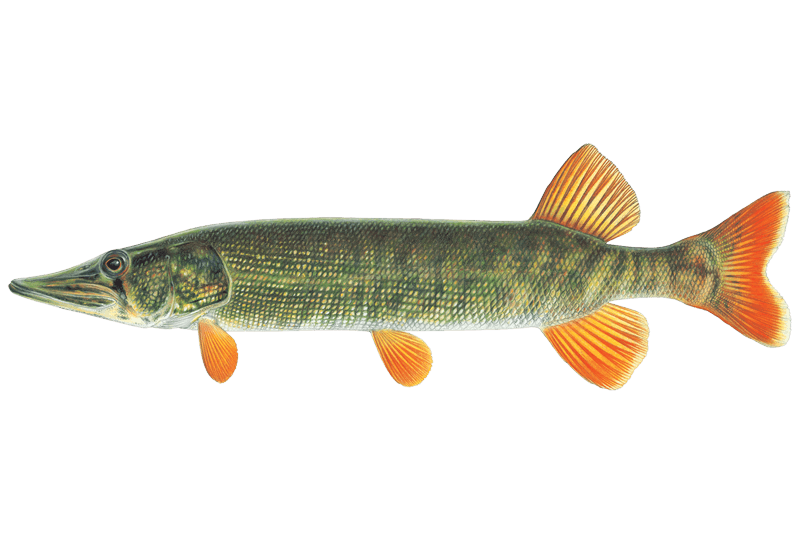
Redfin Pickerel
Esox americanus americanus

Rock Bass
Ambloplites rupestris
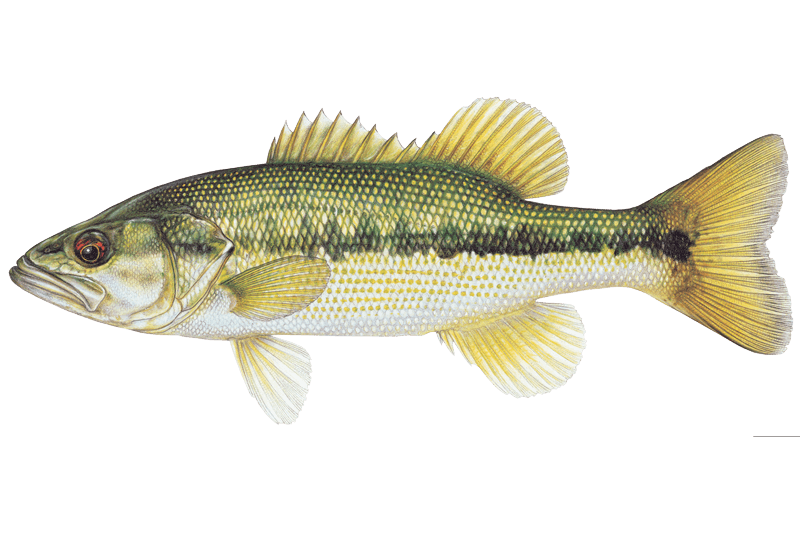
Spotted Bass
Micropterus punctulatus
New Jersey licenses and regulations

New Jersey Boating Regulations
When using any type of watercraft to access a body of water, it is important to follow all federal, state, and local rules and regulations. These rules and regulations include boat permitting and licensing, invasive species inspections and stamps, life jacket and PFD rules, motor size and horsepower restrictions, noise limitations, restrictions on personal watercraft, and many more. Visit the web link below for the most current rules and regulations for this body of water.

New Jersey Fishing License
Anyone age 16 and older must have a valid license (see Exceptions) to fish the fresh waters of New Jersey with handline, rod and line, or longbow and arrow. This includes privately owned lakes and other waters. New Jersey does not require a general saltwater fishing license but there are a limited number of saltwater licenses and permits required. Additionally, most saltwater anglers need to register with the free New Jersey Saltwater Recreational Registry Program.

New Jersey Fishing Regulations
This river has a variety of species and regulations, including potential floating and/or watercraft restrictions. Because this river is specially managed for species, seasons, angling methods, and watercraft, it is strongly encouraged you check all federal, state, and local regulations before fishing. Visit any of the links below, inquire locally, or contact a local fly shop to learn current regulations and restrictions.

New Jersey Stream Access Laws
There are two types of streams are boatable in New Jersey: tidal streams and non-tidal, navigable streams. The public can use any stream influenced by the tide, unless prohibited by law in the particular stretch of stream. Navigable streams may be boated, whether or not they are influenced by the tide. This includes streams capable of being used for transporting valuable commerce, such as commercial logs.
Explore nearby waters
Explore New Jersey waters
Top fishing waters
Popular Cities
Loading popular cities...

Smarter Fishing Starts in the App.
onWater Fish gives you everything you need to plan smarter, fish better, and own every trip from first cast to last.