Gizzard Shad

Gizzard Shad (Dorosoma cepedianum) in New Jersey are native members of the herring family found in fresh and brackish waters throughout the state.
New Jersey's gizzard shad are listed among the state's official baitfish species and play a crucial role in the ecosystem as both predator and prey.
Scientific Name: Dorosoma cepedianum
- These silvery fish are characterized by their blunt snout, small toothless mouth, long trailing dorsal ray, and diamond-shaped scales.
- They can grow quite large, with specimens reaching up to 18 inches and weighing several pounds.
Fishing in New Jersey
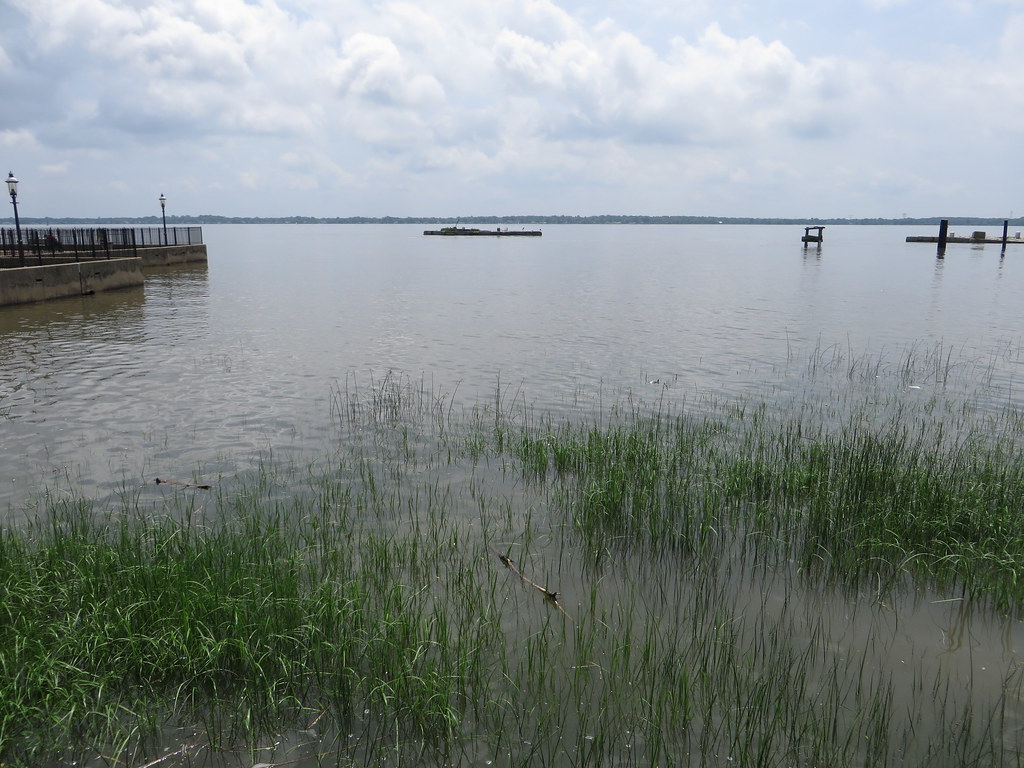
Delaware River
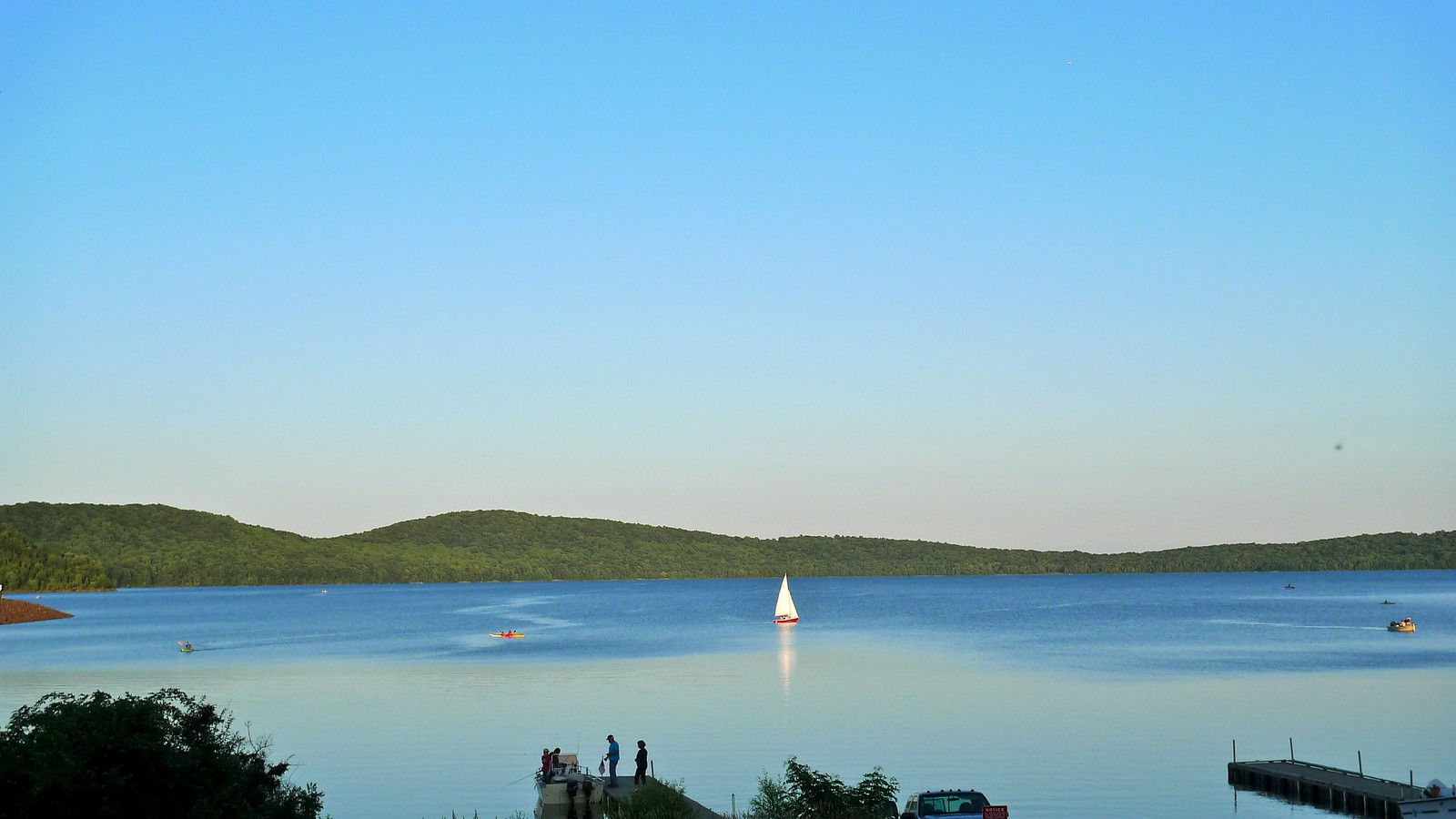
Round Valley Reservoir
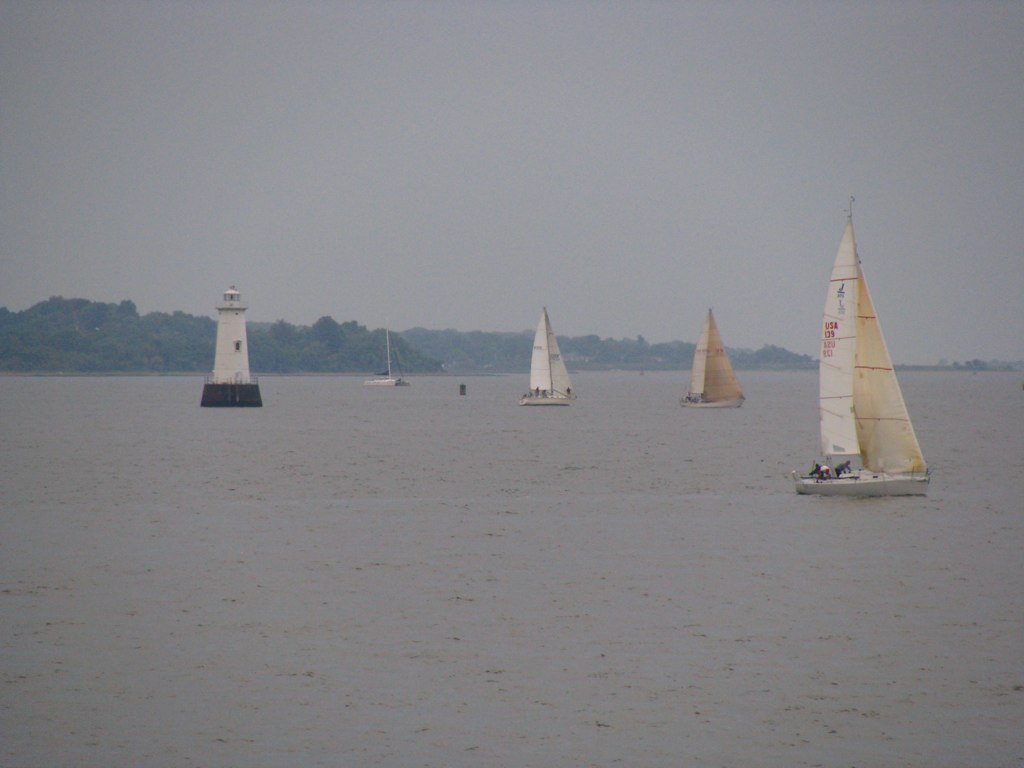
Raritan Bay
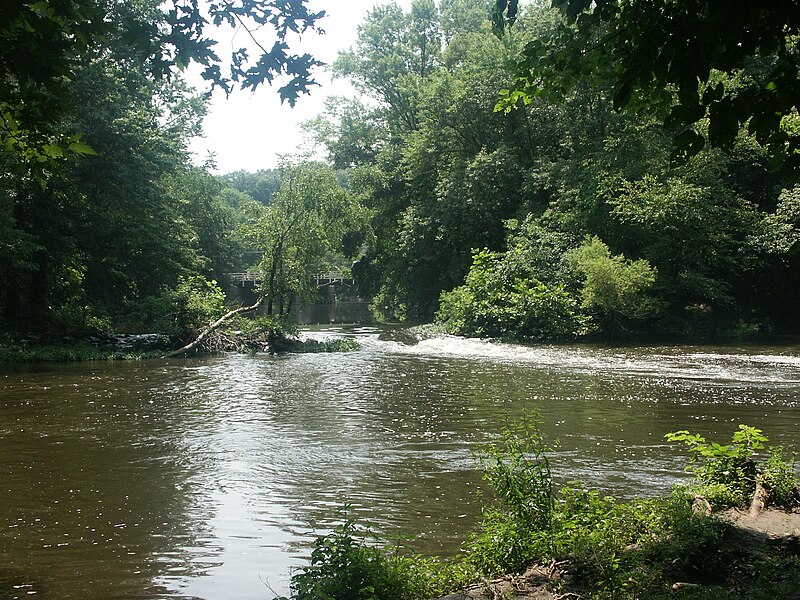
Millstone River
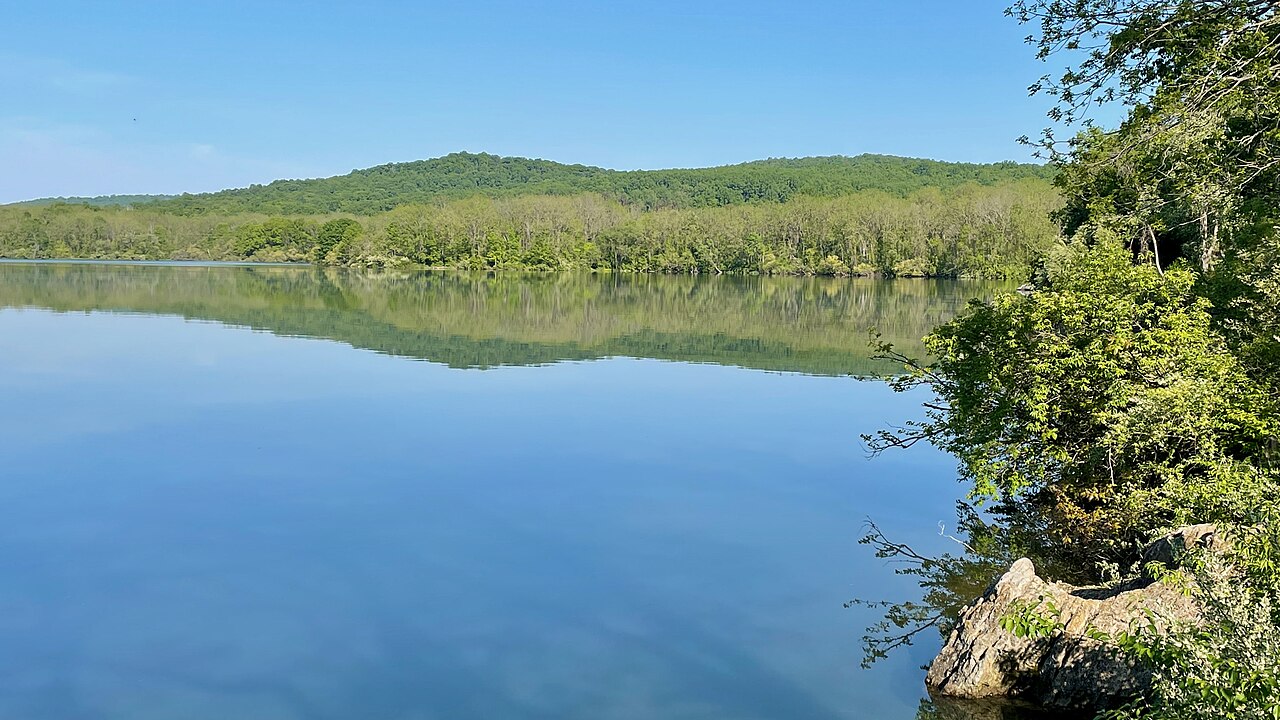
Spruce Run Reservoir
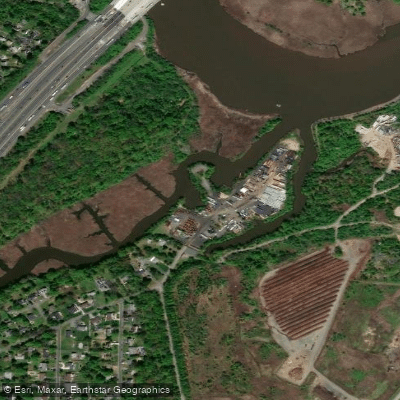
Lawrence Brook
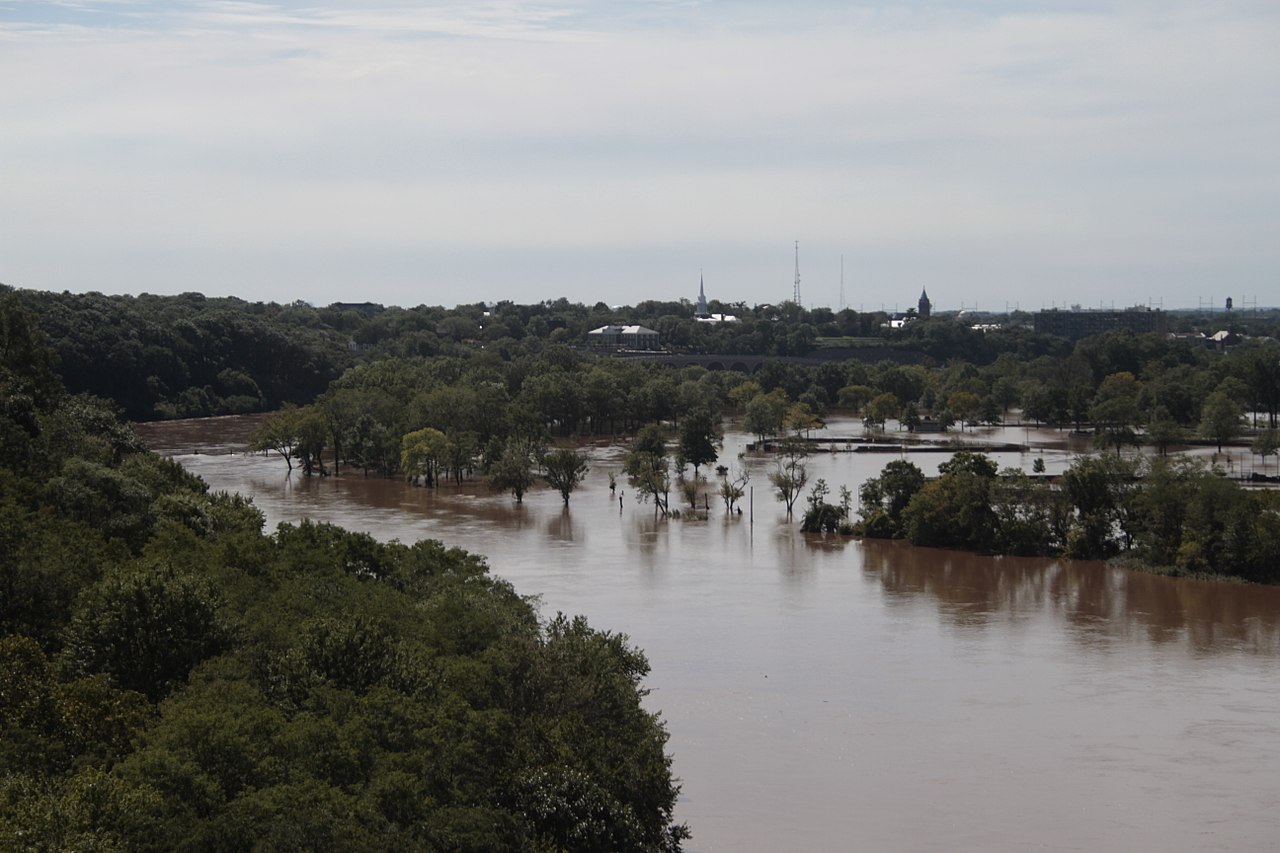
Raritan River
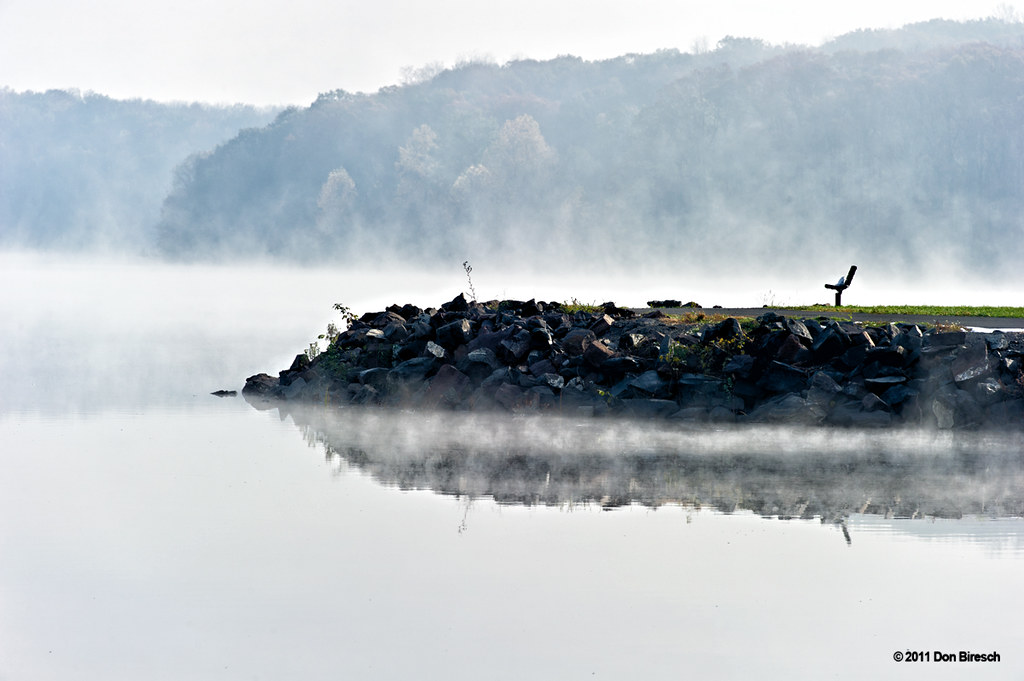
Lake Nockamixon
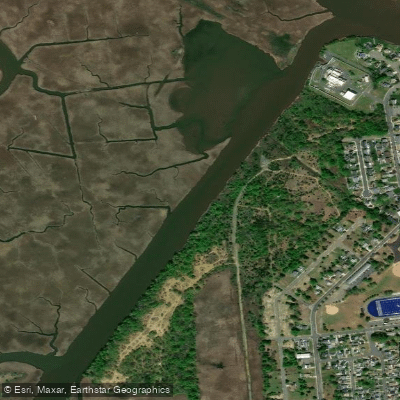
Washington Canal
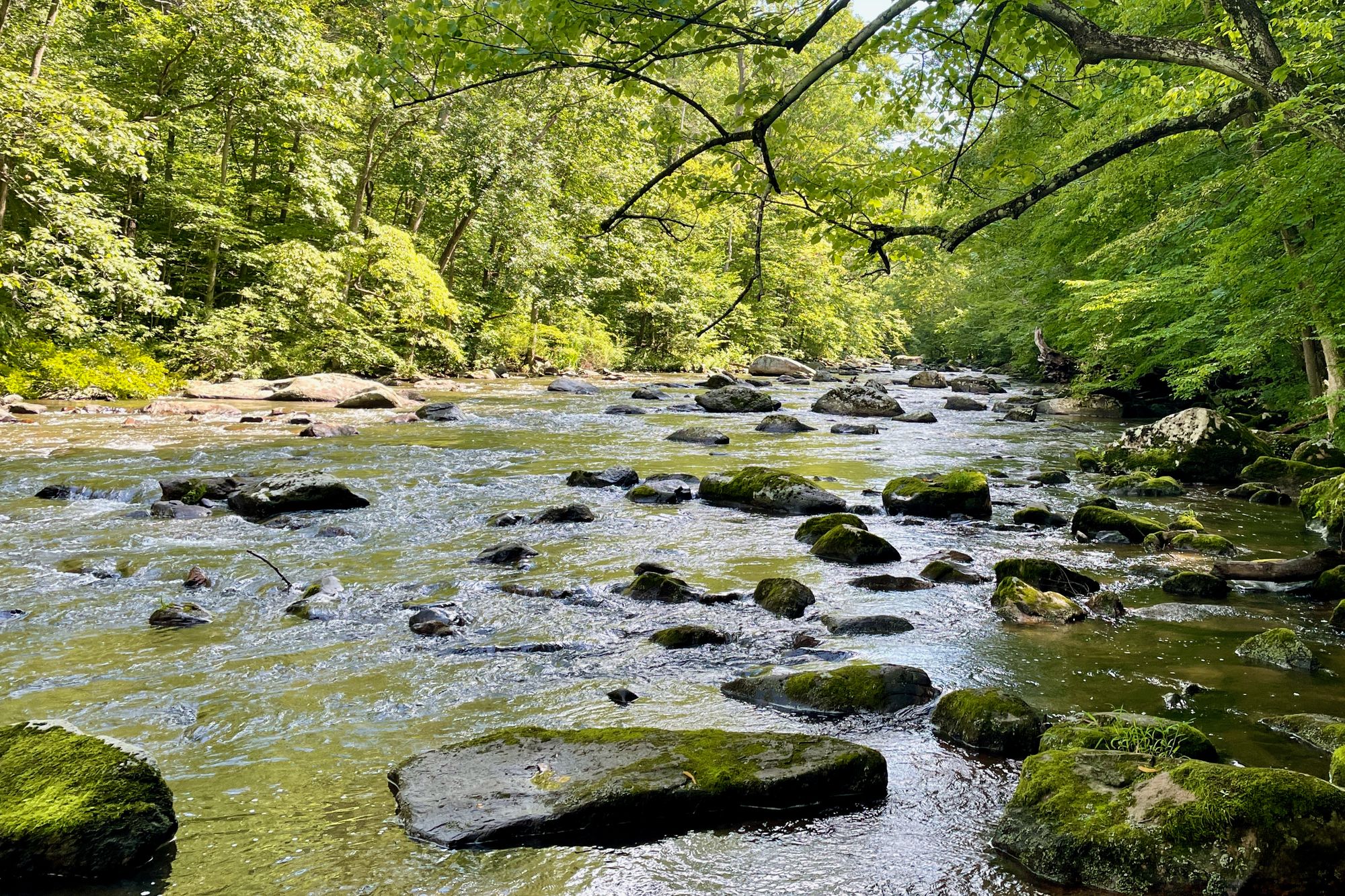
South Branch Raritan River
What to know
Habitat Distribution
- They inhabit freshwater lakes, reservoirs, rivers, and streams, preferring shallow waters with muddy bottoms and relatively high turbidity.
Key Locations
- Major New Jersey waters supporting gizzard shad populations include the Delaware River system and various reservoirs throughout the state.
Specific Spots
- Target shallow areas with hard bottoms, laydowns, riprap banks, or weedy backwaters where they congregate.
- In the Delaware River system, focus on areas with current breaks and deeper pools.
Gizzard Shad FAQ
Answers from onWater's species guide.
When is the best time to fish for Gizzard Shad in New Jersey?
Open season year-round, though in trout-stocked waters they may only be taken with hook and line from April 6 to June 15. During spawning periods (mid-May through early June), avoid targeting these fish to protect reproductive success.
How do you catch Gizzard Shad in New Jersey?
Use fine mesh gear for smaller individuals and appropriate seine techniques for larger specimens. Look for surface activity, excessive baitfish movement, and birds feeding along shorelines as indicators of their presence.
What do Gizzard Shad eat?
As filter feeders, they consume plankton, algae, suspended organic material, aquatic insects, and detritus, often feeding along the bottom where they ingest sand and sediment to aid digestion in their muscular gizzard.
Where do Gizzard Shad live in New Jersey?
They inhabit freshwater lakes, reservoirs, rivers, and streams, preferring shallow waters with muddy bottoms and relatively high turbidity.
Fish smarter with real-time insights
Whether you're en route and conditions shift or you're looking for the best spot based on current flows, we enable you to make informed decisions on the fly.




See it in the app
Most maps show you water.
onWater shows you Gizzard Shad.
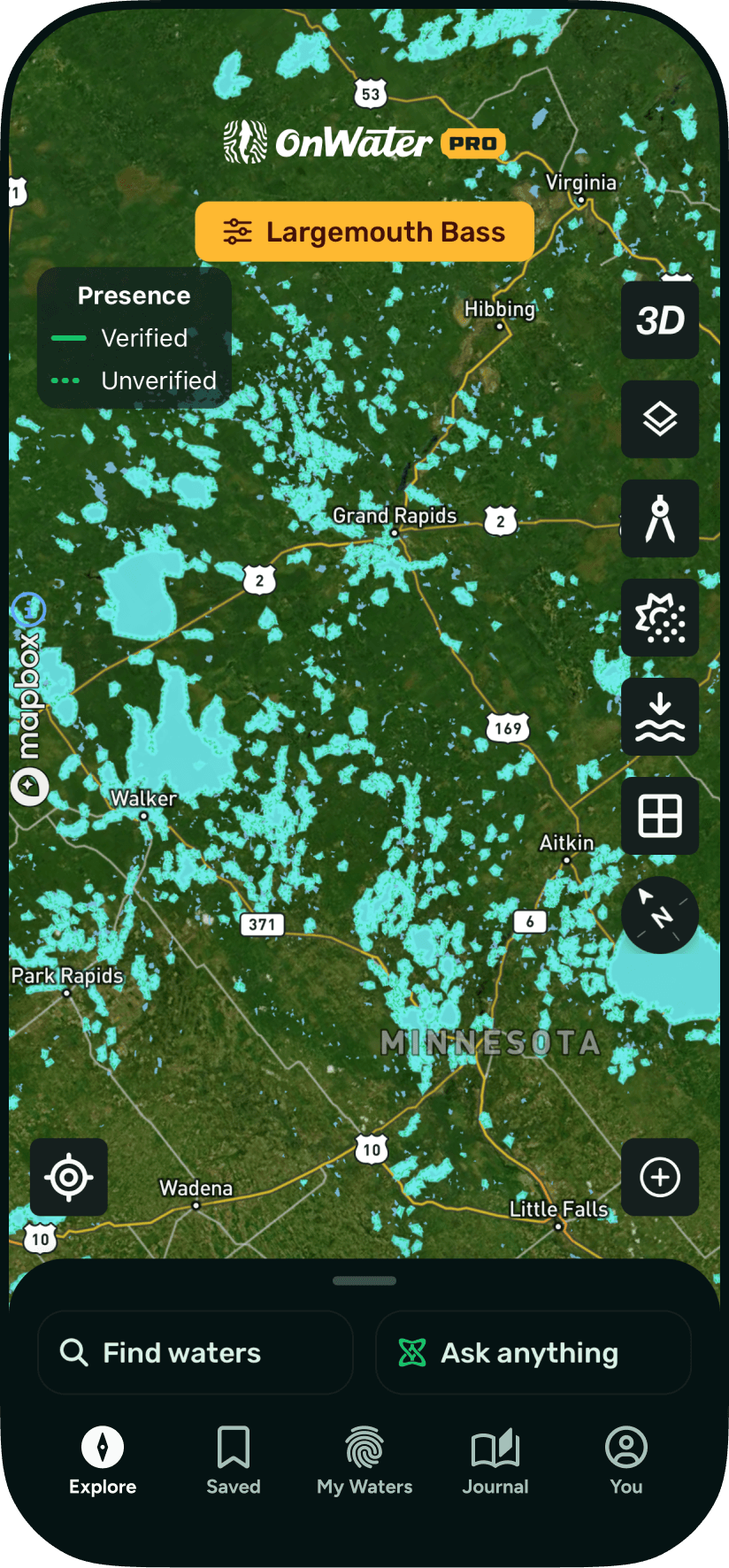
- 01 · Species map filter
Map every Gizzard Shad water
Pick Gizzard Shad and the map zeroes in on the waters they call home. No more guessing which lake holds them.
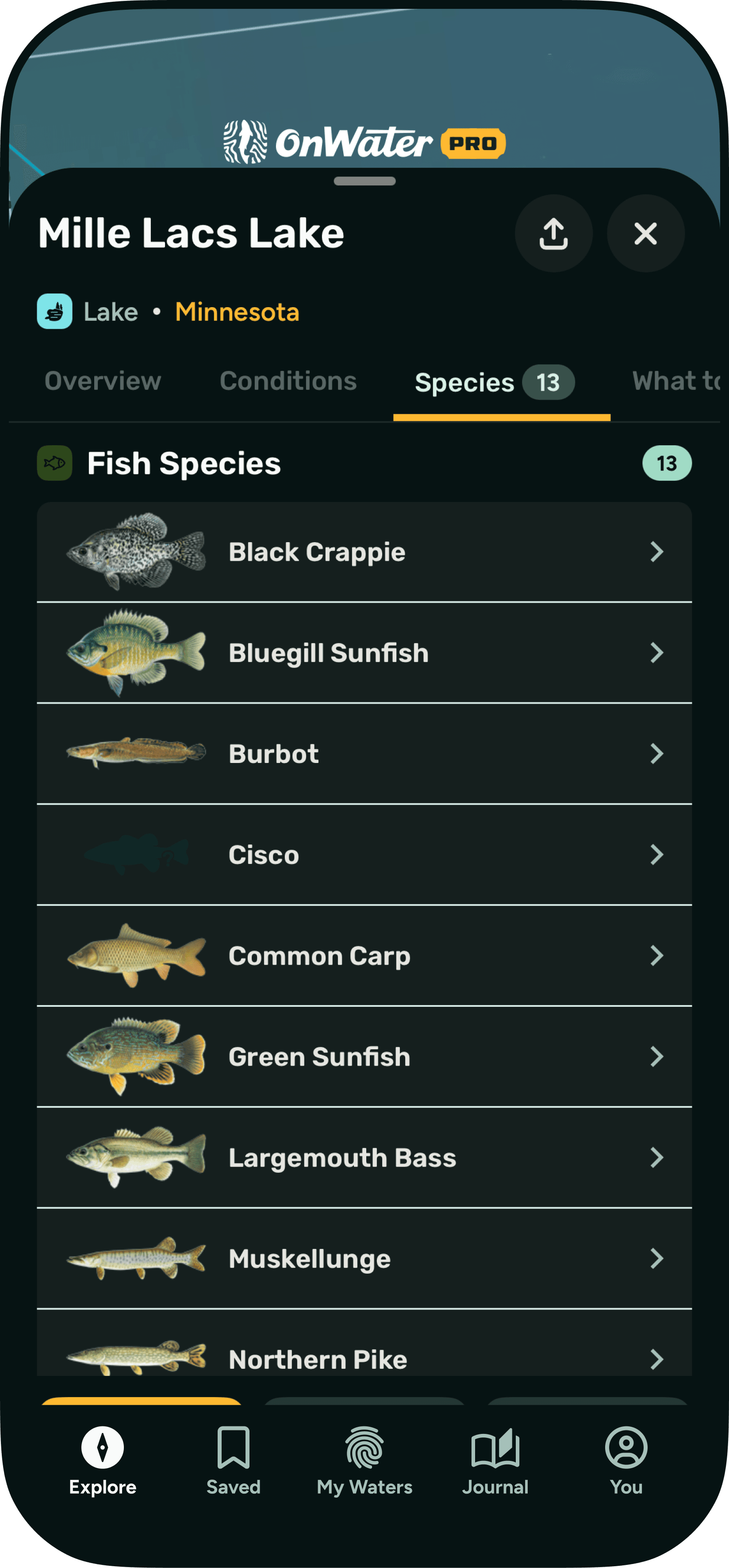
- 02 · Waterbody species
Tap any water. See what lives there.
Species, behavior and seasonal patterns for every lake, river and pond, before you leave the driveway.
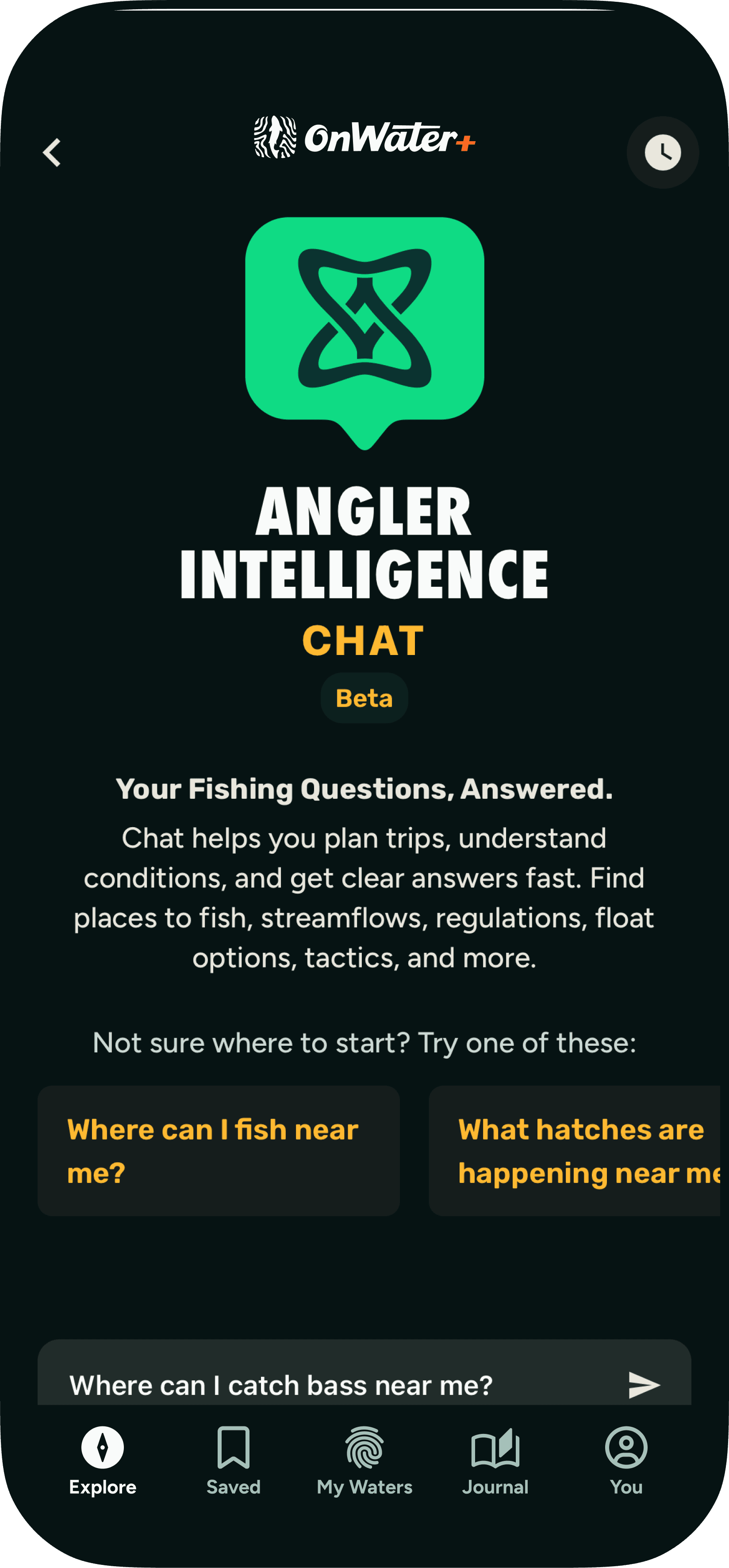
- 03 · Angler Intelligence
Ask how to catch Gizzard Shad
Tactics, gear and timing from onWater's AI fishing guide, tuned to the species and the water you're on.
Stop guessing where Gizzard Shad are.
Open the map, filter by Gizzard Shad, and head to water that holds them. Download onWater and plan your next trip in minutes.
- Species map filter
- Angler Intelligence
- Fishing journal
Explore other species
Trout, bass, salmon, panfish and everything in between. Each guide unpacks the behavior, seasons, and tactics that put fish in the net.
Find which waters have the species you want to catch
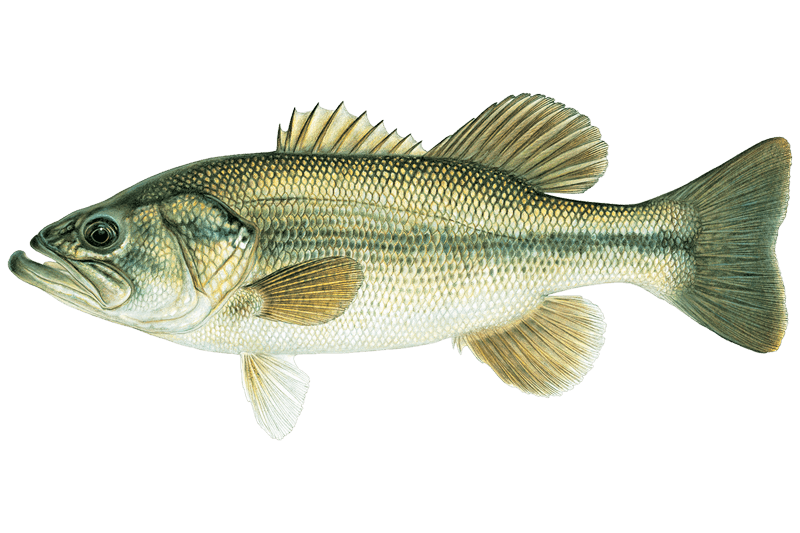
Largemouth Bass
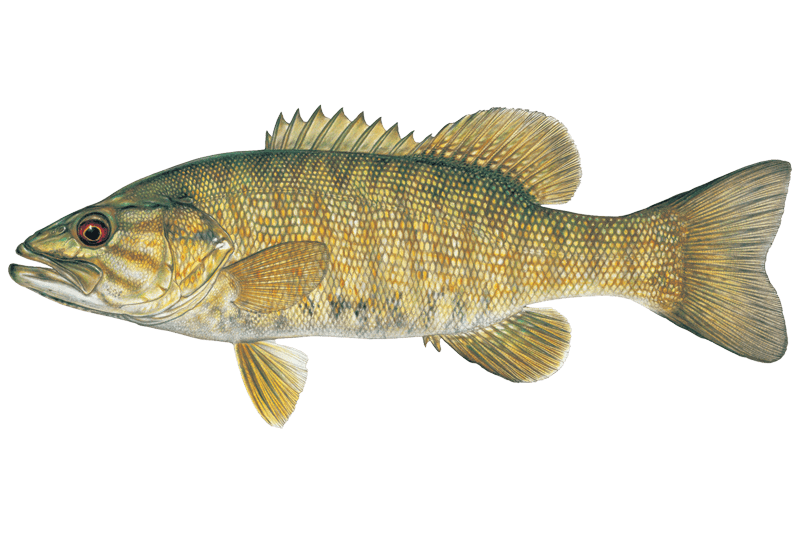
Smallmouth Bass
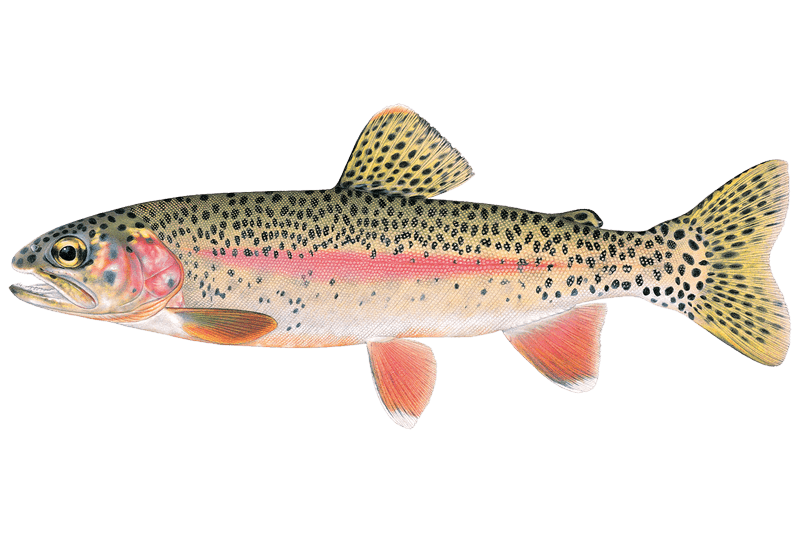
Rainbow Trout
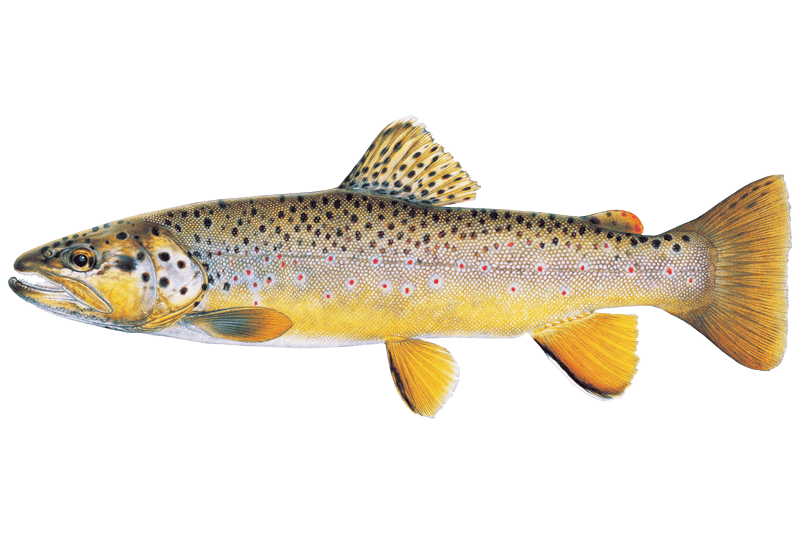
Brown Trout
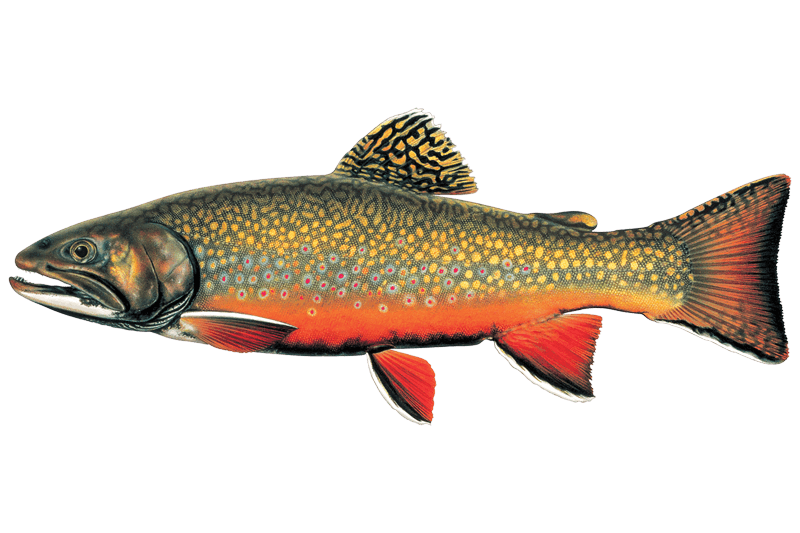
Brook Trout
Salvelinus fontinalis
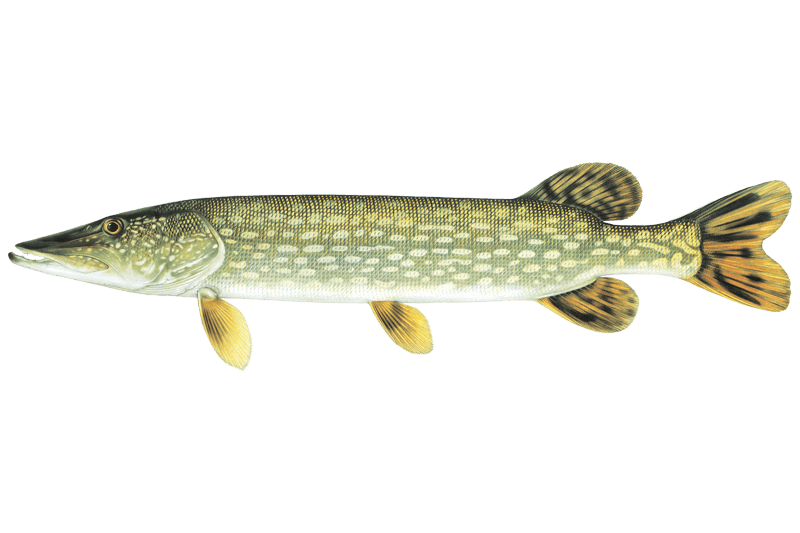
Northern Pike
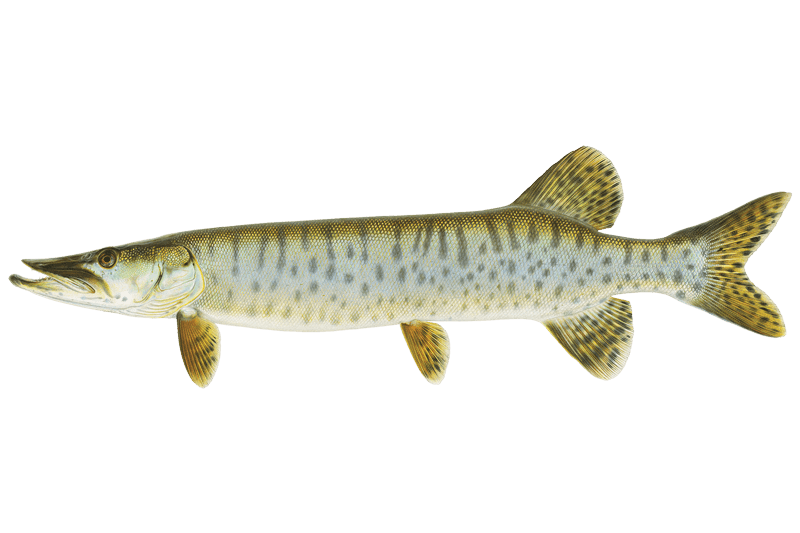
Muskellunge
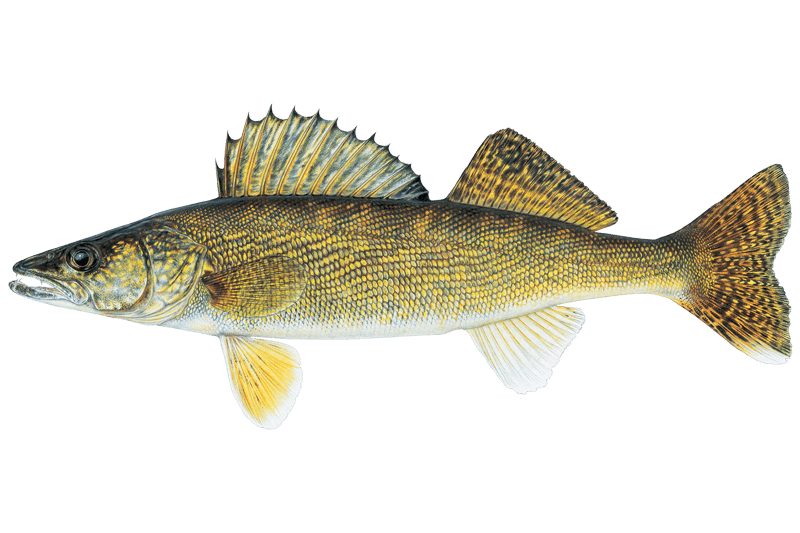
Walleye
Sander vitreus
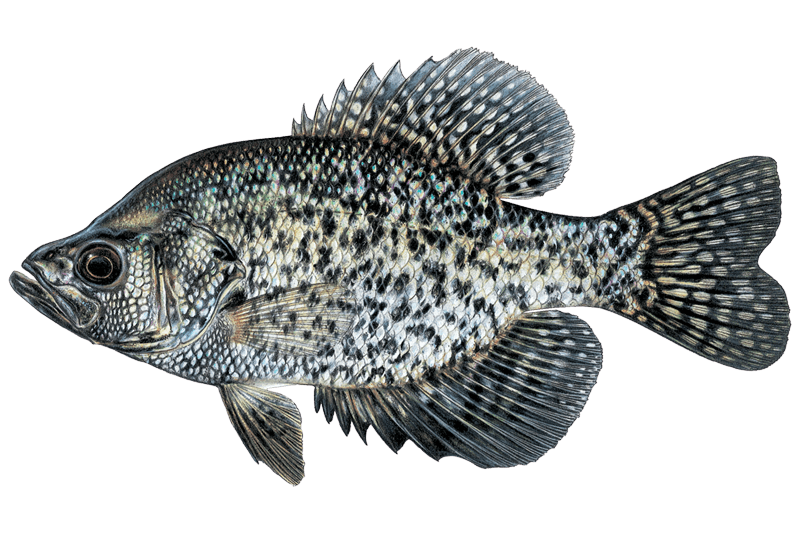
Black Crappie
Pomoxis nigromaculatus

Alewife
Alosa pseudoharengus

American Eel
Anguilla rostrata
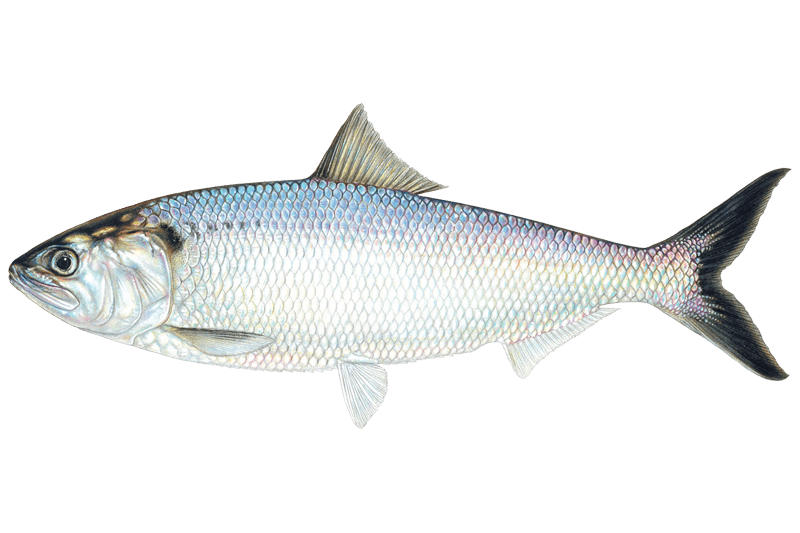
American Shad
Alosa sapidissima
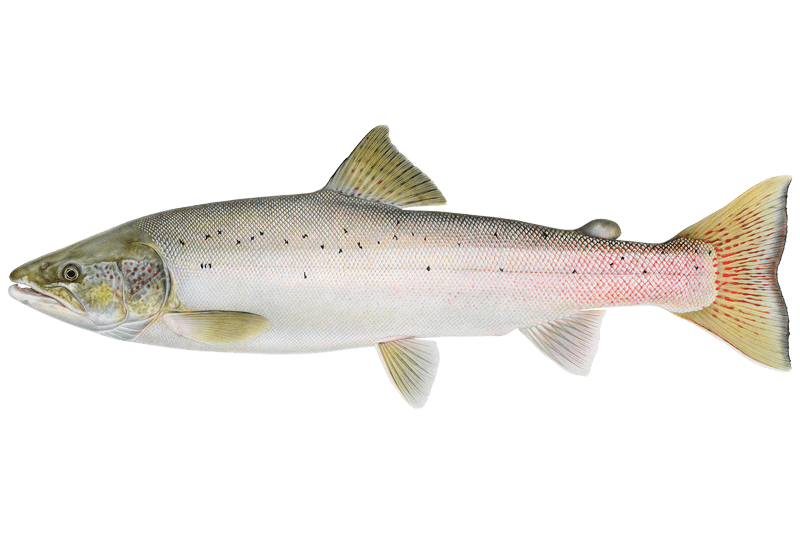
Atlantic Salmon
Salmo salar

Atlantic Sturgeon
Acipenser oxyrinchus oxyrinchus

Black Bullhead
Ameiurus melas

Black Drum
Pogonias cromis

Blacknose Dace
Rhinichthys atratulus

Black Sea Bass
Centropristis striata
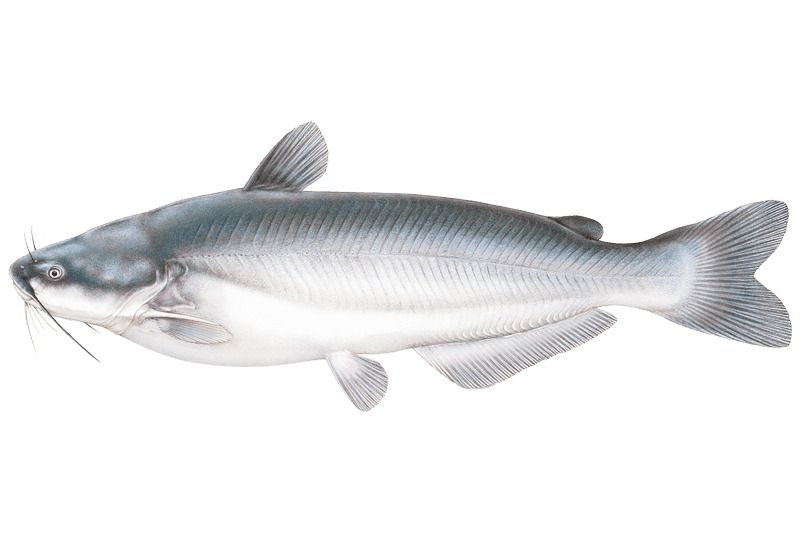
Blue Catfish
Ictalurus furcatus

Bluefish
Pomatomus saltatrix

Bowfin
Amia calva
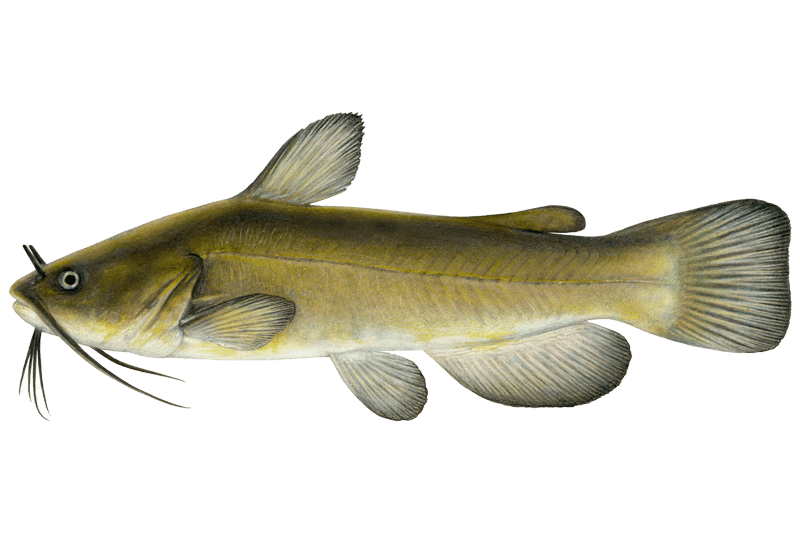
Brown Bullhead
Ameiurus nebulosus
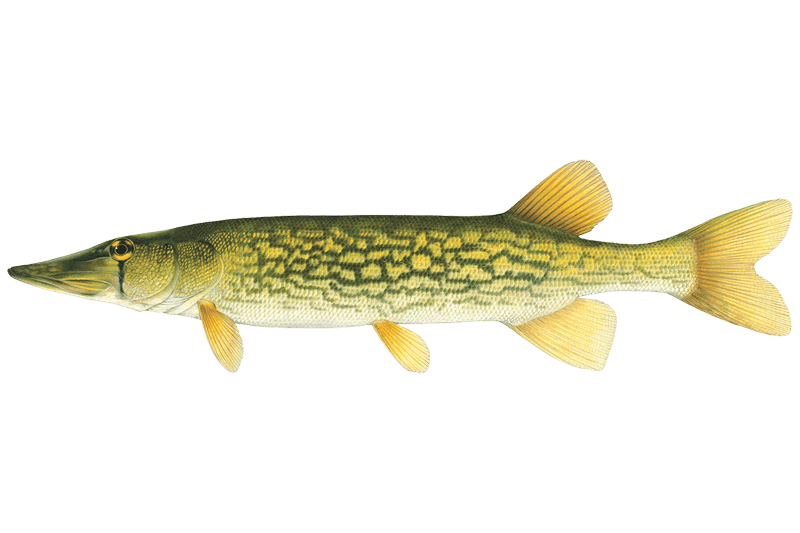
Chain Pickerel
Esox niger
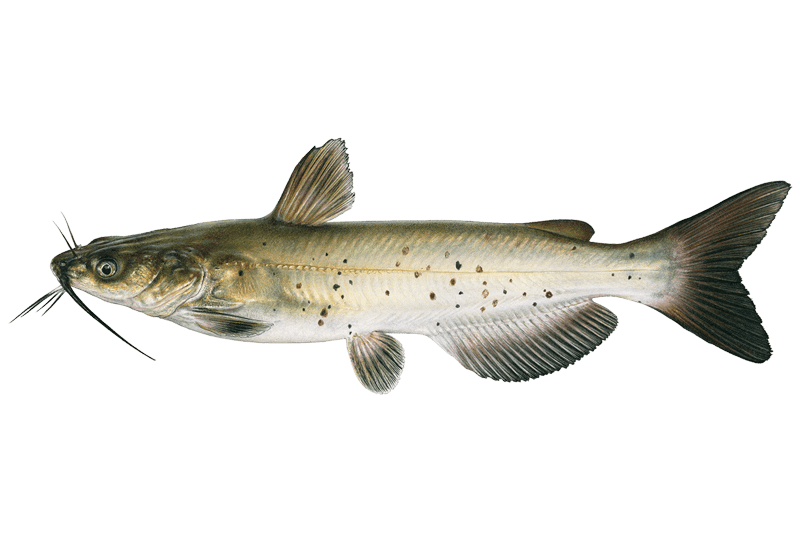
Channel Catfish
Ictalurus punctatus
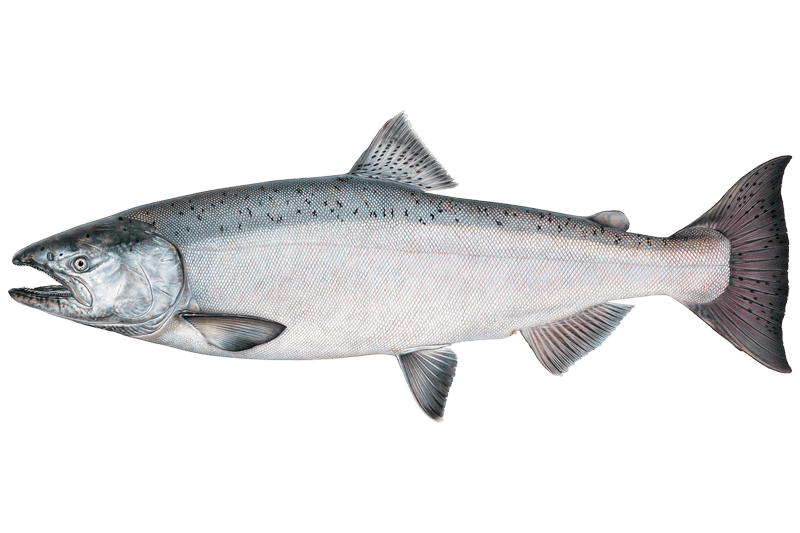
Chinook Salmon
Oncorhynchus tshawytscha
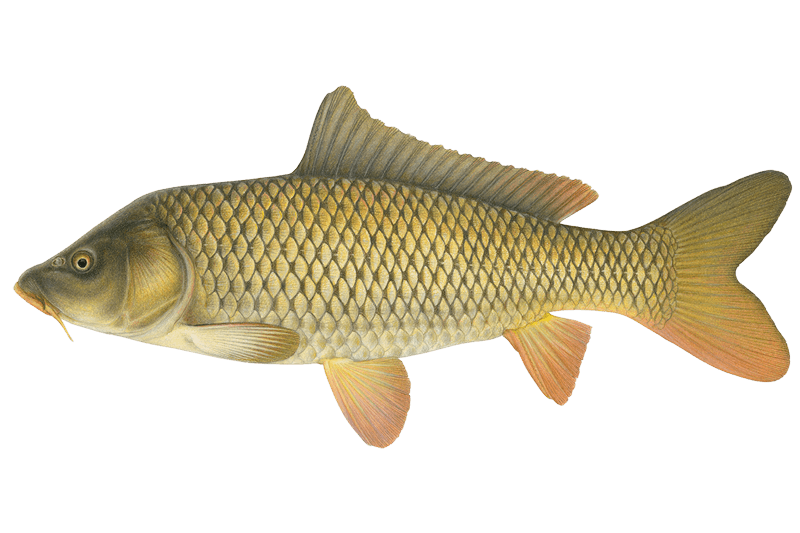
Common Carp
Cyprinus carpio

Creek Chub
Semotilus atromaculatus
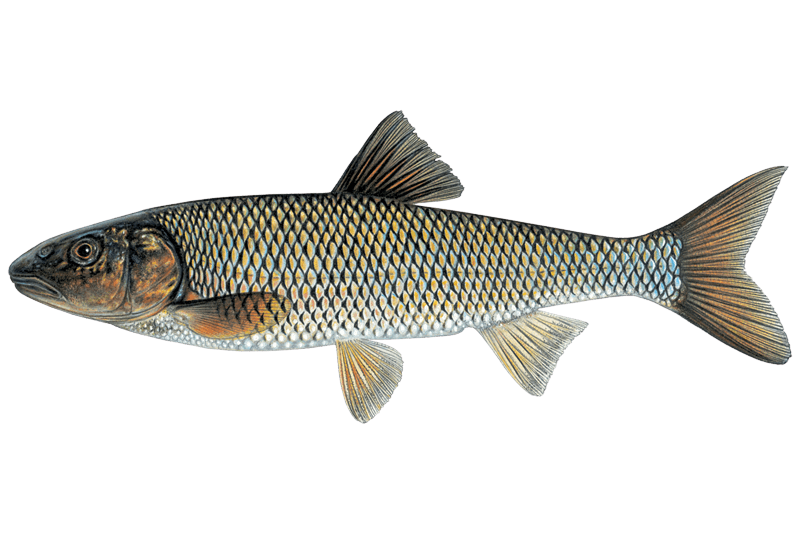
Fallfish
Semotilus corporalis
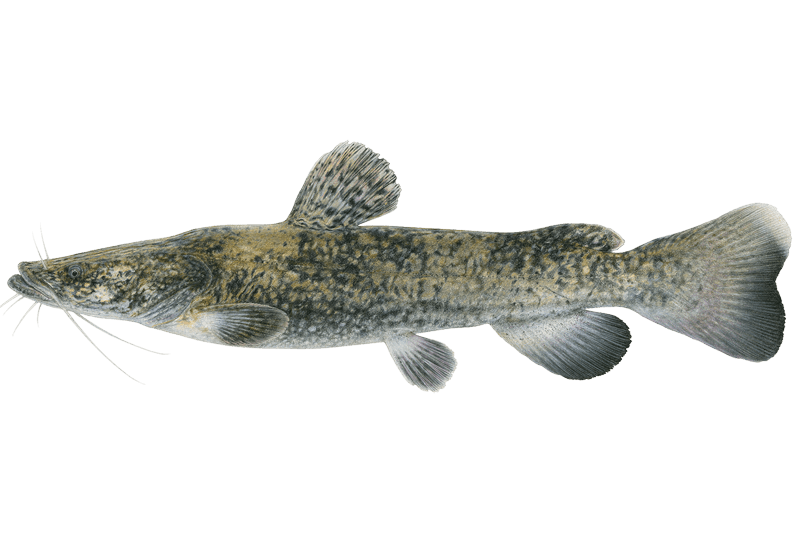
Flathead Catfish
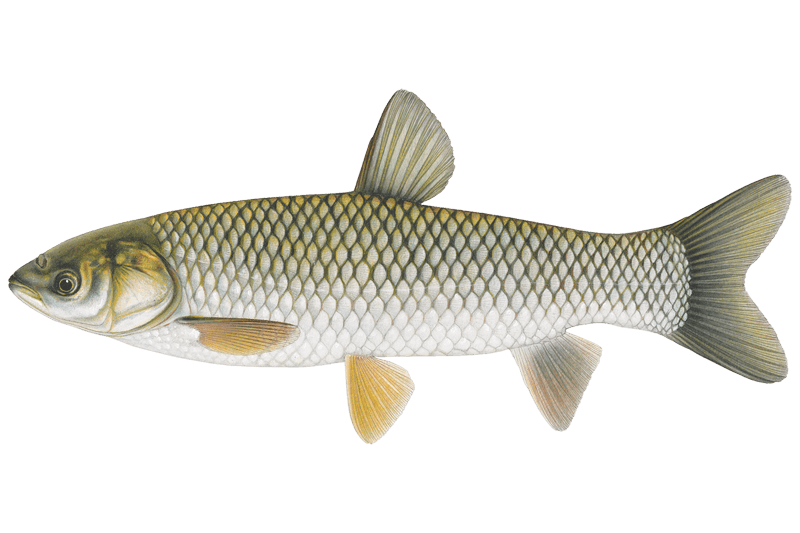
Grass Carp
Ctenopharyngodon idella
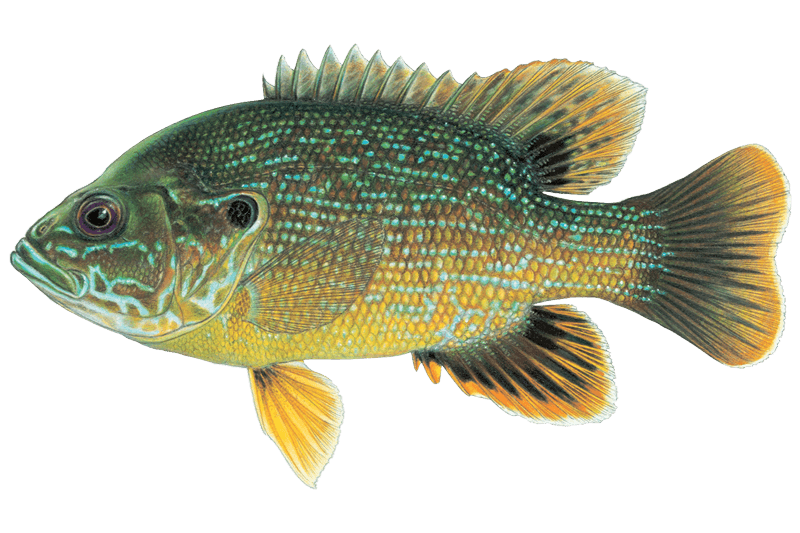
Green Sunfish
Lepomis cyanellus

Hickory Shad
Alosa mediocris
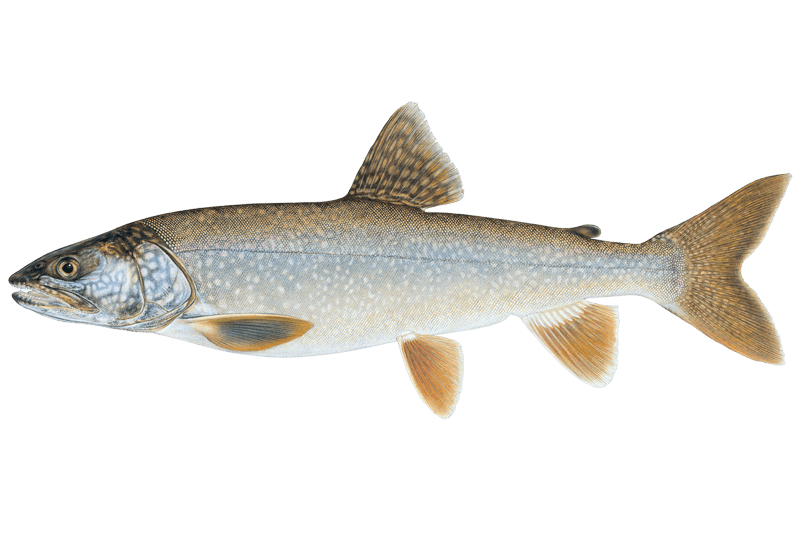
Lake Trout
Salvelinus namaycush
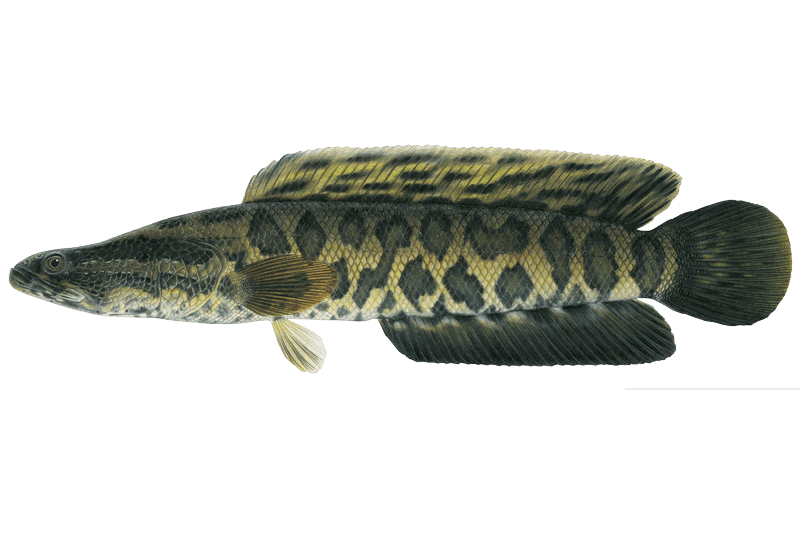
Northern Snakehead
Channa argus
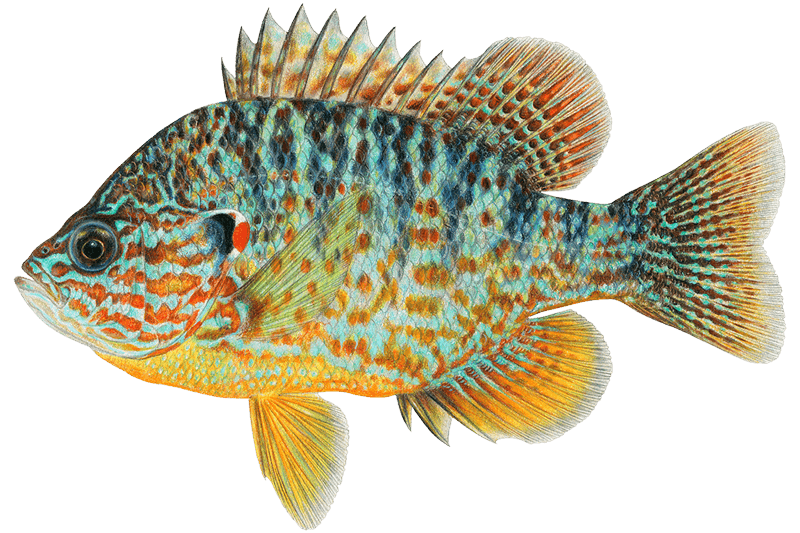
Pumpkinseed
Lepomis gibbosus
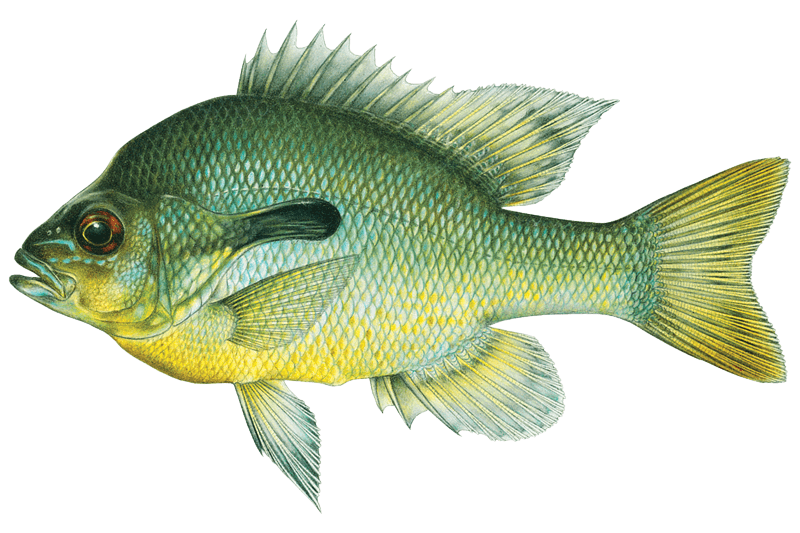
Redbreast Sunfish
Lepomis auritus
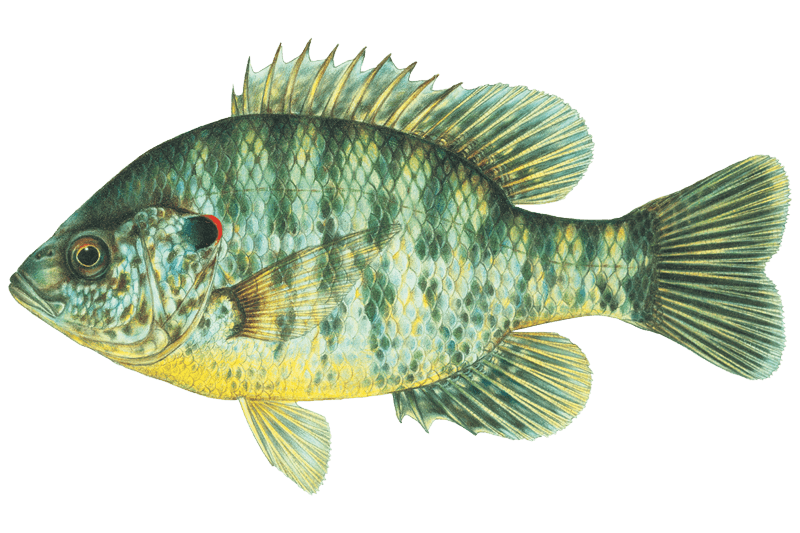
Redear Sunfish
Lepomis microlophus
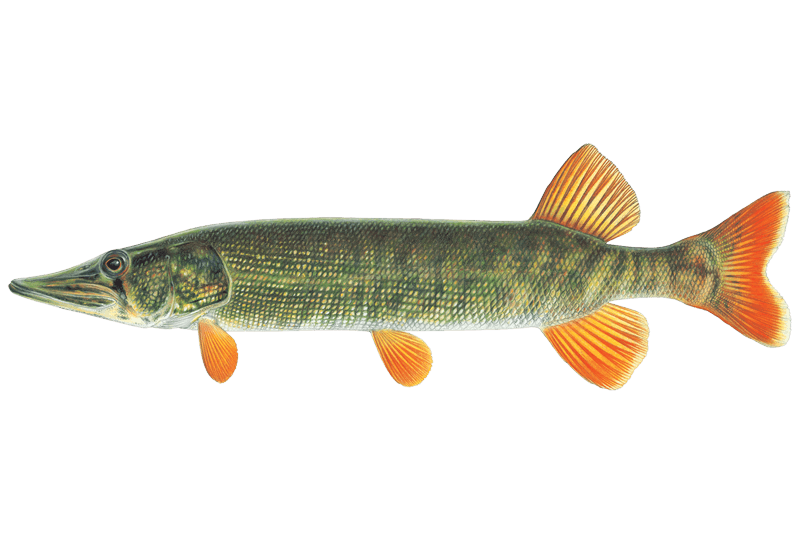
Redfin Pickerel
Esox americanus americanus
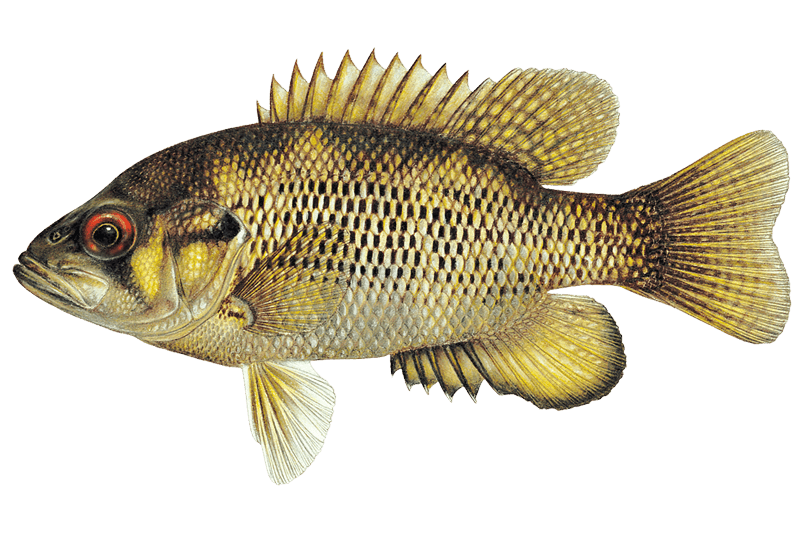
Rock Bass
Ambloplites rupestris
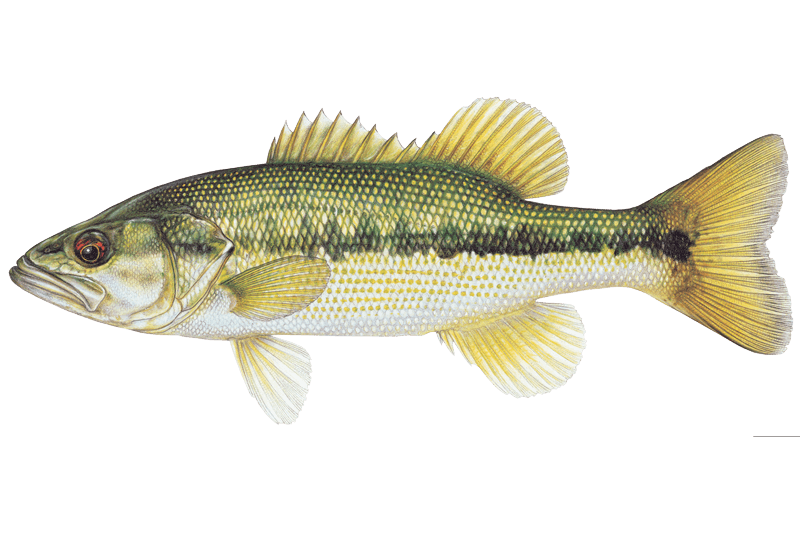
Spotted Bass
Micropterus punctulatus
New Jersey licenses and regulations

New Jersey Boating Regulations
When using any type of watercraft to access a body of water, it is important to follow all federal, state, and local rules and regulations. These rules and regulations include boat permitting and licensing, invasive species inspections and stamps, life jacket and PFD rules, motor size and horsepower restrictions, noise limitations, restrictions on personal watercraft, and many more. Visit the web link below for the most current rules and regulations for this body of water.

New Jersey Fishing License
Anyone age 16 and older must have a valid license (see Exceptions) to fish the fresh waters of New Jersey with handline, rod and line, or longbow and arrow. This includes privately owned lakes and other waters. New Jersey does not require a general saltwater fishing license but there are a limited number of saltwater licenses and permits required. Additionally, most saltwater anglers need to register with the free New Jersey Saltwater Recreational Registry Program.
New Jersey Fishing Regulations
This river has a variety of species and regulations, including potential floating and/or watercraft restrictions. Because this river is specially managed for species, seasons, angling methods, and watercraft, it is strongly encouraged you check all federal, state, and local regulations before fishing. Visit any of the links below, inquire locally, or contact a local fly shop to learn current regulations and restrictions.
New Jersey Stream Access Laws
There are two types of streams are boatable in New Jersey: tidal streams and non-tidal, navigable streams. The public can use any stream influenced by the tide, unless prohibited by law in the particular stretch of stream. Navigable streams may be boated, whether or not they are influenced by the tide. This includes streams capable of being used for transporting valuable commerce, such as commercial logs.
Explore nearby waters
Explore New Jersey waters
Top fishing waters
Popular Cities
Loading popular cities...

Smarter Fishing Starts in the App.
onWater Fish gives you everything you need to plan smarter, fish better, and own every trip from first cast to last.