Black Drum

Black drum are the largest members of the Sciaenidae family and New Jersey's largest inshore gamefish, capable of reaching over 120 pounds and living up to 60 years. The New Jersey state record is 109 pounds, caught in Delaware Bay in 2008.
Scientific Name: Pogonias cromis
Also known as bearded croaker
- Chunky, high-backed fish have dark silvery-gray bodies with a brassy sheen and distinctive chin barbels (whiskers) that give them their 'bearded croaker' appearance.
- Juveniles display 4-5 distinctive black vertical bars that fade with age.
Fishing in New Jersey
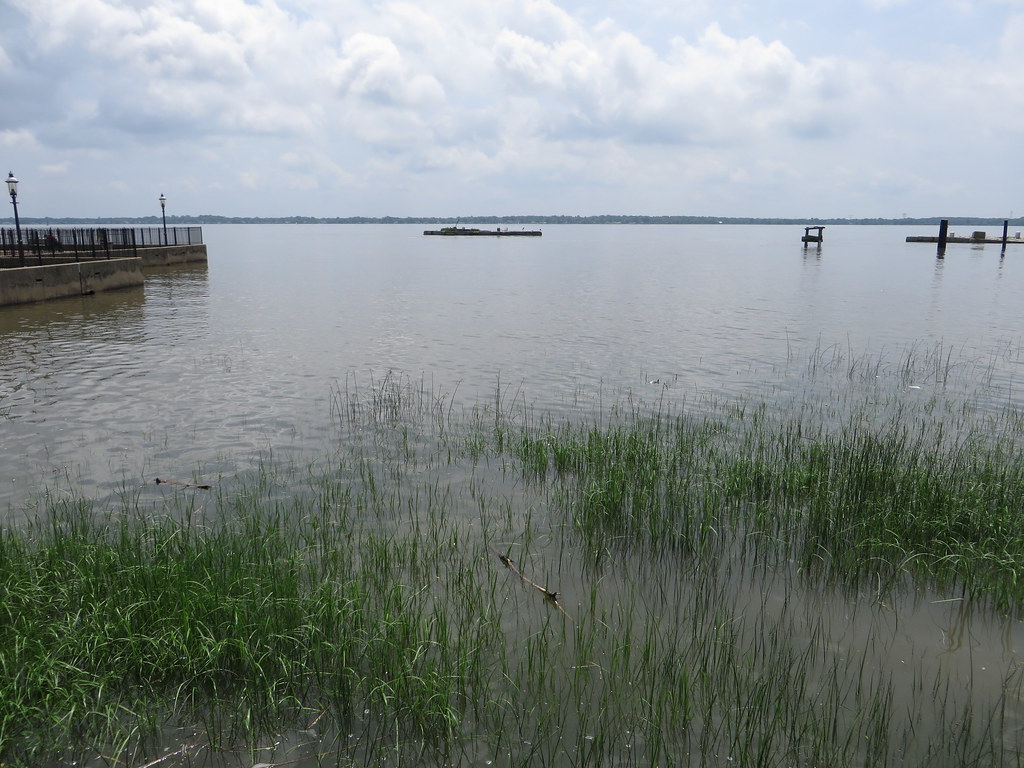
Delaware River

Round Valley Reservoir
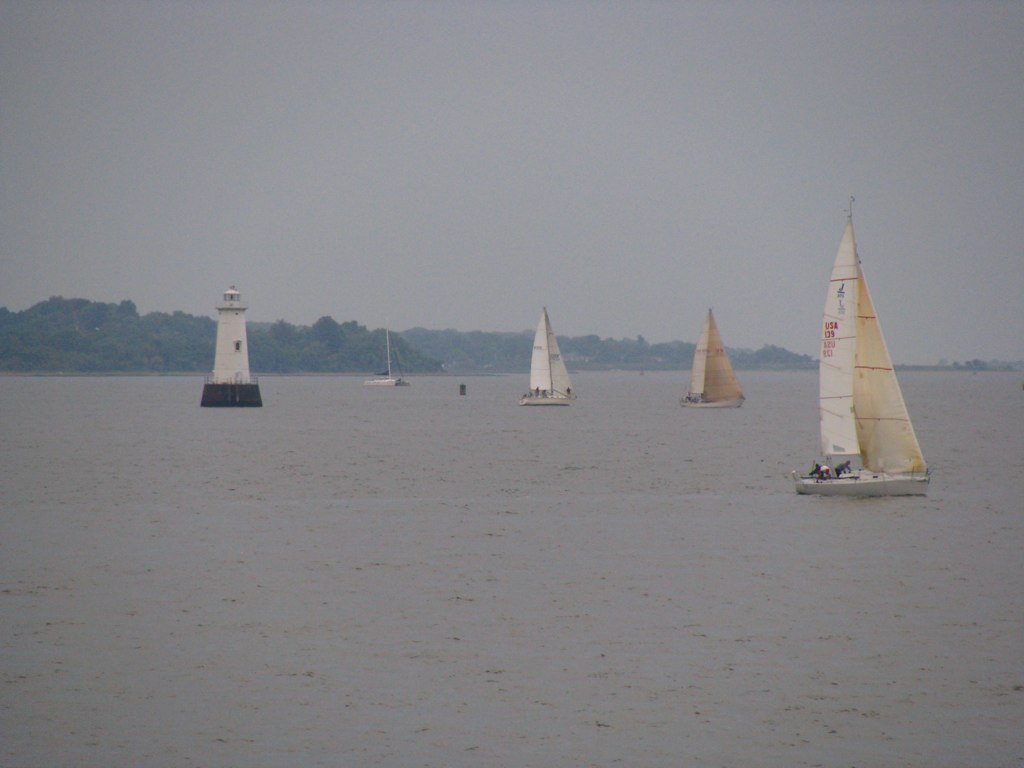
Raritan Bay
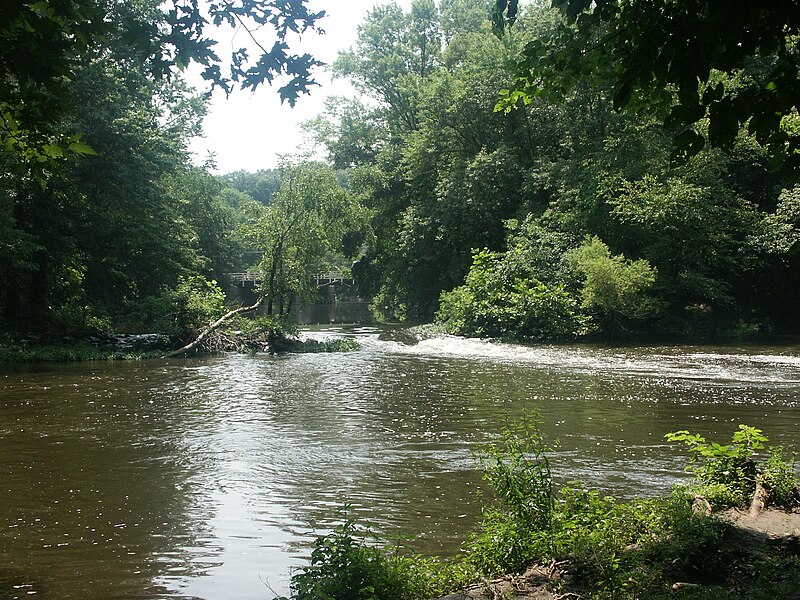
Millstone River
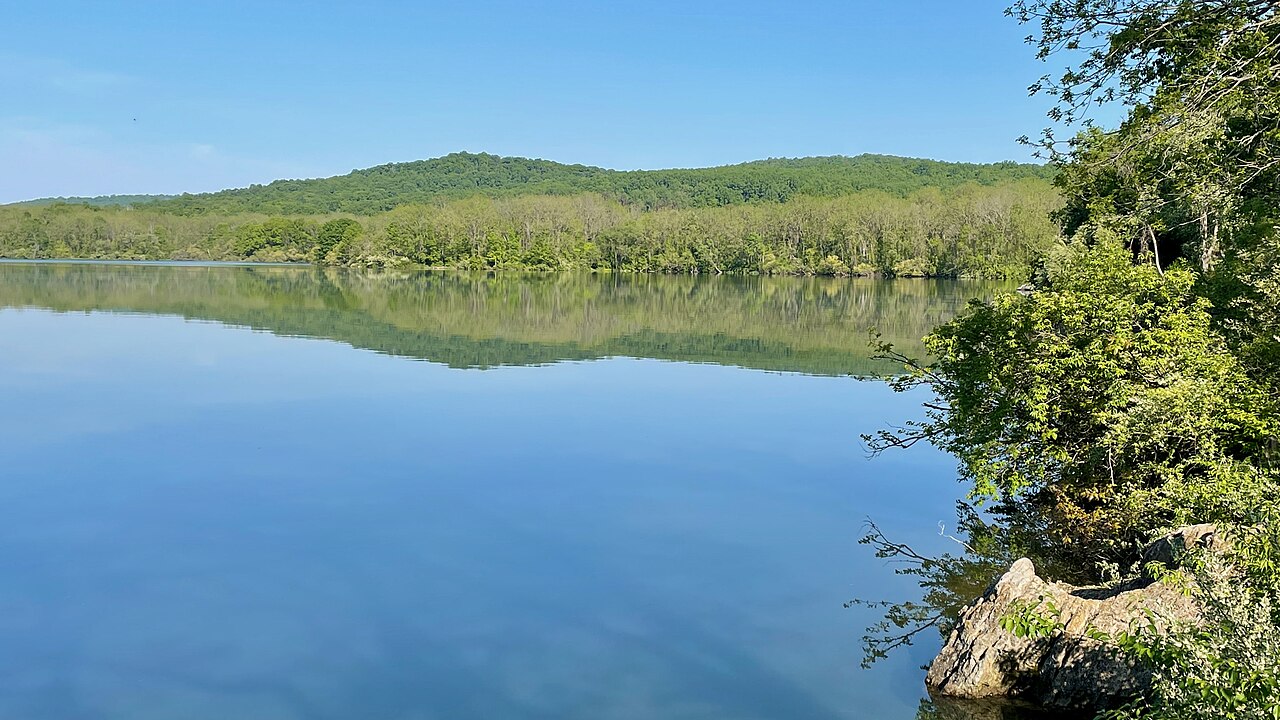
Spruce Run Reservoir
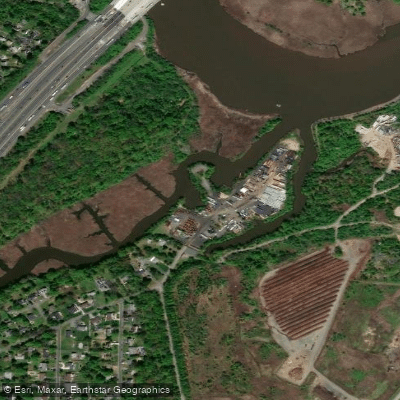
Lawrence Brook

Raritan River
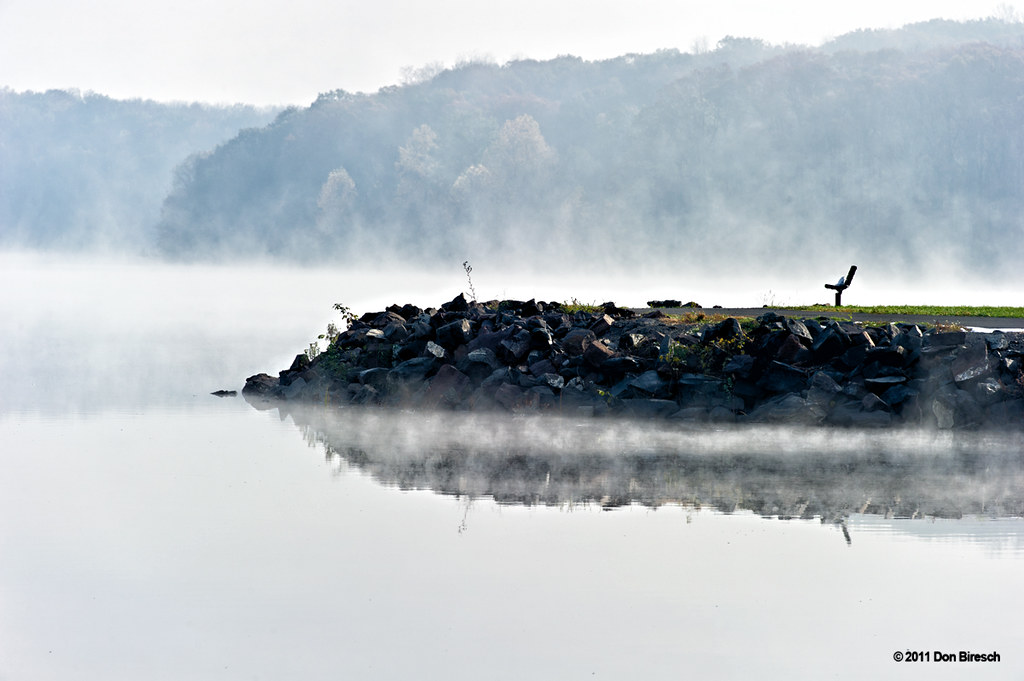
Lake Nockamixon
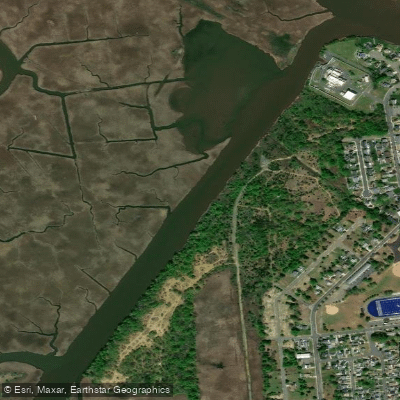
Washington Canal
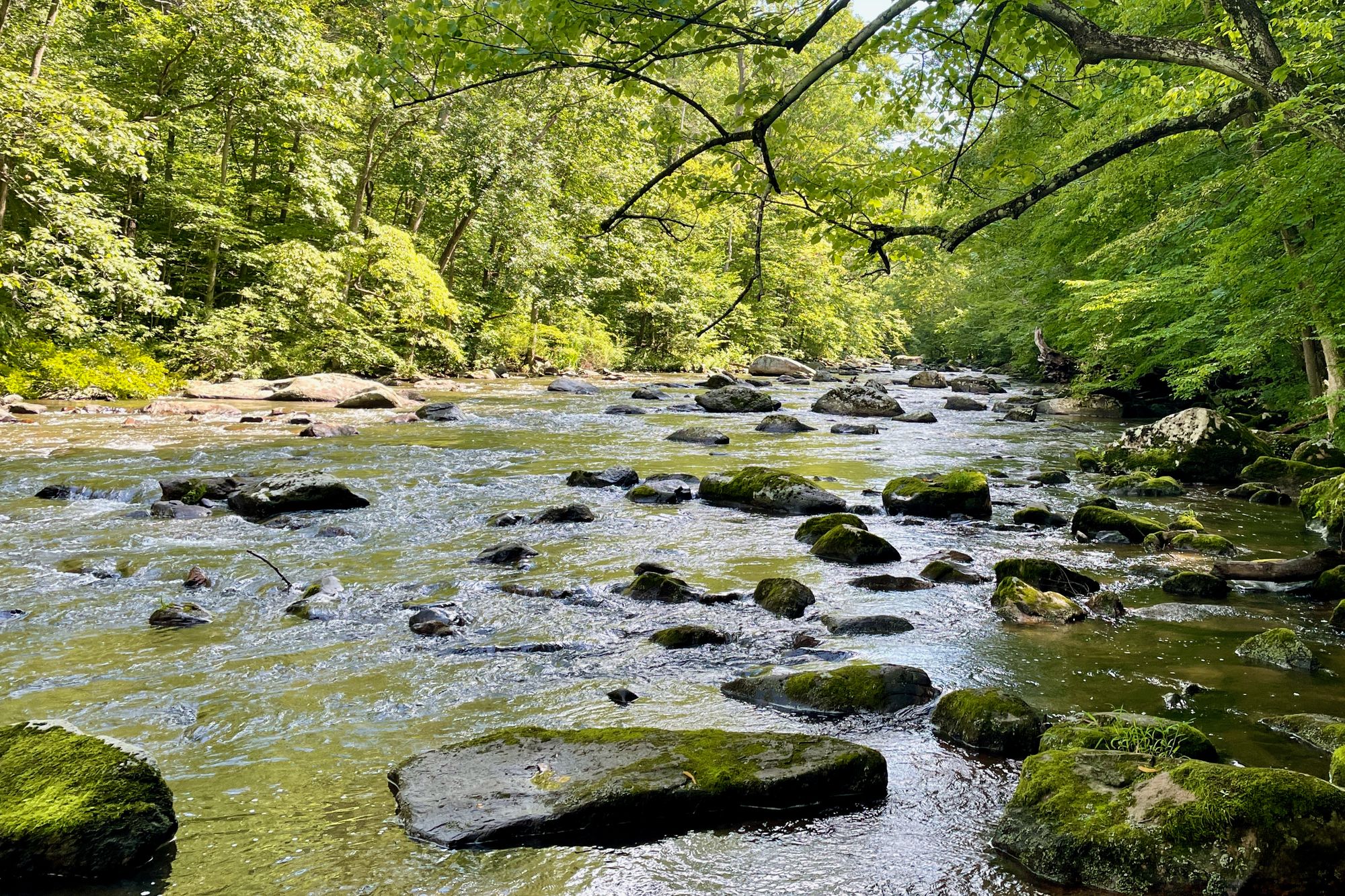
South Branch Raritan River
What to know
Habitat Distribution
- Found throughout Delaware Bay (the state's premier black drum fishery and major spawning ground), Great Bay, and have been expanding into Barnegat Bay, with some appearing in the surf from Island Beach State Park to Long Beach Island.
Key Locations
- Delaware Bay (including Slaughter Beach, Broad Kill Slough, Pin Top, Tussey Slough, and Fishing Creek Slough), Great Bay (around Grassy Channel, Pebble Beach, and cedar stakes at Graveling Point marking shellfish beds), Barnegat Bay, surf from Island Beach State Park to Long Beach Island.
Specific Spots
- Target structure like shellfish beds, docks with marine growth, and oyster bars.
- Fish around cedar stakes at Graveling Point marking shellfish beds.
Black Drum FAQ
Answers from onWater's species guide.
What are the best lures and bait for Black Drum in New Jersey?
Fresh surf clam is the premier bait - use whole fresh clams with closed shells and dark yellow meat, avoiding pale, spoiled clams. Secure stringy clam pieces with unscented white dental floss. Blue crab (halved), fiddler crabs, and fresh shrimp are also effective.
What flies work for Black Drum in New Jersey?
Use dark colors (black, dark brown, root beer) that stay on bottom: weighted flies like Redfish Worms, Merkin patterns, and black Clouser Minnows.
When is the best time to fish for Black Drum in New Jersey?
Black drum fishing peaks during May and June, with good fishing continuing through August. They migrate inshore to New Jersey waters during April-June to spawn, with peak spawning activity in May around full and new moon periods.
How do you catch Black Drum in New Jersey?
Present baits directly in front of feeding fish rather than trying to entice them from a distance. Use light chumming with cracked surf clams and shells. Circle hooks work well for aggressive bites or when using multiple rods, while J-hooks are better for light bites requiring immediate hook sets.
What do Black Drum eat?
Black drum are bottom feeders that use their barbels, covered with thousands of chemoreceptors, to locate prey by feel and smell rather than sight. Adults primarily feed on mollusks (clams, oysters, mussels), crabs, and shrimp, using powerful pharyngeal teeth to crush shells.
Fish smarter with real-time insights
Whether you're en route and conditions shift or you're looking for the best spot based on current flows, we enable you to make informed decisions on the fly.




See it in the app
Most maps show you water.
onWater shows you Black Drum.



- 01 · Species map filter
Map every Black Drum water
Pick Black Drum and the map zeroes in on the waters they call home. No more guessing which lake holds them.
- 02 · Waterbody species
Tap any water. See what lives there.
Species, behavior and seasonal patterns for every lake, river and pond, before you leave the driveway.
- 03 · Angler Intelligence
Ask how to catch Black Drum
Tactics, gear and timing from onWater's AI fishing guide, tuned to the species and the water you're on.
Stop guessing where Black Drum are.
Open the map, filter by Black Drum, and head to water that holds them. Download onWater and plan your next trip in minutes.
- Species map filter
- Angler Intelligence
- Fishing journal
Explore other species
Trout, bass, salmon, panfish and everything in between. Each guide unpacks the behavior, seasons, and tactics that put fish in the net.
No species information available.
New Jersey licenses and regulations
Explore nearby waters
Explore New Jersey waters
Top fishing waters
Popular Cities
Loading popular cities...

Smarter Fishing Starts in the App.
onWater Fish gives you everything you need to plan smarter, fish better, and own every trip from first cast to last.