Channel Catfish

Channel Catfish are non-native to New Jersey but have become well-established throughout the state's waters over the past century.
The New Jersey Division of Fish & Wildlife stocks approximately 70 waters annually with Channel Catfish, making them widely available to anglers.
New Jersey's Channel Catfish populations are healthy and provide excellent fishing opportunities, though they face some competition from invasive Blue Catfish in the Delaware River system.
Scientific Name: Ictalurus punctatus
- These slender, elongate catfish feature a deeply forked tail and scattered dark spots on juveniles and smaller adults.
Fishing in New Jersey
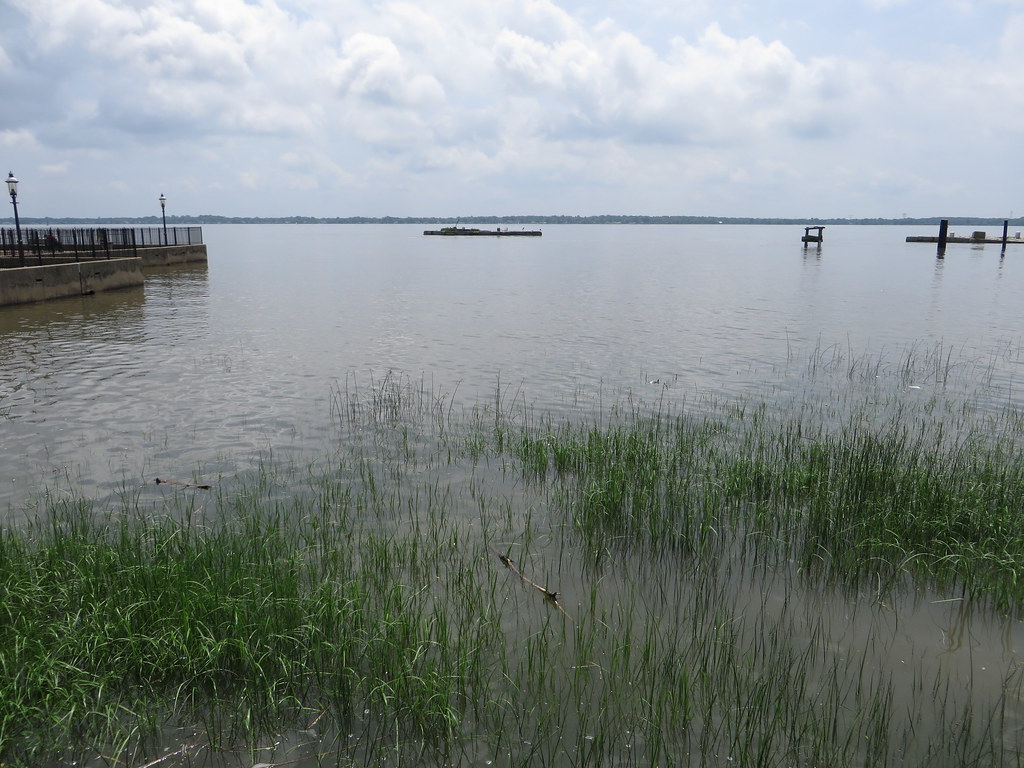
Delaware River

Round Valley Reservoir
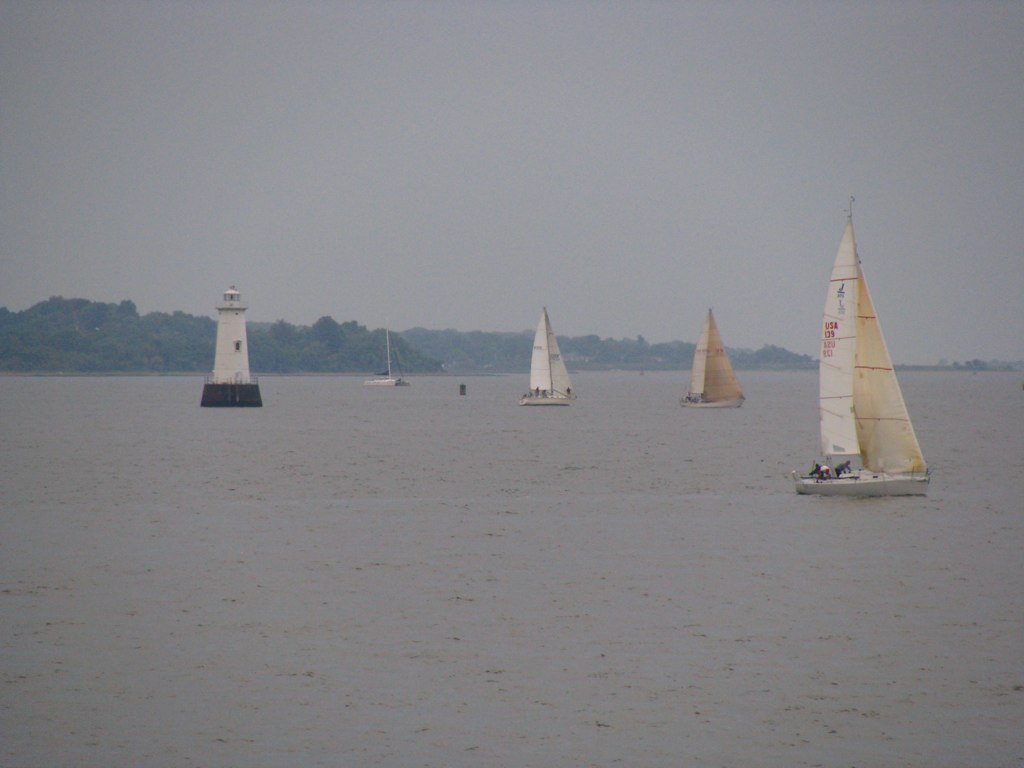
Raritan Bay
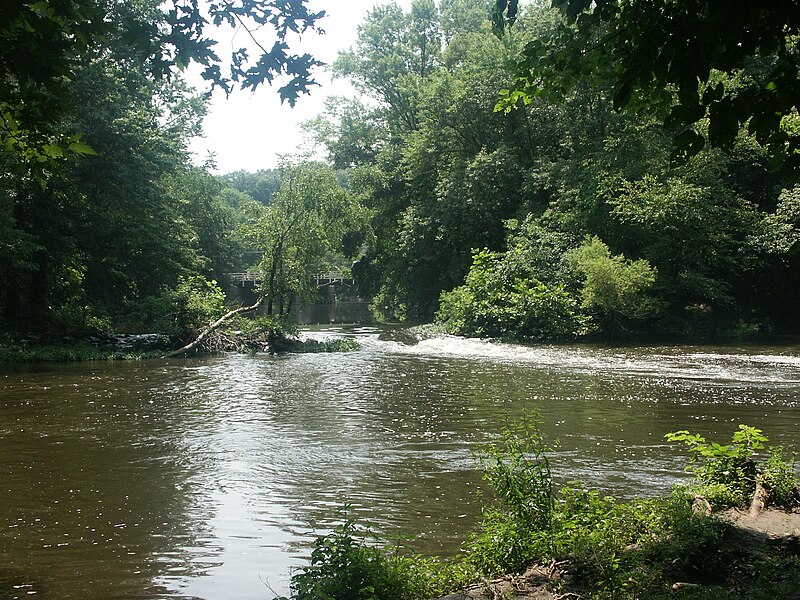
Millstone River
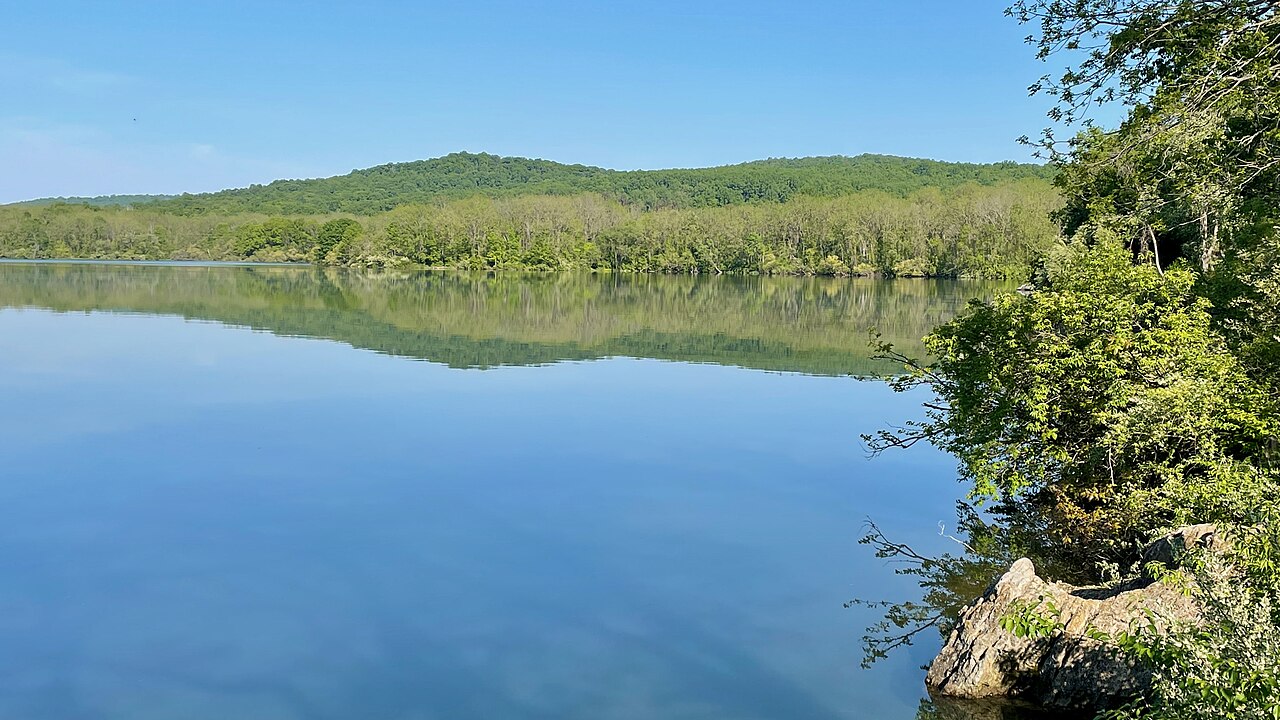
Spruce Run Reservoir
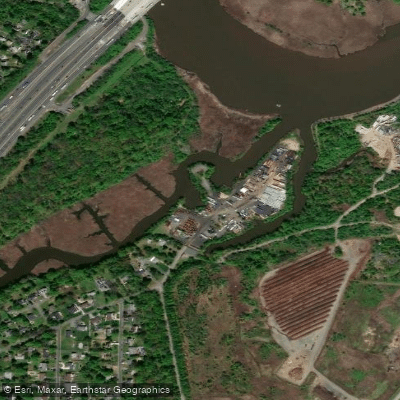
Lawrence Brook
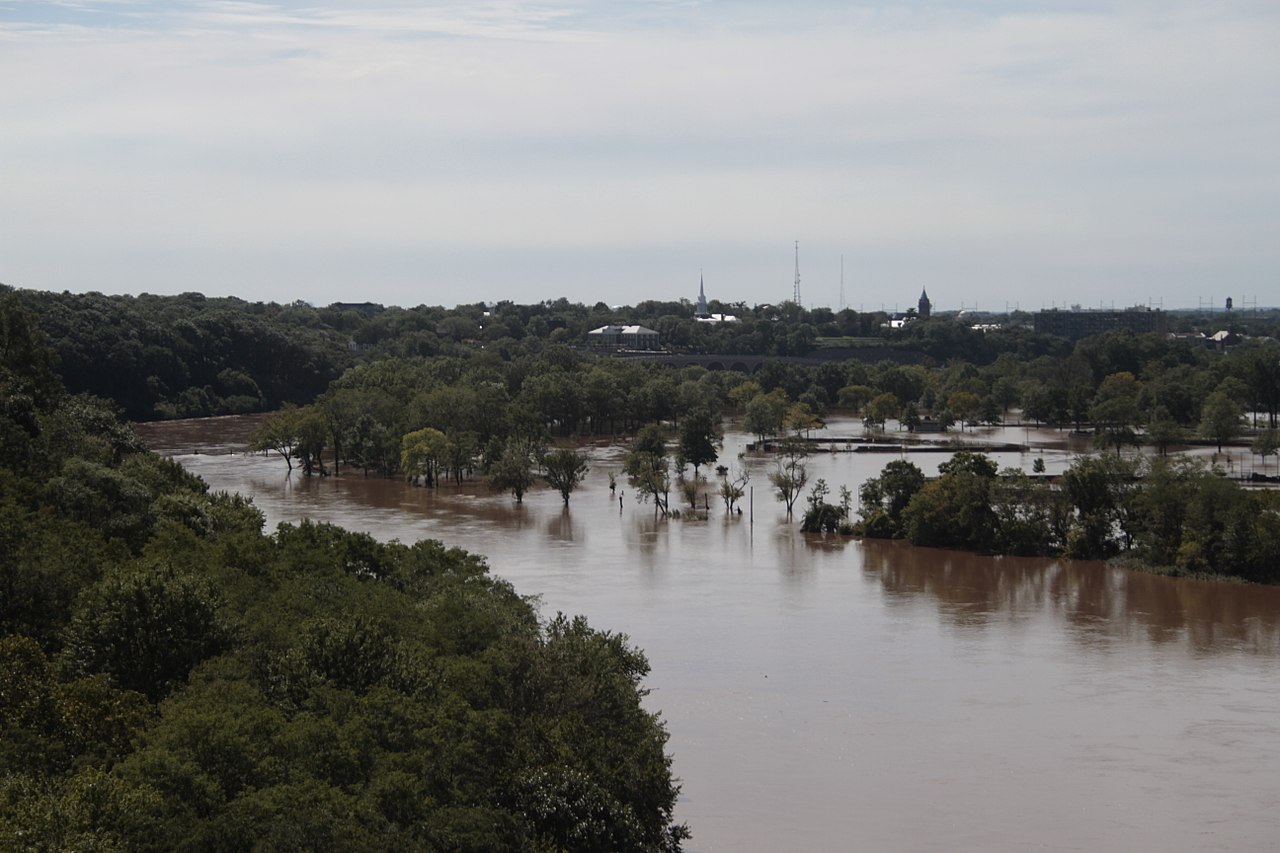
Raritan River
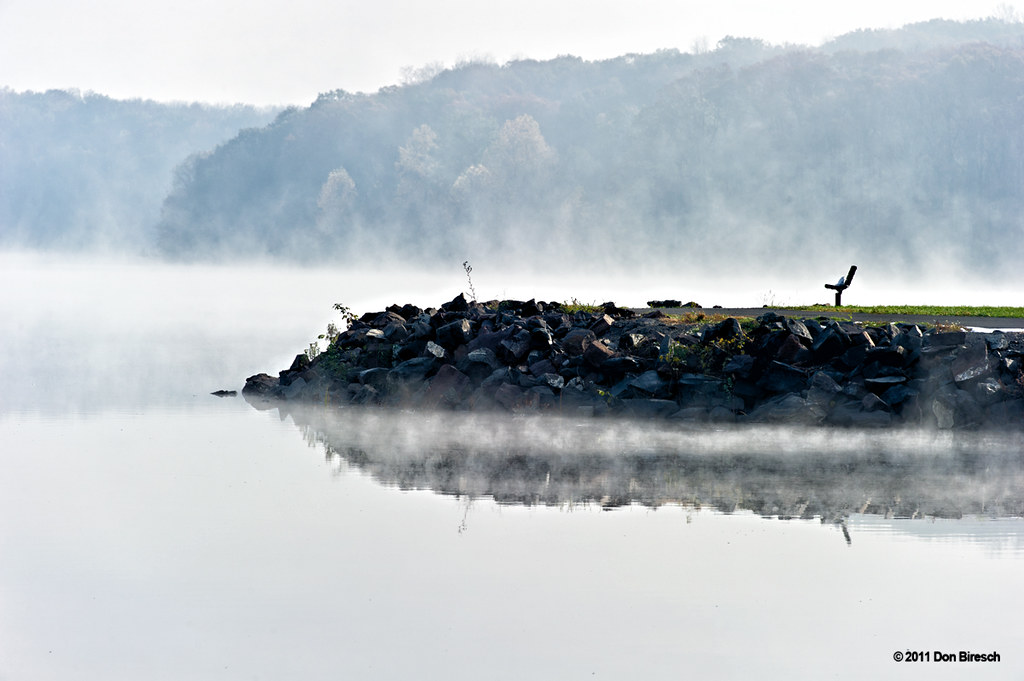
Lake Nockamixon
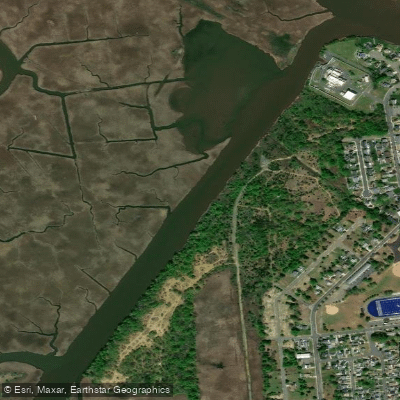
Washington Canal
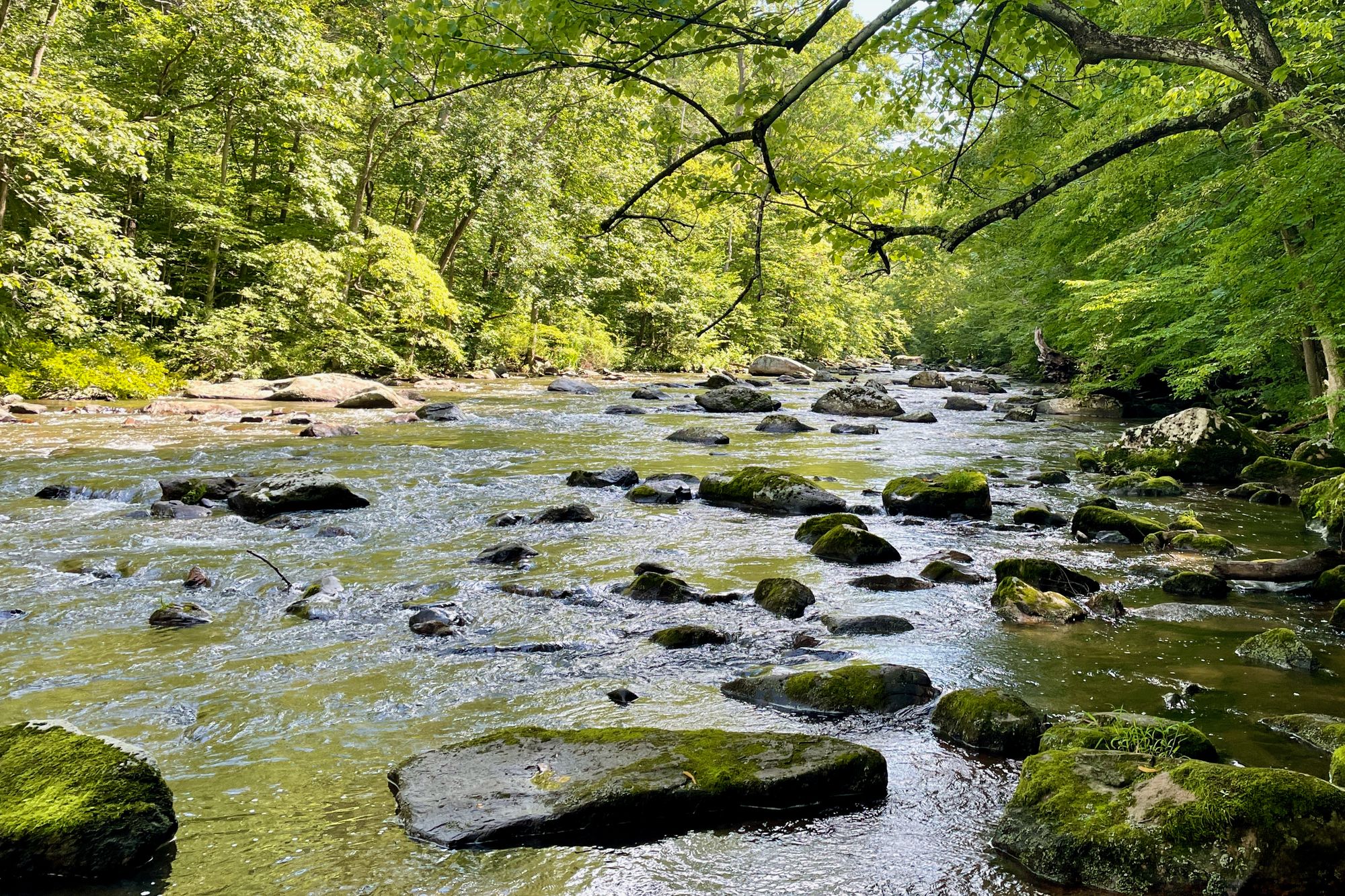
South Branch Raritan River
What to know
Habitat Distribution
- Found in numerous freshwater lakes, ponds, rivers and reservoirs, with particularly strong populations in the Delaware River system.
Key Locations
- Focus on the Delaware River system, which holds some of New Jersey's largest populations, particularly around areas like Amico Island Park, Fort Nassau, Woodbury Creek, and Billingsport Range.
Specific Spots
- Fish bottom structure including deep holes, current breaks, bridge pilings, fallen trees, docks, and rocky areas.
- Males guard nests in dark, secluded areas like undercut banks, logs, and rock piles.
Channel Catfish FAQ
Answers from onWater's species guide.
What are the best lures and bait for Channel Catfish in New Jersey?
Prepared baits work exceptionally well - punch baits like CJ's Catfish Punch Bait and stink baits are highly effective due to their strong scent trail. Traditional baits include chicken livers, cut bait (bluegill, shad), nightcrawlers, hot dogs, and cheese baits.
What flies work for Channel Catfish in New Jersey?
Use heavily weighted patterns like bead head woolly buggers (#6 treble hooks work well), balanced leeches, crawfish patterns, and large streamers in olive, chartreuse, black, brown, or white.
When is the best time to fish for Channel Catfish in New Jersey?
Most productive during summer months, with early spring through early fall offering consistent action. During spawning periods, fishing success typically decreases as fish become less active.
How do you catch Channel Catfish in New Jersey?
Strip patterns slowly near the bottom. Target tributary mouths, shoreline structure in 2-5 feet of water, and areas with moderate current during prime feeding times.
What do Channel Catfish eat?
These opportunistic omnivores feed on aquatic insects, small fish (like minnows, shad, sunfish), crayfish, mollusks, green algae, seeds, and terrestrial insects.
Fish smarter with real-time insights
Whether you're en route and conditions shift or you're looking for the best spot based on current flows, we enable you to make informed decisions on the fly.




See it in the app
Most maps show you water.
onWater shows you Channel Catfish.



- 01 · Species map filter
Map every Channel Catfish water
Pick Channel Catfish and the map zeroes in on the waters they call home. No more guessing which lake holds them.
- 02 · Waterbody species
Tap any water. See what lives there.
Species, behavior and seasonal patterns for every lake, river and pond, before you leave the driveway.
- 03 · Angler Intelligence
Ask how to catch Channel Catfish
Tactics, gear and timing from onWater's AI fishing guide, tuned to the species and the water you're on.
Stop guessing where Channel Catfish are.
Open the map, filter by Channel Catfish, and head to water that holds them. Download onWater and plan your next trip in minutes.
- Species map filter
- Angler Intelligence
- Fishing journal
Explore other species
Trout, bass, salmon, panfish and everything in between. Each guide unpacks the behavior, seasons, and tactics that put fish in the net.
No species information available.
New Jersey licenses and regulations
Explore nearby waters
Explore New Jersey waters
Top fishing waters
Popular Cities
Loading popular cities...

Smarter Fishing Starts in the App.
onWater Fish gives you everything you need to plan smarter, fish better, and own every trip from first cast to last.