Longnose Dace

Longnose Dace are small, streamlined minnows native to Nebraska waters, characterized by an elongated snout that protrudes past their sucker-like mouth and coloration ranging from dark brown to light tan.
The species shows remarkable adaptability to Nebraska's unique low-gradient streams with grassy riparian vegetation and sandy substrates, though they prefer areas with gravel or cobble bottoms when available.
Scientific Name: Rhinichthys cataractae
They typically reach 2-3 inches in length, though some can grow up to 6 inches.
Fishing in Nebraska
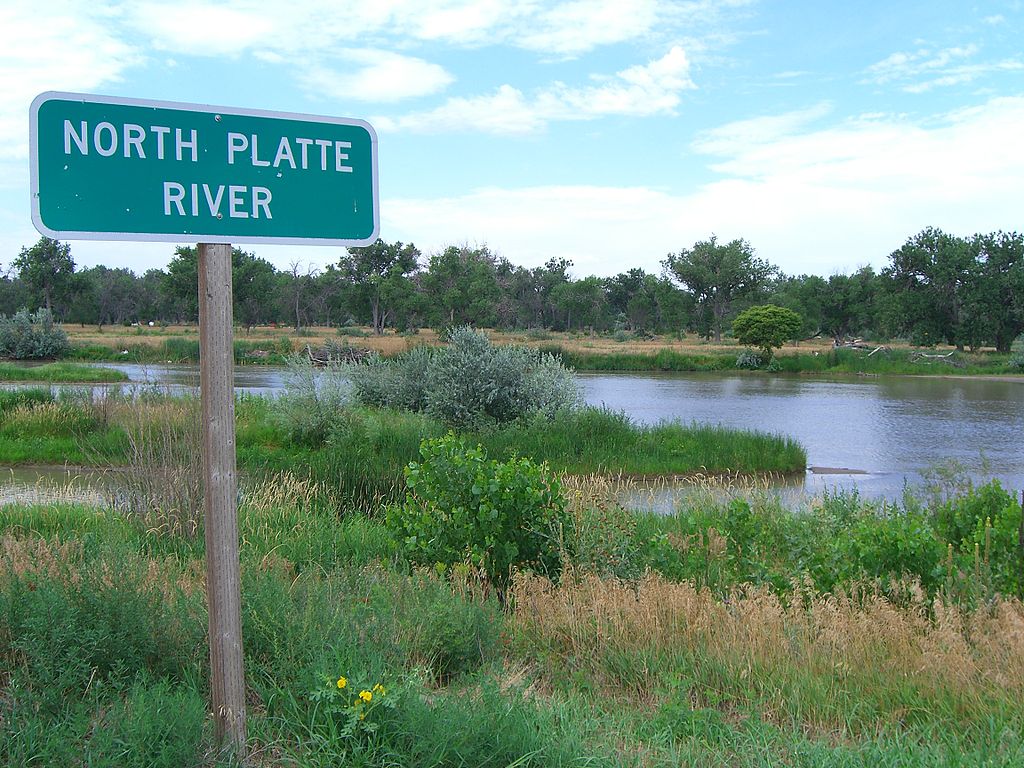
Platte River
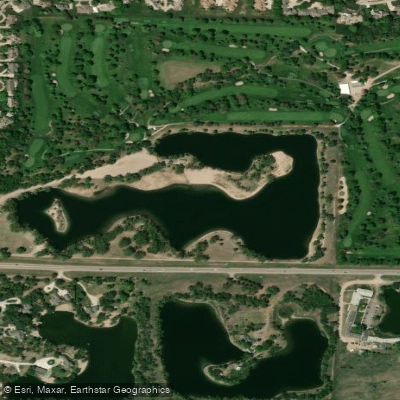
L E Ray Lake
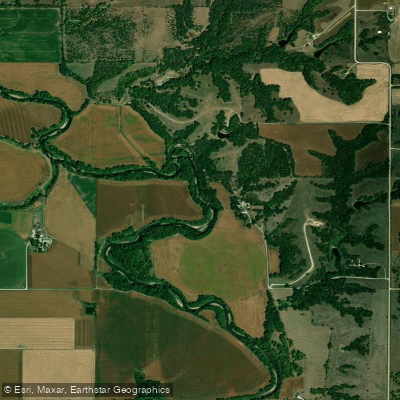
Big Blue River
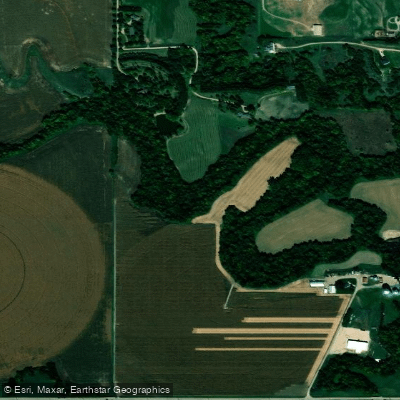
Wood River
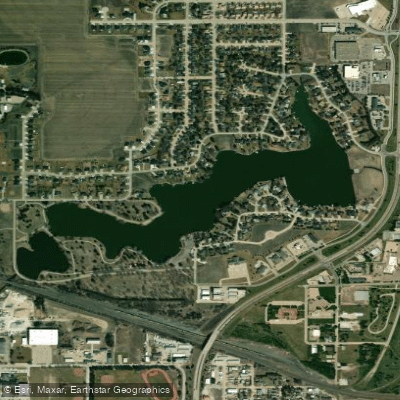
Lake Hastings
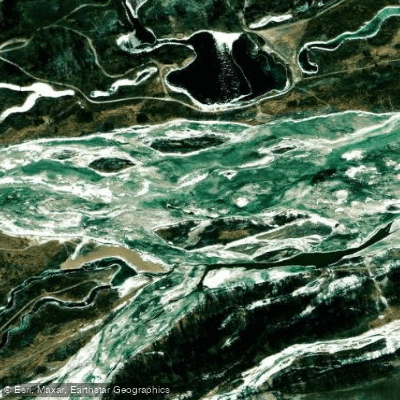
South Channel Platte River
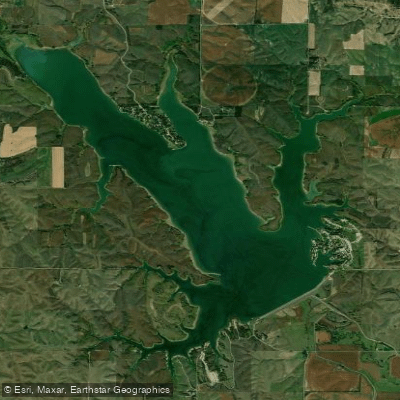
Sherman Reservoir
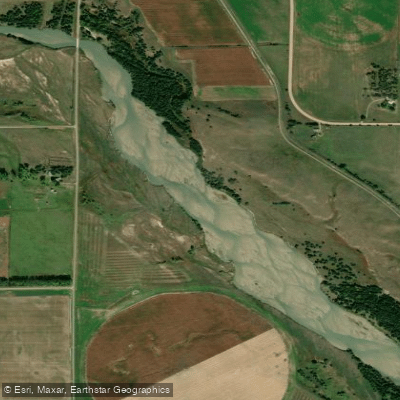
Middle Loup River
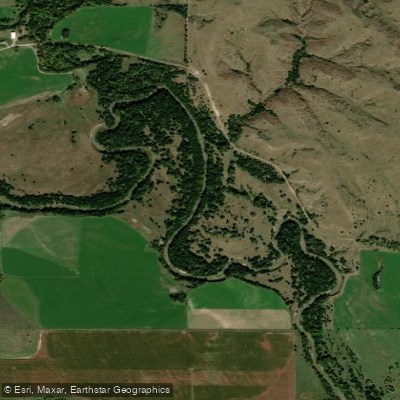
South Loup River
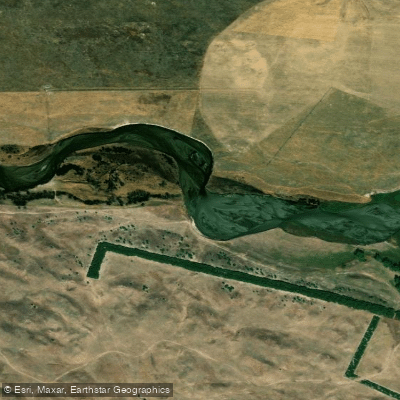
North Loup River
What to know
Habitat Distribution
They're widely distributed throughout cool-water streams, particularly in the Sandhills region.Key Locations
Target Nebraska's coolwater streams including Long Pine Creek in Brown County, Gracie Creek in Loup County, tributaries of the Niobrara River system, and Sandhills headwater streams. In Nebraska, they're widely distributed throughout cool-water streams, particularly in the Sandhills region, and can be found in headwater streams, tributaries of the North Platte River system including Long Pine Creek, Gracie Creek, and various Niobrara River tributaries.Specific Spots
Focus on shallow, fast-moving riffles with gravel or cobble substrate, rocky areas, and undercut banks where they hide during daylight hours. In Nebraska's unique stream conditions, look for areas where faster current meets slower water.Longnose Dace FAQ
Answers from onWater's species guide.
What flies work for Longnose Dace in Nebraska?
Black Nose Dace streamer - a classic pattern originally tied with white, black and brown bucktail, silver tinsel body, and red yarn tail that closely imitates the natural. Small nymphs and wet flies that imitate chironomids, mayflies, and blackflies.
When is the best time to fish for Longnose Dace in Nebraska?
The best seasons are spring through fall (May-October), avoiding the spawning period of May-August when they should be left undisturbed.
How do you catch Longnose Dace in Nebraska?
Black Nose Dace streamer works exceptionally well when swung through riffles or dead-drifted near ambush spots. Fish it with timely strips during the swing to trigger strikes. Small nymphs and wet flies are also productive, particularly during corresponding insect hatches.
What do Longnose Dace eat?
Longnose Dace are opportunistic nocturnal feeders that consume a diverse diet including chironomid larvae (midges), simulid larvae (blackflies), ephemerid nymphs (mayflies), terrestrial insects, fish scales, fish eggs, and algae.
Where do Longnose Dace live in Nebraska?
They're widely distributed throughout cool-water streams, particularly in the Sandhills region.
Fish smarter with real-time insights
Whether you're en route and conditions shift or you're looking for the best spot based on current flows, we enable you to make informed decisions on the fly.







See it in the app
Most maps show you water.
onWater shows you Longnose Dace.



- 01 · Species map filter
Map every Longnose Dace water
Pick Longnose Dace and the map zeroes in on the waters they call home. No more guessing which lake holds them.
- 02 · Waterbody species
Tap any water. See what lives there.
Species, behavior and seasonal patterns for every lake, river and pond, before you leave the driveway.
- 03 · Angler Intelligence
Ask how to catch Longnose Dace
Tactics, gear and timing from onWater's AI fishing guide, tuned to the species and the water you're on.
Stop guessing where Longnose Dace are.
Open the map, filter by Longnose Dace, and head to water that holds them. Download onWater and plan your next trip in minutes.
- Species map filter
- Angler Intelligence
- Fishing journal
Explore other species
Trout, bass, salmon, panfish and everything in between. Each guide unpacks the behavior, seasons, and tactics that put fish in the net.

Find which waters have the species you want to catch

Largemouth Bass
Micropterus salmoides

Smallmouth Bass
Micropterus dolomieui

Rainbow Trout
Oncorhynchus mykiss

Brown Trout
Salmo trutta

Brook Trout
Salvelinus fontinalis

Cutthroat Trout

Northern Pike
Esox lucius

Muskellunge
Esox masquinongy

Walleye
Sander vitreus

Black Crappie
Pomoxis nigromaculatus

Alewife
Alosa pseudoharengus

Bighead Carp
Hypophthalmichthys nobilis

Bigmouth Buffalo
Ictiobus cyprinellus

Black Buffalo
Ictiobus niger

Black Bullhead
Ameiurus melas

Blue Catfish
Ictalurus furcatus

Blue Sucker
Cycleptus elongatus

Burbot
Lota lota

Channel Catfish
Ictalurus punctatus

Common Carp
Cyprinus carpio

Creek Chub
Semotilus atromaculatus

Flathead Catfish
Pylodictis olivaris

Flathead Chub
Platygobio gracilis

Freshwater Drum
Aplodinotus grunniens

Gizzard Shad
Dorosoma cepedianum

Grass Carp
Ctenopharyngodon idella

Green Sunfish
Lepomis cyanellus

Lake Sturgeon
Acipenser fulvescens

Longnose Gar

Longnose Sucker
Catostomus catostomus
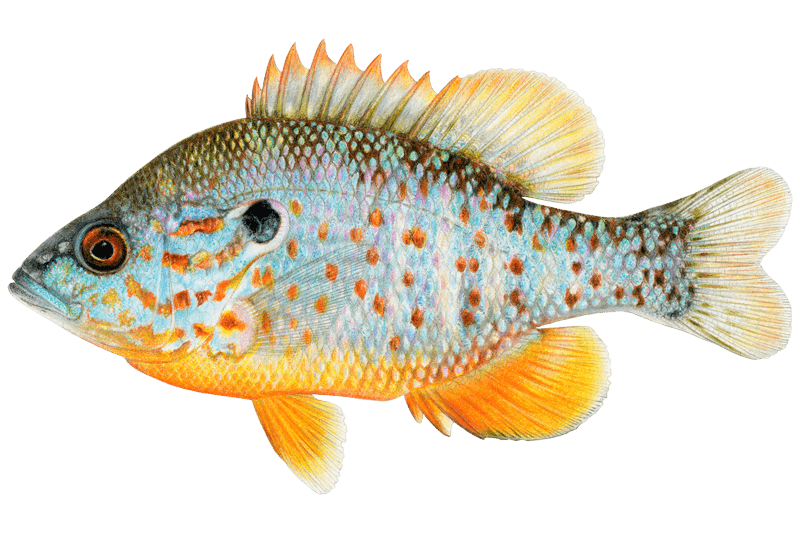
Orangespotted Sunfish
Lepomis humilis

Pumpkinseed
Lepomis gibbosus
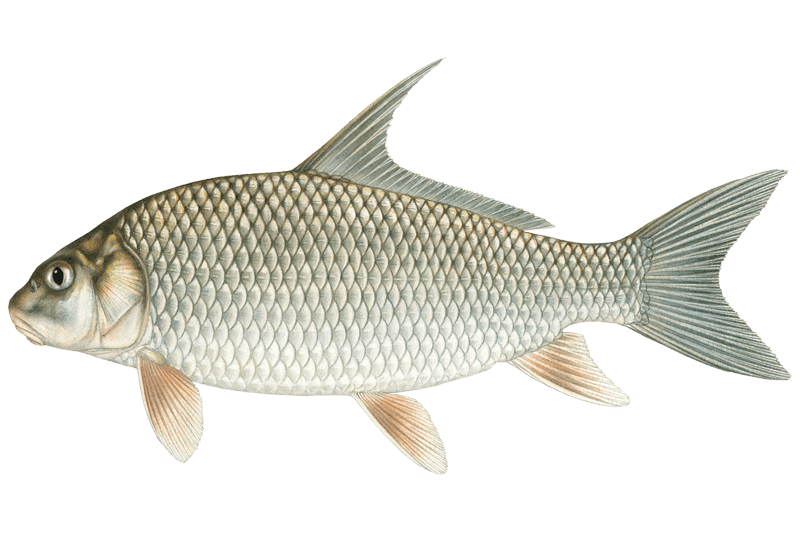
Quillback
Carpiodes cyprinus

Redear Sunfish
Lepomis microlophus

Sand Shiner
Notropis stramineus
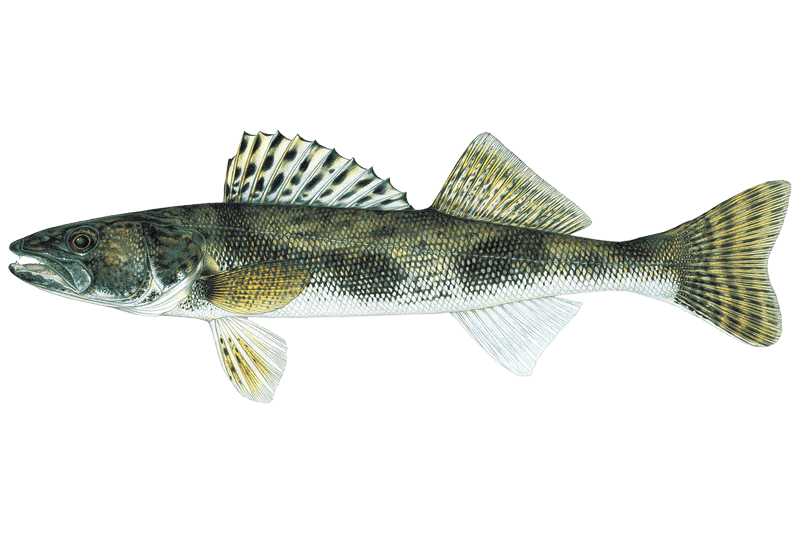
Sauger
Sander canadensis
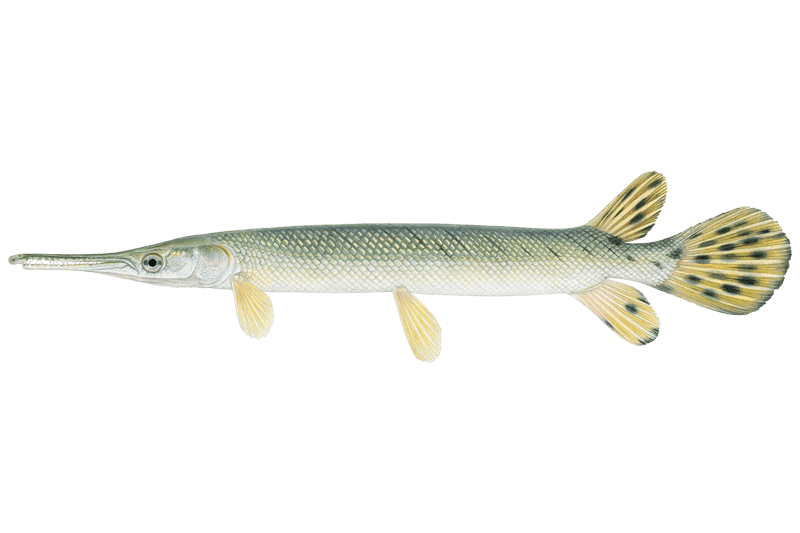
Shortnose Gar
Lepisosteus platostomus
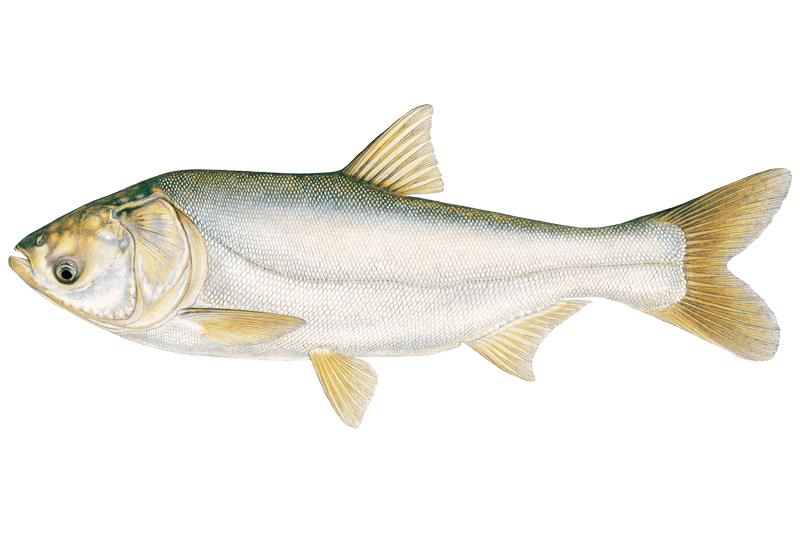
Silver Carp
Hypophthalmichthys molitrix
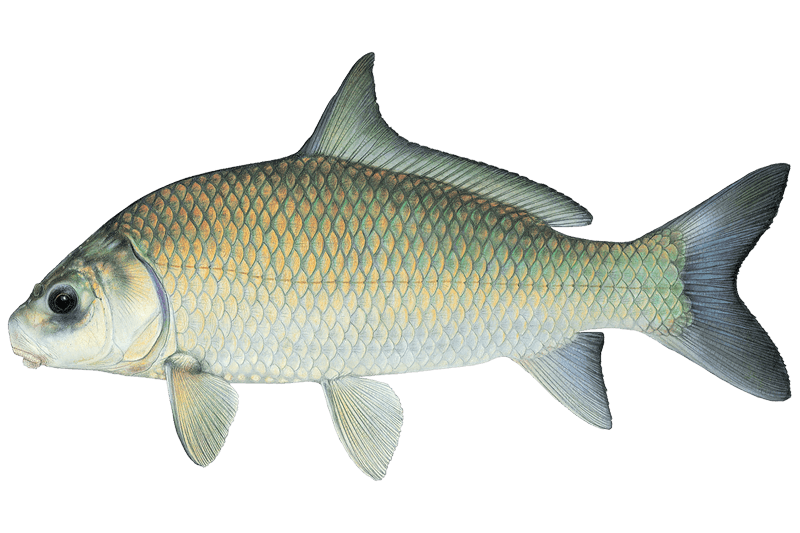
Smallmouth Buffalo
Ictiobus bubalus
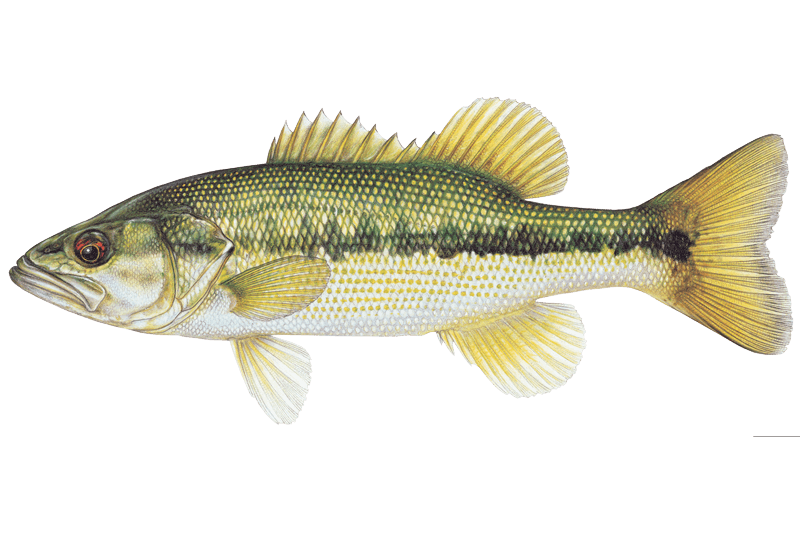
Spotted Bass
Micropterus punctulatus
Nebraska licenses and regulations

Nebraska Boating Regulations
When using any type of watercraft to access a body of water, it is important to follow all federal, state, and local rules and regulations. These rules and regulations include boat permitting and licensing, invasive species inspections and stamps, life jacket and PFD rules, motor size and horsepower restrictions, noise limitations, restrictions on personal watercraft, and many more. Visit the web link below for the most current rules and regulations for this body of water.

Nebraska Fishing License
A sport fishing license is required for any person 16 years of age and older.

Nebraska Fishing Regulations
This state has a variety of species and regulations, including potential floating and/or watercraft restrictions. Because this state is specially managed for species, seasons, angling methods, and watercraft, it is strongly encouraged you check all federal, state, and local regulations before fishing. Visit any of the links below, inquire locally, or contact a local fly shop to learn current regulations and restrictions.

Nebraska Stream Access Laws
An individual is allowed to navigate all Nebraska rivers and streams even if such rivers and streams flow through private property. The landowner owns the land adjoining and underneath the river and stream. Therefore, an individual is trespassing if he/she gets out of the canoe, kayak or inner-tube, or drops anchor.
Explore nearby waters
Explore Nebraska waters
Top fishing waters
Popular Cities
Loading popular cities...

Smarter Fishing Starts in the App.
onWater Fish gives you everything you need to plan smarter, fish better, and own every trip from first cast to last.