Threadfin Shad

Threadfin Shad are small, silvery forage fish native to Louisiana's Gulf of Mexico drainage system. Louisiana and Mississippi are the only states that lie entirely within their native range.
These herring family members are exclusive planktivores, filter-feeding on phytoplankton (microscopic algae) and zooplankton (microscopic animals) throughout their 2-3 year lifespan.
Scientific Name: Dorosoma petenense
Also known as yellow-tails
- Typically measure 3-6 inches long with distinctly yellow caudal (tail) and anal fins.
- They display a characteristic black spot behind their gill plate and have terminal mouths (opening at the tip of the snout) unlike their larger cousin, the gizzard shad.
- Maximum recorded size of 8 inches.
Fishing in Louisiana
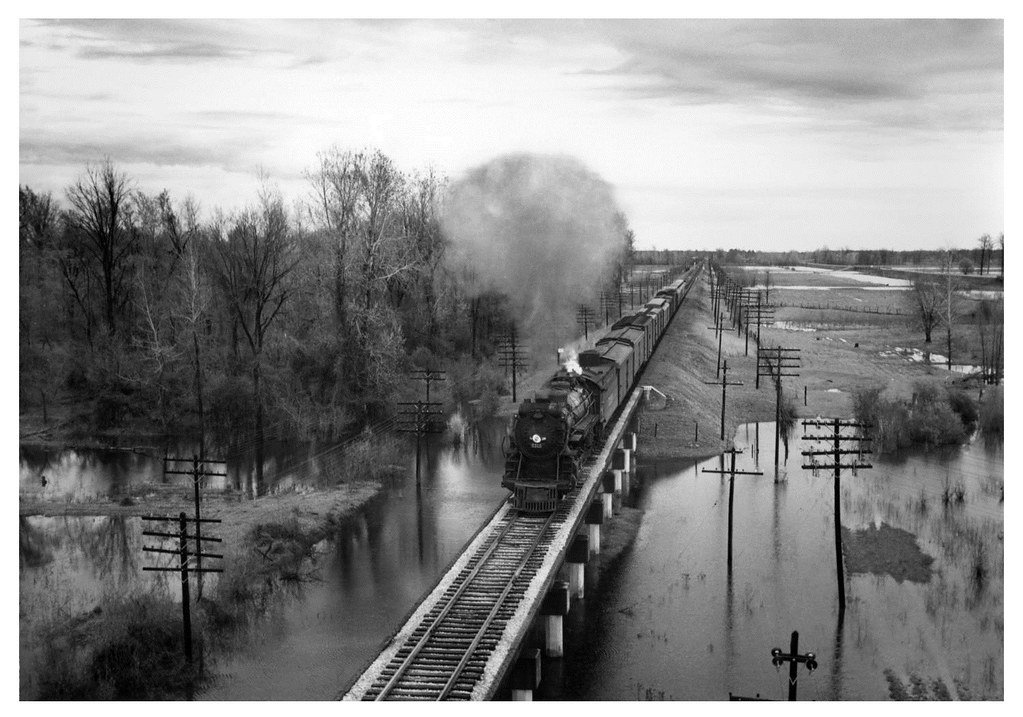
Red River
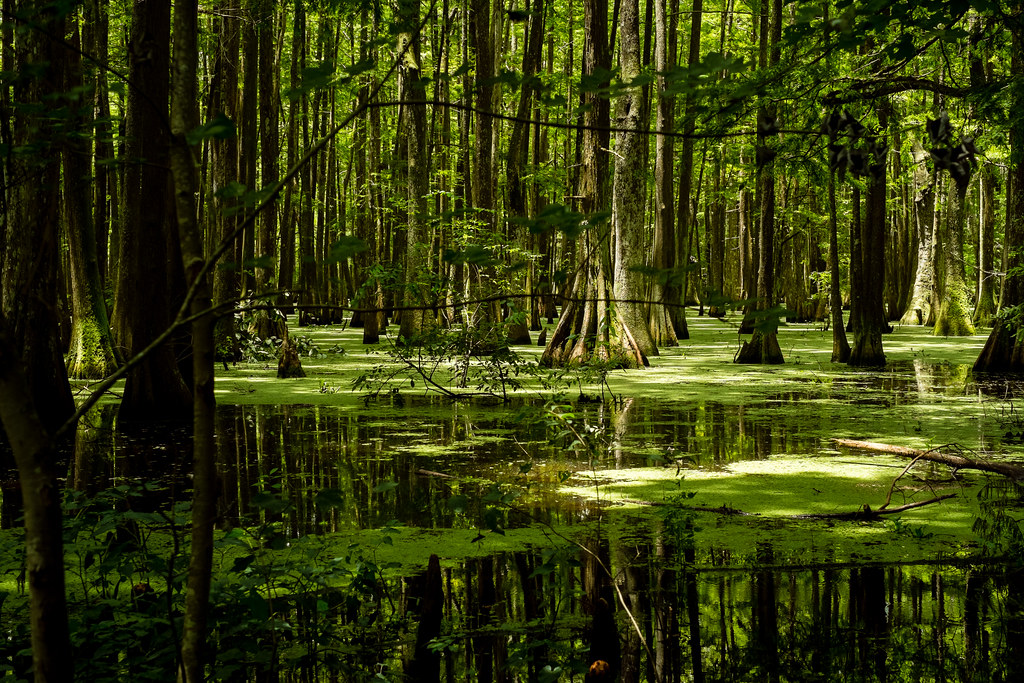
Lake Chicot
Mississippi River
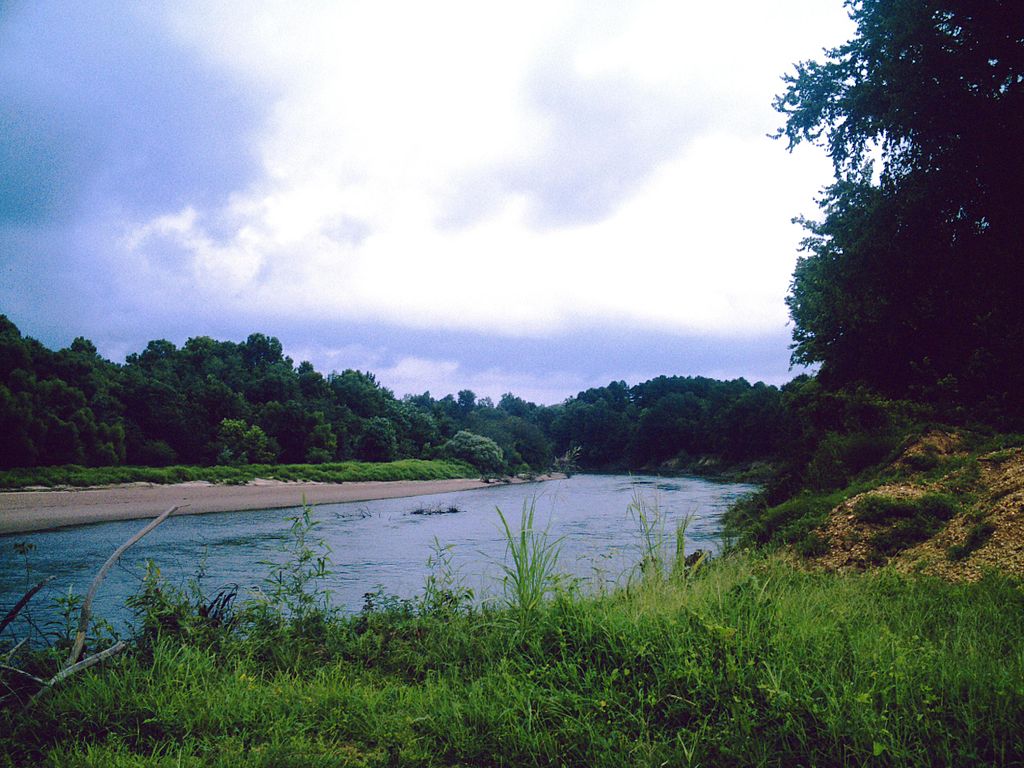
Ouachita River
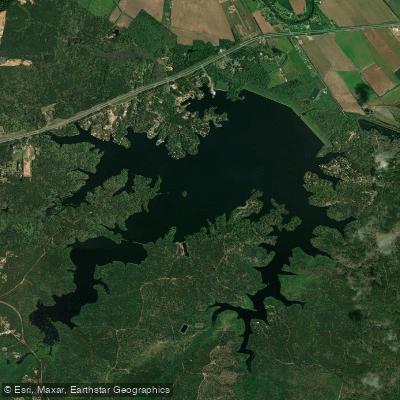
Kincaid Reservoir
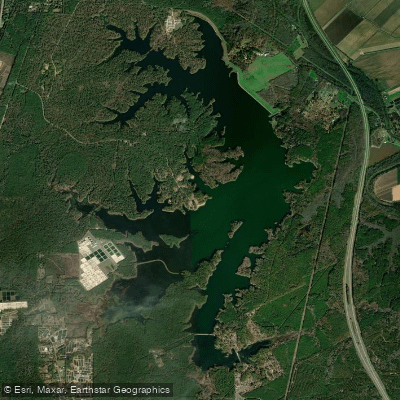
Indian Creek Reservoir
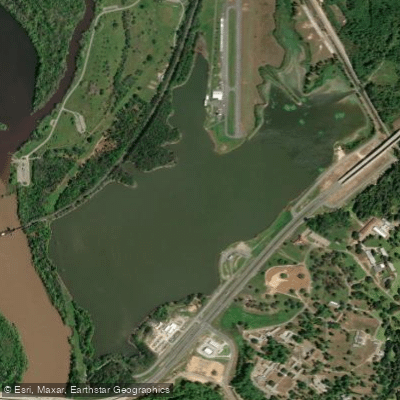
Lake Buhlow
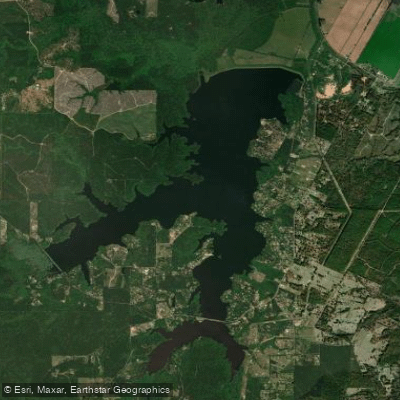
Cotile Lake
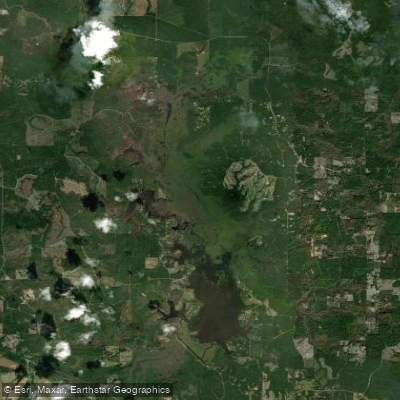
Lake Iatt
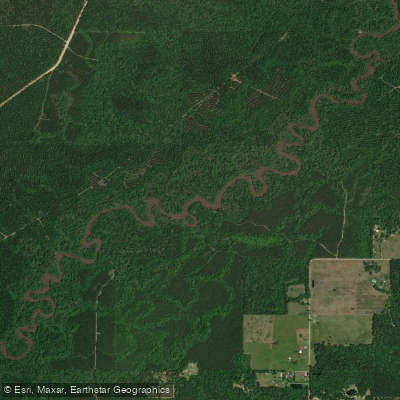
Calcasieu River
What to know
Habitat Distribution
- They inhabit lakes, large streams, reservoirs, and can tolerate brackish waters in Louisiana's coastal areas.
- These schooling fish prefer open water areas and can be found from the surface down to 50 meters deep, moving between deep water during the day and shallow areas at night.
Key Locations
- Louisiana's Spring Bayou and other state waters support healthy populations, with the maximum recorded size of 8 inches documented in the Bogue Falaya River.
Specific Spots
- Focus on creek mouths, downwind sides of lakes on windy days, and edges of grass flats.
- In river systems, look for areas with current breaks and shallow oxbow lakes.
- During spawning, look for them congregated against rocks, riprap, submerged trees, and grass edges near deep water.
Threadfin Shad FAQ
Answers from onWater's species guide.
What are the best lures and bait for Threadfin Shad in Louisiana?
Paste baits (flour and e.g.g mixtures) on extremely small hooks for micro fishing gear, though cast nets remain most practical.
When is the best time to fish for Threadfin Shad in Louisiana?
Best fishing occurs during May and June in Louisiana when post-spawn bass are actively feeding on spawning shad. They spawn when water temperatures reach 65-70°F, typically beginning in late April in Louisiana and continuing through summer into early fall.
How do you catch Threadfin Shad in Louisiana?
Cast net fishing is most practical. Early mornings and late evenings are most productive. On fishfinders, threadfin shad appear as 'balls' or 'clouds' with larger predator fish arches nearby.
What do Threadfin Shad eat?
Exclusive planktivores, filter-feeding on phytoplankton (microscopic algae) and zooplankton (microscopic animals).
Where do Threadfin Shad live in Louisiana?
They inhabit lakes, large streams, reservoirs, and can tolerate brackish waters in Louisiana's coastal areas. These schooling fish prefer open water areas and can be found from the surface down to 50 meters deep, moving between deep water during the day and shallow areas at night.
Fish smarter with real-time insights
Whether you're en route and conditions shift or you're looking for the best spot based on current flows, we enable you to make informed decisions on the fly.







See it in the app
Most maps show you water.
onWater shows you Threadfin Shad.



- 01 · Species map filter
Map every Threadfin Shad water
Pick Threadfin Shad and the map zeroes in on the waters they call home. No more guessing which lake holds them.
- 02 · Waterbody species
Tap any water. See what lives there.
Species, behavior and seasonal patterns for every lake, river and pond, before you leave the driveway.
- 03 · Angler Intelligence
Ask how to catch Threadfin Shad
Tactics, gear and timing from onWater's AI fishing guide, tuned to the species and the water you're on.
Stop guessing where Threadfin Shad are.
Open the map, filter by Threadfin Shad, and head to water that holds them. Download onWater and plan your next trip in minutes.
- Species map filter
- Angler Intelligence
- Fishing journal
Explore other species
Trout, bass, salmon, panfish and everything in between. Each guide unpacks the behavior, seasons, and tactics that put fish in the net.

Find which waters have the species you want to catch

Largemouth Bass
Micropterus salmoides

Rainbow Trout
Oncorhynchus mykiss

Walleye
Sander vitreus

Black Crappie
Pomoxis nigromaculatus
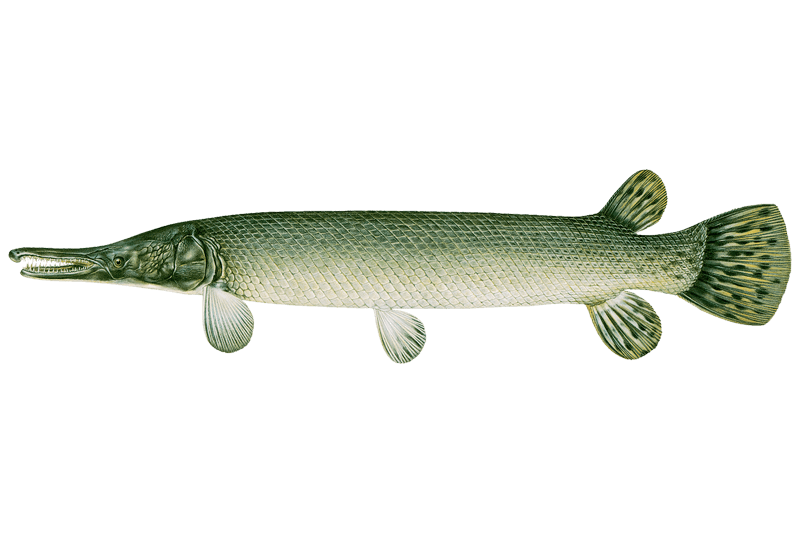
Alligator Gar
Atractosteus spatula

American Eel
Anguilla rostrata

Atlantic Croaker
Micropogonias undulatus

Atlantic Sturgeon
Acipenser oxyrinchus desotoi

Bighead Carp
Hypophthalmichthys nobilis

Bigmouth Buffalo
Ictiobus cyprinellus

Black Buffalo
Ictiobus niger

Black Bullhead
Ameiurus melas

Black Drum
Pogonias cromis

Blacktip Shark
Carcharhinus limbatus

Blue Catfish
Ictalurus furcatus
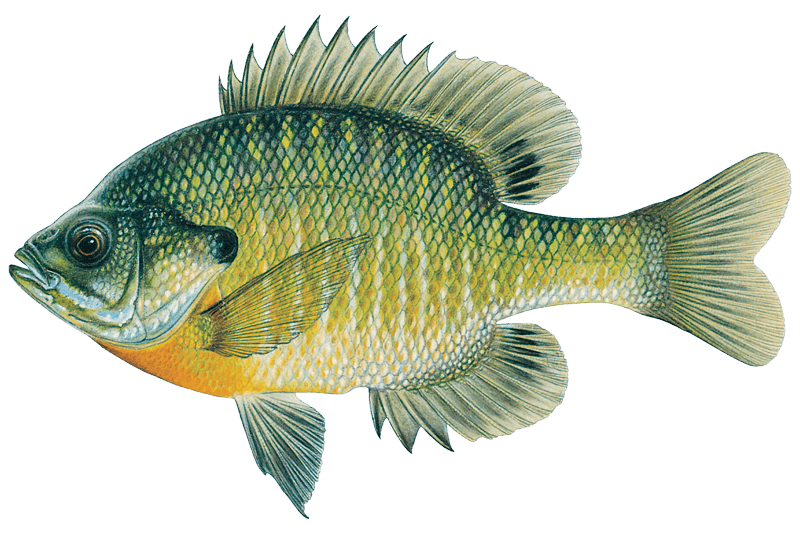
Bluegill Sunfish
Lepomis macrochirus

Blue Sucker
Cycleptus elongatus

Blue Tilapia
Oreochromis aureus

Bowfin
Amia calva

Brown Bullhead
Ameiurus nebulosus

Bull Shark
Carcharhinus leucas

Chain Pickerel
Esox niger

Channel Catfish
Ictalurus punctatus

Common Carp
Cyprinus carpio

Creek Chub
Semotilus atromaculatus

Flathead Catfish
Pylodictis olivaris

Flier
Centrarchus macropterus

Florida Pompano
Trachinotus carolinus

Freshwater Drum
Aplodinotus grunniens

Gafftopsail Catfish
Bagre marinus

Gizzard Shad
Dorosoma cepedianum

Grass Carp
Ctenopharyngodon idella

Green Sunfish
Lepomis cyanellus

Longear Sunfish
Lepomis megalotis

Longnose Gar
Lepisosteus osseus

Northern Hogsucker
Hypentelium nigricans
Orangespotted Sunfish
Lepomis humilis

Pumpkinseed
Lepomis gibbosus
Quillback
Carpiodes cyprinus
Redbreast Sunfish
Lepomis auritus
Louisiana licenses and regulations
Louisiana Boating Regulations
When using any type of watercraft to access a body of water, it is important to follow all federal, state, and local rules and regulations. These rules and regulations include boat permitting and licensing, invasive species inspections and stamps, life jacket and PFD rules, motor size and horsepower restrictions, noise limitations, restrictions on personal watercraft, and many more. Visit the web link below for the most current rules and regulations for this body of water.
Louisiana Fishing License
When using any type of watercraft to access a body of water, it is important to follow all federal, state, and local rules and regulations. These rules and regulations include boat permitting and licensing, invasive species inspections and stamps, life jacket and PFD rules, motor size and horsepower restrictions, noise limitations, restrictions on personal watercraft, and many more. Visit the web link below for the most current rules and regulations for this body of water.
Louisiana Fishing Regulations
This river has a variety of species and regulations, including potential floating and/or watercraft restrictions. Because this river is specially managed for species, seasons, angling methods, and watercraft, it is strongly encouraged you check all federal, state, and local regulations before fishing. Visit any of the links below, inquire locally, or contact a local fly shop to learn current regulations and restrictions.

Louisiana Stream Access Laws
The beds and bottoms of all navigable waters and the banks or shores of bays, arms of the sea, the Gulf of Mexico, and navigable lakes belong to the state of Louisiana, and the policy of this state is hereby declared to be that these lands and water bottoms, hereinafter referred to as ‘public lands’, shall be protected, administered, and conserved to best ensure full public navigation, fishery, recreation, and other interests
Explore nearby waters
Explore Louisiana waters
Top fishing waters
Popular Cities
Loading popular cities...

Smarter Fishing Starts in the App.
onWater Fish gives you everything you need to plan smarter, fish better, and own every trip from first cast to last.