Bowfin

Bowfin are native prehistoric fish that thrive in Louisiana's freshwater systems, often called 'choupique' locally. These living fossils are opportunistic ambush predators.
Louisiana supports significant bowfin populations, with the state being the primary commercial harvesting location in the U.S., particularly concentrated in the Atchafalaya Basin.
Scientific Name: Amia calva
Also known as choupique
- They can grow up to 3 feet and 20 pounds, though most are under 2 feet.
- They have sharp teeth.
Fishing in Louisiana
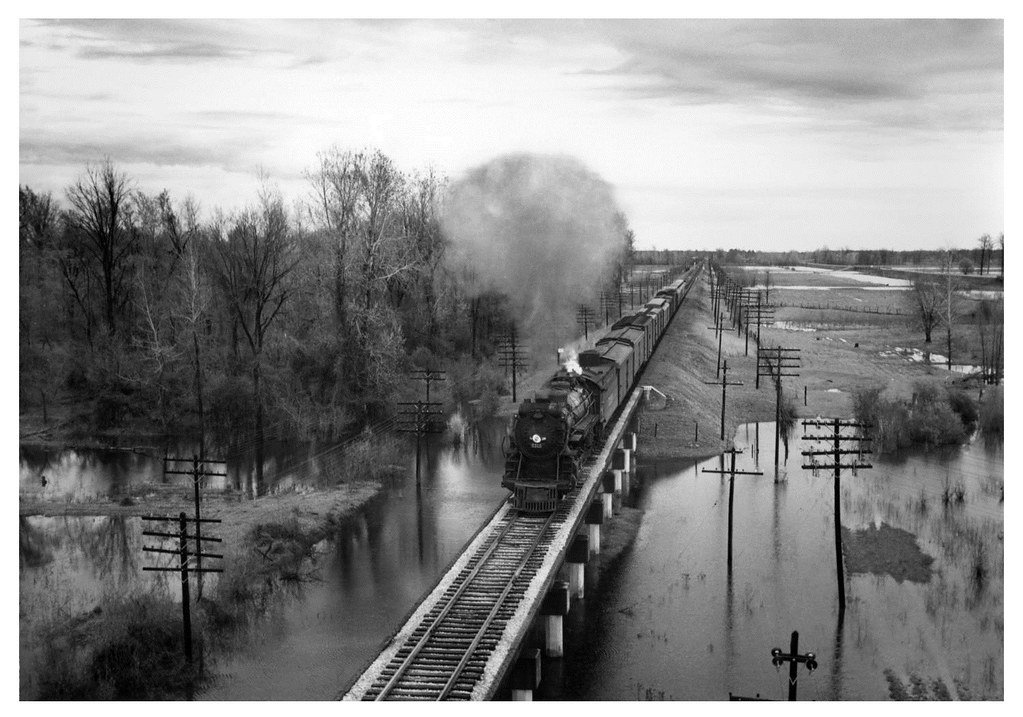
Red River
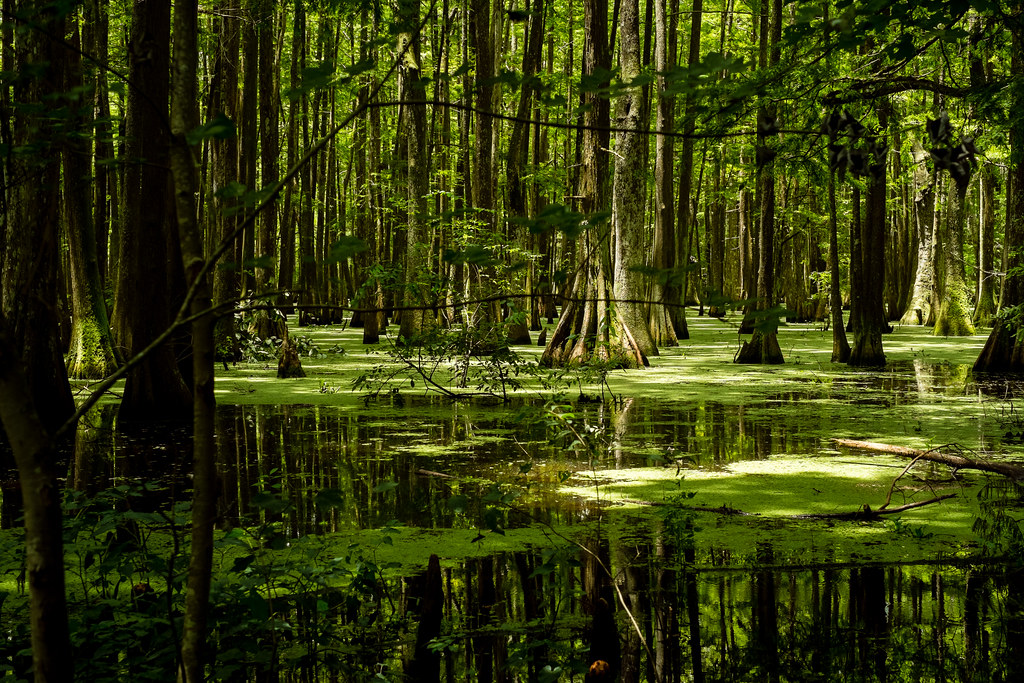
Lake Chicot
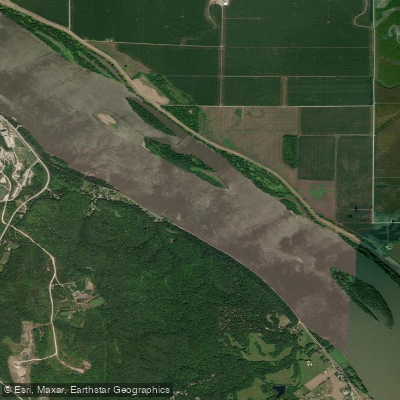
Mississippi River
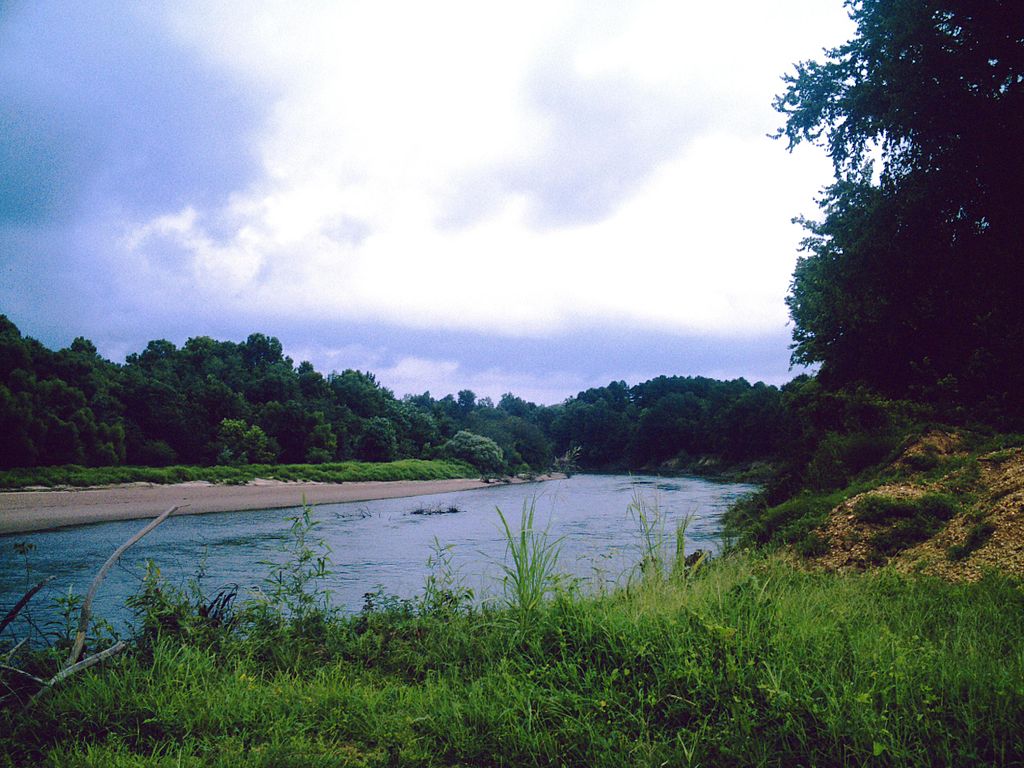
Ouachita River
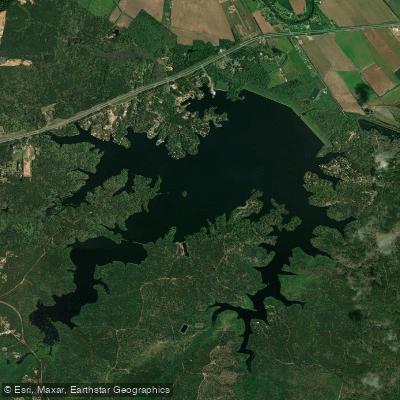
Kincaid Reservoir
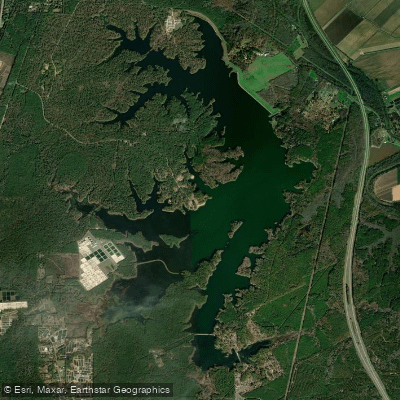
Indian Creek Reservoir
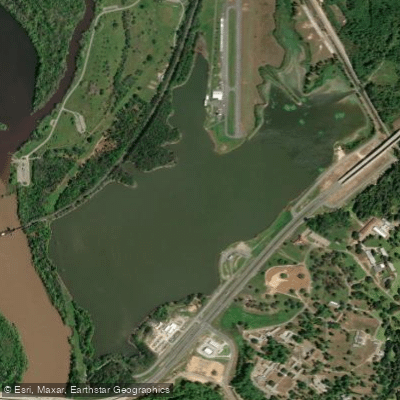
Lake Buhlow
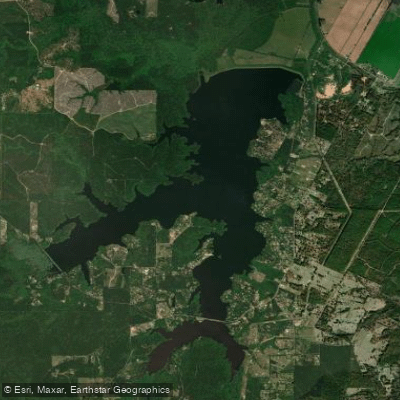
Cotile Lake
Lake Iatt
Calcasieu River
What to know
Habitat Distribution
- Inhabit turbid, heavily vegetated areas throughout lowland rivers, lakes, swamps, and backwater areas across the state.
Key Locations
- Atchafalaya Basin, Mississippi River drainage, Boeuf River, Toledo Bend Reservoir, numerous bayous, Cocodrie Lake system, Lac aux Perles, Toledo Bend, and the numerous bayous around Cheneyville and Alexandria.
Specific Spots
- Target heavily vegetated areas including cypress swamps, grass lines, hydrilla beds, lily pad fields, and backwater sloughs.
- Focus on areas with moving water, grass edges, and holes in vegetation mats.
Bowfin FAQ
Answers from onWater's species guide.
What are the best lures and bait for Bowfin in Louisiana?
Effective lures include weedless chatterbaits with trailers for vibration, spinnerbaits for versatility, topwater frogs, and Texas-rigged soft plastic crawfish patterns. Cut bait is most effective, particularly bluegill or other fish, along with live crawfish, minnows, and nightcrawlers.
What flies work for Bowfin in Louisiana?
Crawfish imitations in black, olive, or orange, plus minnow patterns like Game Changers in brown, black, or green.
When is the best time to fish for Bowfin in Louisiana?
Spring is prime time when water temperatures reach the low to mid-60s. Late winter/early spring spawning season when water temperatures exceed 57°F should be avoided for fishing.
How do you catch Bowfin in Louisiana?
Use weedless presentations, stop-and-go retrieves in 3-4 feet or less, Texas-rigged soft plastics for punching through vegetation. Use vibrating lures and noisy presentations as bowfin rely heavily on vibration detection. Focus on areas with moving water, grass edges, and holes in vegetation mats.
What do Bowfin eat?
Feed primarily at night on fish, crayfish, and grass shrimp, but also consume small rodents, snakes, frogs, turtles, leeches, and large insects.
Fish smarter with real-time insights
Whether you're en route and conditions shift or you're looking for the best spot based on current flows, we enable you to make informed decisions on the fly.




See it in the app
Most maps show you water.
onWater shows you Bowfin.
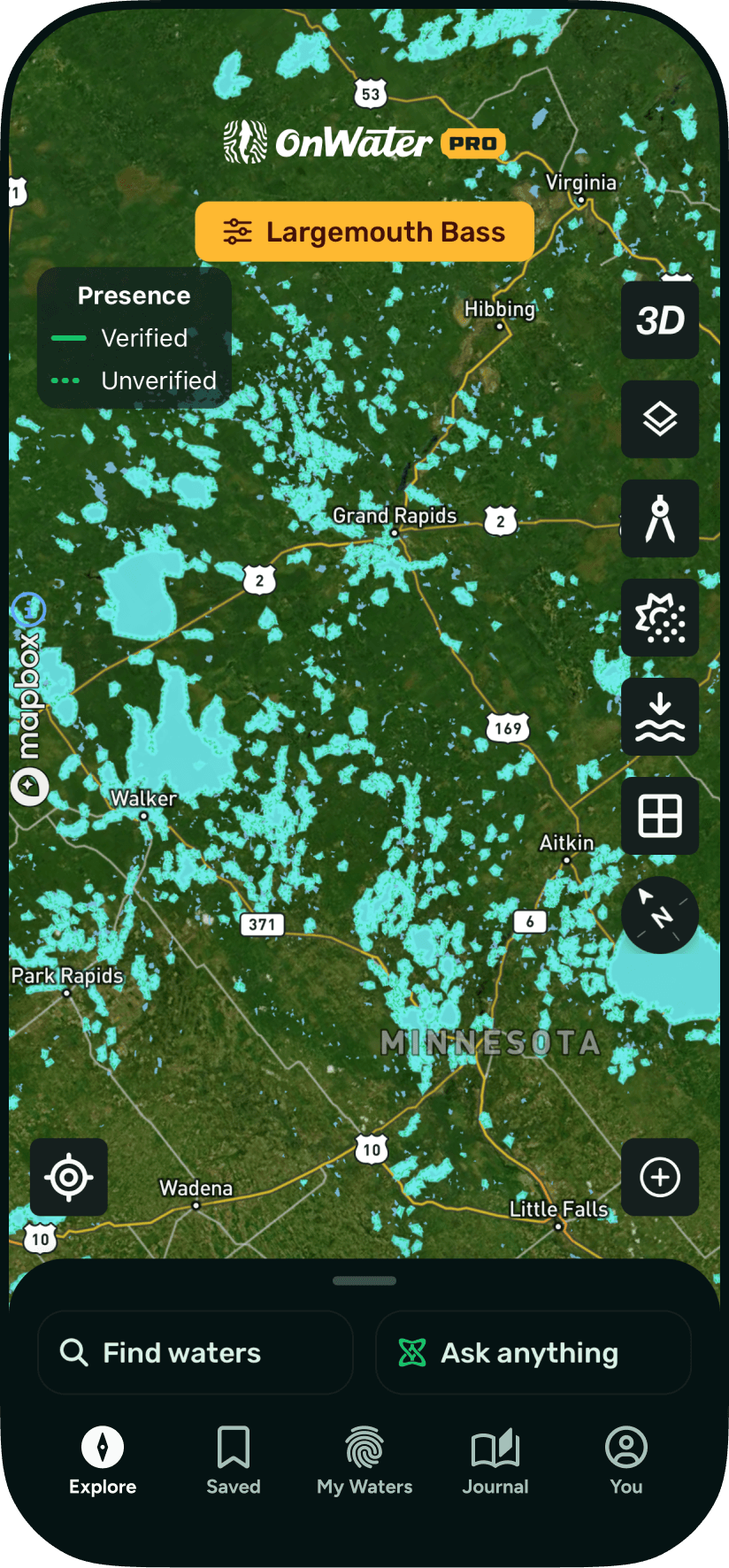
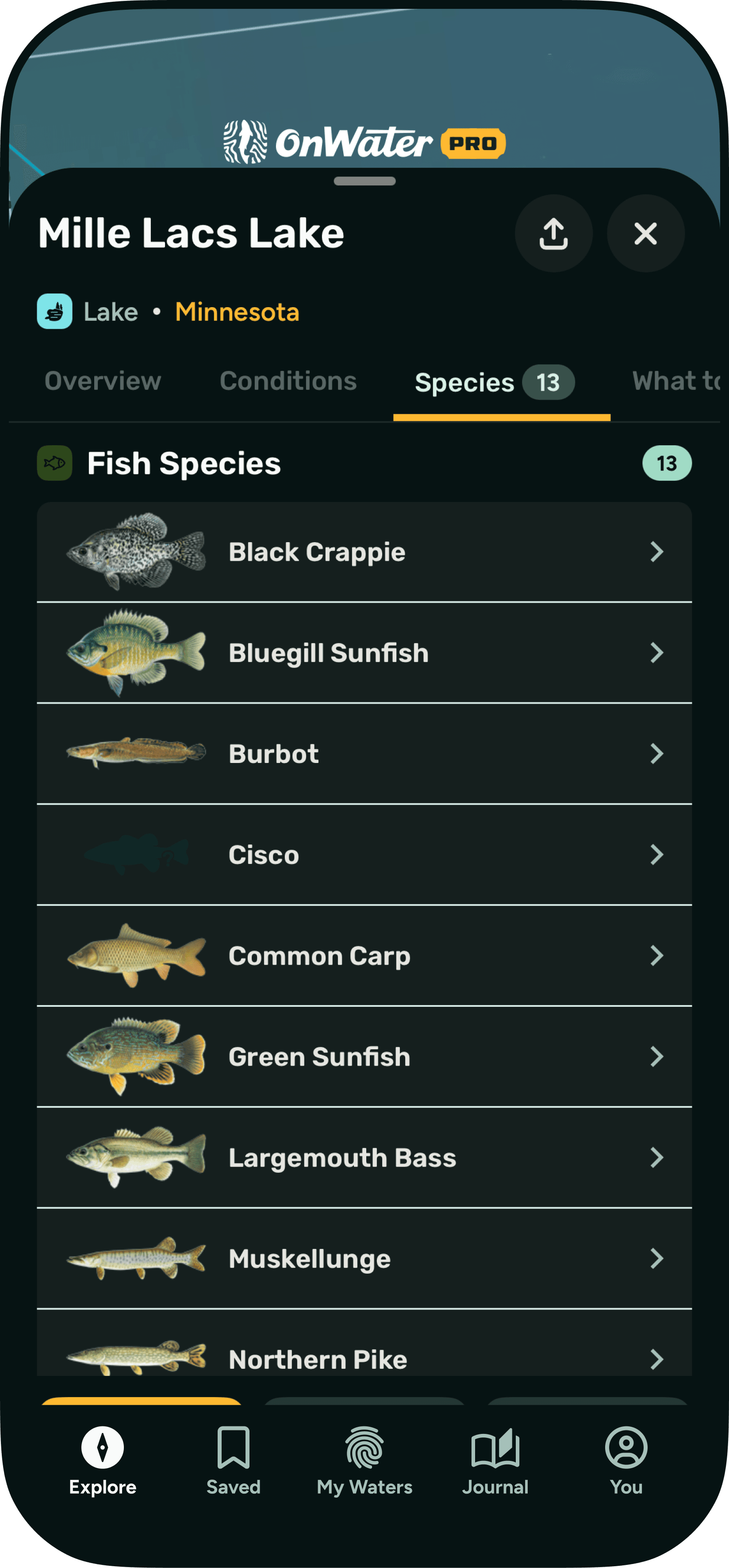
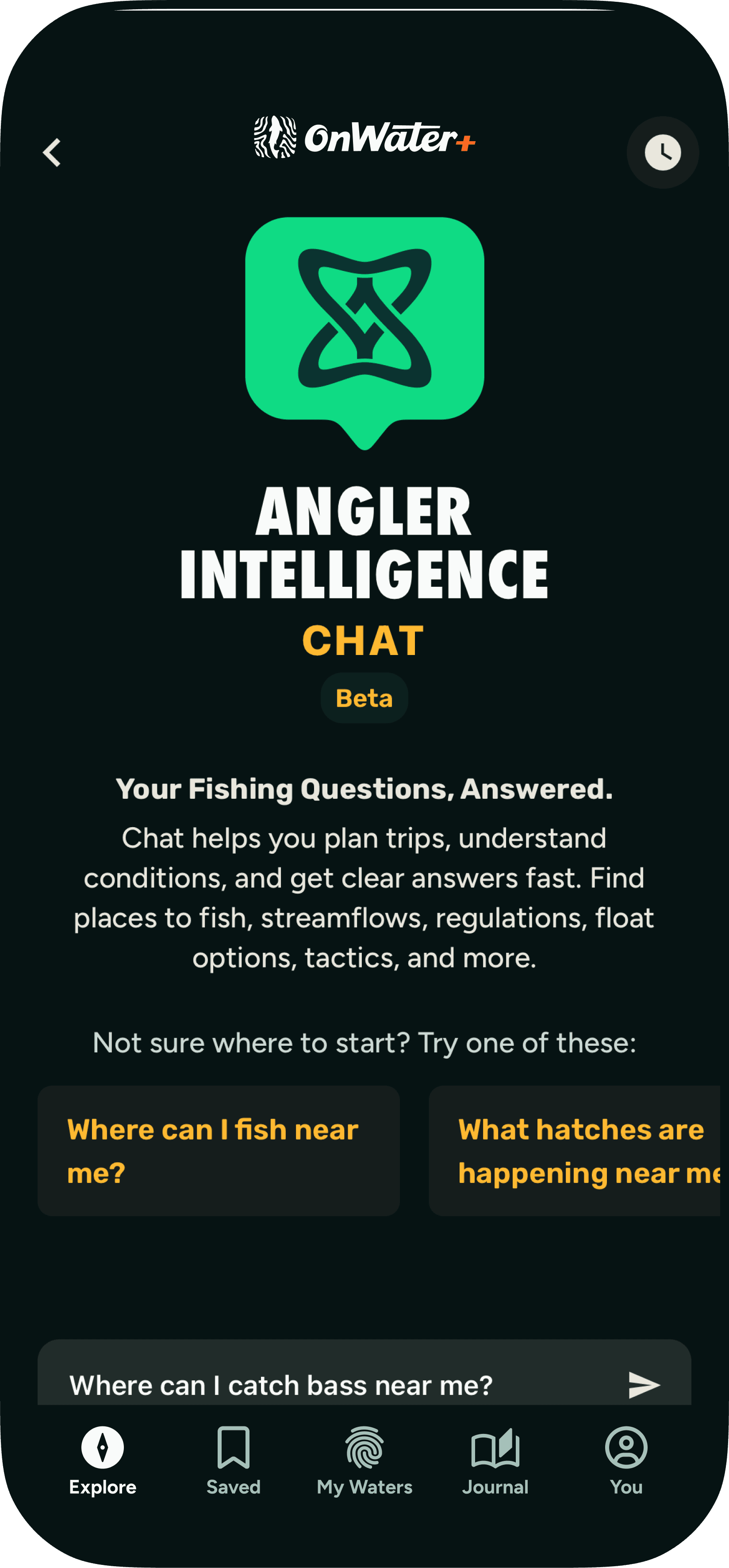
- 01 · Species map filter
Map every Bowfin water
Pick Bowfin and the map zeroes in on the waters they call home. No more guessing which lake holds them.
- 02 · Waterbody species
Tap any water. See what lives there.
Species, behavior and seasonal patterns for every lake, river and pond, before you leave the driveway.
- 03 · Angler Intelligence
Ask how to catch Bowfin
Tactics, gear and timing from onWater's AI fishing guide, tuned to the species and the water you're on.
Stop guessing where Bowfin are.
Open the map, filter by Bowfin, and head to water that holds them. Download onWater and plan your next trip in minutes.
- Species map filter
- Angler Intelligence
- Fishing journal
Explore other species
Trout, bass, salmon, panfish and everything in between. Each guide unpacks the behavior, seasons, and tactics that put fish in the net.
Find which waters have the species you want to catch
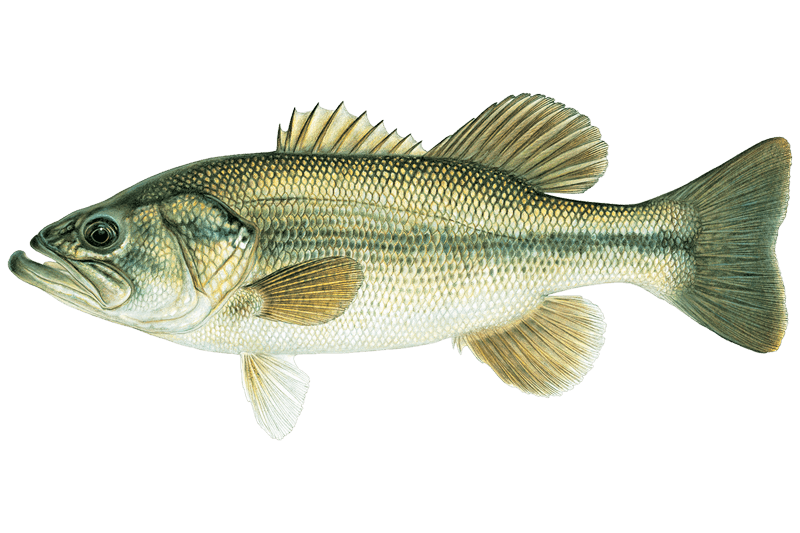
Largemouth Bass
Micropterus salmoides
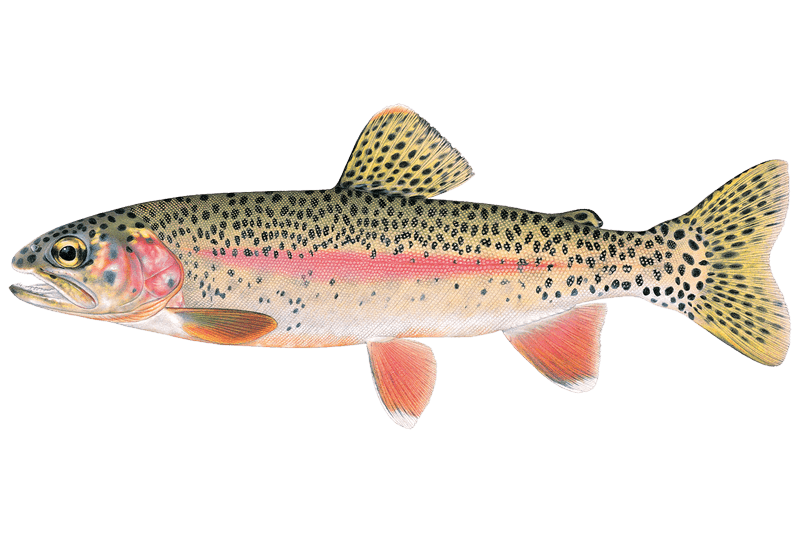
Rainbow Trout
Oncorhynchus mykiss
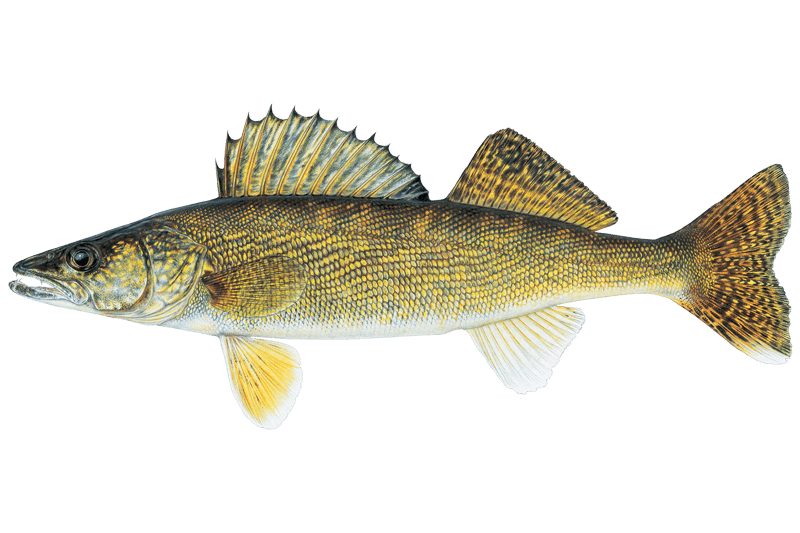
Walleye
Sander vitreus
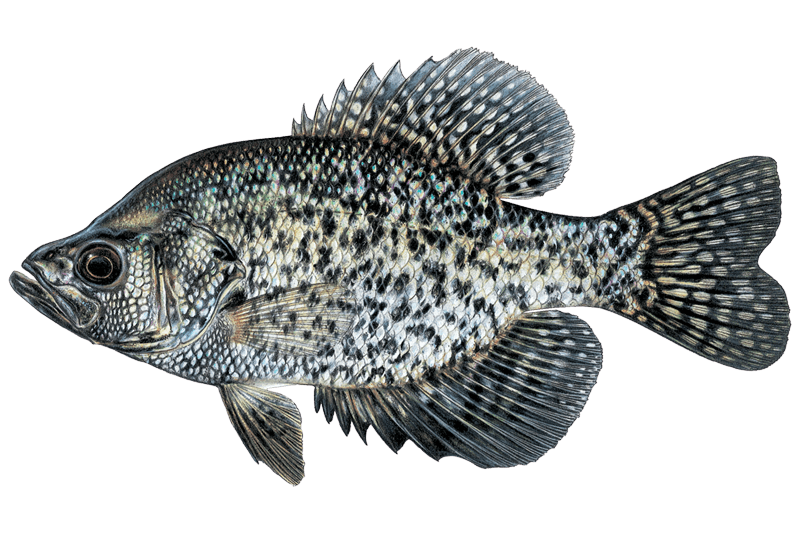
Black Crappie
Pomoxis nigromaculatus
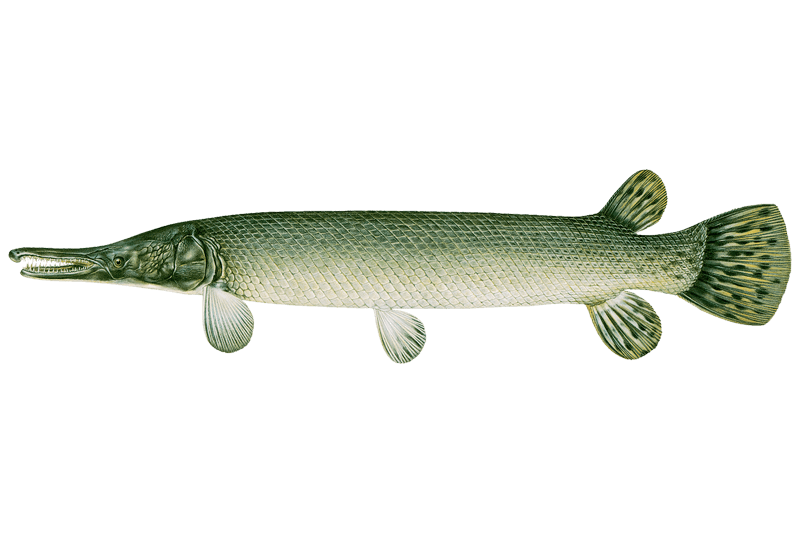
Alligator Gar
Atractosteus spatula

American Eel
Anguilla rostrata

Atlantic Croaker
Micropogonias undulatus

Atlantic Sturgeon
Acipenser oxyrinchus desotoi

Bighead Carp
Hypophthalmichthys nobilis
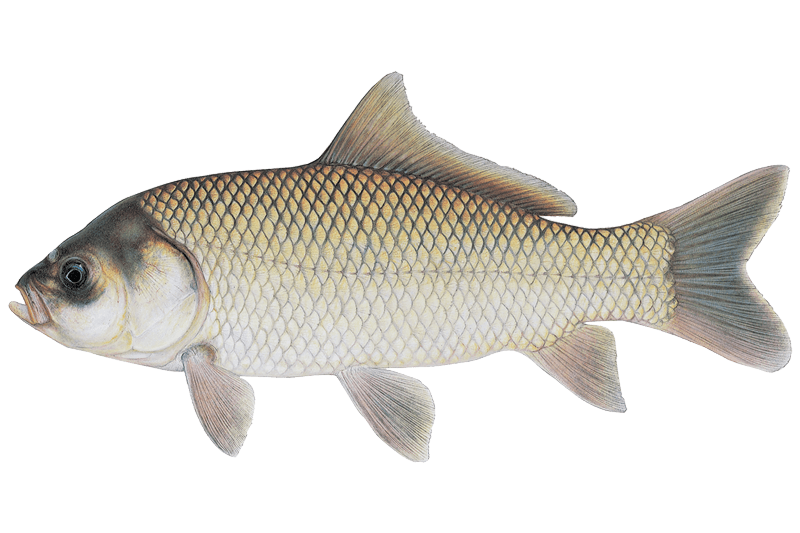
Bigmouth Buffalo
Ictiobus cyprinellus
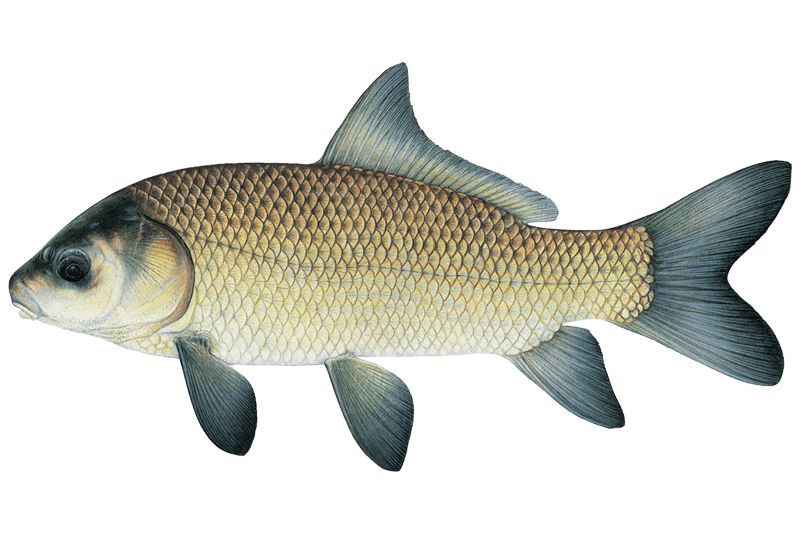
Black Buffalo
Ictiobus niger

Black Bullhead
Ameiurus melas

Black Drum
Pogonias cromis

Blacktip Shark
Carcharhinus limbatus
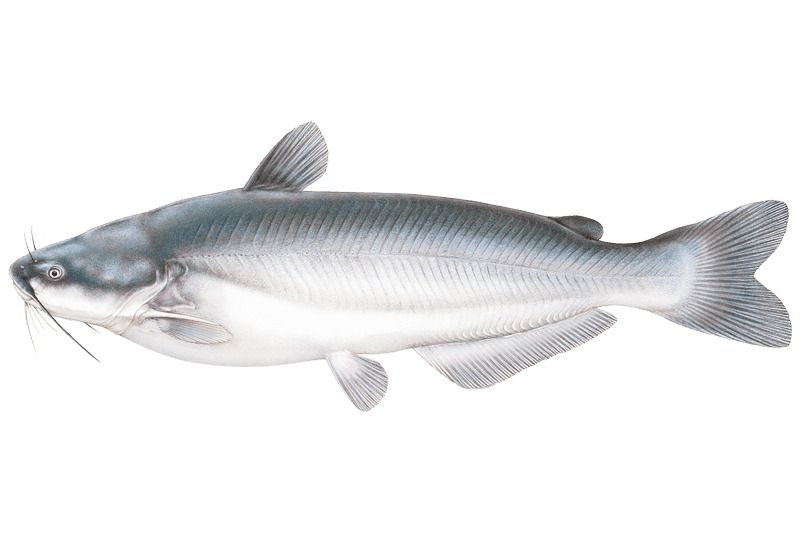
Blue Catfish
Ictalurus furcatus
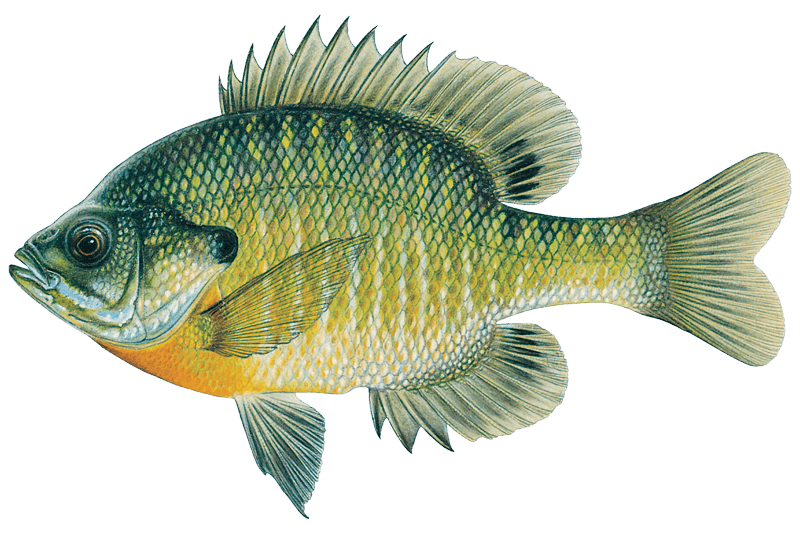
Bluegill Sunfish
Lepomis macrochirus
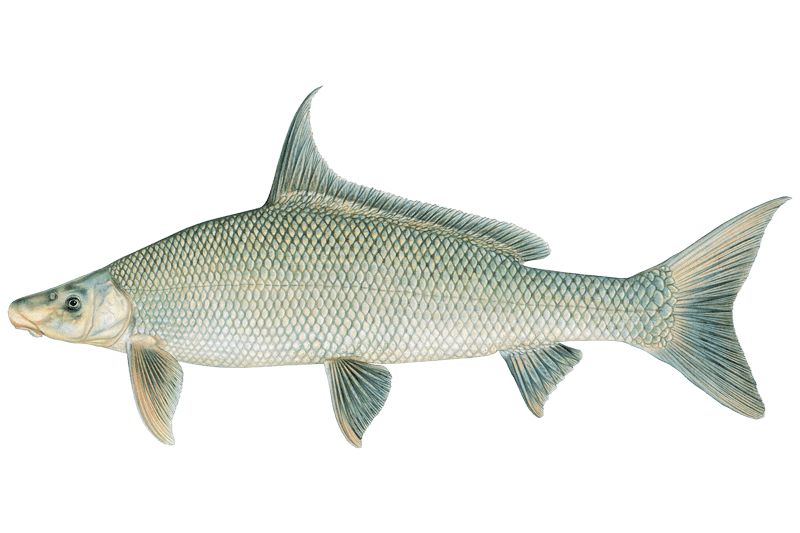
Blue Sucker
Cycleptus elongatus

Blue Tilapia
Oreochromis aureus
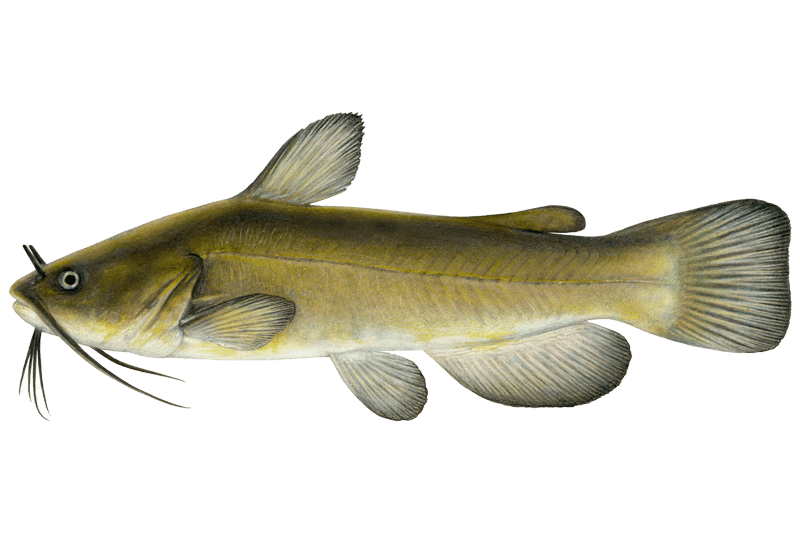
Brown Bullhead
Ameiurus nebulosus

Bull Shark
Carcharhinus leucas
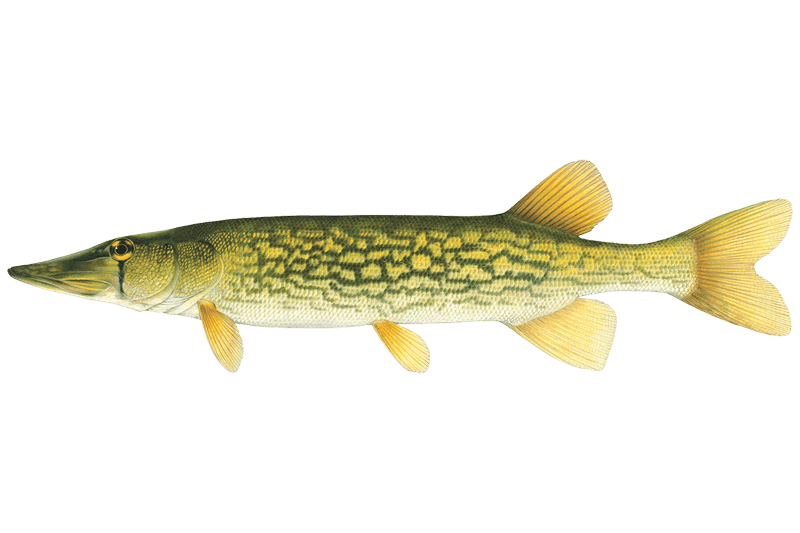
Chain Pickerel
Esox niger
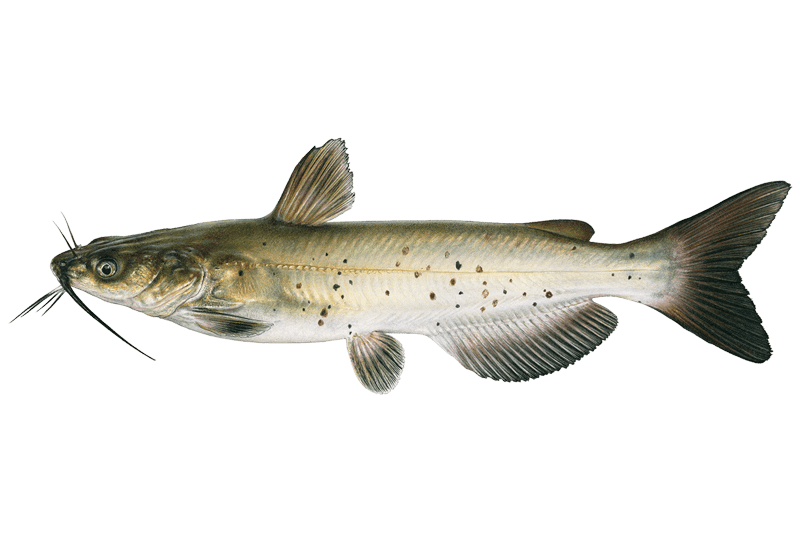
Channel Catfish
Ictalurus punctatus
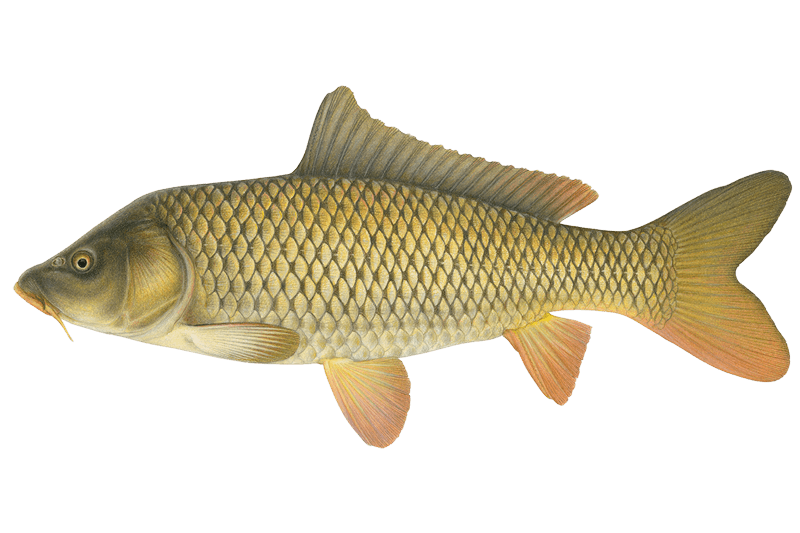
Common Carp
Cyprinus carpio

Creek Chub
Semotilus atromaculatus
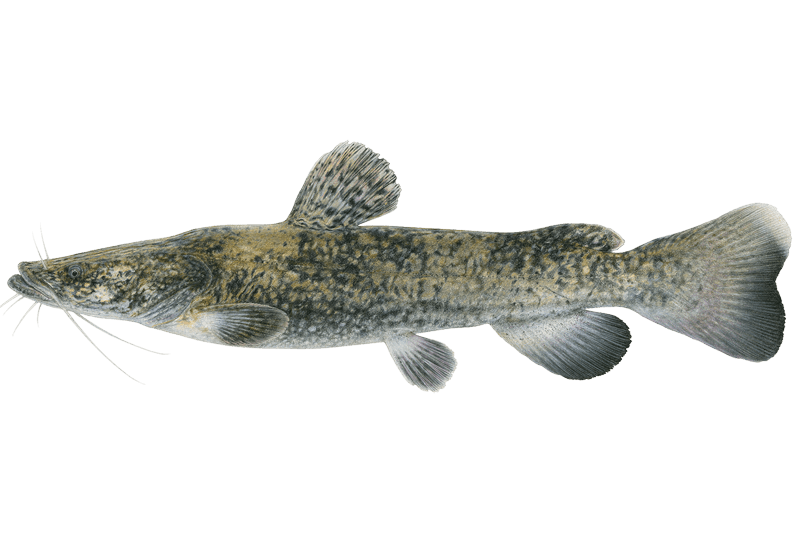
Flathead Catfish
Pylodictis olivaris
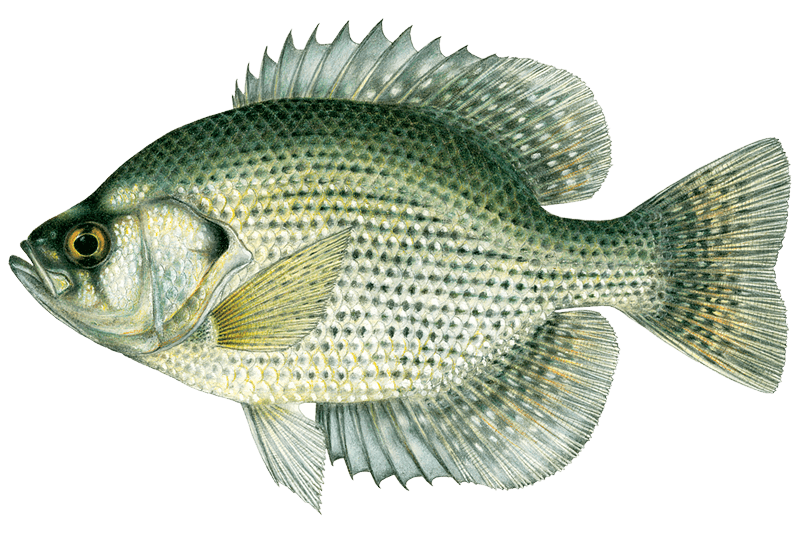
Flier
Centrarchus macropterus

Florida Pompano
Trachinotus carolinus
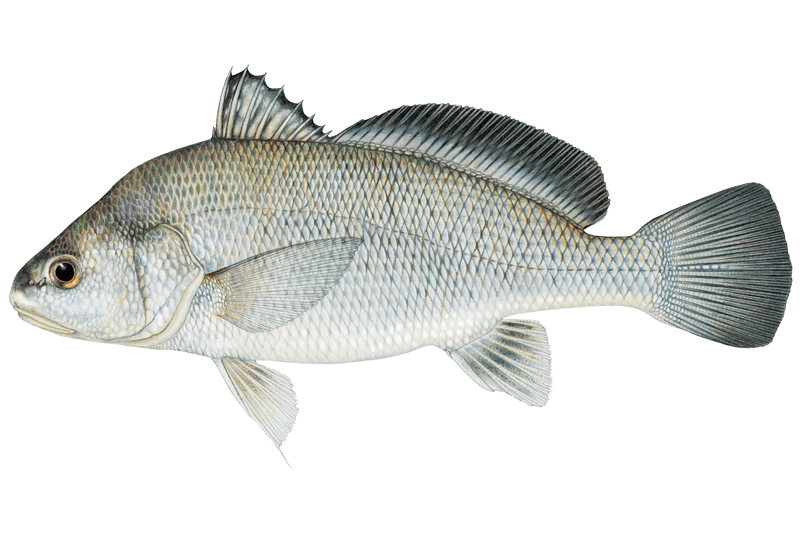
Freshwater Drum
Aplodinotus grunniens

Gafftopsail Catfish
Bagre marinus

Gizzard Shad
Dorosoma cepedianum
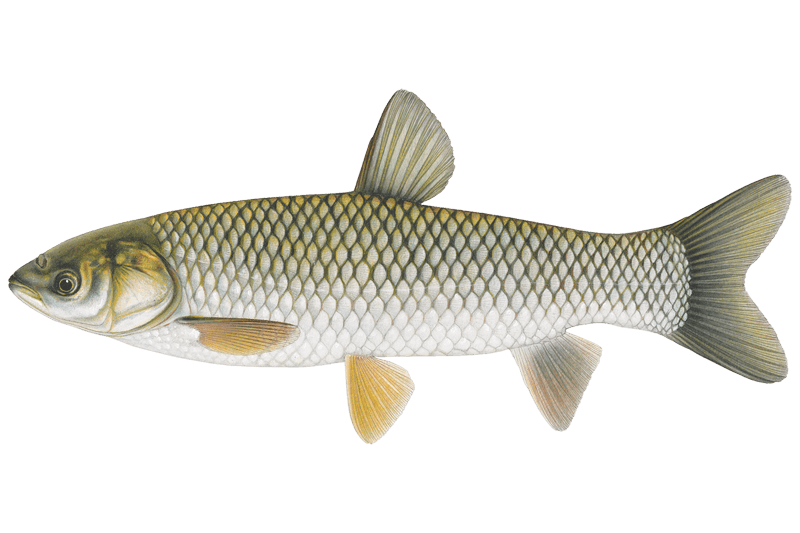
Grass Carp
Ctenopharyngodon idella
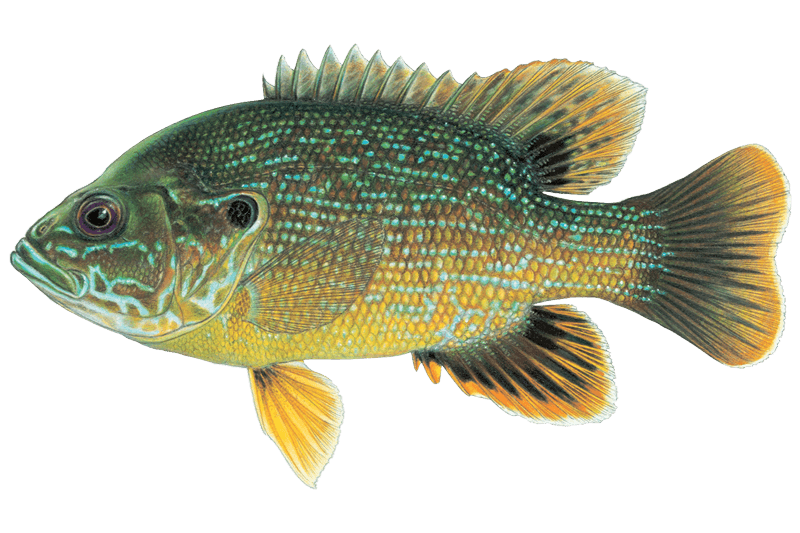
Green Sunfish
Lepomis cyanellus
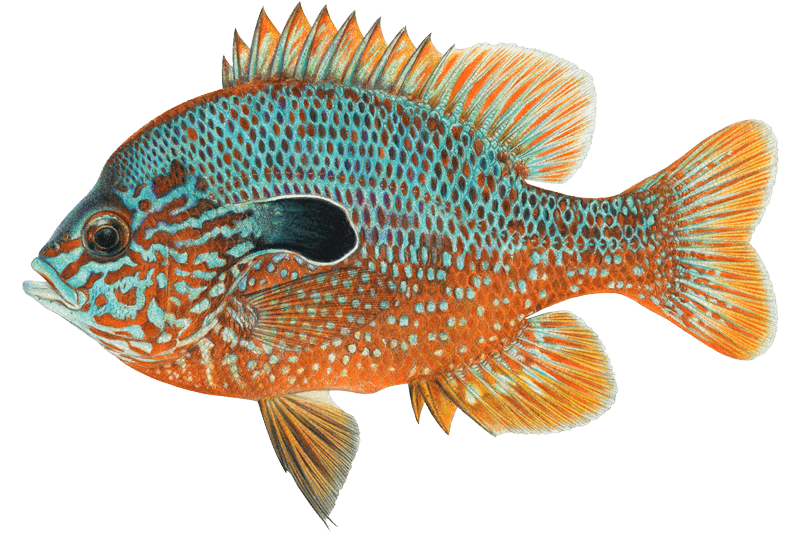
Longear Sunfish
Lepomis megalotis
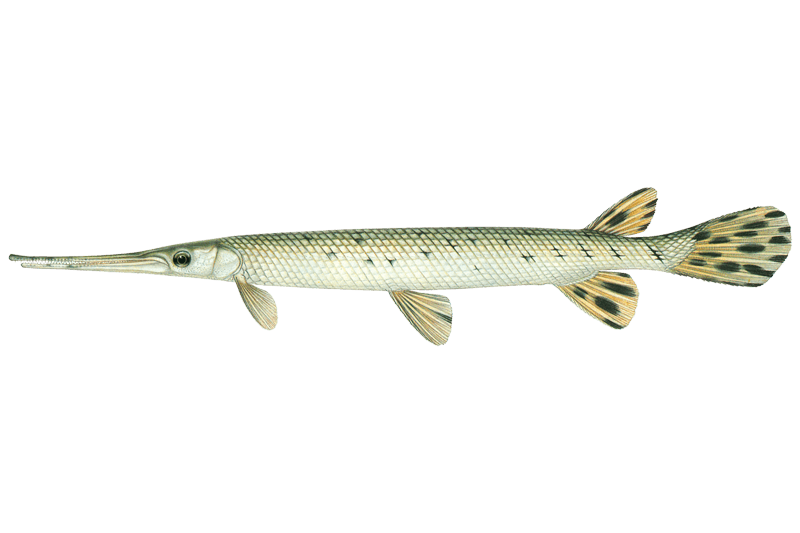
Longnose Gar
Lepisosteus osseus
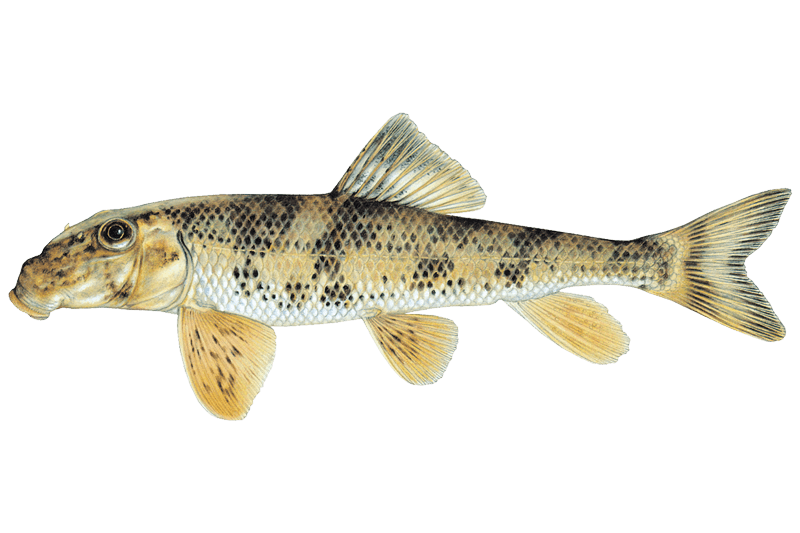
Northern Hogsucker
Hypentelium nigricans
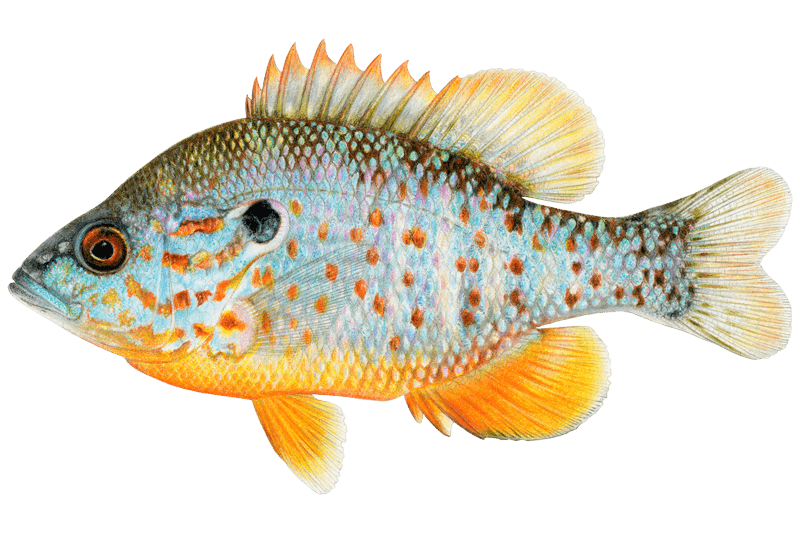
Orangespotted Sunfish
Lepomis humilis
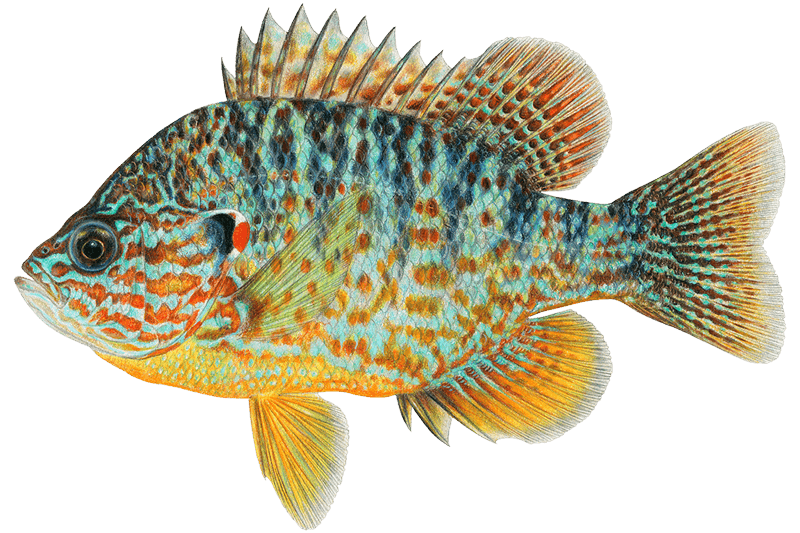
Pumpkinseed
Lepomis gibbosus
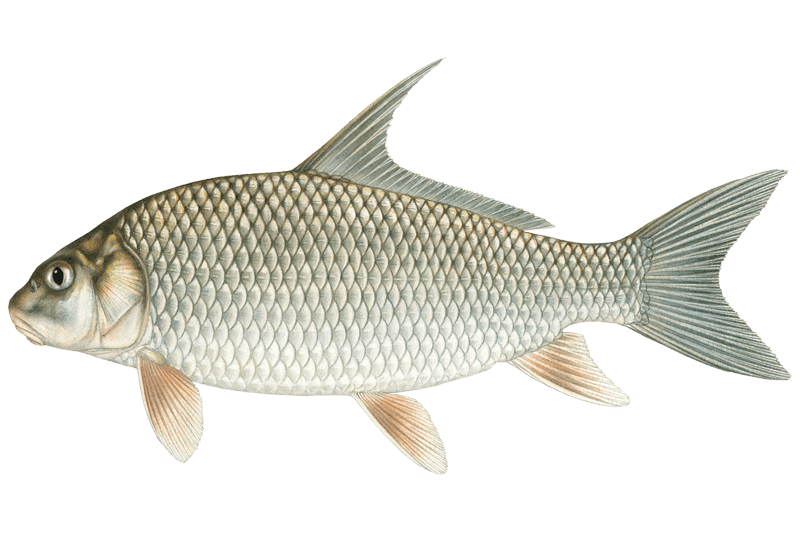
Quillback
Carpiodes cyprinus
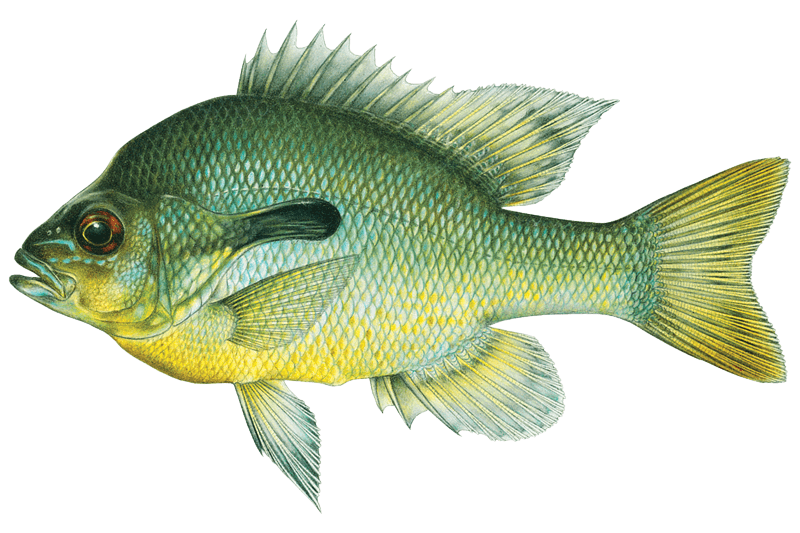
Redbreast Sunfish
Lepomis auritus
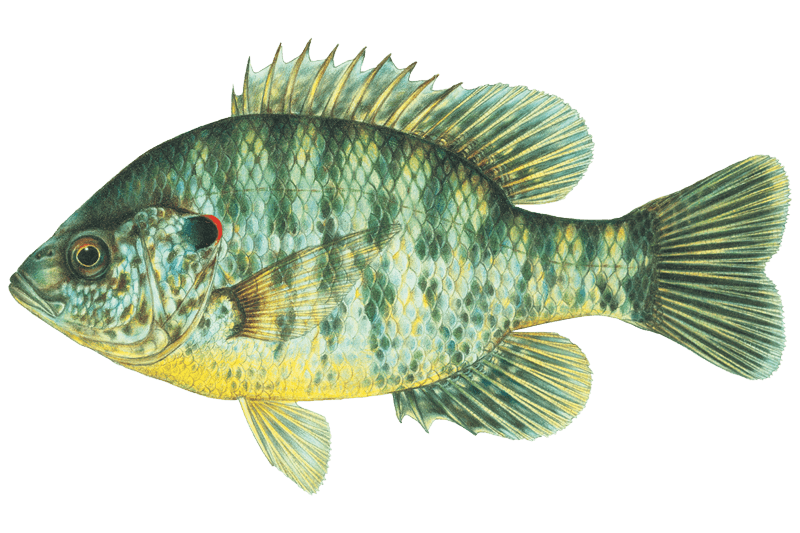
Redear Sunfish
Lepomis microlophus
Louisiana licenses and regulations
Louisiana Boating Regulations
When using any type of watercraft to access a body of water, it is important to follow all federal, state, and local rules and regulations. These rules and regulations include boat permitting and licensing, invasive species inspections and stamps, life jacket and PFD rules, motor size and horsepower restrictions, noise limitations, restrictions on personal watercraft, and many more. Visit the web link below for the most current rules and regulations for this body of water.
Louisiana Fishing License
When using any type of watercraft to access a body of water, it is important to follow all federal, state, and local rules and regulations. These rules and regulations include boat permitting and licensing, invasive species inspections and stamps, life jacket and PFD rules, motor size and horsepower restrictions, noise limitations, restrictions on personal watercraft, and many more. Visit the web link below for the most current rules and regulations for this body of water.
Louisiana Fishing Regulations
This river has a variety of species and regulations, including potential floating and/or watercraft restrictions. Because this river is specially managed for species, seasons, angling methods, and watercraft, it is strongly encouraged you check all federal, state, and local regulations before fishing. Visit any of the links below, inquire locally, or contact a local fly shop to learn current regulations and restrictions.
Louisiana Stream Access Laws
The beds and bottoms of all navigable waters and the banks or shores of bays, arms of the sea, the Gulf of Mexico, and navigable lakes belong to the state of Louisiana, and the policy of this state is hereby declared to be that these lands and water bottoms, hereinafter referred to as ‘public lands’, shall be protected, administered, and conserved to best ensure full public navigation, fishery, recreation, and other interests
Explore nearby waters
Explore Louisiana waters
Top fishing waters
Popular Cities
Loading popular cities...

Smarter Fishing Starts in the App.
onWater Fish gives you everything you need to plan smarter, fish better, and own every trip from first cast to last.