Channel Catfish

Channel catfish are native to Louisiana and inhabit virtually every freshwater system in the state, from upland reservoirs and rivers to natural lakes, swamps, and coastal lowland marshes.
Scientific Name: Ictalurus punctatus
- These slender, scaleless fish have deeply forked tails, protruding upper jaws, and more than four sets of barbels around their mouths.
- Juveniles are silvery with light gray backs and dark spots, while adults develop dark gray backs that fade to yellowish-green sides with white undersides.
- The spots become less prominent as fish mature.
- In Louisiana, channel catfish typically average 2-10 pounds and 10-20 inches, though some can reach up to 50 pounds.
- The state record was 30 pounds, caught in 1977.
Fishing in Louisiana
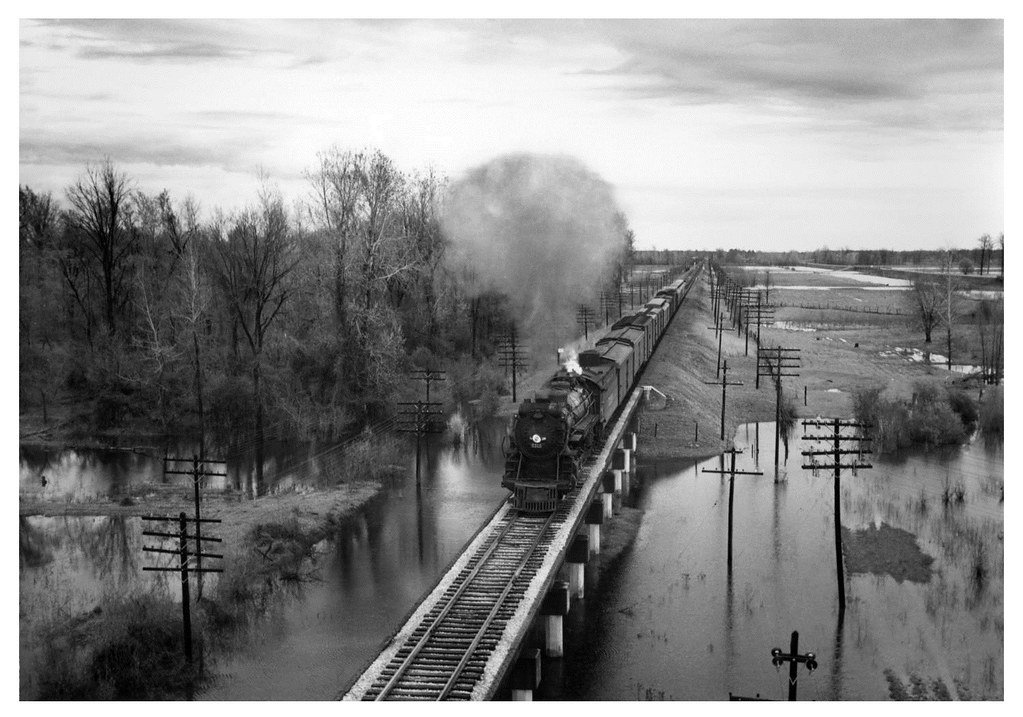
Red River
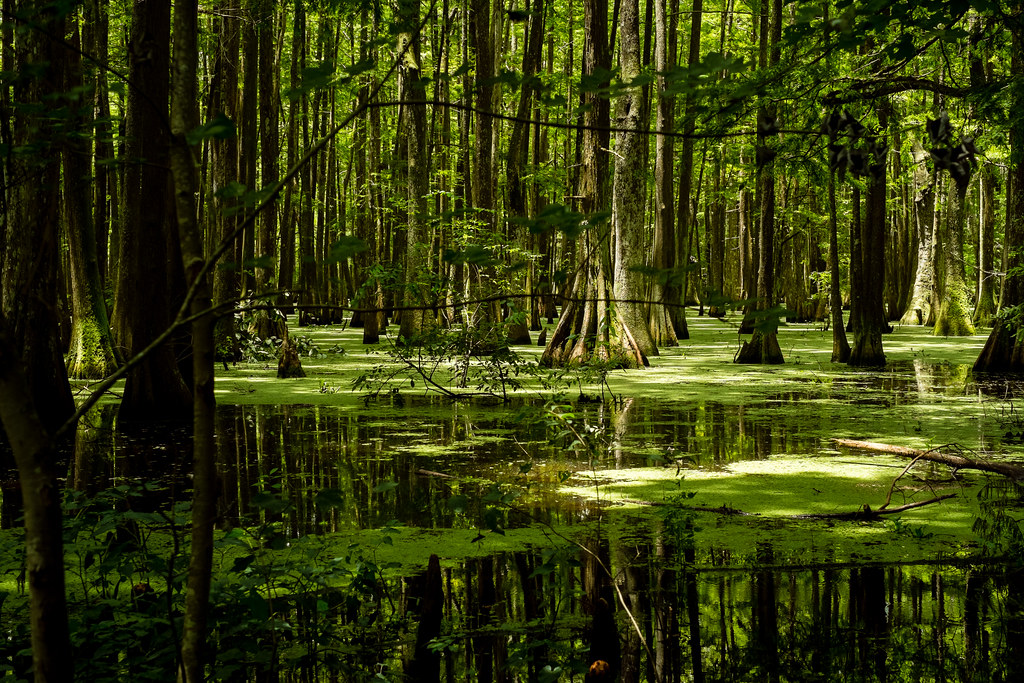
Lake Chicot
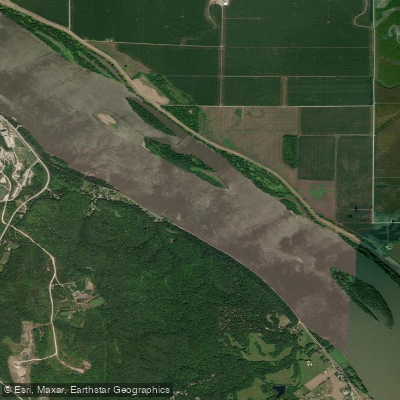
Mississippi River
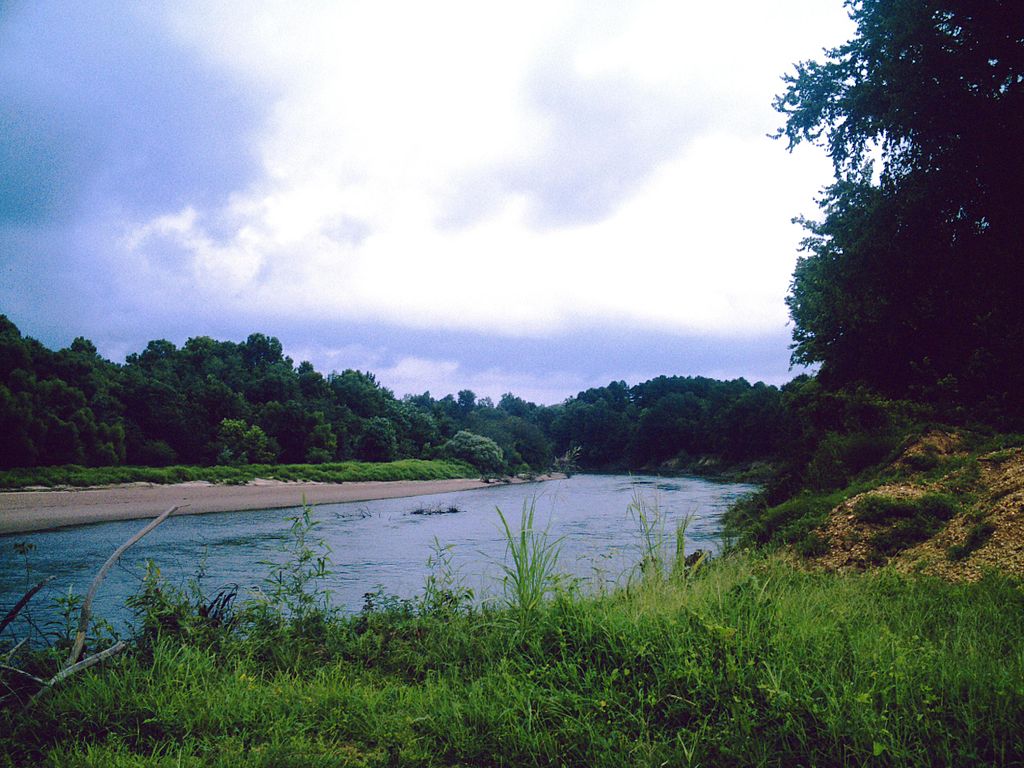
Ouachita River
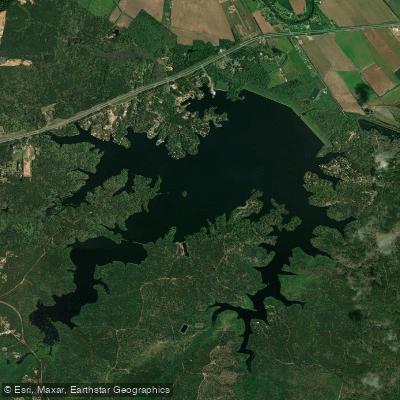
Kincaid Reservoir
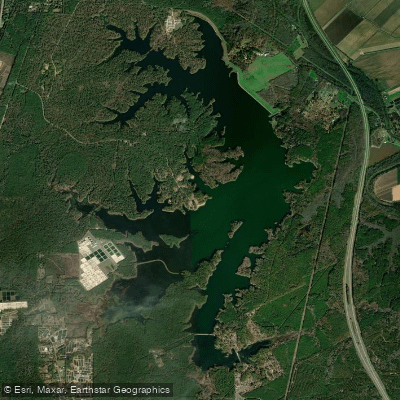
Indian Creek Reservoir
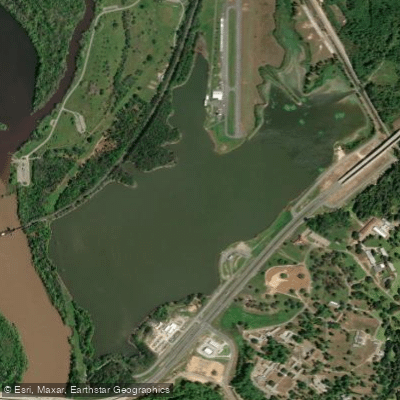
Lake Buhlow
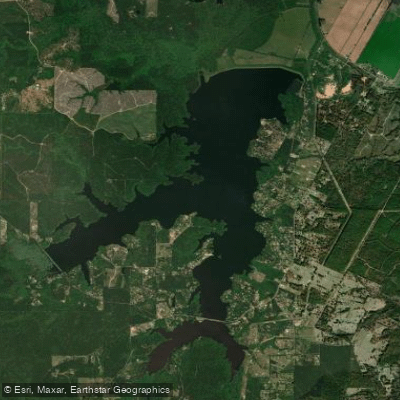
Cotile Lake
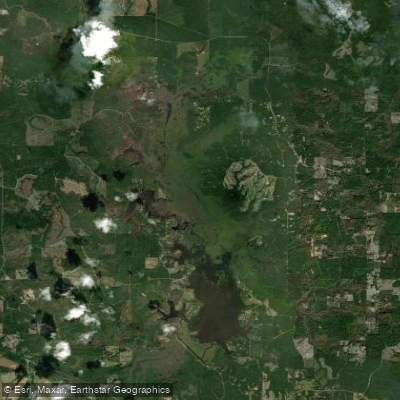
Lake Iatt
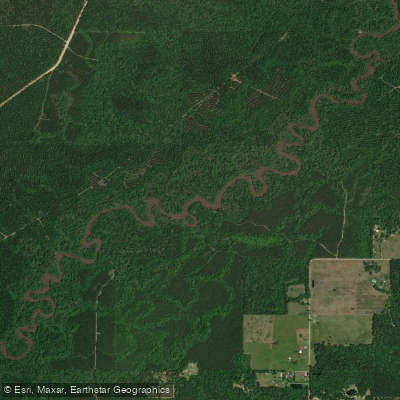
Calcasieu River
What to know
Habitat Distribution
- Found throughout Louisiana's diverse aquatic habitats, from the Mississippi River and its tributaries to oxbow lakes, the Red River system, Toledo Bend, Lake D'Arbonne, Atchafalaya Basin, Lake Pontchartrain, and countless smaller water bodies.
Key Locations
- Prime Louisiana locations include Lake D'Arbonne (excellent numbers of eating-size fish), Poverty Point Reservoir (4-6 pound average with some 15-pounders), Toledo Bend (185,000 acres with all three catfish species), Red River locks 4 and 5, Black Lake, Mississippi River oxbows, Lake Maurepas, Lake Cataouatche, and the Atchafalaya River system.
Specific Spots
- Focus on current breaks, deeper holes during midday, and shallow flats during morning and evening.
- During cold fronts, fish slower in shallow structure out of current.
Channel Catfish FAQ
Answers from onWater's species guide.
What are the best lures and bait for Channel Catfish in Louisiana?
Prepared baits, particularly 'punch baits' like CJ's Catfish Punch Bait, Sudden Impact Fiber Bait, and Sure Shot Catfish Punch Bait, which work with plain treble hooks and eliminate the need for bait holders.
What flies work for Channel Catfish in Louisiana?
Productive patterns include bead head woolly buggers (size 6 with 3/16" tungsten beads), balanced leeches on Gamakatsu 90-degree jig hooks, and weighted crawfish patterns in olive, chartreuse, black, white, brown, and bright colors.
When is the best time to fish for Channel Catfish in Louisiana?
The peak season for channel catfish in Louisiana runs from early April through late July when water temperatures are warm, though they can be caught year-round due to the moderate climate. Avoid fishing during spawning periods (late spring through August when water reaches 70°F+).
How do you catch Channel Catfish in Louisiana?
The most effective rig system is the Secret Catfish Rig for sensitivity, though slip sinker rigs work in deeper water and slip bobber rigs are effective in shallow water under 5 feet. Fish these patterns near banks, under overhanging branches, and along structure.
What do Channel Catfish eat?
Channel catfish are omnivorous and feed on aquatic and terrestrial insects, crustaceans, amphibians, small fish, filamentous algae, plant seeds, crawfish, shrimp, mussels, snails, and frogs.
Fish smarter with real-time insights
Whether you're en route and conditions shift or you're looking for the best spot based on current flows, we enable you to make informed decisions on the fly.




See it in the app
Most maps show you water.
onWater shows you Channel Catfish.



- 01 · Species map filter
Map every Channel Catfish water
Pick Channel Catfish and the map zeroes in on the waters they call home. No more guessing which lake holds them.
- 02 · Waterbody species
Tap any water. See what lives there.
Species, behavior and seasonal patterns for every lake, river and pond, before you leave the driveway.
- 03 · Angler Intelligence
Ask how to catch Channel Catfish
Tactics, gear and timing from onWater's AI fishing guide, tuned to the species and the water you're on.
Stop guessing where Channel Catfish are.
Open the map, filter by Channel Catfish, and head to water that holds them. Download onWater and plan your next trip in minutes.
- Species map filter
- Angler Intelligence
- Fishing journal
Explore other species
Trout, bass, salmon, panfish and everything in between. Each guide unpacks the behavior, seasons, and tactics that put fish in the net.
No species information available.
Louisiana licenses and regulations
Explore nearby waters
Explore Louisiana waters
Top fishing waters
Popular Cities
Loading popular cities...

Smarter Fishing Starts in the App.
onWater Fish gives you everything you need to plan smarter, fish better, and own every trip from first cast to last.