Atlantic Croaker

Atlantic Croaker are abundant saltwater fish found throughout Louisiana's coastal waters. They are habitat generalists, preferring soft, sandy, or muddy bottoms in shallow water environments.
They're found in large schools and produce their characteristic drumming or croaking sound by vibrating muscles around their swim bladder.
Scientific Name: Micropogonias undulatus
- Adults have distinctive pinkish to coppery backs that fade to silver/white sides, with dark vertical bars along their upper sides.
- Juveniles can appear iridescent.
- They feature a downturned mouth, prominent lateral line running to the tip of the tail, three to five barbels (whiskers) on their chin, and sharp serrated gill plates.
- While they can grow up to 8 pounds, 1-2 pounds is much more common in Louisiana waters.
Fishing in Louisiana

Red River
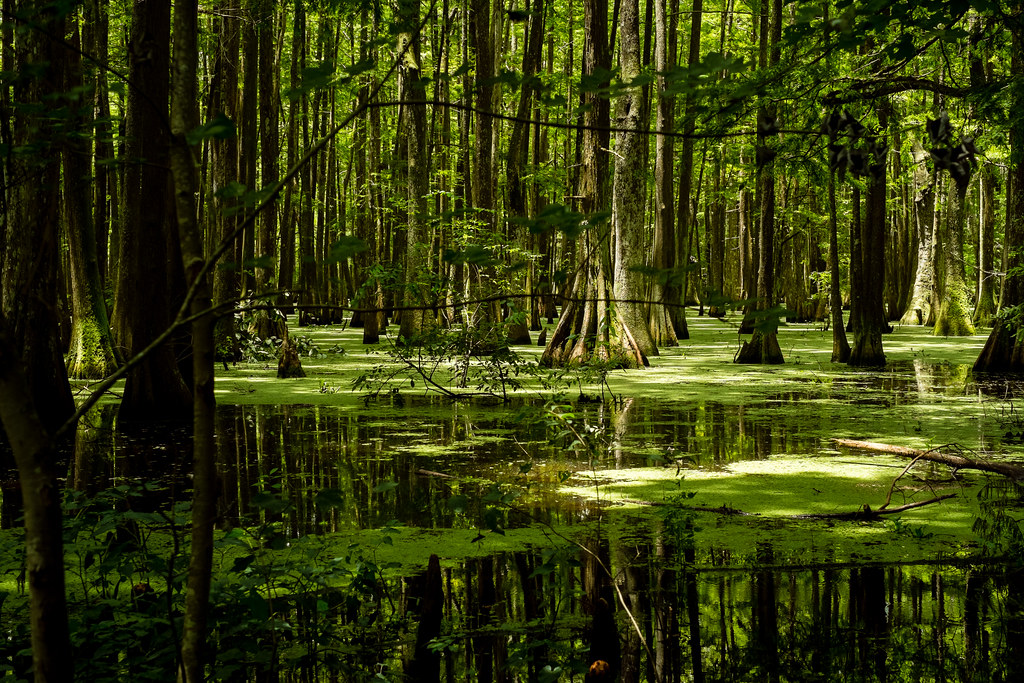
Lake Chicot
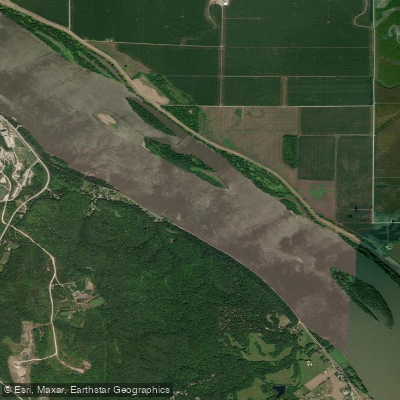
Mississippi River
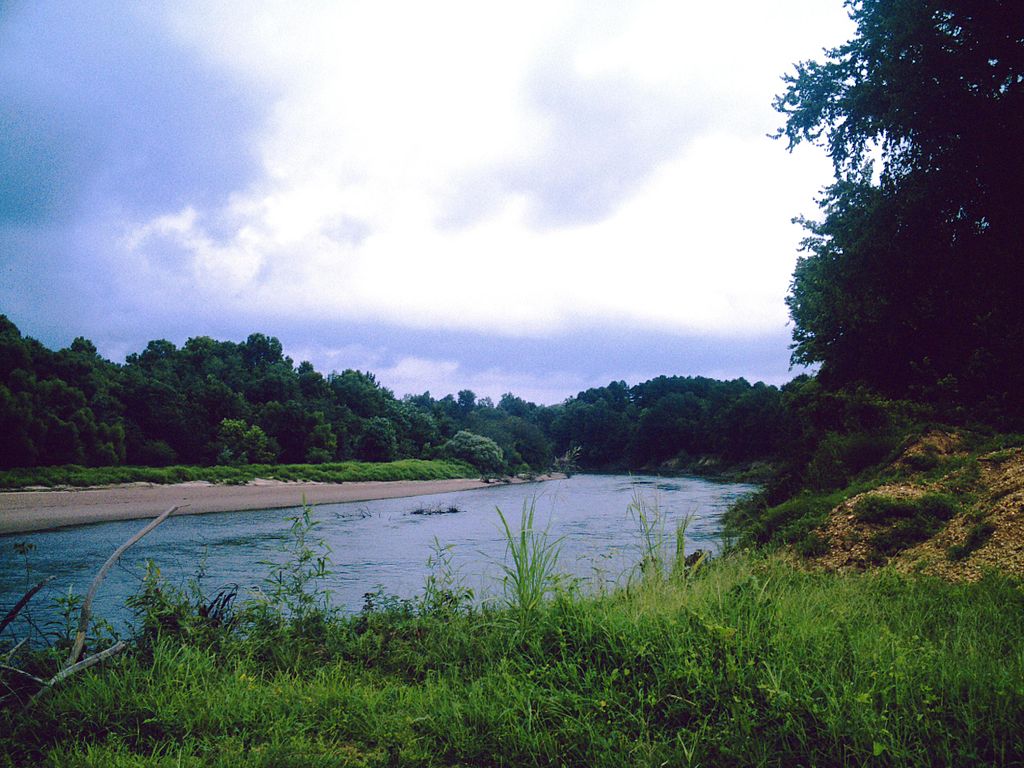
Ouachita River
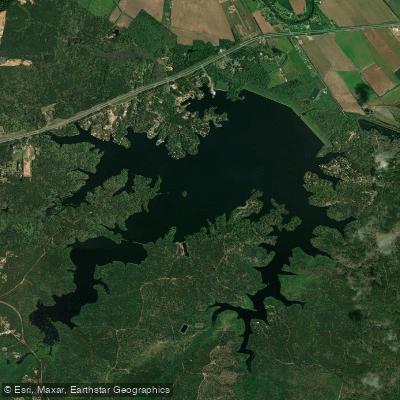
Kincaid Reservoir
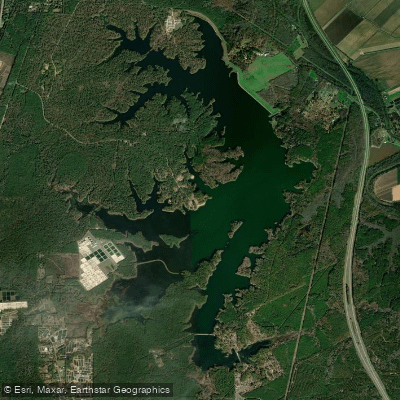
Indian Creek Reservoir
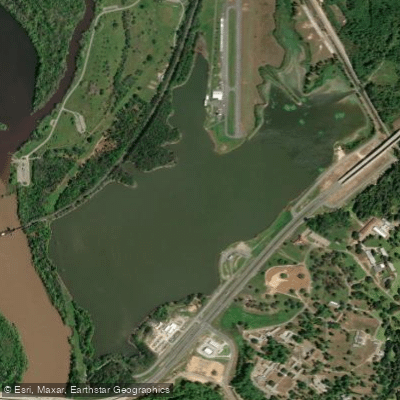
Lake Buhlow
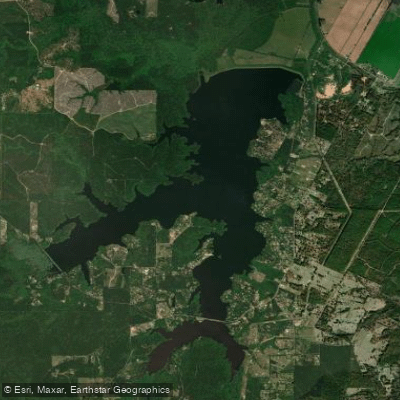
Cotile Lake
Lake Iatt
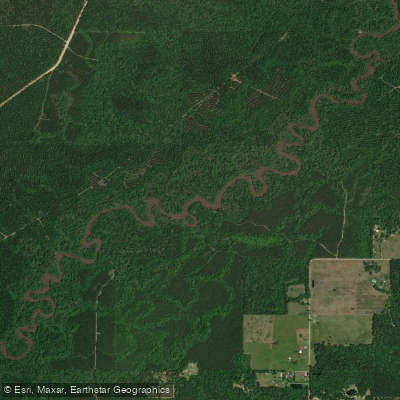
Calcasieu River
What to know
Habitat Distribution
- Found throughout Louisiana's coastal waters, from Massachusetts south through the Gulf of Mexico.
- Commonly found in inshore waters, bays, and estuaries, with particularly high abundances along the coast.
Key Locations
- Louisiana's bays, estuaries, and inshore coastal waters.
- Lake Pontchartrain and the various passes and bayous throughout Louisiana's coast are excellent locations.
Specific Spots
- Target them around muddy and sandy bottoms in depths of 25-30 feet.
- Target areas with soft bottom habitat in deeper holes and channels.
Atlantic Croaker FAQ
Answers from onWater's species guide.
What are the best lures and bait for Atlantic Croaker in Louisiana?
Natural baits including shrimp, squid strips, clams, peeler crab, and bloodworms. Small artificial lures including jigs, spoons, and small underspin lures that glisten.
When is the best time to fish for Atlantic Croaker in Louisiana?
Most productive from May through September when they move into inshore waters, with spring and summer offering the best opportunities. The species is typically available for harvest from May through September along the Gulf Coast.
How do you catch Atlantic Croaker in Louisiana?
Bottom fishing with top-and-bottom setup or three to four hook bottom rig - bait the bottom and top hooks with squid and middle hooks with bloodworms. Keep baits on or near the bottom. Fish just before or after high tide in deeper holes and channels.
What do Atlantic Croaker eat?
Bottom feeders with a diverse diet that includes shrimp, crabs, detritus (dead and decaying plant and animal matter), polychaetes, small fish, and invertebrates. Juveniles primarily consume detritus, nematodes, insect larvae, and amphipods, while adults are opportunistic bottom feeders.
Where do Atlantic Croaker live in Louisiana?
Found throughout Louisiana's coastal waters, from Massachusetts south through the Gulf of Mexico. Commonly found in inshore waters, bays, and estuaries, with particularly high abundances along the coast.
Fish smarter with real-time insights
Whether you're en route and conditions shift or you're looking for the best spot based on current flows, we enable you to make informed decisions on the fly.




See it in the app
Most maps show you water.
onWater shows you Atlantic Croaker.



- 01 · Species map filter
Map every Atlantic Croaker water
Pick Atlantic Croaker and the map zeroes in on the waters they call home. No more guessing which lake holds them.
- 02 · Waterbody species
Tap any water. See what lives there.
Species, behavior and seasonal patterns for every lake, river and pond, before you leave the driveway.
- 03 · Angler Intelligence
Ask how to catch Atlantic Croaker
Tactics, gear and timing from onWater's AI fishing guide, tuned to the species and the water you're on.
Stop guessing where Atlantic Croaker are.
Open the map, filter by Atlantic Croaker, and head to water that holds them. Download onWater and plan your next trip in minutes.
- Species map filter
- Angler Intelligence
- Fishing journal
Explore other species
Trout, bass, salmon, panfish and everything in between. Each guide unpacks the behavior, seasons, and tactics that put fish in the net.
No species information available.
Louisiana licenses and regulations
Explore nearby waters
Explore Louisiana waters
Top fishing waters
Popular Cities
Loading popular cities...

Smarter Fishing Starts in the App.
onWater Fish gives you everything you need to plan smarter, fish better, and own every trip from first cast to last.