Largemouth Bass

The Largemouth Bass is Louisiana's premier freshwater gamefish and the most sought-after freshwater species in North America.
These fish are native to the Gulf Slope drainages from southern Florida into northern Mexico, making them naturally occurring throughout Louisiana's waters.
Scientific Name: Micropterus salmoides
- In Louisiana waters, largemouth bass can reach impressive sizes, with the state record weighing 15.97 pounds from Caney Lake.
Fishing in Louisiana
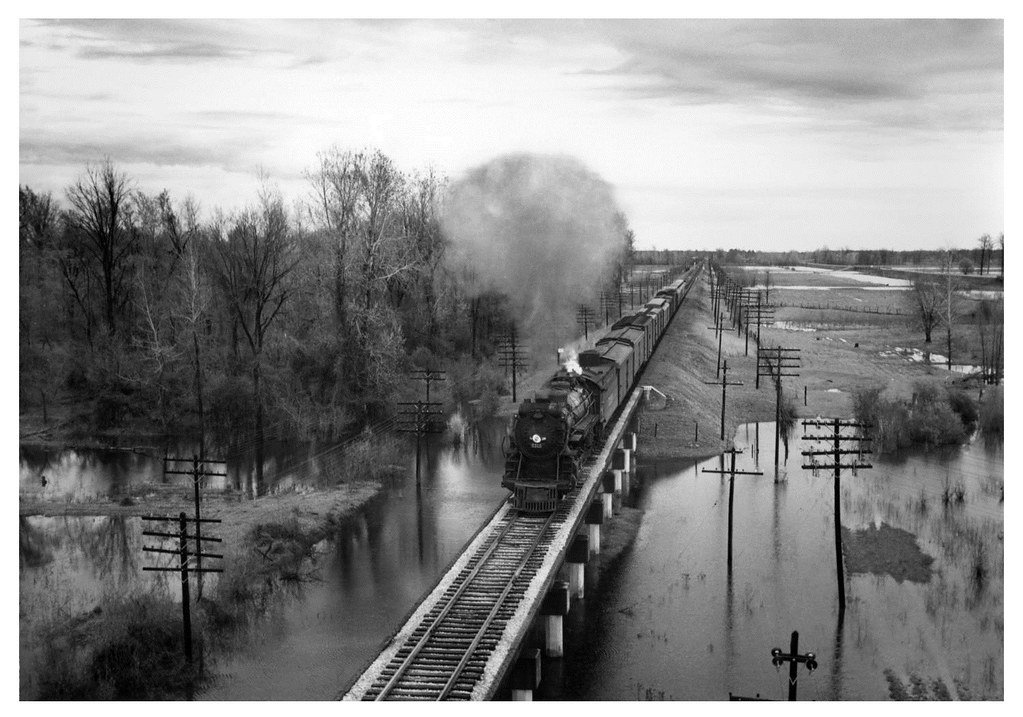
Red River
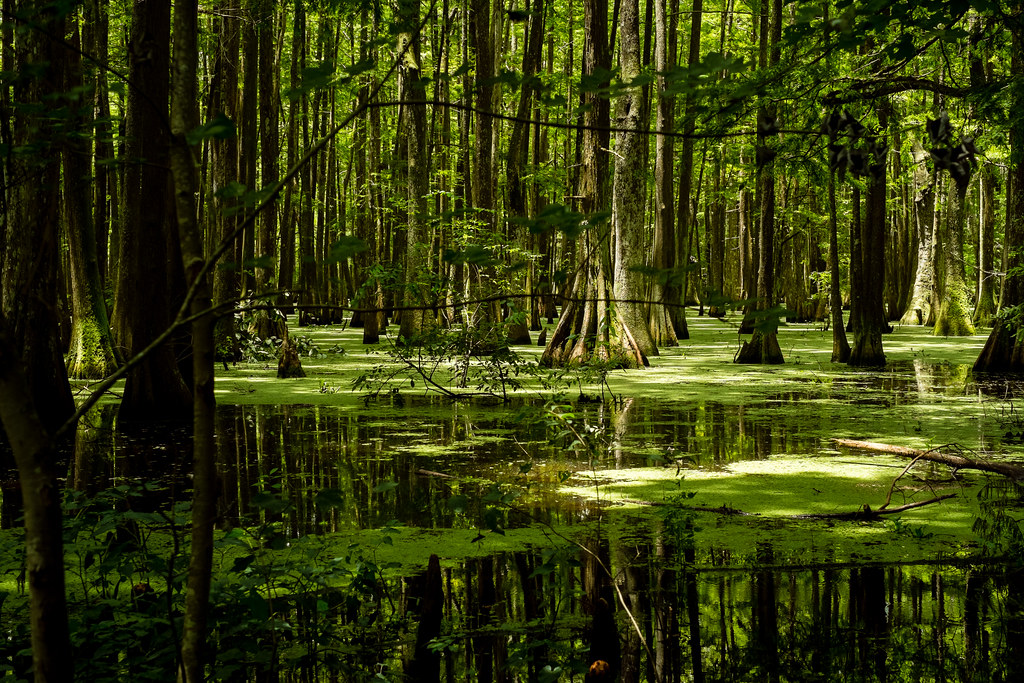
Lake Chicot
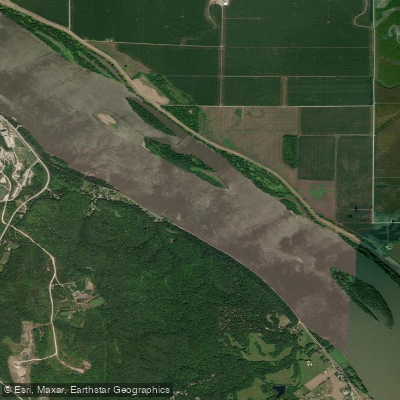
Mississippi River
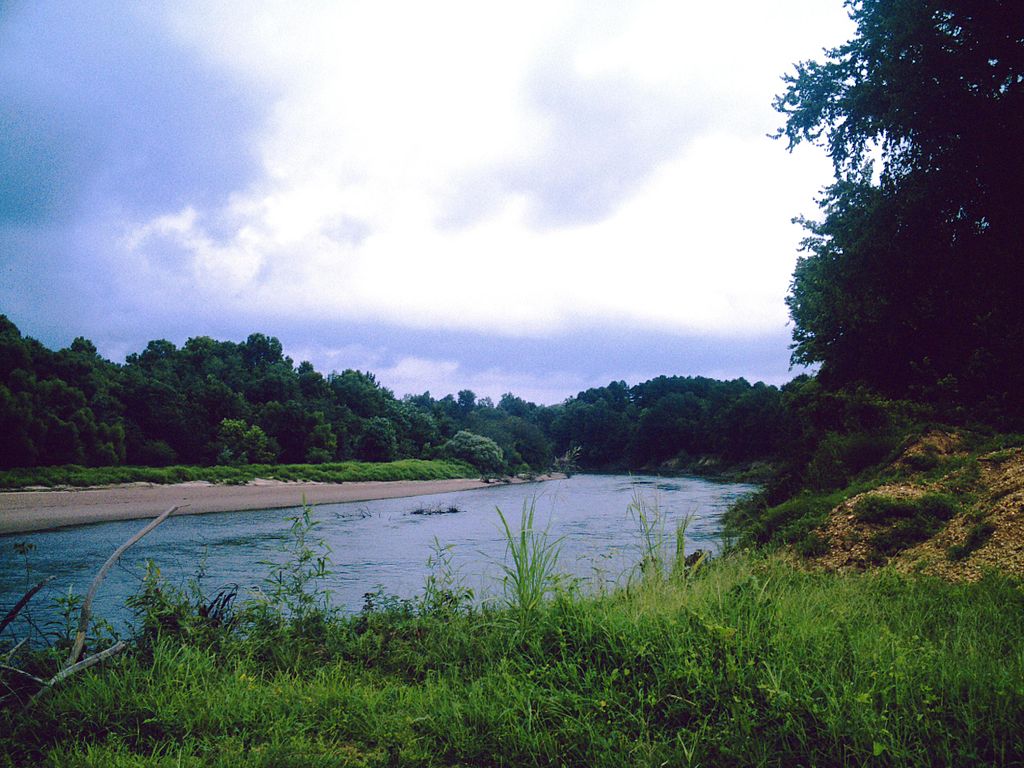
Ouachita River
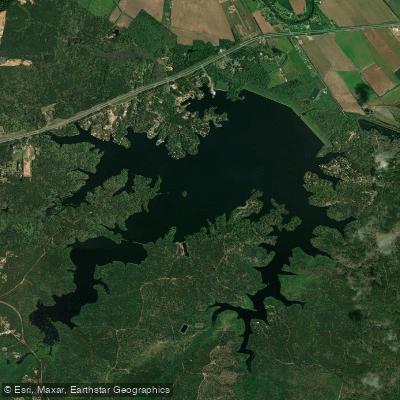
Kincaid Reservoir
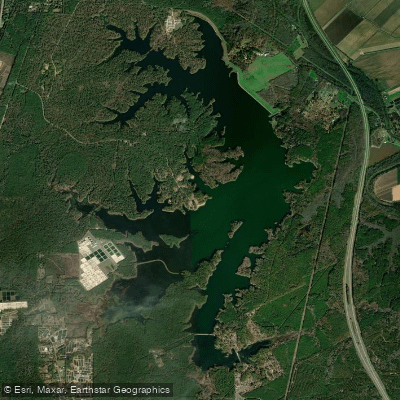
Indian Creek Reservoir
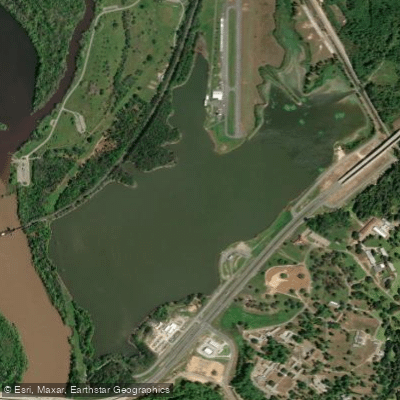
Lake Buhlow
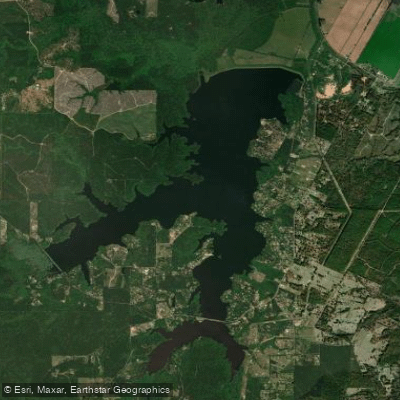
Cotile Lake
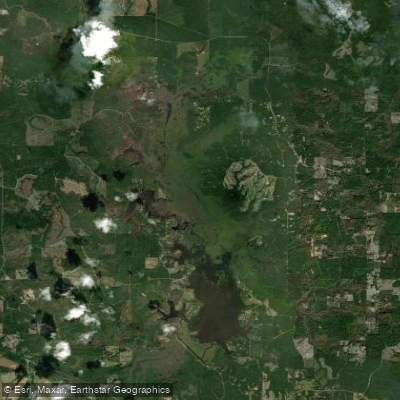
Lake Iatt
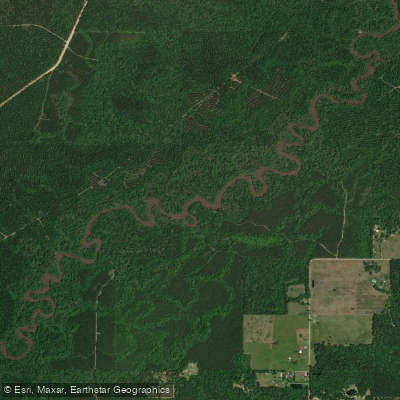
Calcasieu River
What to know
Habitat Distribution
- These fish inhabit lakes, rivers, bayous, ponds, and even brackish areas where freshwater meets saltwater.
- Louisiana's diverse freshwater systems include world-class bass waters.
Key Locations
- Prime fishing locations include Toledo Bend Reservoir (produces numerous 10+ pound bass annually), Caney Lake (known for record-class fish), Lake D'Arbonne, Poverty Point Reservoir, Lake Cataouatche near New Orleans, the Atchafalaya Basin, Caddo Lake, and countless smaller lakes, ponds, and bayous throughout the state.
Specific Spots
- Target structure like fallen timber, weed lines, rocky areas, boat docks, and drop-offs.
- During winter focus on deeper structure.
Largemouth Bass FAQ
Answers from onWater's species guide.
What are the best lures and bait for Largemouth Bass in Louisiana?
For conventional tackle, productive lures include spinnerbaits, crankbaits (square-bills for shallow water), Texas-rigged soft plastics, jigs with crawfish trailers, topwater plugs, and Carolina rigs in deeper water.
What flies work for Largemouth Bass in Louisiana?
Top fly patterns include popping bugs in bumblebee, frog, and chartreuse patterns for surface action, Clouser Minnows in chartreuse/white or pink/white, crawfish patterns like Cohen's Jiggy Craw, leech patterns for murky water, shad imitations, and diving bugs.
When is the best time to fish for Largemouth Bass in Louisiana?
Louisiana offers excellent largemouth bass fishing opportunities year-round, with spring (March-May) and fall (September-November) providing peak action. During winter (water below 55°F), focus on deeper structure with slow-moving presentations.
How do you catch Largemouth Bass in Louisiana?
Work poppers with a 'bloop' sound followed by 2-3 second pauses. Match your presentation to local forage - use shad patterns where gizzard shad are prevalent, crawfish imitations in rocky areas, and bluegill patterns during bluegill spawning periods. During winter focus on slow-moving presentations.
What do Largemouth Bass eat?
Adult largemouth bass are voracious predators that will consume virtually anything that fits in their mouth, including fish (such as bluegill, sunfish, shiners, crawfish, minnows), frogs, insects, worms, snakes, birds, mice, small mammals, and even baby alligators in south Louisiana.
Fish smarter with real-time insights
Whether you're en route and conditions shift or you're looking for the best spot based on current flows, we enable you to make informed decisions on the fly.




See it in the app
Most maps show you water.
onWater shows you Largemouth Bass.



- 01 · Species map filter
Map every Largemouth Bass water
Pick Largemouth Bass and the map zeroes in on the waters they call home. No more guessing which lake holds them.
- 02 · Waterbody species
Tap any water. See what lives there.
Species, behavior and seasonal patterns for every lake, river and pond, before you leave the driveway.
- 03 · Angler Intelligence
Ask how to catch Largemouth Bass
Tactics, gear and timing from onWater's AI fishing guide, tuned to the species and the water you're on.
Stop guessing where Largemouth Bass are.
Open the map, filter by Largemouth Bass, and head to water that holds them. Download onWater and plan your next trip in minutes.
- Species map filter
- Angler Intelligence
- Fishing journal
Explore other species
Trout, bass, salmon, panfish and everything in between. Each guide unpacks the behavior, seasons, and tactics that put fish in the net.
No species information available.
Louisiana licenses and regulations
Explore nearby waters
Explore Louisiana waters
Top fishing waters
Popular Cities
Loading popular cities...

Smarter Fishing Starts in the App.
onWater Fish gives you everything you need to plan smarter, fish better, and own every trip from first cast to last.