Black Drum

Black Drum are the largest members of the drum family in Louisiana, capable of reaching over 100 pounds though more commonly caught between 3-20 pounds.
These heavy-bodied fish have distinctive whisker-like barbels under their chin and pharyngeal teeth in their throats for crushing shellfish. They're euryhaline, tolerating salinities from 0-80 ppt and temperatures from 37-100°F.
The species inhabits both inshore estuarine waters and nearshore Gulf waters year-round, with adults primarily residing offshore and juveniles in shallow marshes.
Scientific Name: Pogonias cromis
Also known as puppy drum (fish under 10 pounds), bull drum (larger specimens)
- Heavy-bodied fish with distinctive whisker-like barbels under their chin and pharyngeal teeth in their throats for crushing shellfish.
- Juveniles display 4-6 vertical black bars that fade with age.
- Capable of reaching over 100 pounds though more commonly caught between 3-20 pounds.
Fishing in Louisiana
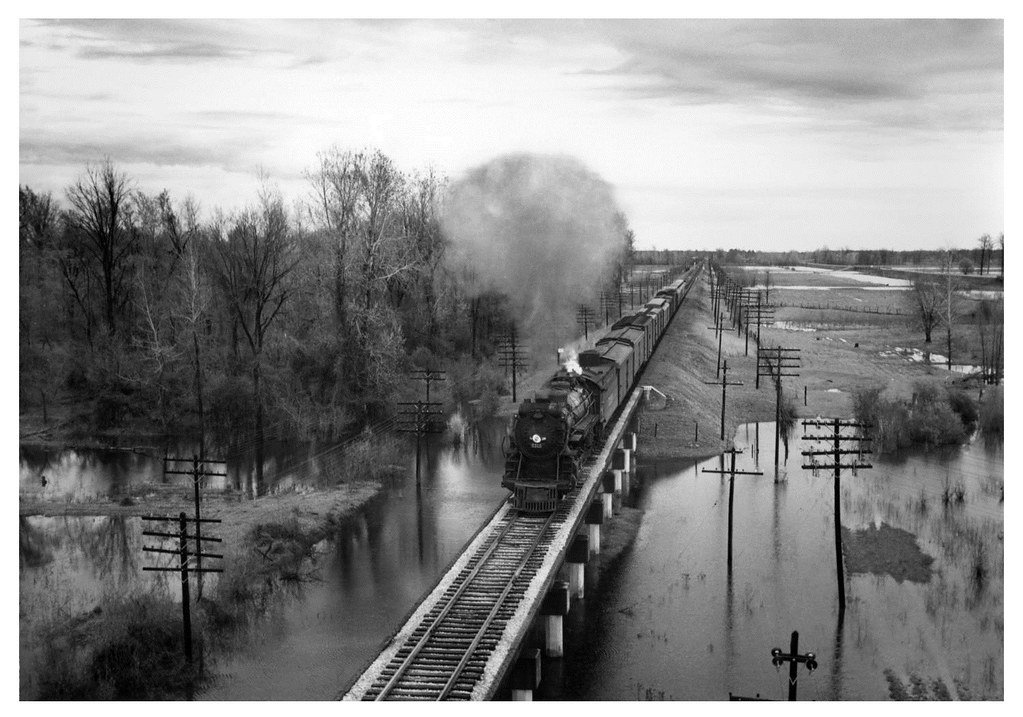
Red River
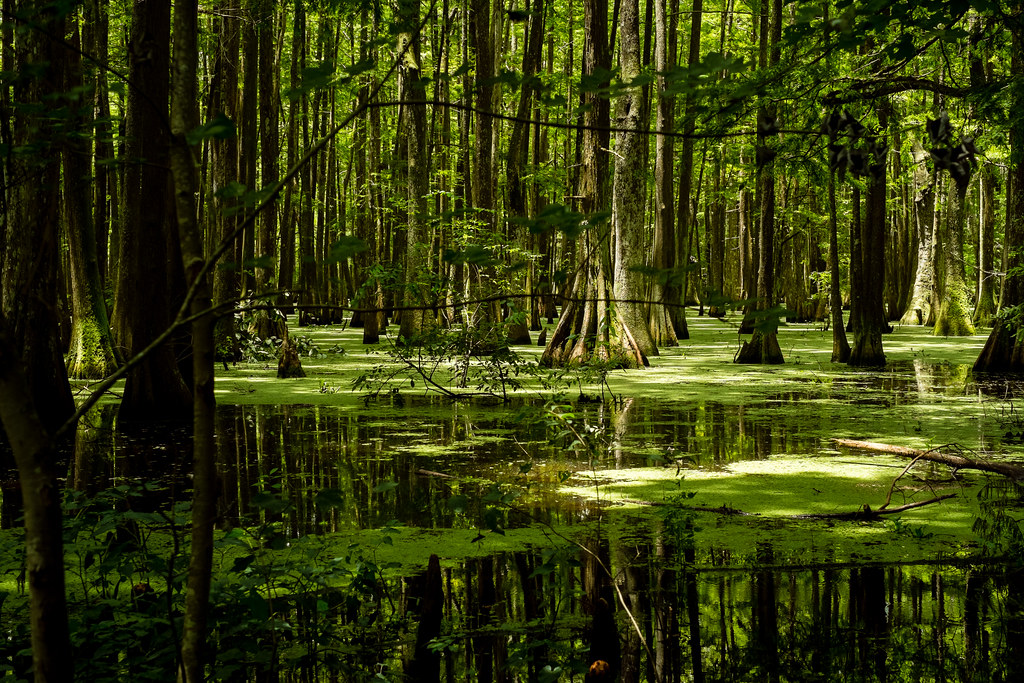
Lake Chicot
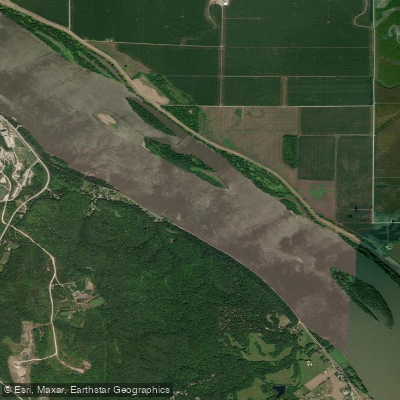
Mississippi River
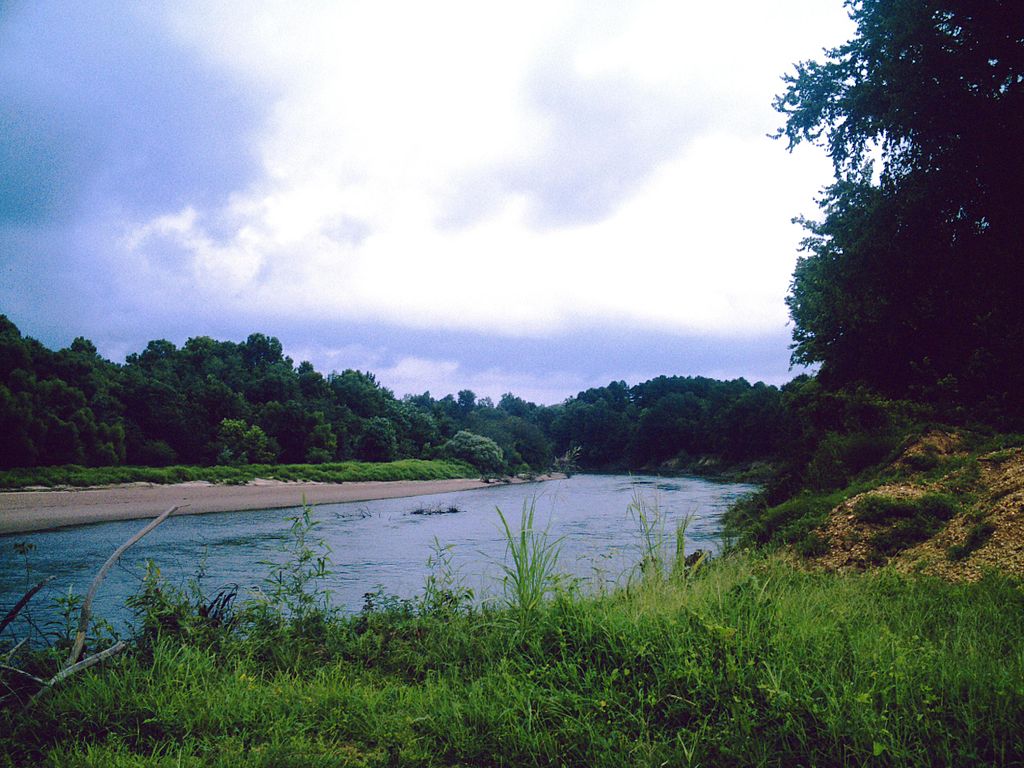
Ouachita River
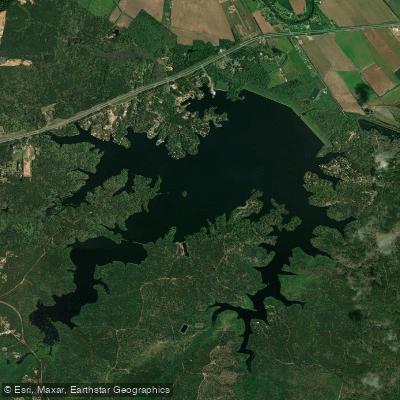
Kincaid Reservoir
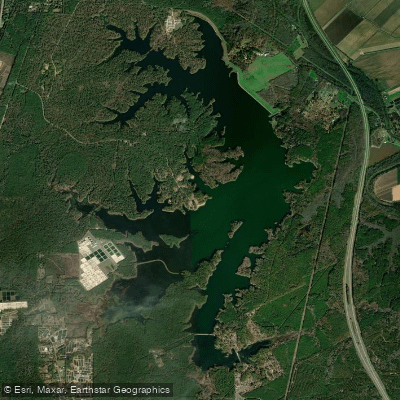
Indian Creek Reservoir
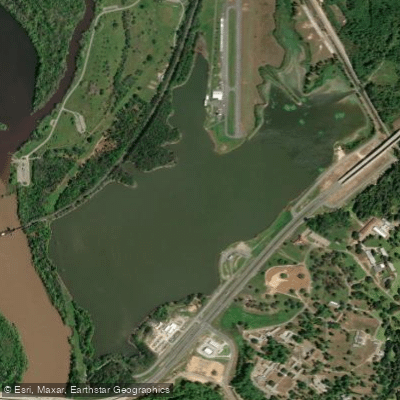
Lake Buhlow
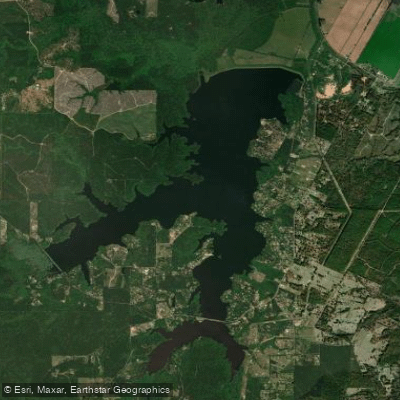
Cotile Lake
Lake Iatt
Calcasieu River
What to know
Habitat Distribution
- Most abundant in the northern Gulf of Mexico, particularly near the Mississippi River Delta.
- The species inhabits both inshore estuarine waters and nearshore Gulf waters year-round, with adults primarily residing offshore and juveniles in shallow marshes.
Key Locations
- Lakes Pontchartrain, Borgne, and Catherine, Barataria Bay, passes west of the Mississippi River, Bayou Lacombe shell pad (one mile south of Goose Point), Twin Span Bridge, Lake Catherine camps, and throughout the New Orleans area marshes.
Specific Spots
- Around oyster beds, docks, and bridge pilings throughout Louisiana's coastal waters, shell pads, and rock dams.
Black Drum FAQ
Answers from onWater's species guide.
What are the best lures and bait for Black Drum in Louisiana?
Blue crab (cut in half with shell removed), live or dead shrimp (pinch tail for more scent), fresh clams, fiddler crabs, and finger mullet.
When is the best time to fish for Black Drum in Louisiana?
Most productive from May through December, with peak action in summer and fall months. Avoid fishing during spawning from January through April.
How do you catch Black Drum in Louisiana?
Use knocker rigs with sliding sinkers or dropper loop rigs. For shallow sight fishing, use jig heads with live baits or artificial baits. Target muddy plumes created by feeding schools.
What do Black Drum eat?
They're bottom feeders with age-specific diets: larvae eat zooplankton, young drum under 8 inches feed on marine worms and small fish, while larger drum consume mollusks, oysters, clams, mussels, shrimp, and crabs.
Where do Black Drum live in Louisiana?
Most abundant in the northern Gulf of Mexico, particularly near the Mississippi River Delta. The species inhabits both inshore estuarine waters and nearshore Gulf waters year-round, with adults primarily residing offshore and juveniles in shallow marshes.
Fish smarter with real-time insights
Whether you're en route and conditions shift or you're looking for the best spot based on current flows, we enable you to make informed decisions on the fly.




See it in the app
Most maps show you water.
onWater shows you Black Drum.



- 01 · Species map filter
Map every Black Drum water
Pick Black Drum and the map zeroes in on the waters they call home. No more guessing which lake holds them.
- 02 · Waterbody species
Tap any water. See what lives there.
Species, behavior and seasonal patterns for every lake, river and pond, before you leave the driveway.
- 03 · Angler Intelligence
Ask how to catch Black Drum
Tactics, gear and timing from onWater's AI fishing guide, tuned to the species and the water you're on.
Stop guessing where Black Drum are.
Open the map, filter by Black Drum, and head to water that holds them. Download onWater and plan your next trip in minutes.
- Species map filter
- Angler Intelligence
- Fishing journal
Explore other species
Trout, bass, salmon, panfish and everything in between. Each guide unpacks the behavior, seasons, and tactics that put fish in the net.
No species information available.
Louisiana licenses and regulations
Explore nearby waters
Explore Louisiana waters
Top fishing waters
Popular Cities
Loading popular cities...

Smarter Fishing Starts in the App.
onWater Fish gives you everything you need to plan smarter, fish better, and own every trip from first cast to last.