Shovelnose Sturgeon

The Shovelnose Sturgeon is Louisiana's smallest native freshwater sturgeon species. These primitive fish are highly mobile, traveling extensive distances and not maintaining restricted home ranges.
Scientific Name: Scaphirhynchus platorynchus
Also known as hackleback, sand sturgeon, switchtail
- These primitive fish feature elongated bodies with five rows of sharp, bony plates (scutes), a strongly forked tail with long thread-like filaments on the upper lobe, a flattened shovel-shaped snout, and four fringed barbels positioned in a straight line beneath the jaw.
- They typically range from 22-26 inches in length and rarely exceed 5 pounds, though they can reach up to 39 inches and 11 pounds.
- Coloration varies from light brown to olive with buff sides and a white belly.
Fishing in Louisiana
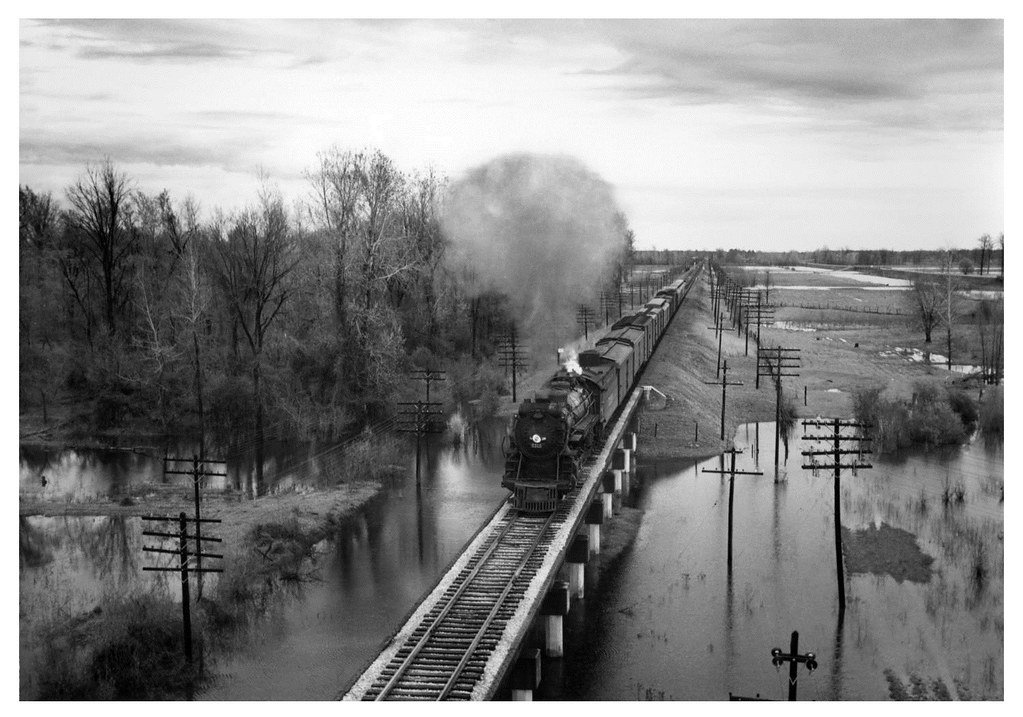
Red River
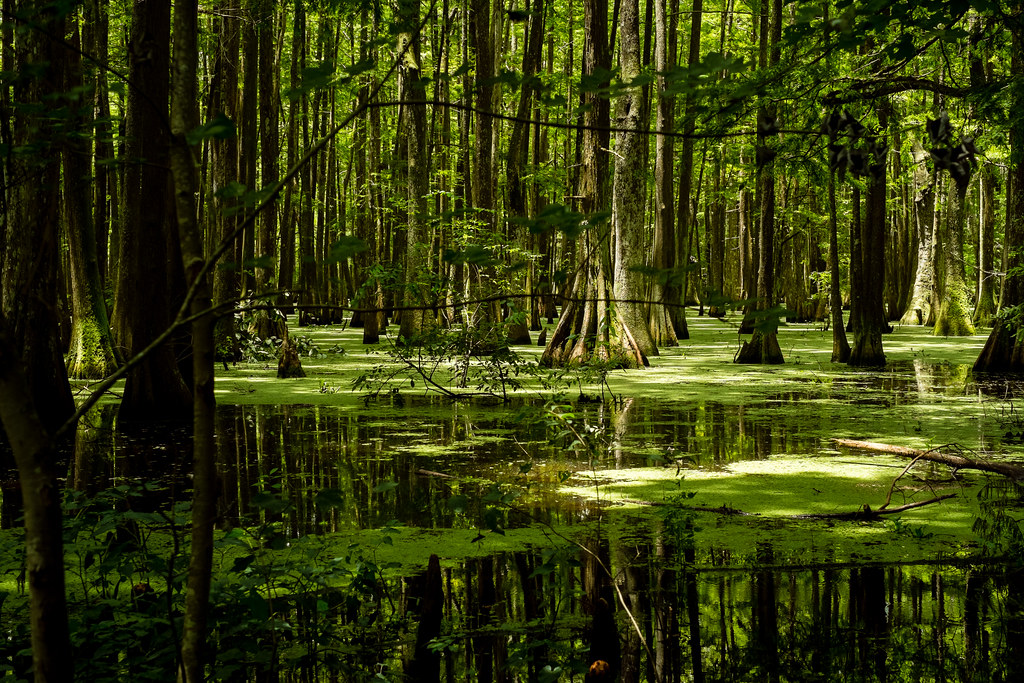
Lake Chicot
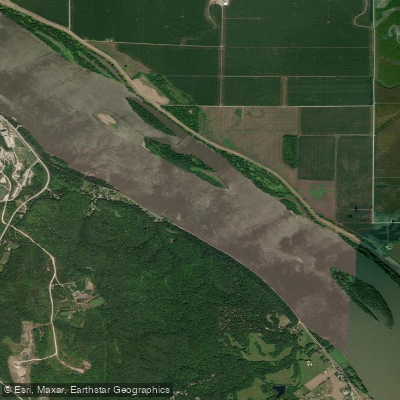
Mississippi River
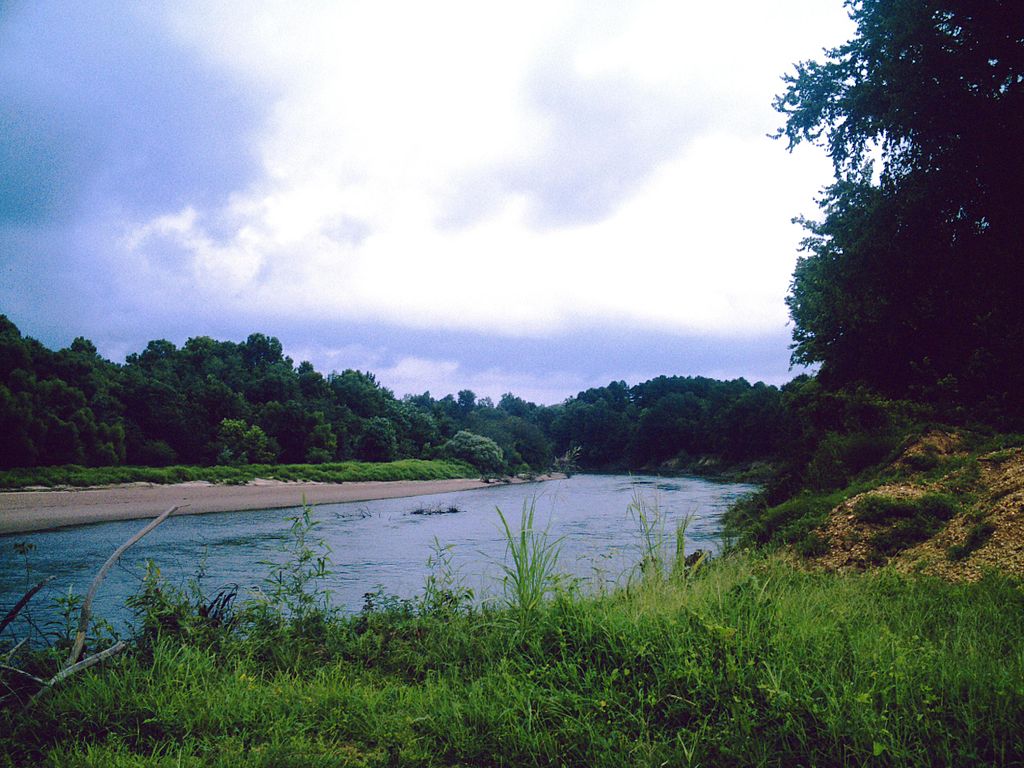
Ouachita River
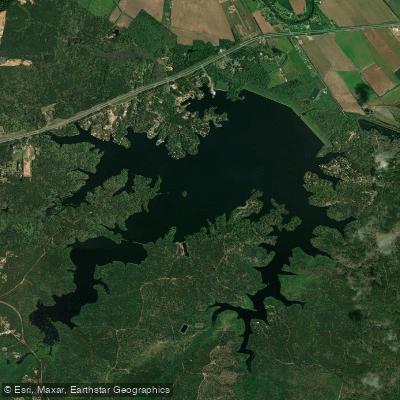
Kincaid Reservoir
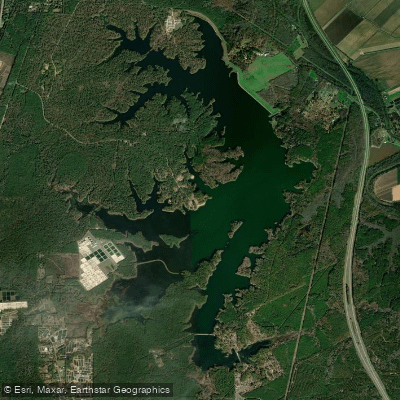
Indian Creek Reservoir
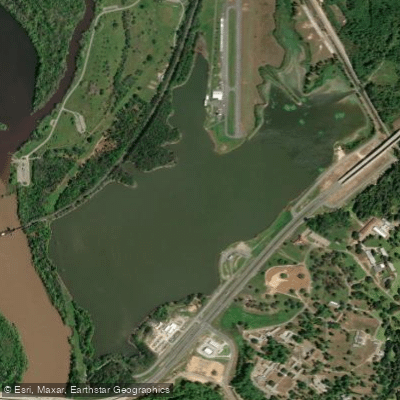
Lake Buhlow
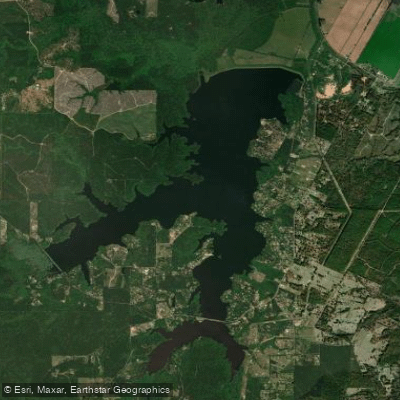
Cotile Lake
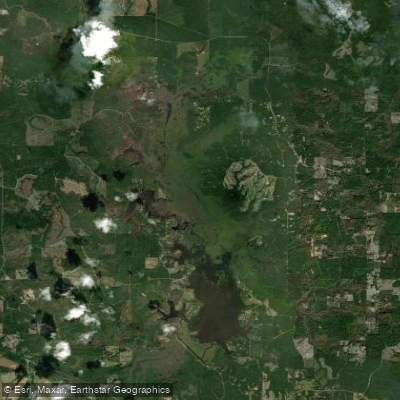
Lake Iatt
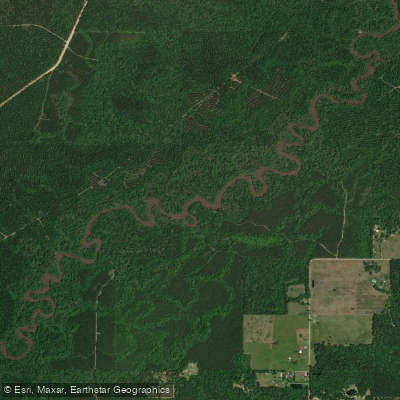
Calcasieu River
What to know
Habitat Distribution
- They inhabit large, turbid rivers with strong currents, preferring deep channels, main channel areas, and pools downstream of sandbars over sandy or muddy bottoms.
Key Locations
- In Louisiana, Shovelnose Sturgeon are found throughout the Mississippi River system and its major tributaries including the Red River and Atchafalaya River.
- These fish are occasionally caught incidentally by anglers using trotlines for catfish on the Mississippi River.
Specific Spots
- Historically, before protection measures, they were most active in areas with moderate current velocities around wing dikes, dam tailwaters, and main channel borders.
Shovelnose Sturgeon FAQ
Answers from onWater's species guide.
What are the best lures and bait for Shovelnose Sturgeon in Louisiana?
Historically, before protection measures, they responded to natural baits like nightcrawlers, cut fish, crayfish, and shrimp fished on sandy or gravelly bottoms.
When is the best time to fish for Shovelnose Sturgeon in Louisiana?
Historically, before protection measures, spring months (April-July) were peak activity periods, but these coincide with spawning seasons when fish should not be disturbed.
How do you catch Shovelnose Sturgeon in Louisiana?
The best conservation practice is to avoid fishing methods and areas where sturgeon are likely to be encountered. If accidentally caught, avoid removing the fish from water, keep fingers out of gills, and support the fish properly while releasing.
What do Shovelnose Sturgeon eat?
They feed opportunistically on aquatic insect larvae (primarily mayflies, true flies, and caddisflies representing over 99% of their diet), crustaceans, mollusks, worms, and occasionally small fish. Their specialized vacuum-like mouth allows them to sift through sand and gravel substrates to locate prey.
Where do Shovelnose Sturgeon live in Louisiana?
They inhabit large, turbid rivers with strong currents, preferring deep channels, main channel areas, and pools downstream of sandbars over sandy or muddy bottoms.
Fish smarter with real-time insights
Whether you're en route and conditions shift or you're looking for the best spot based on current flows, we enable you to make informed decisions on the fly.







See it in the app
Most maps show you water.
onWater shows you Shovelnose Sturgeon.



- 01 · Species map filter
Map every Shovelnose Sturgeon water
Pick Shovelnose Sturgeon and the map zeroes in on the waters they call home. No more guessing which lake holds them.
- 02 · Waterbody species
Tap any water. See what lives there.
Species, behavior and seasonal patterns for every lake, river and pond, before you leave the driveway.
- 03 · Angler Intelligence
Ask how to catch Shovelnose Sturgeon
Tactics, gear and timing from onWater's AI fishing guide, tuned to the species and the water you're on.
Stop guessing where Shovelnose Sturgeon are.
Open the map, filter by Shovelnose Sturgeon, and head to water that holds them. Download onWater and plan your next trip in minutes.
- Species map filter
- Angler Intelligence
- Fishing journal
Explore other species
Trout, bass, salmon, panfish and everything in between. Each guide unpacks the behavior, seasons, and tactics that put fish in the net.

Find which waters have the species you want to catch

Largemouth Bass
Micropterus salmoides

Rainbow Trout
Oncorhynchus mykiss

Walleye
Sander vitreus

Black Crappie
Pomoxis nigromaculatus
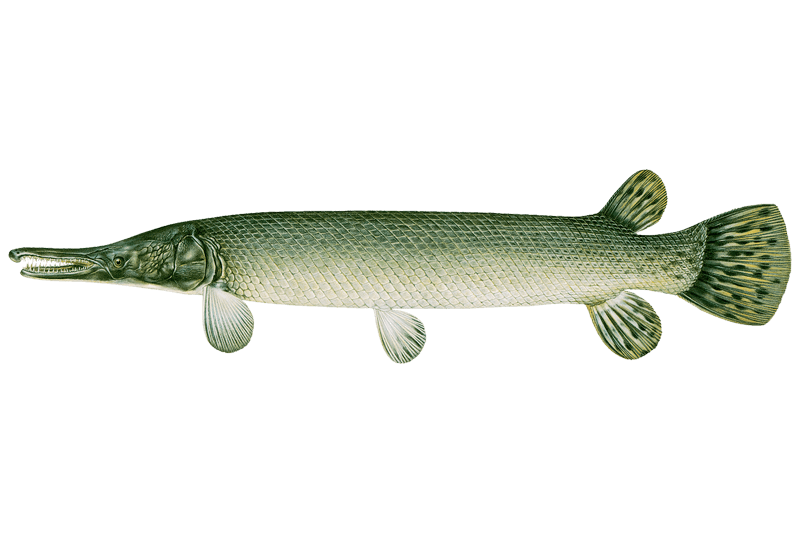
Alligator Gar
Atractosteus spatula

American Eel
Anguilla rostrata

Atlantic Croaker
Micropogonias undulatus

Atlantic Sturgeon
Acipenser oxyrinchus desotoi

Bighead Carp
Hypophthalmichthys nobilis

Bigmouth Buffalo
Ictiobus cyprinellus

Black Buffalo
Ictiobus niger

Black Bullhead
Ameiurus melas

Black Drum
Pogonias cromis

Blacktip Shark
Carcharhinus limbatus

Blue Catfish
Ictalurus furcatus
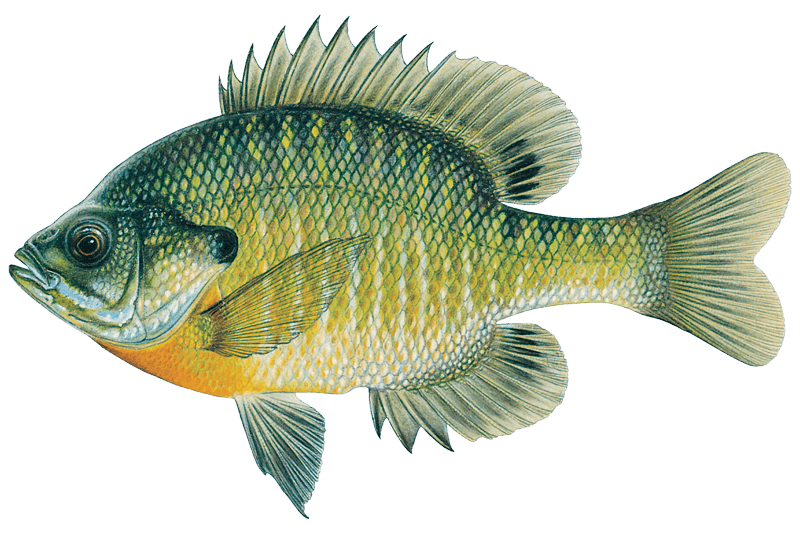
Bluegill Sunfish
Lepomis macrochirus

Blue Sucker
Cycleptus elongatus

Blue Tilapia
Oreochromis aureus

Bowfin
Amia calva

Brown Bullhead
Ameiurus nebulosus

Bull Shark
Carcharhinus leucas

Chain Pickerel
Esox niger

Channel Catfish
Ictalurus punctatus

Common Carp
Cyprinus carpio

Creek Chub
Semotilus atromaculatus

Flathead Catfish
Pylodictis olivaris

Flier
Centrarchus macropterus

Florida Pompano
Trachinotus carolinus

Freshwater Drum
Aplodinotus grunniens

Gafftopsail Catfish
Bagre marinus

Gizzard Shad
Dorosoma cepedianum

Grass Carp
Ctenopharyngodon idella

Green Sunfish
Lepomis cyanellus

Longear Sunfish
Lepomis megalotis

Longnose Gar
Lepisosteus osseus

Northern Hogsucker
Hypentelium nigricans
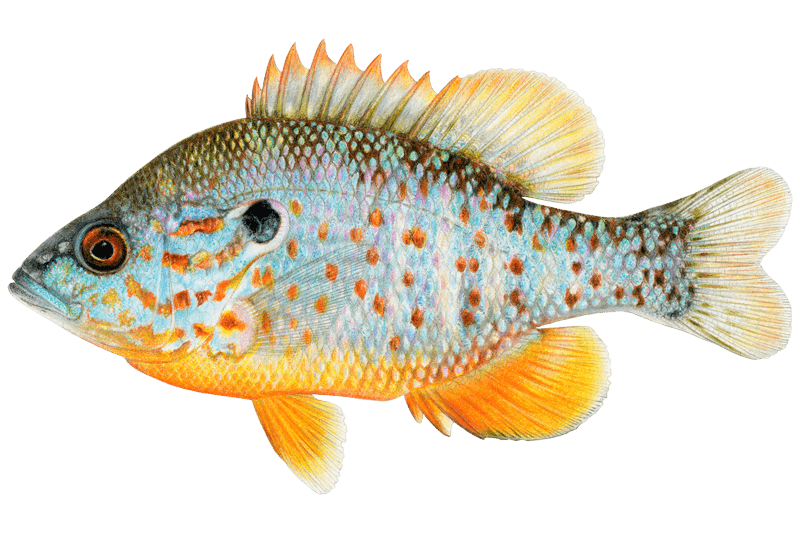
Orangespotted Sunfish
Lepomis humilis

Pumpkinseed
Lepomis gibbosus
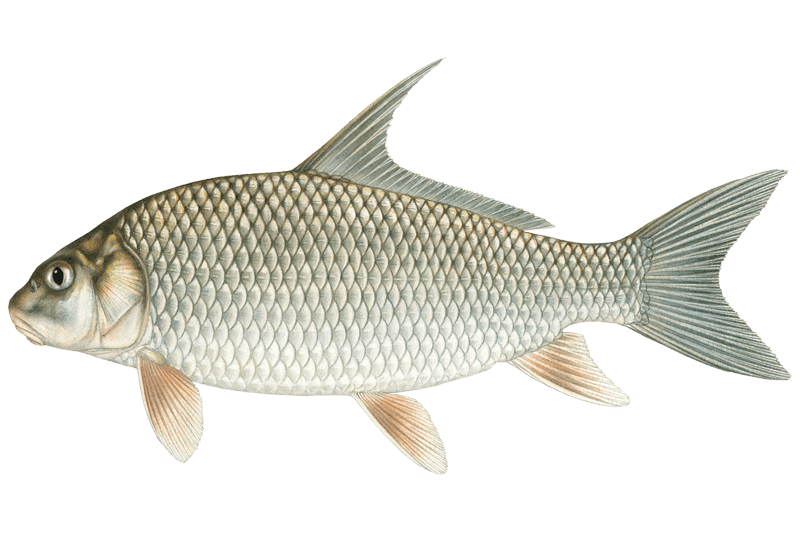
Quillback
Carpiodes cyprinus
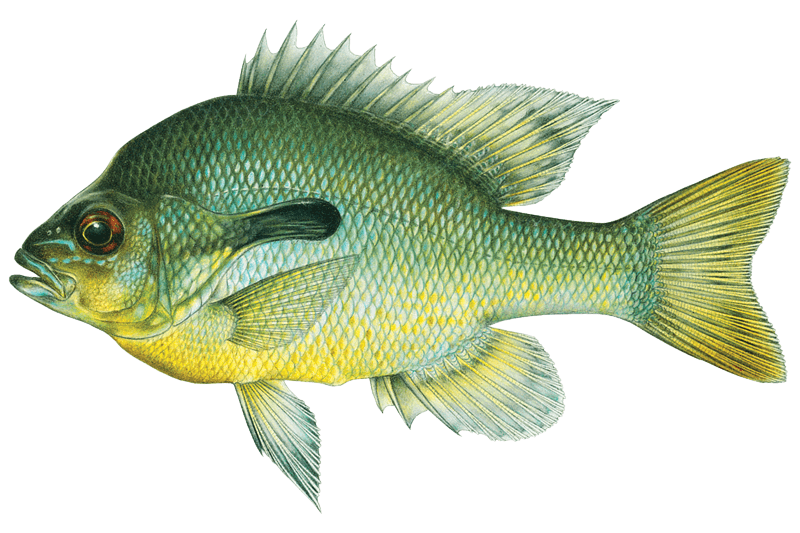
Redbreast Sunfish
Lepomis auritus
Louisiana licenses and regulations
Louisiana Boating Regulations
When using any type of watercraft to access a body of water, it is important to follow all federal, state, and local rules and regulations. These rules and regulations include boat permitting and licensing, invasive species inspections and stamps, life jacket and PFD rules, motor size and horsepower restrictions, noise limitations, restrictions on personal watercraft, and many more. Visit the web link below for the most current rules and regulations for this body of water.
Louisiana Fishing License
When using any type of watercraft to access a body of water, it is important to follow all federal, state, and local rules and regulations. These rules and regulations include boat permitting and licensing, invasive species inspections and stamps, life jacket and PFD rules, motor size and horsepower restrictions, noise limitations, restrictions on personal watercraft, and many more. Visit the web link below for the most current rules and regulations for this body of water.
Louisiana Fishing Regulations
This river has a variety of species and regulations, including potential floating and/or watercraft restrictions. Because this river is specially managed for species, seasons, angling methods, and watercraft, it is strongly encouraged you check all federal, state, and local regulations before fishing. Visit any of the links below, inquire locally, or contact a local fly shop to learn current regulations and restrictions.

Louisiana Stream Access Laws
The beds and bottoms of all navigable waters and the banks or shores of bays, arms of the sea, the Gulf of Mexico, and navigable lakes belong to the state of Louisiana, and the policy of this state is hereby declared to be that these lands and water bottoms, hereinafter referred to as ‘public lands’, shall be protected, administered, and conserved to best ensure full public navigation, fishery, recreation, and other interests
Explore nearby waters
Explore Louisiana waters
Top fishing waters
Popular Cities
Loading popular cities...
Smarter Fishing Starts in the App.
onWater Fish gives you everything you need to plan smarter, fish better, and own every trip from first cast to last.