Bluegill
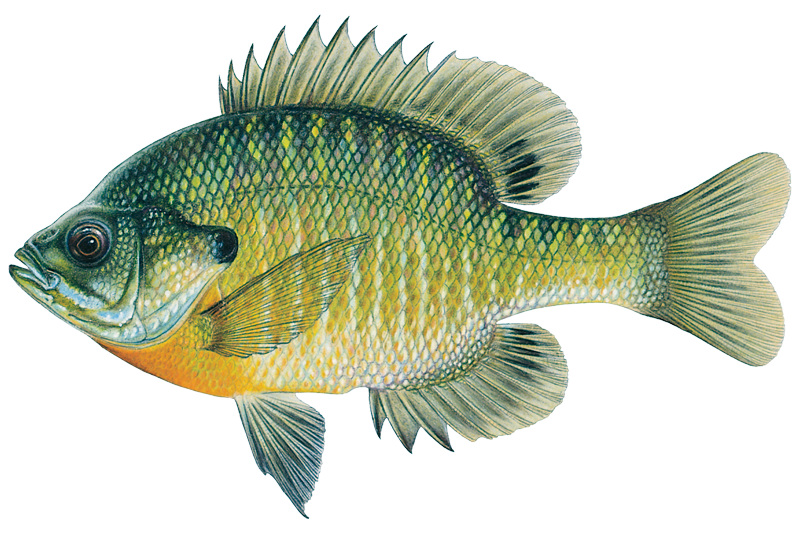
Bluegill are native to Louisiana and found throughout the state in freshwater and brackish areas.
Also known as bream, panfish, perch
- They are a broad, compressed round fish with distinctive coloration ranging from dark blue/greenish to yellow bodies, often featuring a yellowish to orange breast that becomes brighter during spawning season and a characteristic black gill flap.
- Louisiana bluegill can grow up to 2 pounds and typically live 5-8 years.
Fishing in Louisiana
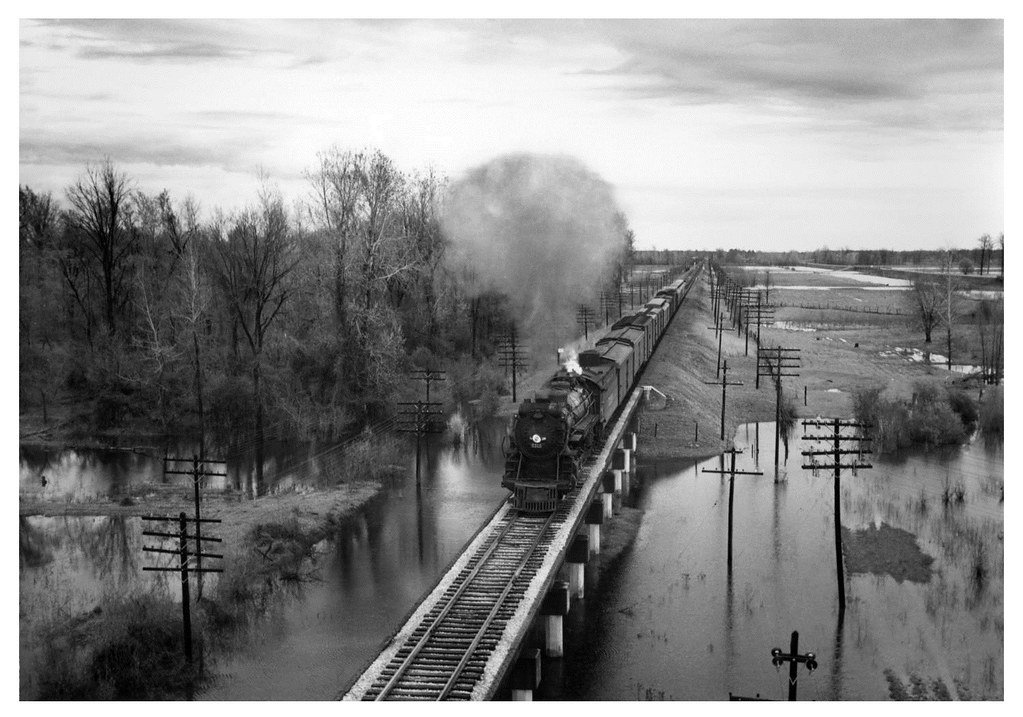
Red River
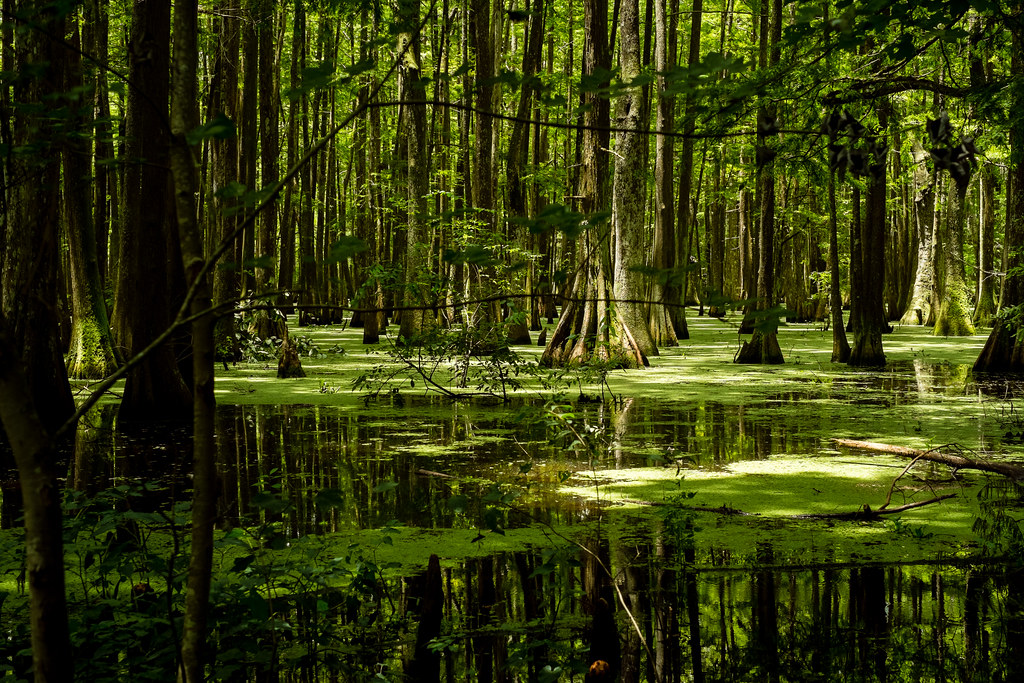
Lake Chicot
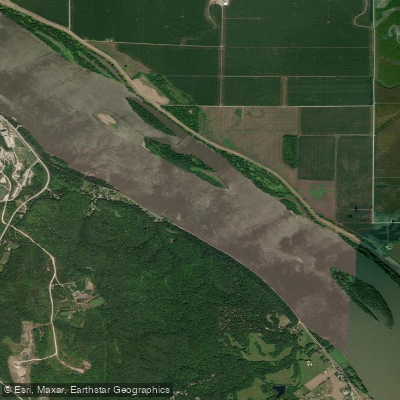
Mississippi River
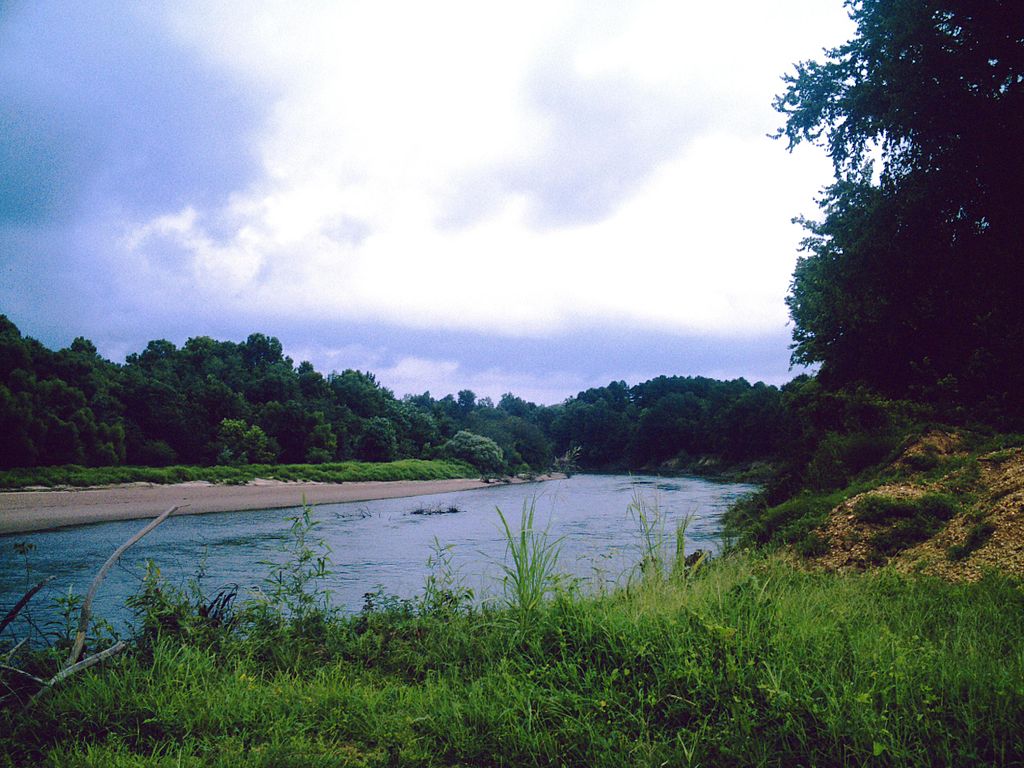
Ouachita River
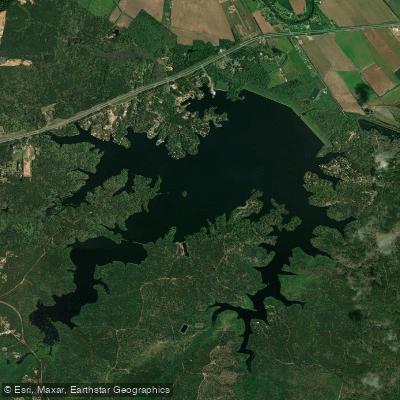
Kincaid Reservoir
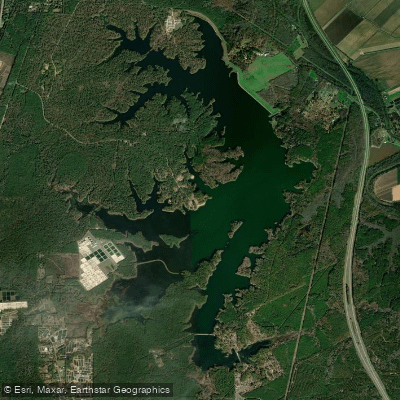
Indian Creek Reservoir
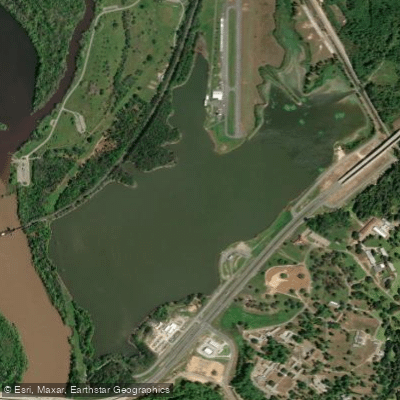
Lake Buhlow
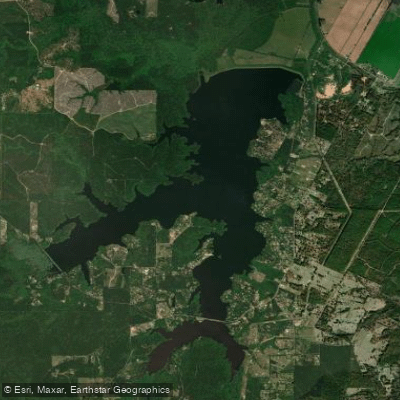
Cotile Lake
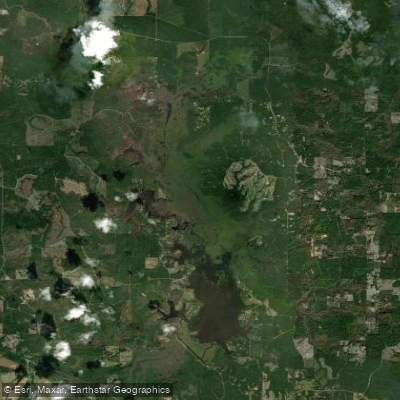
Lake Iatt
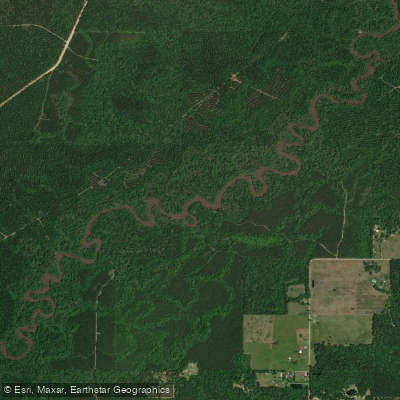
Calcasieu River
What to know
Habitat Distribution
- Found throughout the state in freshwater and brackish areas.
Specific Spots
- Bluegill prefer grass beds, structures like sunken trees, docks, piers, and shoreline areas.
- Target shallow areas with structure, grass lines, docks, overhanging trees, and protected pockets.
- Fish move to deeper brush piles in fall and deep flats in winter.
Bluegill FAQ
Answers from onWater's species guide.
What are the best lures and bait for Bluegill in Louisiana?
For live bait, red worms are highly effective, followed by crickets. For artificials, 1-inch crankbaits, 1/32 ounce jigs with small plastic spiders or grubs, inline spinners, tiny lipless crankbaits work well. Tungsten ice jigheads paired with 1-inch or smaller grubs are effective.
What flies work for Bluegill in Louisiana?
Use terrestrial patterns like small black ants (sizes 14-18), beetles (12-14), grasshoppers (8-10), foam spiders, and small popping bugs.
When is the best time to fish for Bluegill in Louisiana?
Spring is prime bluegill season in Louisiana when water temperatures approach 70°F. Winter fishing can also be productive when schools congregate in deeper water around structures.
How do you catch Bluegill in Louisiana?
Spring is prime bluegill season in Louisiana when water temperatures approach 70°F, making fish easier to locate in shallow spawning areas (avoid fishing during active spawning). Winter fishing can also be productive when schools congregate in deeper water around structures.
What do Bluegill eat?
They feed primarily on small prey including aquatic insects and larvae. They're opportunistic feeders consuming microinvertebrates, phytoplankton, periphyton (algae, fungi, bacteria combination), terrestrial insects, zooplankton, crawfish, amphibians, e.g.gs, and small fish.
Fish smarter with real-time insights
Whether you're en route and conditions shift or you're looking for the best spot based on current flows, we enable you to make informed decisions on the fly.







See it in the app
Most maps show you water.
onWater shows you Bluegill.



- 01 · Species map filter
Map every Bluegill water
Pick Bluegill and the map zeroes in on the waters they call home. No more guessing which lake holds them.
- 02 · Waterbody species
Tap any water. See what lives there.
Species, behavior and seasonal patterns for every lake, river and pond, before you leave the driveway.
- 03 · Angler Intelligence
Ask how to catch Bluegill
Tactics, gear and timing from onWater's AI fishing guide, tuned to the species and the water you're on.
Stop guessing where Bluegill are.
Open the map, filter by Bluegill, and head to water that holds them. Download onWater and plan your next trip in minutes.
- Species map filter
- Angler Intelligence
- Fishing journal
Explore other species
Trout, bass, salmon, panfish and everything in between. Each guide unpacks the behavior, seasons, and tactics that put fish in the net.

Find which waters have the species you want to catch

Largemouth Bass
Micropterus salmoides

Rainbow Trout
Oncorhynchus mykiss

Walleye
Sander vitreus

Black Crappie
Pomoxis nigromaculatus
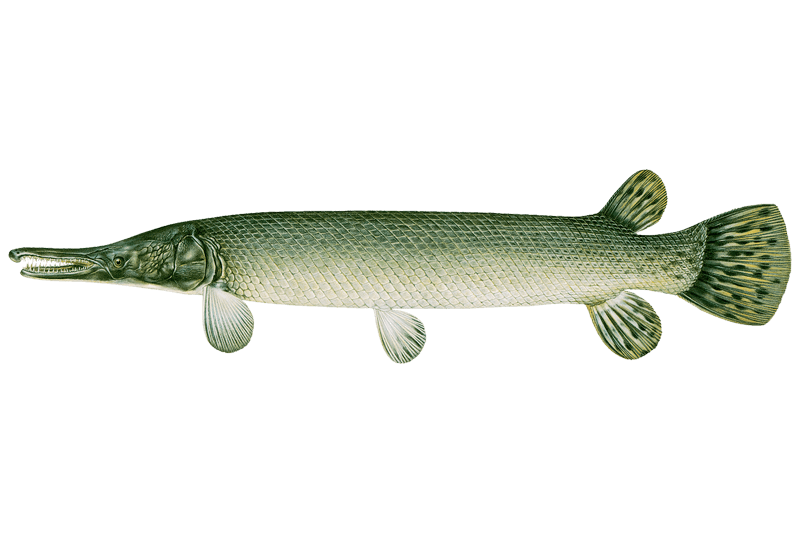
Alligator Gar
Atractosteus spatula

American Eel
Anguilla rostrata

Atlantic Croaker
Micropogonias undulatus

Atlantic Sturgeon
Acipenser oxyrinchus desotoi

Bighead Carp
Hypophthalmichthys nobilis

Bigmouth Buffalo
Ictiobus cyprinellus

Black Buffalo
Ictiobus niger

Black Bullhead
Ameiurus melas

Black Drum
Pogonias cromis

Blacktip Shark
Carcharhinus limbatus

Blue Catfish
Ictalurus furcatus
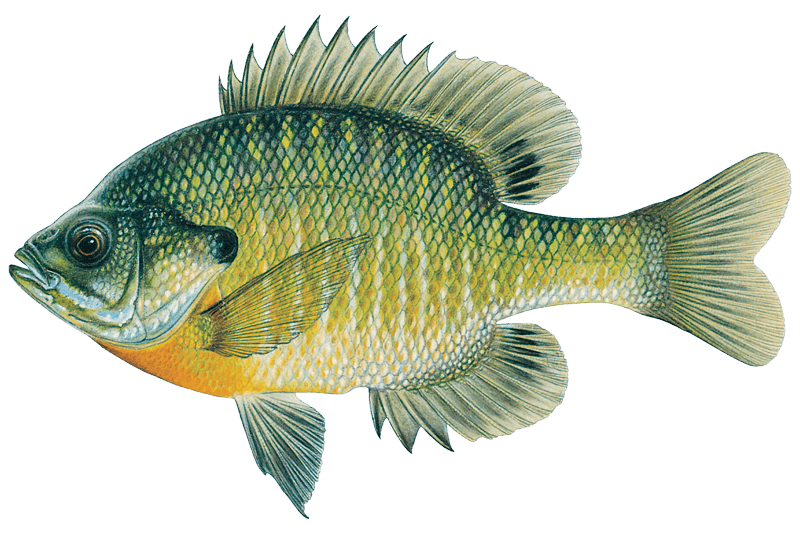
Bluegill Sunfish
Lepomis macrochirus

Blue Sucker
Cycleptus elongatus

Blue Tilapia
Oreochromis aureus

Bowfin
Amia calva

Brown Bullhead
Ameiurus nebulosus

Bull Shark
Carcharhinus leucas

Chain Pickerel
Esox niger

Channel Catfish
Ictalurus punctatus

Common Carp
Cyprinus carpio

Creek Chub
Semotilus atromaculatus

Flathead Catfish
Pylodictis olivaris

Flier
Centrarchus macropterus

Florida Pompano
Trachinotus carolinus

Freshwater Drum
Aplodinotus grunniens

Gafftopsail Catfish
Bagre marinus

Gizzard Shad
Dorosoma cepedianum

Grass Carp
Ctenopharyngodon idella

Green Sunfish
Lepomis cyanellus

Longear Sunfish
Lepomis megalotis

Longnose Gar
Lepisosteus osseus

Northern Hogsucker
Hypentelium nigricans
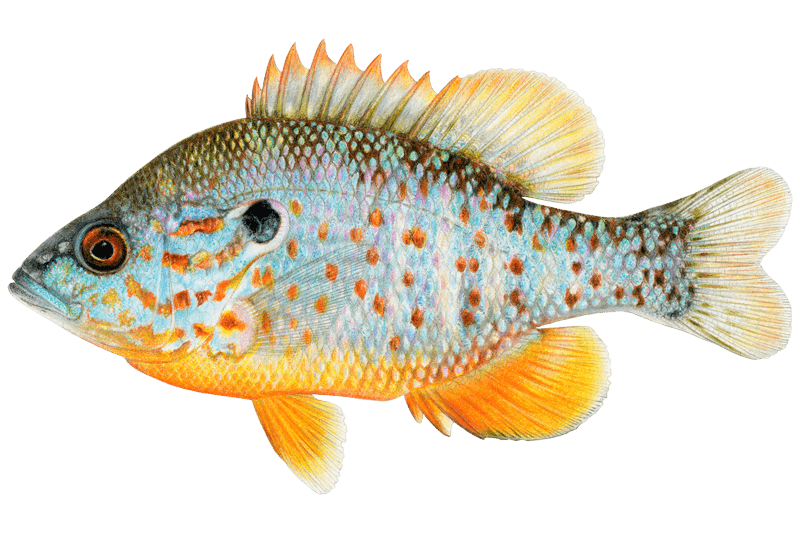
Orangespotted Sunfish
Lepomis humilis

Pumpkinseed
Lepomis gibbosus
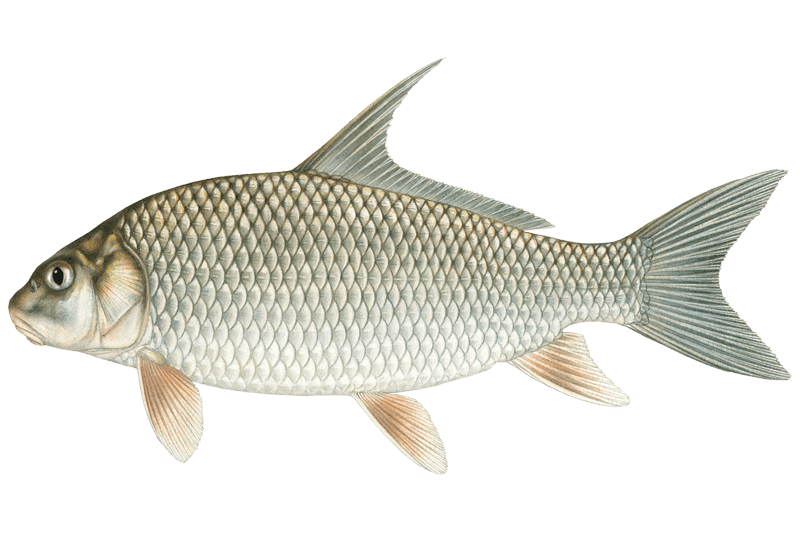
Quillback
Carpiodes cyprinus
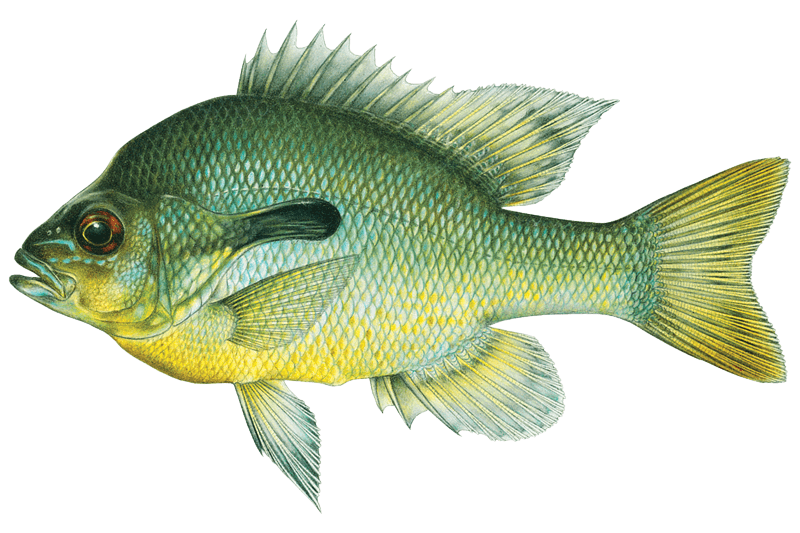
Redbreast Sunfish
Lepomis auritus
Louisiana licenses and regulations

Louisiana Boating Regulations
When using any type of watercraft to access a body of water, it is important to follow all federal, state, and local rules and regulations. These rules and regulations include boat permitting and licensing, invasive species inspections and stamps, life jacket and PFD rules, motor size and horsepower restrictions, noise limitations, restrictions on personal watercraft, and many more. Visit the web link below for the most current rules and regulations for this body of water.

Louisiana Fishing License
When using any type of watercraft to access a body of water, it is important to follow all federal, state, and local rules and regulations. These rules and regulations include boat permitting and licensing, invasive species inspections and stamps, life jacket and PFD rules, motor size and horsepower restrictions, noise limitations, restrictions on personal watercraft, and many more. Visit the web link below for the most current rules and regulations for this body of water.

Louisiana Fishing Regulations
This river has a variety of species and regulations, including potential floating and/or watercraft restrictions. Because this river is specially managed for species, seasons, angling methods, and watercraft, it is strongly encouraged you check all federal, state, and local regulations before fishing. Visit any of the links below, inquire locally, or contact a local fly shop to learn current regulations and restrictions.

Louisiana Stream Access Laws
The beds and bottoms of all navigable waters and the banks or shores of bays, arms of the sea, the Gulf of Mexico, and navigable lakes belong to the state of Louisiana, and the policy of this state is hereby declared to be that these lands and water bottoms, hereinafter referred to as ‘public lands’, shall be protected, administered, and conserved to best ensure full public navigation, fishery, recreation, and other interests
Explore nearby waters
Explore Louisiana waters
Top fishing waters
Popular Cities
Loading popular cities...
Smarter Fishing Starts in the App.
onWater Fish gives you everything you need to plan smarter, fish better, and own every trip from first cast to last.