Blue Crab

The Blue Crab (Callinectes sapidus), Louisiana's premier crustacean, ranges from northern Massachusetts to northern Argentina but finds its most productive home in Louisiana's coastal waters.
Louisiana leads the Gulf of Mexico in blue crab landings and supports the largest blue crab fishery in the United States, accounting for more than half of the total blue crab harvested in the Gulf.
The state boasts the world's first and only Marine Stewardship Council certified sustainable blue crab fishery.
Scientific Name: Callinectes sapidus
Blue crabs are fast-growing marine crustaceans with pincher-like claws for trapping prey and paddle-shaped rear legs that make them efficient swimmers. They can grow up to 11 inches in carapace width, with males growing larger than females.
Most Gulf of Mexico blue crabs live three years or less, reaching harvestable size (5 inches) in 7-8 months.
Fishing in Louisiana
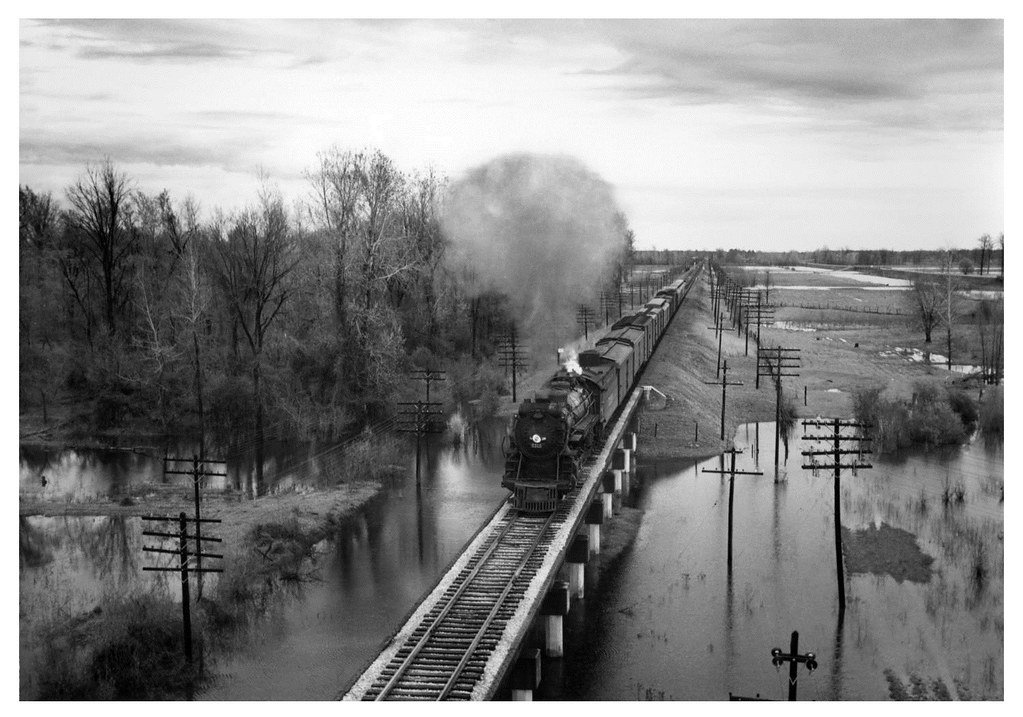
Red River
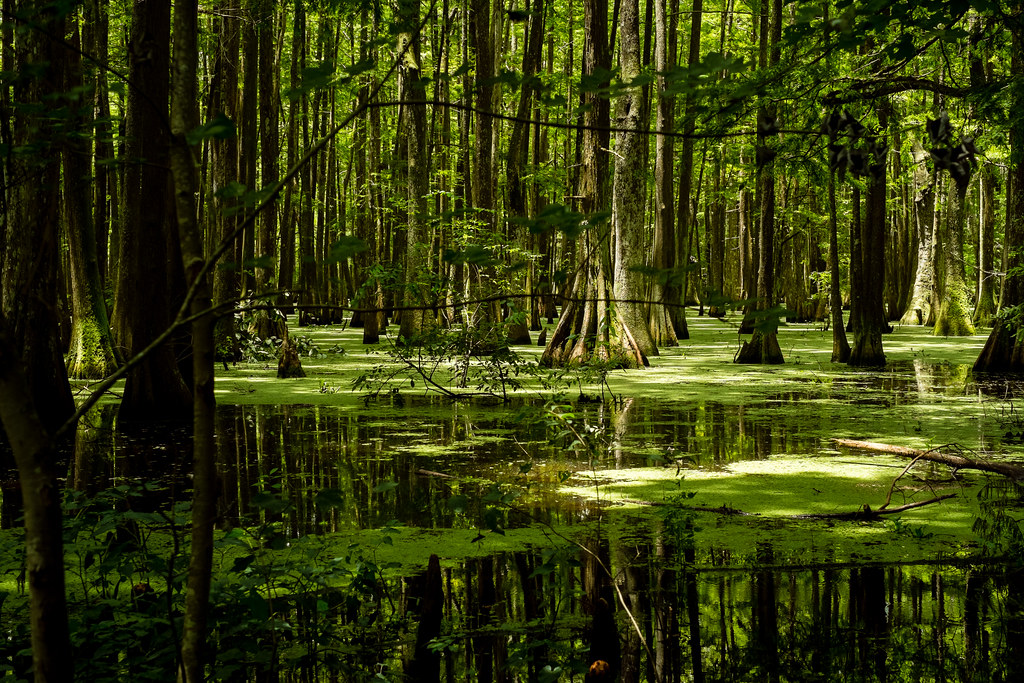
Lake Chicot
Mississippi River
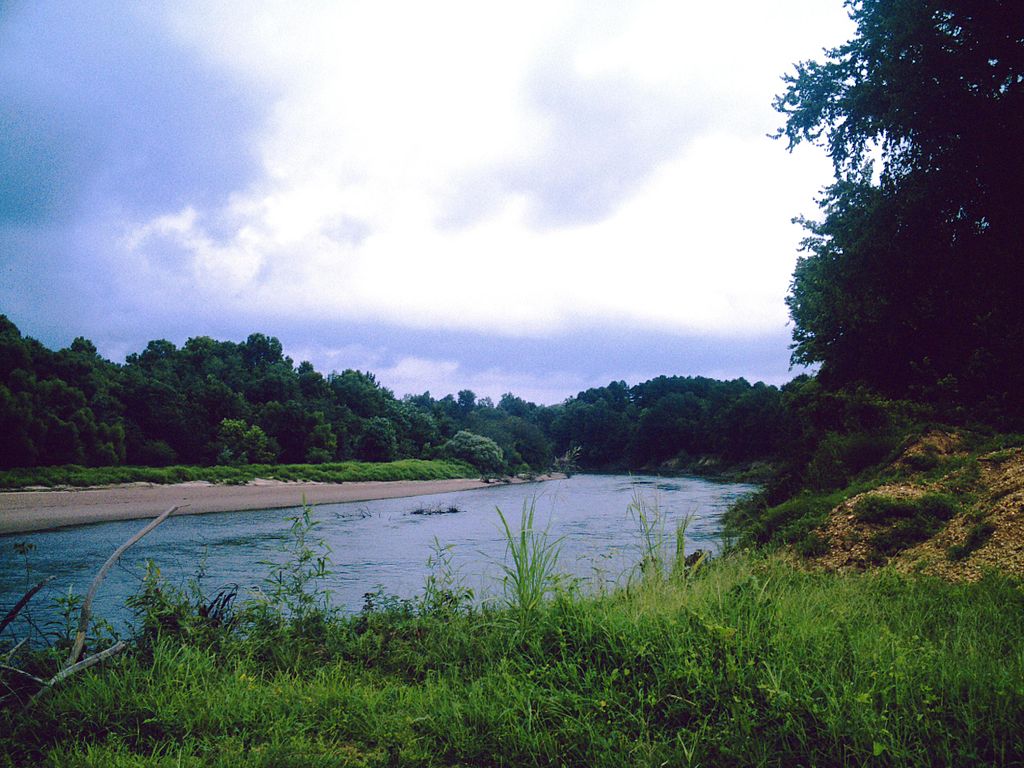
Ouachita River
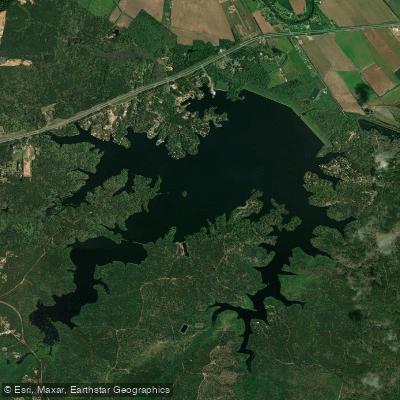
Kincaid Reservoir
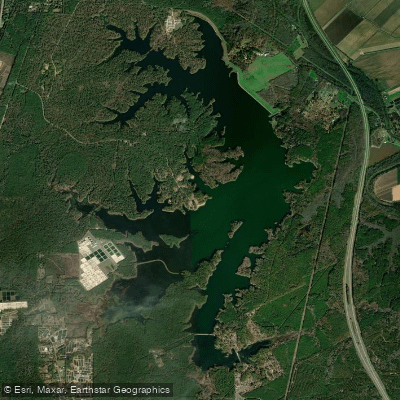
Indian Creek Reservoir
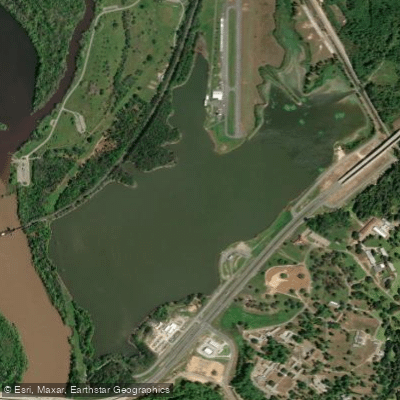
Lake Buhlow
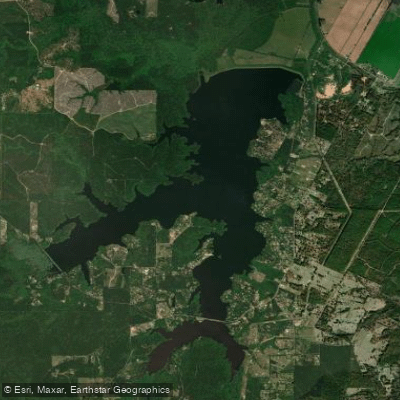
Cotile Lake
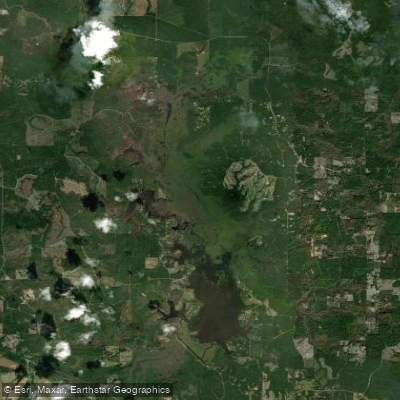
Lake Iatt
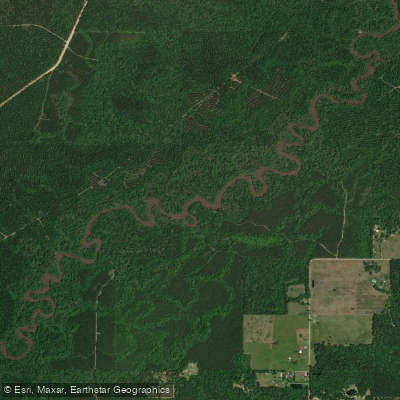
Calcasieu River
What to know
Habitat Distribution
Blue crabs inhabit estuarine and coastal waters throughout Louisiana, with juveniles found in upper estuaries with marsh, oyster reefs, and soft mud bottoms. Adults are widely distributed over various bottom types in fresh, estuarine, and shallow oceanic waters. Females typically inhabit higher salinity waters of coastal lakes and bays, while males tolerate extremely low salinities and can be found 190 miles upstream in the Atchafalaya River. More than half of Louisiana blue crabs are harvested from Lake Pontchartrain and the Terrebonne basin.Key Locations
Lake Pontchartrain (especially near Mandeville and Madisonville), the Terrebonne basin, Calcasieu Lake, Sabine National Wildlife Refuge areas (West Cove, Blue Crab Recreation Area, Hog Island Gully), Barataria Bay, Biloxi Marsh, and along the Creole Nature Trail. Access points include roadside bridges crossing canals, public fishing piers, and boat launches at West Cove, Declambre, and Serigne. In St. Tammany Parish, popular spots include Lake Road in Lacombe, Main Street in Madisonville, and various tributaries like Bayou Lacombe and Tchefuncte River.Specific Spots
Target areas with moving water, oyster reefs, marsh edges, and structures like bridges, docks, and weirs. For wade-fishing, target grass beds in 2-3 feet of water.Blue Crab FAQ
Answers from onWater's species guide.
When is the best time to fish for Blue Crab in Louisiana?
Louisiana blue crabs are harvested year-round, with peak catches typically occurring in June, July, and August when water temperatures are optimal. The best crabbing occurs when water temperatures reach at least 70°F, generally from April through November in Louisiana.
How do you catch Blue Crab in Louisiana?
Simple string line techniques work effectively: tie raw meat to 8-foot cotton string, lower to the bottom, and slowly pull up when feeling a tug, using a dip net to scoop crabs.
What do Blue Crab eat?
Blue crabs are opportunistic omnivores that use walking legs to dig in bottom sediments for aquatic plants, organic debris, snails, oysters, clams, shrimp, and fish. They're highly cannibalistic, with blue crabs comprising up to 13% of other blue crabs' diet.
Where do Blue Crab live in Louisiana?
Blue crabs inhabit estuarine and coastal waters throughout Louisiana, with juveniles found in upper estuaries with marsh, oyster reefs, and soft mud bottoms. Adults are widely distributed over various bottom types in fresh, estuarine, and shallow oceanic waters.
Fish smarter with real-time insights
Whether you're en route and conditions shift or you're looking for the best spot based on current flows, we enable you to make informed decisions on the fly.







See it in the app
Most maps show you water.
onWater shows you Blue Crab.



- 01 · Species map filter
Map every Blue Crab water
Pick Blue Crab and the map zeroes in on the waters they call home. No more guessing which lake holds them.
- 02 · Waterbody species
Tap any water. See what lives there.
Species, behavior and seasonal patterns for every lake, river and pond, before you leave the driveway.
- 03 · Angler Intelligence
Ask how to catch Blue Crab
Tactics, gear and timing from onWater's AI fishing guide, tuned to the species and the water you're on.
Stop guessing where Blue Crab are.
Open the map, filter by Blue Crab, and head to water that holds them. Download onWater and plan your next trip in minutes.
- Species map filter
- Angler Intelligence
- Fishing journal
Explore other species
Trout, bass, salmon, panfish and everything in between. Each guide unpacks the behavior, seasons, and tactics that put fish in the net.

Find which waters have the species you want to catch

Largemouth Bass
Micropterus salmoides

Rainbow Trout
Oncorhynchus mykiss

Walleye
Sander vitreus

Black Crappie
Pomoxis nigromaculatus
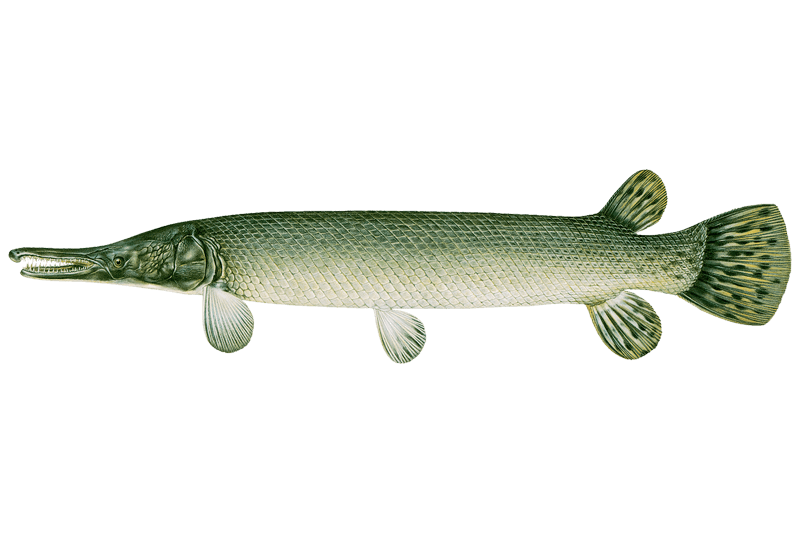
Alligator Gar
Atractosteus spatula

American Eel
Anguilla rostrata

Atlantic Croaker
Micropogonias undulatus

Atlantic Sturgeon
Acipenser oxyrinchus desotoi

Bighead Carp
Hypophthalmichthys nobilis

Bigmouth Buffalo
Ictiobus cyprinellus

Black Buffalo
Ictiobus niger

Black Bullhead
Ameiurus melas

Black Drum
Pogonias cromis

Blacktip Shark
Carcharhinus limbatus

Blue Catfish
Ictalurus furcatus
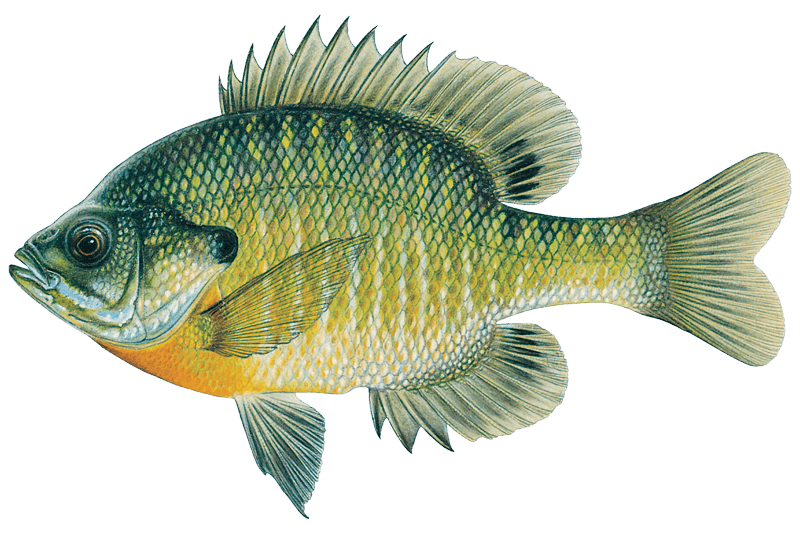
Bluegill Sunfish
Lepomis macrochirus

Blue Sucker
Cycleptus elongatus

Blue Tilapia
Oreochromis aureus

Bowfin
Amia calva

Brown Bullhead
Ameiurus nebulosus

Bull Shark
Carcharhinus leucas

Chain Pickerel
Esox niger

Channel Catfish
Ictalurus punctatus

Common Carp
Cyprinus carpio

Creek Chub
Semotilus atromaculatus

Flathead Catfish
Pylodictis olivaris

Flier
Centrarchus macropterus

Florida Pompano
Trachinotus carolinus

Freshwater Drum
Aplodinotus grunniens

Gafftopsail Catfish
Bagre marinus

Gizzard Shad
Dorosoma cepedianum

Grass Carp
Ctenopharyngodon idella

Green Sunfish
Lepomis cyanellus

Longear Sunfish
Lepomis megalotis

Longnose Gar
Lepisosteus osseus

Northern Hogsucker
Hypentelium nigricans
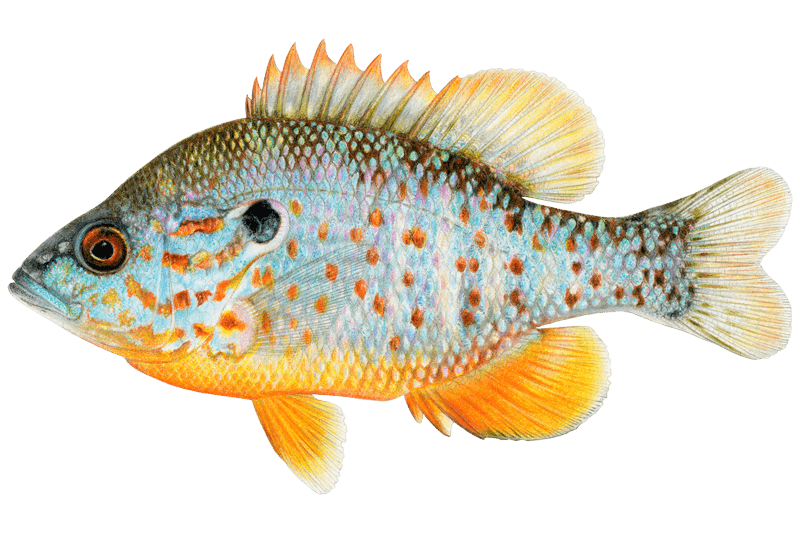
Orangespotted Sunfish
Lepomis humilis

Pumpkinseed
Lepomis gibbosus
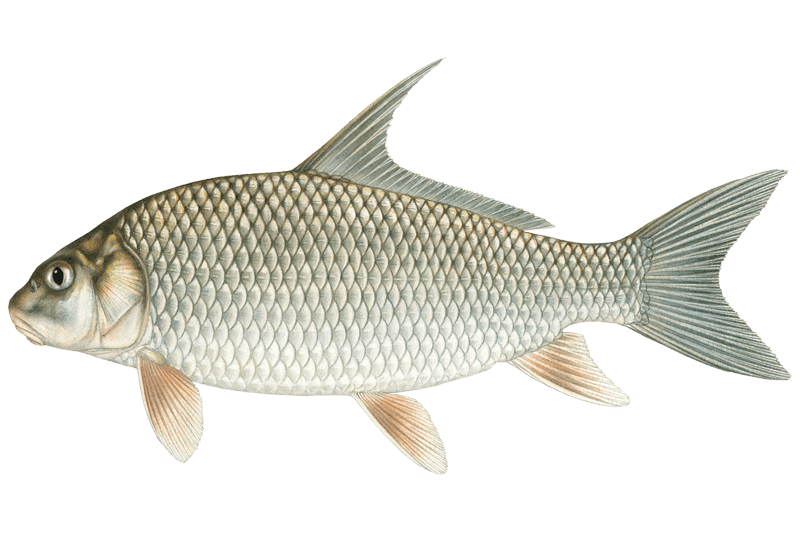
Quillback
Carpiodes cyprinus
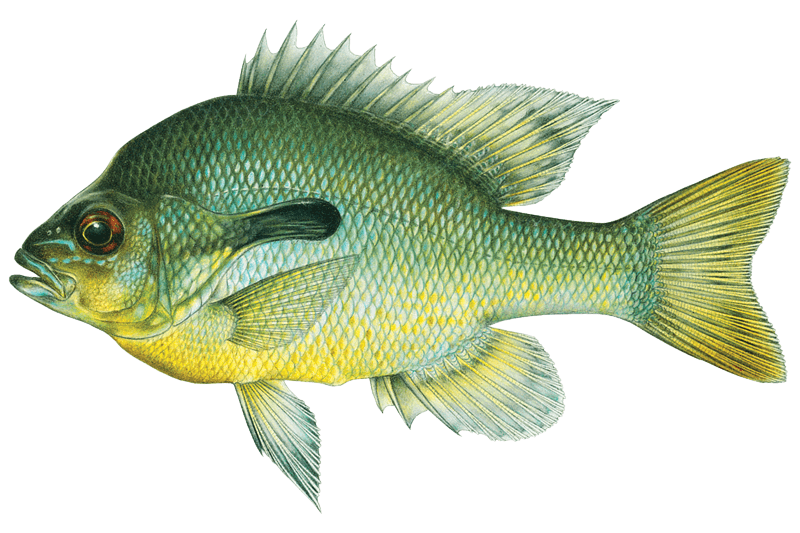
Redbreast Sunfish
Lepomis auritus
Louisiana licenses and regulations
Louisiana Boating Regulations
When using any type of watercraft to access a body of water, it is important to follow all federal, state, and local rules and regulations. These rules and regulations include boat permitting and licensing, invasive species inspections and stamps, life jacket and PFD rules, motor size and horsepower restrictions, noise limitations, restrictions on personal watercraft, and many more. Visit the web link below for the most current rules and regulations for this body of water.
Louisiana Fishing License
When using any type of watercraft to access a body of water, it is important to follow all federal, state, and local rules and regulations. These rules and regulations include boat permitting and licensing, invasive species inspections and stamps, life jacket and PFD rules, motor size and horsepower restrictions, noise limitations, restrictions on personal watercraft, and many more. Visit the web link below for the most current rules and regulations for this body of water.
Louisiana Fishing Regulations
This river has a variety of species and regulations, including potential floating and/or watercraft restrictions. Because this river is specially managed for species, seasons, angling methods, and watercraft, it is strongly encouraged you check all federal, state, and local regulations before fishing. Visit any of the links below, inquire locally, or contact a local fly shop to learn current regulations and restrictions.

Louisiana Stream Access Laws
The beds and bottoms of all navigable waters and the banks or shores of bays, arms of the sea, the Gulf of Mexico, and navigable lakes belong to the state of Louisiana, and the policy of this state is hereby declared to be that these lands and water bottoms, hereinafter referred to as ‘public lands’, shall be protected, administered, and conserved to best ensure full public navigation, fishery, recreation, and other interests
Explore nearby waters
Explore Louisiana waters
Top fishing waters
Popular Cities
Loading popular cities...
Smarter Fishing Starts in the App.
onWater Fish gives you everything you need to plan smarter, fish better, and own every trip from first cast to last.