Shovelnose Sturgeon

Shovelnose Sturgeon are Illinois' smallest native sturgeon species and the most abundant sturgeon in the Missouri and Mississippi River systems.
The species is classified as common and native in Illinois, though populations have declined significantly from historical levels due to habitat modification and commercial harvest pressure in some areas.
Scientific Name: Scaphirhynchus platorynchus
- Characterized by their distinctive shovel-shaped, flattened snout with four fringed barbels underneath, bony plates (scutes) covering their cartilaginous skeleton, and a long filament on the upper tail lobe that often breaks off in adults.
- In Illinois, they typically reach 20-33 inches and 1.5-5 pounds, though the Rock River has produced exceptional trophy specimens including multiple state records, with the current record weighing 12 pounds 15 ounces.
Fishing in Illinois
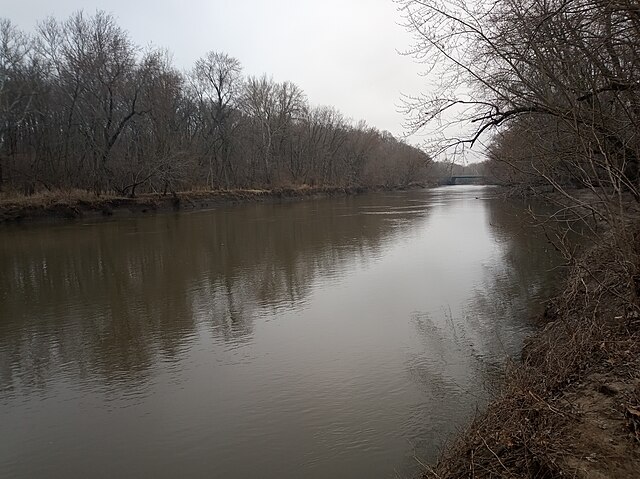
Sangamon River
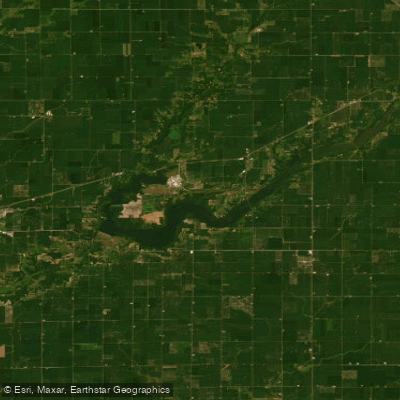
Lake Clinton
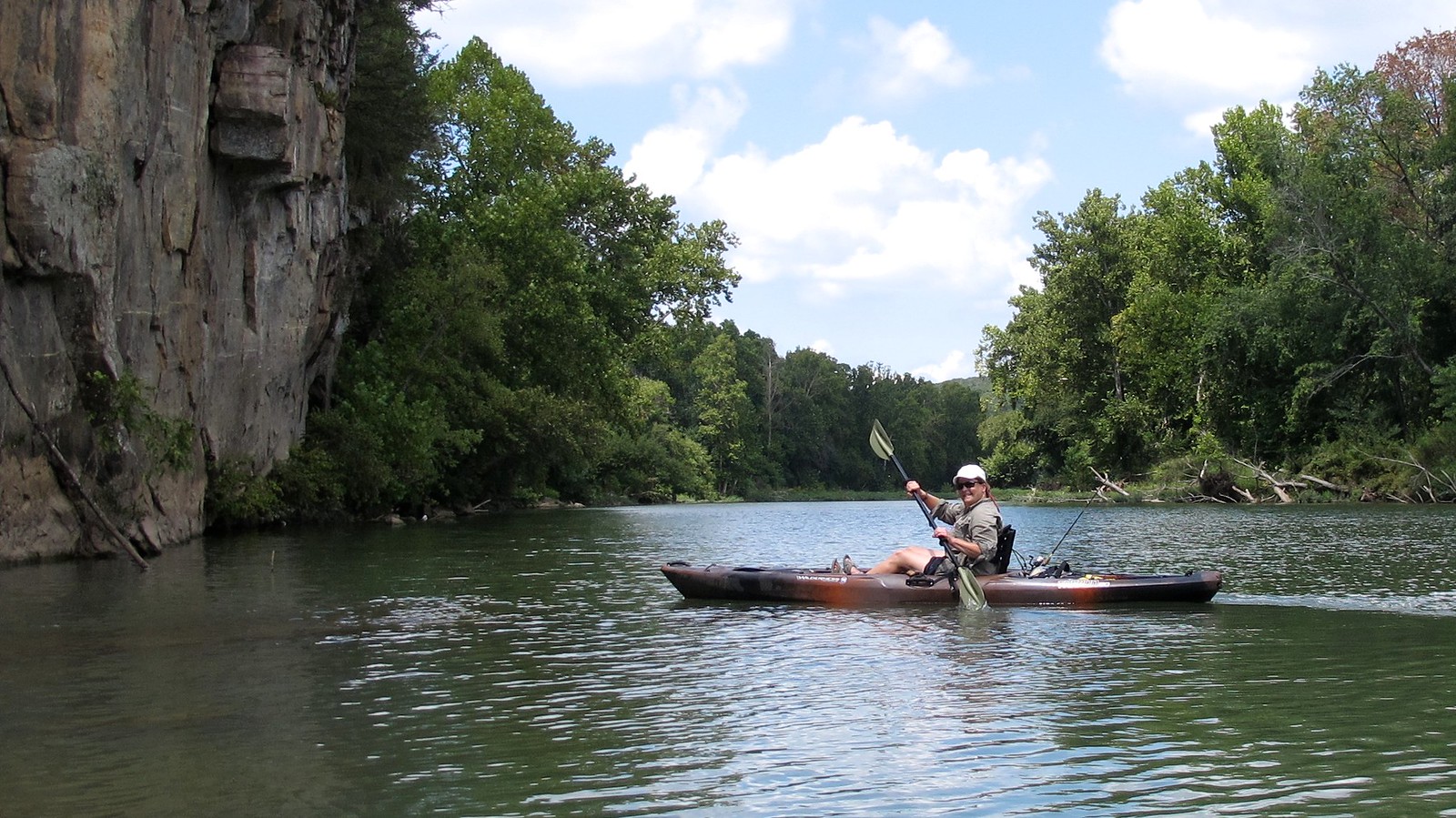
Illinois River
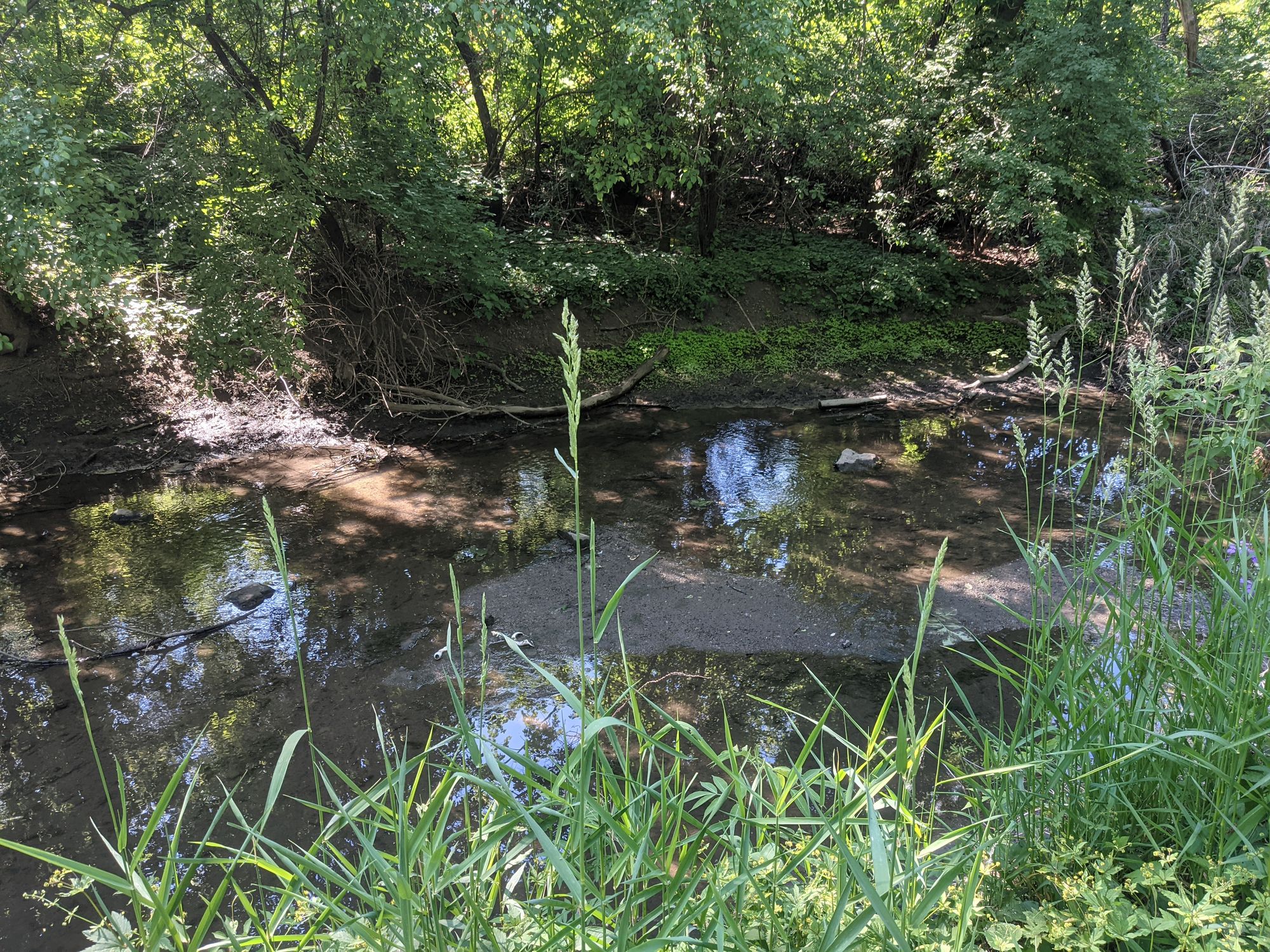
Salt Creek
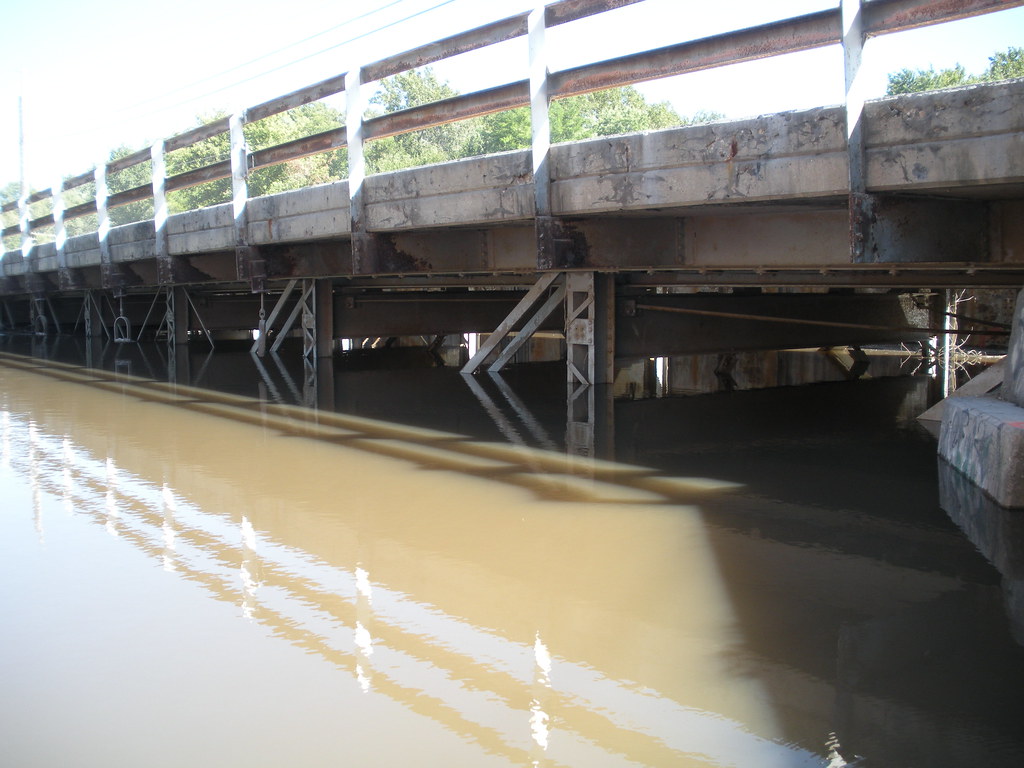
Vermilion River
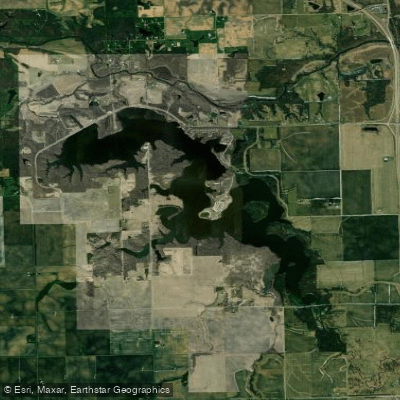
Evergreen Lake
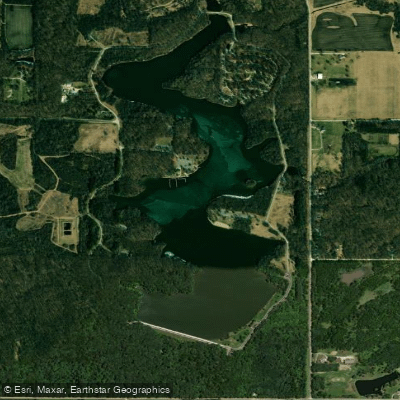
Dawson Lake
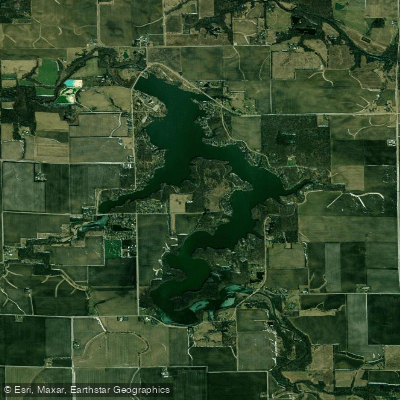
Lake Bloomington
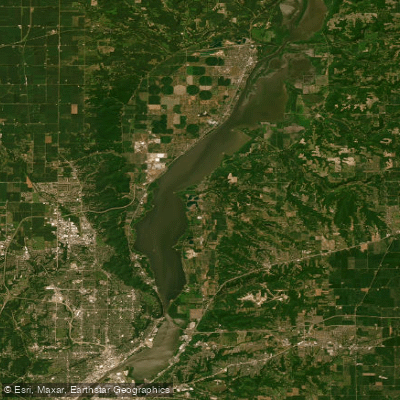
Upper Peoria Lake
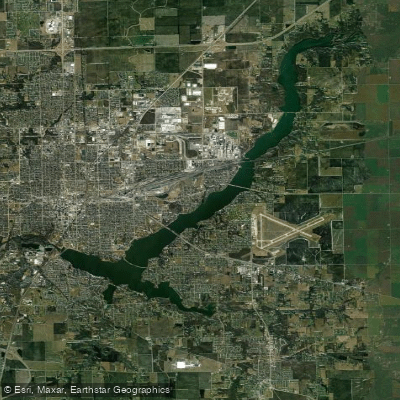
Lake Decatur
What to know
Habitat Distribution
- Inhabit major rivers throughout Illinois and their connected backwaters.
- These bottom-feeders prefer open channel areas with swift current over sand or gravel bottoms.
Key Locations
- Major rivers throughout Illinois including the Mississippi River, Illinois River (from Route 89 downstream), Rock River, Wabash River, and their connected backwaters.
- Productive waters include the Mississippi River upstream of the Mel Price Lock and Dam in Alton, the Ohio River, Wabash River, and Rock River.
Specific Spots
- Target areas with swift current over sand or gravel bottoms, especially tailwaters below dams, deep holes, depressions, wing dams, bridge pilings, and outside river bends.
Shovelnose Sturgeon FAQ
Answers from onWater's species guide.
What are the best lures and bait for Shovelnose Sturgeon in Illinois?
Fresh, smelly baits work best including cut shad, anchovies, nightcrawlers, chicken liver, and where legal, hatchery trout morts.
When is the best time to fish for Shovelnose Sturgeon in Illinois?
October through May being prime months when water temperatures are between 50-65°F.
How do you catch Shovelnose Sturgeon in Illinois?
Bottom fishing techniques with three-way swivel setup. Change bait frequently as fresh blood and slime are crucial for attracting these scent-oriented feeders.
What do Shovelnose Sturgeon eat?
Their diet consists primarily of aquatic insect larvae (especially mayflies, diptera, and caddisflies), crustaceans, worms, and small fish.
Where do Shovelnose Sturgeon live in Illinois?
Inhabit major rivers throughout Illinois and their connected backwaters. These bottom-feeders prefer open channel areas with swift current over sand or gravel bottoms.
Fish smarter with real-time insights
Whether you're en route and conditions shift or you're looking for the best spot based on current flows, we enable you to make informed decisions on the fly.







See it in the app
Most maps show you water.
onWater shows you Shovelnose Sturgeon.



- 01 · Species map filter
Map every Shovelnose Sturgeon water
Pick Shovelnose Sturgeon and the map zeroes in on the waters they call home. No more guessing which lake holds them.
- 02 · Waterbody species
Tap any water. See what lives there.
Species, behavior and seasonal patterns for every lake, river and pond, before you leave the driveway.
- 03 · Angler Intelligence
Ask how to catch Shovelnose Sturgeon
Tactics, gear and timing from onWater's AI fishing guide, tuned to the species and the water you're on.
Stop guessing where Shovelnose Sturgeon are.
Open the map, filter by Shovelnose Sturgeon, and head to water that holds them. Download onWater and plan your next trip in minutes.
- Species map filter
- Angler Intelligence
- Fishing journal
Explore other species
Trout, bass, salmon, panfish and everything in between. Each guide unpacks the behavior, seasons, and tactics that put fish in the net.

Find which waters have the species you want to catch

Smallmouth Bass
Micropterus dolomieu

Rainbow Trout

Brown Trout
Salmo trutta

Brook Trout
Salvelinus fontinalis

Northern Pike
Esox lucius

Muskellunge
Esox masquinongy

Walleye
Sander vitreus

Black Crappie
Pomoxis nigromaculatus

Alewife
Alosa pseudoharengus
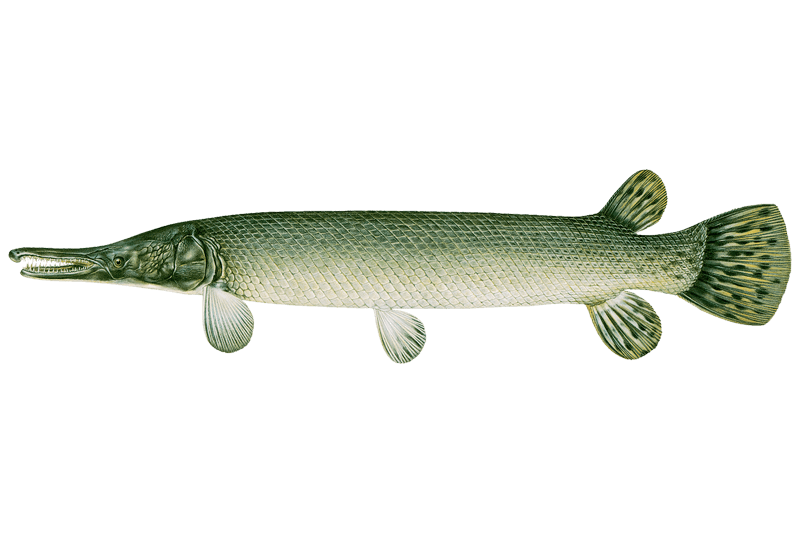
Alligator Gar

American Eel
Anguilla rostrata

Atlantic Salmon
Salmo salar

Bighead Carp
Hypophthalmichthys nobilis

Bigmouth Buffalo
Ictiobus cyprinellus

Black Buffalo
Ictiobus niger

Black Bullhead
Ameiurus melas

Blackchin Shiner
Notropis heterodon

Blue Catfish
Ictalurus furcatus

Blue Sucker
Cycleptus elongatus

Bowfin
Amia calva

Brown Bullhead
Ameiurus nebulosus

Chain Pickerel
Esox niger

Channel Catfish
Ictalurus punctatus

Coho Salmon
Oncorhynchus kisutch

Common Carp
Cyprinus carpio

Creek Chub
Semotilus atromaculatus

Flathead Catfish
Pylodictis olivaris

Freshwater Drum
Aplodinotus grunniens

Gizzard Shad
Dorosoma cepedianum

Golden Redhorse
Moxostoma erythrurum

Grass Carp
Ctenopharyngodon idella
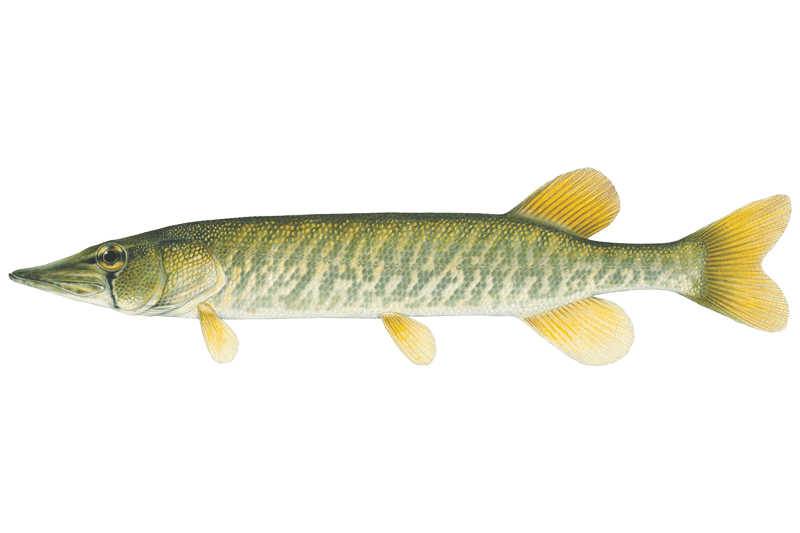
Grass Pickerel
Esox americanus vermiculatus

Green Sunfish
Lepomis cyanellus

Lake Sturgeon
Acipenser fulvescens

Lake Trout
Salvelinus namaycush
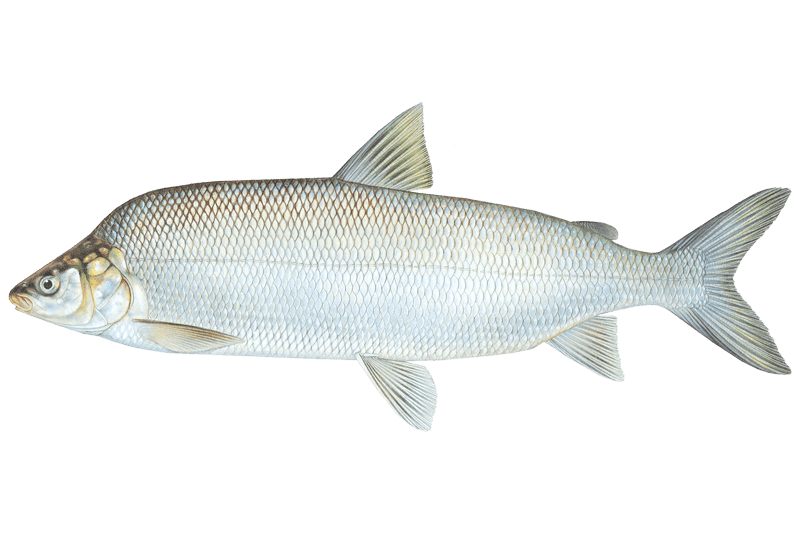
Lake Whitefish
Coregonus clupeaformis

Longear Sunfish
Lepomis megalotis

Longnose Gar
Lepisosteus osseus

Northern Hogsucker
Hypentelium nigricans
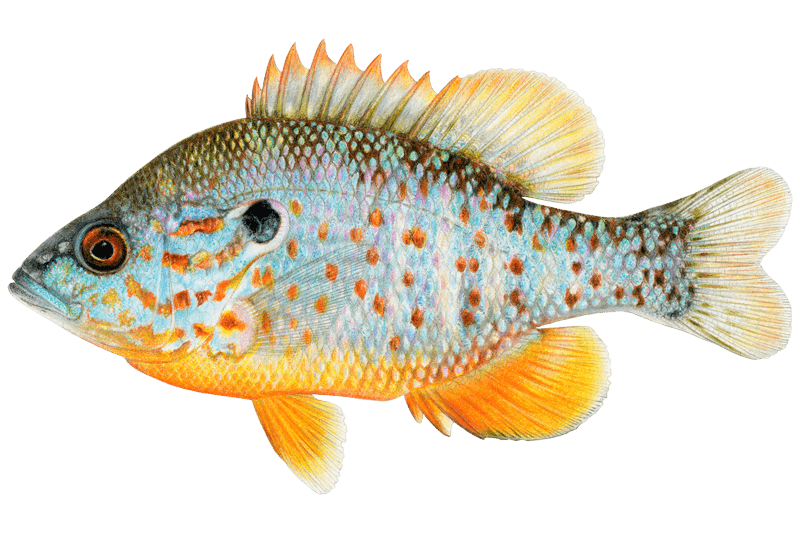
Orangespotted Sunfish
Lepomis humilis
Illinois licenses and regulations

Illinois Boating Regulations
When using any type of watercraft to access a body of water, it is important to follow all federal, state, and local rules and regulations. These rules and regulations include boat permitting and licensing, invasive species inspections and stamps, life jacket and PFD rules, motor size and horsepower restrictions, noise limitations, restrictions on personal watercraft, and many more. Visit the web link below for the most current rules and regulations for this body of water.

Illinois Fishing License
All individuals who are 16 and over are required to have a fishing license. All youth who are below 16 may fish without a license.

Illinois Fishing Regulations
This river has a variety of species and regulations, including potential floating and/or watercraft restrictions. Because this river is specially managed for species, seasons, angling methods, and watercraft, it is strongly encouraged you check all federal, state, and local regulations before fishing. Visit any of the links below, inquire locally, or contact a local fly shop to learn current regulations and restrictions.

Illinois Steam Access Laws
If the waterway is navigable in fact and the streambed is publicly owned, it is most likely fully accessible. If the streambed is privately owned, it is only accessible for navigation, not for hunting, fishing or portage.
Explore nearby waters
Explore Illinois waters
Top fishing waters
Popular Cities
Loading popular cities...
Smarter Fishing Starts in the App.
onWater Fish gives you everything you need to plan smarter, fish better, and own every trip from first cast to last.