Longnose Gar
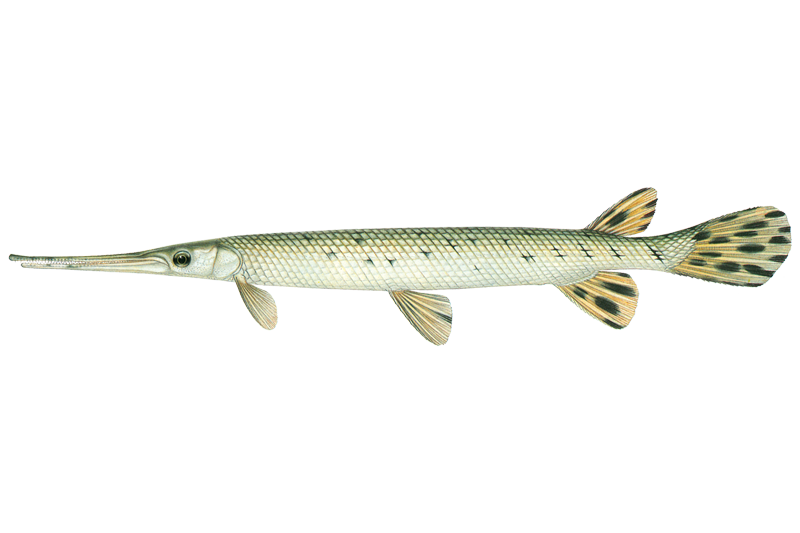
Longnose Gar are common, native fish found statewide throughout Illinois.
These prehistoric fish are opportunistic ambush predators that are most active during summer's hot days when other fish retreat to deeper waters, as they can breathe air through specialized swim bladders and tolerate low oxygen conditions.
Scientific Name: Lepisosteus osseus
- They typically grow 3-5 feet long with females being larger than males, featuring olive-brown backs that fade to white bellies with dark spots on back, anal and tail fins.
- These prehistoric fish have elongated snouts twice the length of their heads, filled with needle-like teeth, and are covered in diamond-shaped ganoid scales that form armor-like protection.
Fishing in Illinois
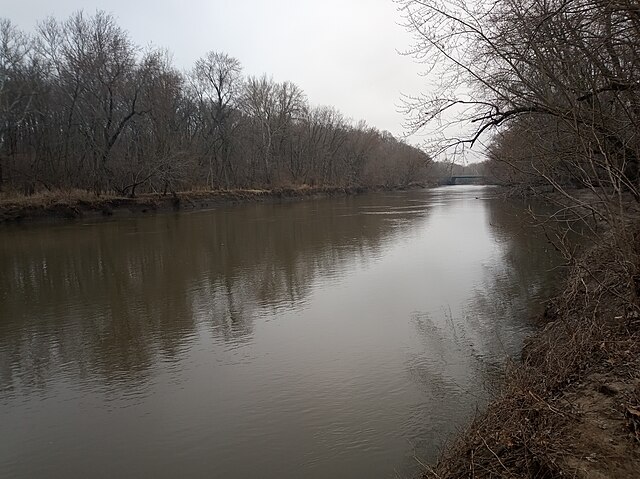
Sangamon River
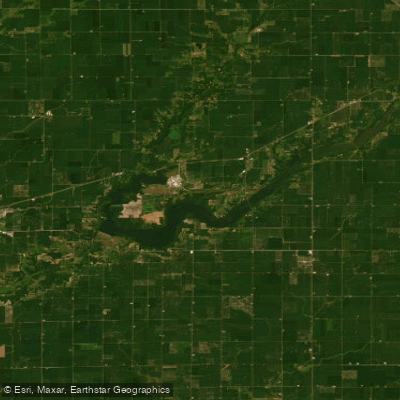
Lake Clinton
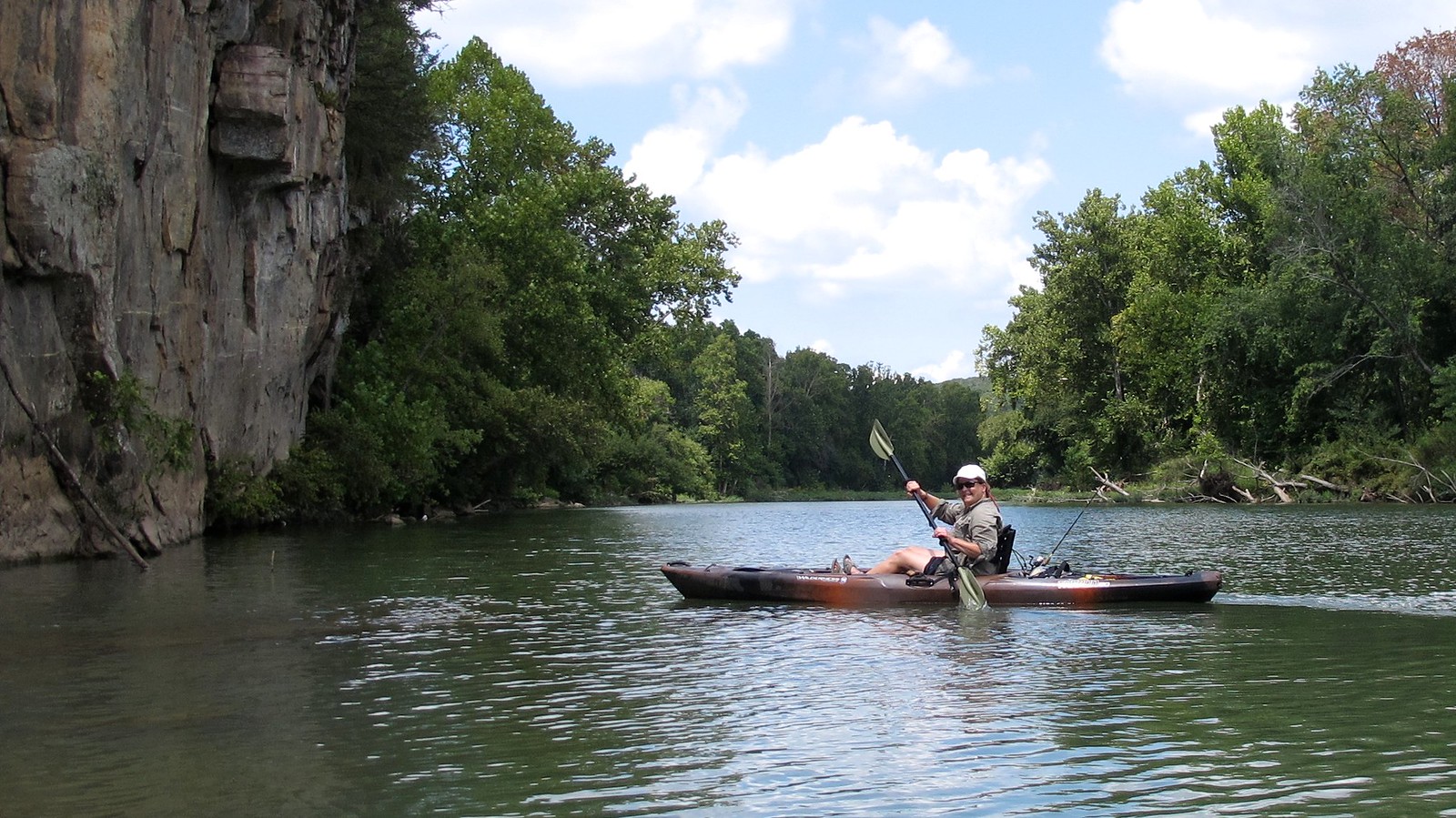
Illinois River
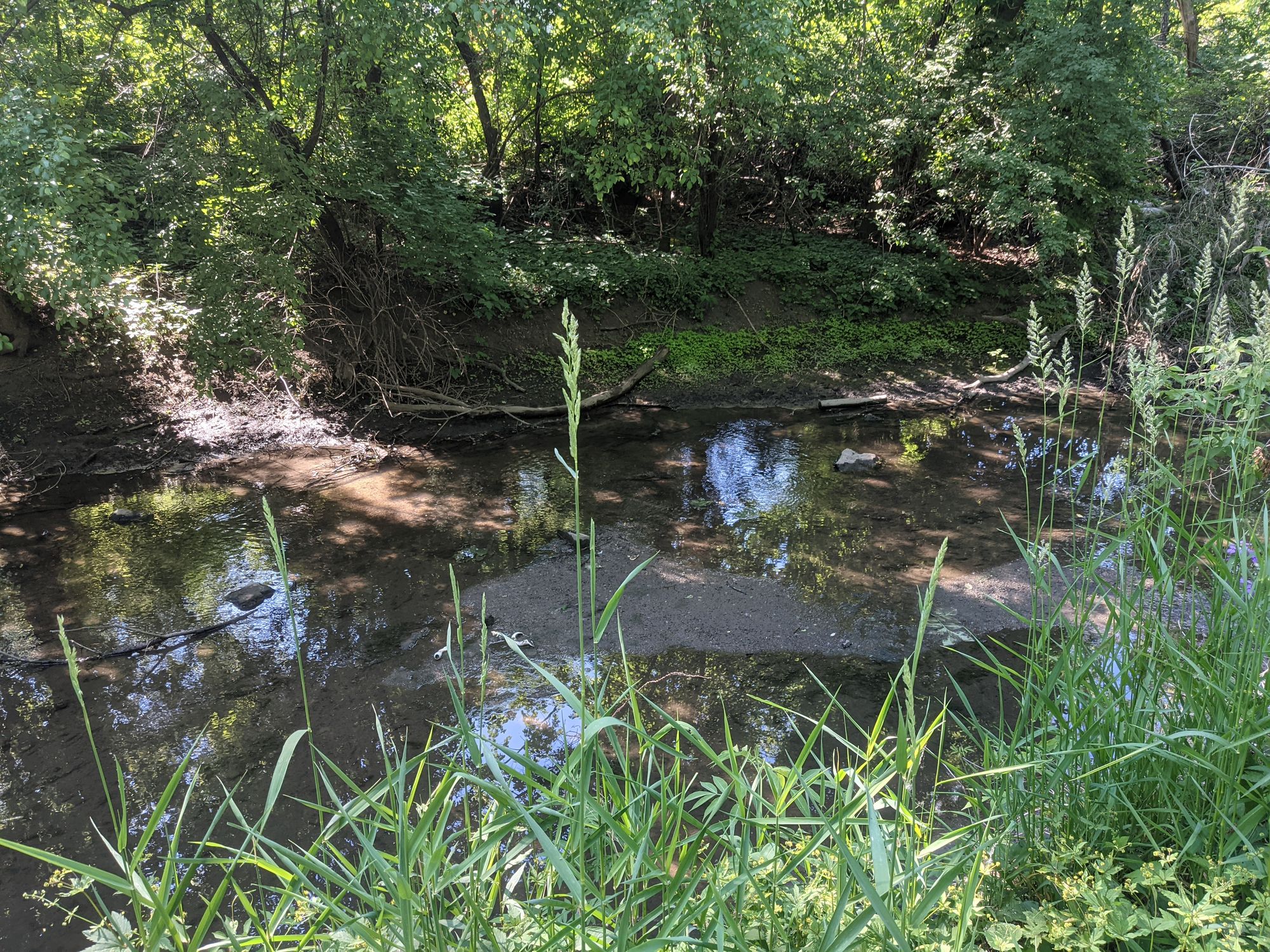
Salt Creek
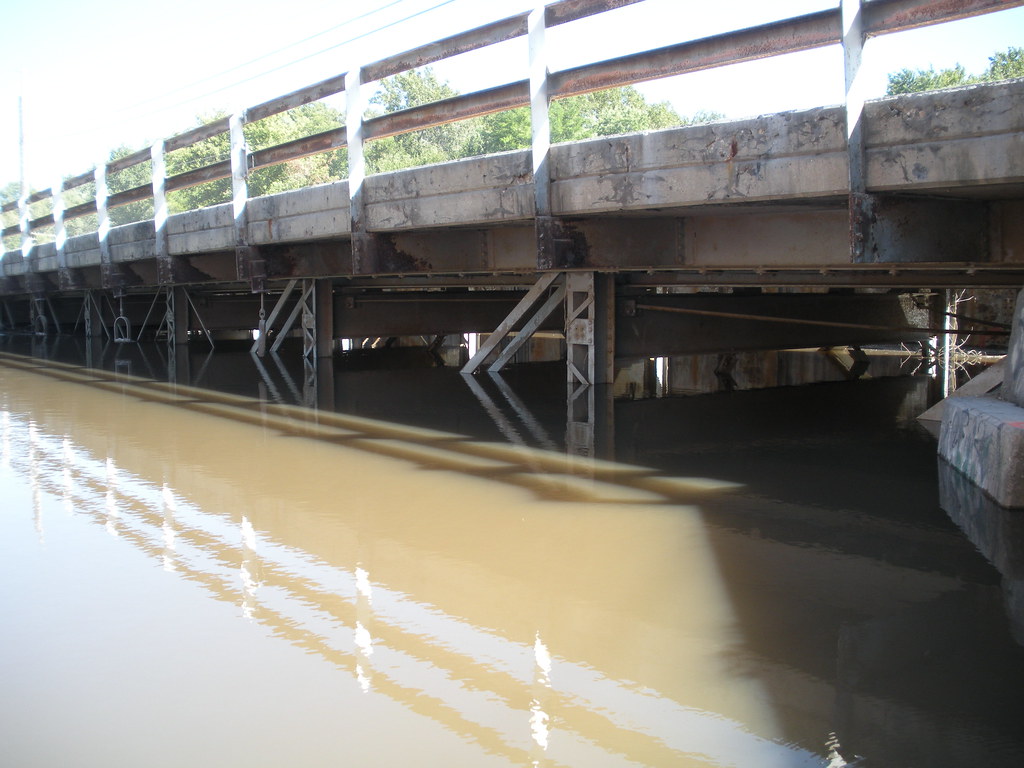
Vermilion River
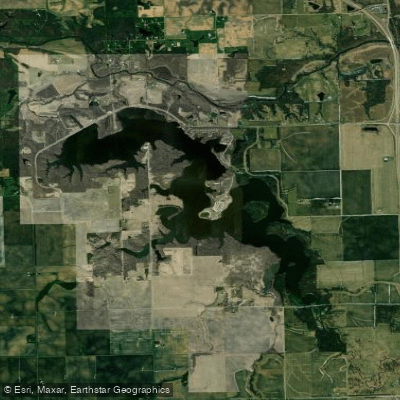
Evergreen Lake
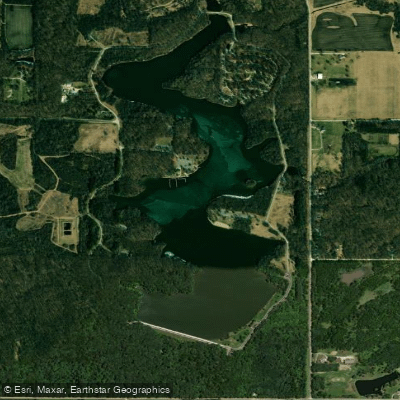
Dawson Lake
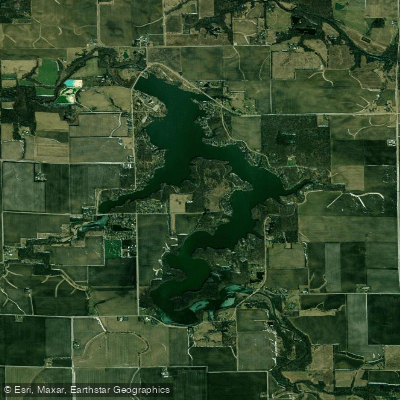
Lake Bloomington
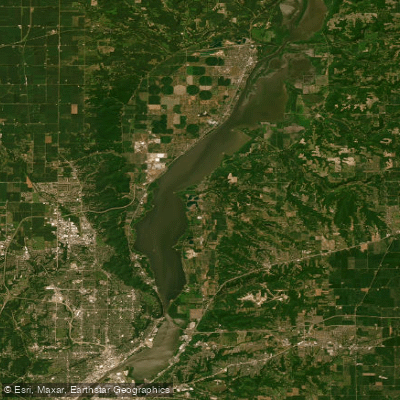
Upper Peoria Lake
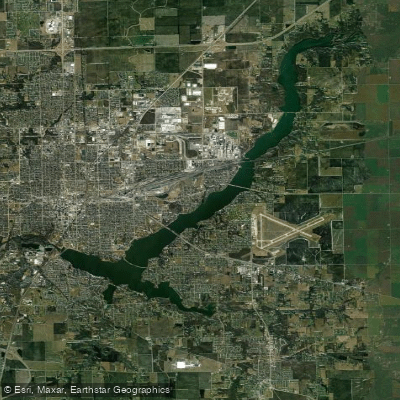
Lake Decatur
What to know
Habitat Distribution
- Found statewide throughout Illinois in large rivers and lakes, usually near aquatic plants.
Key Locations
- Major river systems including the Mississippi, Illinois, Ohio, Kaskaskia, and Fox Rivers, as well as lakes like Rend Lake, Clinton Lake, and various impoundments throughout the state.
- Mississippi below dams, Illinois River backwaters, Fox River in low-gradient segments above Algonquin Dam and deeper pools below Dayton Dam.
Specific Spots
- Prefer sluggish pools, backwaters and oxbows of rivers, streams, and lakes, often found near vegetation and submerged structures.
- Target backwaters and oxbows of major Illinois rivers and slack water areas near vegetation in lakes.
Longnose Gar FAQ
Answers from onWater's species guide.
What are the best lures and bait for Longnose Gar in Illinois?
Live or cut minnows, small fish, and cut bait fished under bobbers or on bottom rigs. Spinnerbaits, topwater lures fitted with frayed nylon rope or yarn work well as the strands tangle in their teeth.
What flies work for Longnose Gar in Illinois?
Rope flies (hookless flies made of unbraided nylon rope) are highly effective - 6-9 inch rope flies.
When is the best time to fish for Longnose Gar in Illinois?
Summer's hot days (July-August) when they're most active. Spawning occurs in spring from May through June when adults move from lakes and rivers into smaller streams - during this period they should be left undisturbed.
How do you catch Longnose Gar in Illinois?
Sight fishing is highly effective. A sideways hookset is more effective than an upward motion. For rope flies, cast 6-9 inch rope flies past their nose and let them chew before applying pressure, as their bony mouths make hook penetration difficult. Be patient as gar can be selective.
What do Longnose Gar eat?
Opportunistic ambush predators that primarily feed on a broad variety of fish including gizzard shad, shiners, bluegill, channel catfish, freshwater drum, and various minnows. They also consume large invertebrates when abundant, and young gar feed on insect larvae including mosquitoes early in life.
Fish smarter with real-time insights
Whether you're en route and conditions shift or you're looking for the best spot based on current flows, we enable you to make informed decisions on the fly.




See it in the app
Most maps show you water.
onWater shows you Longnose Gar.



- 01 · Species map filter
Map every Longnose Gar water
Pick Longnose Gar and the map zeroes in on the waters they call home. No more guessing which lake holds them.
- 02 · Waterbody species
Tap any water. See what lives there.
Species, behavior and seasonal patterns for every lake, river and pond, before you leave the driveway.
- 03 · Angler Intelligence
Ask how to catch Longnose Gar
Tactics, gear and timing from onWater's AI fishing guide, tuned to the species and the water you're on.
Stop guessing where Longnose Gar are.
Open the map, filter by Longnose Gar, and head to water that holds them. Download onWater and plan your next trip in minutes.
- Species map filter
- Angler Intelligence
- Fishing journal
Explore other species
Trout, bass, salmon, panfish and everything in between. Each guide unpacks the behavior, seasons, and tactics that put fish in the net.
No species information available.
Illinois licenses and regulations
Explore nearby waters
Explore Illinois waters
Top fishing waters
Popular Cities
Loading popular cities...

Smarter Fishing Starts in the App.
onWater Fish gives you everything you need to plan smarter, fish better, and own every trip from first cast to last.