Bigmouth Buffalo
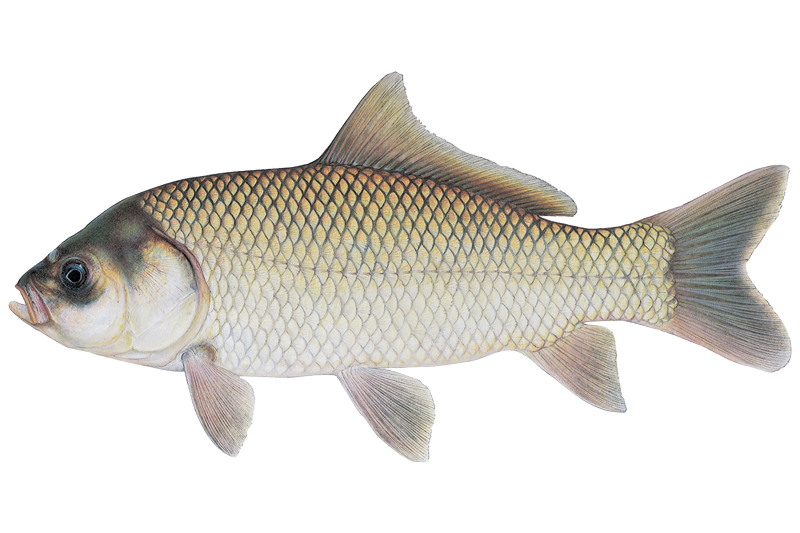
Bigmouth Buffalo are the largest members of the sucker family found statewide throughout Illinois waters.
These remarkable fish are actually one of North America's longest-lived freshwater species, capable of living over 100 years and reaching lengths exceeding 4 feet.
Unlike their smaller buffalo relatives, they are unique among suckers as filter-feeders that consume plankton in open water.
Scientific Name: Ictiobus cyprinellus
- They possess a large, terminal mouth positioned at eye level.
- They can reach lengths exceeding 4 feet.
Fishing in Illinois
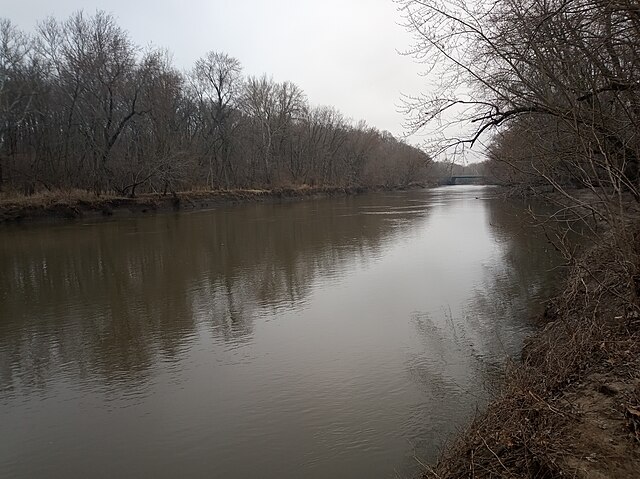
Sangamon River
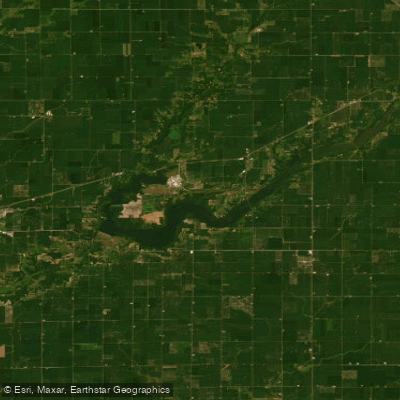
Lake Clinton
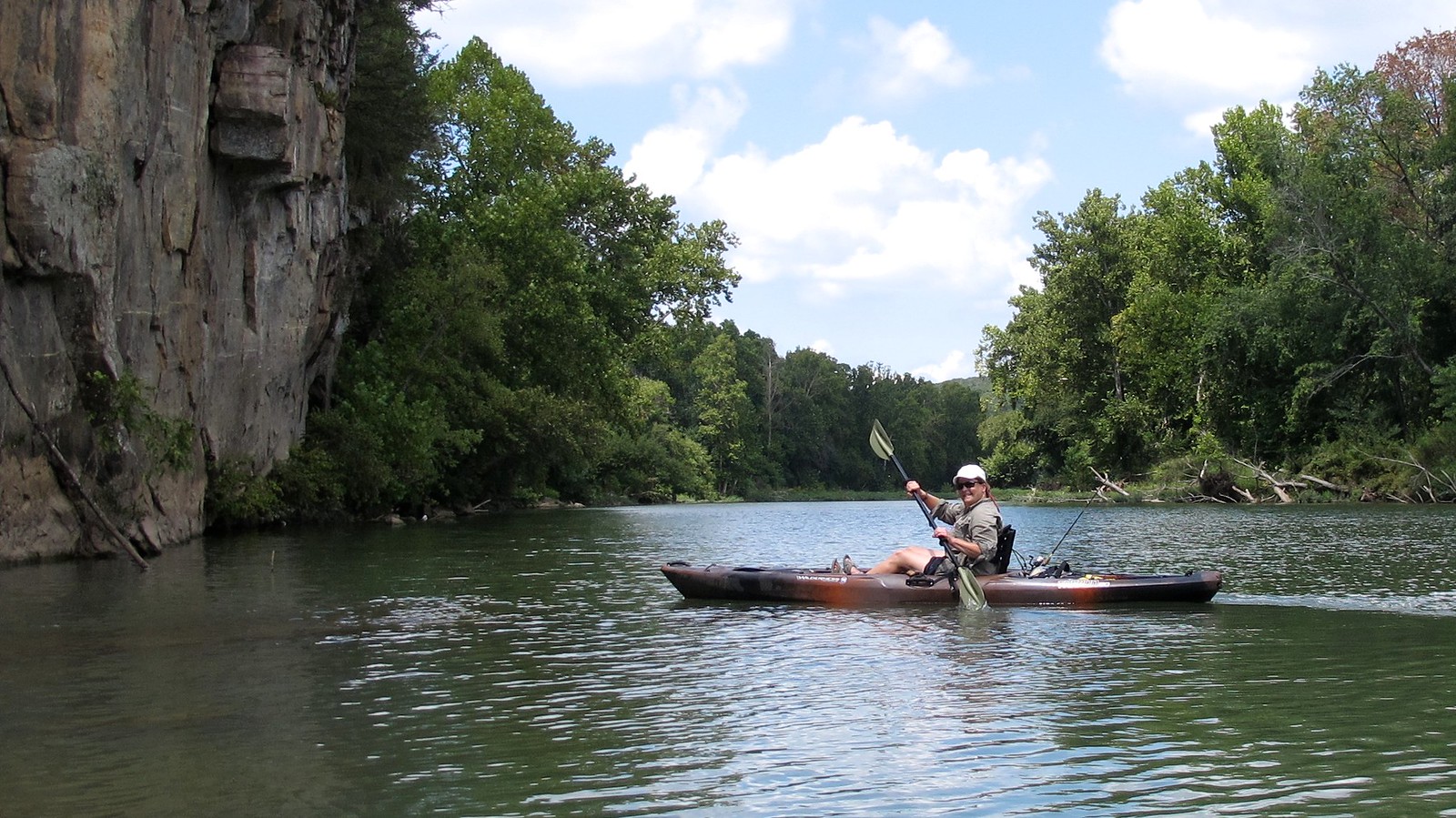
Illinois River
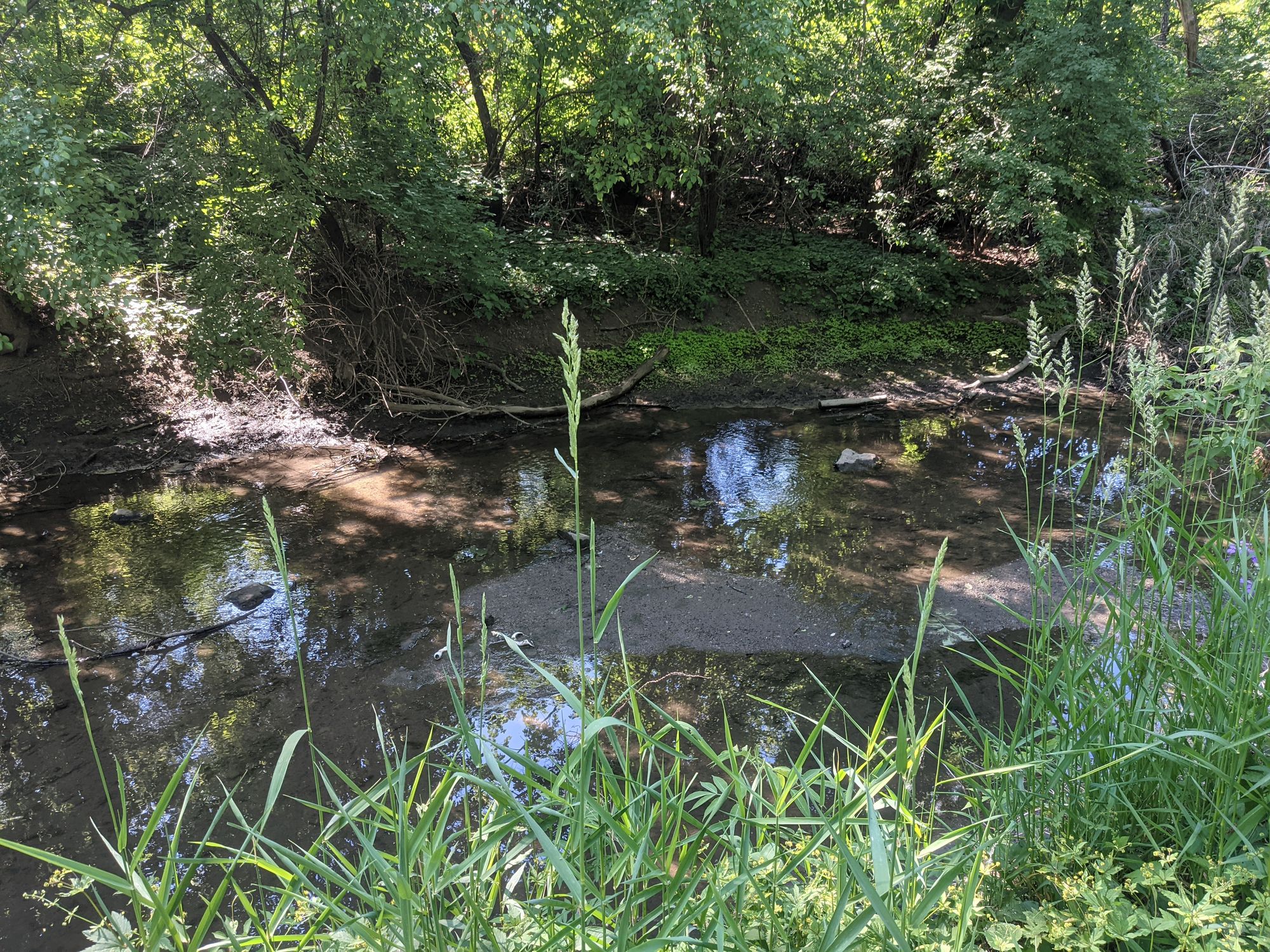
Salt Creek
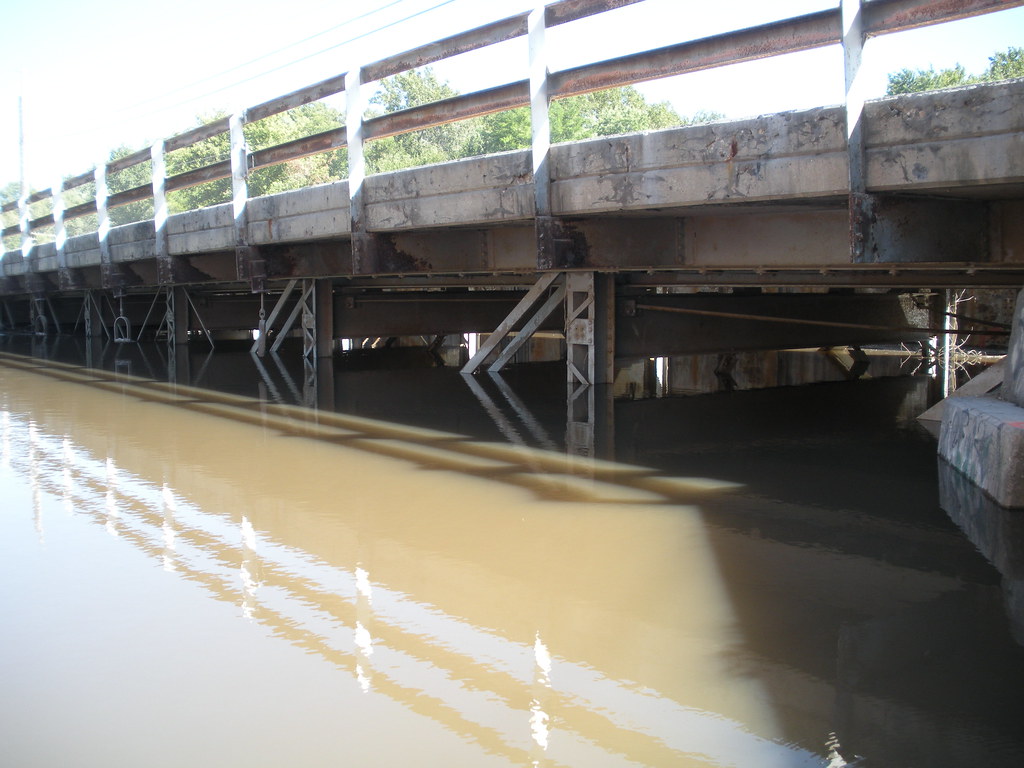
Vermilion River
Evergreen Lake
Dawson Lake
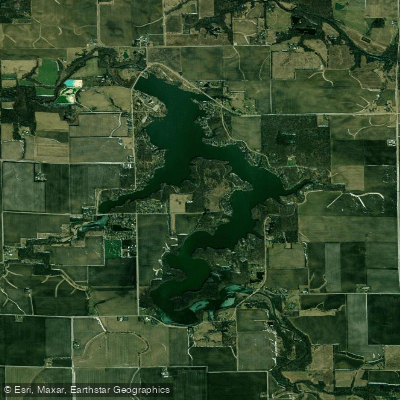
Lake Bloomington
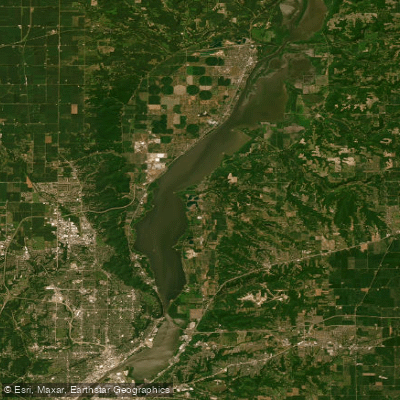
Upper Peoria Lake
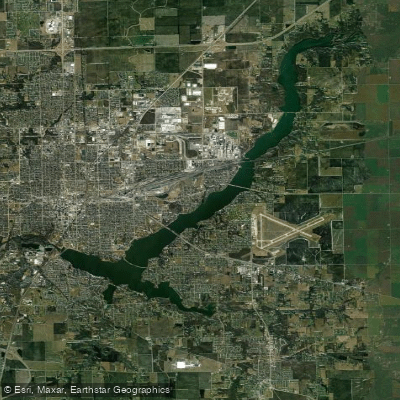
Lake Decatur
What to know
Habitat Distribution
- They inhabit slow-moving or stagnant waters with high turbidity, preferring areas with fine substrates and abundant vegetation including lakes, ponds, slow-moving warm-water rivers and creeks, plus eddies and oxbow lakes within river systems.
- Bigmouth Buffalo are well-adapted to reservoirs.
Specific Spots
- Target slow-moving water areas with velocities under 30 cm/s, focusing on deeper pools, backwaters, marsh areas, and areas with 25-75% littoral zones and protected embayments.
- They can be found in waters less than 16 feet deep.
Bigmouth Buffalo FAQ
Answers from onWater's species guide.
What are the best lures and bait for Bigmouth Buffalo in Illinois?
Ball of dough, gob of worms, commercial pelleted livestock feed, heavily scented dough baits, small worms, corn, small jigs. They respond well to scented baits but rarely take live bait.
What flies work for Bigmouth Buffalo in Illinois?
Small nymph patterns and midge imitations work best, along with attractor patterns like flashy marabou jigs. Other effective flies include small chironomid patterns since midge larvae comprise a significant portion of their diet.
When is the best time to fish for Bigmouth Buffalo in Illinois?
Best fishing occurs before and after the April-May spawning period when they're not in reproductive mode. The spawning period should be avoided by anglers.
How do you catch Bigmouth Buffalo in Illinois?
The most effective approach uses a simple hook baited with a ball of dough, gob of worms, or commercial pelleted livestock feed, positioned near bottom with split shots or sinkers. Bowfishing is also popular as they often swim near the surface.
What do Bigmouth Buffalo eat?
Adults primarily feed on zooplankton including cladocerans and copepods (about 75% of diet), supplemented by chironomid larvae (15%), aquatic plants, small mollusks, and aquatic invertebrate larvae. Since these fish feed on tiny crustaceans.
Fish smarter with real-time insights
Whether you're en route and conditions shift or you're looking for the best spot based on current flows, we enable you to make informed decisions on the fly.




See it in the app
Most maps show you water.
onWater shows you Bigmouth Buffalo.



- 01 · Species map filter
Map every Bigmouth Buffalo water
Pick Bigmouth Buffalo and the map zeroes in on the waters they call home. No more guessing which lake holds them.
- 02 · Waterbody species
Tap any water. See what lives there.
Species, behavior and seasonal patterns for every lake, river and pond, before you leave the driveway.
- 03 · Angler Intelligence
Ask how to catch Bigmouth Buffalo
Tactics, gear and timing from onWater's AI fishing guide, tuned to the species and the water you're on.
Stop guessing where Bigmouth Buffalo are.
Open the map, filter by Bigmouth Buffalo, and head to water that holds them. Download onWater and plan your next trip in minutes.
- Species map filter
- Angler Intelligence
- Fishing journal
Explore other species
Trout, bass, salmon, panfish and everything in between. Each guide unpacks the behavior, seasons, and tactics that put fish in the net.
No species information available.
Illinois licenses and regulations
Explore nearby waters
Explore Illinois waters
Top fishing waters
Popular Cities
Loading popular cities...

Smarter Fishing Starts in the App.
onWater Fish gives you everything you need to plan smarter, fish better, and own every trip from first cast to last.