Mountain Sucker

Mountain Sucker are native fish found in the upper Colorado River basin, including the Colorado, Missouri, Columbia, Sacramento, and Green river systems.
They're found at elevations up to 2,800 meters (9,200 feet) throughout western Colorado's high and mid-elevation streams.
Scientific Name: Pantosteus platyrhynchus
- These slender, streamlined fish typically measure under 20 cm (8 inches) in length and are generally olive green or brown above with pale underparts.
- During breeding season, males develop a distinctive lateral red-orange band and red-orange colored fins.
- They have large, protrusible lips covered with papillae and a cartilaginous scraping plate.
Fishing in Colorado
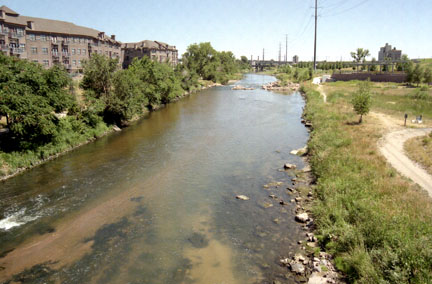
South Platte River
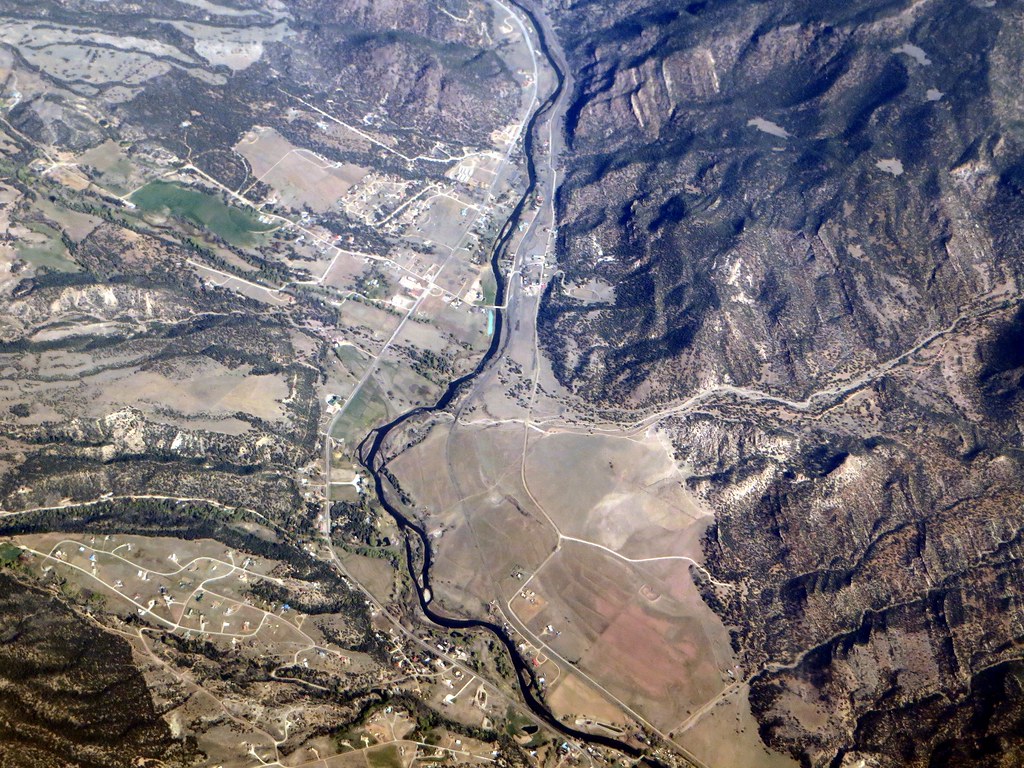
Arkansas River
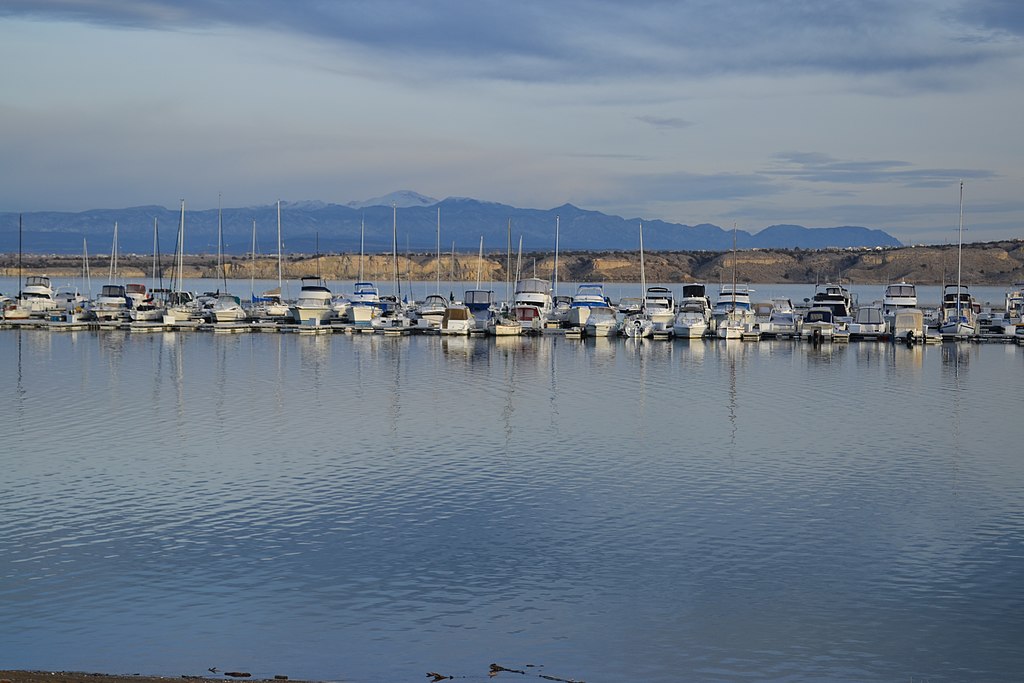
Pueblo Reservoir
Tarryall Creek
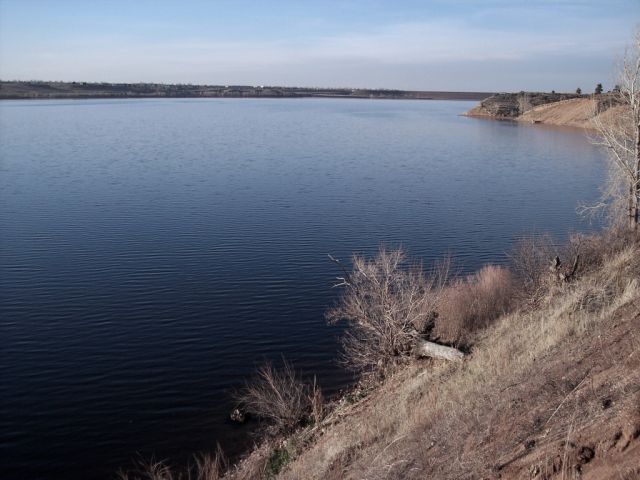
Chatfield Lake
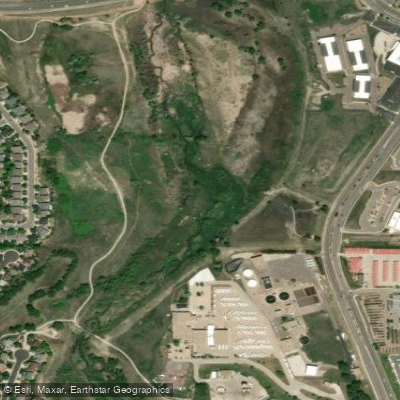
Cherry Creek
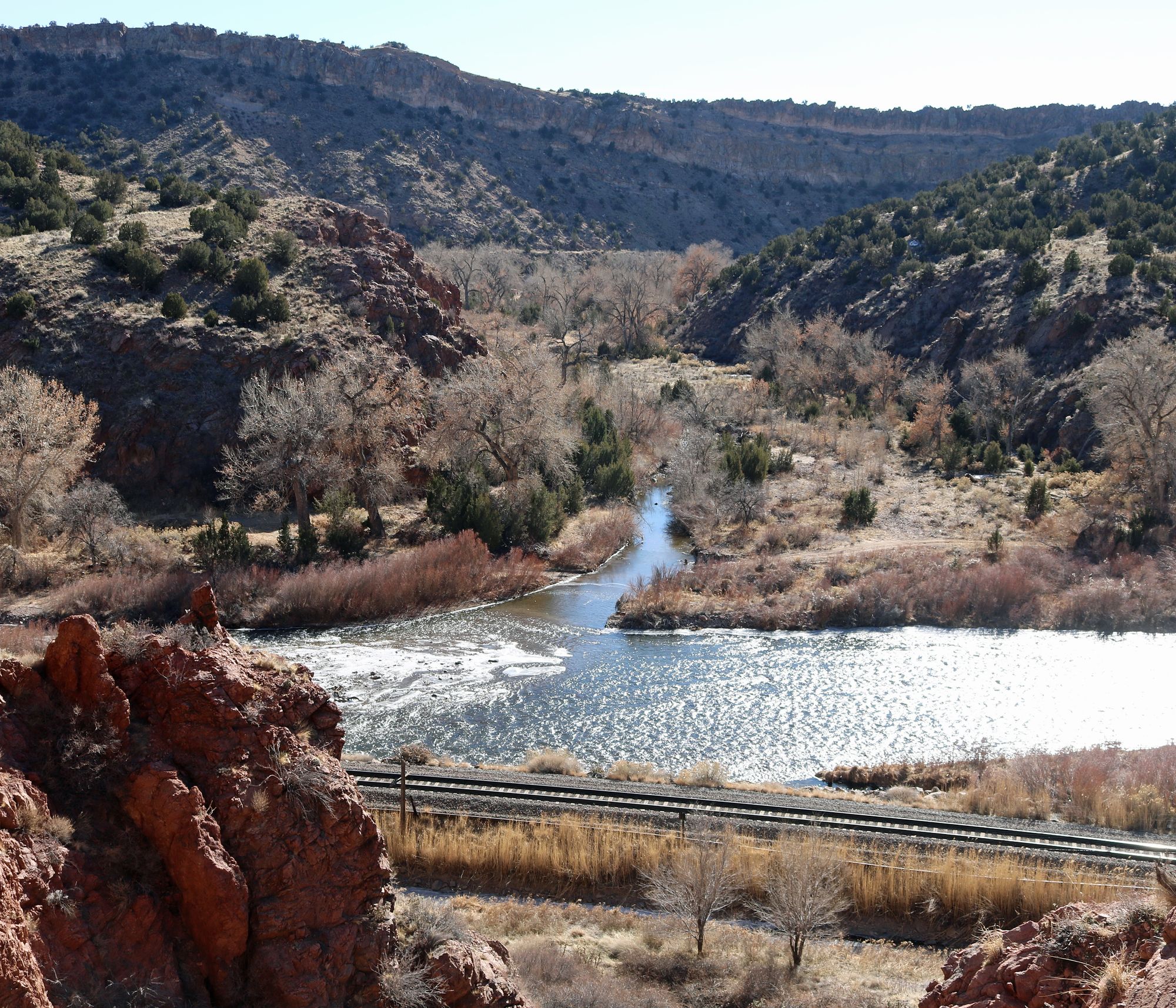
Grape Creek
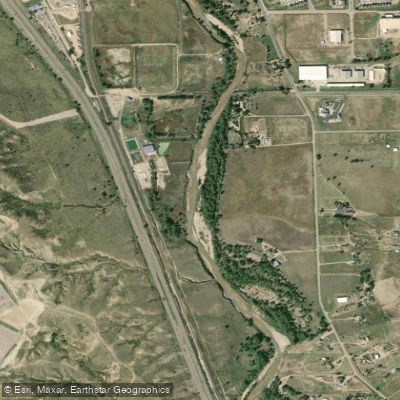
Fountain Creek
Rampart Reservoir
Monument Creek
What to know
Habitat Distribution
- Found at elevations up to 2,800 meters (9,200 feet) throughout western Colorado's high and mid-elevation streams.
- Inhabit clear water streams with moderate gradients, rocky or gravelly bottoms, and depths less than 2 meters.
Key Locations
- Upper Colorado River basin, including the Colorado, Missouri, Columbia, Sacramento, and Green river systems.
- Western Colorado's high and mid-elevation streams.
Specific Spots
- Target them in current breaks such as deep pools, eddies behind rocks and logs, and areas near dams where they congregate.
- Prefer pools or eddies behind rocks and logs in stream widths of 3-15 meters.
- Focus on areas with gravel, sand, and mud bottoms in smaller rivers and streams.
Mountain Sucker FAQ
Answers from onWater's species guide.
What are the best lures and bait for Mountain Sucker in Colorado?
Small pieces of garden worms, nightcrawlers, and bread used as pack bait around the sinker to create a feeding zone.
What flies work for Mountain Sucker in Colorado?
Quick-sinking flies patterned after nymphs and worms on small hooks that can easily fit in their mouths.
When is the best time to fish for Mountain Sucker in Colorado?
Best targeted during non-spawning periods, particularly early spring (March-April) and fall (September-November). Fish during the warmest parts of the day in late fall and winter.
How do you catch Mountain Sucker in Colorado?
Since they're bottom feeders, use pack bait around the sinker to create a feeding zone. Use polarized glasses to spot schools resting in river feeders and inlets.
What do Mountain Sucker eat?
As primarily herbivorous fish, they feed by scraping algae, diatoms, and aquatic invertebrates from substrate using their large, protrusible lips covered with papillae and a cartilaginous scraping plate.
Fish smarter with real-time insights
Whether you're en route and conditions shift or you're looking for the best spot based on current flows, we enable you to make informed decisions on the fly.







See it in the app
Most maps show you water.
onWater shows you Mountain Sucker.



- 01 · Species map filter
Map every Mountain Sucker water
Pick Mountain Sucker and the map zeroes in on the waters they call home. No more guessing which lake holds them.
- 02 · Waterbody species
Tap any water. See what lives there.
Species, behavior and seasonal patterns for every lake, river and pond, before you leave the driveway.
- 03 · Angler Intelligence
Ask how to catch Mountain Sucker
Tactics, gear and timing from onWater's AI fishing guide, tuned to the species and the water you're on.
Stop guessing where Mountain Sucker are.
Open the map, filter by Mountain Sucker, and head to water that holds them. Download onWater and plan your next trip in minutes.
- Species map filter
- Angler Intelligence
- Fishing journal
Explore other species
Trout, bass, salmon, panfish and everything in between. Each guide unpacks the behavior, seasons, and tactics that put fish in the net.

Find which waters have the species you want to catch

Largemouth Bass
Micropterus salmoides

Smallmouth Bass

Rainbow Trout
Oncorhynchus mykiss

Brown Trout
Salmo trutta

Brook Trout
Salvelinus fontinalis

Cutthroat Trout
Oncorhynchus clarkii pleuriticus (Colorado River cutthroat trout), Oncorhynchus clarkii virginalis (Rio Grande cutthroat trout)

Northern Pike
Esox lucius

Muskellunge
Esox masquinongy

Walleye
Sander vitreus

Black Crappie
Pomoxis nigromaculatus
Arctic Grayling
Thymallus arcticus

Black Bullhead
Ameiurus melas

Blue Catfish
Ictalurus furcatus

Blue Tilapia
Oreochromis aureus

Brown Bullhead
Ameiurus nebulosus

Burbot
Lota lota

Chain Pickerel
Esox niger

Channel Catfish

Colorado River Cutthroat Trout
Oncorhynchus clarkii pleuriticus

Common Carp
Cyprinus carpio

Creek Chub
Semotilus atromaculatus

Flathead Catfish
Pylodictis olivaris

Flathead Chub
Platygobio gracilis

Freshwater Drum
Aplodinotus grunniens

Gizzard Shad
Dorosoma cepedianum

Golden Trout
Oncorhynchus aguabonita

Grass Carp
Ctenopharyngodon idella

Green Sunfish
Lepomis cyanellus
Kokanee Salmon
Oncorhynchus nerka

Lake Trout
Salvelinus namaycush
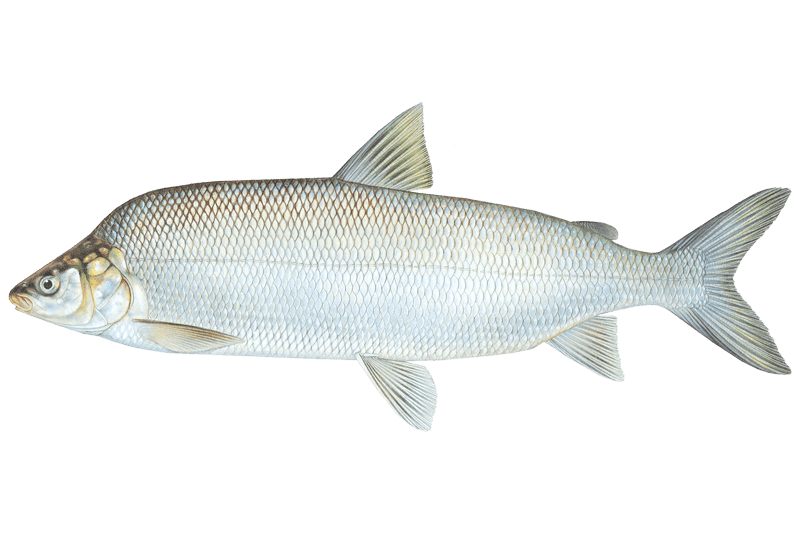
Lake Whitefish
Coregonus clupeaformis

Longnose Sucker
Catostomus catostomus
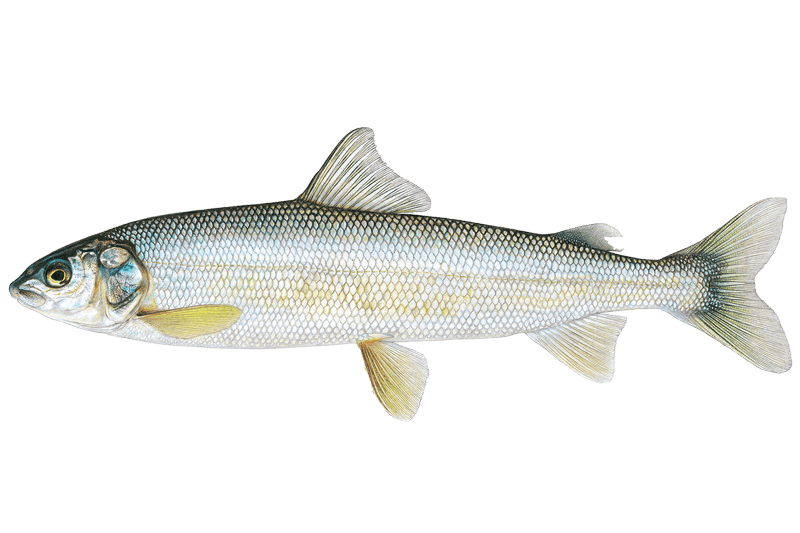
Mountain Whitefish
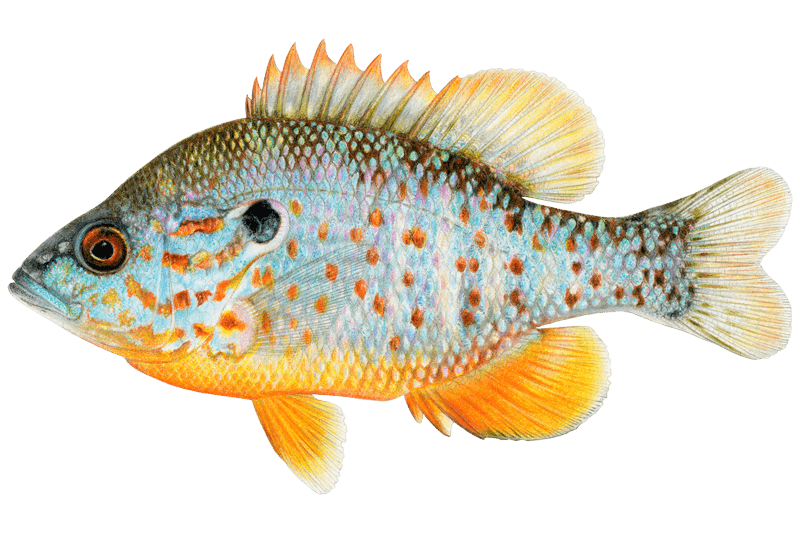
Orangespotted Sunfish
Lepomis humilis

Pumpkinseed
Lepomis gibbosus
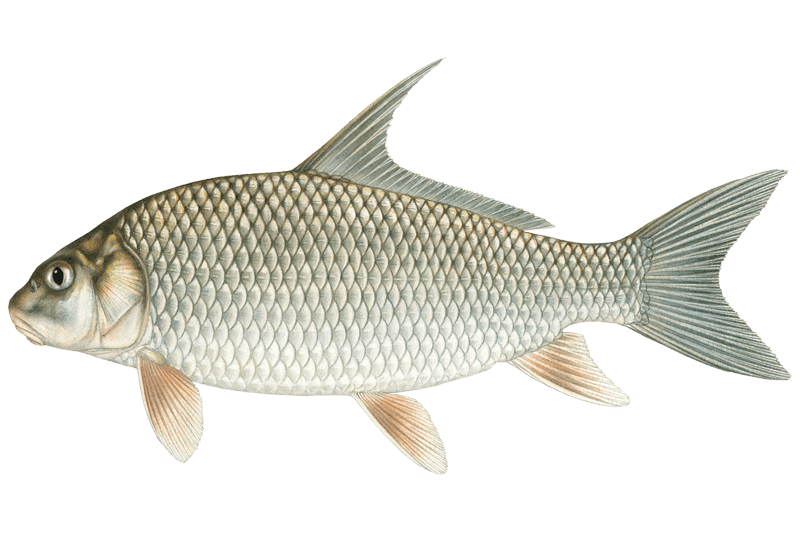
Quillback
Carpiodes cyprinus

Redear Sunfish
Lepomis microlophus

Rio Grande Cutthroat Trout
Oncorhynchus clarkii virginalis
Sauger

Sockeye Salmon
Colorado licenses and regulations

Colorado Boating Regulations
When using any type of watercraft to access a body of water, it is important to follow all federal, state, and local rules and regulations. These rules and regulations include boat permitting and licensing, invasive species inspections and stamps, life jacket and PFD rules, motor size and horsepower restrictions, noise limitations, restrictions on personal watercraft, and many more. Visit the web link below for the most current rules and regulations for this body of water.

Colorado Fishing License
Annual fishing licenses are valid March 1 through March 31 (13 months). CPW provides a range of options for anglers from the annual fishing license to the one-day fishing license. Youth under age 16 fish for free.

Colorado Fishing Regulations
This river has a variety of species and regulations, including potential floating and/or watercraft restrictions. Because this river is specially managed for species, seasons, angling methods, and watercraft, it is strongly encouraged you check all federal, state, and local regulations before fishing. Visit any of the links below, inquire locally, or contact a local fly shop to learn current regulations and restrictions.

Colorado Parks & Wildlife State Park Pass
Annual passes provide a full 12 months of unlimited access to all state parks across Colorado.

Colorado Stream Access Laws
With no clear test of navigability, no applicable statutes, and a tendency of courts to categorize all streams in Colorado as non-navigable, waterfront landowners' rights encompass the banks, beds, and waters of rivers. The public has no guaranteed recreation rights in non-navigable waters or their streambeds. CO Fishing Regulations: "It is illegal to go onto private land to fish without permission, including touching any part of private land by person or watercraft. Private land is not required to be posted or fenced. Trespassers may be suspended for up to 5 years."

Statewide Fishing Waters - Special State Regulations by Water Body
Maps are available to help anglers navigate the special regulations on some of Colorado's popular rivers, streams and lakes. These Colorado Parks and Wildlife maps depict special fishing rules for the areas listed below. CPW will be adding new maps in the future, so bookmark and return to this page before your next outing. ATTENTION: These maps are not a complete list of special regulations. Please refer to the current Colorado Fishing and State Recreational Lands brochures for complete fishing rules and regulations.
Explore nearby waters
Explore Colorado waters
Top fishing waters
Popular Cities
Loading popular cities...

Smarter Fishing Starts in the App.
onWater Fish gives you everything you need to plan smarter, fish better, and own every trip from first cast to last.