Longnose Sucker

The Longnose Sucker is a cylindrical bottom-dwelling fish with a distinctive snout that completely overhangs its ventrally-oriented mouth. In Colorado, they inhabit cold, clear streams and lakes, sometimes tolerating moderately warm and turbid waters.
Colorado represents the southern edge of their natural range, where they've been introduced to the upper Colorado River drainage.
Scientific Name: Catostomus catostomus
- They're characterized by small scales covering their olive-brown to reddish-brown backs with light bellies, and males develop a distinctive red lateral stripe and white tubercles on fins during breeding season.
Fishing in Colorado
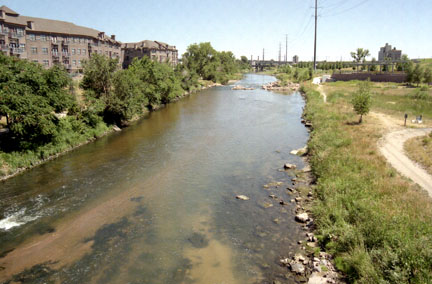
South Platte River
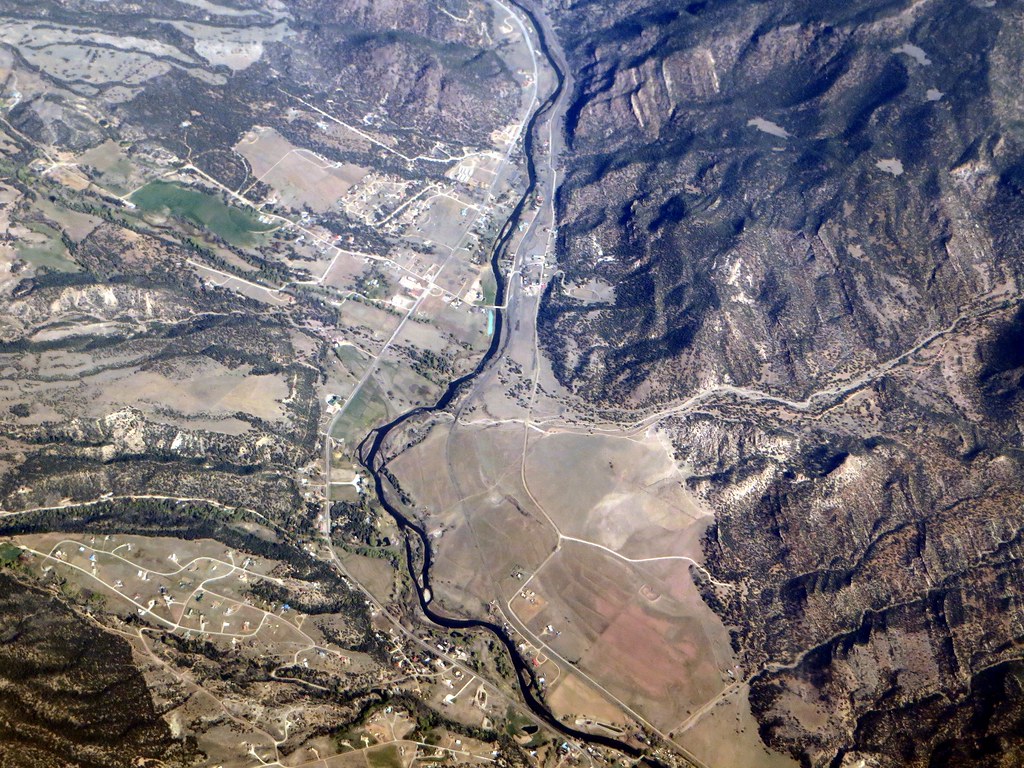
Arkansas River

Pueblo Reservoir
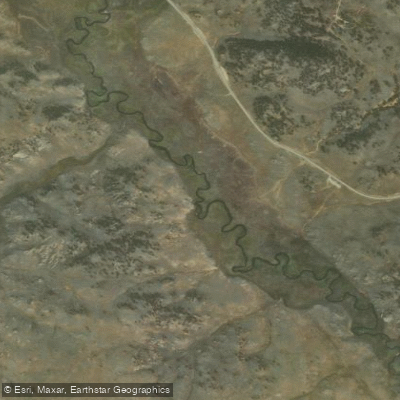
Tarryall Creek
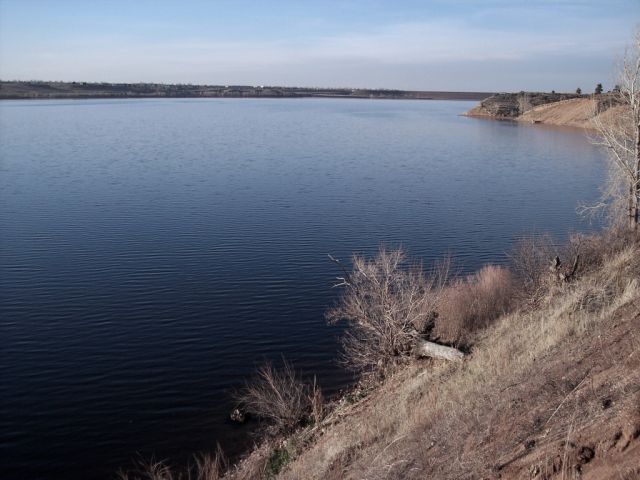
Chatfield Lake
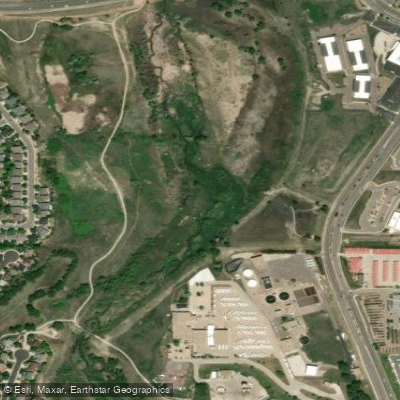
Cherry Creek
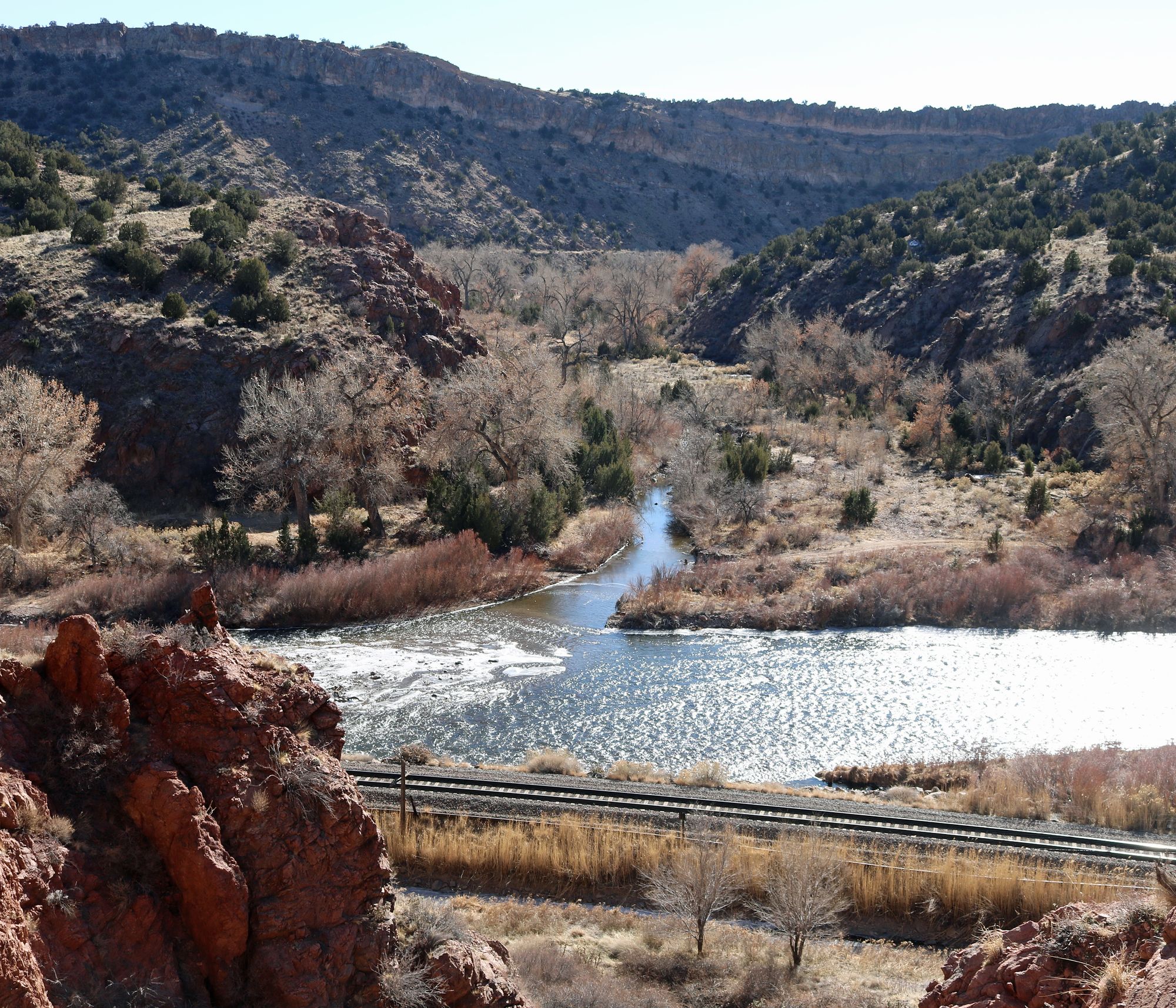
Grape Creek
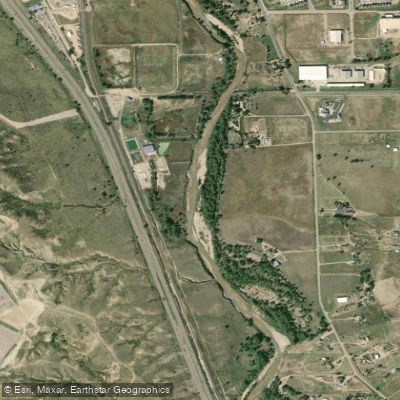
Fountain Creek

Rampart Reservoir
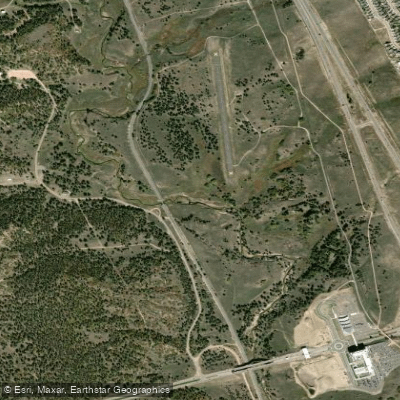
Monument Creek
What to know
Habitat Distribution
- They prefer benthic zones of freshwater rivers and lakes.
Key Locations
- In Colorado waters, they're found in locations including the Colorado River drainage, Arkansas River, Gunnison River system including Blue Mesa Reservoir, Rio Grande drainage, and various reservoirs like Lake Granby.
- Fish the Colorado River system between Rocky Mountain National Park and Rifle, the Arkansas River system, and various reservoirs.
Specific Spots
- Target deeper pools and slower runs with boulder-rubble substrate or submerged woody debris, typically below riffles.
- Focus on smaller rivers with decent current and river mouths.
- Fish gravel-bottomed areas where they forage.
Longnose Sucker FAQ
Answers from onWater's species guide.
What flies work for Longnose Sucker in Colorado?
Use weighted streamers in sizes 4-8, particularly conehead and beadhead patterns in black and brown colors.
When is the best time to fish for Longnose Sucker in Colorado?
Best fishing occurs in spring when they're actively feeding post-winter, and during pre-spawn periods in early spring. Avoid fishing during April-July spawning periods when they concentrate in shallow gravel areas for reproduction.
How do you catch Longnose Sucker in Colorado?
Let them rest stationary on the bottom and maintain tight line tension to detect subtle takes. Set the hook immediately as they quickly spit out artificial offerings.
What do Longnose Sucker eat?
Their diet consists primarily of benthic invertebrates including midge larvae, aquatic insects, small crustaceans, algae, fish e.g.gs, and occasionally aquatic plants. They're omnivorous bottom feeders that use their papillated lips to suction food from substrate.
Fish smarter with real-time insights
Whether you're en route and conditions shift or you're looking for the best spot based on current flows, we enable you to make informed decisions on the fly.




See it in the app
Most maps show you water.
onWater shows you Longnose Sucker.



- 01 · Species map filter
Map every Longnose Sucker water
Pick Longnose Sucker and the map zeroes in on the waters they call home. No more guessing which lake holds them.
- 02 · Waterbody species
Tap any water. See what lives there.
Species, behavior and seasonal patterns for every lake, river and pond, before you leave the driveway.
- 03 · Angler Intelligence
Ask how to catch Longnose Sucker
Tactics, gear and timing from onWater's AI fishing guide, tuned to the species and the water you're on.
Stop guessing where Longnose Sucker are.
Open the map, filter by Longnose Sucker, and head to water that holds them. Download onWater and plan your next trip in minutes.
- Species map filter
- Angler Intelligence
- Fishing journal
Explore other species
Trout, bass, salmon, panfish and everything in between. Each guide unpacks the behavior, seasons, and tactics that put fish in the net.
No species information available.
Colorado licenses and regulations
Explore nearby waters
Explore Colorado waters
Top fishing waters
Popular Cities
Loading popular cities...

Smarter Fishing Starts in the App.
onWater Fish gives you everything you need to plan smarter, fish better, and own every trip from first cast to last.