Blue Tilapia

Blue Tilapia (Oreochromis aureus) is an invasive African cichlid that has established limited populations in Colorado.
This species is classified as "possibly established" in Colorado, with documented occurrences from 1983-1986 in the San Luis Valley near Alamosa in the Alamosa-Trinchera and San Luis watersheds.
Scientific Name: Oreochromis aureus
- Blue Tilapia are distinguishable from other cichlids by their blue-grey body with white belly, single nostril opening on each side of the head, and discontinuous lateral line.
- Adults typically range 5-8 inches but can reach up to 21 inches and weigh over 10 pounds.
- Males display bright metallic blue heads with vermillion dorsal fin edges during breeding season.
Fishing in Colorado
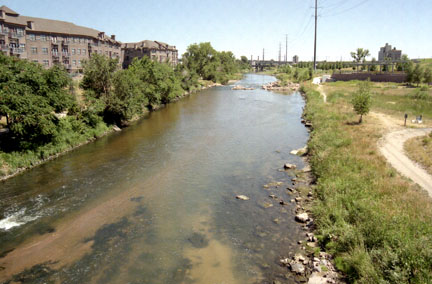
South Platte River
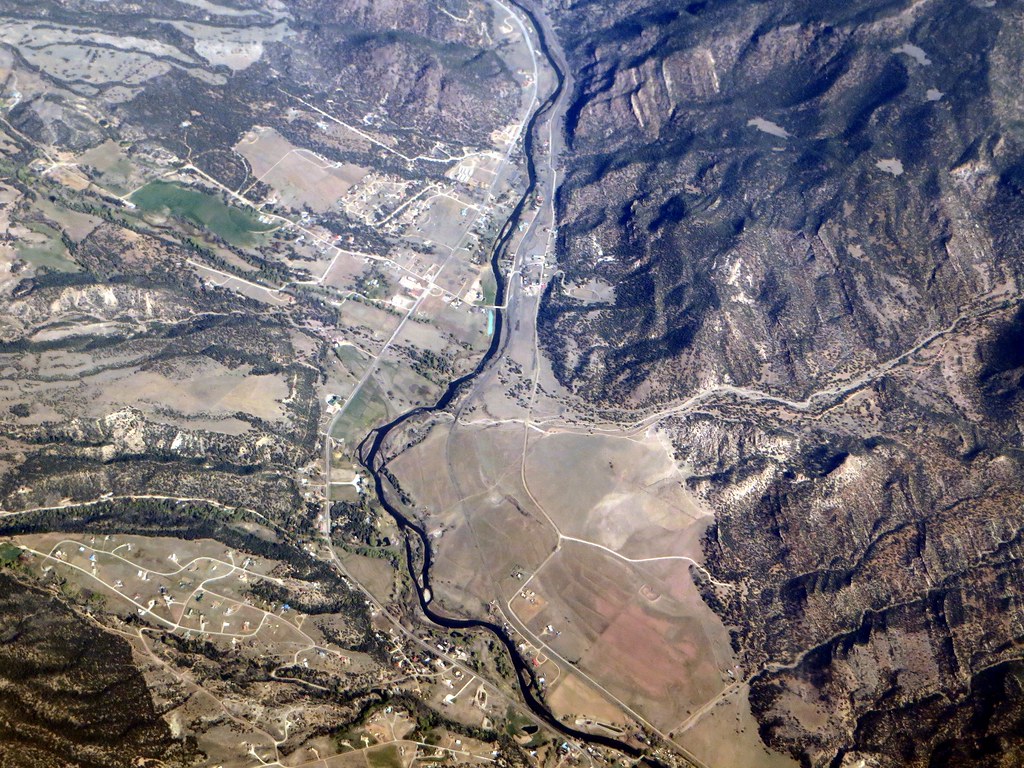
Arkansas River
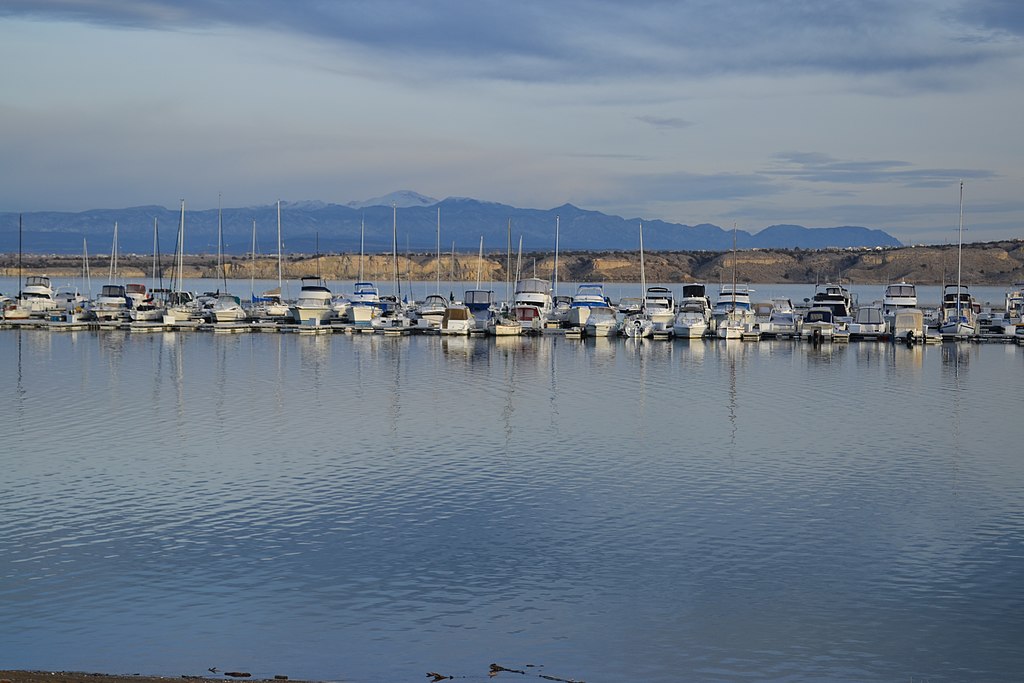
Pueblo Reservoir
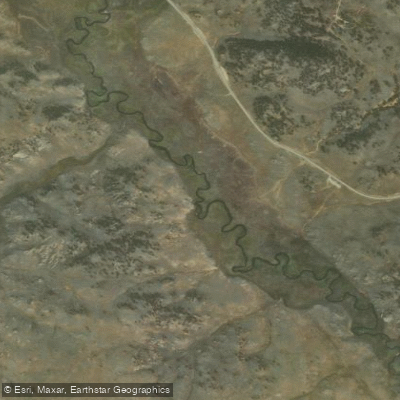
Tarryall Creek
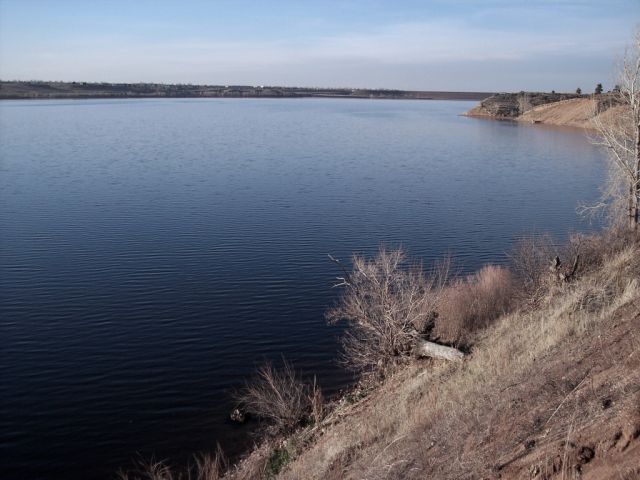
Chatfield Lake
Cherry Creek
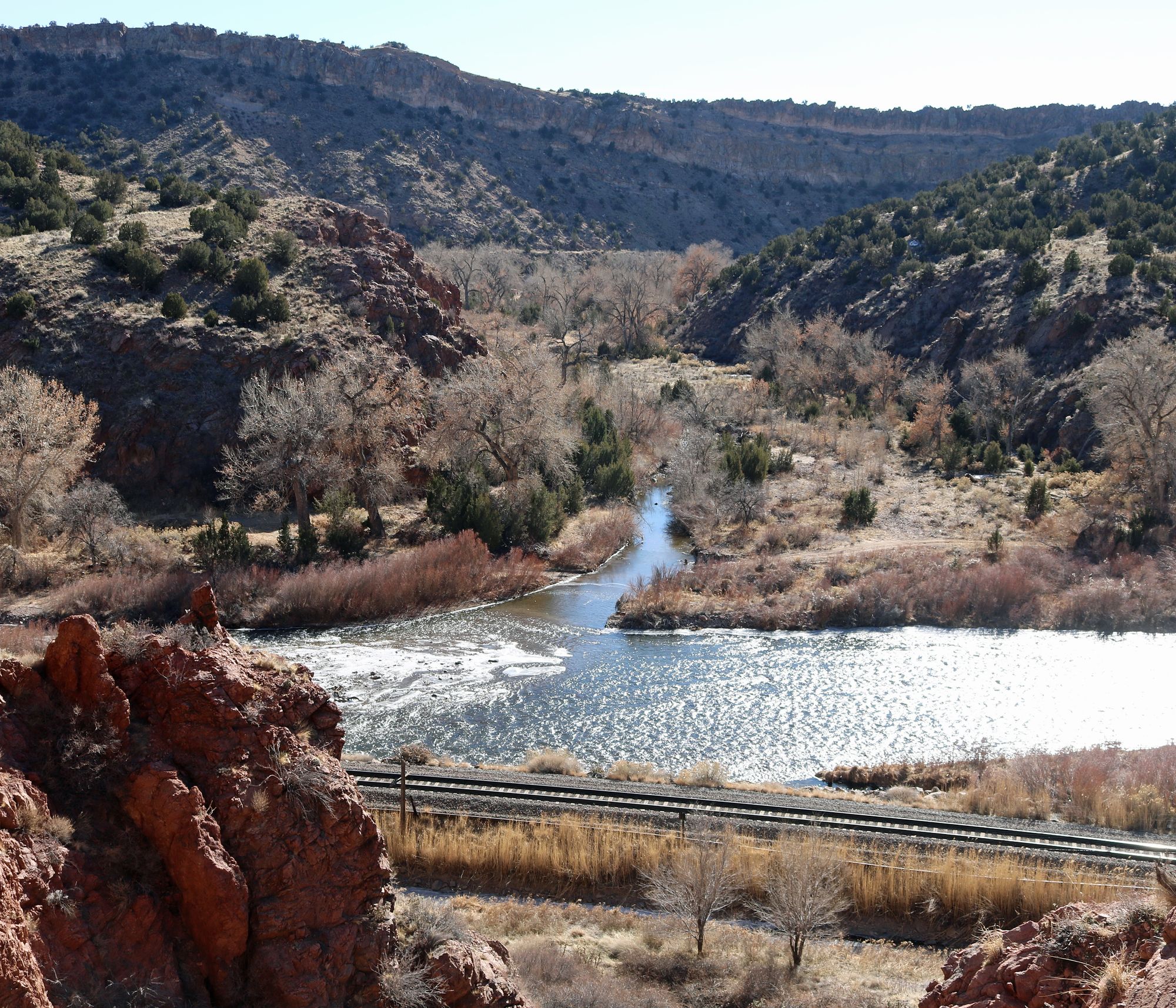
Grape Creek
Fountain Creek
Rampart Reservoir
Monument Creek
What to know
Habitat Distribution
- These fish were originally raised commercially for food in high-altitude geothermal waters and ponds, with reports of escaped fish establishing self-maintaining populations in two earthen ponds in 1977.
- Any current populations would be restricted to geothermally heated waters.
Key Locations
- San Luis Valley near Alamosa in the Alamosa-Trinchera and San Luis watersheds.
- Focus on areas near thermal inputs or springs that maintain warmer temperatures year-round.
Specific Spots
- Target shallow, warm waters with vegetation where they typically feed and seek cover.
Blue Tilapia FAQ
Answers from onWater's species guide.
What are the best lures and bait for Blue Tilapia in Colorado?
Since these fish are primarily herbivorous, avoid expensive live baits like worms and minnows. Instead, use vegetable-based baits such as peas, corn, or pieces of bread on smaller hooks with shorter lures.
What flies work for Blue Tilapia in Colorado?
For fly fishing, focus on patterns that imitate their preferred food sources: small midge patterns, mayfly emergers, chironomid patterns, and algae or vegetation imitations.
When is the best time to fish for Blue Tilapia in Colorado?
Spawning typically occurs when water temperatures exceed 72°F, so avoid targeting fish during active spawning periods. They spawn from spring through fall.
How do you catch Blue Tilapia in Colorado?
Blue Tilapia fishing opportunities in Colorado are extremely limited due to their restricted distribution and cold sensitivity, with any viable populations likely confined to geothermally heated waters in the San Luis Valley. Fish are most active during warmer parts of the day when water temperatures are optimal.
What do Blue Tilapia eat?
These fish are omnivorous with generalist diets, feeding on detritus, algae, vegetation, invertebrates, zooplankton (particularly rotifers, cladocerans, and Bosmina), and occasionally small fish.
Fish smarter with real-time insights
Whether you're en route and conditions shift or you're looking for the best spot based on current flows, we enable you to make informed decisions on the fly.




See it in the app
Most maps show you water.
onWater shows you Blue Tilapia.



- 01 · Species map filter
Map every Blue Tilapia water
Pick Blue Tilapia and the map zeroes in on the waters they call home. No more guessing which lake holds them.
- 02 · Waterbody species
Tap any water. See what lives there.
Species, behavior and seasonal patterns for every lake, river and pond, before you leave the driveway.
- 03 · Angler Intelligence
Ask how to catch Blue Tilapia
Tactics, gear and timing from onWater's AI fishing guide, tuned to the species and the water you're on.
Stop guessing where Blue Tilapia are.
Open the map, filter by Blue Tilapia, and head to water that holds them. Download onWater and plan your next trip in minutes.
- Species map filter
- Angler Intelligence
- Fishing journal
Explore other species
Trout, bass, salmon, panfish and everything in between. Each guide unpacks the behavior, seasons, and tactics that put fish in the net.
No species information available.
Colorado licenses and regulations
Explore nearby waters
Explore Colorado waters
Top fishing waters
Popular Cities
Loading popular cities...

Smarter Fishing Starts in the App.
onWater Fish gives you everything you need to plan smarter, fish better, and own every trip from first cast to last.