Black Crappie

Black Crappie were introduced to Colorado in 1882 and are now abundant in eastern Colorado waters, particularly in reservoirs along the Front Range.
These are schooling fish that congregate around vertical structures and form large groups over mud or sand bottoms.
Scientific Name: Pomoxis nigromaculatus
- These laterally compressed, round-bodied fish have 7-8 dorsal fin spines (distinguishing them from white crappie with 5-6 spines) and display irregular dark speckles and blotches rather than vertical bars.
- Colorado's crappie typically weigh 1/2 to 3/4 pounds, though specimens exceeding 4 pounds have been caught.
Fishing in Colorado
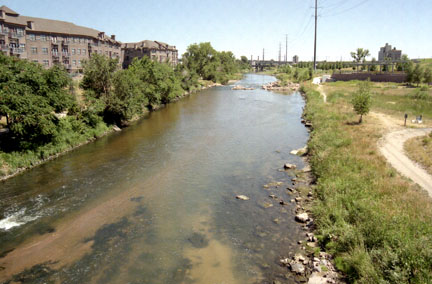
South Platte River
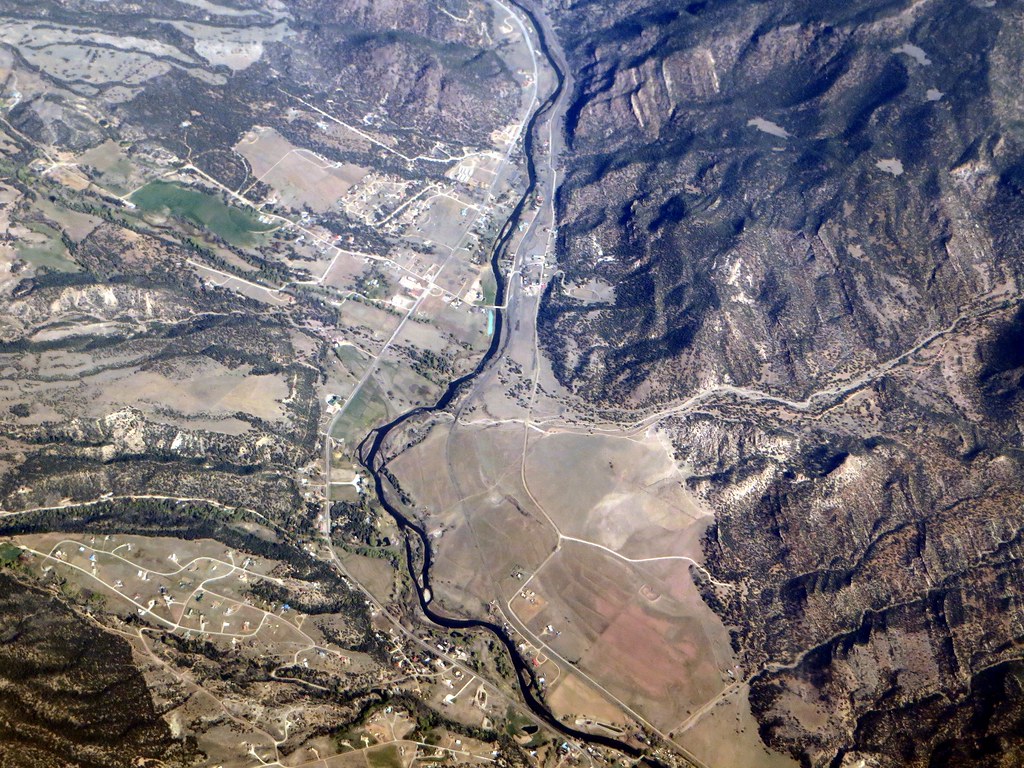
Arkansas River
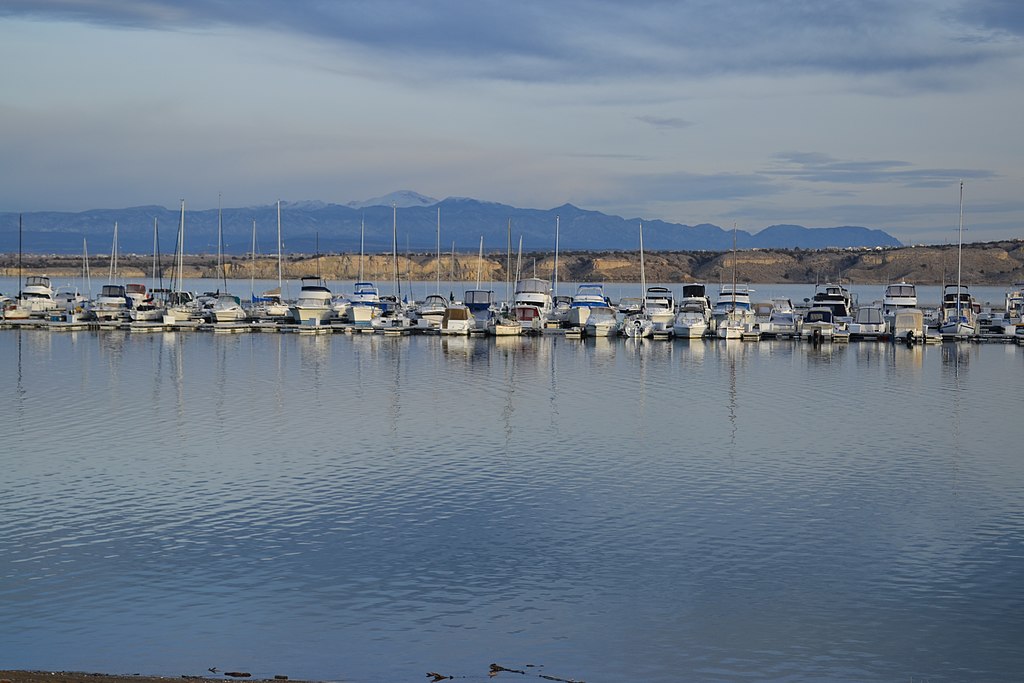
Pueblo Reservoir
Tarryall Creek
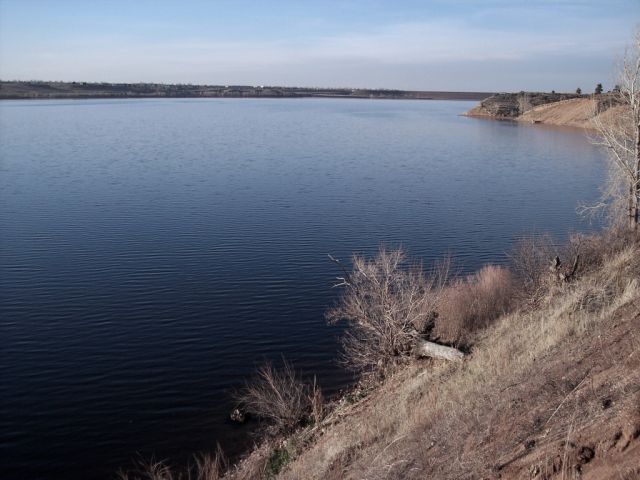
Chatfield Lake
Cherry Creek
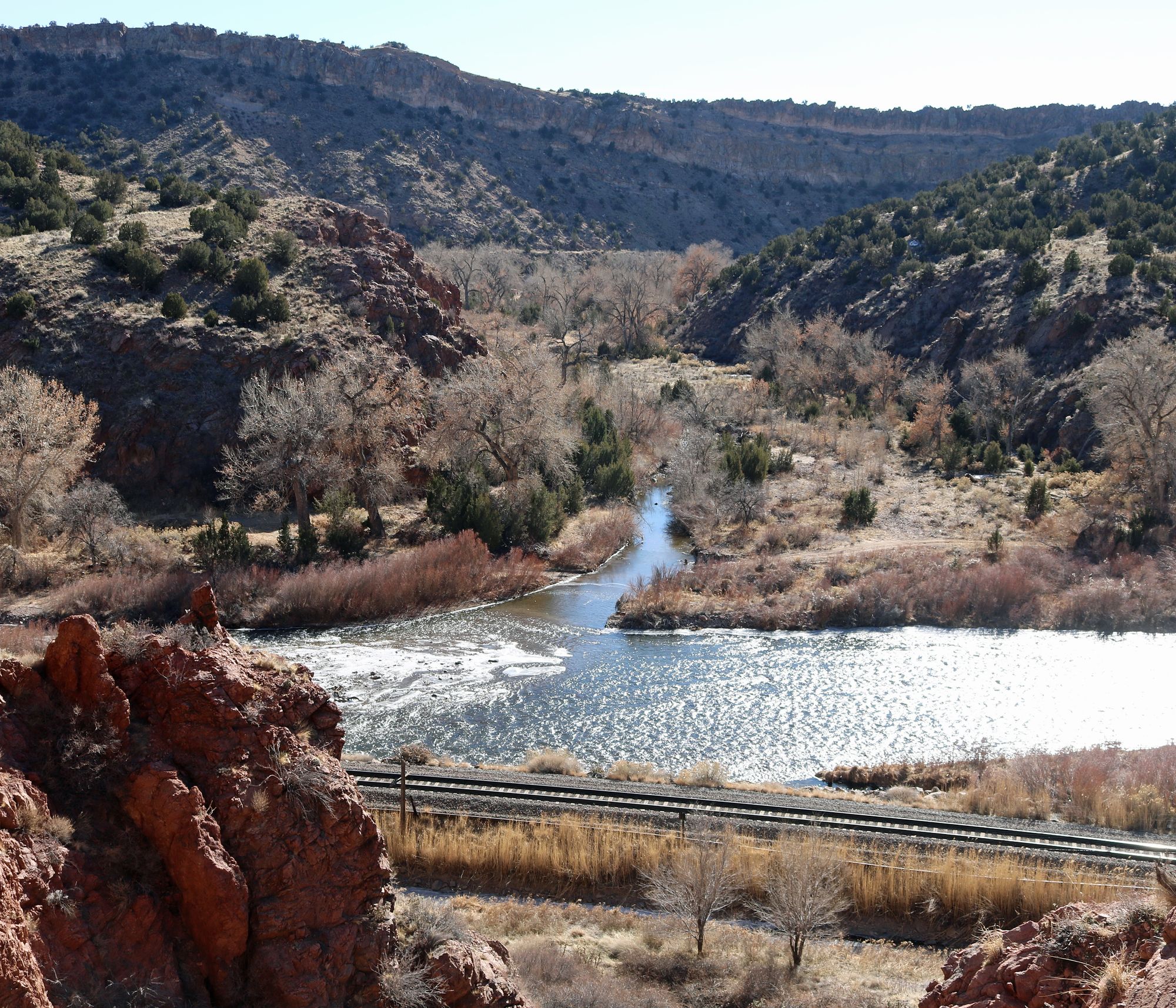
Grape Creek
Fountain Creek
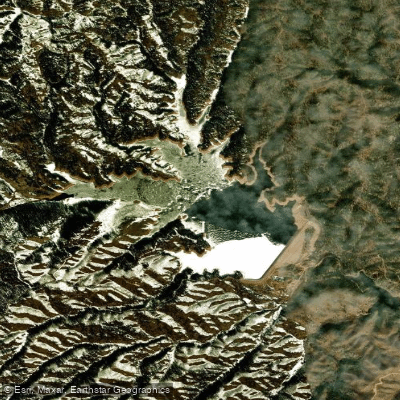
Rampart Reservoir
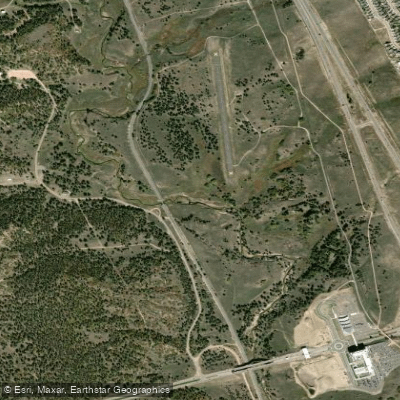
Monument Creek
What to know
Habitat Distribution
- Abundant in eastern Colorado waters, particularly in reservoirs along the Front Range.
- They inhabit freshwater lakes, reservoirs, ponds, and streams.
Key Locations
- Colorado waters supporting black crappie include North Sterling Reservoir (considered the best overall experience), John Martin Reservoir, Pueblo Reservoir, Boyd Lake, Cherry Creek Reservoir, Adobe Creek Reservoir, and Kenney Reservoir.
- Focus on reservoirs like North Sterling (best overall), John Martin, Pueblo, Boyd Lake, and Cherry Creek.
Specific Spots
- Fish around structure including submerged timber, brush piles, docks, and vegetation in 3-20 feet of water.
- Key locations include marina areas with docks at Boyd Lake, the upper arms of reservoirs during spring, and areas with submerged trees or brush.
- Focus on areas where baitfish are present.
Black Crappie FAQ
Answers from onWater's species guide.
What are the best lures and bait for Black Crappie in Colorado?
Small jigs weighing 1/32 to 1/16 ounce work best - try tube jigs, twister tails, small streamers, and hair jigs in white, chartreuse, black/chartreuse, and natural colors.
When is the best time to fish for Black Crappie in Colorado?
Spring offers the best crappie fishing in Colorado when water temperatures reach 60-72°F. During summer, target deeper water (10-30 feet) around structure where crappie suspend. Spawning occurs in spring when water temperatures reach 56-68°F, typically April-May in Colorado.
How do you catch Black Crappie in Colorado?
Try vertical jigging, slow trolling small crankbaits, and drift fishing with slip bobbers. In shallow water, cast parallel to docks and use pendulum casts for accuracy and stealth. For ice fishing, use small tungsten jigs with soft plastics. Fish slowly as crappie can be finicky.
What do Black Crappie eat?
Young crappie are planktivorous, feeding on zooplankton and microcrustaceans, while adults become increasingly piscivorous, consuming small fish like fathead minnows, shad, and even small bass. They also feed on insects, insect larvae, crustaceans, and aquatic invertebrates.
Where do Black Crappie live in Colorado?
Abundant in eastern Colorado waters, particularly in reservoirs along the Front Range. They inhabit freshwater lakes, reservoirs, ponds, and streams.
Fish smarter with real-time insights
Whether you're en route and conditions shift or you're looking for the best spot based on current flows, we enable you to make informed decisions on the fly.




See it in the app
Most maps show you water.
onWater shows you Black Crappie.



- 01 · Species map filter
Map every Black Crappie water
Pick Black Crappie and the map zeroes in on the waters they call home. No more guessing which lake holds them.
- 02 · Waterbody species
Tap any water. See what lives there.
Species, behavior and seasonal patterns for every lake, river and pond, before you leave the driveway.
- 03 · Angler Intelligence
Ask how to catch Black Crappie
Tactics, gear and timing from onWater's AI fishing guide, tuned to the species and the water you're on.
Stop guessing where Black Crappie are.
Open the map, filter by Black Crappie, and head to water that holds them. Download onWater and plan your next trip in minutes.
- Species map filter
- Angler Intelligence
- Fishing journal
Explore other species
Trout, bass, salmon, panfish and everything in between. Each guide unpacks the behavior, seasons, and tactics that put fish in the net.
No species information available.
Colorado licenses and regulations
Explore nearby waters
Explore Colorado waters
Top fishing waters
Popular Cities
Loading popular cities...

Smarter Fishing Starts in the App.
onWater Fish gives you everything you need to plan smarter, fish better, and own every trip from first cast to last.