Sockeye Salmon

In Colorado, Sockeye Salmon exist as landlocked populations known as Kokanee, which are found in 26 different lakes and reservoirs across the state.
These fish are not native to Colorado - they were first introduced to Blue Mesa Reservoir in the 1960s and have since been stocked throughout the state's large mountain reservoirs.
Also known as Kokanee
- They typically measure 60-84 cm in length and weigh 2.3-7 kg, though Colorado's landlocked populations are generally smaller, rarely exceeding 35 cm.
- During most of the year, Kokanee display bluish-green backs with bright silver sides and black spots on the upper half of their bodies.
- During spawning season (September-November), their appearance dramatically changes - both sexes turn reddish in color, and males develop a pronounced 'hook jaw' or kype.
Fishing in Colorado
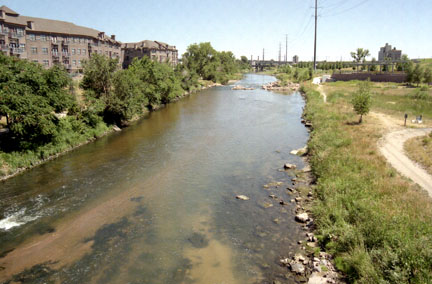
South Platte River
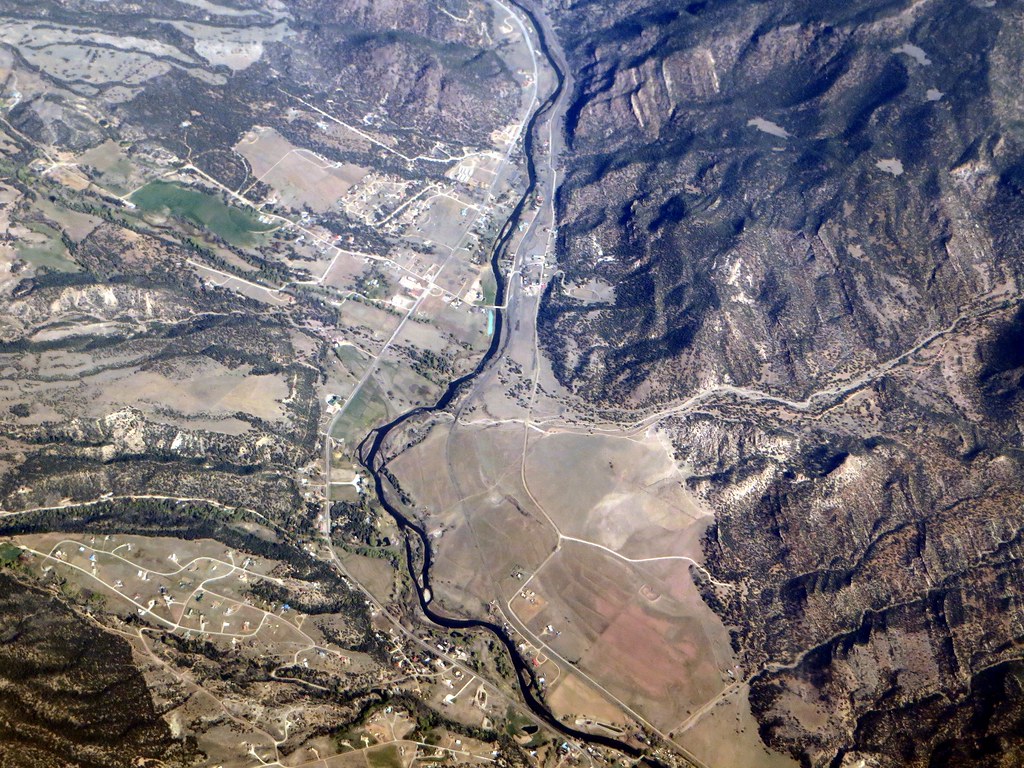
Arkansas River
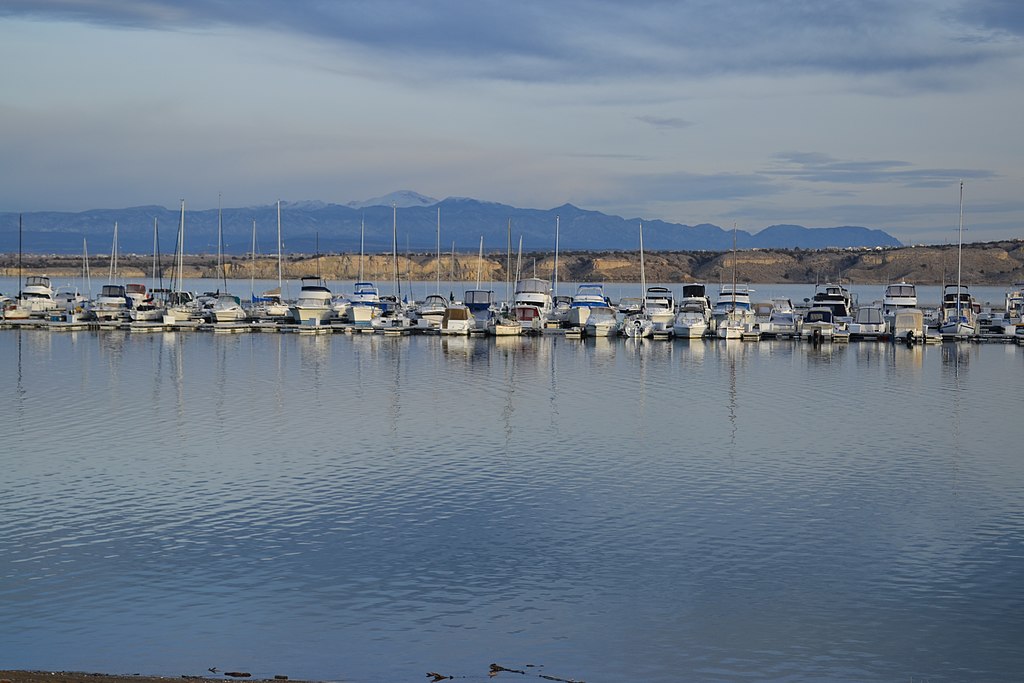
Pueblo Reservoir
Tarryall Creek
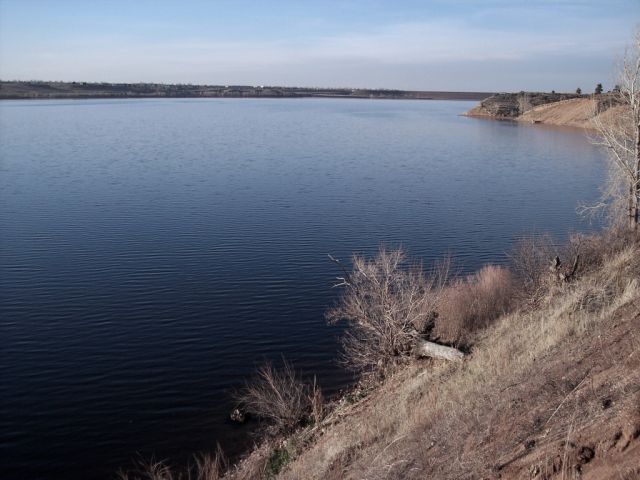
Chatfield Lake
Cherry Creek
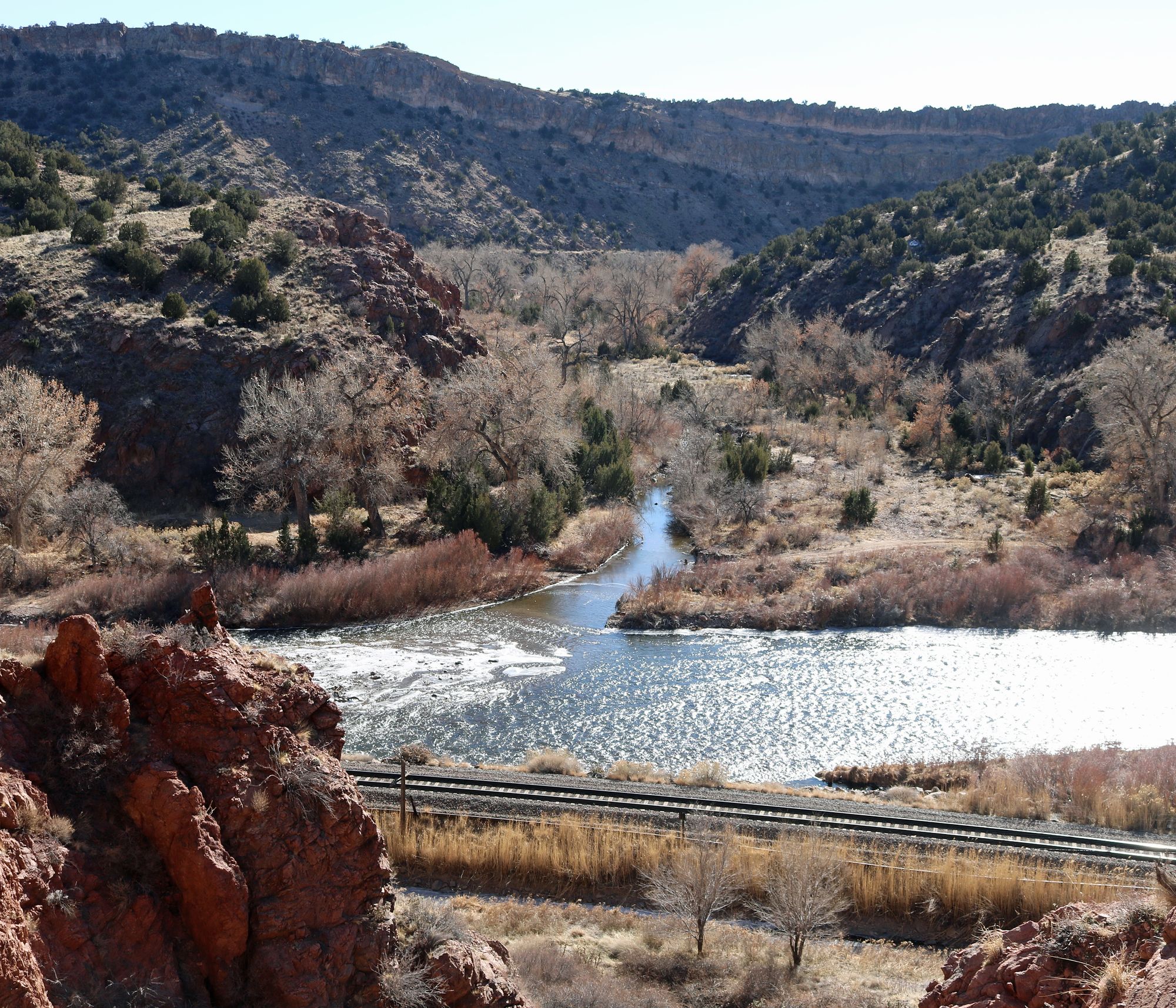
Grape Creek
Fountain Creek
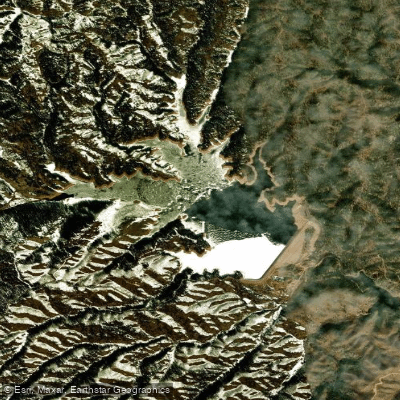
Rampart Reservoir
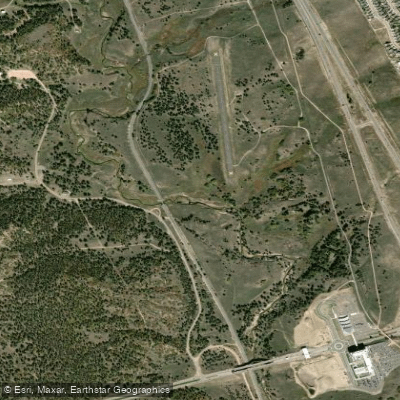
Monument Creek
What to know
Habitat Distribution
- Found in 26 different lakes and reservoirs across the state.
- Kokanee are well-suited to Colorado's fluctuating mountain reservoirs because they feed primarily on zooplankton, a food source unaffected by reservoir drawdowns.
Key Locations
- Blue Mesa Reservoir (Colorado's largest Kokanee fishery), the Gunnison River system, East River near Almont, Elevenmile Reservoir, Spinney Mountain Reservoir, Taylor Reservoir, Clear Creek Reservoir, and Beaver Creek Reservoir.
Specific Spots
- They can be found swimming in compact schools in the open water of reservoirs.
- Trolling techniques work best in the larger reservoirs during summer, while fly fishing opportunities exist in the river systems during appropriate non-spawning periods.
Sockeye Salmon FAQ
Answers from onWater's species guide.
What flies work for Sockeye Salmon in Colorado?
Effective fly patterns include gaudy attractor nymphs such as San Juan Worms, Globugs, and red Copper Johns as the point fly, with a small, drab-colored trailing nymph. These bright patterns trigger aggressive strikes rather than feeding responses.
When is the best time to fish for Sockeye Salmon in Colorado?
Summer months (June-August) when they're actively feeding. For the fall salmon run on the Gunnison River system, fly fishing can be productive from late August through the end of October, with mid-September typically being peak timing. Spawning season is September-November.
How do you catch Sockeye Salmon in Colorado?
Trolling being the most effective method using cowbells at medium depths. For fly fishing, employ a traditional dead-drift technique. At any sign of the indicator stalling or twitching, set the hook with a swift downstream motion. Fight fish using low rod angles to quickly turn them and steer them toward the net.
What do Sockeye Salmon eat?
They feed primarily on zooplankton. During the spawning run, their digestive systems essentially shut down as they conserve energy for reproduction, making them non-feeding and aggressive during this period.
Where do Sockeye Salmon live in Colorado?
Found in 26 different lakes and reservoirs across the state. Kokanee are well-suited to Colorado's fluctuating mountain reservoirs because they feed primarily on zooplankton, a food source unaffected by reservoir drawdowns.
Fish smarter with real-time insights
Whether you're en route and conditions shift or you're looking for the best spot based on current flows, we enable you to make informed decisions on the fly.




See it in the app
Most maps show you water.
onWater shows you Sockeye Salmon.



- 01 · Species map filter
Map every Sockeye Salmon water
Pick Sockeye Salmon and the map zeroes in on the waters they call home. No more guessing which lake holds them.
- 02 · Waterbody species
Tap any water. See what lives there.
Species, behavior and seasonal patterns for every lake, river and pond, before you leave the driveway.
- 03 · Angler Intelligence
Ask how to catch Sockeye Salmon
Tactics, gear and timing from onWater's AI fishing guide, tuned to the species and the water you're on.
Stop guessing where Sockeye Salmon are.
Open the map, filter by Sockeye Salmon, and head to water that holds them. Download onWater and plan your next trip in minutes.
- Species map filter
- Angler Intelligence
- Fishing journal
Explore other species
Trout, bass, salmon, panfish and everything in between. Each guide unpacks the behavior, seasons, and tactics that put fish in the net.
No species information available.
Colorado licenses and regulations
Explore nearby waters
Explore Colorado waters
Top fishing waters
Popular Cities
Loading popular cities...

Smarter Fishing Starts in the App.
onWater Fish gives you everything you need to plan smarter, fish better, and own every trip from first cast to last.