Blue Catfish

Blue Catfish are not native to Colorado but have been introduced as a non-indigenous species, with documented occurrences from 1952-2009.
They are the largest North American catfish species and are highly migratory, moving to warmer waters in winter and cooler waters in summer.
Scientific Name: Ictalurus furcatus
- Blue Catfish are capable of exceeding 165 cm in length and 45 kg in weight.
- They have bluish to grayish coloration with a deeply forked tail and straight-edged anal fin (distinguishing them from channel catfish).
Fishing in Colorado
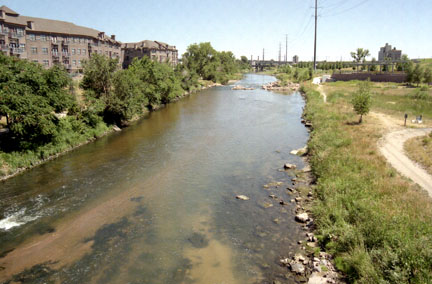
South Platte River
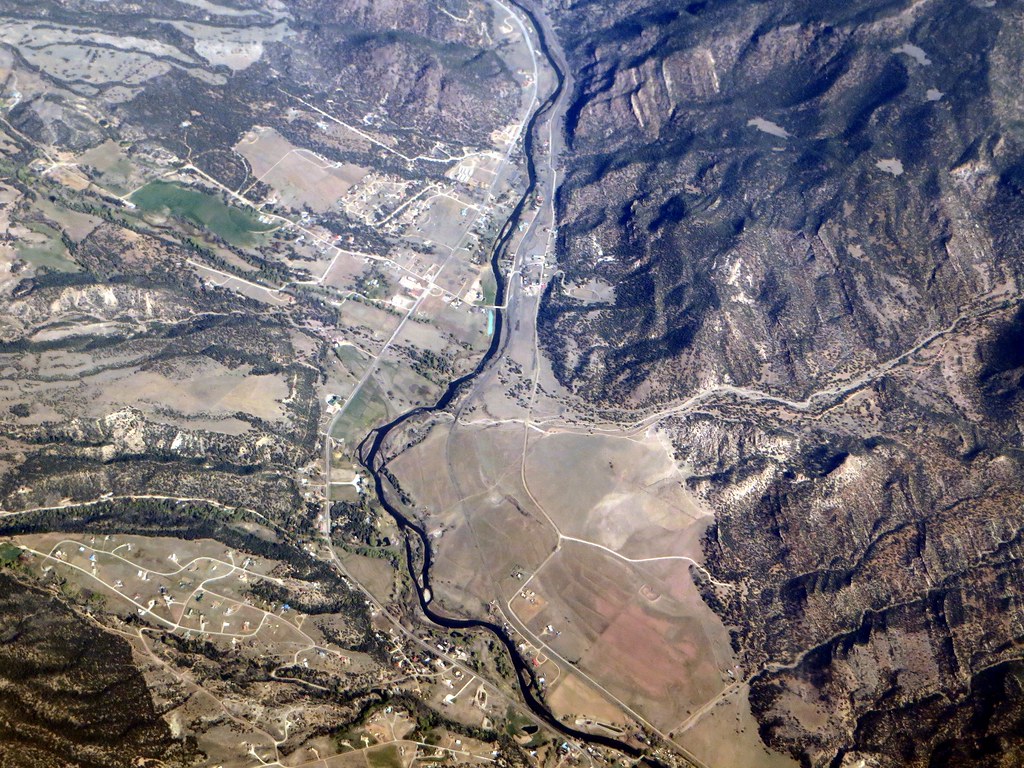
Arkansas River
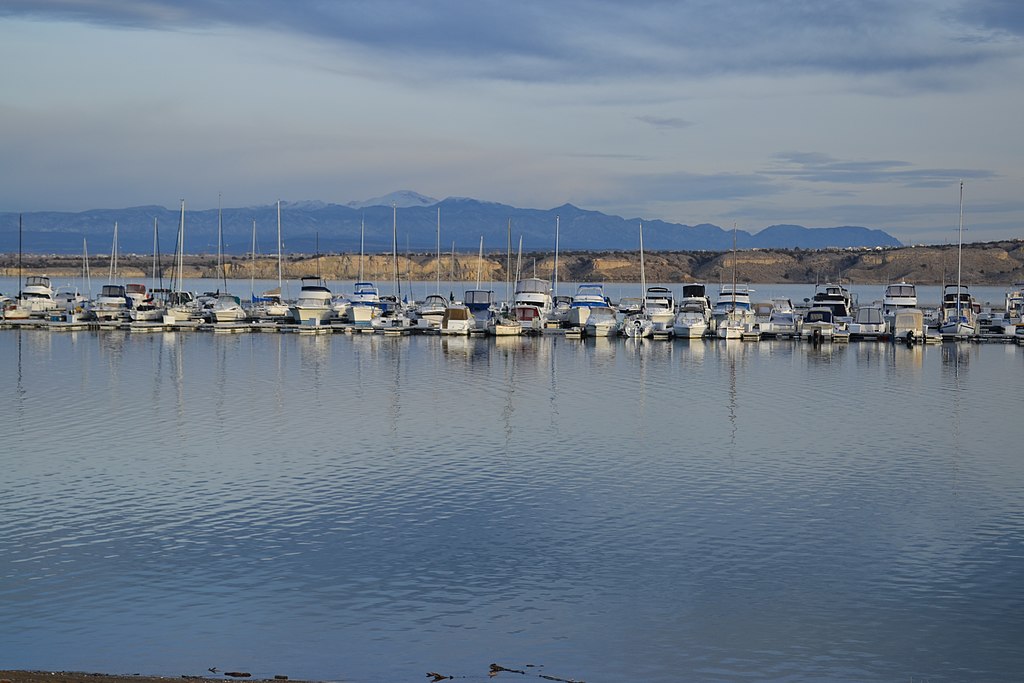
Pueblo Reservoir
Tarryall Creek
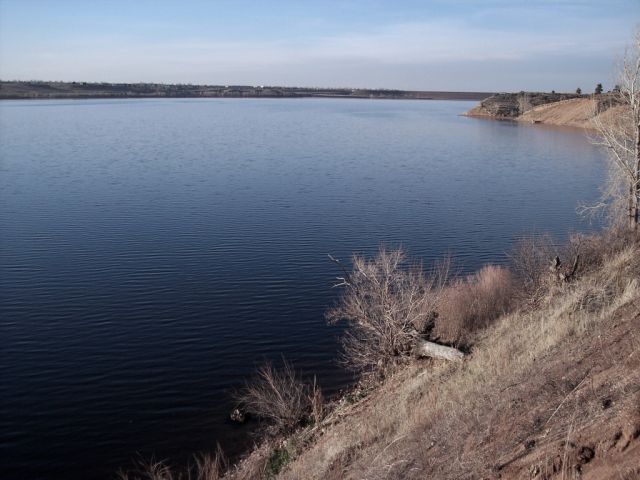
Chatfield Lake
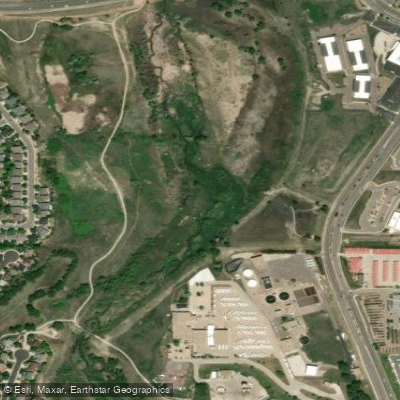
Cherry Creek
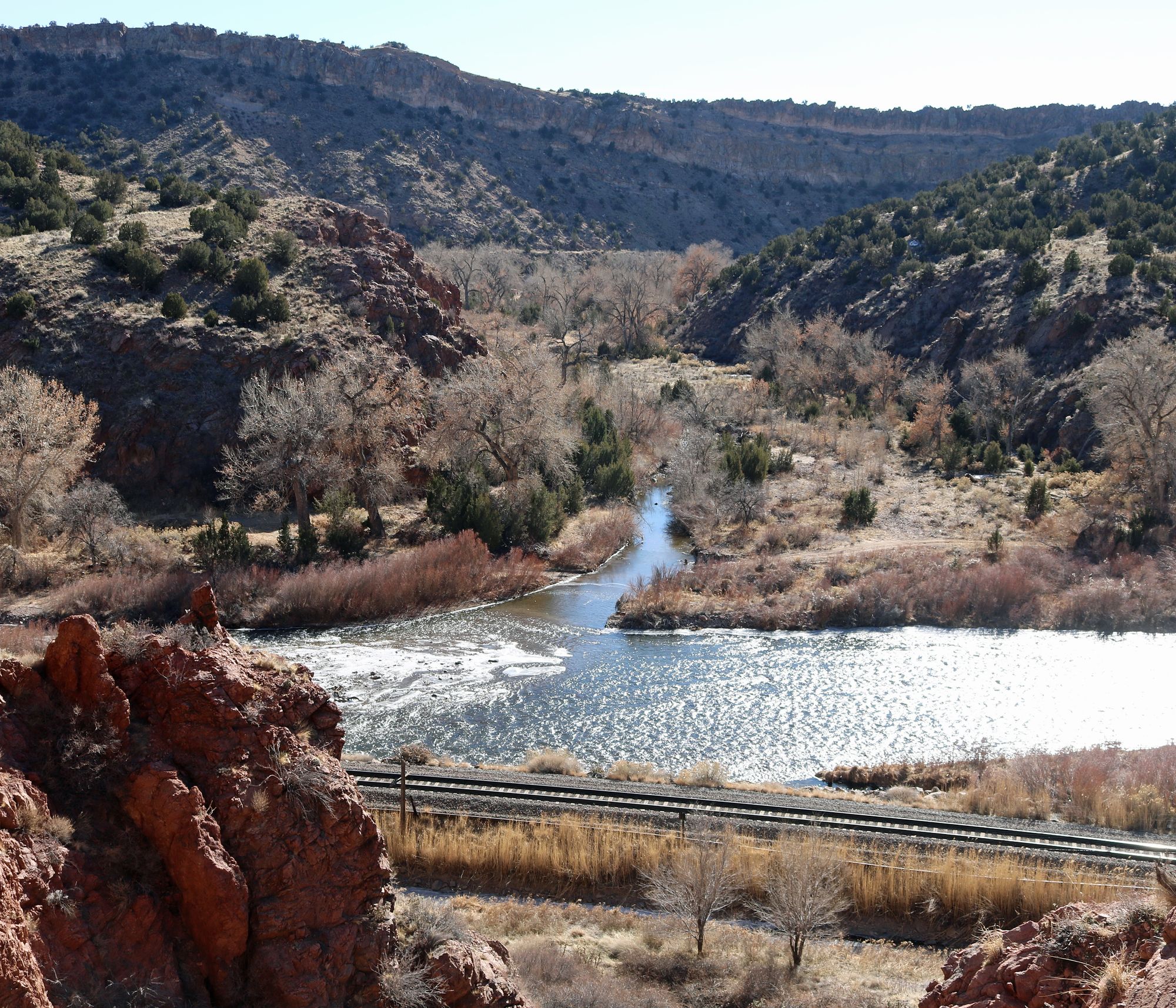
Grape Creek
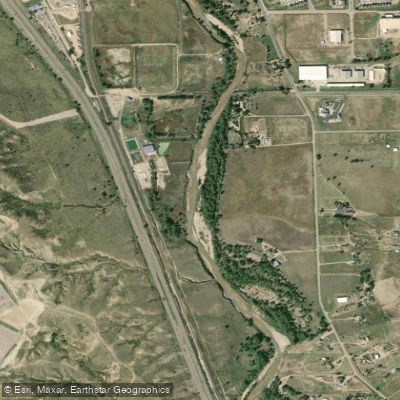
Fountain Creek
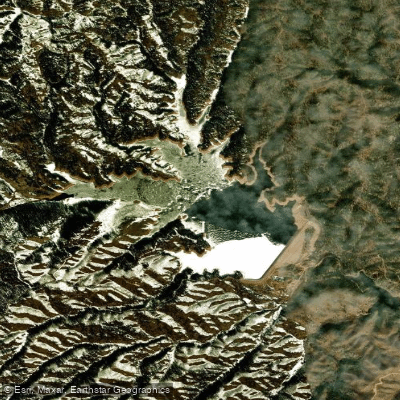
Rampart Reservoir
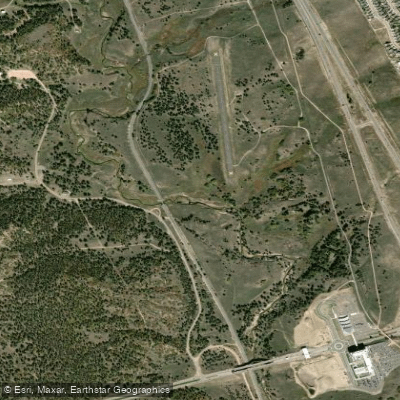
Monument Creek
What to know
Habitat Distribution
- In Colorado, Blue Catfish are found primarily in reservoirs rather than rivers.
- They prefer open waters of large reservoirs with deep channels and can tolerate some salinity.
Key Locations
- Adobe Creek Reservoir is a notable location where they provide good fishing opportunities alongside channel catfish and crappie.
- Found in five hydrologic units: San Luis, South Platte, Upper Arkansas, Upper Arkansas-John Martin Reservoir, and Upper Arkansas-Lake Meredith.
Specific Spots
- Target deep channels and pools (15-45 feet deep) with rapid drop-offs.
- Look for submerged cover like stumps, laydown logs, and large rocks.
- During winter, concentrate on the deepest areas (30-45 feet) where water temperatures are most stable.
- In reservoirs, focus on main lake points, creek channels, and areas with standing timber or other structure.
Blue Catfish FAQ
Answers from onWater's species guide.
What are the best lures and bait for Blue Catfish in Colorado?
The most effective baits are cut skipjack herring, shad chunks (cut into 1-inch squares), and other fresh cut baitfish.
When is the best time to fish for Blue Catfish in Colorado?
Winter through early spring (December-March) for trophy-class fish, and late spring through early summer (April-June) for numbers and active feeding fish. Avoid targeting them during spawning periods (late May-July).
How do you catch Blue Catfish in Colorado?
Use heavy-duty bottom fishing techniques with Carolina rigs. Fish the outer edges of channel banks and target areas where current brings food to waiting catfish. Boat fishing is more successful than shore fishing, though shore anglers can succeed particularly for the abundant catfish populations.
What do Blue Catfish eat?
These opportunistic omnivores feed on a variety of prey including fish, crayfish, freshwater mussels, aquatic insects, and invertebrates. Juveniles start with small invertebrates and zooplankton, transitioning to fish as they grow beyond 10 inches.
Where do Blue Catfish live in Colorado?
In Colorado, Blue Catfish are found primarily in reservoirs rather than rivers. They prefer open waters of large reservoirs with deep channels and can tolerate some salinity.
Fish smarter with real-time insights
Whether you're en route and conditions shift or you're looking for the best spot based on current flows, we enable you to make informed decisions on the fly.




See it in the app
Most maps show you water.
onWater shows you Blue Catfish.



- 01 · Species map filter
Map every Blue Catfish water
Pick Blue Catfish and the map zeroes in on the waters they call home. No more guessing which lake holds them.
- 02 · Waterbody species
Tap any water. See what lives there.
Species, behavior and seasonal patterns for every lake, river and pond, before you leave the driveway.
- 03 · Angler Intelligence
Ask how to catch Blue Catfish
Tactics, gear and timing from onWater's AI fishing guide, tuned to the species and the water you're on.
Stop guessing where Blue Catfish are.
Open the map, filter by Blue Catfish, and head to water that holds them. Download onWater and plan your next trip in minutes.
- Species map filter
- Angler Intelligence
- Fishing journal
Explore other species
Trout, bass, salmon, panfish and everything in between. Each guide unpacks the behavior, seasons, and tactics that put fish in the net.
No species information available.
Colorado licenses and regulations
Explore nearby waters
Explore Colorado waters
Top fishing waters
Popular Cities
Loading popular cities...

Smarter Fishing Starts in the App.
onWater Fish gives you everything you need to plan smarter, fish better, and own every trip from first cast to last.