Walleye

Walleye are non-native to Colorado, first introduced in 1949 and now established in most large warm- and cool-water reservoirs throughout the state. They're considered one of Colorado's finest eating fish.
The species thrives in Colorado's cooler waters and are most comfortable in large reservoirs with adequate forage fish populations.
Scientific Name: Sander vitreus
- These silver to golden-olive fish are distinguished by their two separate dorsal fins, white-tipped tail, and sharp canine teeth.
- Colorado walleye can reach impressive sizes, with fish exceeding 18 pounds caught in state waters.
- Their eyes have a distinctive cloudy appearance due to the tapetum lucidum.
Fishing in Colorado
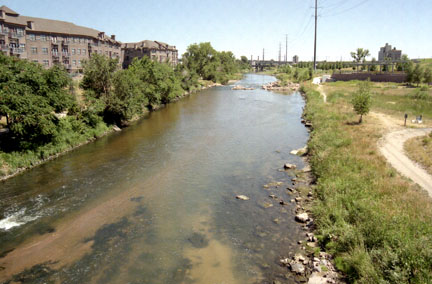
South Platte River
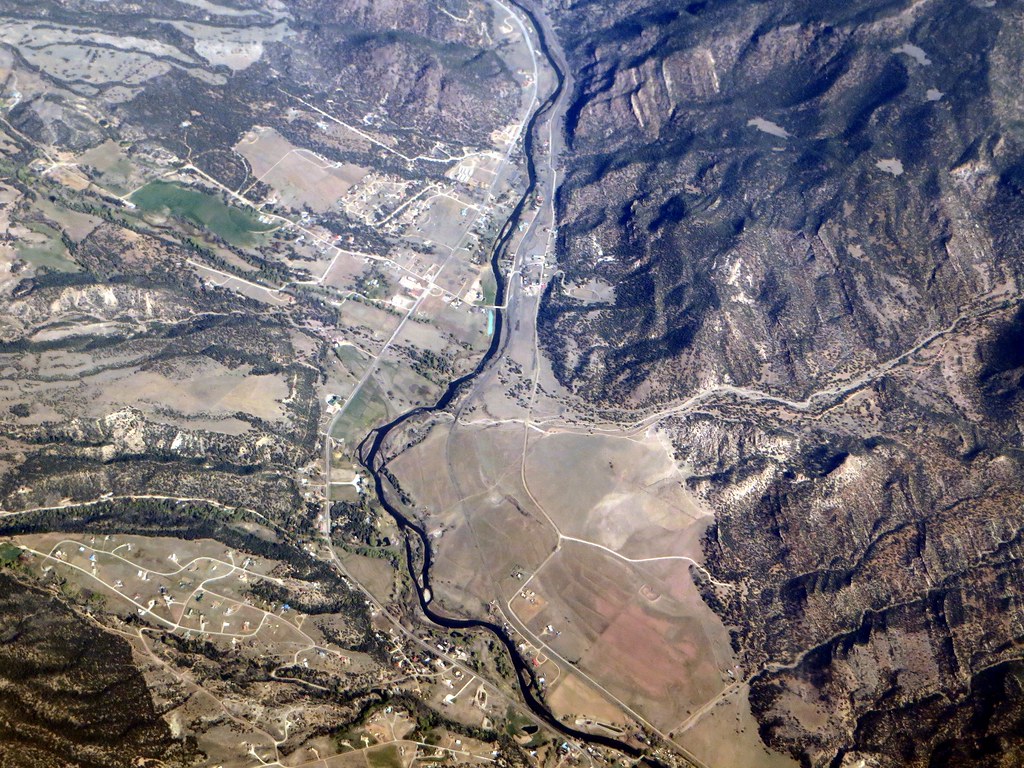
Arkansas River
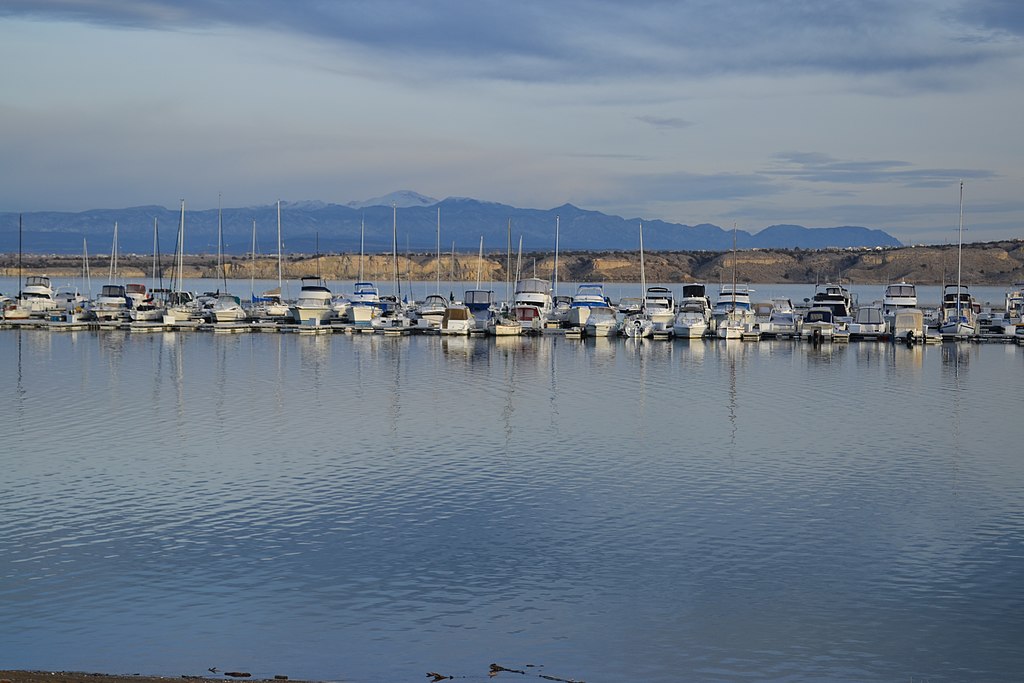
Pueblo Reservoir
Tarryall Creek
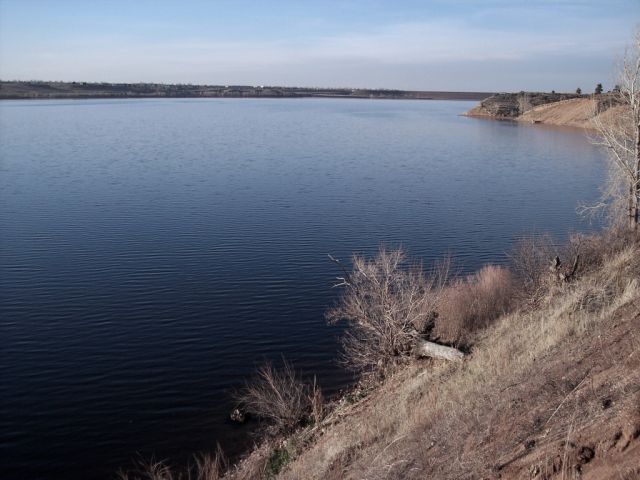
Chatfield Lake
Cherry Creek
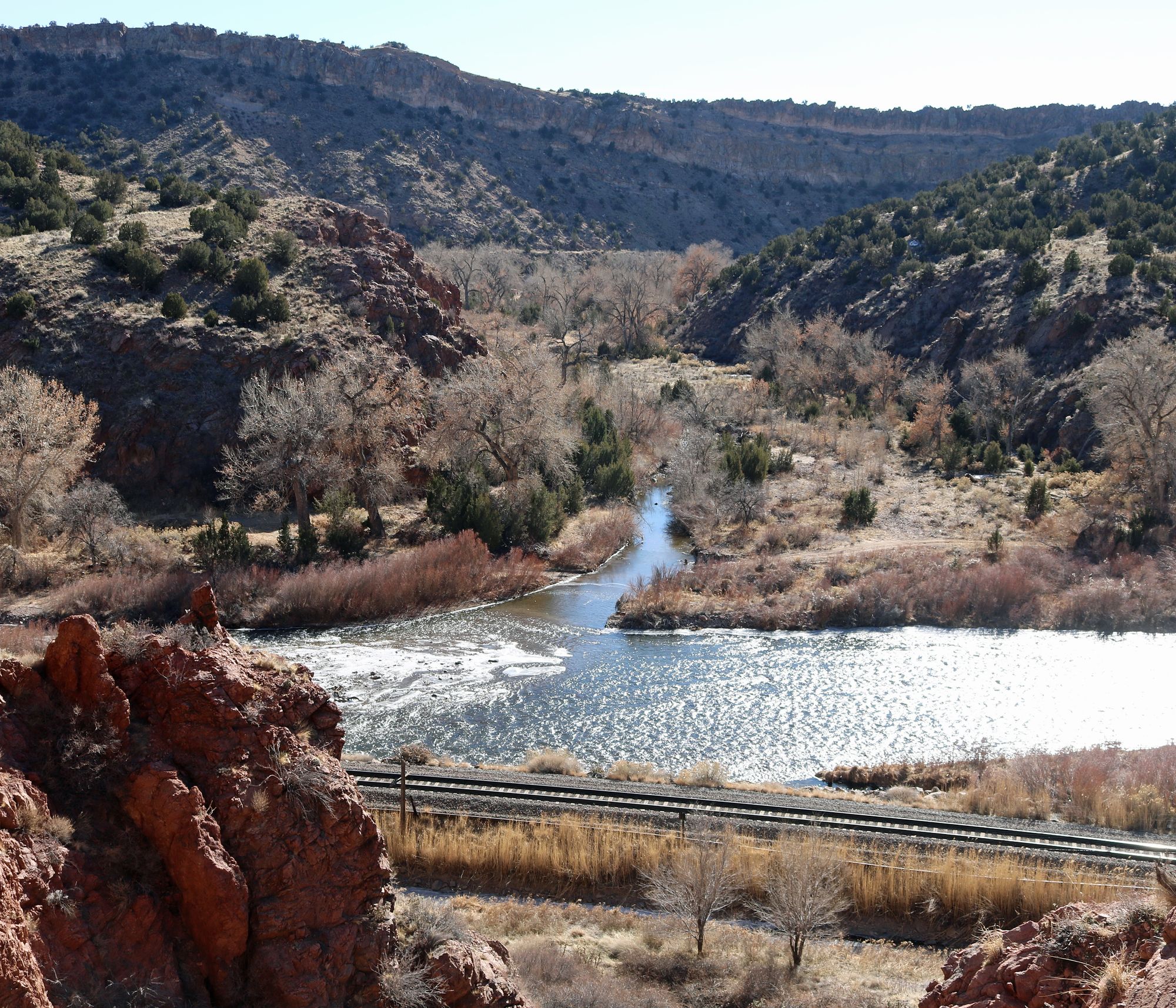
Grape Creek
Fountain Creek
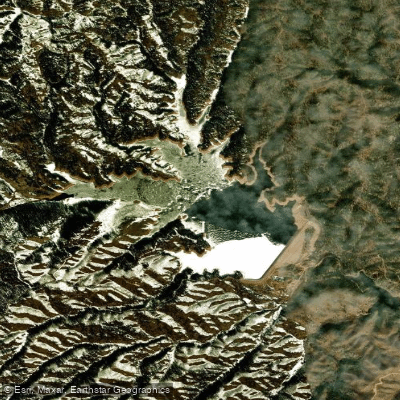
Rampart Reservoir
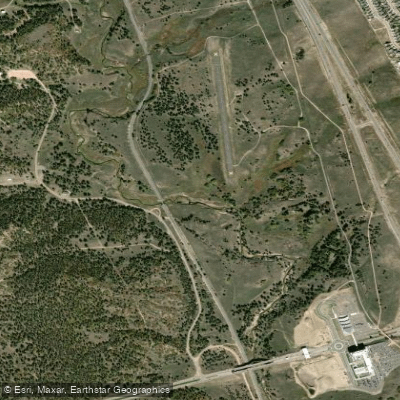
Monument Creek
What to know
Habitat Distribution
- Established in most large warm- and cool-water reservoirs throughout the state.
Key Locations
- Colorado's premier walleye waters include Pueblo Reservoir (ranked #1 for abundance), Horsetooth Reservoir, Cherry Creek Reservoir, Chatfield Reservoir, Carter Lake, McIntosh Reservoir, Boyd Lake, and Jumbo Reservoir.
Specific Spots
- Focus on rocky shorelines, riprap around dams, points, drop-offs, ledges, and hard structure transition areas.
- For fly fishing, focus on rocky areas, drop-offs, and structure edges.
Walleye FAQ
Answers from onWater's species guide.
What are the best lures and bait for Walleye in Colorado?
Top lures include 2-4 inch grubs and swimbaits in white, chartreuse, purple, orange, or pink; 3-5 inch lipped crankbaits in similar colors; jerkbaits; and spinner rigs with Colorado blades.
What flies work for Walleye in Colorado?
Clouser Minnows, Woolly Buggers, sculpin patterns, leech patterns, and crayfish flies in various colors.
When is the best time to fish for Walleye in Colorado?
Prime walleye fishing in Colorado runs from April through July, with August being the slowest month before action picks up again in September and continues through fall. Walleye spawn in early spring when water temperatures reach 45-50°F, typically March through April, making this period unsuitable for targeting them.
How do you catch Walleye in Colorado?
Effective techniques include trolling with deep-diving crankbaits along shoreline drop-offs, vertical jigging with jigs tipped with minnows or soft plastics, and bottom bouncing with spinner rigs.
What do Walleye eat?
Adults are entirely piscivorous, feeding on small fish, yellow perch, gizzard shad, and other available forage species.
Fish smarter with real-time insights
Whether you're en route and conditions shift or you're looking for the best spot based on current flows, we enable you to make informed decisions on the fly.




See it in the app
Most maps show you water.
onWater shows you Walleye.



- 01 · Species map filter
Map every Walleye water
Pick Walleye and the map zeroes in on the waters they call home. No more guessing which lake holds them.
- 02 · Waterbody species
Tap any water. See what lives there.
Species, behavior and seasonal patterns for every lake, river and pond, before you leave the driveway.
- 03 · Angler Intelligence
Ask how to catch Walleye
Tactics, gear and timing from onWater's AI fishing guide, tuned to the species and the water you're on.
Stop guessing where Walleye are.
Open the map, filter by Walleye, and head to water that holds them. Download onWater and plan your next trip in minutes.
- Species map filter
- Angler Intelligence
- Fishing journal
Explore other species
Trout, bass, salmon, panfish and everything in between. Each guide unpacks the behavior, seasons, and tactics that put fish in the net.
No species information available.
Colorado licenses and regulations
Explore nearby waters
Explore Colorado waters
Top fishing waters
Popular Cities
Loading popular cities...

Smarter Fishing Starts in the App.
onWater Fish gives you everything you need to plan smarter, fish better, and own every trip from first cast to last.