White Sturgeon

White Sturgeon are North America's largest freshwater fish and California's most ancient species, with ancestors dating back over 200 million years.
These prehistoric giants can live over 100 years and historically reached 20 feet long and nearly a ton in weight, though fish over 6.5 feet are now rare in California waters.
Scientific Name: Acipenser transmontanus
- They feature distinctive bony scutes instead of scales, four barbels closer to the snout tip than mouth, and a heterocercal tail.
- White Sturgeon are primarily bottom feeders using their extendable, toothless mouths to vacuum up prey.
Fishing in California
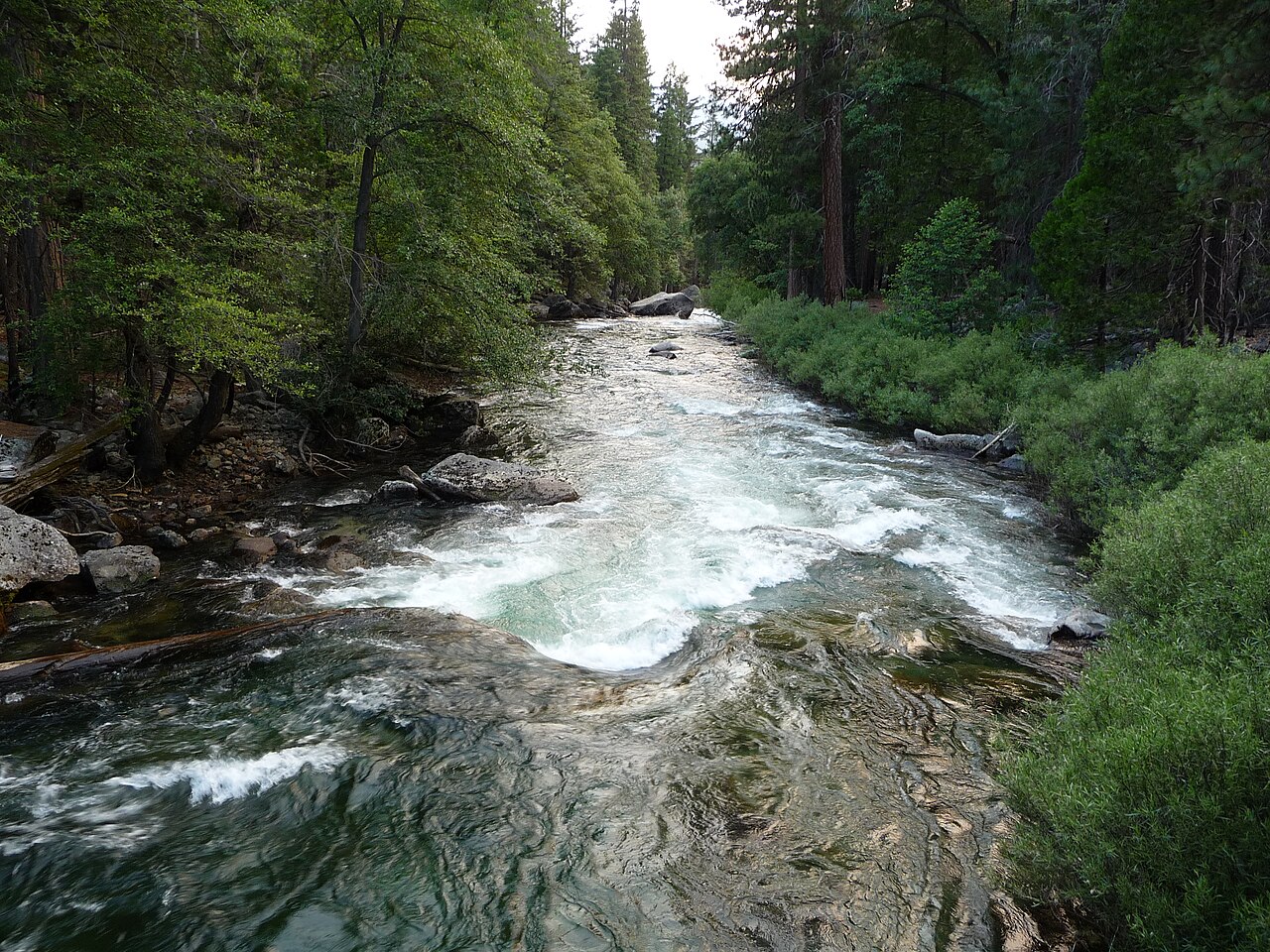
Kings River
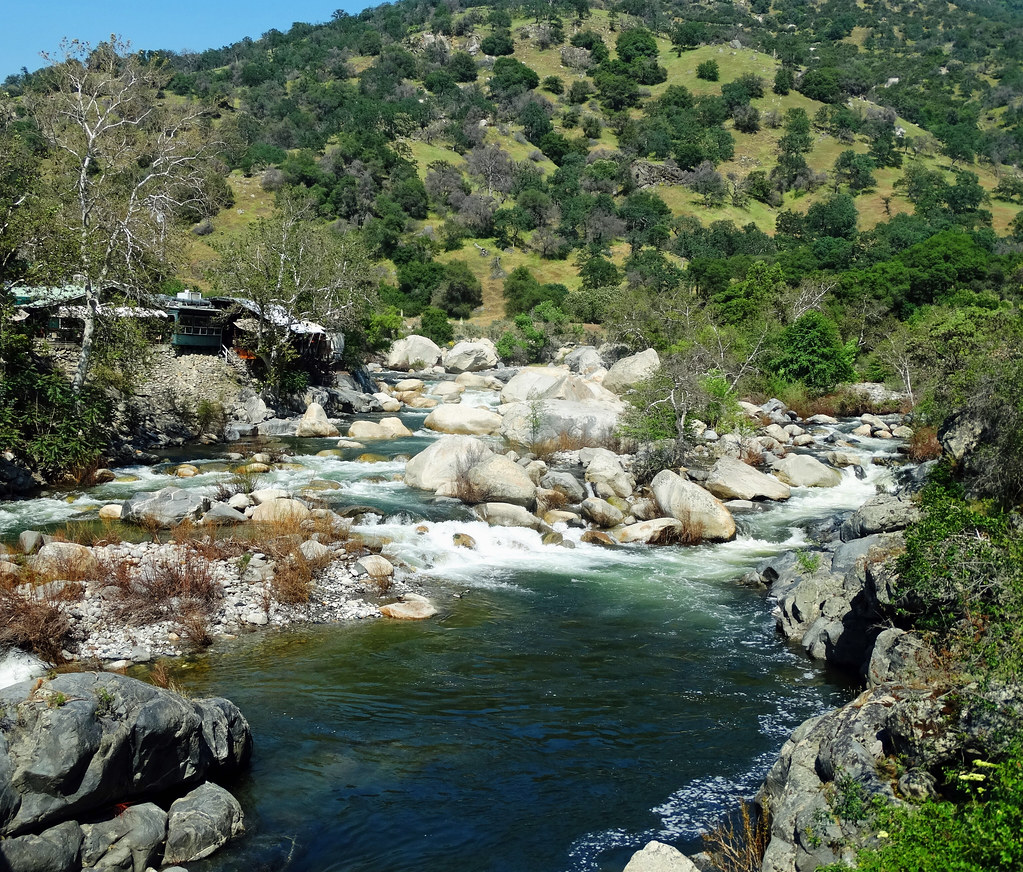
Kaweah River
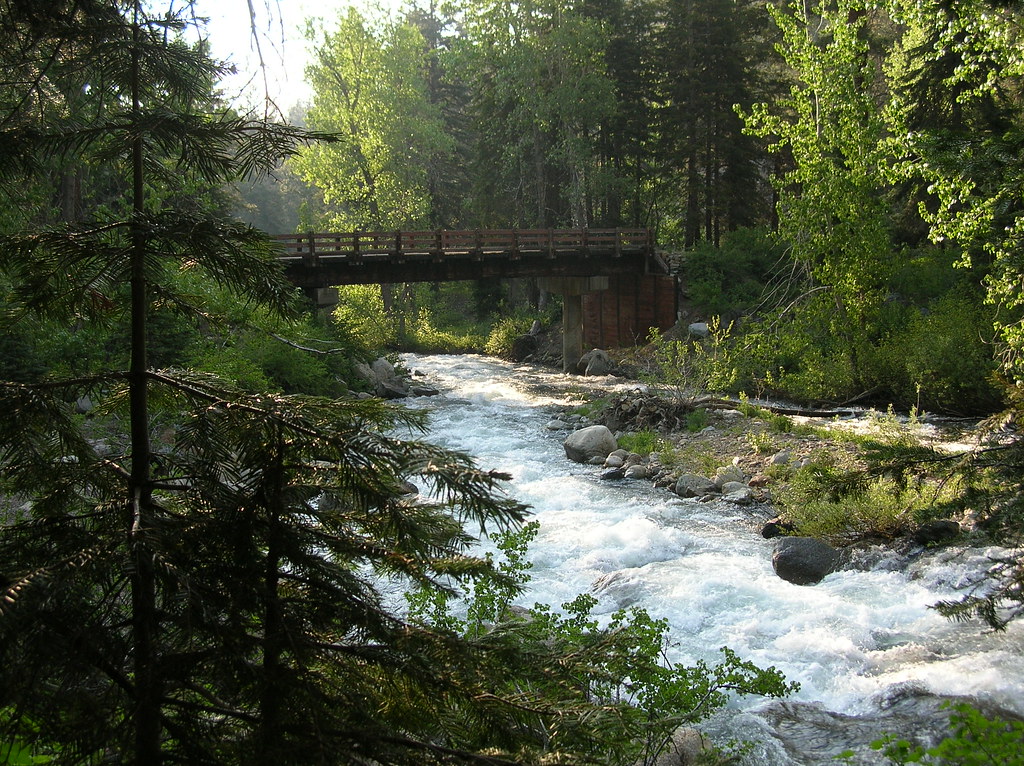
East Fork Kaweah River
Tule River
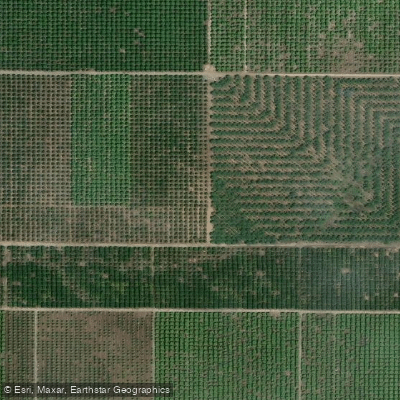
Deer Creek
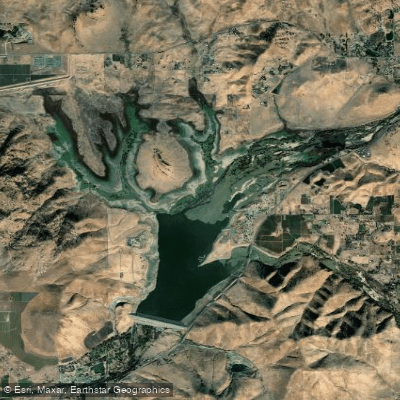
Lake Success
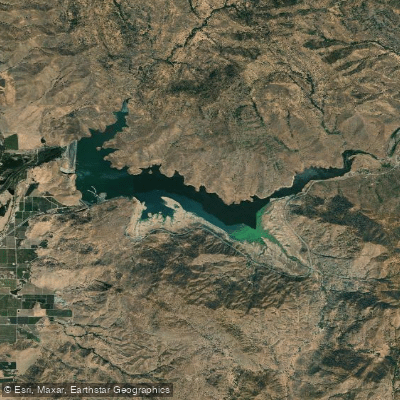
Lake Kaweah
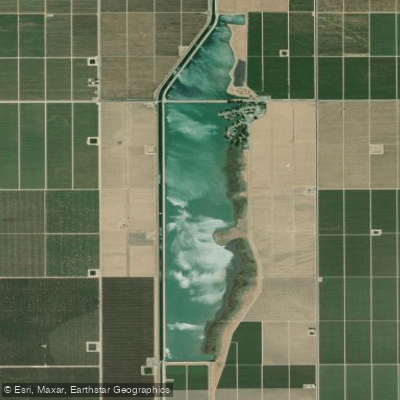
Lake Woollomes
Mill Creek
Fresno Slough
What to know
Habitat Distribution
- In California, they inhabit the Sacramento-San Joaquin Delta system and San Francisco Bay, migrating between estuarine waters and rivers.
- Adults spend most of their lives in San Francisco, San Pablo, and Suisun Bays, moving upstream to spawn in the Sacramento River (and less commonly the San Joaquin).
Key Locations
- Prime fishing occurs in San Francisco Bay (San Pablo and Suisun Bays), the Sacramento-San Joaquin Delta, and Sacramento River.
- San Pablo Bay's famous 'Sturgeon triangle'.
Specific Spots
- Target deep holes, seams, drop-offs, and back channels in 20-40 feet of water.
White Sturgeon FAQ
Answers from onWater's species guide.
What are the best lures and bait for White Sturgeon in California?
Natural baits vary seasonally - eulachon during April-May runs, salmon remains from July-November, and year-round options include ditch eels, lampreys, and dew worms.
When is the best time to fish for White Sturgeon in California?
Season reopens October 1 and runs through June 30. Winter months (January-March) provide excellent opportunities. Natural baits vary seasonally - eulachon during April-May runs, salmon remains from July-November.
How do you catch White Sturgeon in California?
Dr.ift shrimp on moving tides. Fish on or near the bottom in swift currents. Always keep fish in water during catch-and-release, use barbless hooks for easy removal, and handle with care given their protected status.
What do White Sturgeon eat?
Young sturgeon feed on small crustaceans like Corophium amphipods and aquatic insects, while adults consume a variety of bottom-dwelling invertebrates including clams, crabs, shrimp, and fish like anchovies, sculpins, lamprey, and spawning Pacific Herring.
Where do White Sturgeon live in California?
In California, they inhabit the Sacramento-San Joaquin Delta system and San Francisco Bay, migrating between estuarine waters and rivers. Adults spend most of their lives in San Francisco, San Pablo, and Suisun Bays, moving upstream to spawn in the Sacramento River (and less commonly the San Joaquin).
Fish smarter with real-time insights
Whether you're en route and conditions shift or you're looking for the best spot based on current flows, we enable you to make informed decisions on the fly.







See it in the app
Most maps show you water.
onWater shows you White Sturgeon.



- 01 · Species map filter
Map every White Sturgeon water
Pick White Sturgeon and the map zeroes in on the waters they call home. No more guessing which lake holds them.
- 02 · Waterbody species
Tap any water. See what lives there.
Species, behavior and seasonal patterns for every lake, river and pond, before you leave the driveway.
- 03 · Angler Intelligence
Ask how to catch White Sturgeon
Tactics, gear and timing from onWater's AI fishing guide, tuned to the species and the water you're on.
Stop guessing where White Sturgeon are.
Open the map, filter by White Sturgeon, and head to water that holds them. Download onWater and plan your next trip in minutes.
- Species map filter
- Angler Intelligence
- Fishing journal
Explore other species
Trout, bass, salmon, panfish and everything in between. Each guide unpacks the behavior, seasons, and tactics that put fish in the net.

Find which waters have the species you want to catch

Largemouth Bass

Smallmouth Bass

Rainbow Trout
Oncorhynchus mykiss

Brown Trout
Salmo trutta

Brook Trout
Salvelinus fontinalis

Cutthroat Trout
Oncorhynchus clarkii seleniris (Paiute), O. c. clarkii (Coastal), O. c. henshawi (Lahontan)

Black Crappie
Pomoxis nigromaculatus

American Shad

Bigmouth Buffalo
Ictiobus cyprinellus

Black Bullhead
Ameiurus melas

Blue Catfish
Ictalurus furcatus

Blue Tilapia
Oreochromis aureus

Brown Bullhead
Ameiurus nebulosus

Channel Catfish
Ictalurus punctatus

Chinook Salmon
Oncorhynchus tshawytscha
Chum Salmon
Oncorhynchus keta

Coastal Cutthroat Trout
Oncorhynchus clarkii clarkii

Coho Salmon
Oncorhynchus kisutch

Common Carp
Cyprinus carpio

Flathead Catfish
Pylodictis olivaris

Gizzard Shad
Dorosoma cepedianum

Golden Trout
Oncorhynchus mykiss aguabonita

Grass Carp
Ctenopharyngodon idella

Green Sunfish
Lepomis cyanellus
Kokanee Salmon
Oncorhynchus nerka

Lahontan Cutthroat Trout

Lake Trout
Salvelinus namaycush
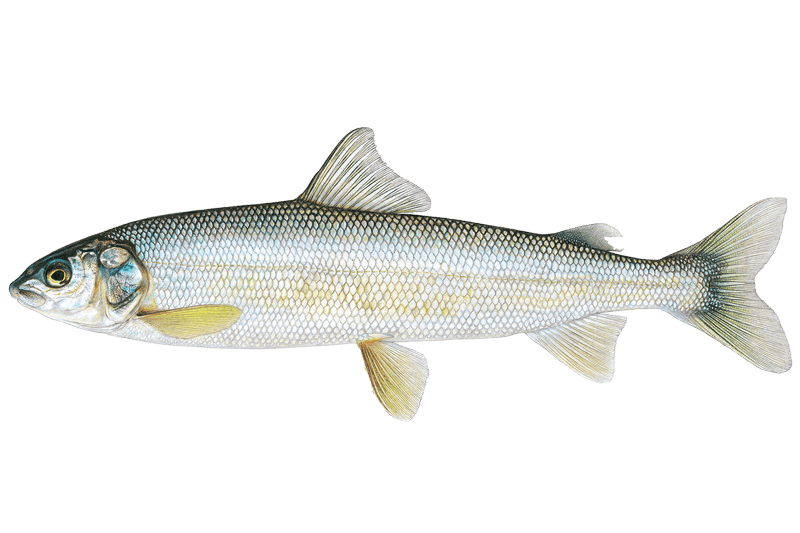
Mountain Whitefish
Prosopium williamsoni

Mozambique Tilapia
Oreochromis mossambicus

Nile Tilapia
Oreochromis niloticus

Pink Salmon
Oncorhynchus gorbuscha

Prickly Sculpin
Cottus asper

Pumpkinseed
Lepomis gibbosus

Redear Sunfish
Lepomis microlophus

Rock Bass
Ambloplites rupestris
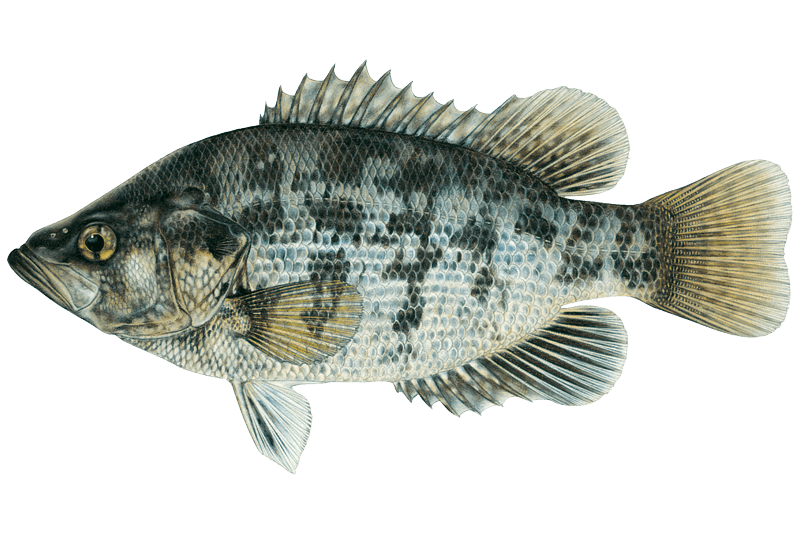
Sacramento Perch
Archoplites interruptus
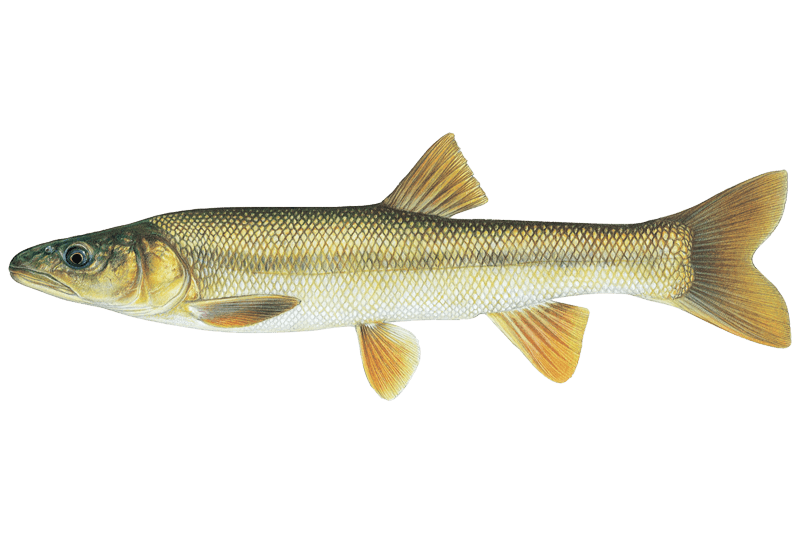
Sacramento Pikeminnow
Ptychocheilus grandis

Sockeye Salmon
Oncorhynchus nerka
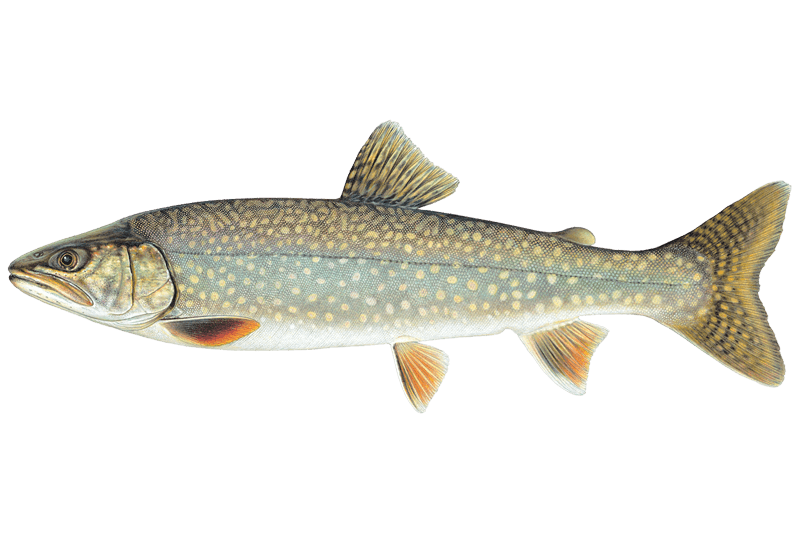
Splake
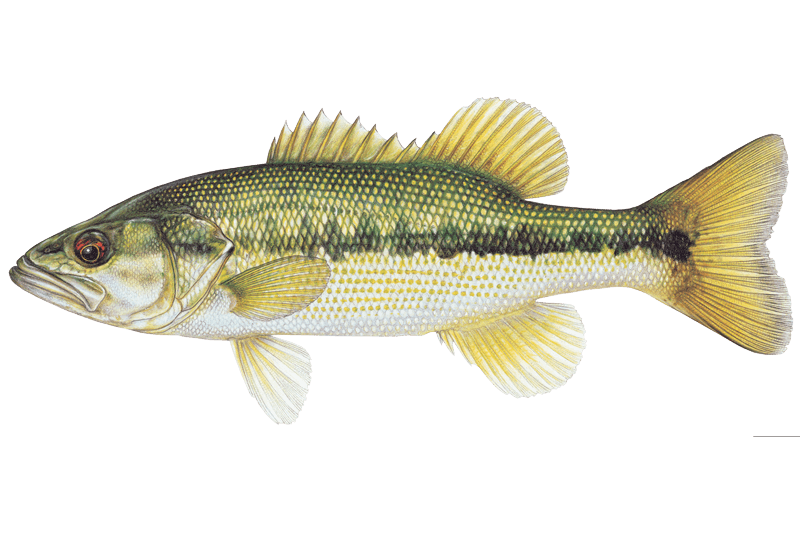
Spotted Bass
Micropterus punctulatus and Micropterus henshalli
California licenses and regulations

California Boating Regulations
When using any type of watercraft to access a body of water, it is important to follow all federal, state, and local rules and regulations. These rules and regulations include boat permitting and licensing, invasive species inspections and stamps, life jacket and PFD rules, motor size and horsepower restrictions, noise limitations, restrictions on personal watercraft, and many more. Visit the web link below for the most current rules and regulations for this body of water.

California Fishing License Online
In California, anyone under the age of 16 or above is required to get a sport fishing license to take any fish; shell fish, reptile or amphibian in the state.

California Freshwater Fishing Regulations
This river has a variety of species and regulations, including potential floating and/or watercraft restrictions. Because this river is specially managed for species, seasons, angling methods, and watercraft, it is strongly encouraged you check all federal, state, and local regulations before fishing. Visit any of the links below, inquire locally, or contact a local fly shop to learn current regulations and restrictions.

California Stream Access Laws
The courts have described the reach of the California public right of navigation as “the right to navigate and to exercise the incidents of navigation in a lawful manner at any point below high water mark” on waters that satisfy California’s small craft test. Thus, property owners cannot interfere with the public’s right to navigate or use shoreline areas below the ordinary high water mark for incidents of navigation. In fact, unauthorized obstruction of the public’s right to access and use a navigable waterway constitutes a public nuisance.
Explore nearby waters
Explore California waters
Top fishing waters
Popular Cities
Loading popular cities...
Smarter Fishing Starts in the App.
onWater Fish gives you everything you need to plan smarter, fish better, and own every trip from first cast to last.