Black Crappie

Black Crappie are non-native panfish that have become well-established throughout California's warm water lakes and reservoirs.
Scientific Name: Pomoxis nigromaculatus
- They're most easily identified by 7-8 spines in their dorsal fin (versus 5-6 for white crappie) and irregular dark blotches over a silvery-gray to green body.
- California crappie grow more slowly than eastern populations, reaching 4-8 cm in their first year and 17-33 cm by their fourth year.
Fishing in California
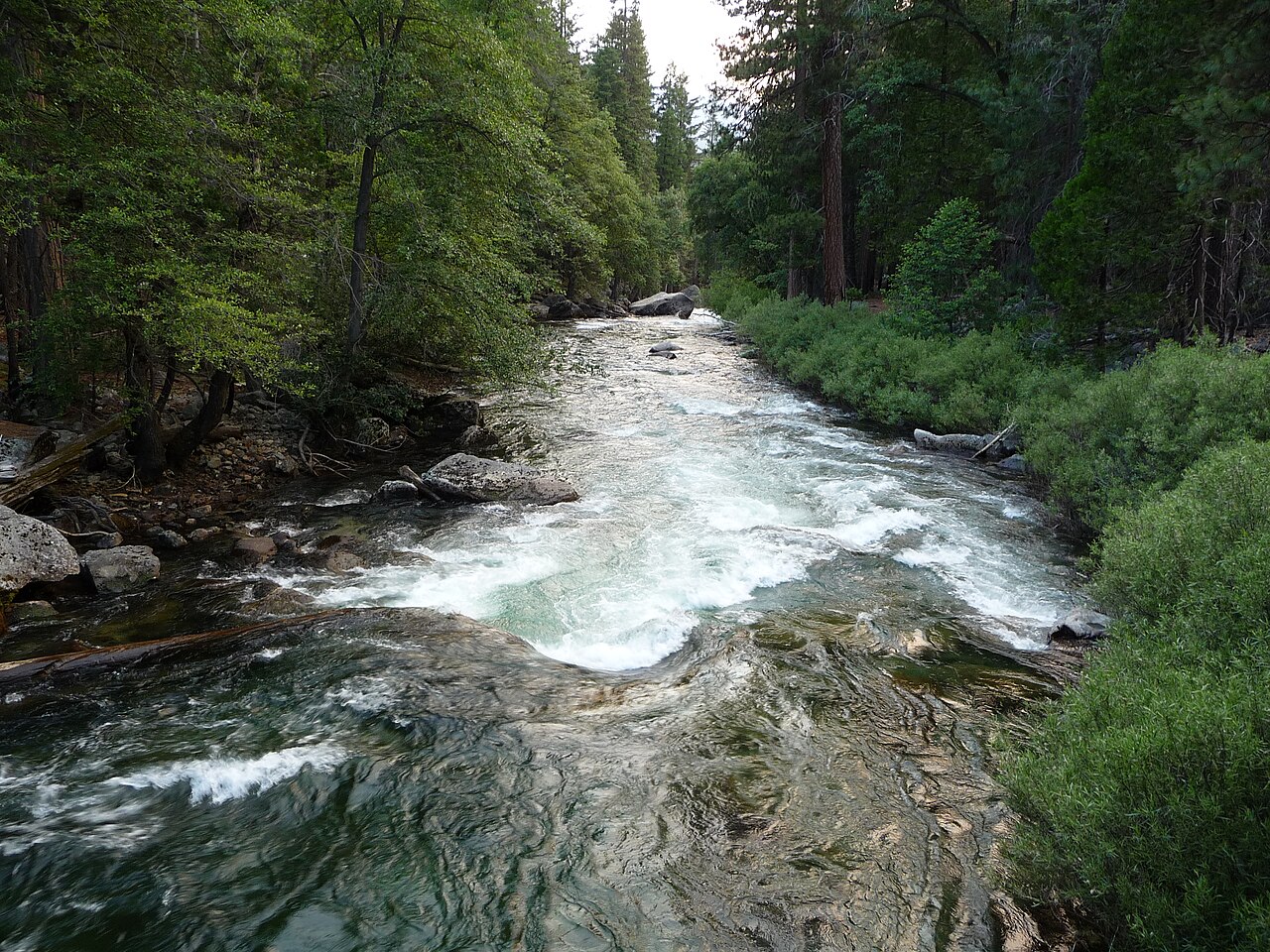
Kings River
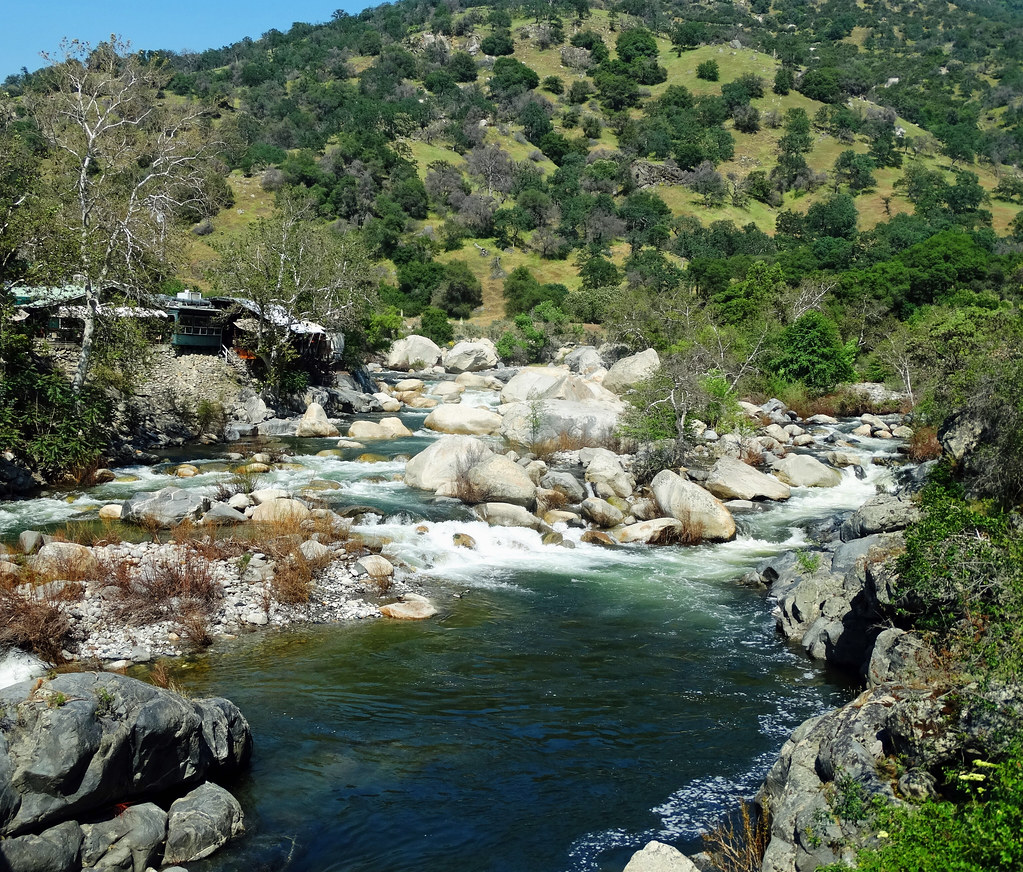
Kaweah River
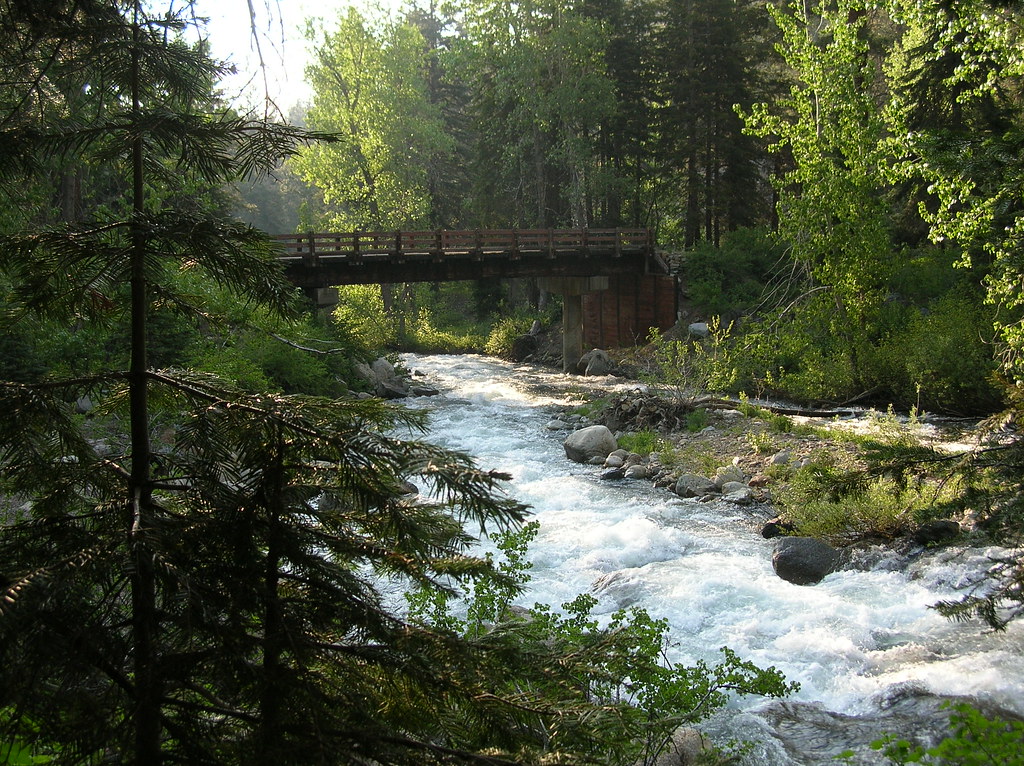
East Fork Kaweah River
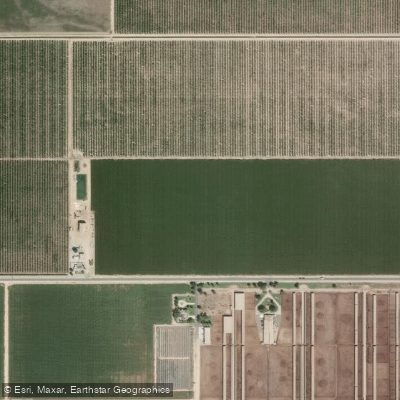
Tule River
Deer Creek
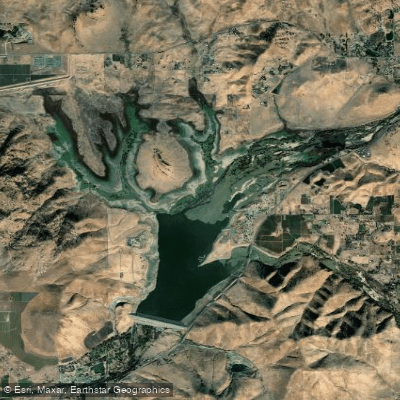
Lake Success
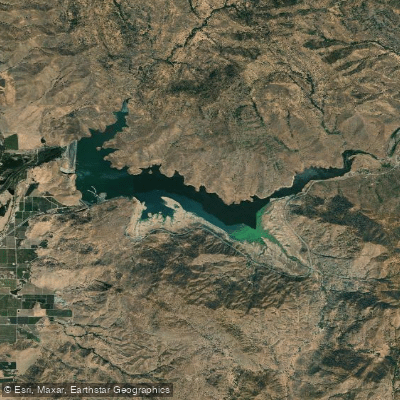
Lake Kaweah
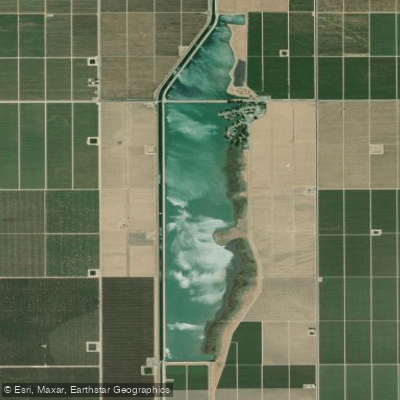
Lake Woollomes
Mill Creek
Fresno Slough
What to know
Habitat Distribution
- They prefer large, warm water lakes and reservoirs with little to no current, clear water, and abundant cover.
Key Locations
- Clear Lake (which has world record potential), Lake Sonoma, Lake Murray, Upper Otay Reservoir, Barrett Reservoir, and throughout the Sacramento-San Joaquin Delta system.
- In Clear Lake, focus on deeper structure and dropoffs.
- At Lake Sonoma, target areas near overhanging brush and standing timber.
Specific Spots
- Target them in 6-20 feet of water around structure like submerged trees, brush piles, docks, and weed beds.
- During cooler water, fish deeper structure at 20-30 feet.
- They school around large submerged objects like submerged timber, aquatic vegetation, brush piles, and docks during daylight hours.
Black Crappie FAQ
Answers from onWater's species guide.
What are the best lures and bait for Black Crappie in California?
1.5-2 inch tube baits (especially Southern Pro Lit'l Hustler Tubes in chartreuse, white, and black/chartreuse), small grubs like Z-Man 2-inch GrubZ in electric pink or glow colors, hair jigs, and small crankbaits like Rapala Ultra Light Shad. Live bait options include small minnows, shiners, meal worms, and wax worms.
What flies work for Black Crappie in California?
Small streamers that imitate minnows, jig-style flies, and patterns resembling mysid shrimp or small crustaceans.
When is the best time to fish for Black Crappie in California?
Best fishing occurs during pre-spawn period from water temperatures of 50-65°F (spring months). During cooler water (below 50°F), fish deeper. During summer's warmer temperatures (above 74°F), fish deeper water.
How do you catch Black Crappie in California?
Slip bobber fishing, casting jigs to cover, spider rigging with multiple rods, or slow trolling. Use slow presentations in cooler water and deeper water during summer.
What do Black Crappie eat?
Their diet shifts from zooplankton and small insect larvae when young to aquatic insects and small fish as adults. In California studies, mysid shrimp (Neomysis awatschensis), amphipods (Corophium), copepods, cladocerans, and chironomid larvae form their primary diet.
Fish smarter with real-time insights
Whether you're en route and conditions shift or you're looking for the best spot based on current flows, we enable you to make informed decisions on the fly.




See it in the app
Most maps show you water.
onWater shows you Black Crappie.



- 01 · Species map filter
Map every Black Crappie water
Pick Black Crappie and the map zeroes in on the waters they call home. No more guessing which lake holds them.
- 02 · Waterbody species
Tap any water. See what lives there.
Species, behavior and seasonal patterns for every lake, river and pond, before you leave the driveway.
- 03 · Angler Intelligence
Ask how to catch Black Crappie
Tactics, gear and timing from onWater's AI fishing guide, tuned to the species and the water you're on.
Stop guessing where Black Crappie are.
Open the map, filter by Black Crappie, and head to water that holds them. Download onWater and plan your next trip in minutes.
- Species map filter
- Angler Intelligence
- Fishing journal
Explore other species
Trout, bass, salmon, panfish and everything in between. Each guide unpacks the behavior, seasons, and tactics that put fish in the net.
No species information available.
California licenses and regulations
Explore nearby waters
Explore California waters
Top fishing waters
Popular Cities
Loading popular cities...

Smarter Fishing Starts in the App.
onWater Fish gives you everything you need to plan smarter, fish better, and own every trip from first cast to last.