Splake

Splake are a hybrid between brook trout (female) and lake trout (male) that were first introduced to California in 1955 in the Upper Yuba watershed.
In California, splake are found in cold, deep lakes and are non-native introductions managed through stocking programs.
They exhibit characteristics of both parent species - a silvery body with light spots, moderately forked tail (less pronounced than lake trout), and the speckled markings reminiscent of brook trout.
Splake can be positively identified by counting pyloric caeca: 65-85 (compared to brook trout's 23-55 and lake trout's 93+).
Fishing in California
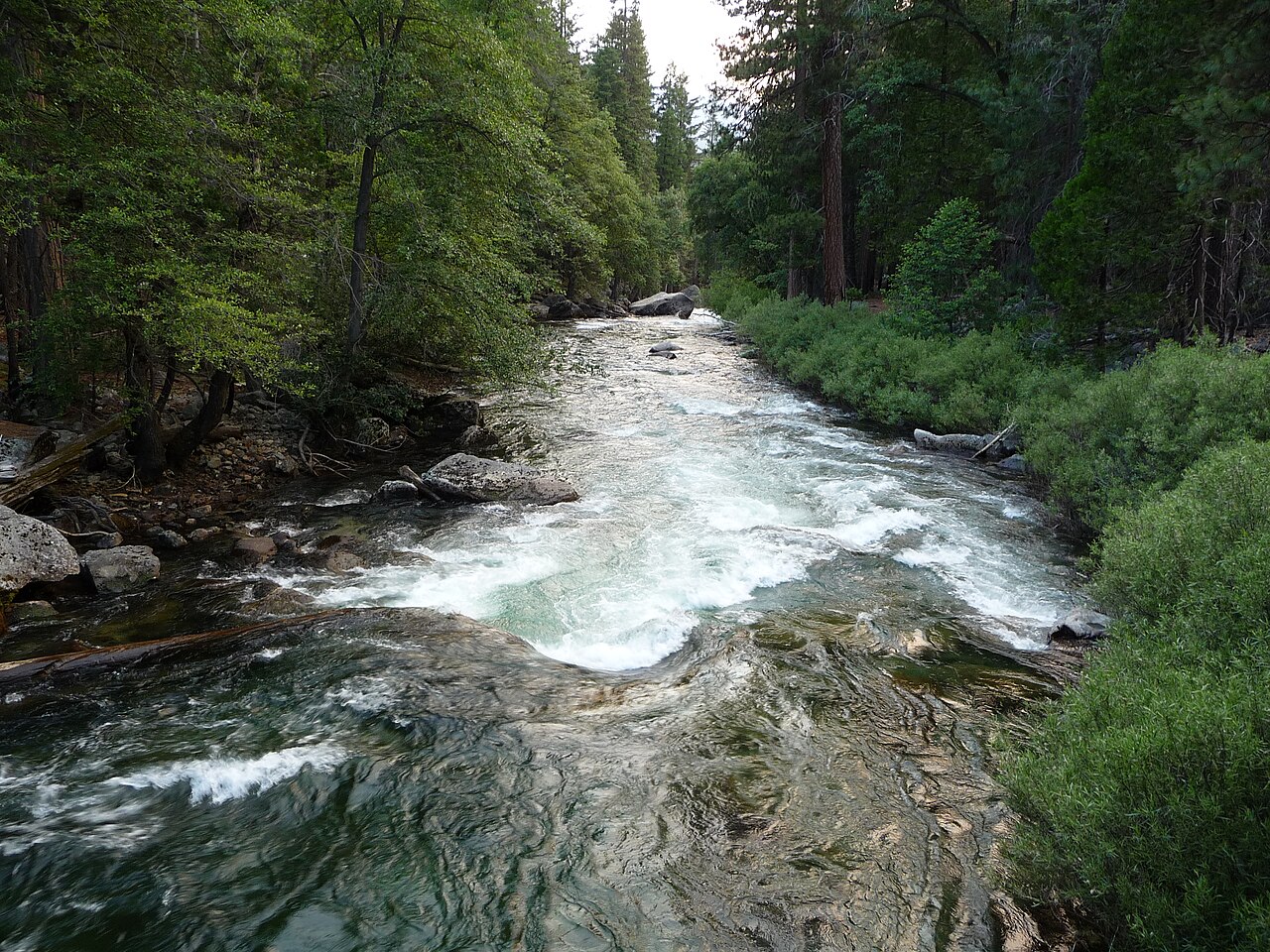
Kings River
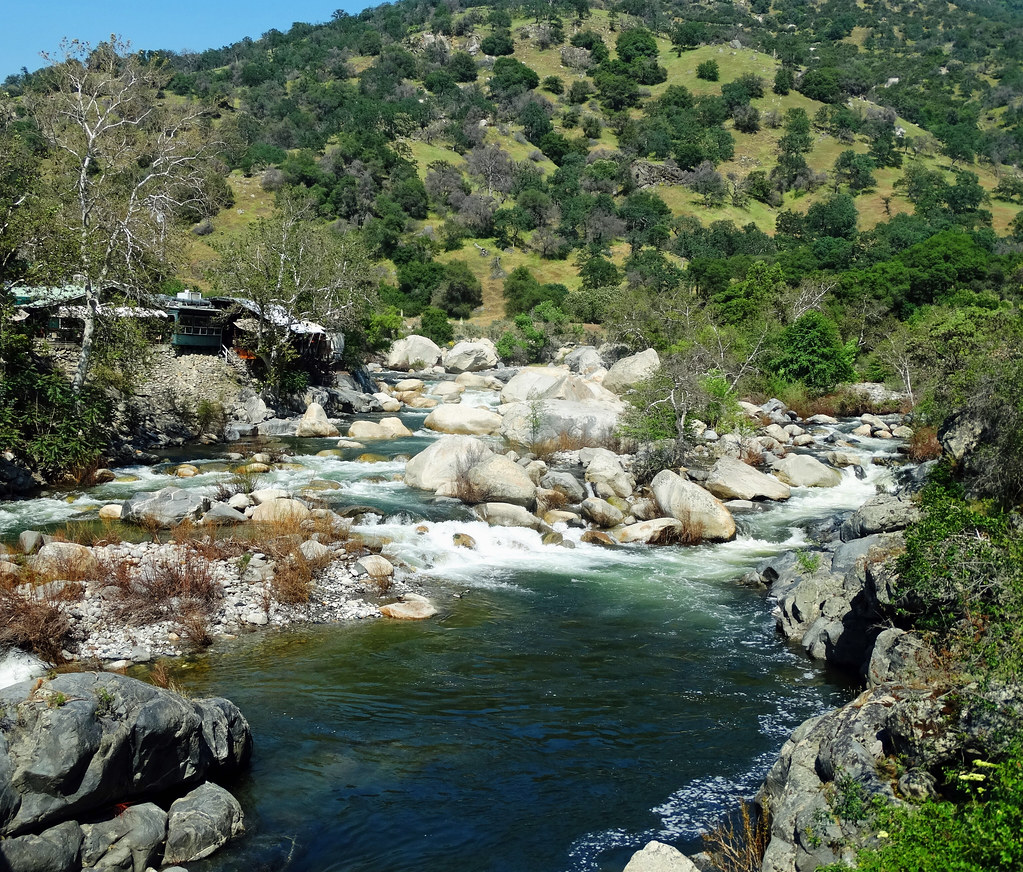
Kaweah River
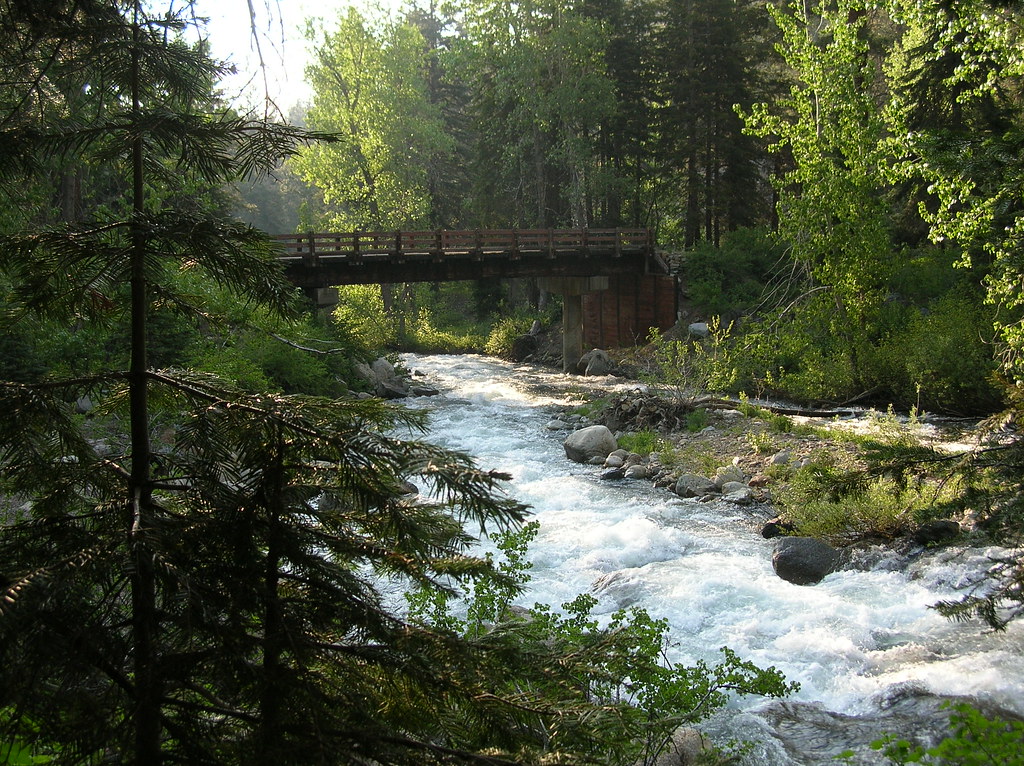
East Fork Kaweah River
Tule River
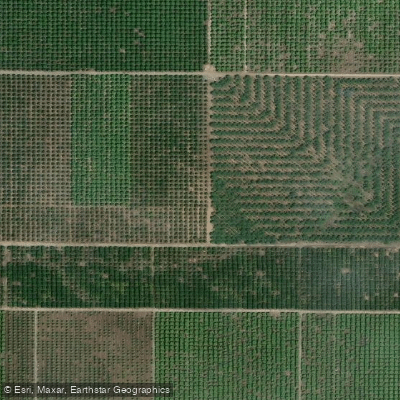
Deer Creek
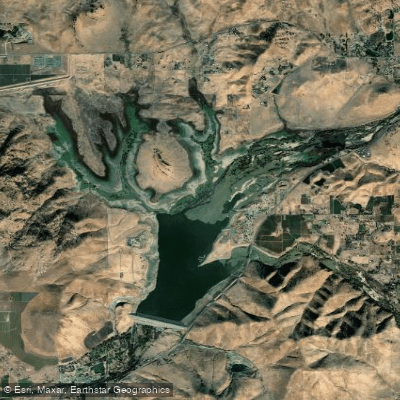
Lake Success
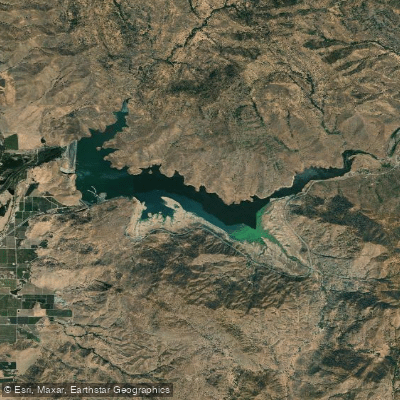
Lake Kaweah
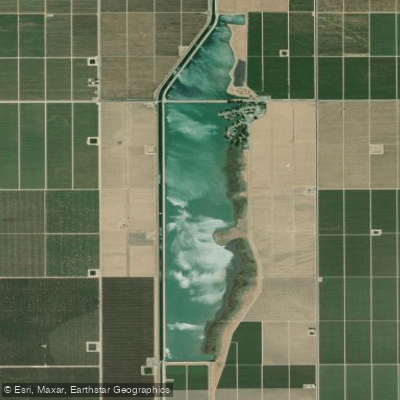
Lake Woollomes
Mill Creek
Fresno Slough
What to know
Habitat Distribution
In California, splake are found in cold, deep lakes. In California's stratified lakes, splake are typically found in the thermocline and hypolimnion during summer months.Key Locations
In California, concentrate efforts on high-elevation lakes that remain cool year-round, particularly those in the Sierra Nevada region. The Spruce Moth hatch at northern California lakes is particularly attractive to feeding splake.Specific Spots
Target areas around structure, drop-offs, points, and deep edges during warmer periods.Splake FAQ
Answers from onWater's species guide.
What are the best lures and bait for Splake in California?
Small spinners, minnow-imitating lures, spoons (particularly small spoons), shads, jigs, artificial salmon eggs, spawn sacks, live minnows, or small dead baits.
What flies work for Splake in California?
Fly patterns should include streamers, minnow patterns, and emerging insect imitations. The Spruce Moth hatch at northern lakes creates exceptional feeding opportunities where splake can't resist these patterns.
When is the best time to fish for Splake in California?
Most productive during spring and fall when water temperatures are cool and fish move into shallower water. Splake spawn in fall (October-November) when water temperatures drop to 4-11°C - this is a period when anglers should avoid targeting them to protect reproduction.
How do you catch Splake in California?
Techniques include casting, still fishing, spinning, trolling, and fly fishing. During spring and fall, cast or troll small spinners, minnow-imitating lures. In summer months, troll at the specific depth of the thermocline.
What do Splake eat?
Their diet shifts with age - juveniles feed primarily on invertebrates, aquatic insects, and plankton during their first year, then transition to a more piscivorous diet as adults. Mature splake feed on smelts, white perch, yellow perch, crayfish, sunfish, and minnows.
Fish smarter with real-time insights
Whether you're en route and conditions shift or you're looking for the best spot based on current flows, we enable you to make informed decisions on the fly.




See it in the app
Most maps show you water.
onWater shows you Splake.



- 01 · Species map filter
Map every Splake water
Pick Splake and the map zeroes in on the waters they call home. No more guessing which lake holds them.
- 02 · Waterbody species
Tap any water. See what lives there.
Species, behavior and seasonal patterns for every lake, river and pond, before you leave the driveway.
- 03 · Angler Intelligence
Ask how to catch Splake
Tactics, gear and timing from onWater's AI fishing guide, tuned to the species and the water you're on.
Stop guessing where Splake are.
Open the map, filter by Splake, and head to water that holds them. Download onWater and plan your next trip in minutes.
- Species map filter
- Angler Intelligence
- Fishing journal
Explore other species
Trout, bass, salmon, panfish and everything in between. Each guide unpacks the behavior, seasons, and tactics that put fish in the net.
No species information available.
California licenses and regulations
Explore nearby waters
Explore California waters
Top fishing waters
Popular Cities
Loading popular cities...

Smarter Fishing Starts in the App.
onWater Fish gives you everything you need to plan smarter, fish better, and own every trip from first cast to last.