Blue Catfish

Blue Catfish are non-native predatory catfish that were first introduced to California in 1969, with 1,755 fish initially stocked in Lake Jennings, San Diego County, for biocontrol of Asian freshwater clams and to provide trophy fishing opportunities.
Though less widespread than channel catfish, blue cats are now established but rare in the Sacramento-San Joaquin Delta and have been introduced to many Southern California watersheds.
Scientific Name: Ictalurus furcatus
- These massive fish can exceed 100 pounds and grow over 5 feet long, making them the heavyweight champions among California's catfish species.
- They're distinguished from channel catfish by their straight-edged anal fin with 30-35 rays, lack of dark spots, and bluish-silver coloration that grades to white on the belly.
Fishing in California
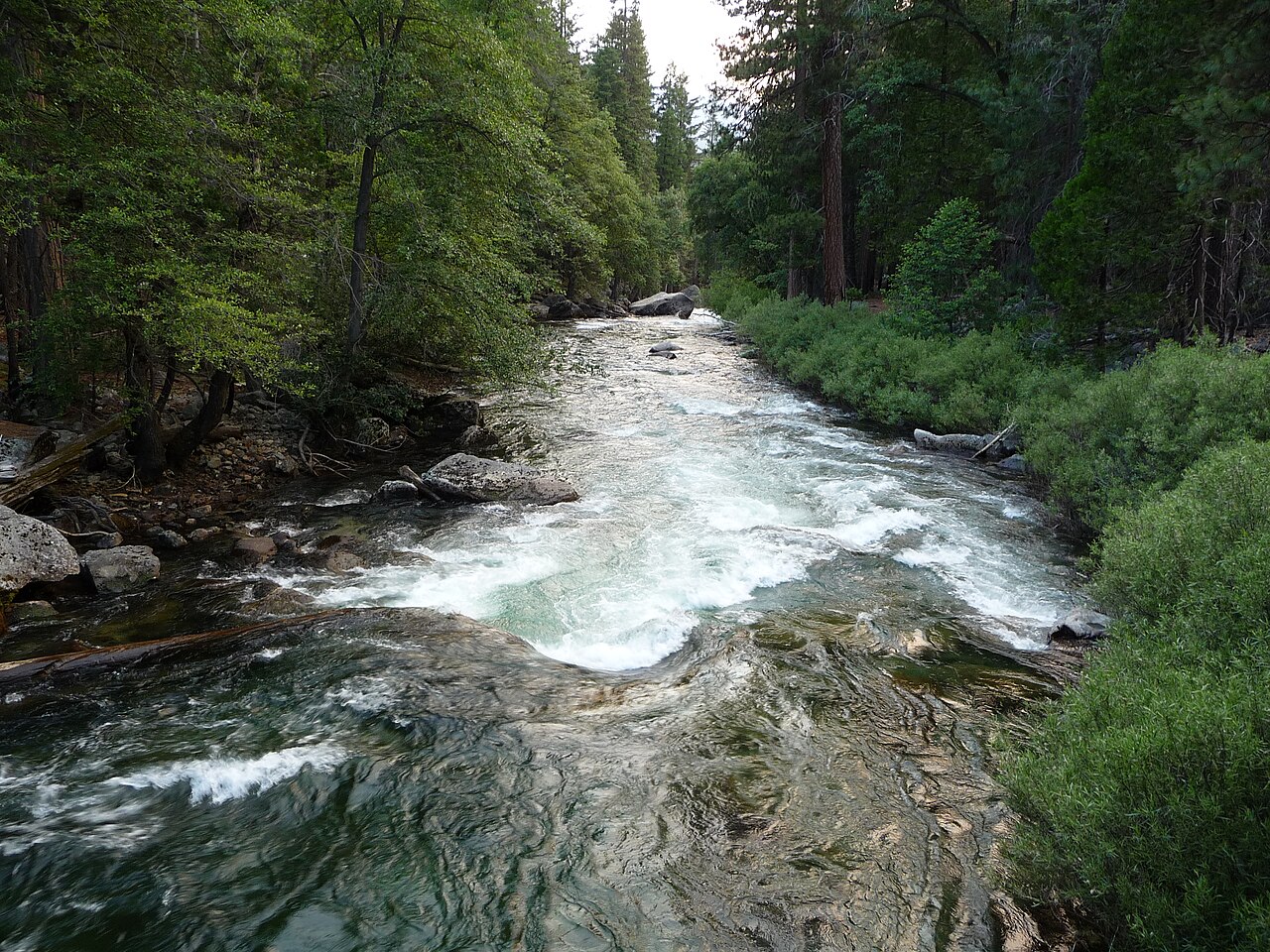
Kings River
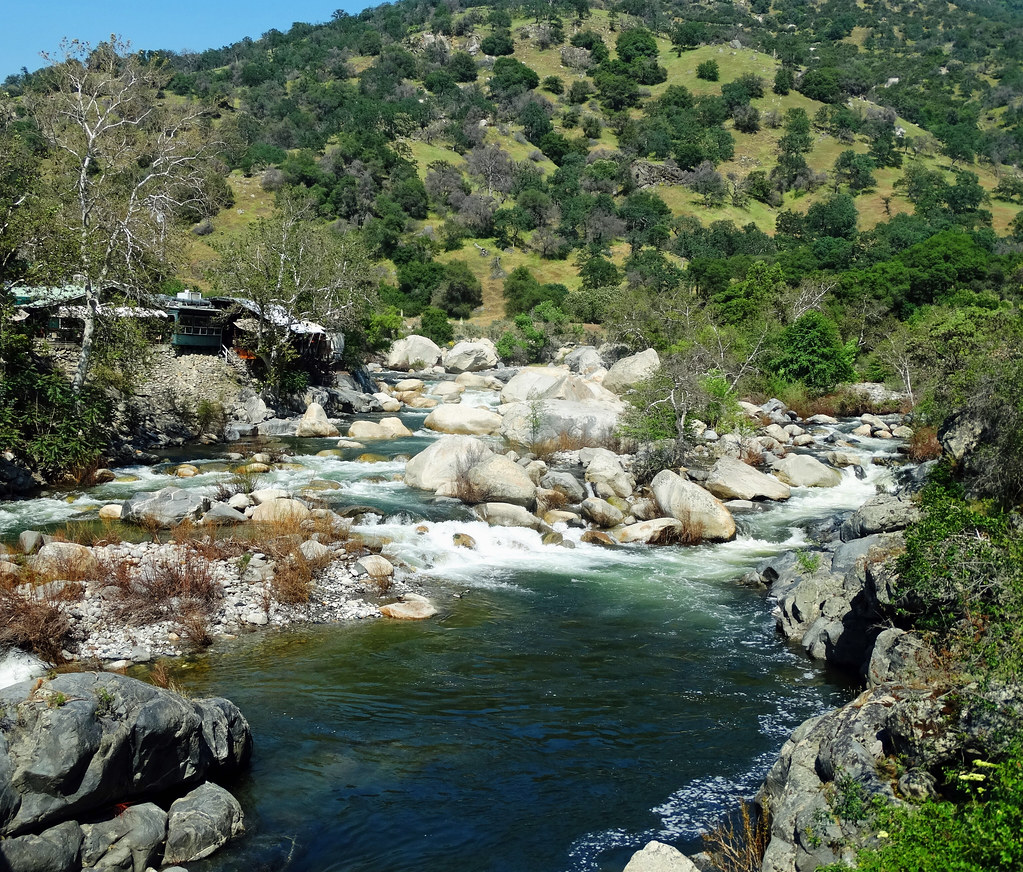
Kaweah River
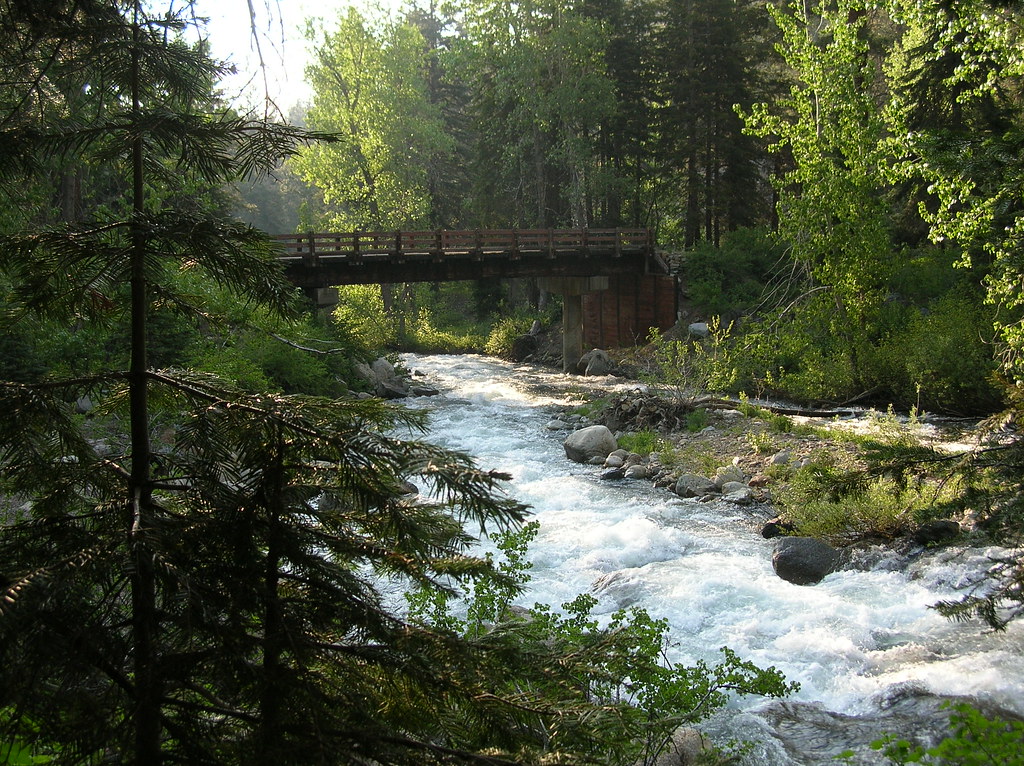
East Fork Kaweah River
Tule River
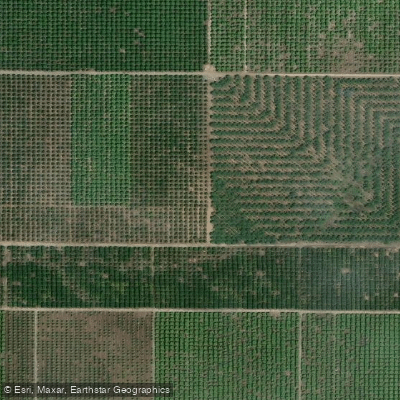
Deer Creek
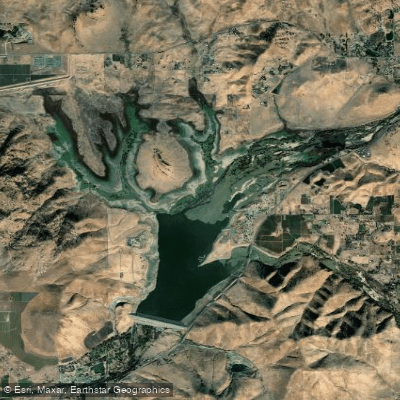
Lake Success
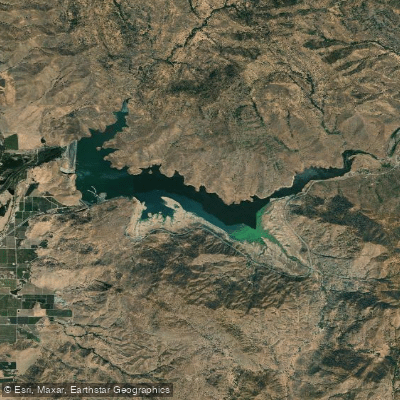
Lake Kaweah
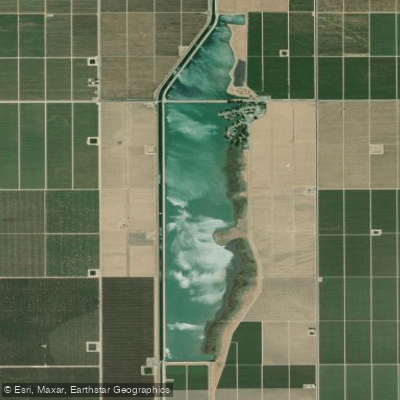
Lake Woollomes
Mill Creek
Fresno Slough
What to know
Habitat Distribution
- Established but rare in the Sacramento-San Joaquin Delta and introduced to many Southern California watersheds.
- They prefer deep channels of large rivers and reservoirs with swift currents during summer.
- In California's reservoir systems, they inhabit depths from 15-45 feet, preferring mud bottoms that retain heat better than rock substrates.
Key Locations
- Sacramento-San Joaquin Delta, Southern California reservoirs like San Vicente (home to California's 113-pound record blue cat), Irvine Lake, and Lower Otay Reservoir.
- Focus on the Barona and Kimball arms of San Vicente, areas around Lowell Island.
- Los Angeles, San Diego, Santa Ana, Santa Clara, Santa Margarita, and Santa Maria river systems.
Specific Spots
- Target deep holes 30-45 feet down with mud bottoms, outside river-channel bends with submerged cover like stumps, laydown logs, and big rocks.
- Boulder piles that form natural caves where blues hide.
- Deep sloughs and channels with strong current.
- Rocky channel banks at 15-25 foot depths.
Blue Catfish FAQ
Answers from onWater's species guide.
What are the best lures and bait for Blue Catfish in California?
Cut skipjack herring and mackerel chunks are premier baits, especially in Southern California reservoirs. In the Sacramento-San Joaquin Delta, use anchovies, sardines, and bloodworms.
When is the best time to fish for Blue Catfish in California?
Winter months (December through March) for trophy specimens. Spring fishing (late March through mid-April) produces excellent action as fish move to 15-25 foot depths.
How do you catch Blue Catfish in California?
Target outside river-channel bends with submerged cover using heavy Carolina rigs. Target creek mouths and inflowing tributaries in flowing systems.
What do Blue Catfish eat?
Blue catfish are opportunistic omnivores with broad feeding spectra, consuming everything from Asian clams (Corbicula fluminea) in California reservoirs to fish, invertebrates, aquatic vegetation, and even anthropogenic debris.
Where do Blue Catfish live in California?
Established but rare in the Sacramento-San Joaquin Delta and introduced to many Southern California watersheds. They prefer deep channels of large rivers and reservoirs with swift currents during summer.
Fish smarter with real-time insights
Whether you're en route and conditions shift or you're looking for the best spot based on current flows, we enable you to make informed decisions on the fly.




See it in the app
Most maps show you water.
onWater shows you Blue Catfish.



- 01 · Species map filter
Map every Blue Catfish water
Pick Blue Catfish and the map zeroes in on the waters they call home. No more guessing which lake holds them.
- 02 · Waterbody species
Tap any water. See what lives there.
Species, behavior and seasonal patterns for every lake, river and pond, before you leave the driveway.
- 03 · Angler Intelligence
Ask how to catch Blue Catfish
Tactics, gear and timing from onWater's AI fishing guide, tuned to the species and the water you're on.
Stop guessing where Blue Catfish are.
Open the map, filter by Blue Catfish, and head to water that holds them. Download onWater and plan your next trip in minutes.
- Species map filter
- Angler Intelligence
- Fishing journal
Explore other species
Trout, bass, salmon, panfish and everything in between. Each guide unpacks the behavior, seasons, and tactics that put fish in the net.
No species information available.
California licenses and regulations
Explore nearby waters
Explore California waters
Top fishing waters
Popular Cities
Loading popular cities...

Smarter Fishing Starts in the App.
onWater Fish gives you everything you need to plan smarter, fish better, and own every trip from first cast to last.