Sockeye Salmon

Sockeye Salmon in California exist primarily as landlocked populations called Kokanee, which are much smaller than their ocean-going cousins and rarely exceed 35 cm (14 inches) in length.
While historically native to the western coast of North America as far south as the Sacramento River, wild sockeye populations have been largely extirpated from California waters.
Scientific Name: Oncorhynchus nerka
Also known as Kokanee
- Rarely exceed 35 cm (14 inches) in length.
- In their ocean phase, sockeye are blue-tinged with silver coloration, but develop the characteristic red body and green head during spawning season from late summer through fall.
Fishing in California
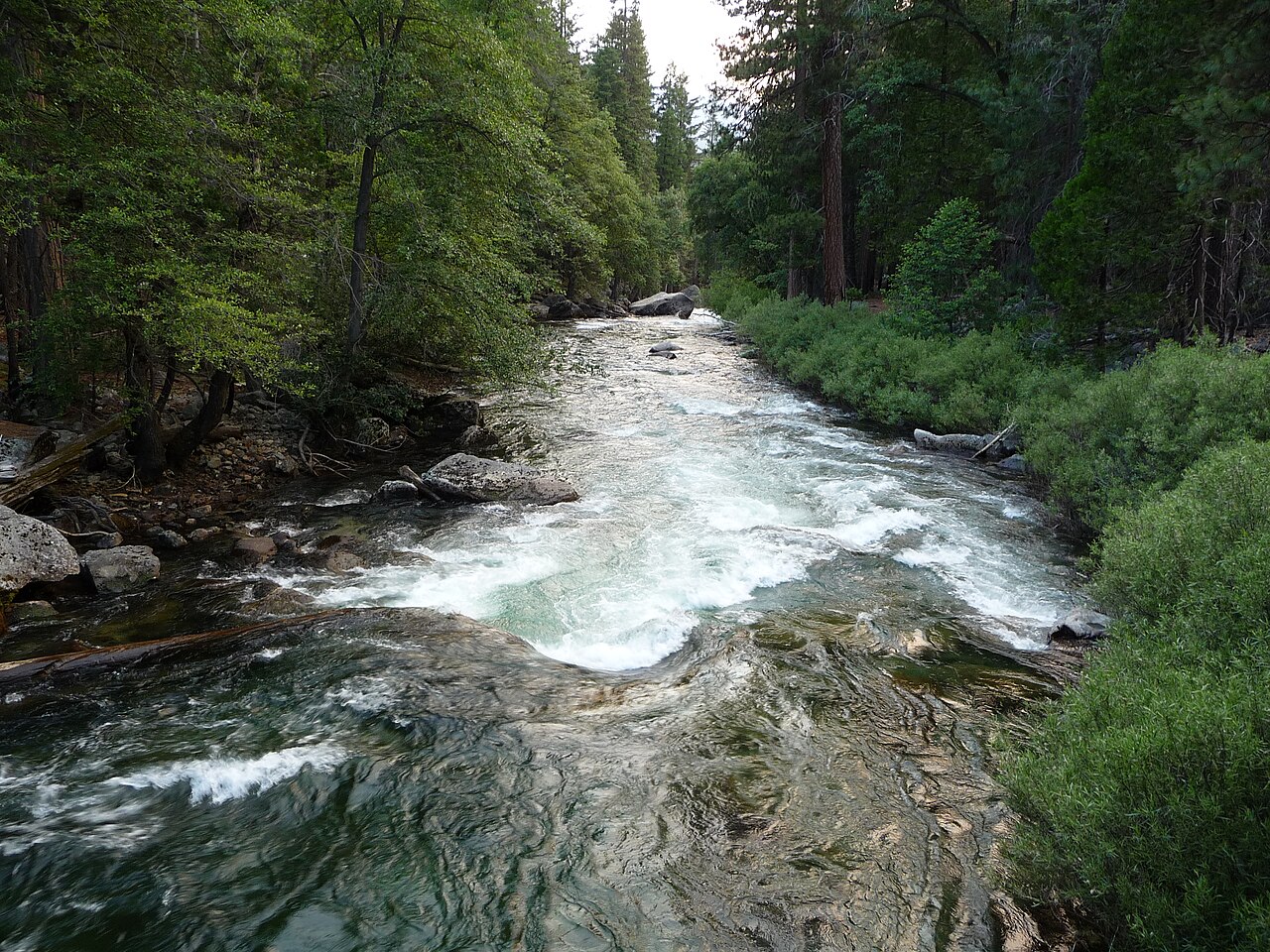
Kings River
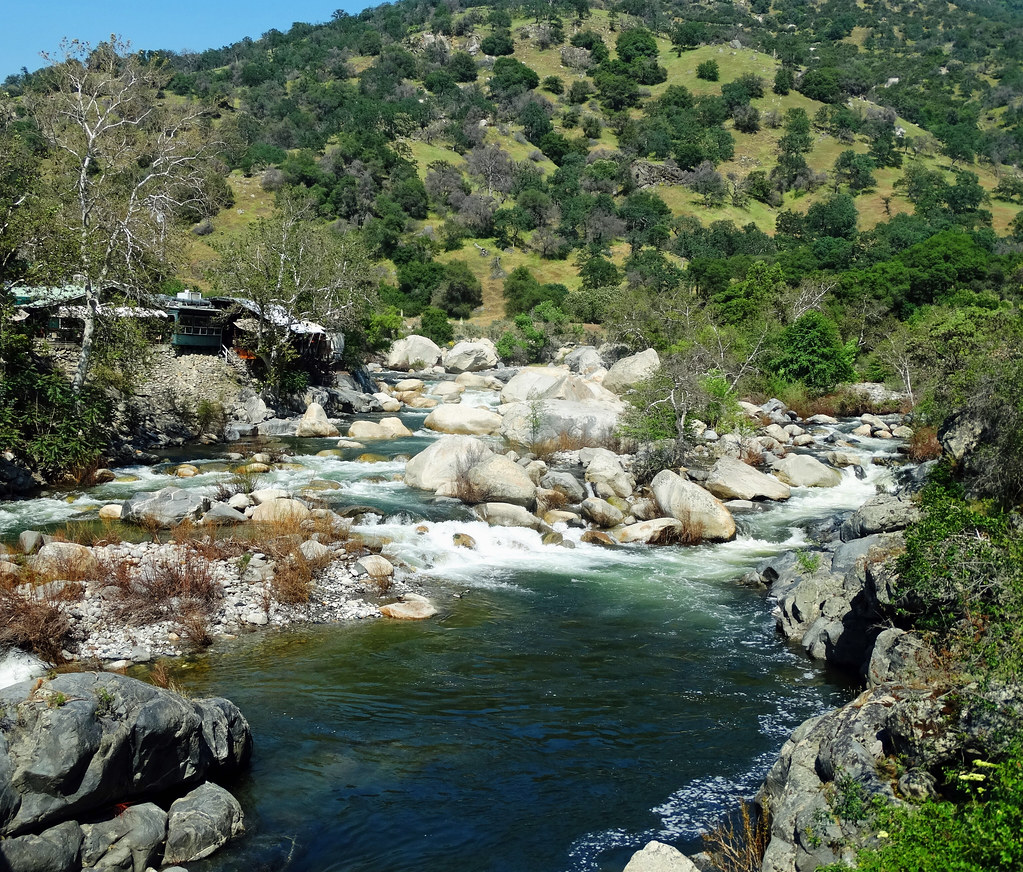
Kaweah River
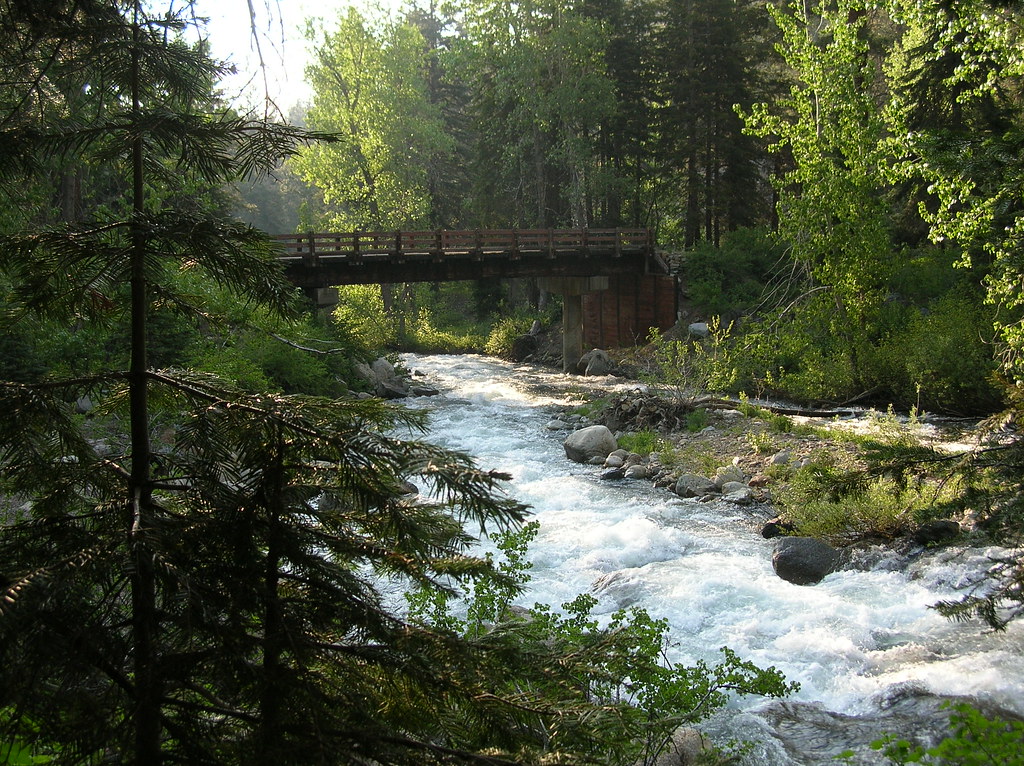
East Fork Kaweah River
Tule River
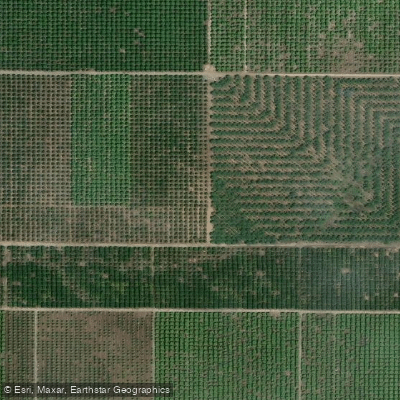
Deer Creek
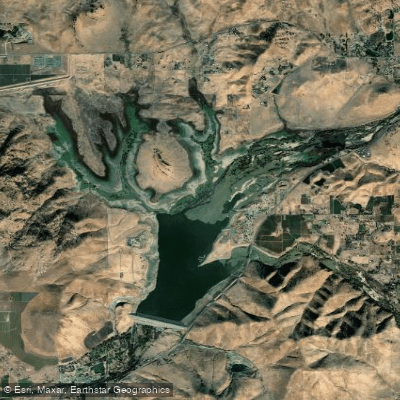
Lake Success
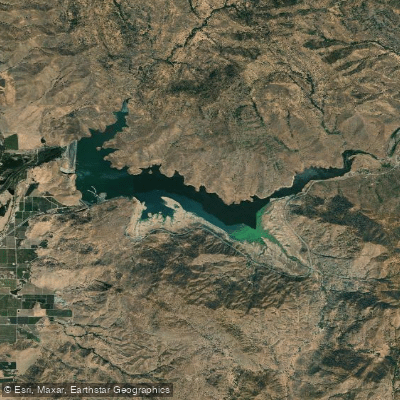
Lake Kaweah
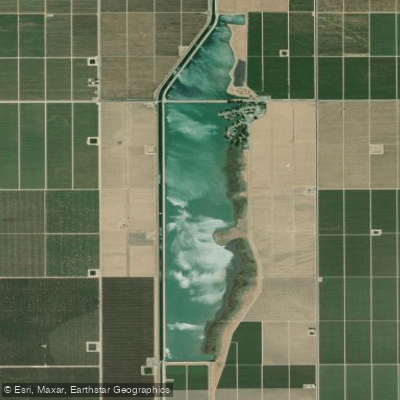
Lake Woollomes
Mill Creek
Fresno Slough
What to know
Habitat Distribution
- Found as introduced Kokanee populations in approximately 15 reservoirs.
- Schooling fish that frequent open water.
Key Locations
- Today's California sockeye are primarily found as introduced Kokanee populations in approximately 15 reservoirs including Lake Tahoe, New Melones Reservoir, Stampede Reservoir, Lake Berryessa, Whiskeytown Lake, Bullards Bar Reservoir, Shaver Lake, Union Valley Reservoir, and several others.
- Waters like Whiskeytown Lake have produced some of California's largest kokanee, while lakes like Bullards Bar provide consistent action for smaller fish.
Specific Spots
- In fall, before spawning begins, kokanee congregate in dense schools near tributary mouths.
Sockeye Salmon FAQ
Answers from onWater's species guide.
What are the best lures and bait for Sockeye Salmon in California?
Popular lures include small spinners, soft plastic tubes (hoochies or squids), and small spoons, with pink and orange being the most productive colors. The most successful anglers tip their lures with white 'shoepeg' corn, often scented for additional attraction.
When is the best time to fish for Sockeye Salmon in California?
The best time to fish for Kokanee in California is from spring through summer, with peak fishing occurring during summer months when fish are at their largest size. In fall, before spawning begins, kokanee congregate in dense schools near tributary mouths.
How do you catch Sockeye Salmon in California?
Trolling is the primary technique, typically at speeds between 0.8-1.5 mph. Adding a dodger or flasher just ahead of the lure helps attract fish.
What do Sockeye Salmon eat?
Kokanee feed almost exclusively on zooplankton, unlike other Pacific salmon that transition to eating fish.
Where do Sockeye Salmon live in California?
Found as introduced Kokanee populations in approximately 15 reservoirs. Schooling fish that frequent open water.
Fish smarter with real-time insights
Whether you're en route and conditions shift or you're looking for the best spot based on current flows, we enable you to make informed decisions on the fly.




See it in the app
Most maps show you water.
onWater shows you Sockeye Salmon.



- 01 · Species map filter
Map every Sockeye Salmon water
Pick Sockeye Salmon and the map zeroes in on the waters they call home. No more guessing which lake holds them.
- 02 · Waterbody species
Tap any water. See what lives there.
Species, behavior and seasonal patterns for every lake, river and pond, before you leave the driveway.
- 03 · Angler Intelligence
Ask how to catch Sockeye Salmon
Tactics, gear and timing from onWater's AI fishing guide, tuned to the species and the water you're on.
Stop guessing where Sockeye Salmon are.
Open the map, filter by Sockeye Salmon, and head to water that holds them. Download onWater and plan your next trip in minutes.
- Species map filter
- Angler Intelligence
- Fishing journal
Explore other species
Trout, bass, salmon, panfish and everything in between. Each guide unpacks the behavior, seasons, and tactics that put fish in the net.
No species information available.
California licenses and regulations
Explore nearby waters
Explore California waters
Top fishing waters
Popular Cities
Loading popular cities...

Smarter Fishing Starts in the App.
onWater Fish gives you everything you need to plan smarter, fish better, and own every trip from first cast to last.