Rock Bass

Rock Bass are an introduced species in California, originally native to east-central North America but brought to western states including California by the United States Fish Commission between 1889-1936. They belong to the sunfish family.
Scientific Name: Ambloplites rupestris
Also known as red-eye
- Distinguished by their distinctive red eyes, large mouth with small conical teeth, and six spines in the anal fin (unlike other sunfish which have only three).
- These fish are relatively small, averaging 6-10 inches and rarely exceeding one pound, though the largest recorded specimen reached 17 inches and 3.1 pounds.
Fishing in California
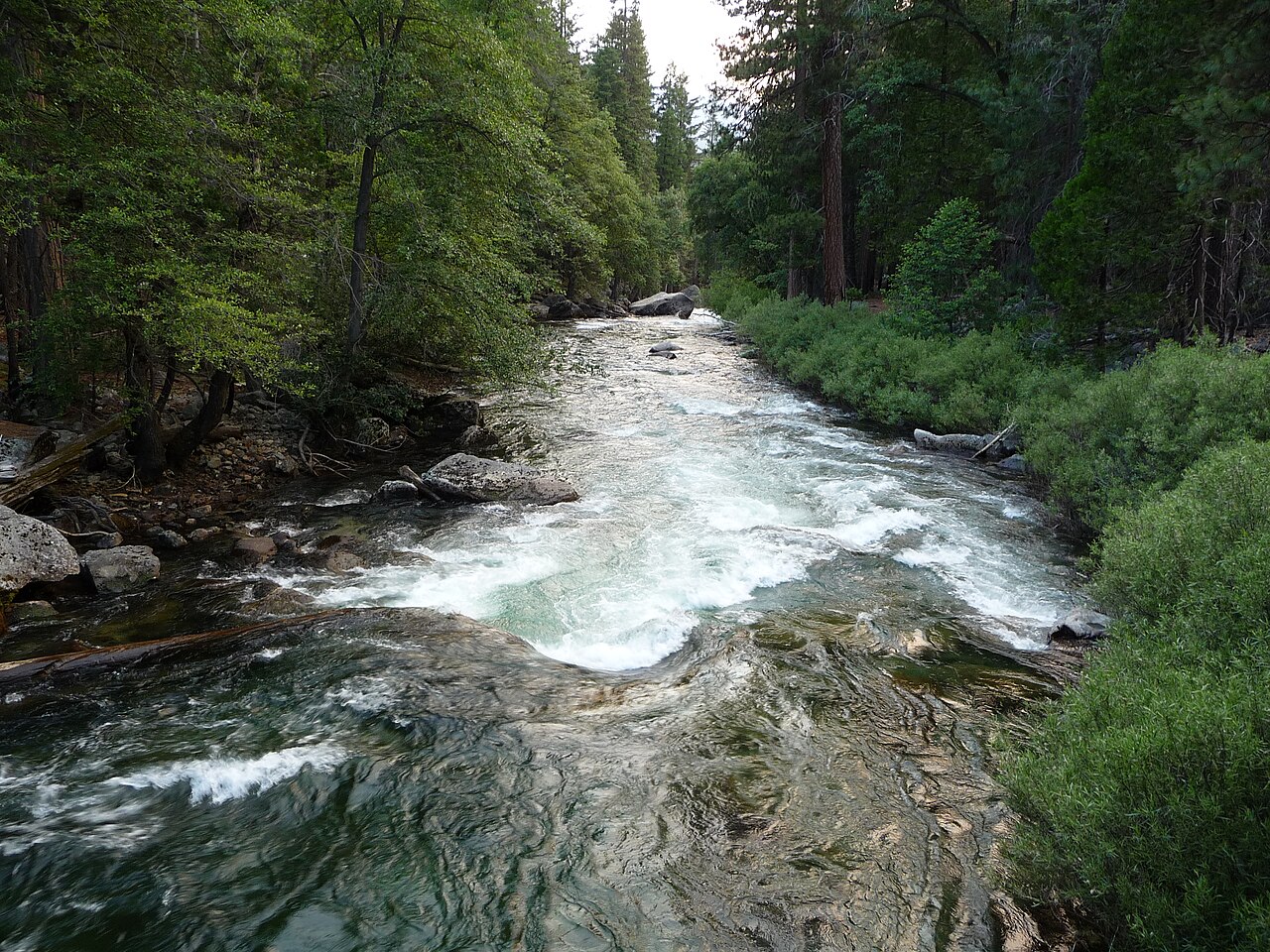
Kings River
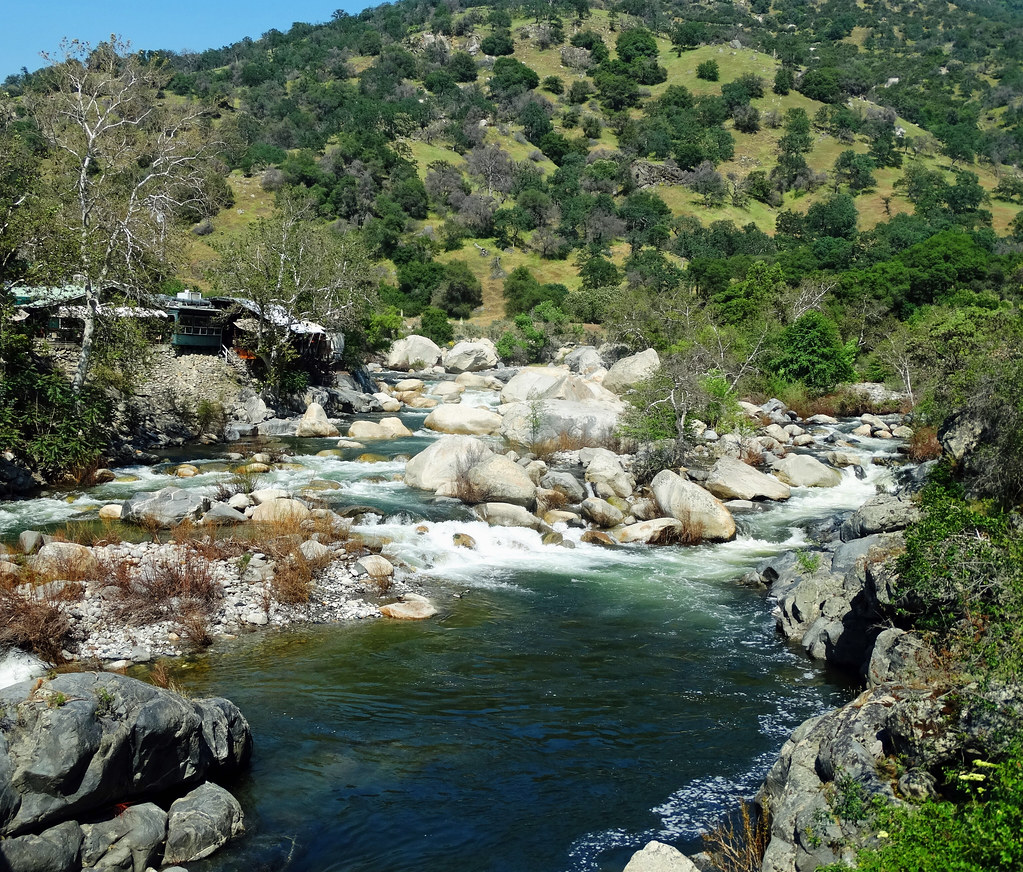
Kaweah River
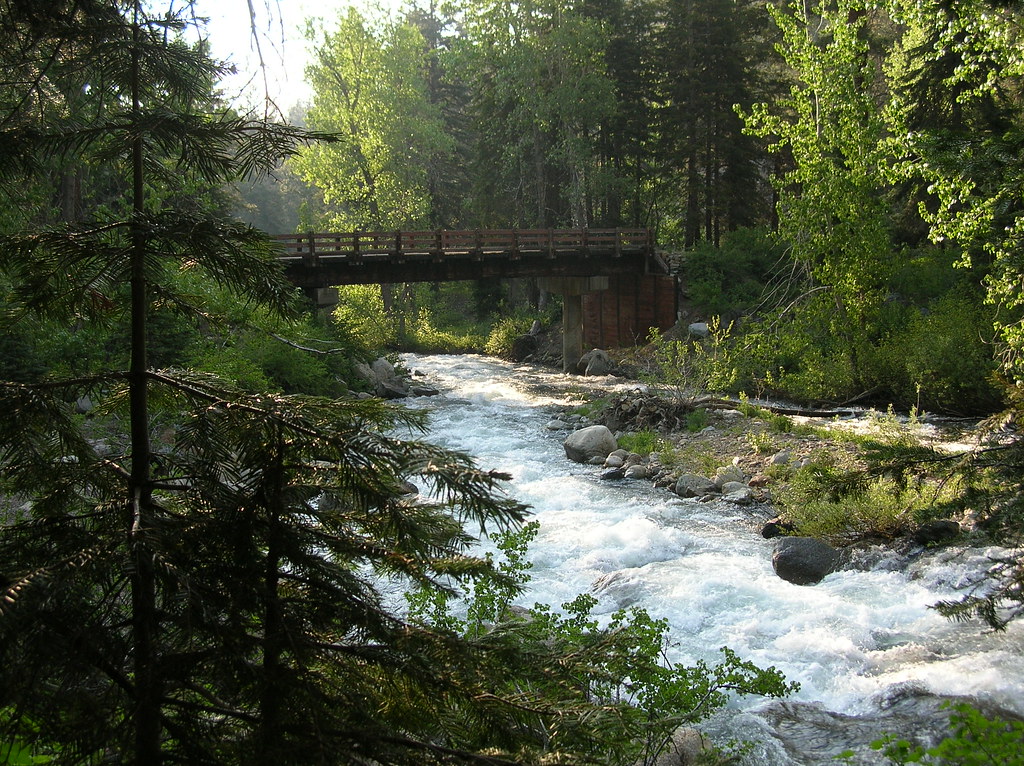
East Fork Kaweah River
Tule River
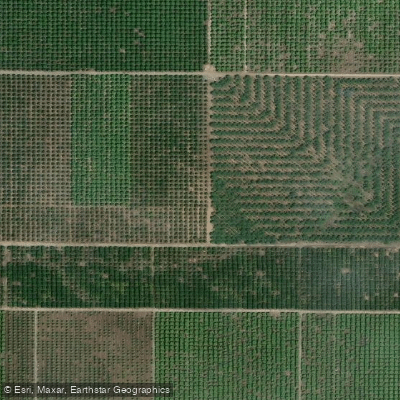
Deer Creek
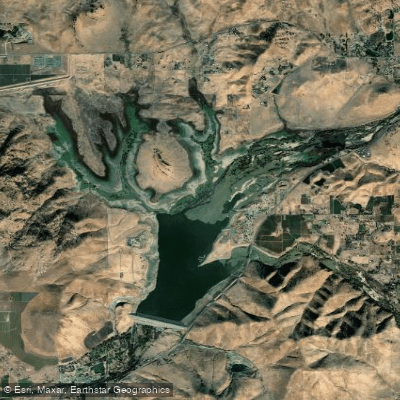
Lake Success
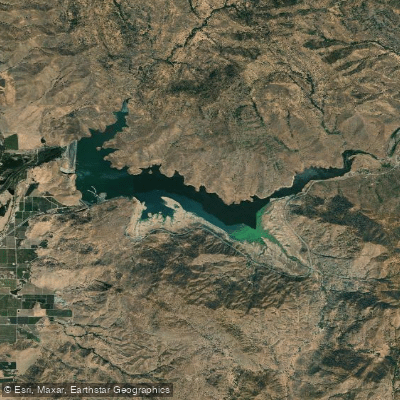
Lake Kaweah
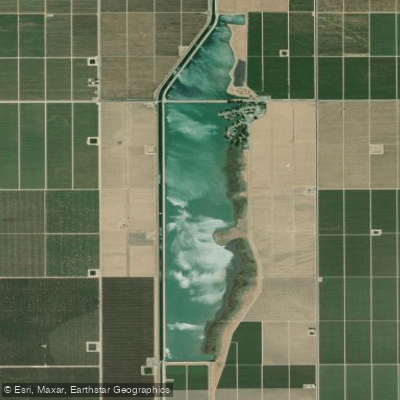
Lake Woollomes
Mill Creek
Fresno Slough
What to know
Habitat Distribution
- Thriving in lakes, ponds, rivers, and streams with rocky or sandy bottoms.
Specific Spots
- Commonly found near rocky shorelines, submerged structures, docks, and vegetated areas.
- Focus fishing efforts around rocky shorelines, submerged boulders, fallen trees, docks, and vegetated areas where rock bass ambush prey.
Rock Bass FAQ
Answers from onWater's species guide.
What are the best lures and bait for Rock Bass in California?
Small jigs (1/16 to 1/8 ounce), curly-tail grubs, small spinners, spinnerbaits, and beetle spins. Soft plastics like small worms, tubes, and swimbaits work well, particularly when rigged on light jigheads. Live bait is highly effective - use worms, minnows, crayfish, or insects presented near bottom structure.
What flies work for Rock Bass in California?
Sized-down smallmouth bass flies or sized-up bluegill patterns including small streamers, nymphs, and poppers.
When is the best time to fish for Rock Bass in California?
Spring through early fall, with peak activity in warmer months when water temperatures are above 60°F. During cooler months, fish deeper water and slow down presentations, while warmer periods allow for more aggressive topwater fishing.
How do you catch Rock Bass in California?
Finesse presentations worked slowly around cover. In California's clearer waters, natural colors and smaller presentations tend to be most effective. Target depths of 3-12 feet, adjusting based on water temperature and season.
What do Rock Bass eat?
Carnivorous, feeding on smaller fish (including their own young), yellow perch, minnows, insects, crayfish, and crustaceans. They're most active feeding in evening and early morning hours and will occasionally take food from the surface.
Fish smarter with real-time insights
Whether you're en route and conditions shift or you're looking for the best spot based on current flows, we enable you to make informed decisions on the fly.




See it in the app
Most maps show you water.
onWater shows you Rock Bass.



- 01 · Species map filter
Map every Rock Bass water
Pick Rock Bass and the map zeroes in on the waters they call home. No more guessing which lake holds them.
- 02 · Waterbody species
Tap any water. See what lives there.
Species, behavior and seasonal patterns for every lake, river and pond, before you leave the driveway.
- 03 · Angler Intelligence
Ask how to catch Rock Bass
Tactics, gear and timing from onWater's AI fishing guide, tuned to the species and the water you're on.
Stop guessing where Rock Bass are.
Open the map, filter by Rock Bass, and head to water that holds them. Download onWater and plan your next trip in minutes.
- Species map filter
- Angler Intelligence
- Fishing journal
Explore other species
Trout, bass, salmon, panfish and everything in between. Each guide unpacks the behavior, seasons, and tactics that put fish in the net.
No species information available.
California licenses and regulations
Explore nearby waters
Explore California waters
Top fishing waters
Popular Cities
Loading popular cities...

Smarter Fishing Starts in the App.
onWater Fish gives you everything you need to plan smarter, fish better, and own every trip from first cast to last.