Speckled Dace

Speckled Dace are small native cyprinids found throughout California's diverse watersheds.
Recent genomic studies have revealed that California's Speckled Dace populations represent three distinct species: the Santa Ana Speckled Dace in southern California rivers, the Desert Speckled Dace including Lahontan, Amargosa, and Long Valley subspecies in the eastern Sierra and Great Basin regions, and Western Speckled Dace encompassing Klamath, Sacramento, and Warner subspecies across northern California watersheds.
Scientific Name: Rhinichthys osculus (with subspecies: Rhinichthys gabrielino, R. nevadensis, R. klamathensis)
Also known as Santa Ana Speckled Dace, Desert Speckled Dace, Western Speckled Dace
- Typically measuring less than 8cm (3 inches), though occasionally reaching 11cm.
- These fish are characterized by torpedo-shaped bodies, pointed snouts, small subterminal mouths, and distinctive dark speckles on dusky yellow to olive coloration.
- During breeding season (summer months), both sexes develop orange to red fin bases, with males displaying red snouts and lips.
Fishing in California
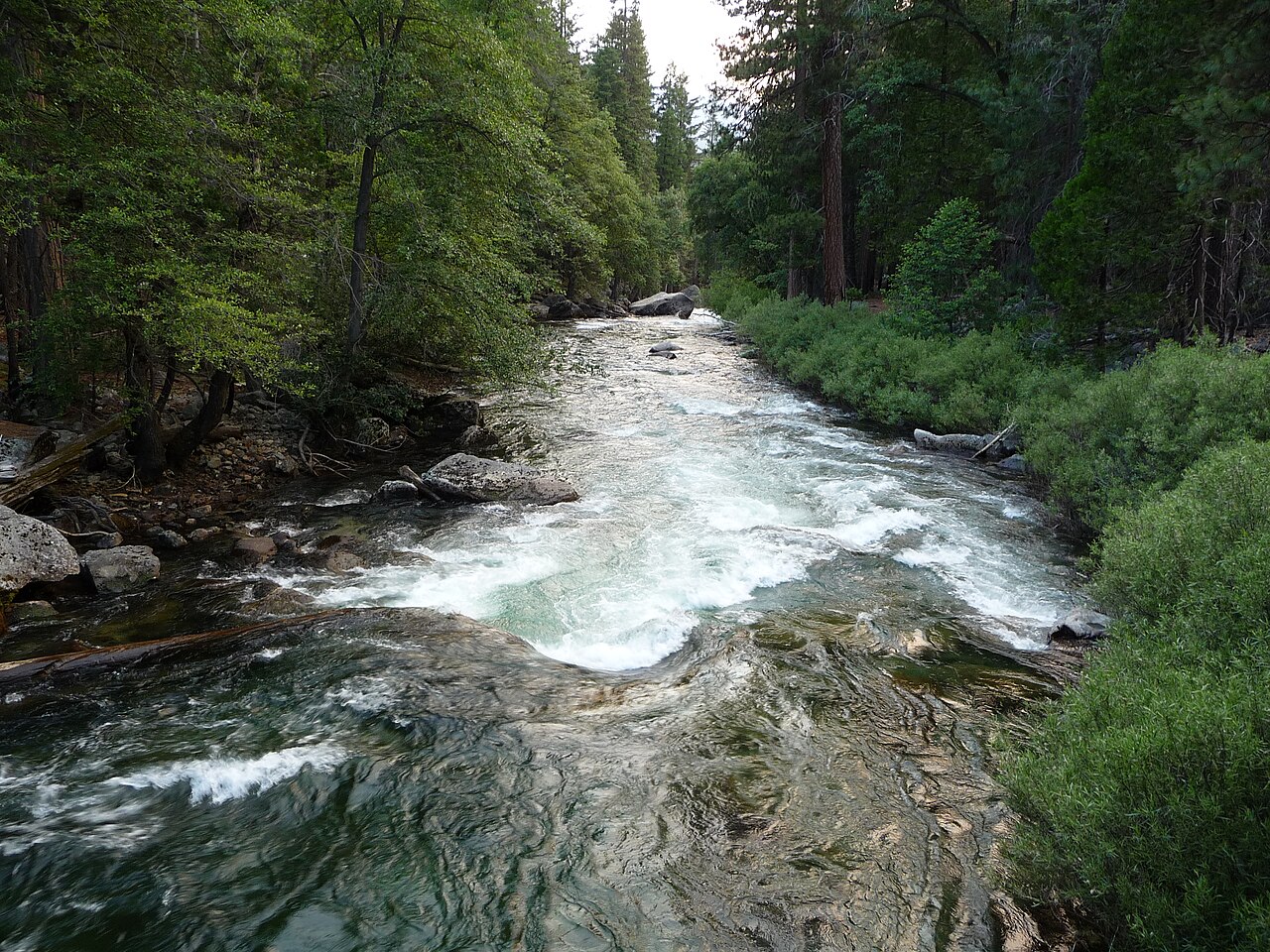
Kings River
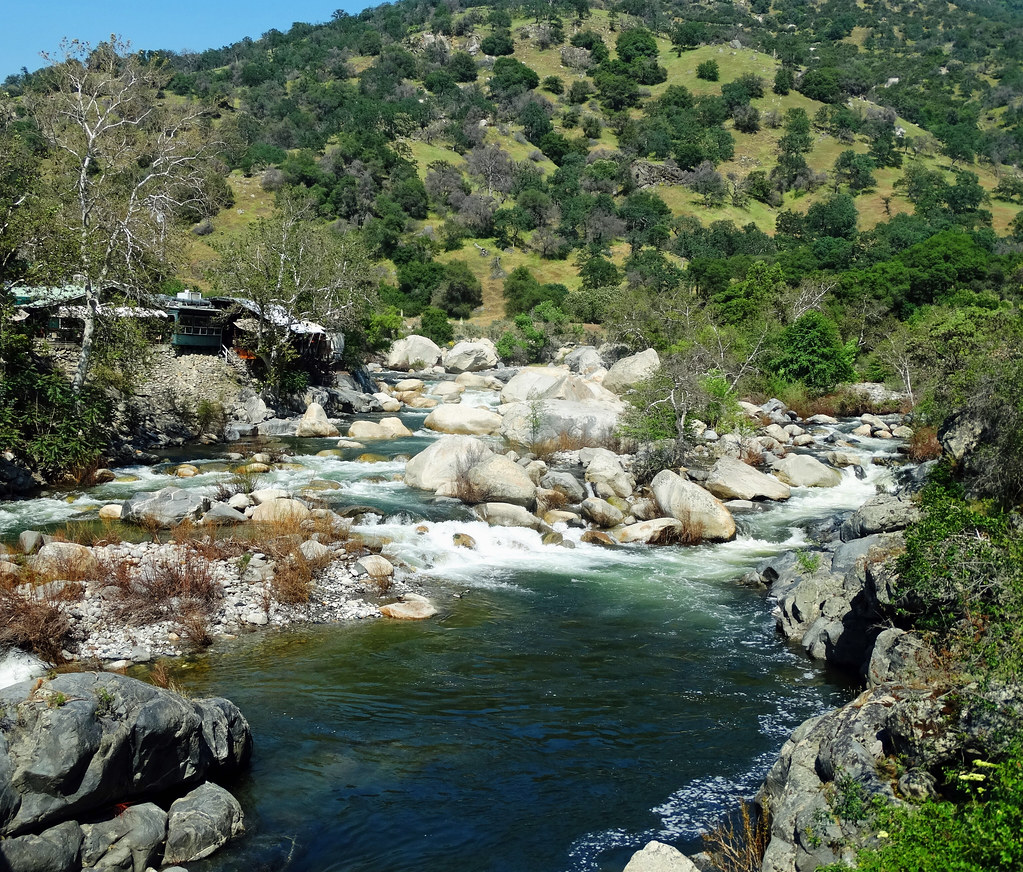
Kaweah River
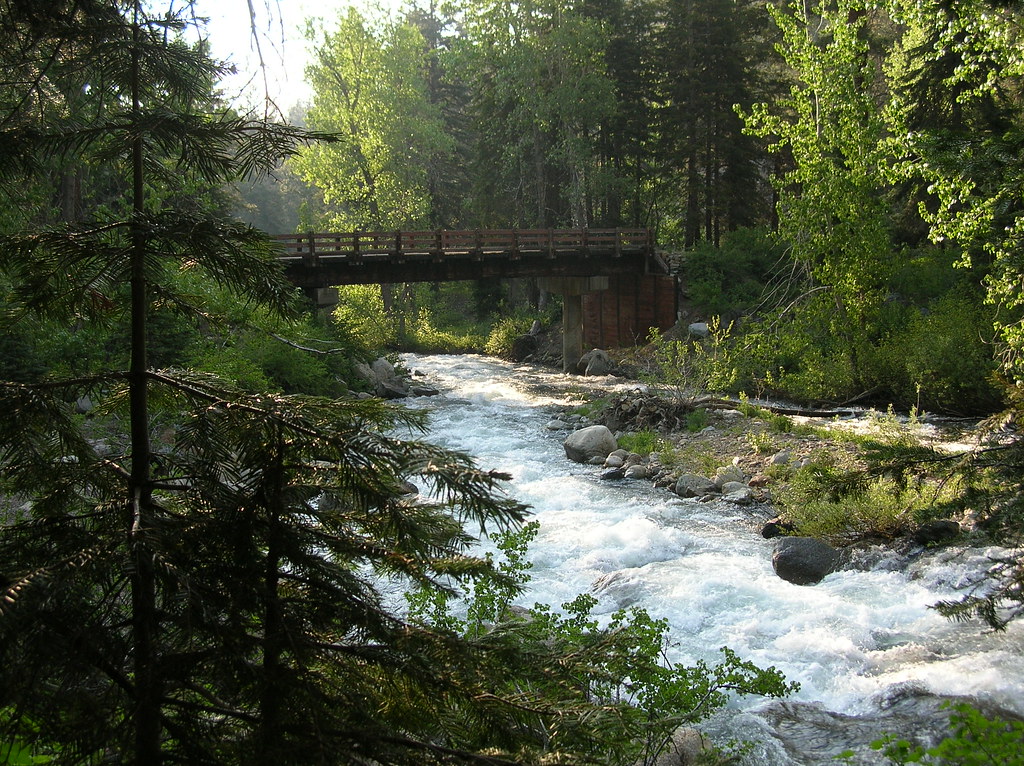
East Fork Kaweah River
Tule River
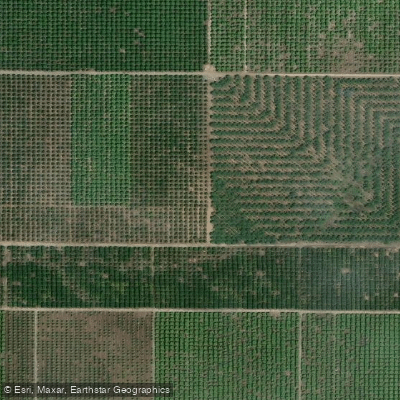
Deer Creek
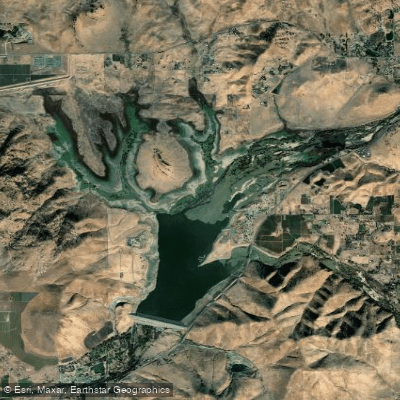
Lake Success
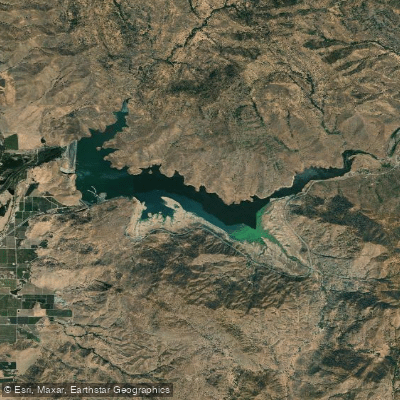
Lake Kaweah
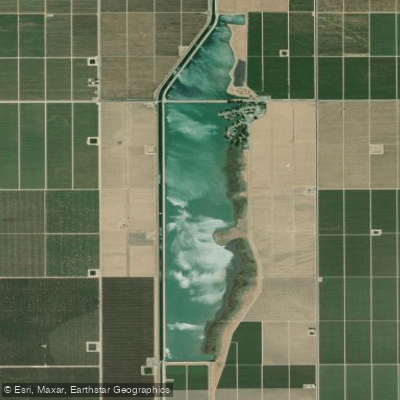
Lake Woollomes
Mill Creek
Fresno Slough
What to know
Habitat Distribution
- Speckled Dace are highly adaptable, inhabiting diverse environments from cold alpine lakes like Lake Tahoe to desert springs, small streams, rivers, and irrigation ditches.
Key Locations
- Key watersheds where different subspecies occur include the Sacramento drainage system, Klamath-Trinity basin, Pit River drainage, eastern Sierra drainages including Owens Valley, Lake Tahoe watershed, and coastal systems from Salinas River to Santa Ana River basin.
Specific Spots
- They inhabit shallow water averaging 0.5 meters deep or less, often congregating below riffles and eddies in streams.
- Young dace occupy stream edges in slower, shallow water, while larger adults prefer relatively quiet water with overhead cover from trees, deadfalls, or boulders.
Speckled Dace FAQ
Answers from onWater's species guide.
When is the best time to fish for Speckled Dace in California?
Speckled Dace remain active year-round if water temperatures stay above 4°C, with activity levels increasing with temperature. Avoid fishing during their summer spawning period when they're reproducing in riffles and gravelly areas.
How do you catch Speckled Dace in California?
While Speckled Dace are native California fish, they're not typically targeted by anglers due to their small size and protected status in many locations. However, they may be encountered incidentally while fishing California waters where they naturally occur.
What do Speckled Dace eat?
Their diet consists primarily of small benthic invertebrates including hydropsychid caddisfly larvae, baetid mayflies, chironomid and simuliid midges, along with filamentous algae. In lakes, they opportunistically feed on zooplankton, algae, nymphs, and flying insects.
Where do Speckled Dace live in California?
Speckled Dace are highly adaptable, inhabiting diverse environments from cold alpine lakes like Lake Tahoe to desert springs, small streams, rivers, and irrigation ditches.
Fish smarter with real-time insights
Whether you're en route and conditions shift or you're looking for the best spot based on current flows, we enable you to make informed decisions on the fly.







See it in the app
Most maps show you water.
onWater shows you Speckled Dace.



- 01 · Species map filter
Map every Speckled Dace water
Pick Speckled Dace and the map zeroes in on the waters they call home. No more guessing which lake holds them.
- 02 · Waterbody species
Tap any water. See what lives there.
Species, behavior and seasonal patterns for every lake, river and pond, before you leave the driveway.
- 03 · Angler Intelligence
Ask how to catch Speckled Dace
Tactics, gear and timing from onWater's AI fishing guide, tuned to the species and the water you're on.
Stop guessing where Speckled Dace are.
Open the map, filter by Speckled Dace, and head to water that holds them. Download onWater and plan your next trip in minutes.
- Species map filter
- Angler Intelligence
- Fishing journal
Explore other species
Trout, bass, salmon, panfish and everything in between. Each guide unpacks the behavior, seasons, and tactics that put fish in the net.

Find which waters have the species you want to catch

Largemouth Bass

Smallmouth Bass

Rainbow Trout
Oncorhynchus mykiss

Brown Trout
Salmo trutta

Brook Trout
Salvelinus fontinalis

Cutthroat Trout
Oncorhynchus clarkii seleniris (Paiute), O. c. clarkii (Coastal), O. c. henshawi (Lahontan)

Black Crappie
Pomoxis nigromaculatus

American Shad

Bigmouth Buffalo
Ictiobus cyprinellus

Black Bullhead
Ameiurus melas

Blue Catfish
Ictalurus furcatus

Blue Tilapia
Oreochromis aureus

Brown Bullhead
Ameiurus nebulosus

Channel Catfish
Ictalurus punctatus

Chinook Salmon
Oncorhynchus tshawytscha
Chum Salmon
Oncorhynchus keta

Coastal Cutthroat Trout
Oncorhynchus clarkii clarkii

Coho Salmon
Oncorhynchus kisutch

Common Carp
Cyprinus carpio

Flathead Catfish
Pylodictis olivaris

Gizzard Shad
Dorosoma cepedianum
Golden Trout
Oncorhynchus mykiss aguabonita

Grass Carp
Ctenopharyngodon idella

Green Sunfish
Lepomis cyanellus
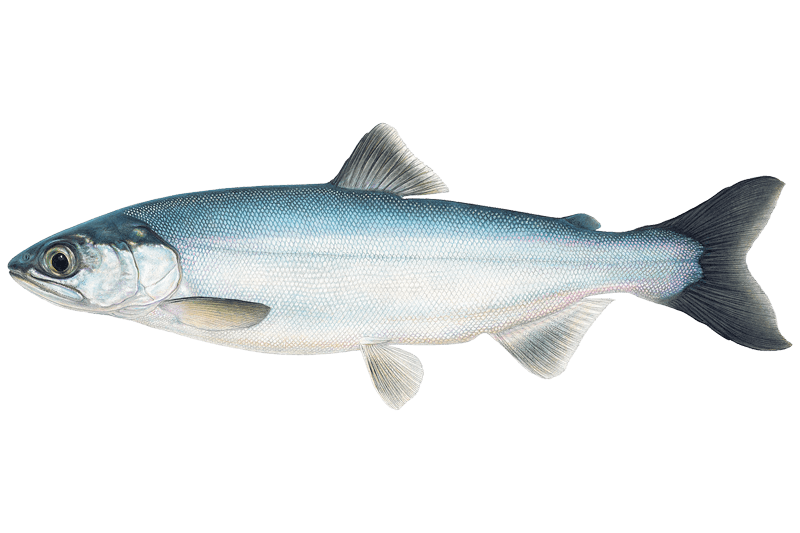
Kokanee Salmon
Oncorhynchus nerka

Lahontan Cutthroat Trout

Lake Trout
Salvelinus namaycush
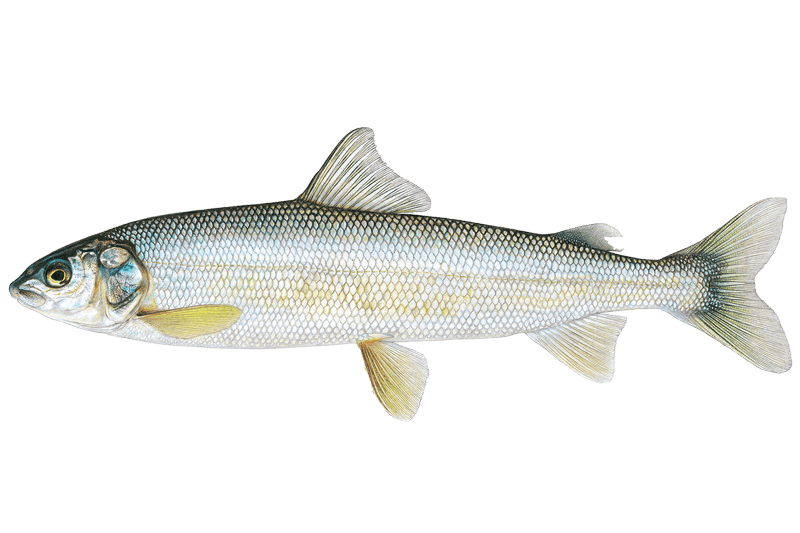
Mountain Whitefish
Prosopium williamsoni

Mozambique Tilapia
Oreochromis mossambicus

Nile Tilapia
Oreochromis niloticus

Pink Salmon
Oncorhynchus gorbuscha

Prickly Sculpin
Cottus asper

Pumpkinseed
Lepomis gibbosus
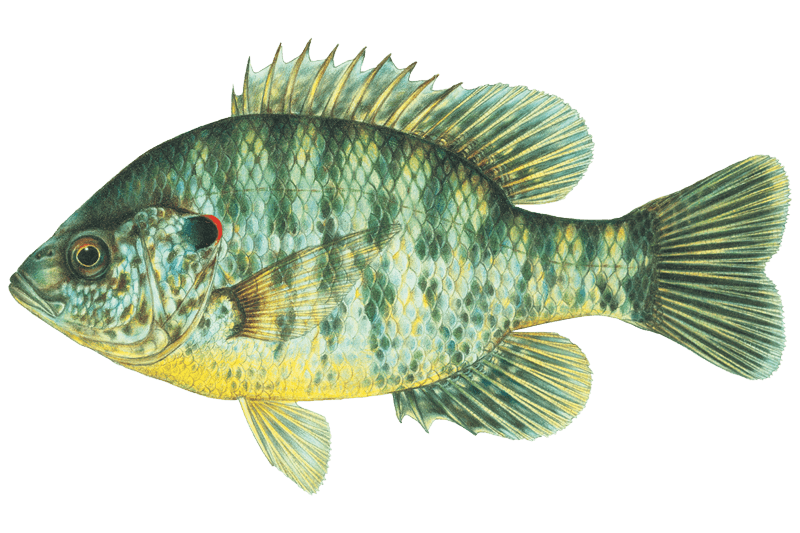
Redear Sunfish
Lepomis microlophus

Rock Bass
Ambloplites rupestris
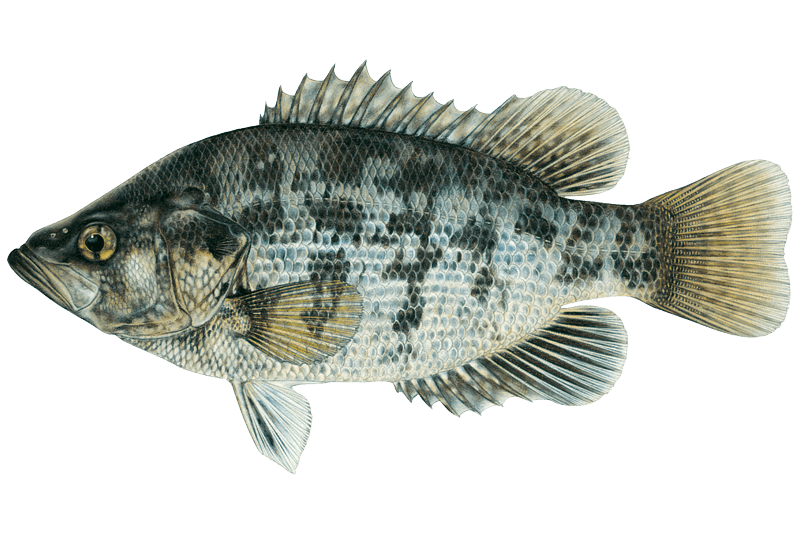
Sacramento Perch
Archoplites interruptus
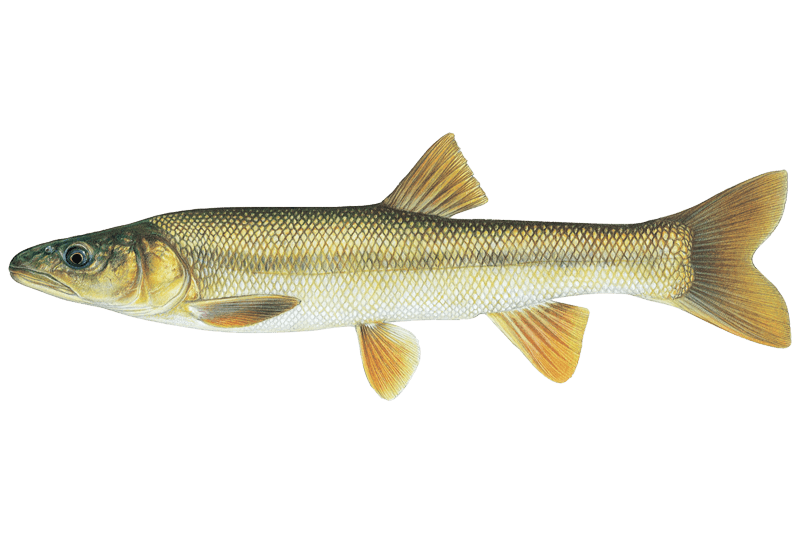
Sacramento Pikeminnow
Ptychocheilus grandis

Sockeye Salmon
Oncorhynchus nerka
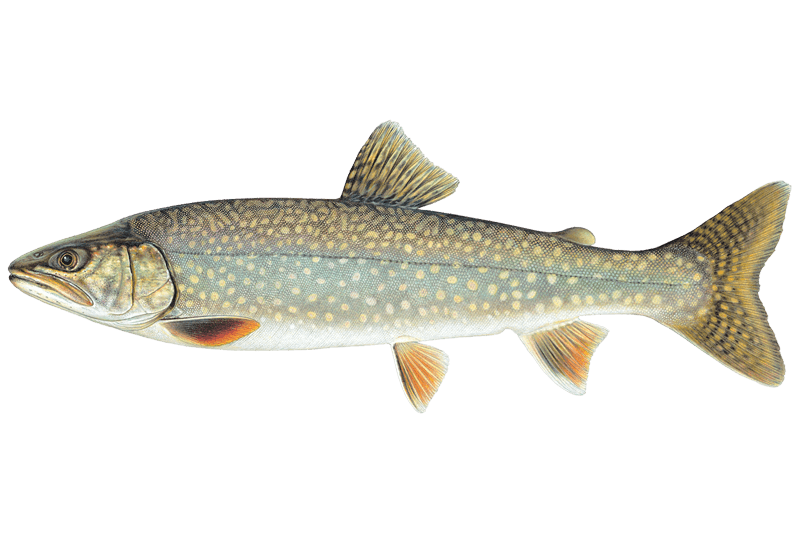
Splake
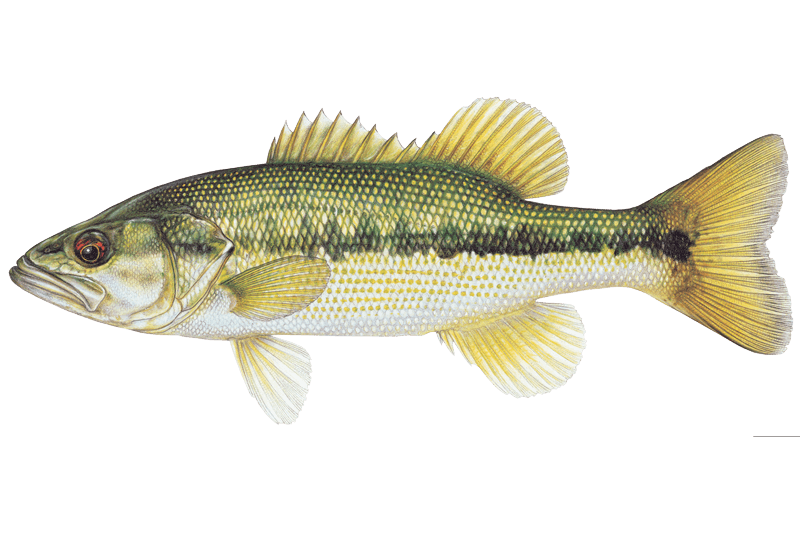
Spotted Bass
Micropterus punctulatus and Micropterus henshalli
California licenses and regulations

California Boating Regulations
When using any type of watercraft to access a body of water, it is important to follow all federal, state, and local rules and regulations. These rules and regulations include boat permitting and licensing, invasive species inspections and stamps, life jacket and PFD rules, motor size and horsepower restrictions, noise limitations, restrictions on personal watercraft, and many more. Visit the web link below for the most current rules and regulations for this body of water.

California Fishing License Online
In California, anyone under the age of 16 or above is required to get a sport fishing license to take any fish; shell fish, reptile or amphibian in the state.

California Freshwater Fishing Regulations
This river has a variety of species and regulations, including potential floating and/or watercraft restrictions. Because this river is specially managed for species, seasons, angling methods, and watercraft, it is strongly encouraged you check all federal, state, and local regulations before fishing. Visit any of the links below, inquire locally, or contact a local fly shop to learn current regulations and restrictions.

California Stream Access Laws
The courts have described the reach of the California public right of navigation as “the right to navigate and to exercise the incidents of navigation in a lawful manner at any point below high water mark” on waters that satisfy California’s small craft test. Thus, property owners cannot interfere with the public’s right to navigate or use shoreline areas below the ordinary high water mark for incidents of navigation. In fact, unauthorized obstruction of the public’s right to access and use a navigable waterway constitutes a public nuisance.
Explore nearby waters
Explore California waters
Top fishing waters
Popular Cities
Loading popular cities...
Smarter Fishing Starts in the App.
onWater Fish gives you everything you need to plan smarter, fish better, and own every trip from first cast to last.