Modoc Sucker

The Modoc Sucker (Catostomus microps) is a rare native freshwater fish endemic to northeastern California and southern Oregon.
This small member of the sucker family is now found in approximately 42.5 miles of occupied habitat across 12 streams in three sub-basins.
Scientific Name: Catostomus microps
- Typically matures at 3-4 inches and rarely exceeds 7 inches in total length, though some can reach up to 13 inches.
- The species has a distinctive appearance with short heads, small eyes, and a deeply notched lower lip with only one row of papillae connecting the two halves.
- Non-breeding fish are greenish-brown to olive colored, while breeding males develop striking orange-red lateral bands and orange fins with tubercles on their body and fins.
Fishing in California
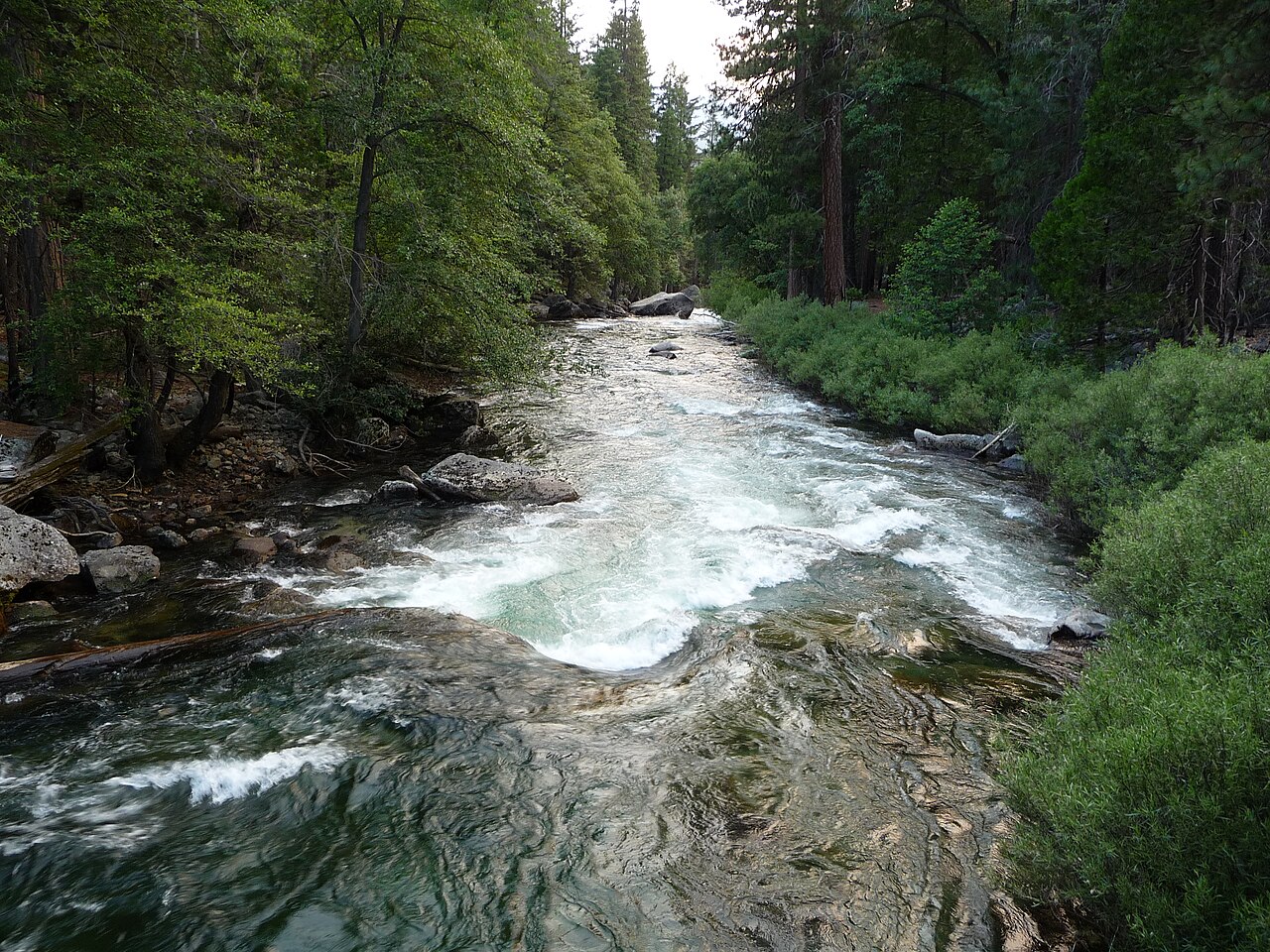
Kings River
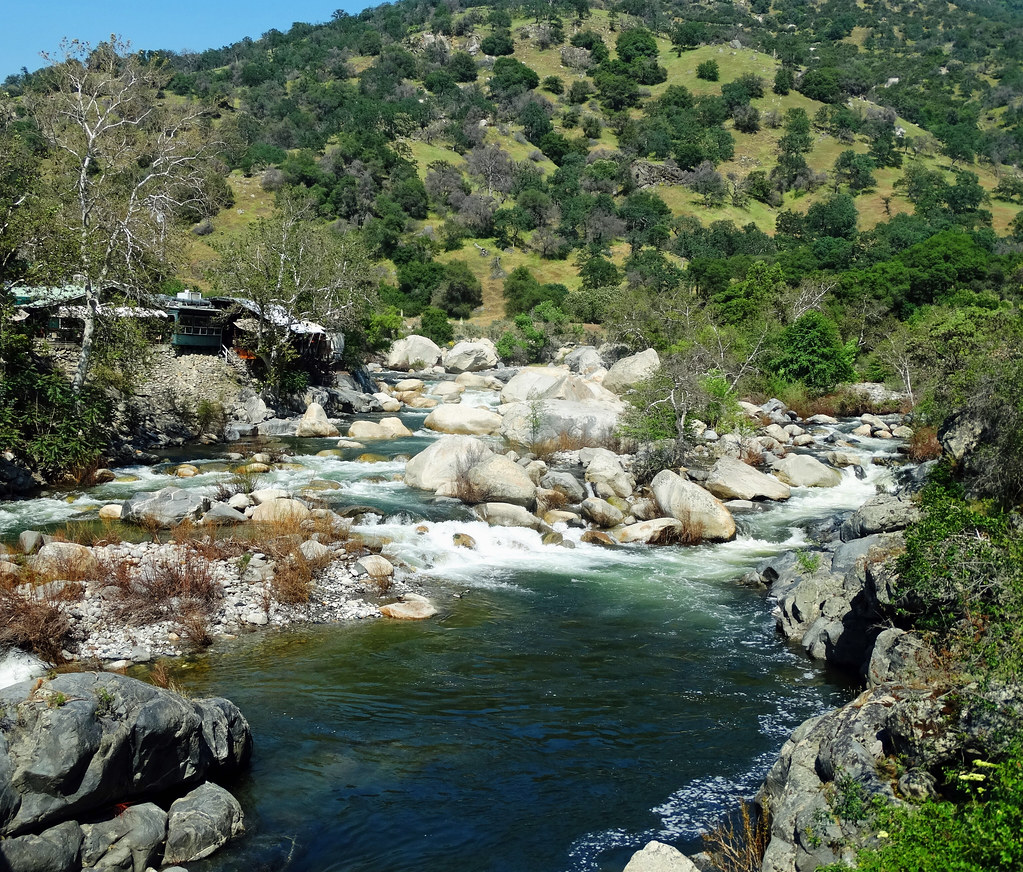
Kaweah River
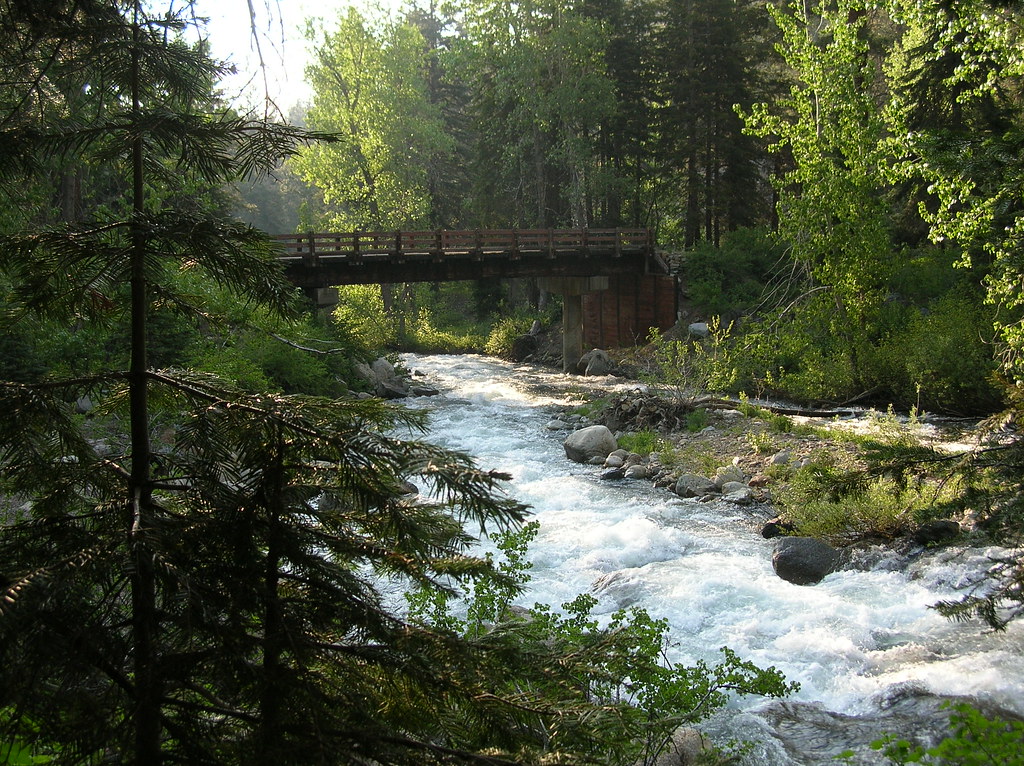
East Fork Kaweah River
Tule River
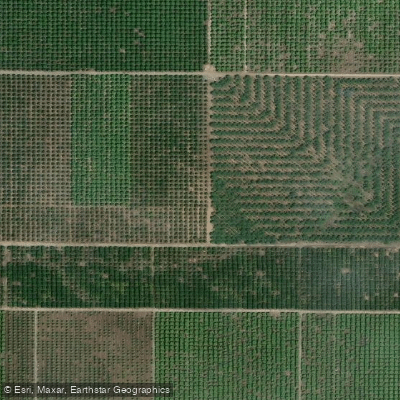
Deer Creek
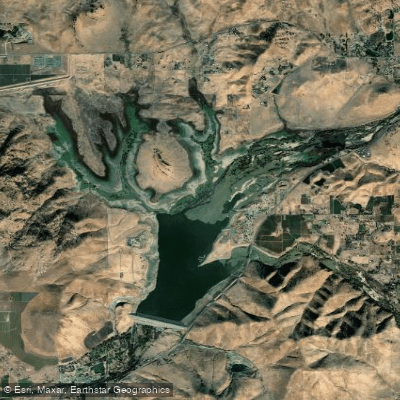
Lake Success
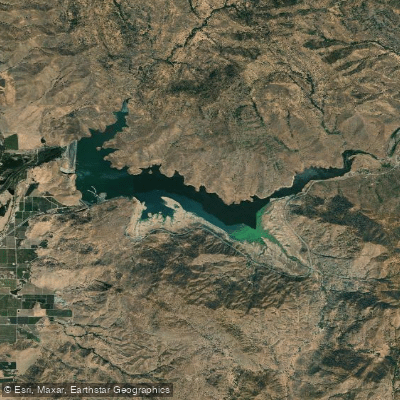
Lake Kaweah
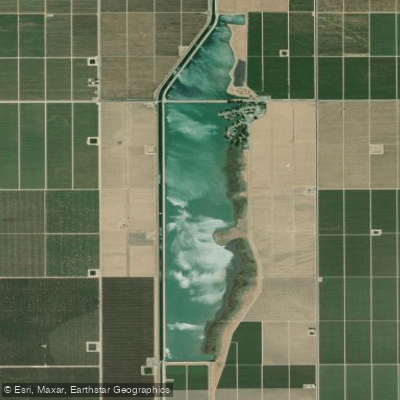
Lake Woollomes
Mill Creek
Fresno Slough
What to know
Habitat Distribution
- Endemic to northeastern California and southern Oregon.
- Found in approximately 42.5 miles of occupied habitat across 12 streams in three sub-basins: Turner Creek, Ash Creek, and Goose Lake sub-basins of the upper Pit River system.
Key Locations
- Turner Creek, Ash Creek, and Goose Lake sub-basins of the upper Pit River system in Modoc and Lassen counties.
- Key populations exist in Turner, Hulbert, Washington, Coffee Mill, Garden Gulch, Johnson, Rush, Dutch Flat, and Ash creeks, plus Thomas Creek in Oregon's Goose Lake basin.
Specific Spots
- Cool pools of small, moderate-gradient headwater streams with slow-moving waters, large shallow pools, muddy bottoms, and partial shade from overhanging vegetation.
Modoc Sucker FAQ
Answers from onWater's species guide.
What flies work for Modoc Sucker in California?
Small nymph patterns or micro-invertebrate imitations fished near muddy pool bottoms would be most appropriate.
When is the best time to fish for Modoc Sucker in California?
Most productive fishing would theoretically occur outside their spawning period (avoid mid-April through early June) when water temperatures are between 6-25°C.
How do you catch Modoc Sucker in California?
Any fishing approach would need to focus on bottom presentations using very small patterns that mimic their natural food sources.
What do Modoc Sucker eat?
Feed primarily on detritus and algae (over 75% of their diet), supplemented by small benthic invertebrates, insect larvae, and crustaceans found on soft substrates.
Where do Modoc Sucker live in California?
Endemic to northeastern California and southern Oregon. Found in approximately 42.5 miles of occupied habitat across 12 streams in three sub-basins: Turner Creek, Ash Creek, and Goose Lake sub-basins of the upper Pit River system.
Fish smarter with real-time insights
Whether you're en route and conditions shift or you're looking for the best spot based on current flows, we enable you to make informed decisions on the fly.







See it in the app
Most maps show you water.
onWater shows you Modoc Sucker.



- 01 · Species map filter
Map every Modoc Sucker water
Pick Modoc Sucker and the map zeroes in on the waters they call home. No more guessing which lake holds them.
- 02 · Waterbody species
Tap any water. See what lives there.
Species, behavior and seasonal patterns for every lake, river and pond, before you leave the driveway.
- 03 · Angler Intelligence
Ask how to catch Modoc Sucker
Tactics, gear and timing from onWater's AI fishing guide, tuned to the species and the water you're on.
Stop guessing where Modoc Sucker are.
Open the map, filter by Modoc Sucker, and head to water that holds them. Download onWater and plan your next trip in minutes.
- Species map filter
- Angler Intelligence
- Fishing journal
Explore other species
Trout, bass, salmon, panfish and everything in between. Each guide unpacks the behavior, seasons, and tactics that put fish in the net.

Find which waters have the species you want to catch

Largemouth Bass

Smallmouth Bass

Rainbow Trout
Oncorhynchus mykiss

Brown Trout
Salmo trutta

Brook Trout
Salvelinus fontinalis

Cutthroat Trout
Oncorhynchus clarkii seleniris (Paiute), O. c. clarkii (Coastal), O. c. henshawi (Lahontan)

Black Crappie
Pomoxis nigromaculatus

American Shad

Bigmouth Buffalo
Ictiobus cyprinellus

Black Bullhead
Ameiurus melas

Blue Catfish
Ictalurus furcatus

Blue Tilapia
Oreochromis aureus

Brown Bullhead
Ameiurus nebulosus

Channel Catfish
Ictalurus punctatus

Chinook Salmon
Oncorhynchus tshawytscha
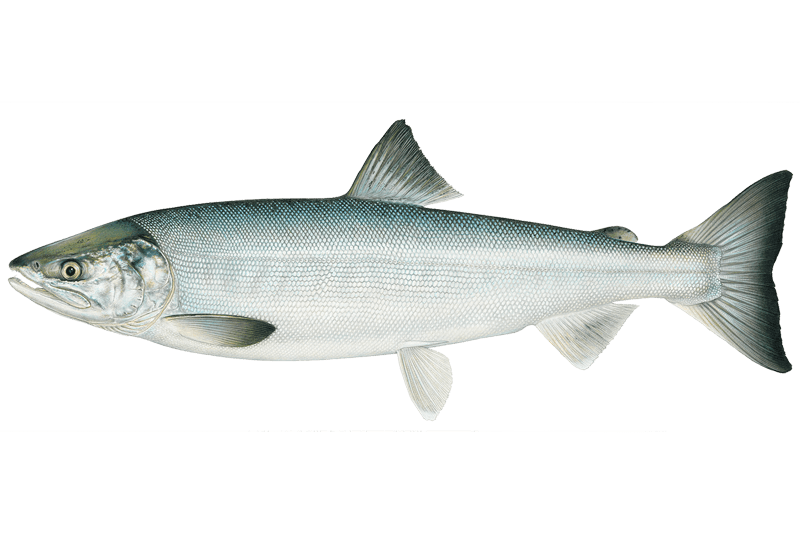
Chum Salmon
Oncorhynchus keta

Coastal Cutthroat Trout
Oncorhynchus clarkii clarkii

Coho Salmon
Oncorhynchus kisutch

Common Carp
Cyprinus carpio

Flathead Catfish
Pylodictis olivaris

Gizzard Shad
Dorosoma cepedianum

Golden Trout
Oncorhynchus mykiss aguabonita

Grass Carp
Ctenopharyngodon idella

Green Sunfish
Lepomis cyanellus
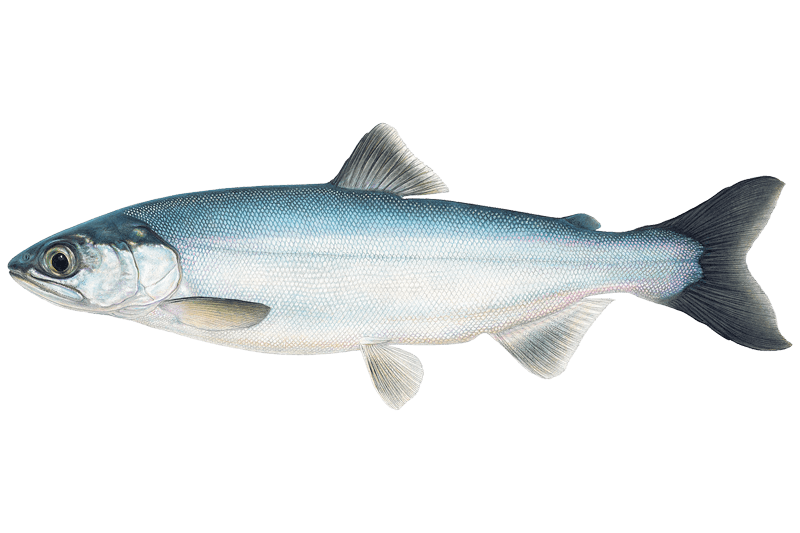
Kokanee Salmon
Oncorhynchus nerka

Lahontan Cutthroat Trout

Lake Trout
Salvelinus namaycush
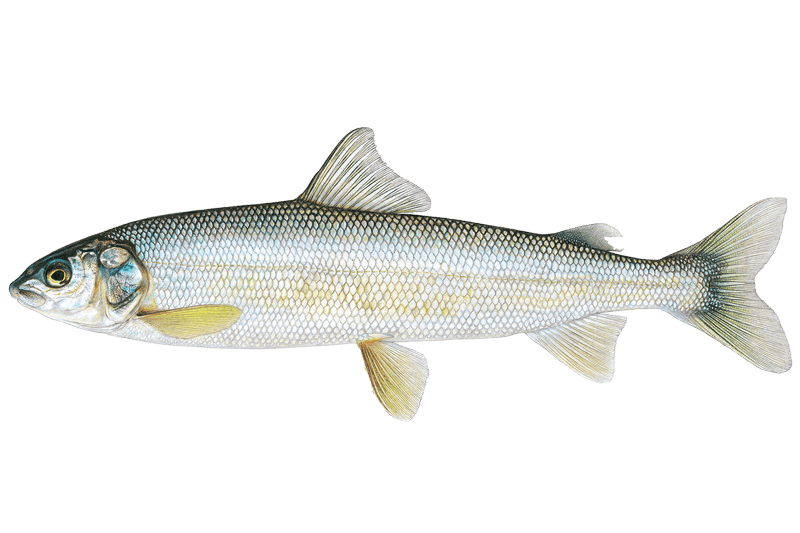
Mountain Whitefish
Prosopium williamsoni

Mozambique Tilapia
Oreochromis mossambicus

Nile Tilapia
Oreochromis niloticus

Pink Salmon
Oncorhynchus gorbuscha

Prickly Sculpin
Cottus asper

Pumpkinseed
Lepomis gibbosus

Redear Sunfish
Lepomis microlophus

Rock Bass
Ambloplites rupestris
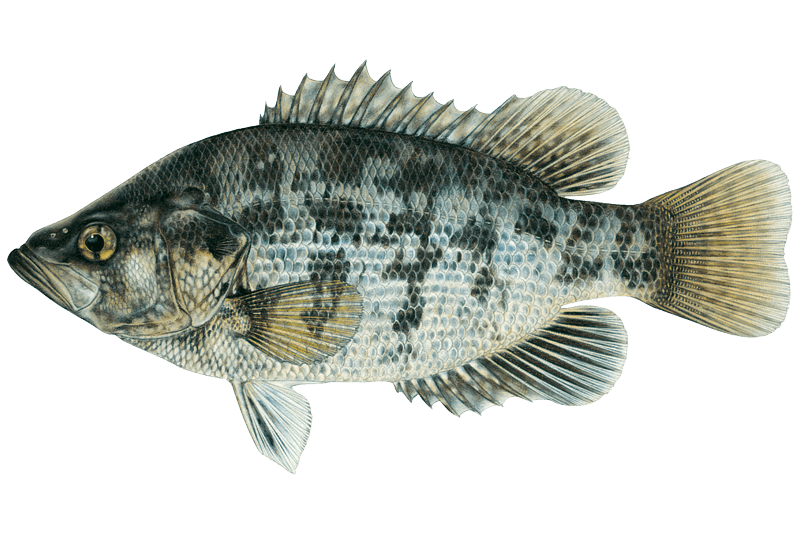
Sacramento Perch
Archoplites interruptus
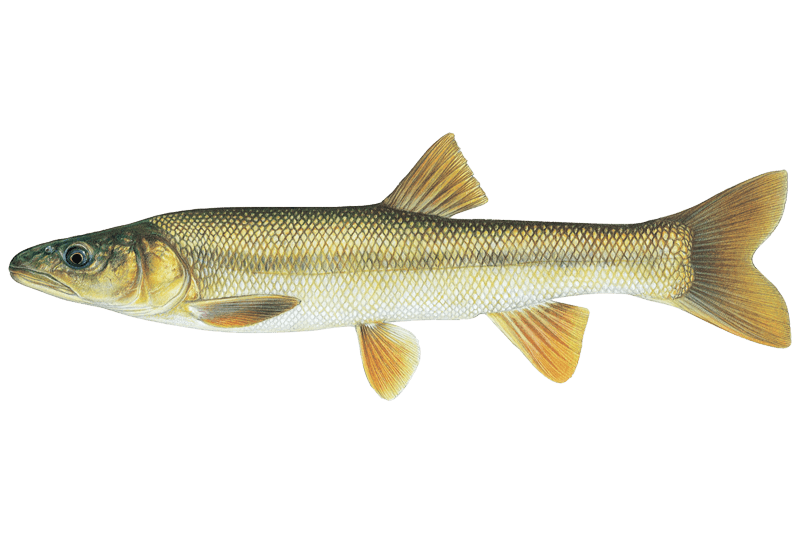
Sacramento Pikeminnow
Ptychocheilus grandis

Sockeye Salmon
Oncorhynchus nerka
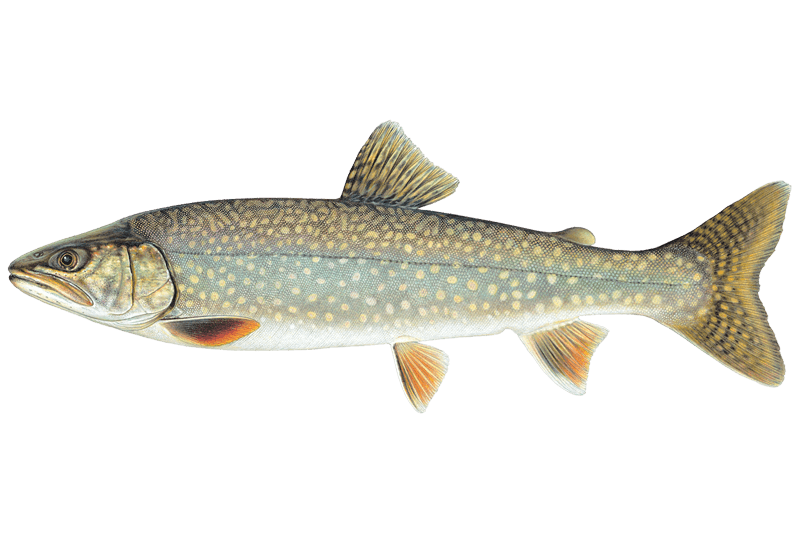
Splake
Spotted Bass
Micropterus punctulatus and Micropterus henshalli
California licenses and regulations

California Boating Regulations
When using any type of watercraft to access a body of water, it is important to follow all federal, state, and local rules and regulations. These rules and regulations include boat permitting and licensing, invasive species inspections and stamps, life jacket and PFD rules, motor size and horsepower restrictions, noise limitations, restrictions on personal watercraft, and many more. Visit the web link below for the most current rules and regulations for this body of water.

California Fishing License Online
In California, anyone under the age of 16 or above is required to get a sport fishing license to take any fish; shell fish, reptile or amphibian in the state.

California Freshwater Fishing Regulations
This river has a variety of species and regulations, including potential floating and/or watercraft restrictions. Because this river is specially managed for species, seasons, angling methods, and watercraft, it is strongly encouraged you check all federal, state, and local regulations before fishing. Visit any of the links below, inquire locally, or contact a local fly shop to learn current regulations and restrictions.

California Stream Access Laws
The courts have described the reach of the California public right of navigation as “the right to navigate and to exercise the incidents of navigation in a lawful manner at any point below high water mark” on waters that satisfy California’s small craft test. Thus, property owners cannot interfere with the public’s right to navigate or use shoreline areas below the ordinary high water mark for incidents of navigation. In fact, unauthorized obstruction of the public’s right to access and use a navigable waterway constitutes a public nuisance.
Explore nearby waters
Explore California waters
Top fishing waters
Popular Cities
Loading popular cities...

Smarter Fishing Starts in the App.
onWater Fish gives you everything you need to plan smarter, fish better, and own every trip from first cast to last.