California Roach

California Roach are small, native cyprinids rarely exceeding 100mm in length, with stout bodies, large conical heads, and deeply forked tails.
Recent genomic studies have revealed this is actually a species complex comprising five distinct species and multiple subspecies: California Roach (H. symmetricus) in Central Valley drainages, Coastal Roach (H.
venustus) with Northern and Southern subspecies, Northern Roach (H. mitrulus) from Pit River tributaries, Gualala Roach (H. parvipinnis), and Clear Lake Roach (a hybrid form).
Scientific Name: H. symmetricus
Also known as Coastal Roach (H. venustus), Northern Roach (H. mitrulus), Gualala Roach (H. parvipinnis), Clear Lake Roach
- Small, native cyprinids rarely exceeding 100mm in length, with stout bodies, large conical heads, and deeply forked tails.
- Characterized by dark gray to steel blue upper bodies with silver undersides, and some populations develop a distinctive 'chisel lip' cartilaginous plate.
Fishing in California
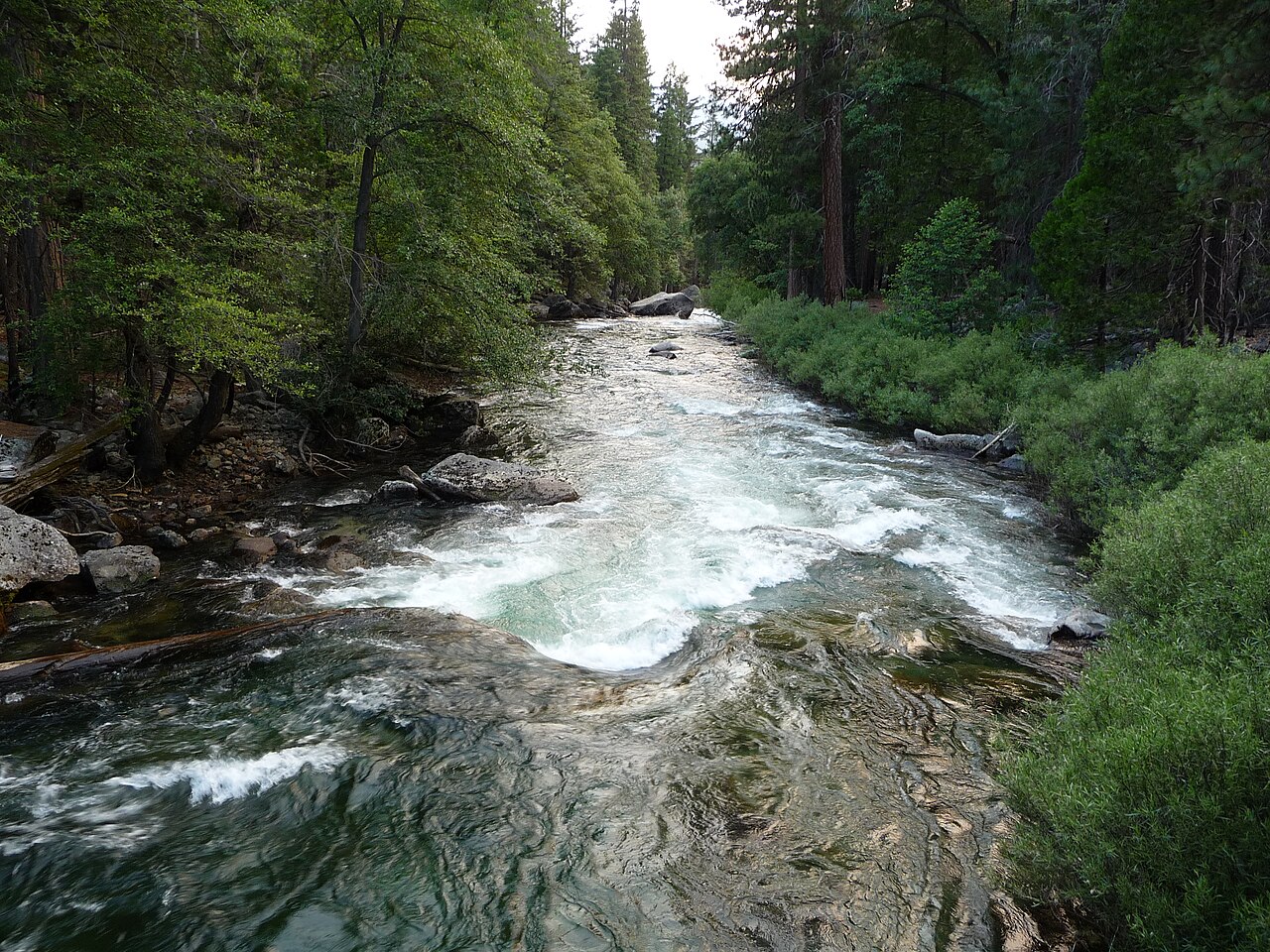
Kings River
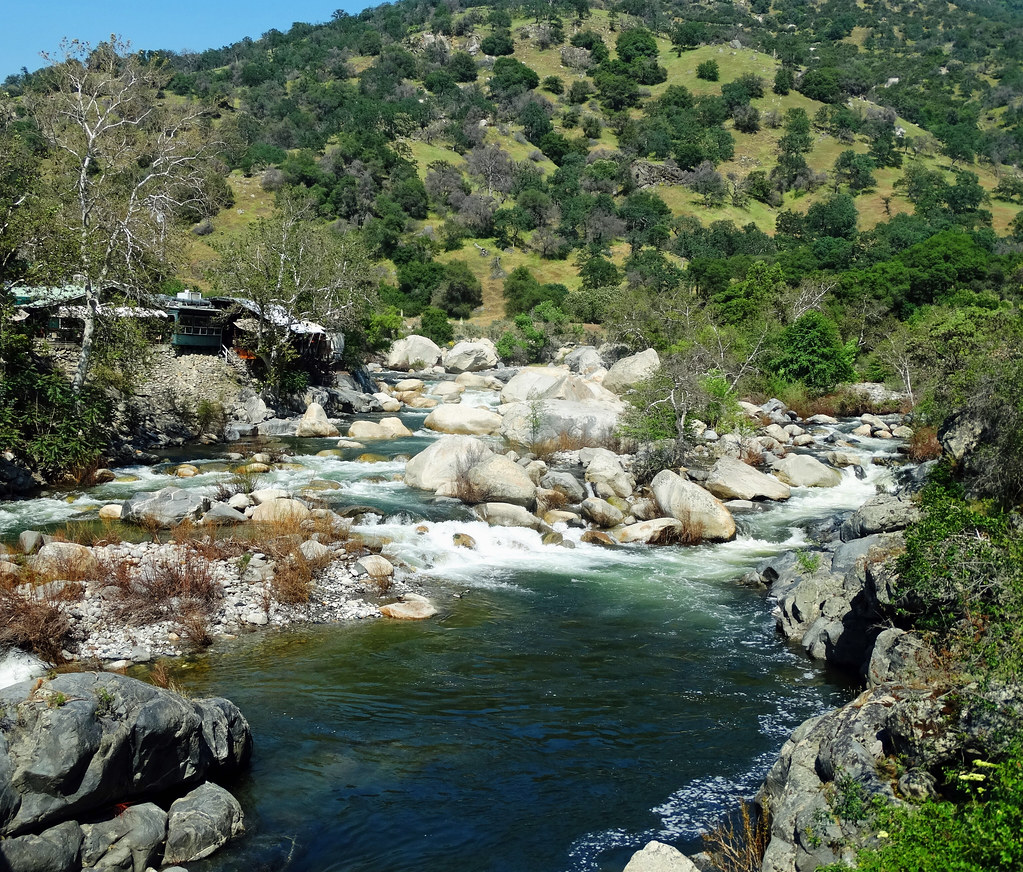
Kaweah River
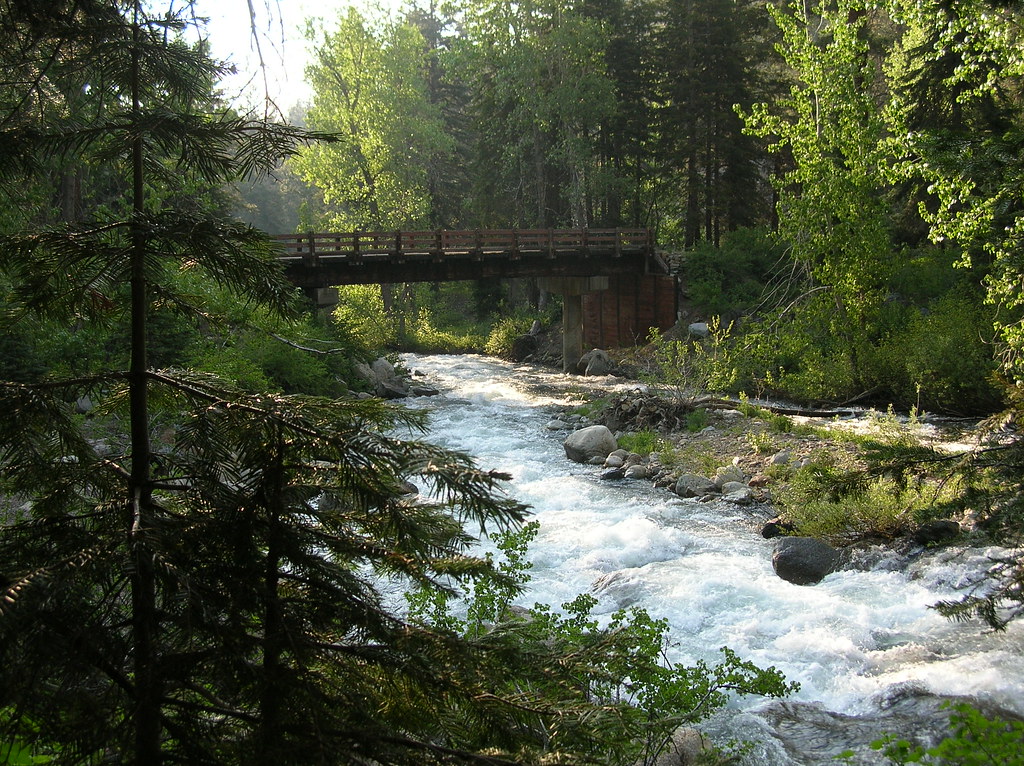
East Fork Kaweah River
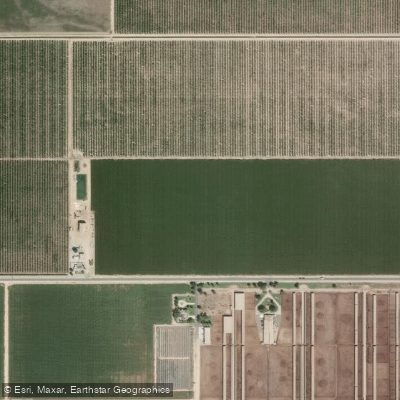
Tule River
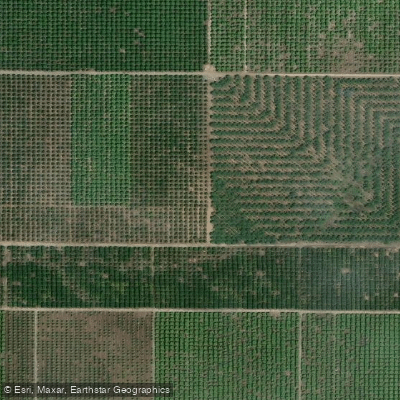
Deer Creek
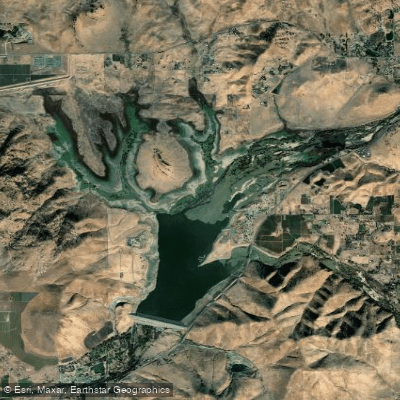
Lake Success
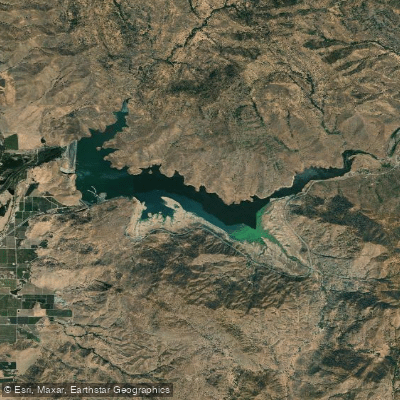
Lake Kaweah
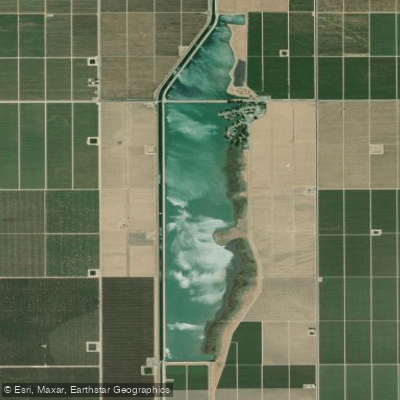
Lake Woollomes
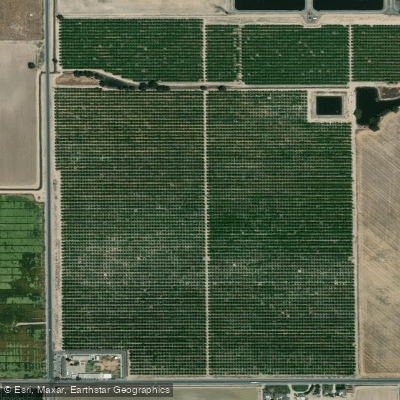
Mill Creek
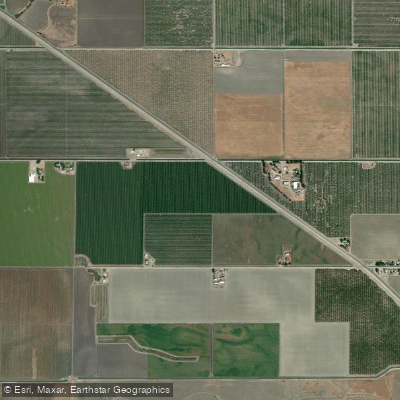
Fresno Slough
What to know
Habitat Distribution
- California Roach inhabit diverse watersheds from the Sacramento and San Joaquin river systems to coastal streams.
- They prefer small, warm streams but also thrive in larger cold streams.
- Target mid-elevation Sierra Nevada foothill streams and lower reaches of San Francisco Bay tributaries where they're most abundant.
Key Locations
- Alameda Creek, Coyote Creek, Walnut Creek, various Sierra Nevada tributaries, streams throughout the Central Valley, Russian River system, coastal watersheds from the Eel River to Monterey, Sacramento and San Joaquin river systems, Russian River, Navarro River, Pajaro River, and tributaries to San Francisco Bay.
Specific Spots
- Occupy shallow, low-velocity habitats and stream margins when predators are present.
- Focus on stream edges, riffles, and shallow-water habitats rather than deep pools when fishing waters with Sacramento pikeminnows or other predators.
- They often concentrate in isolated pools during dry periods.
California Roach FAQ
Answers from onWater's species guide.
What flies work for California Roach in California?
Small fly patterns that imitate their natural food sources, particularly chironomid midge patterns, small nymph imitations, and terrestrial patterns like small ants and beetles. Small midges, mayfly nymphs, caddisfly larvae patterns, and tiny terrestrials. Flies should be sized appropriately.
When is the best time to fish for California Roach in California?
Best fishing occurs outside spawning season (avoid March-July), making late summer through early spring optimal.
How do you catch California Roach in California?
Presentations should focus on the substrate and lower water column since they're primarily bottom feeders.
What do California Roach eat?
Omnivorous bottom feeders, primarily consuming filamentous algae supplemented by aquatic insects, crustaceans, and chironomid midge larvae.
Where do California Roach live in California?
California Roach inhabit diverse watersheds from the Sacramento and San Joaquin river systems to coastal streams. They prefer small, warm streams but also thrive in larger cold streams. Target mid-elevation Sierra Nevada foothill streams and lower reaches of San Francisco Bay tributaries where they're most abundant.
Fish smarter with real-time insights
Whether you're en route and conditions shift or you're looking for the best spot based on current flows, we enable you to make informed decisions on the fly.







See it in the app
Most maps show you water.
onWater shows you California Roach.



- 01 · Species map filter
Map every California Roach water
Pick California Roach and the map zeroes in on the waters they call home. No more guessing which lake holds them.
- 02 · Waterbody species
Tap any water. See what lives there.
Species, behavior and seasonal patterns for every lake, river and pond, before you leave the driveway.
- 03 · Angler Intelligence
Ask how to catch California Roach
Tactics, gear and timing from onWater's AI fishing guide, tuned to the species and the water you're on.
Stop guessing where California Roach are.
Open the map, filter by California Roach, and head to water that holds them. Download onWater and plan your next trip in minutes.
- Species map filter
- Angler Intelligence
- Fishing journal
Explore other species
Trout, bass, salmon, panfish and everything in between. Each guide unpacks the behavior, seasons, and tactics that put fish in the net.

Find which waters have the species you want to catch

Largemouth Bass

Smallmouth Bass

Rainbow Trout
Oncorhynchus mykiss

Brown Trout
Salmo trutta

Brook Trout
Salvelinus fontinalis

Cutthroat Trout
Oncorhynchus clarkii seleniris (Paiute), O. c. clarkii (Coastal), O. c. henshawi (Lahontan)

Black Crappie
Pomoxis nigromaculatus

American Shad

Bigmouth Buffalo
Ictiobus cyprinellus

Black Bullhead
Ameiurus melas

Blue Catfish
Ictalurus furcatus

Blue Tilapia
Oreochromis aureus

Brown Bullhead
Ameiurus nebulosus

Channel Catfish
Ictalurus punctatus

Chinook Salmon
Oncorhynchus tshawytscha
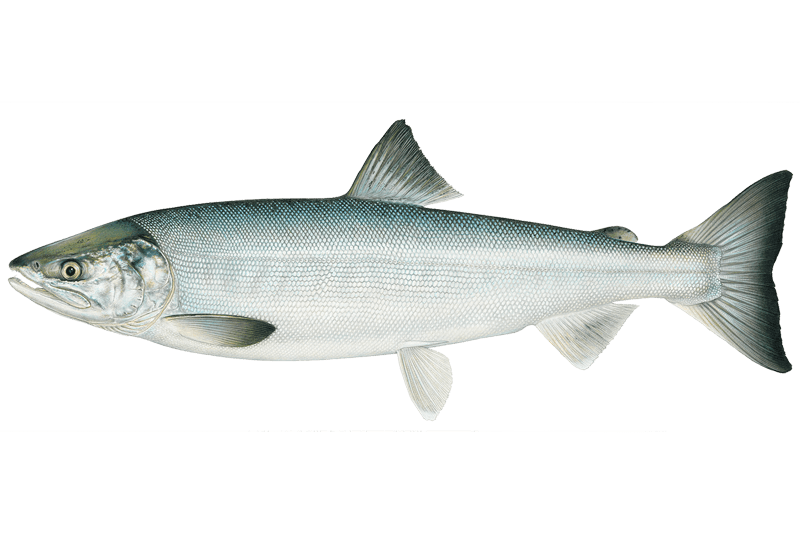
Chum Salmon
Oncorhynchus keta

Coastal Cutthroat Trout
Oncorhynchus clarkii clarkii

Coho Salmon
Oncorhynchus kisutch

Common Carp
Cyprinus carpio

Flathead Catfish
Pylodictis olivaris

Gizzard Shad
Dorosoma cepedianum
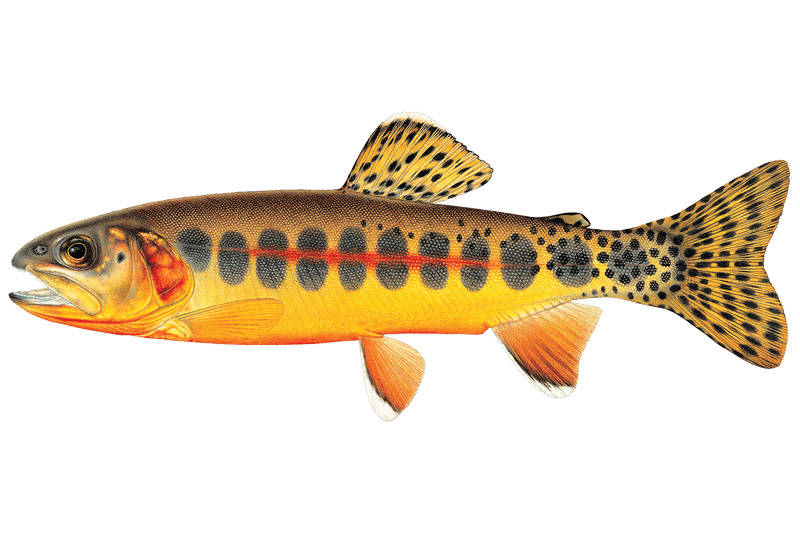
Golden Trout
Oncorhynchus mykiss aguabonita

Grass Carp
Ctenopharyngodon idella

Green Sunfish
Lepomis cyanellus
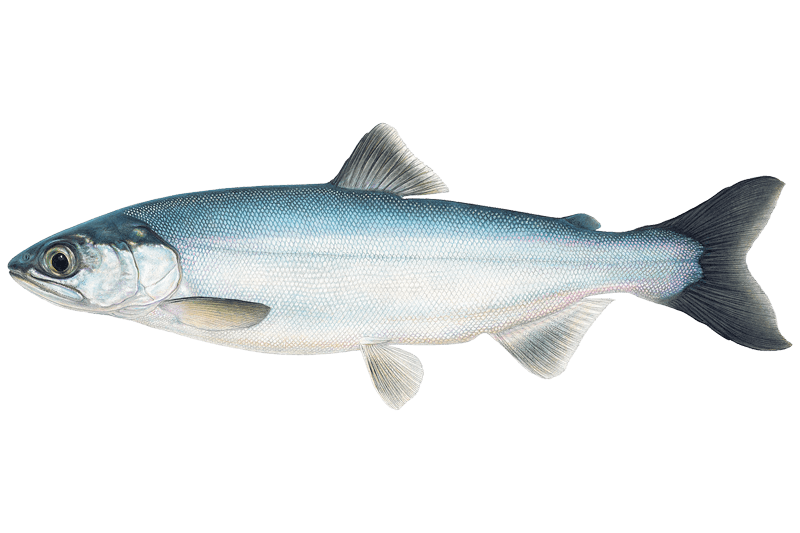
Kokanee Salmon
Oncorhynchus nerka

Lahontan Cutthroat Trout

Lake Trout
Salvelinus namaycush
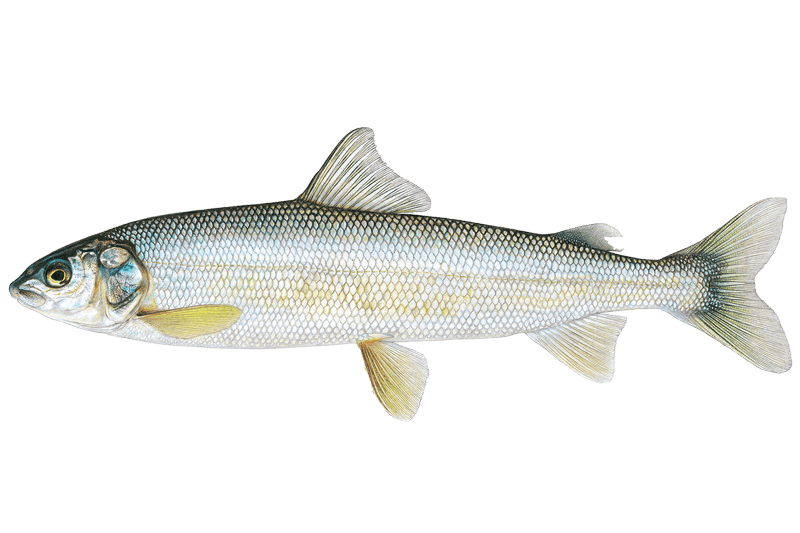
Mountain Whitefish
Prosopium williamsoni

Mozambique Tilapia
Oreochromis mossambicus

Nile Tilapia
Oreochromis niloticus

Pink Salmon
Oncorhynchus gorbuscha

Prickly Sculpin
Cottus asper

Pumpkinseed
Lepomis gibbosus
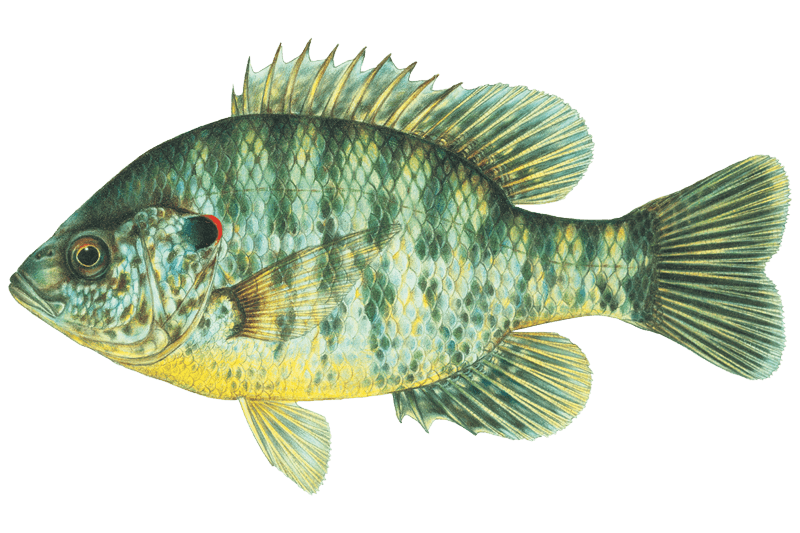
Redear Sunfish
Lepomis microlophus

Rock Bass
Ambloplites rupestris
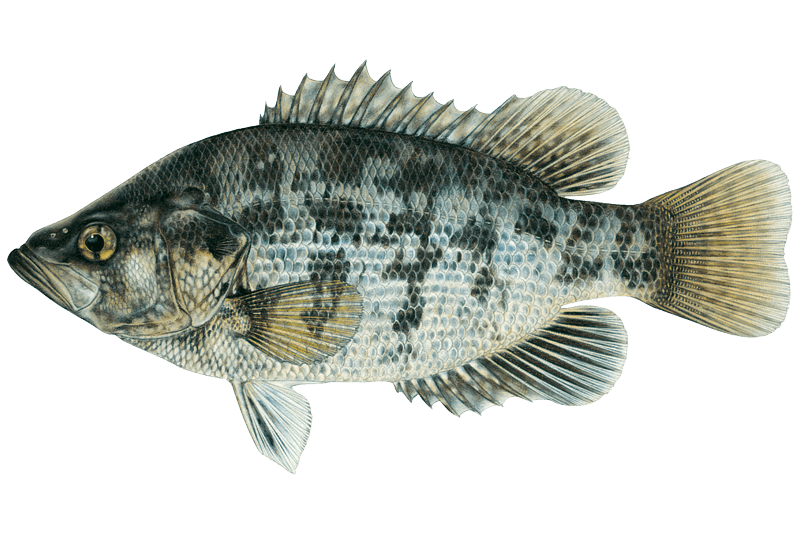
Sacramento Perch
Archoplites interruptus
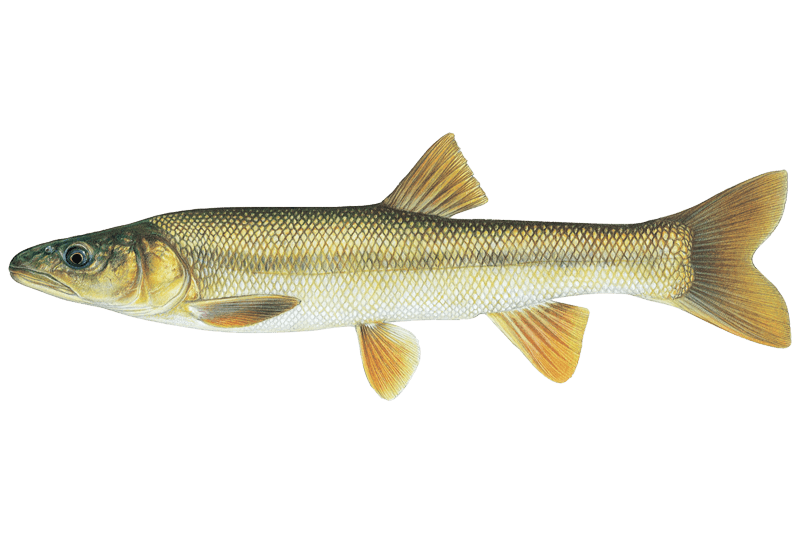
Sacramento Pikeminnow
Ptychocheilus grandis

Sockeye Salmon
Oncorhynchus nerka
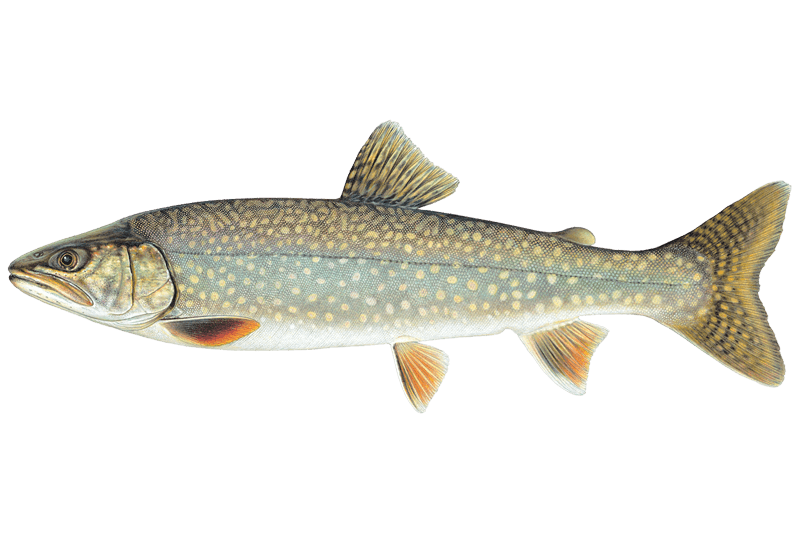
Splake
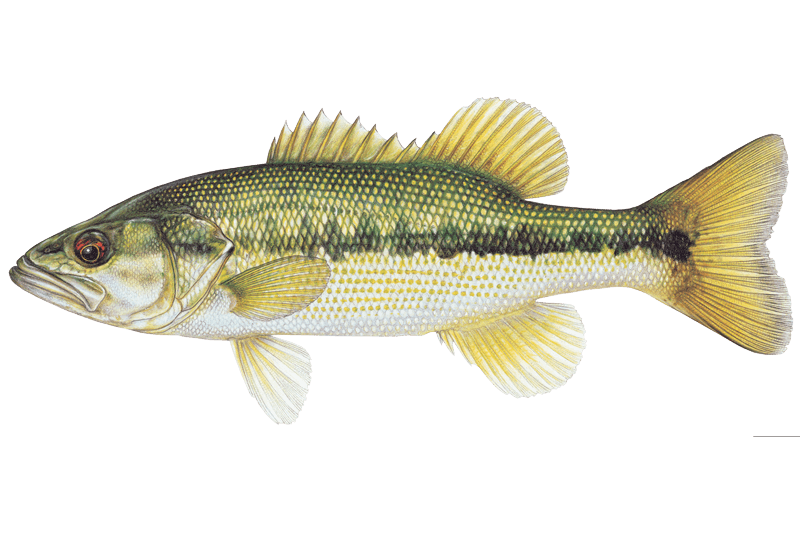
Spotted Bass
Micropterus punctulatus and Micropterus henshalli
California licenses and regulations

California Boating Regulations
When using any type of watercraft to access a body of water, it is important to follow all federal, state, and local rules and regulations. These rules and regulations include boat permitting and licensing, invasive species inspections and stamps, life jacket and PFD rules, motor size and horsepower restrictions, noise limitations, restrictions on personal watercraft, and many more. Visit the web link below for the most current rules and regulations for this body of water.

California Fishing License Online
In California, anyone under the age of 16 or above is required to get a sport fishing license to take any fish; shell fish, reptile or amphibian in the state.

California Freshwater Fishing Regulations
This river has a variety of species and regulations, including potential floating and/or watercraft restrictions. Because this river is specially managed for species, seasons, angling methods, and watercraft, it is strongly encouraged you check all federal, state, and local regulations before fishing. Visit any of the links below, inquire locally, or contact a local fly shop to learn current regulations and restrictions.

California Stream Access Laws
The courts have described the reach of the California public right of navigation as “the right to navigate and to exercise the incidents of navigation in a lawful manner at any point below high water mark” on waters that satisfy California’s small craft test. Thus, property owners cannot interfere with the public’s right to navigate or use shoreline areas below the ordinary high water mark for incidents of navigation. In fact, unauthorized obstruction of the public’s right to access and use a navigable waterway constitutes a public nuisance.
Explore nearby waters
Explore California waters
Top fishing waters
Popular Cities
Loading popular cities...
Smarter Fishing Starts in the App.
onWater Fish gives you everything you need to plan smarter, fish better, and own every trip from first cast to last.