Fishing in Wisconsin
- Lakes
- 5,487
- Rivers
- 3,264
- Access
- 683
- Boat Ramps
- 3,511
- Shops
- 145
Wisconsin is unusual in that it holds three serious fishing cultures at once — Driftless spring creeks, Lake Superior steelhead, and Northwoods musky water — and a stream access law generous enough that an ordinary angler can chase all of them.
The southwest is where the trout people go.
The Driftless Area escaped the last glaciation, leaving a 24,000-square-mile maze of limestone valleys and roughly 5,700 miles of cold, mineral-rich spring creeks — the densest concentration of wild brown and brook trout water in the Midwest.
The Kinnickinnic runs through River Falls with thousands of wild trout per mile and a Twin Cities crowd to match, kept honest by the Kiap-TU-Wish chapter's two decades of restoration work on the Kinni, Willow, and Rush.
Further south, Black Earth Creek, the West Fork Kickapoo, and Castle Rock Creek anchor the Viroqua-area scene around shops like Driftless Angler.
The early catch-and-release season opens in January on artificials only, and the regular opener lands the first Saturday in April.
Wisconsin's navigability rule — keep your feet wet in the streambed and you're legal — means a creek through private pasture is still your creek, and the DNR's Stream Bank Protection easements have layered formal access on top of that.
Up north, the Bois Brule is its own world. Forty-four miles from Solon Springs to Lake Superior, with resident brookies and browns in the upper river and a self-sustaining wild steelhead strain documented since the 1890s in the lower.
The section below Hwy 2 opens the last Saturday of March and fishes hard into May; the fall run brings lake-run browns starting in July, Chinook through August and September, and steelhead from mid-August through November 15.
Around Hayward, musky is the local religion.
The Chippewa Flowage — 15,300 acres of bog-rimmed, largely undeveloped water — produced Louie Spray's 1949 fish and still gives up 50-inchers; the National Fresh Water Fishing Hall of Fame, four and a half stories of fiberglass musky, sits down the road.
Season runs first Saturday of May through year-end, with the serious fish coming mid-September into October. In late June and early July, the Hex hatch turns northern freestoners into a nocturnal game for big browns.
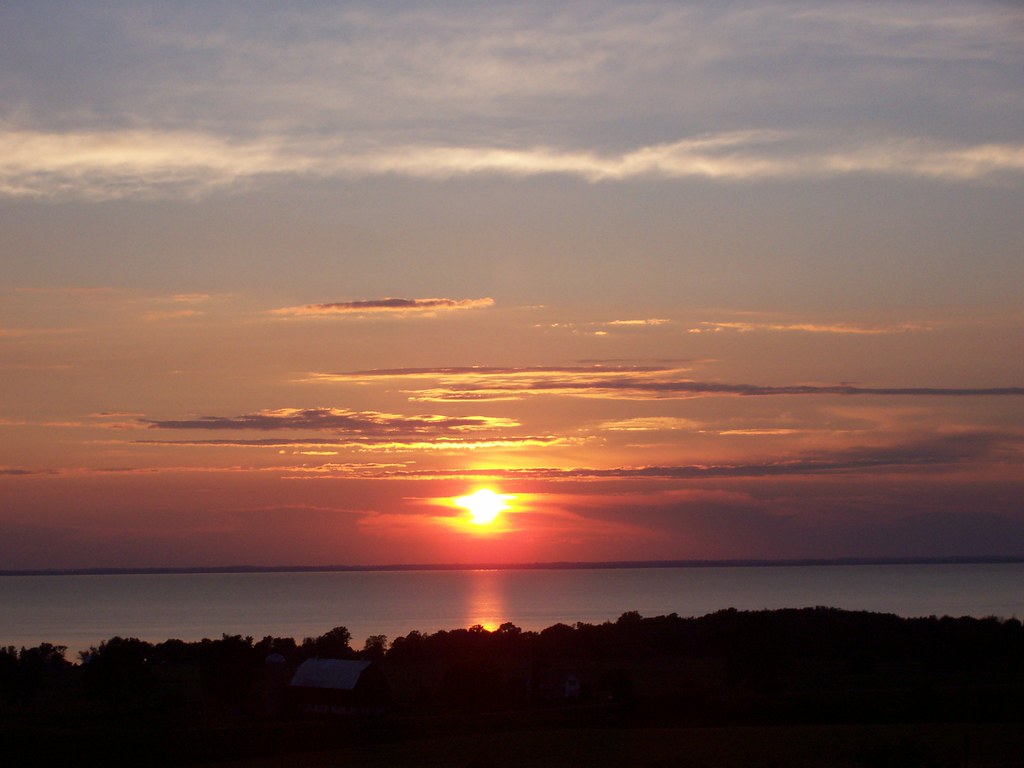
In the middle sits Lake Winnebago, 131,939 acres of walleye and one of the continent's great lake sturgeon populations. The 16-day February spearing season — licenses bought by the prior October 31, fish registered in person by 2 p.m.
— is the only recreational sturgeon spear fishery in the country, and in Fond du Lac it's basically a holiday. Green Bay handles the smallmouth and walleye end; Milwaukee and Sheboygan handle the Lake Michigan salmon boats.
One license, three states' worth of fishing.
Top waters to fish near Wisconsin
Lake Winnebago
Lake Geneva
Lake Mendota
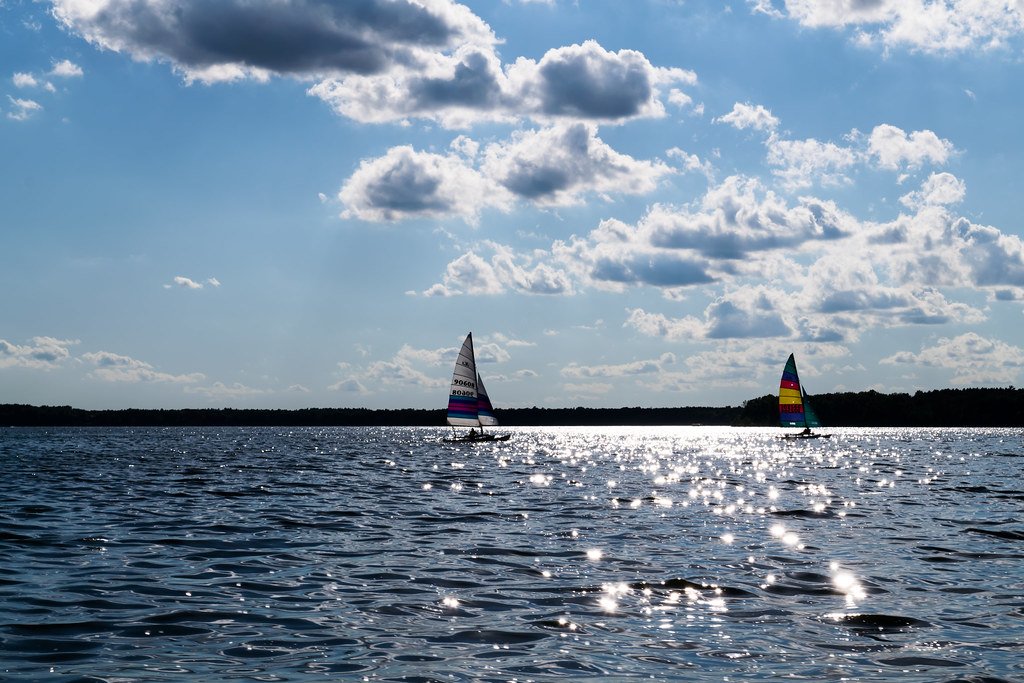
Petenwell Lake
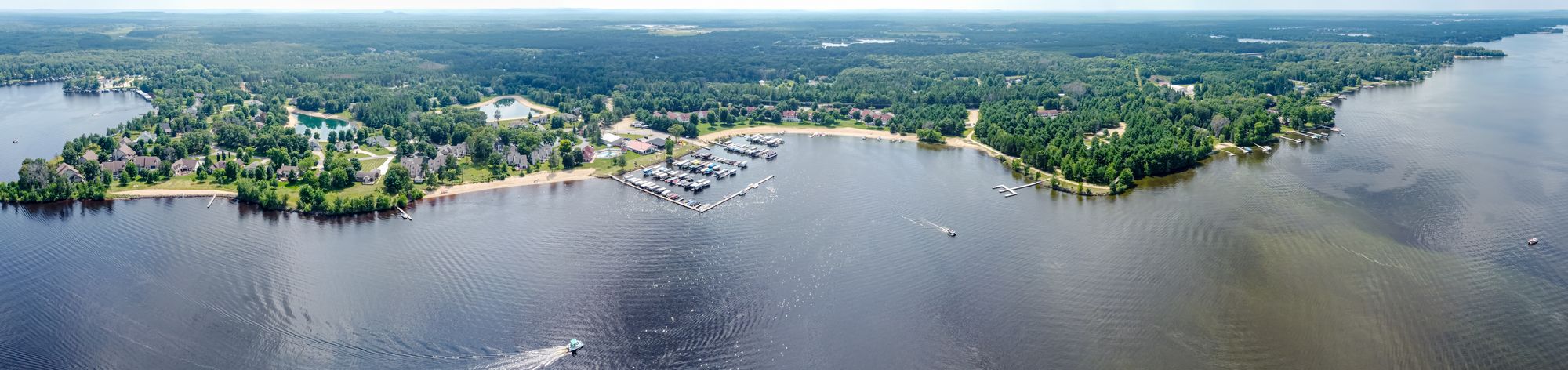
Castle Rock Lake
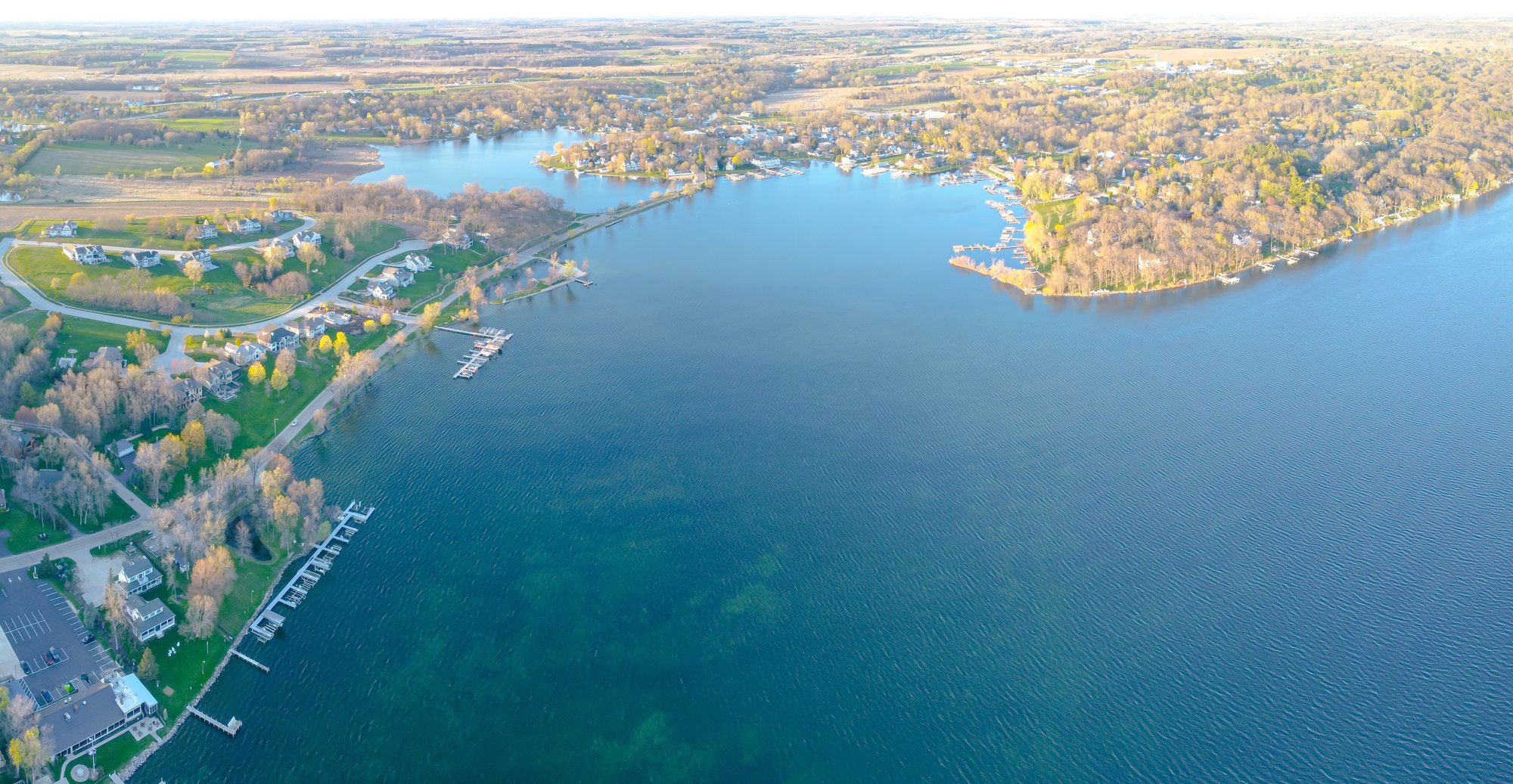
Green Lake
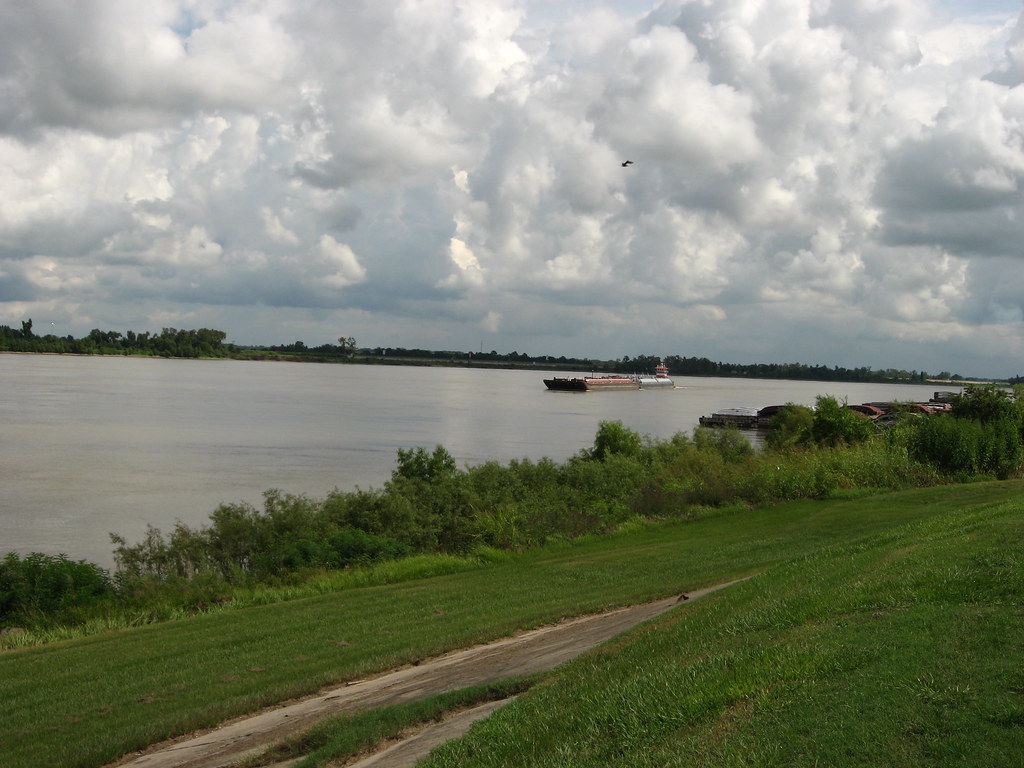
Mississippi River
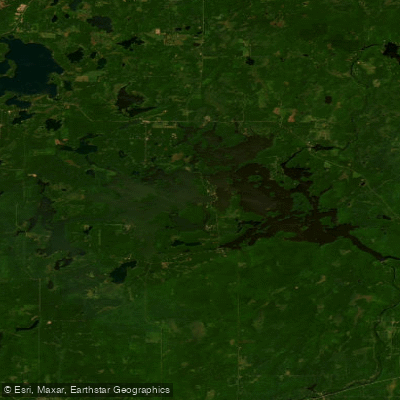
Lake Chippewa
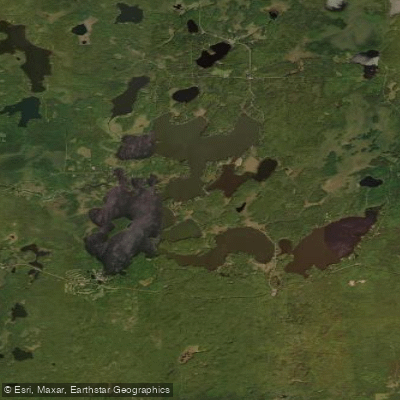
Namekagon Lake
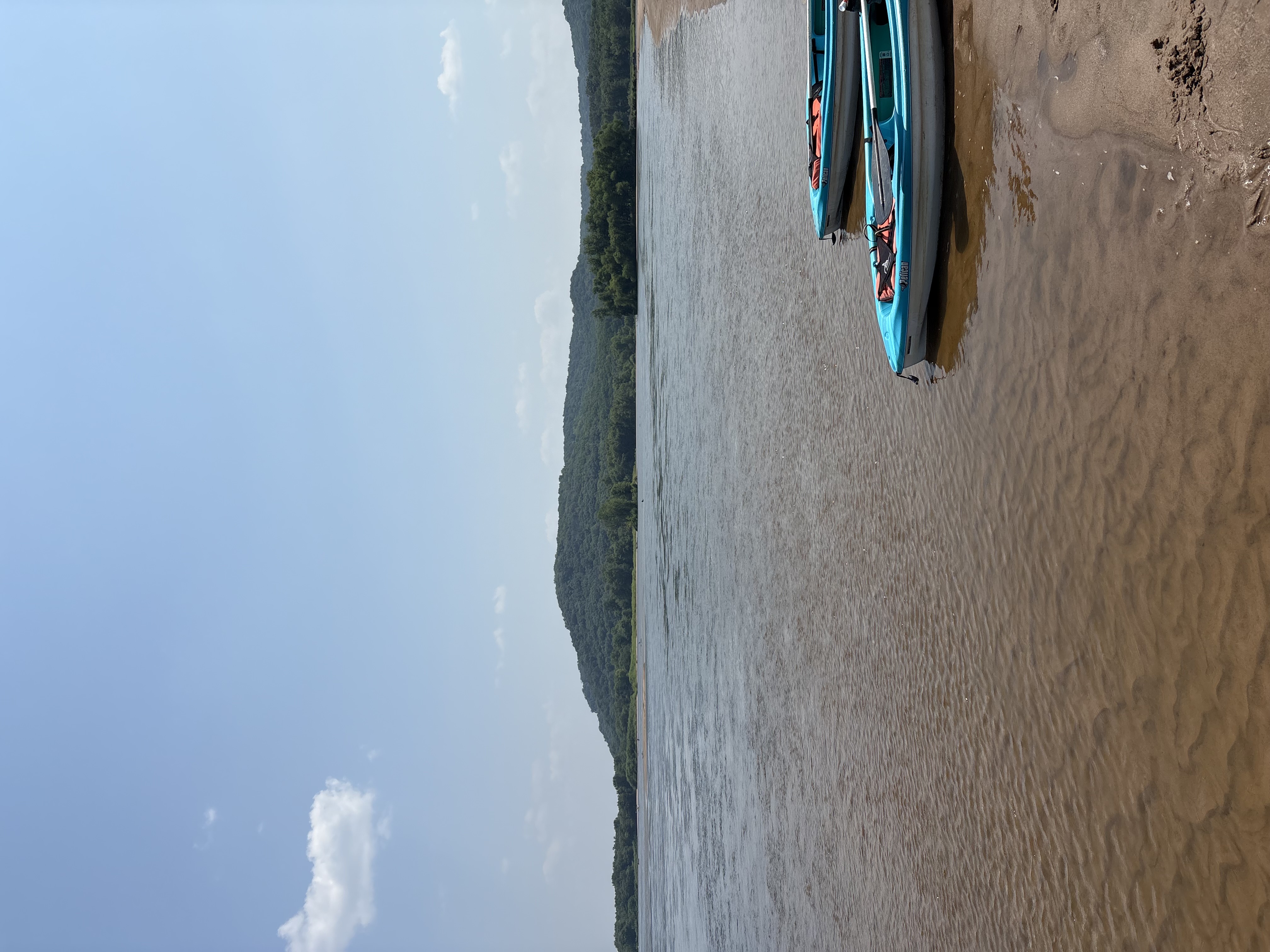
Wisconsin River
Species & education
Learn what type of fish are in Wisconsin and what's needed to catch them.

Find which waters have the species you want to catch

Largemouth Bass
Micropterus salmoides

Smallmouth Bass
Micropterus dolomieu

Rainbow Trout
Oncorhynchus mykiss

Brown Trout
Salmo trutta

Brook Trout
Salvelinus

Cutthroat Trout

Northern Pike
Esox lucius

Muskellunge
Esox masquinongy

Walleye
Sander vitreus

Black Crappie
Pomoxis nigromaculatus

Alewife
Alosa pseudoharengus

American Eel
Anguilla rostrata

Atlantic Salmon
Salmo salar

Bighead Carp
Hypophthalmichthys nobilis

Bigmouth Buffalo
Ictiobus cyprinellus

Black Buffalo
Ictiobus niger

Black Bullhead
Ameiurus melas

Blacknose Dace
Rhinichthys atratulus

Blue Sucker
Cycleptus elongatus

Bowfin
Amia calva

Brown Bullhead
Ameiurus nebulosus

Burbot
Lota lota

Chain Pickerel
Esox niger

Channel Catfish
Ictalurus punctatus

Chinook Salmon

Cisco
Coregonus artedi

Coho Salmon

Common Carp
Cyprinus carpio

Creek Chub
Semotilus atromaculatus

Flathead Catfish
Pylodictis olivaris

Flier
Centrachus macropterus

Freshwater Drum
Aplodinotus grunniens

Gizzard Shad

Golden Redhorse
Moxostoma erythrurum

Grass Carp
Ctenopharyngodon idella

Green Sunfish
Lepomis cyanellus

Lake Sturgeon
Acipenser fulvescens

Lake Trout
Salvelinus namaycush
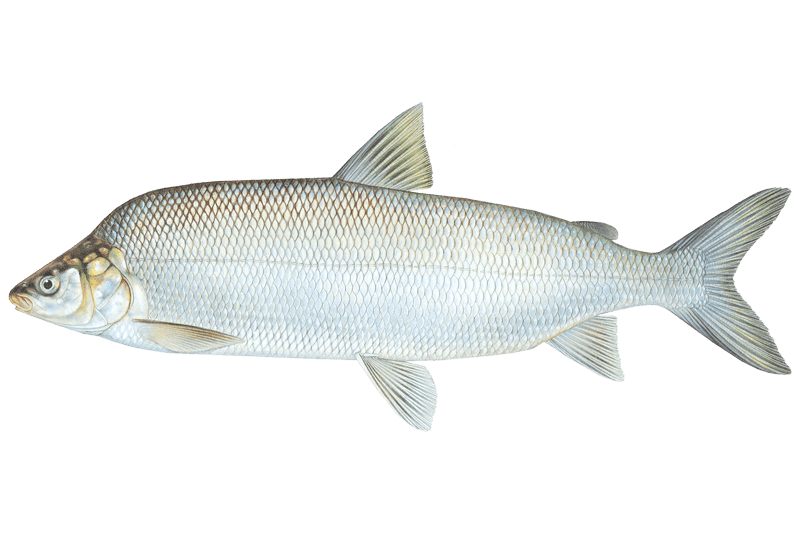
Lake Whitefish
Coregonus clupeaformis

Longear Sunfish
Lepomis megalotis
Fishing guides in Wisconsin
Book a trip with a local fishing guide through Guidesly.

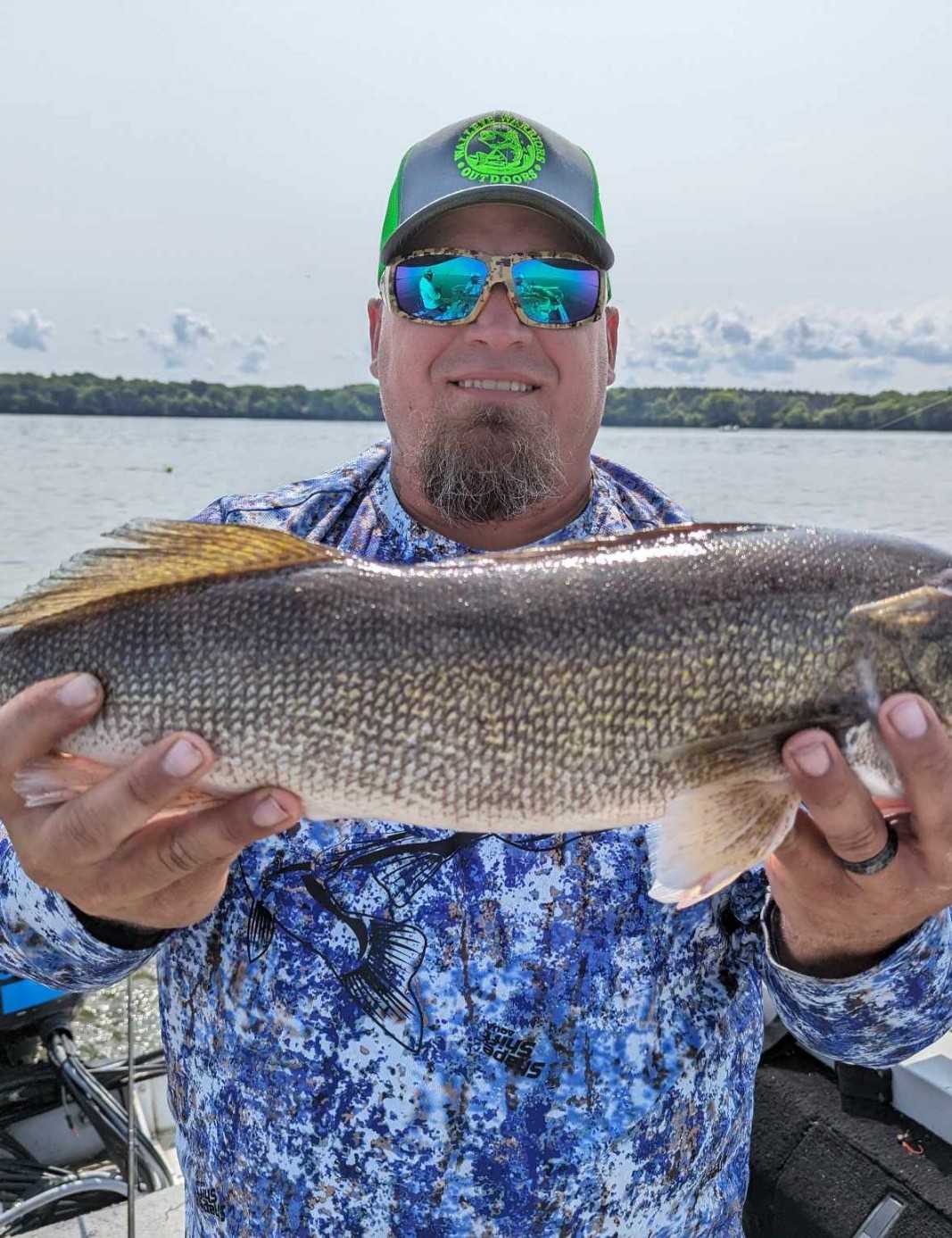
Ryan Hahn
Keep It Reelin Guide Service
4.9 (9 reviews)
Enjoy ice fishing for tasty & big bites with a pro
Book on Guidesly, opens in new tab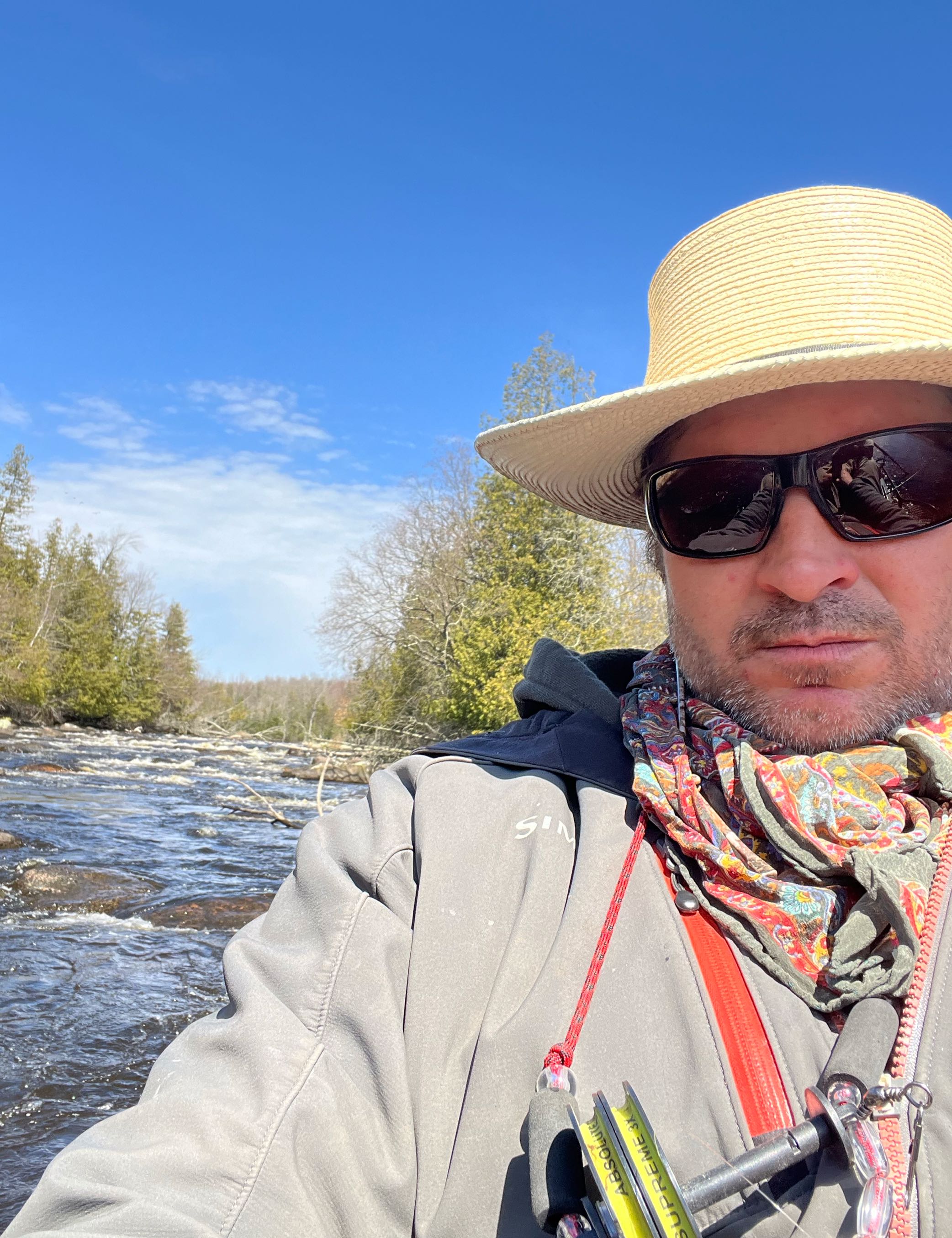
Johnny Buser
Firl Outfitters
5.0 (8 reviews)
Hone Your Fly Fishing Skills in Omro, WI
Book on Guidesly, opens in new tab
Cory Wehrman
Wehrman's Fishing Adventures
5.0 (6 reviews)
Ice Fishing in the Great Lakes of Wisconsin
Book on Guidesly, opens in new tab
Mike Pjevach
Leisure Time Charters
5.0 (6 reviews)
Lake Michigan fishing with Leisure Time Charters
Book on Guidesly, opens in new tab
Dennis Ansell
Lure-In Fishing Guide Service
5.0 (4 reviews)
Top-rated Fishing Charters in Sturgeon Bay, WI
Book on Guidesly, opens in new tab
James Cooper
Halligan Outdoors Guide Service
5.0 (2 reviews)
Southern Wisconsin fishing adventures
Book on Guidesly, opens in new tab
Fish smarter with real-time insights
Whether you're en route and conditions shift or you're looking for the best spot based on current flows, we enable you to make informed decisions on the fly.







Wisconsin licenses and regulations

Wisconsin Boating Regulations
When using any type of watercraft to access a body of water, it is important to follow all federal, state, and local rules and regulations. These rules and regulations include boat permitting and licensing, invasive species inspections and stamps, life jacket and PFD rules, motor size and horsepower restrictions, noise limitations, restrictions on personal watercraft, and many more. Visit the web link below for the most current rules and regulations for this body of water.

Wisconsin Fishing License
Wisconsin residents and non-residents 16 years old or older need a fishing license to fish in any waters of the state. Children under 16 years of age do not need a fishing license.

Wisconsin Fishing Regulations
This river has a variety of species and regulations, including potential floating and/or watercraft restrictions. Because this river is specially managed for species, seasons, angling methods, and watercraft, it is strongly encouraged you check all federal, state, and local regulations before fishing. Visit any of the links below, inquire locally, or contact a local fly shop to learn current regulations and restrictions.

Wisconsin Stream Access Laws
Floatable water is public in Wisconsin, and users are legally allowed access to all lakes and streambeds below the high water mark for recreational purposes. Though riparian owners can own streams, the public has legal access to those streambeds below the high water mark while engaged in water-related recreational activity.
Smarter Fishing Starts in the App.
onWater Fish gives you everything you need to plan smarter, fish better, and own every trip from first cast to last.