Muskellunge

The Muskellunge is Wisconsin's official state fish, designated in 1955. Known as 'musky' or 'muskie,' this apex freshwater predator is the largest member of the pike family.
Wisconsin contains approximately 667 lakes and 48 streams with fishable muskellunge populations across 53 counties, supporting an estimated 200,000 muskies statewide.
Scientific Name: Esox masquinongy
Also known as musky, muskie
- Elongated, torpedo-shaped bodies about six times as long as they are deep.
- They're distinguished from northern pike by dark vertical bars or spots on a light background, pointed tail fins, and lack of scales on the lower half of the cheek and gill cover.
Fishing in Wisconsin
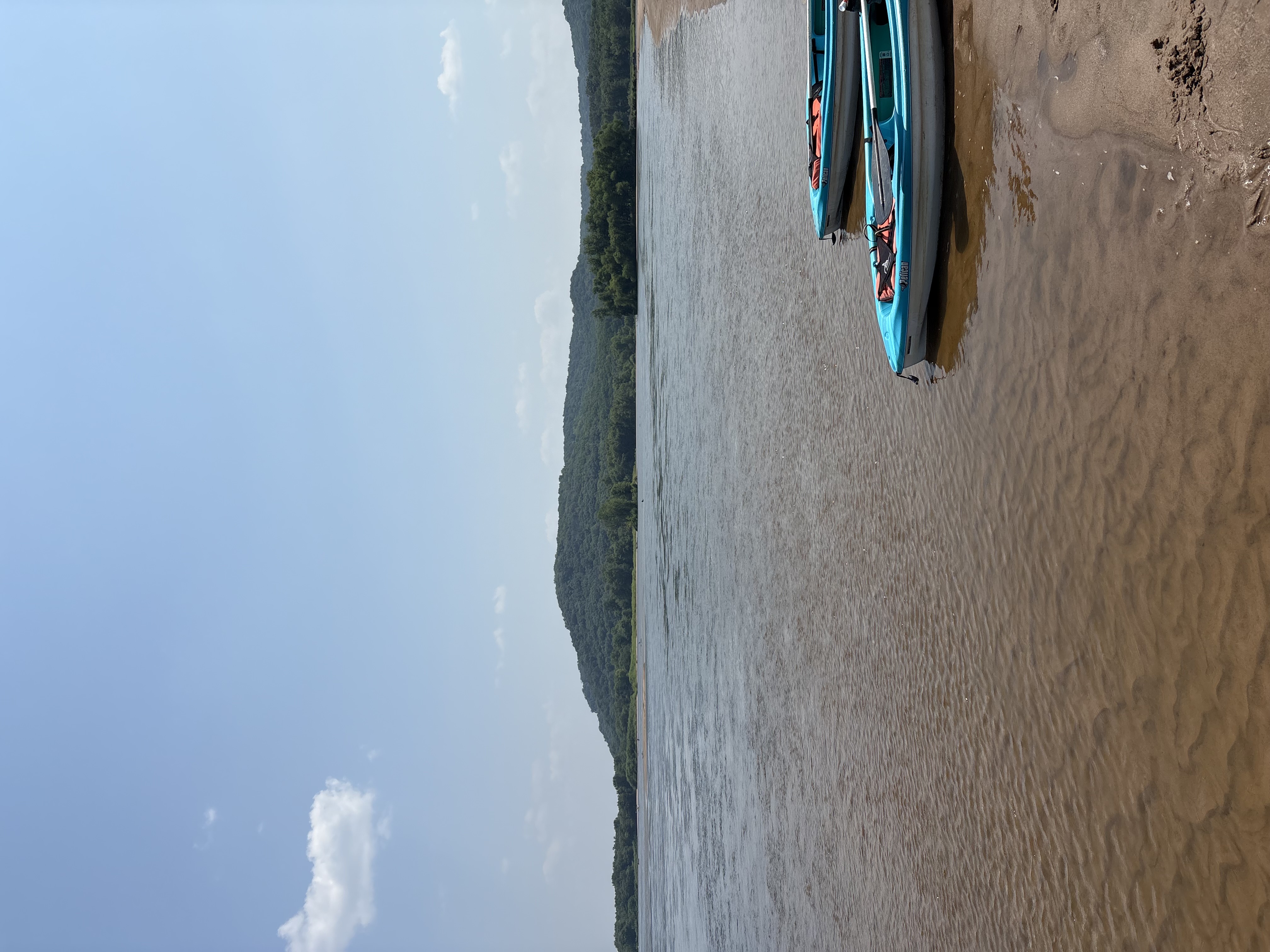
Wisconsin River
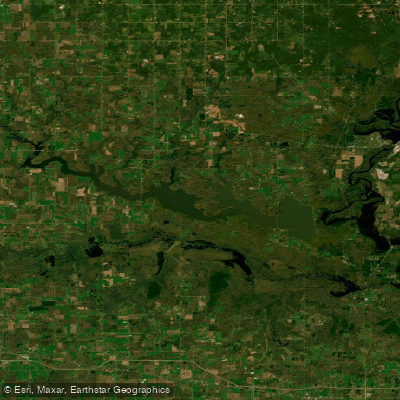
Big Eau Pleine Reservoir
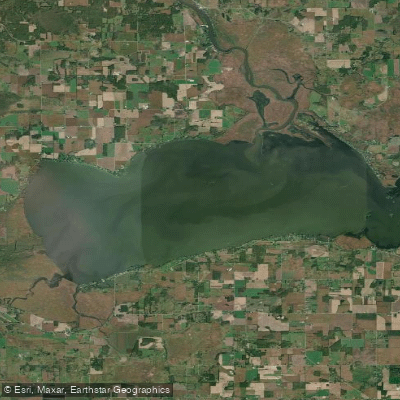
Lake Poygan
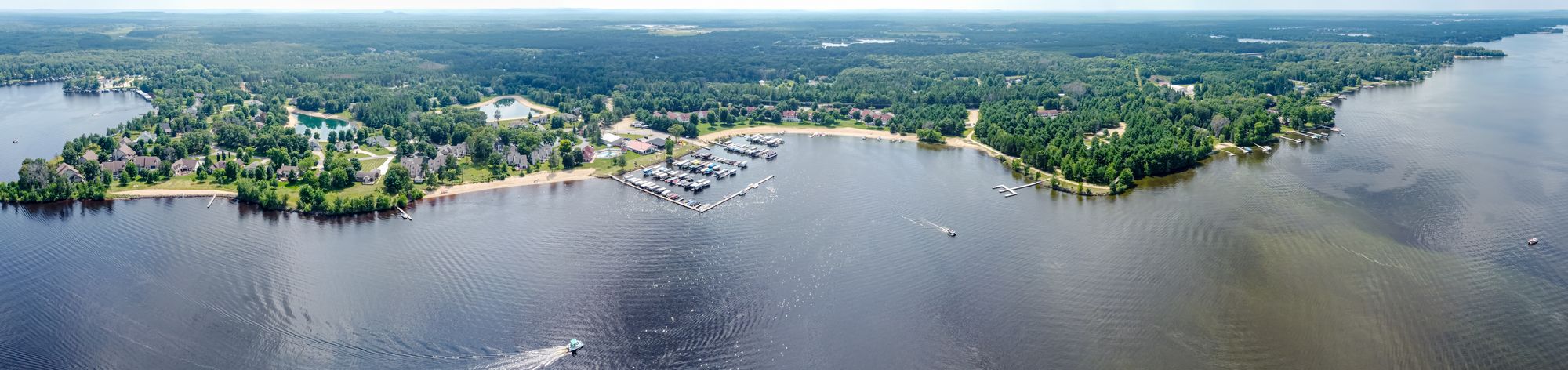
Castle Rock Lake
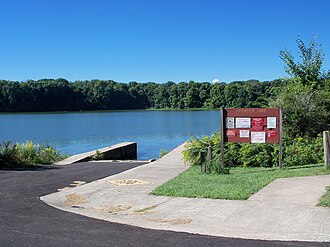
Spencer Lake
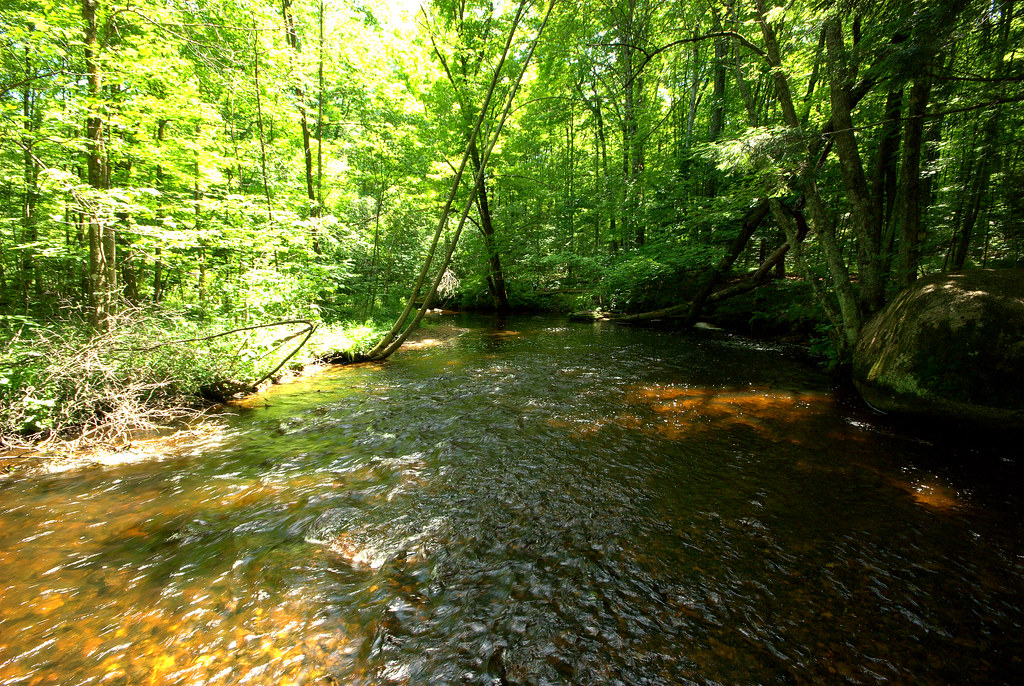
Little Wolf River
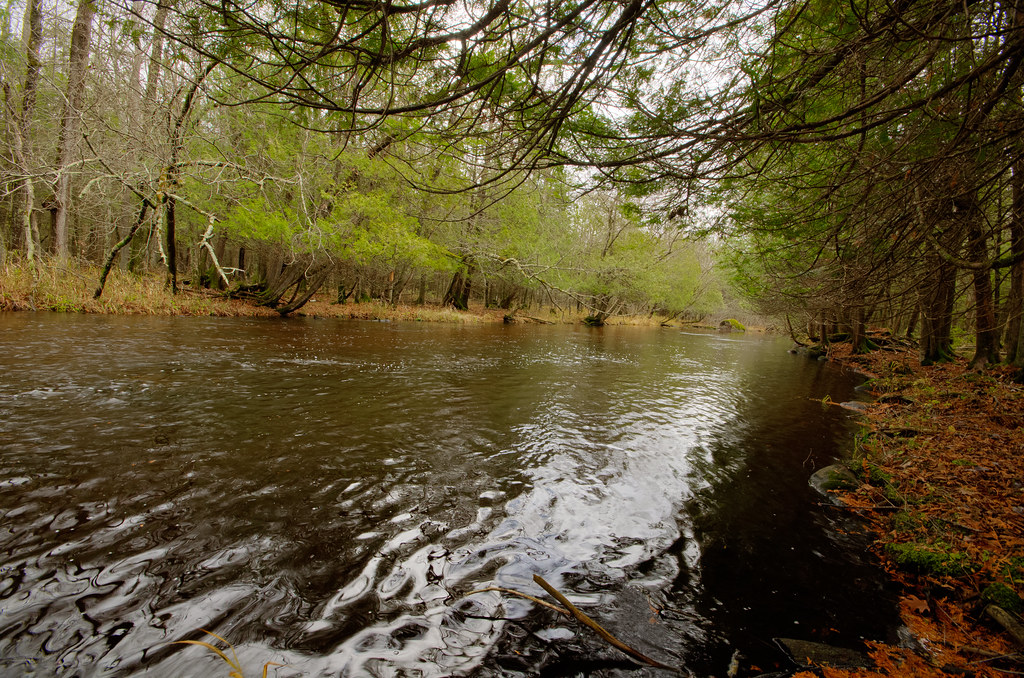
Wolf River
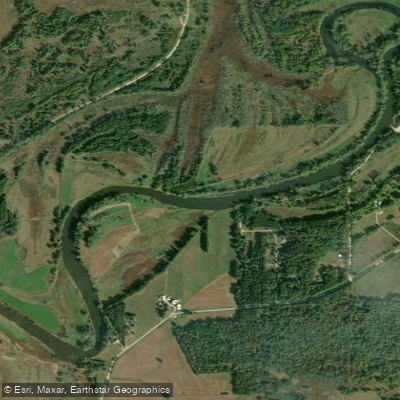
Fox River
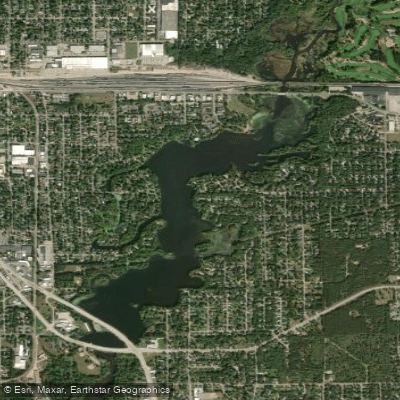
McDill Pond
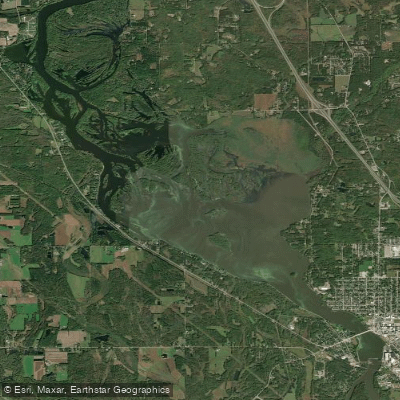
Wisconsin River Flowage
What to know
Habitat Distribution
- Originally native to the Chippewa, upper Wisconsin (above Wausau), Black, Amnicon, and lower Fox Rivers including Green Bay, stocking has expanded their range throughout central and southern Wisconsin.
- They prefer large lakes with both deep and shallow basins and abundant aquatic vegetation, particularly broad-leafed pond weed ('musky weed').
- They also thrive in medium to large rivers with deep pools and slow-moving water.
Key Locations
- Prime Wisconsin waters include the Chippewa Flowage, Lac Court Oreilles, Lake Wissota, Pelican Lake, and the Wisconsin River system.
- The Menominee River offers excellent opportunities for the Great Lakes spotted muskie strain.
- The heaviest concentrations are found in the upper Chippewa, Flambeau, and Wisconsin River systems in north-central Wisconsin.
Specific Spots
- Target structure including weed beds, rock bars, drop-offs, points, and shorelines with submerged wood.
- Focus on weed edges and isolated structure in both shallow and deep water.
Muskellunge FAQ
Answers from onWater's species guide.
What are the best lures and bait for Muskellunge in Wisconsin?
Large bucktail spinners (8-12 inch), safety-pin spinnerbaits, jerkbaits/twitchbaits, diving crankbaits, large spoons, and topwater baits like Hawg Wobblers. Live bait options include 10-14 inch suckers, particularly effective in fall.
What flies work for Muskellunge in Wisconsin?
Flies should be 8-15 inches long in white, black, yellow, and chartreuse colors to imitate perch, walleye, suckers, and cisco. Articulated streamers and large poppers are most effective.
When is the best time to fish for Muskellunge in Wisconsin?
Prime fishing occurs during summer months (June-August) when water is warm and fish are most active, with fall also being highly productive.
How do you catch Muskellunge in Wisconsin?
Always perform a figure-8 maneuver at boatside. Maintain steady retrieves rather than erratic action. On clear lakes with heavy boat traffic, night fishing can be productive.
What do Muskellunge eat?
As opportunistic feeders, their diet consists primarily of fish (98%), with yellow perch and white suckers being the most important prey species. Soft-finned fishes like suckers and cisco make up over 70% of their diet, while panfish species comprise about 15% and gamefish only 8%.
Fish smarter with real-time insights
Whether you're en route and conditions shift or you're looking for the best spot based on current flows, we enable you to make informed decisions on the fly.




See it in the app
Most maps show you water.
onWater shows you Muskellunge.



- 01 · Species map filter
Map every Muskellunge water
Pick Muskellunge and the map zeroes in on the waters they call home. No more guessing which lake holds them.
- 02 · Waterbody species
Tap any water. See what lives there.
Species, behavior and seasonal patterns for every lake, river and pond, before you leave the driveway.
- 03 · Angler Intelligence
Ask how to catch Muskellunge
Tactics, gear and timing from onWater's AI fishing guide, tuned to the species and the water you're on.
Stop guessing where Muskellunge are.
Open the map, filter by Muskellunge, and head to water that holds them. Download onWater and plan your next trip in minutes.
- Species map filter
- Angler Intelligence
- Fishing journal
Explore other species
Trout, bass, salmon, panfish and everything in between. Each guide unpacks the behavior, seasons, and tactics that put fish in the net.
No species information available.
Wisconsin licenses and regulations
Explore nearby waters
Explore Wisconsin waters
Top fishing waters
Popular Cities
Loading popular cities...

Smarter Fishing Starts in the App.
onWater Fish gives you everything you need to plan smarter, fish better, and own every trip from first cast to last.