Grass Carp

Grass Carp are prohibited invasive species in Wisconsin. These large herbivorous fish are native to eastern Asia and have been documented in Wisconsin waters.
The species moves toward Wisconsin waters from the Illinois and Mississippi Rivers and is sometimes illegally stocked in private ponds for aquatic plant control.
Scientific Name: Ctenopharyngodon idella
Also known as white amur
- Can grow up to 150 cm (59 inches) in length and weigh up to 80 pounds.
- They have elongated, torpedo-shaped bodies with dark olive coloring that shades to brownish-yellow on the sides and white belly, with large, slightly outlined scales.
Fishing in Wisconsin
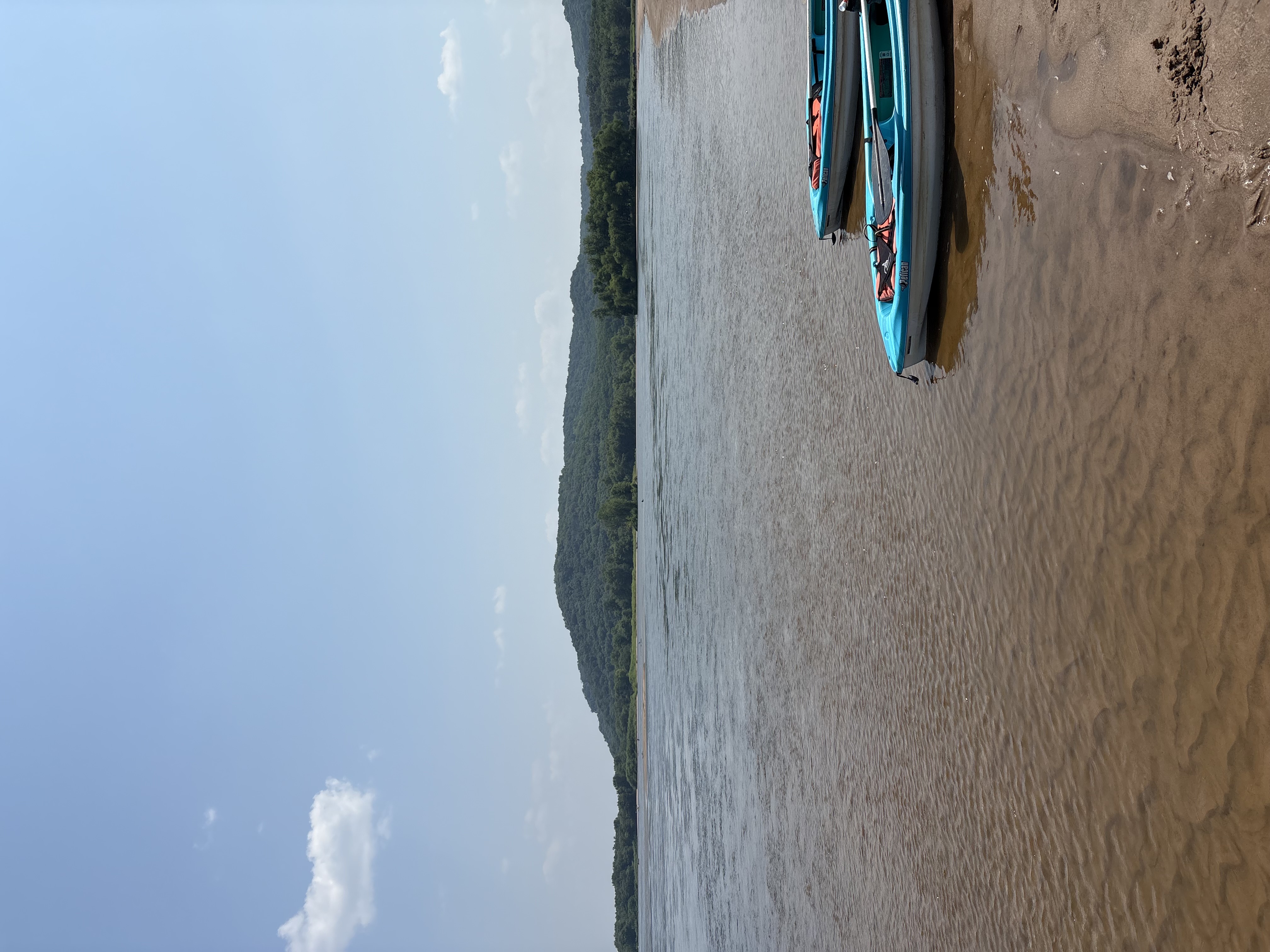
Wisconsin River
Big Eau Pleine Reservoir
Lake Poygan
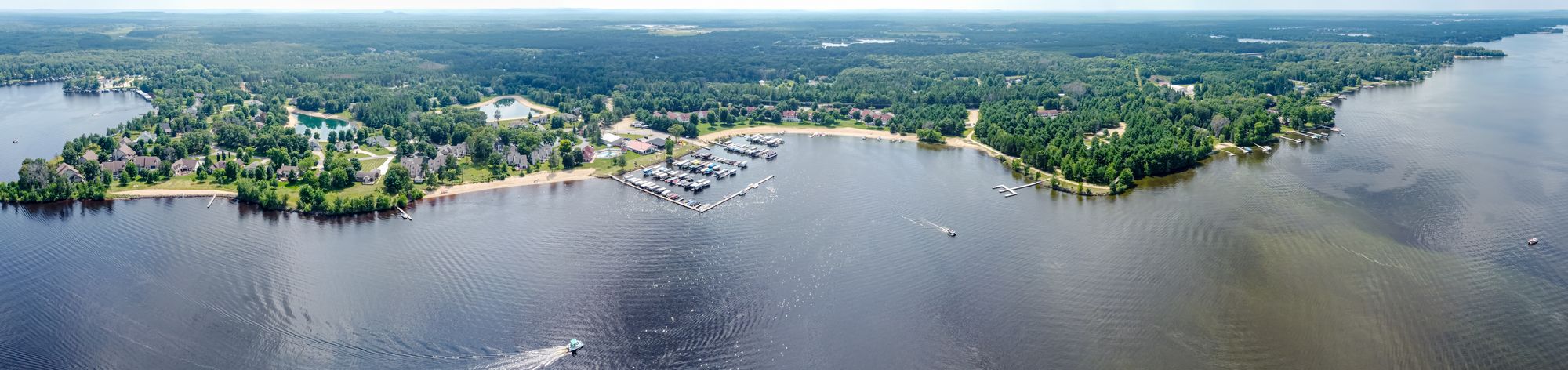
Castle Rock Lake
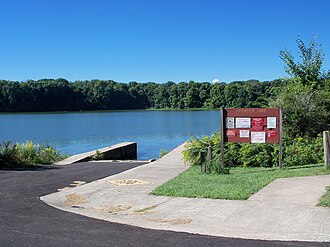
Spencer Lake
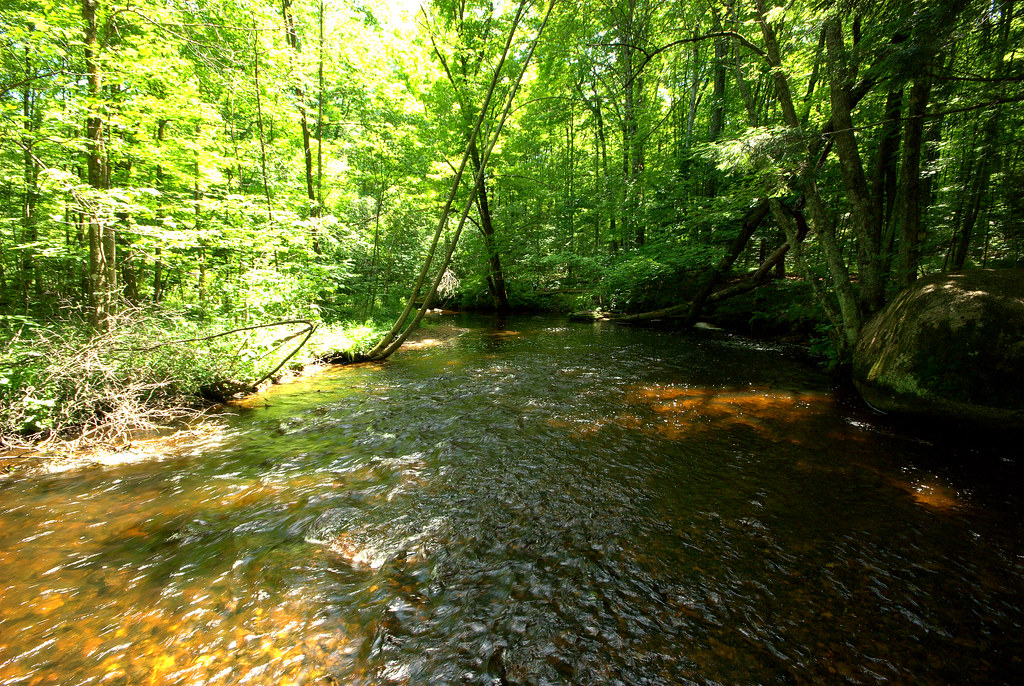
Little Wolf River
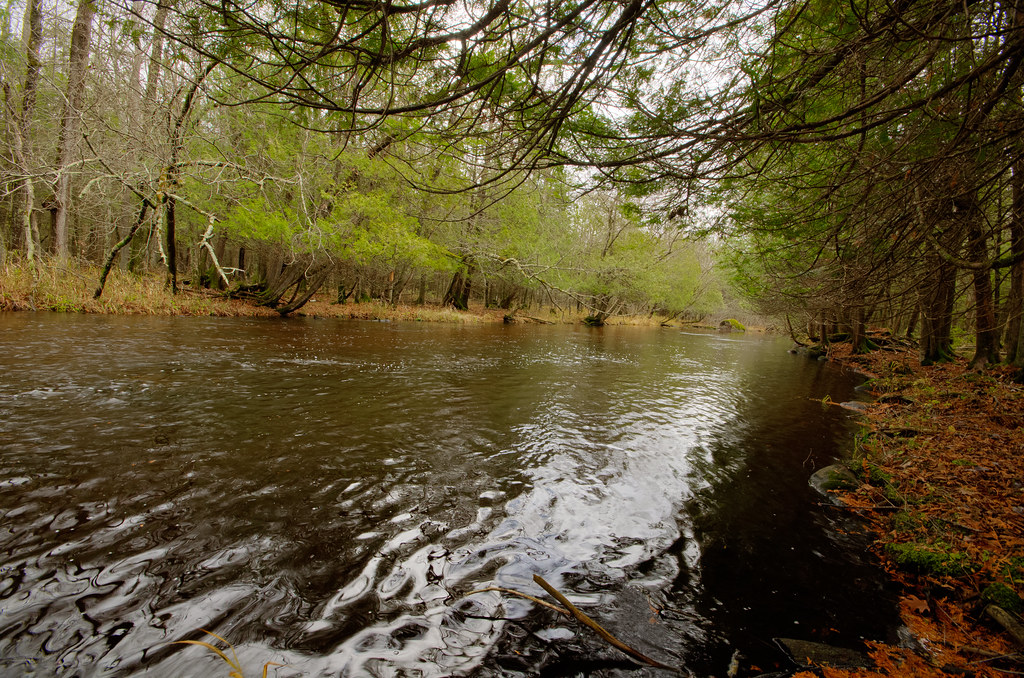
Wolf River
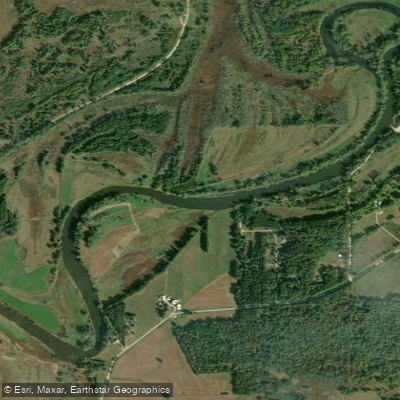
Fox River
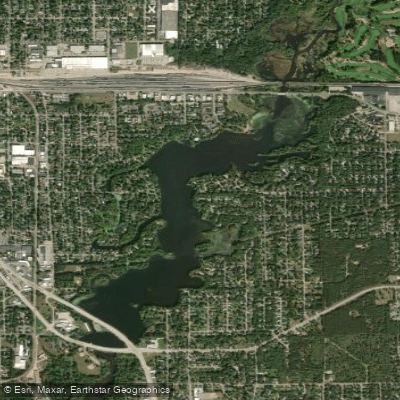
McDill Pond
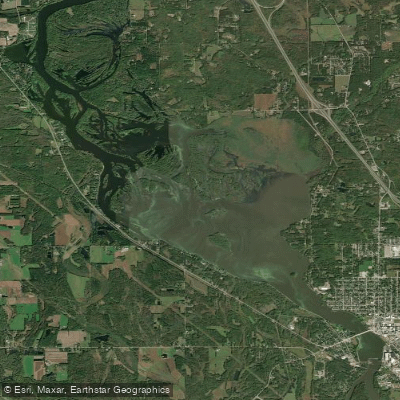
Wisconsin River Flowage
What to know
Habitat Distribution
- Native to eastern Asia.
- Found in Wisconsin waters, moving toward Wisconsin waters from the Illinois and Mississippi Rivers.
Key Locations
- Grass carp have been documented in Wisconsin waters including the Mississippi River (Pool 4), Wisconsin River near Mazomanie, Red Cedar River, Milwaukee River, Kinnickinnic River, Menomonee River, and Wind Lake in Racine County.
Specific Spots
- Target shallow, weedy areas with abundant vegetation.
- Look for areas near cattail edges.
Grass Carp FAQ
Answers from onWater's species guide.
What flies work for Grass Carp in Wisconsin?
Effective fly patterns include size 12-16 beadhead woolly buggers (black, olive), size 14-18 beadhead hares ear nymphs, size 18-22 midge patterns, and size 12-14 CDC caddis patterns. Terrestrial patterns like foam ants and rubber-legged hoppers work when fish feed near surface.
When is the best time to fish for Grass Carp in Wisconsin?
Spawning occurs from May to July in fast-flowing water when temperatures reach 17-30°C (63-86°F) - avoid fishing during these spawning periods.
How do you catch Grass Carp in Wisconsin?
Present flies by leading the fish by 10-15 feet, then slowly strip the fly in front of their face. Never set the hook hard - slowly lift the rod to noon and let the fish hook itself. Look for tailing fish (feeding on bottom with tails visible) or cruising fish near cattail edges.
What do Grass Carp eat?
They primarily feed on aquatic vegetation, consuming large amounts of aquatic plants. Young grass carp start as omnivores eating zooplankton and insects before switching to a primarily herbivorous diet at about 26mm length. Adults will also consume terrestrial plants when aquatic vegetation is scarce.
Where do Grass Carp live in Wisconsin?
Native to eastern Asia. Found in Wisconsin waters, moving toward Wisconsin waters from the Illinois and Mississippi Rivers.
Fish smarter with real-time insights
Whether you're en route and conditions shift or you're looking for the best spot based on current flows, we enable you to make informed decisions on the fly.




See it in the app
Most maps show you water.
onWater shows you Grass Carp.



- 01 · Species map filter
Map every Grass Carp water
Pick Grass Carp and the map zeroes in on the waters they call home. No more guessing which lake holds them.
- 02 · Waterbody species
Tap any water. See what lives there.
Species, behavior and seasonal patterns for every lake, river and pond, before you leave the driveway.
- 03 · Angler Intelligence
Ask how to catch Grass Carp
Tactics, gear and timing from onWater's AI fishing guide, tuned to the species and the water you're on.
Stop guessing where Grass Carp are.
Open the map, filter by Grass Carp, and head to water that holds them. Download onWater and plan your next trip in minutes.
- Species map filter
- Angler Intelligence
- Fishing journal
Explore other species
Trout, bass, salmon, panfish and everything in between. Each guide unpacks the behavior, seasons, and tactics that put fish in the net.
No species information available.
Wisconsin licenses and regulations
Explore nearby waters
Explore Wisconsin waters
Top fishing waters
Popular Cities
Loading popular cities...

Smarter Fishing Starts in the App.
onWater Fish gives you everything you need to plan smarter, fish better, and own every trip from first cast to last.