Rainbow Trout

Rainbow Trout (Oncorhynchus mykiss) in Wisconsin exist primarily as two forms: inland Rainbow Trout and Great Lakes steelhead, which are biologically the same species.
Originally native to the Pacific coast from northern Mexico to the Bering Sea, Rainbow Trout have been stocked in Wisconsin since the 1880s.
Scientific Name: Oncorhynchus mykiss
Also known as steelhead
- Inland Rainbow Trout typically measure 16-30 inches and weigh 2-16 pounds.
Fishing in Wisconsin
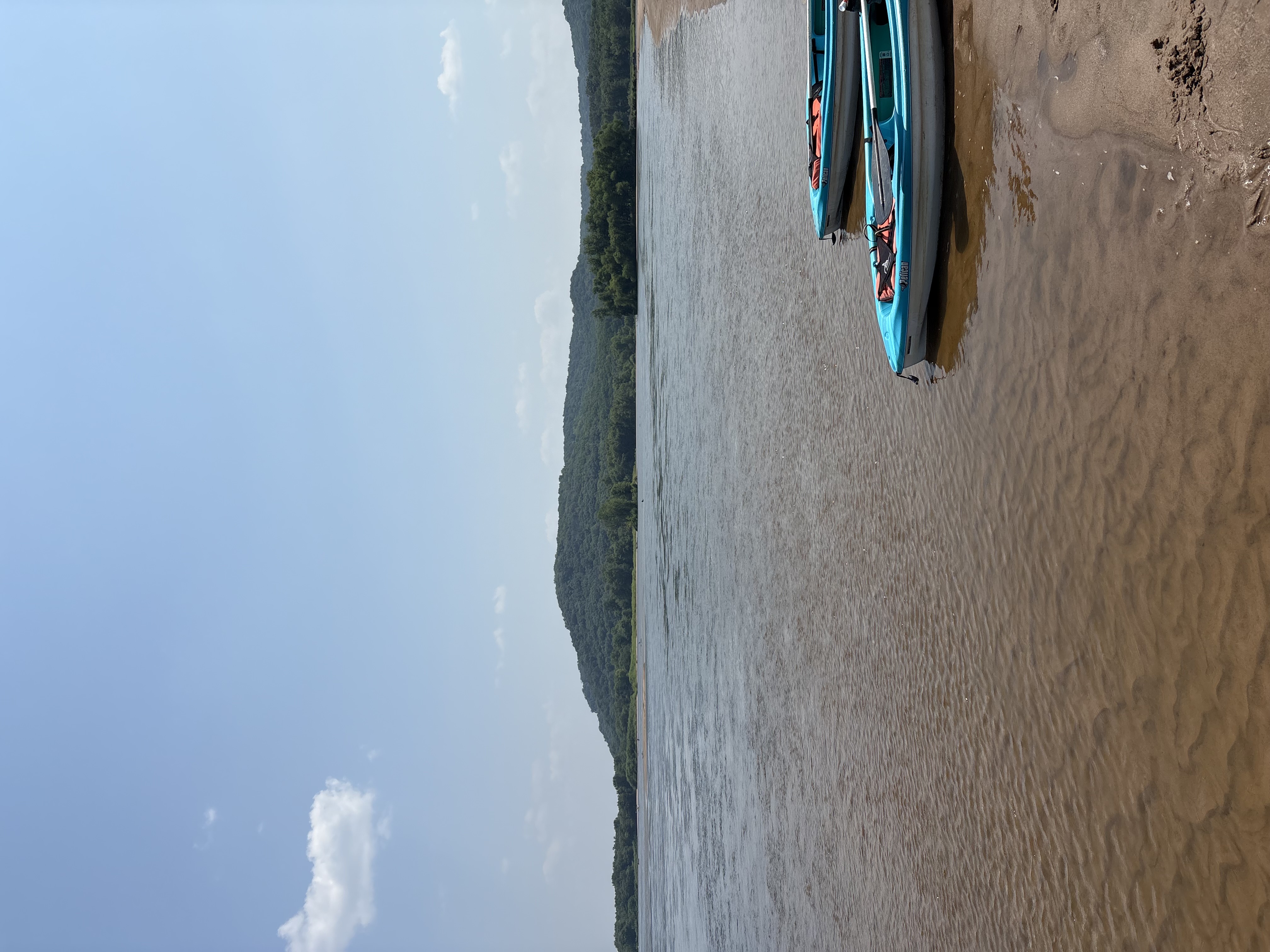
Wisconsin River
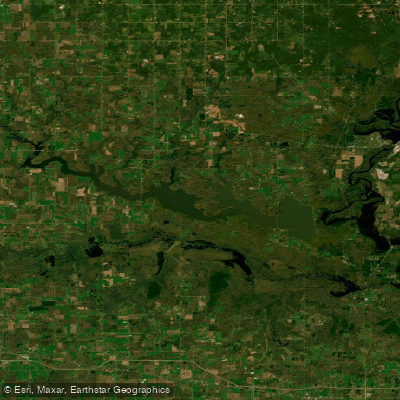
Big Eau Pleine Reservoir
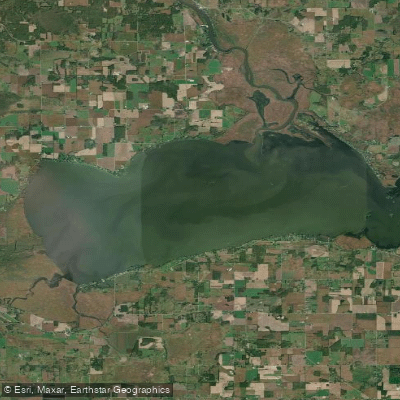
Lake Poygan

Castle Rock Lake
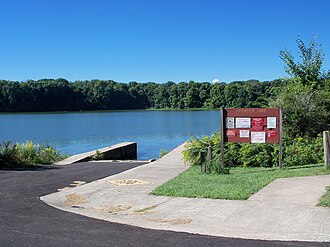
Spencer Lake
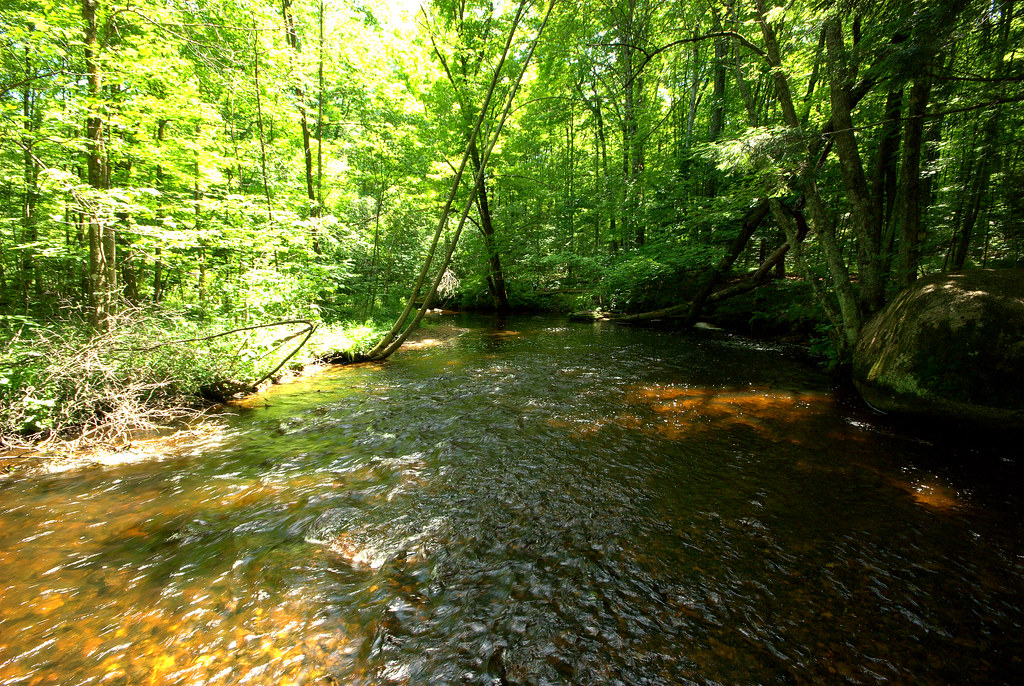
Little Wolf River
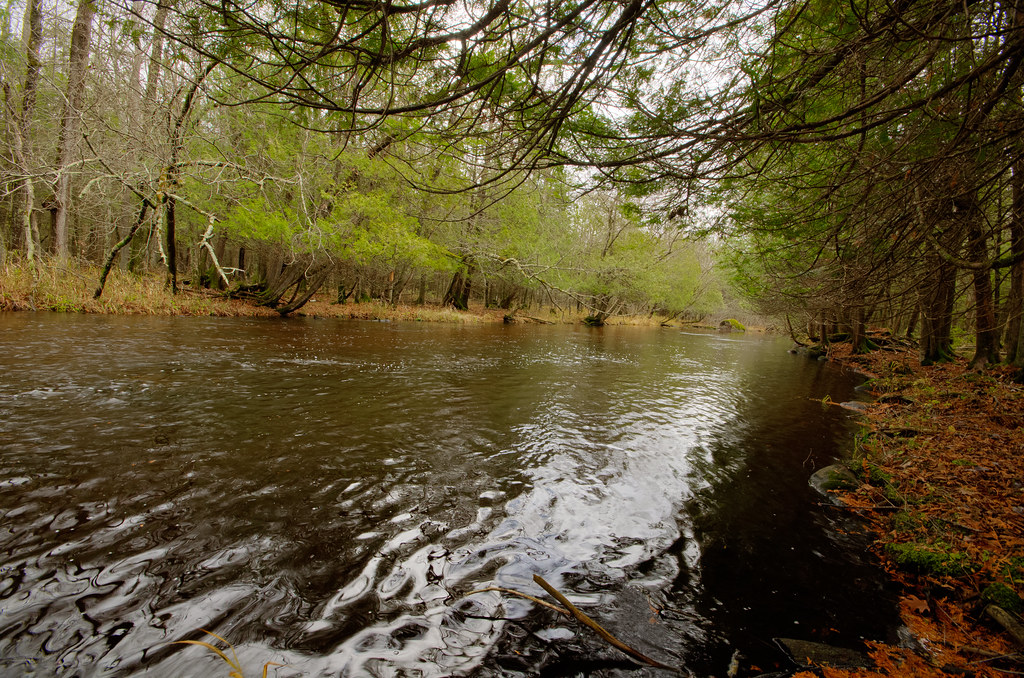
Wolf River
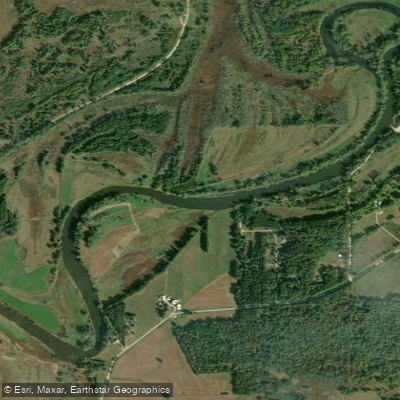
Fox River
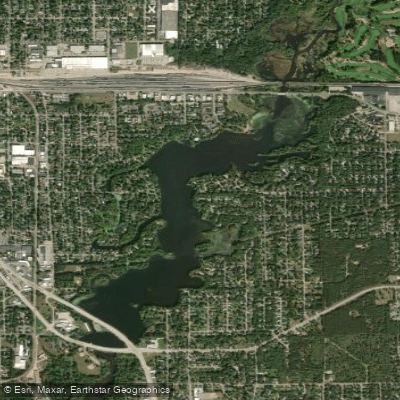
McDill Pond
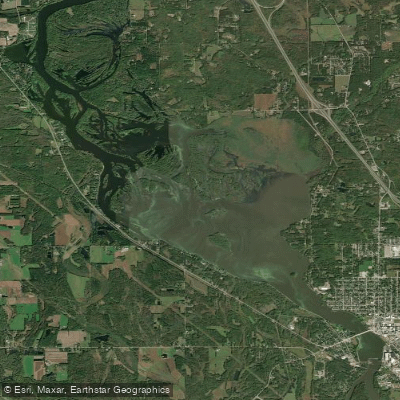
Wisconsin River Flowage
What to know
Habitat Distribution
- Lake Michigan waters, Lake Superior tributaries, inland streams in the Dr.iftless Area and central Wisconsin spring creeks.
- Natural reproduction occurs primarily in Lake Superior tributaries like the Bois Brule River, while Lake Michigan populations rely heavily on stocking.
Key Locations
- Lake Michigan shoreline from Marinette to Kenosha, Kewaunee, Root, Oconto, Manitowoc, Milwaukee, and Peshtigo rivers, Bois Brule River, West Branch White River in Waushara County, Dr.ew Creek system in Langlade/Menominee counties, Dr.iftless Area and central Wisconsin spring creeks.
Specific Spots
- Power plant warm water discharge areas during winter.
Rainbow Trout FAQ
Answers from onWater's species guide.
What are the best lures and bait for Rainbow Trout in Wisconsin?
spawn bags (fish e.g.gs tied in mesh), spoons, spinners, flatfish, nightcrawlers, jigs, and minnows.
What flies work for Rainbow Trout in Wisconsin?
Pink Squirrels, prince nymphs, scuds, caddis fly imitations, midge patterns, mayfly imitations, with size #16 nymphs being particularly effective. Spring hatches of smelt and alewife patterns work well in March-April, while caddis flies, damsel flies, and dragon flies are productive in June.
When is the best time to fish for Rainbow Trout in Wisconsin?
Best fishing seasons vary by location: Lake Michigan steelhead fishing peaks in spring (April-June) and fall (September-November), while inland trout fishing runs from the first Saturday in May through October 15, with an early catch-and-release season from January 4 through May 2 using artificial lures only.
How do you catch Rainbow Trout in Wisconsin?
Stream fishing with bait fished close to the bottom. Pier and shore fishing on Lake Michigan. Winter fishing at power plant warm water discharge areas.
What do Rainbow Trout eat?
Feed opportunistically on small fish, insects, crayfish, aquatic invertebrates like chironomidae (midges), terrestrial insects, and respond well to mayfly, caddis fly, and midge hatches. In Wisconsin's Lake Michigan waters, they consume alewife, smelt, and various invertebrates.
Fish smarter with real-time insights
Whether you're en route and conditions shift or you're looking for the best spot based on current flows, we enable you to make informed decisions on the fly.




See it in the app
Most maps show you water.
onWater shows you Rainbow Trout.



- 01 · Species map filter
Map every Rainbow Trout water
Pick Rainbow Trout and the map zeroes in on the waters they call home. No more guessing which lake holds them.
- 02 · Waterbody species
Tap any water. See what lives there.
Species, behavior and seasonal patterns for every lake, river and pond, before you leave the driveway.
- 03 · Angler Intelligence
Ask how to catch Rainbow Trout
Tactics, gear and timing from onWater's AI fishing guide, tuned to the species and the water you're on.
Stop guessing where Rainbow Trout are.
Open the map, filter by Rainbow Trout, and head to water that holds them. Download onWater and plan your next trip in minutes.
- Species map filter
- Angler Intelligence
- Fishing journal
Explore other species
Trout, bass, salmon, panfish and everything in between. Each guide unpacks the behavior, seasons, and tactics that put fish in the net.
No species information available.
Wisconsin licenses and regulations
Explore nearby waters
Explore Wisconsin waters
Top fishing waters
Popular Cities
Loading popular cities...

Smarter Fishing Starts in the App.
onWater Fish gives you everything you need to plan smarter, fish better, and own every trip from first cast to last.