Chain Pickerel
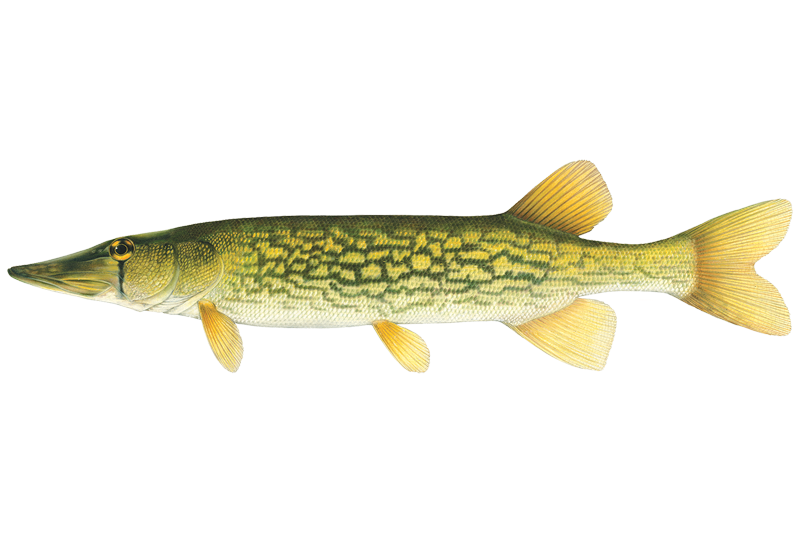
Chain Pickerel are not native to Wisconsin but have been documented as non-indigenous occurrences in the state, appearing in the USGS database.
These distinctive members of the pike family are aggressive predators with razor-sharp teeth angled backward to prevent prey escape. They are ambush predators that prefer weedy, vegetated waters with little current.
As sight-feeders, they're most active during daylight hours and remain active even in cold weather, making them excellent winter targets when other species are less active.
Scientific Name: Esox niger
- These distinctive members of the pike family are characterized by their greenish sides with dark chain-like patterns and a vertical dark bar beneath the eye.
- While they rarely exceed 24 inches in Wisconsin waters, they're aggressive predators with razor-sharp teeth angled backward to prevent prey escape.
Fishing in Wisconsin
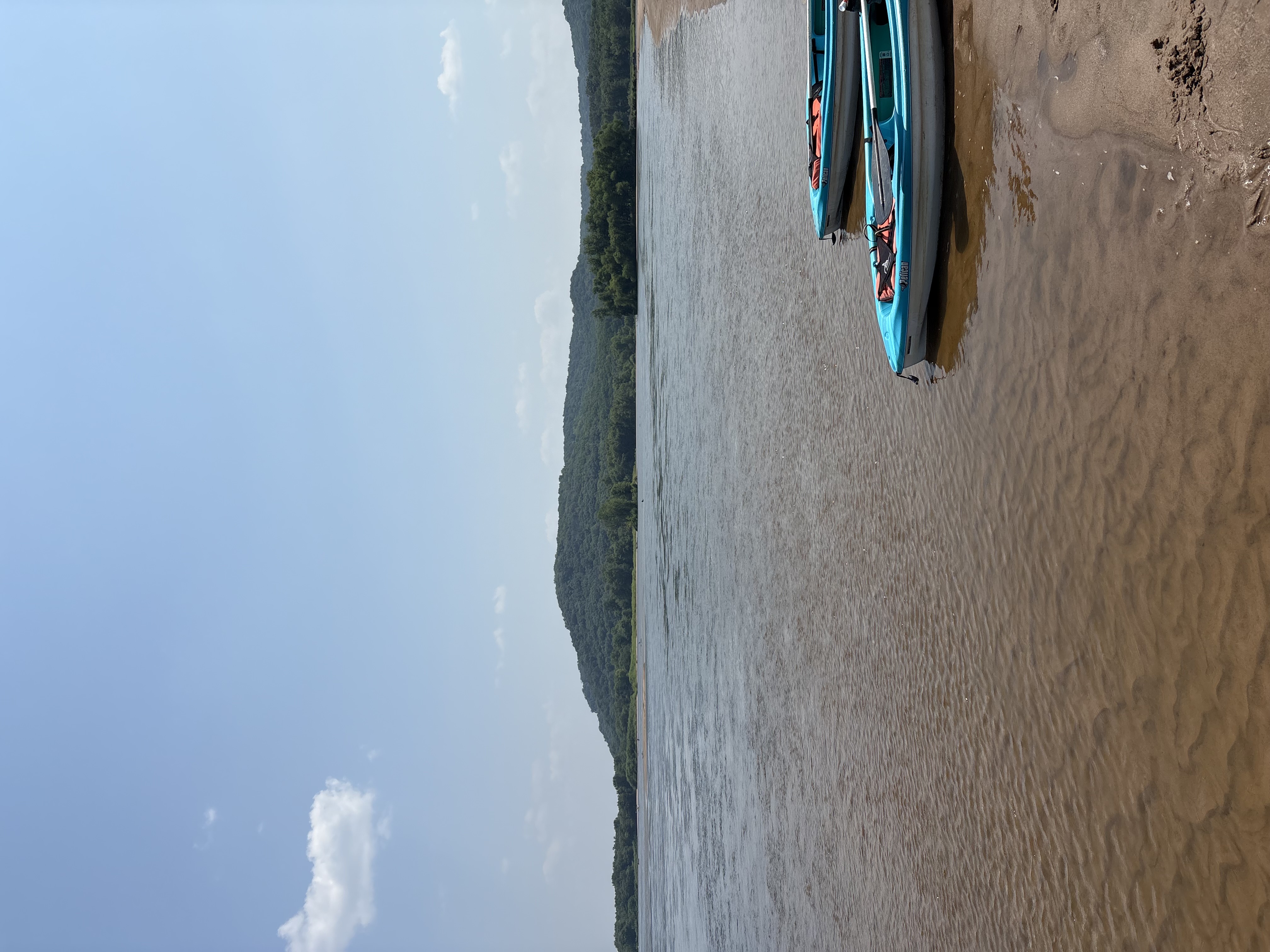
Wisconsin River
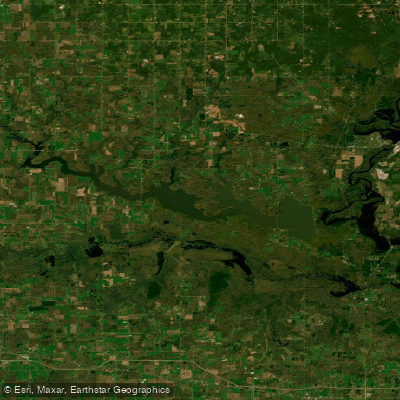
Big Eau Pleine Reservoir
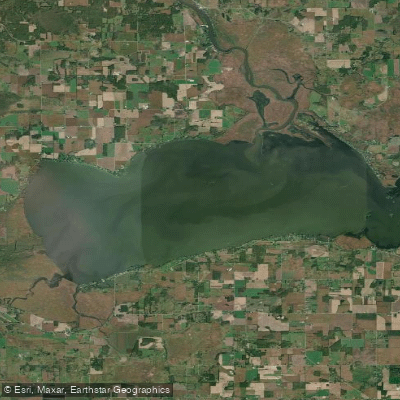
Lake Poygan
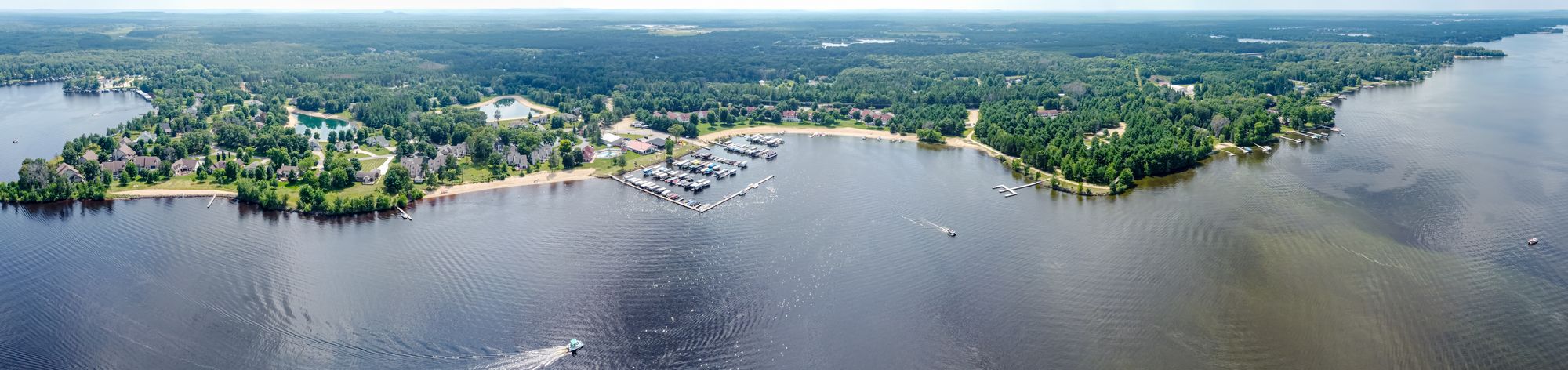
Castle Rock Lake
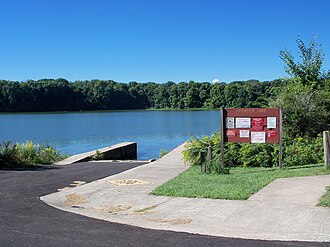
Spencer Lake
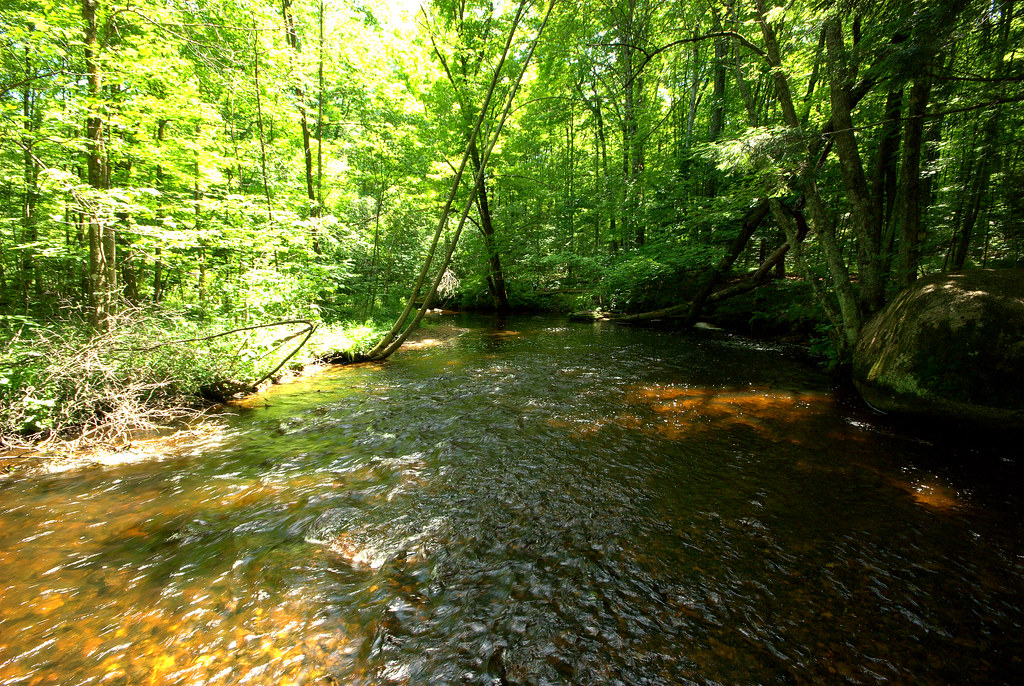
Little Wolf River
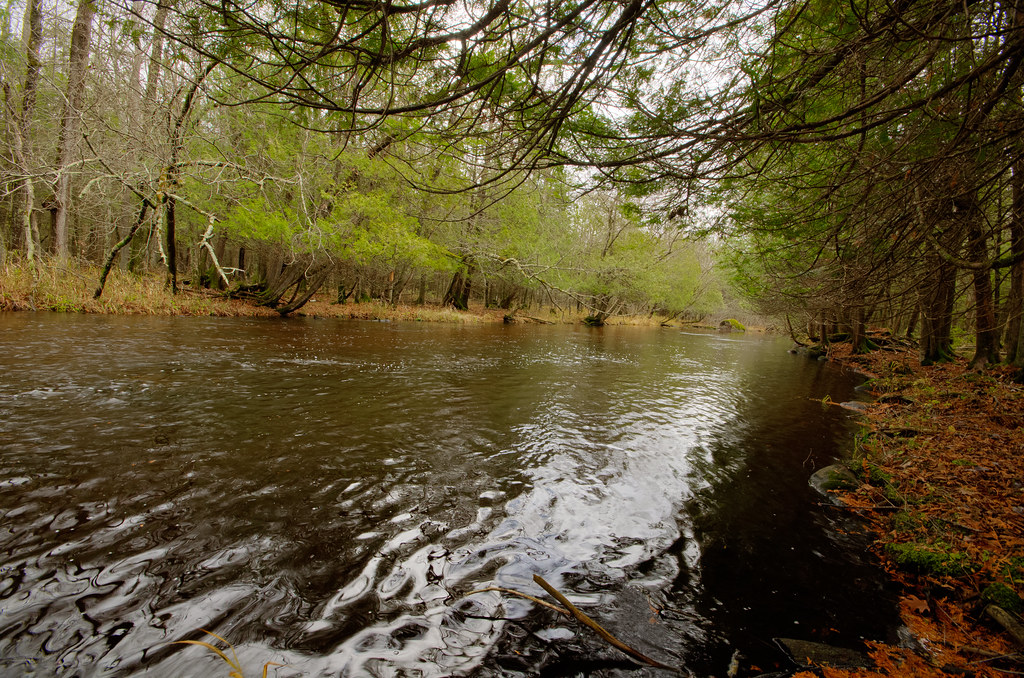
Wolf River
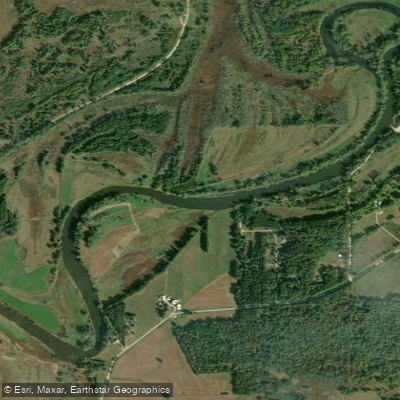
Fox River
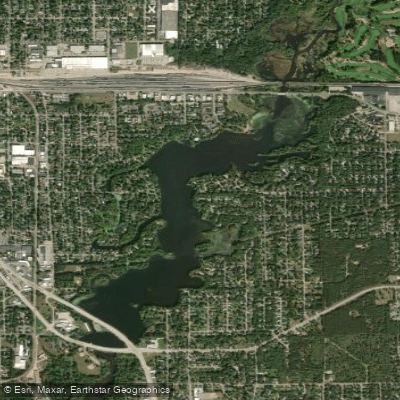
McDill Pond
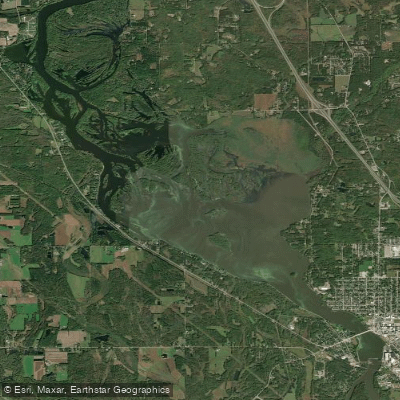
Wisconsin River Flowage
What to know
Habitat Distribution
- They prefer weedy, vegetated waters with little current.
- In Wisconsin, they're most likely found in quiet backwaters, shallow weedy bays, and vegetated areas of lakes and slow-moving streams.
Key Locations
- The Pickerel Chain of Lakes in northern Oconto County (including Pickerel Lake, Little Pickerel Lake, and Smoke Lake) represents one of Wisconsin's few documented pickerel fisheries, though the name refers to the lakes rather than confirming Chain Pickerel presence.
Specific Spots
- Hiding in aquatic vegetation like coontail, pondweed, cattails, and water lilies.
- Target weedy areas, fallen logs, brush piles, dock pilings, and quiet backwaters.
- Fish shallow water (shoreline to 10 feet) in spring, fall, and winter, but target deeper weedlines (10-20 feet) during summer heat.
Chain Pickerel FAQ
Answers from onWater's species guide.
What are the best lures and bait for Chain Pickerel in Wisconsin?
Effective lures include weedless silver spoons with pork rind, small spinners in bright colors (yellow, red), slim minnow lures, chugger plugs, jigs, and soft plastic jerkbaits. Live bait fishing with 2-4 inch minnows on size 4-1 fine wire hooks.
What flies work for Chain Pickerel in Wisconsin?
Spun deer hair poppers, cork or foam poppers (sizes 1/0-4) for surface action. Streamers like Zonker, Clouser Minnow, Woolly Bugger, and Lefty's Deceiver (sizes 2/0-4) work well when fish are deeper.
When is the best time to fish for Chain Pickerel in Wisconsin?
Chain Pickerel fishing in Wisconsin is most productive from November through February when they remain highly active while other species slow down, making winter the prime season.
How do you catch Chain Pickerel in Wisconsin?
Cast parallel to cover with steady, moderate retrieves, or use twitch-and-stop presentations with topwater lures. For fly fishing, present flies with sharp strips and pauses, keeping rod tip low.
What do Chain Pickerel eat?
Chain Pickerel are primarily piscivorous, feeding heavily on fish including bluegill, golden shiners, brown bullheads, and pumpkinseed sunfish. Research shows bluegill comprised 47.3% of stomach contents in studies, with crayfish making up 42% of their diet.
Fish smarter with real-time insights
Whether you're en route and conditions shift or you're looking for the best spot based on current flows, we enable you to make informed decisions on the fly.




See it in the app
Most maps show you water.
onWater shows you Chain Pickerel.



- 01 · Species map filter
Map every Chain Pickerel water
Pick Chain Pickerel and the map zeroes in on the waters they call home. No more guessing which lake holds them.
- 02 · Waterbody species
Tap any water. See what lives there.
Species, behavior and seasonal patterns for every lake, river and pond, before you leave the driveway.
- 03 · Angler Intelligence
Ask how to catch Chain Pickerel
Tactics, gear and timing from onWater's AI fishing guide, tuned to the species and the water you're on.
Stop guessing where Chain Pickerel are.
Open the map, filter by Chain Pickerel, and head to water that holds them. Download onWater and plan your next trip in minutes.
- Species map filter
- Angler Intelligence
- Fishing journal
Explore other species
Trout, bass, salmon, panfish and everything in between. Each guide unpacks the behavior, seasons, and tactics that put fish in the net.
No species information available.
Wisconsin licenses and regulations
Explore nearby waters
Explore Wisconsin waters
Top fishing waters
Popular Cities
Loading popular cities...

Smarter Fishing Starts in the App.
onWater Fish gives you everything you need to plan smarter, fish better, and own every trip from first cast to last.