Fishing in Minnesota
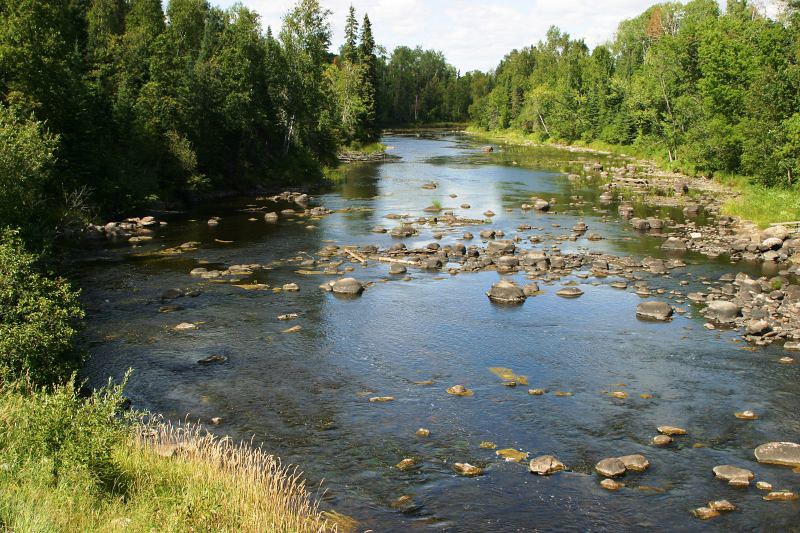
- Lakes
- 8,710
- Rivers
- 2,690
- Access
- 945
- Boat Ramps
- 3,490
- Shops
- 109
Minnesota is a lake state where fishing is structured around two big cultural poles — the walleye opener in May and the ice — with quieter trout and steelhead scenes running underneath.
Walleye is the state fish and the through-line: it reproduces naturally in about 260 lakes, gets stocked in roughly a thousand more, and accounts for over three million fish in the annual harvest.
Two towns — Garrison on Mille Lacs and Baudette on Lake of the Woods — both claim "Walleye Capital of the World," and neither is willing to back down. The second Saturday in May functions as an unofficial state holiday.
Bait shops fill Thursday night, resorts book up, and a half million people head to the lakes for the Governor's Opener, a tradition that started at Wahkon on Mille Lacs back in 1948.
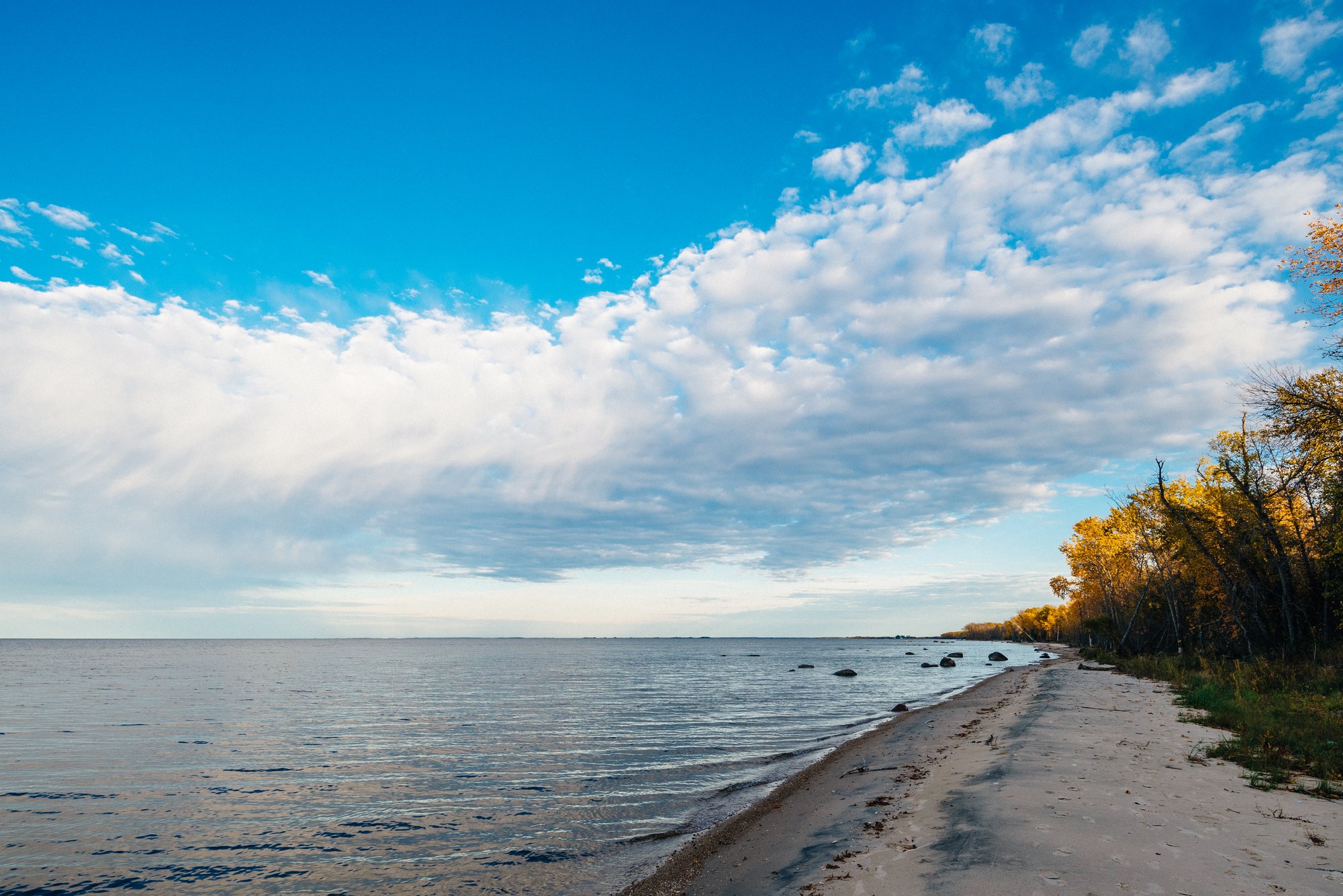
Mille Lacs itself is the most charged water in the state — a 132,000-acre rock-and-mud-flat fishery co-managed with Ojibwe treaty tribes under the 1837 Treaty, with the harvest share negotiated annually.
For 2026 the open-water limit is three walleye, only one over 20 inches, and the DNR can flip to catch-and-release mid-summer if the state's pound share runs short.
North of there, Leech Lake and Lake Winnibigoshish anchor the north-central scene — Leech for trophy muskies, pike, and the deep-water lake trout most people forget Minnesota has; Winnie for the shallow-flat walleye and jumbo perch that pile onto the Bena Bar.
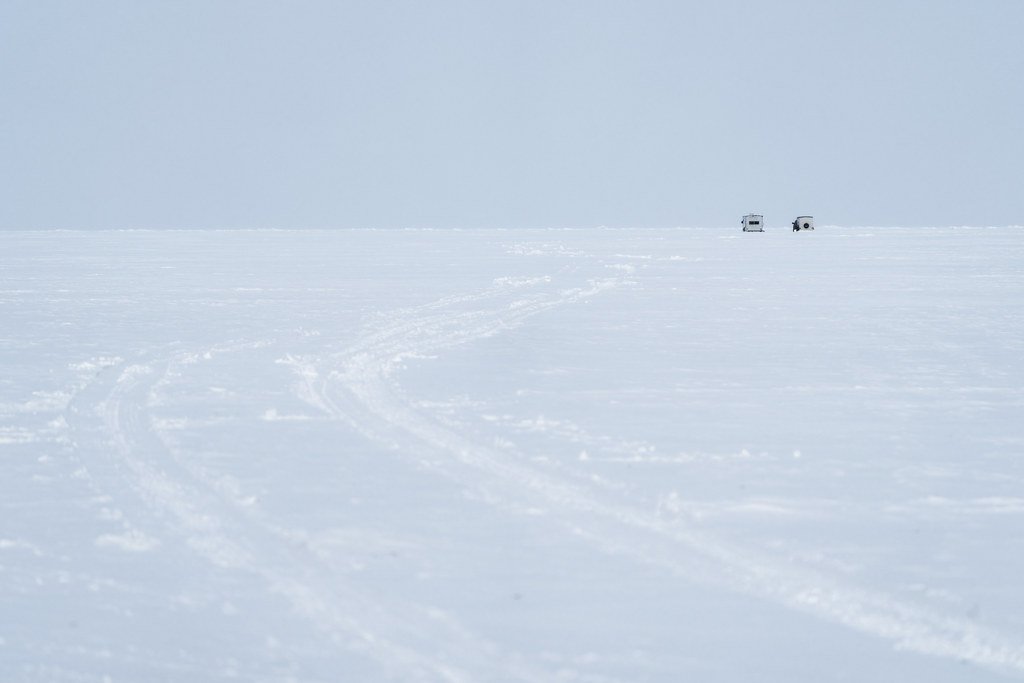
Winter is arguably more distinctively Minnesotan than the opener. Wheelhouses get towed onto Mille Lacs and Lake of the Woods until the ice looks like a small town with plowed streets.
Up at Angle Inlet you can only get there by driving through Canada or running a sled across the ice.
The Brainerd Jaycees Extravaganza on Gull Lake draws 10,000 anglers in January, and a month later another 10,000 show up on Leech Lake for the Eelpout Festival, which is nominally a burbot tournament and mostly something else.
Darkhouse spearing for pike — protected by the MDAA and written into the regs — is its own subculture inside all this. Two other scenes run quieter.
Southeast, the Driftless blufflands hold 700-plus miles of spring creeks — the Root, Whitewater, and Trout Run Creek — with wild browns, stream-bred brookies, and a hatch calendar that runs Little Black Caddis in April through Tricos and hoppers into September.
A trout stamp is required, and stream access is landowner-strict: no crossing private ground without permission, signage posted at regular intervals, real penalties.
On the North Shore, steelheaders watch the Lester River in Duluth as the bellwether — it usually opens first — then work the Knife and a dozen other tributaries through April and into May. Unclipped wild fish go back; clipped hatchery fish can come home.
The connecting thread is AIS. Zebra mussels are confirmed in 378 lakes now, and Clean, Drain, Dispose isn't a slogan here so much as a civic expectation enforced at the ramp. Anglers in Minnesota have watched what's at stake long enough to take it personally.
Species & education
Learn what type of fish are in Minnesota and what's needed to catch them.

Find which waters have the species you want to catch

Largemouth Bass
Micropterus salmoides

Smallmouth Bass
Micropterus dolomieui

Rainbow Trout
Oncorhynchus mykiss

Brown Trout
Salmo trutta

Brook Trout
Salvelinus fontinalis

Northern Pike
Esox lucius

Muskellunge
Esox masquinongy

Walleye
Sander vitreus

Black Crappie
Pomoxis nigromaculatus

American Eel
Anguilla rostrata

Atlantic Salmon

Bighead Carp
Hypophthalmichthys nobilis

Bigmouth Buffalo
Ictiobus cyprinellus

Black Buffalo
Ictiobus niger

Black Bullhead
Ameiurus melas

Blacknose Dace
Rhinichthys atratulus

Blue Sucker
Cycleptus elongatus

Bowfin
Amia calva

Brown Bullhead
Ameiurus nebulosus

Burbot
Lota lota

Channel Catfish
Ictalurus punctatus

Chinook Salmon
Oncorhynchus tshawytscha

Cisco
Coregonus artedi

Coho Salmon

Common Carp
Cyprinus carpio

Creek Chub
Semotilus atromaculatus

Flathead Catfish

Freshwater Drum
Aplodinotus grunniens

Gizzard Shad
Dorosoma cepedianum

Golden Redhorse
Moxostoma erythrurum

Green Sunfish
Lepomis cyanellus

Lake Sturgeon
Acipenser fulvescens

Lake Trout
Salvelinus namaycush
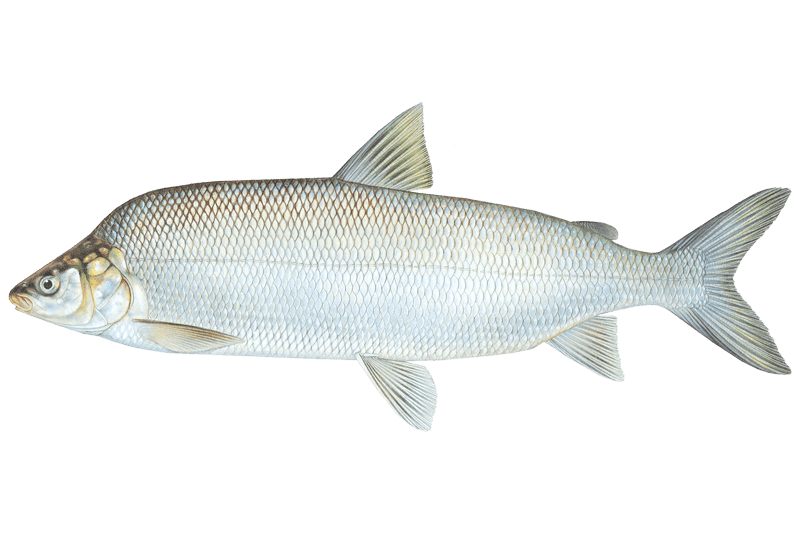
Lake Whitefish
Coregonus clupeaformis

Longear Sunfish
Lepomis megalotis peltastes

Longnose Gar
Lepisosteus osseus

Longnose Sucker
Catostomus catostomus

Northern Hogsucker
Hypentelium nigricans
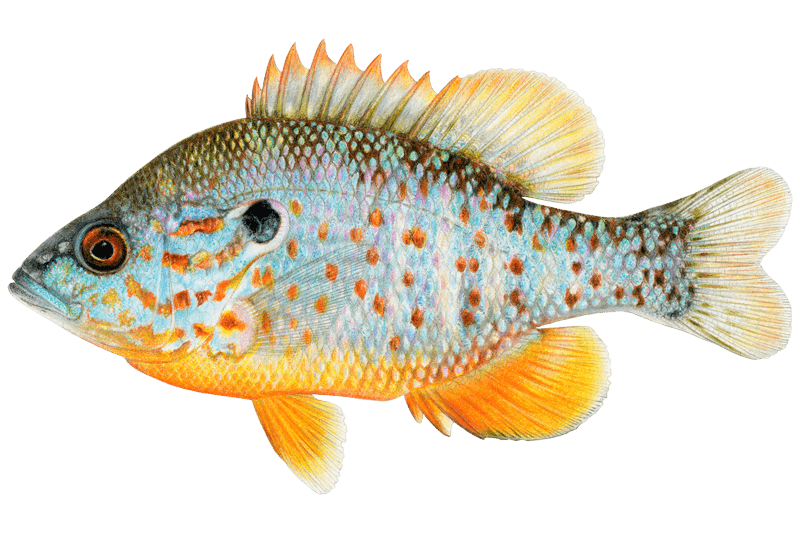
Orangespotted Sunfish

Pink Salmon
Oncorhynchus gorbuscha
Fishing guides in Minnesota
Book a trip with a local fishing guide through Guidesly.


Nick Hagadone
Waypoint Charters
5.0 (18 reviews)
Prime Fishing Charter in Lake Superior, MN
Book on Guidesly, opens in new tab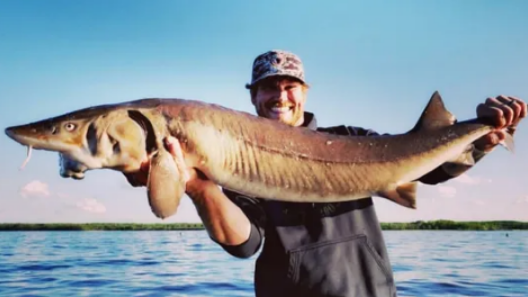
Ryan Bunnell
Croix Boys Guided Adventures
5.0 (11 reviews)
Thrilling St. Croix River Fishing Guides!
Book on Guidesly, opens in new tab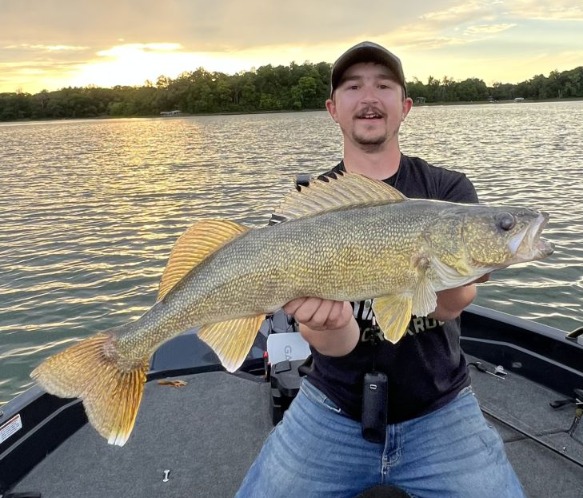
Dakota Schlangen
Mega Muskies Guide Service
5.0 (10 reviews)
Mega Muskies – Hooking Giants!
Book on Guidesly, opens in new tab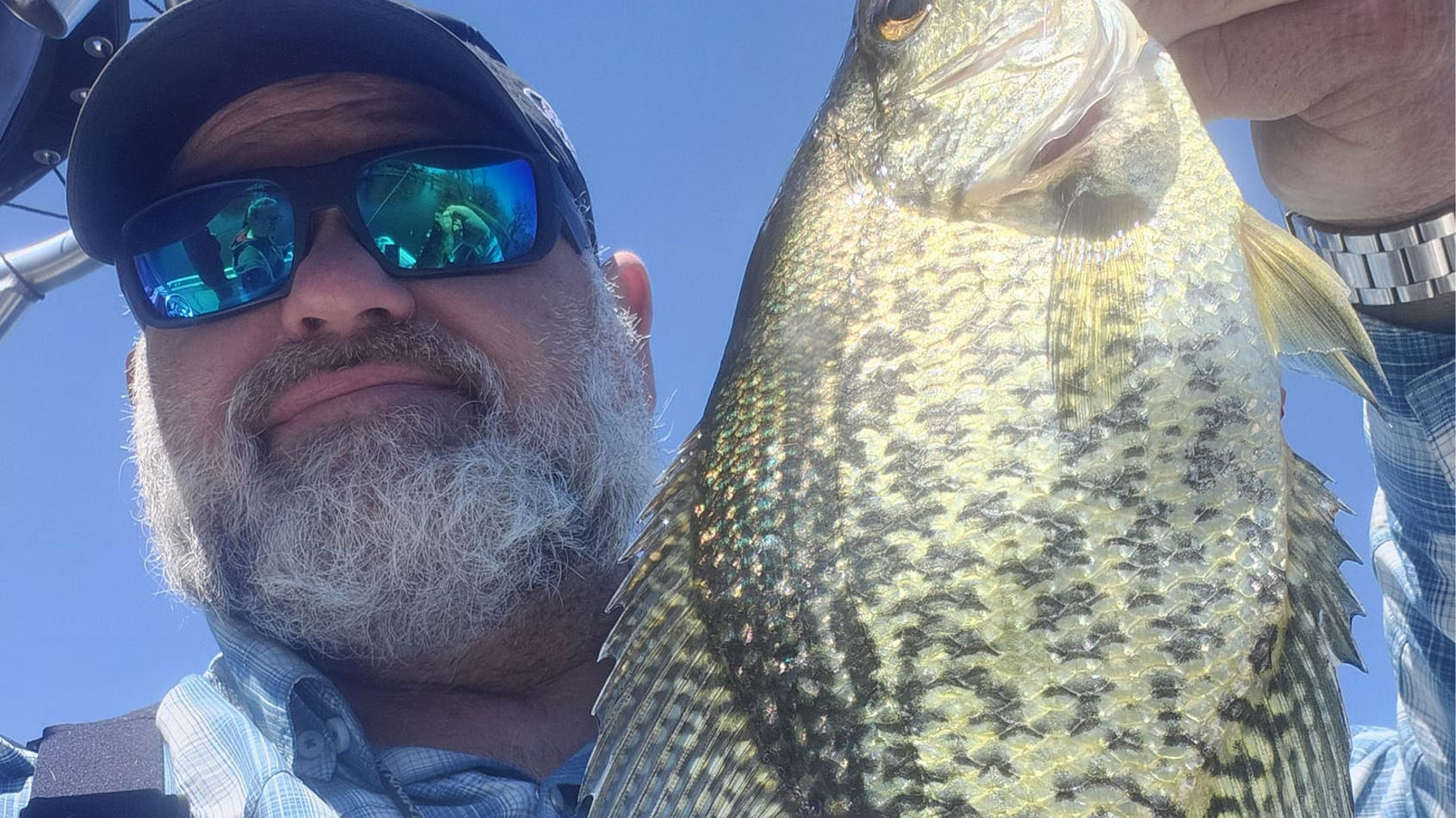
Dusty Hafner
Fishing with Capt. Dusty Hafner
5.0 (5 reviews)
Lake Minnetonka Guided Fishing Trips
Book on Guidesly, opens in new tab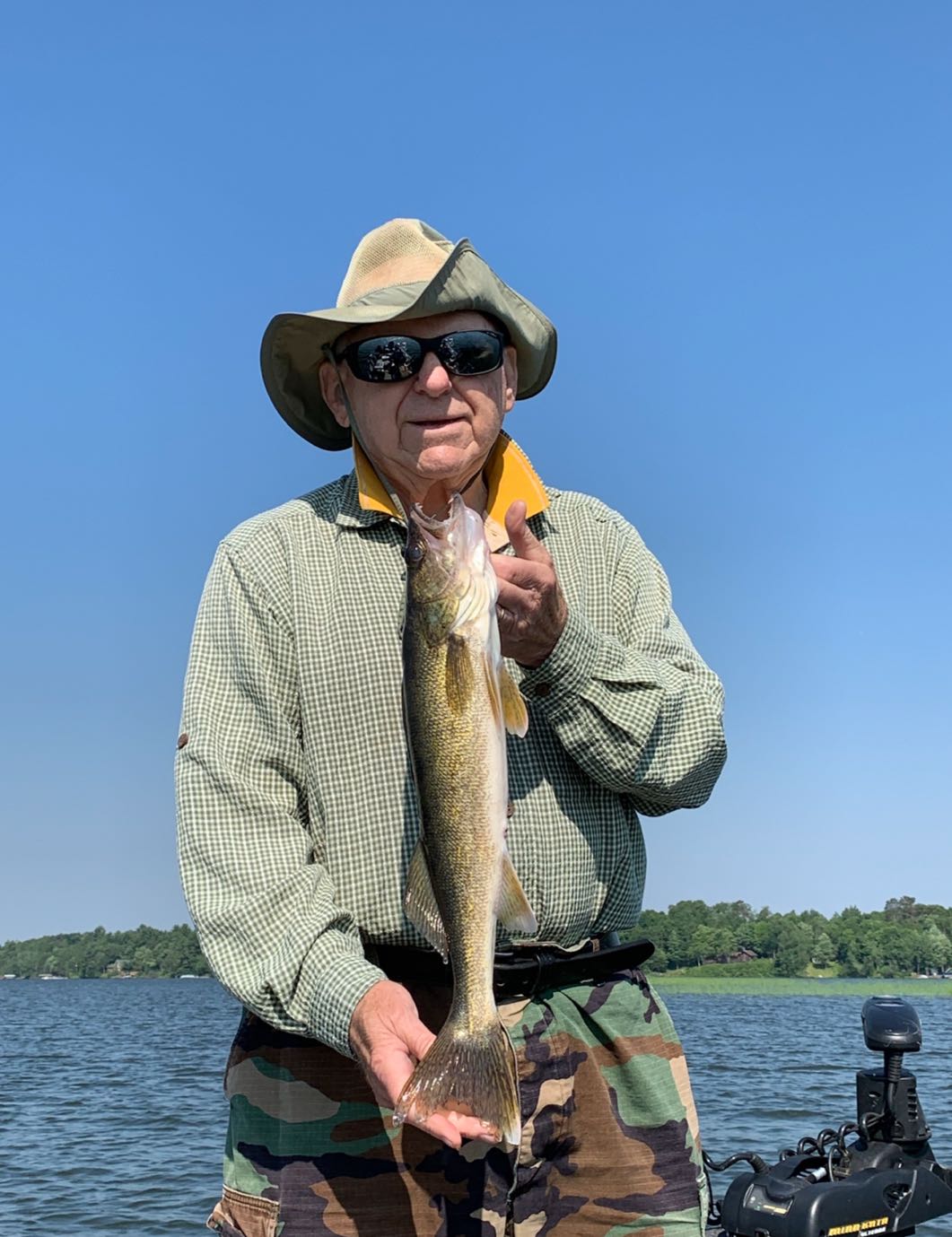
Zach Knuckey
Waters Edge Guide Service and Custom Rods
5.0 (1 review)
Book Your Next Duluth Fishing Charter Today!
Book on Guidesly, opens in new tab
Brandon Norten
Musky Geek Guide Service
5.0 (1 review)
Your Top Minnesota Fishing Charter
Book on Guidesly, opens in new tab
Fish smarter with real-time insights
Whether you're en route and conditions shift or you're looking for the best spot based on current flows, we enable you to make informed decisions on the fly.







Minnesota licenses and regulations

Minnesota Boating Regulations
When using any type of watercraft to access a body of water, it is important to follow all federal, state, and local rules and regulations. These rules and regulations include boat permitting and licensing, invasive species inspections and stamps, life jacket and PFD rules, motor size and horsepower restrictions, noise limitations, restrictions on personal watercraft, and many more. Visit the web link below for the most current rules and regulations for this body of water.

Minnesota Fishing License
You need to buy a Minnesota fishing license if you're 16 or older. Annual licenses allow you to fish from March 1 to the last day of February the following year. Lower-cost licenses are available for shorter time periods. There is an added cost to fish for trout, salmon or sturgeon. All non-residents, regardless of age, must buy a fishing license.

Minnesota Fishing Regulations
This river has a variety of species and regulations, including potential floating and/or watercraft restrictions. Because this river is specially managed for species, seasons, angling methods, and watercraft, it is strongly encouraged you check all federal, state, and local regulations before fishing. Visit any of the links below, inquire locally, or contact a local fly shop to learn current regulations and restrictions.

Minnesota Stream Access Laws
A Minnesota waterway is navigable if it’s capable of travel, recreational or commercial. The state owns navigable streambeds, which are open to public recreation. All surface waters and groundwater, except for surface waters not confined, are waters of the state.
Explore Minnesota waters

Smarter Fishing Starts in the App.
onWater Fish gives you everything you need to plan smarter, fish better, and own every trip from first cast to last.