Freshwater Drum

Freshwater drum (Aplodinotus grunniens), commonly called sheepshead in Minnesota, are the only North American drum family member to live entirely in freshwater.
Scientific Name: Aplodinotus grunniens
Also known as sheepshead
- Deep-bodied, silvery fish have a distinctive humped back, long sloping forehead, and white lips, typically measuring 10-14 inches in Minnesota waters, though historically reached up to 24 inches and 10 pounds in the Mississippi River.
Fishing in Minnesota
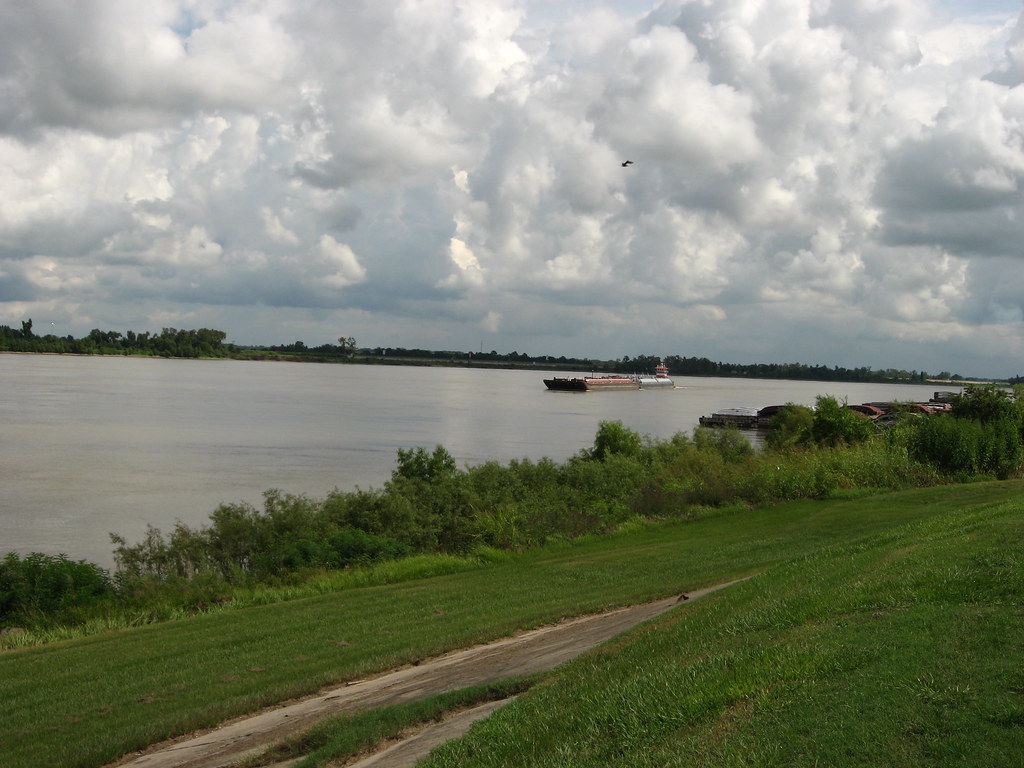
Mississippi River
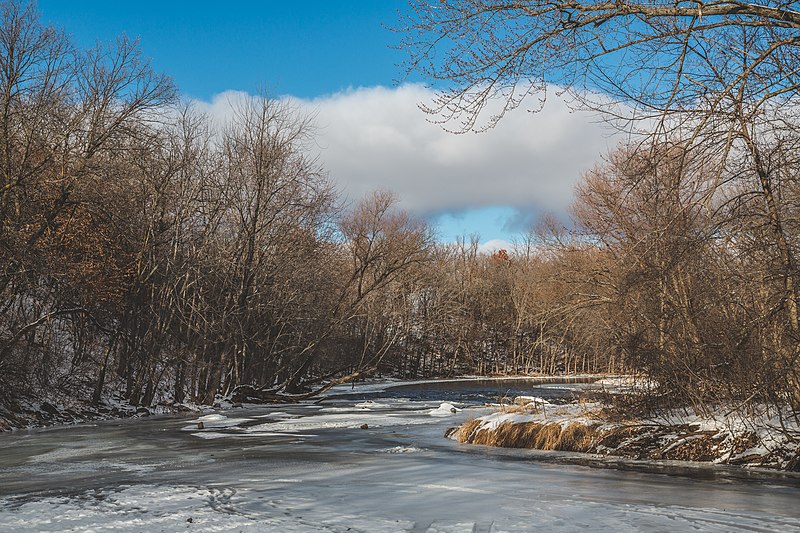
Sauk River
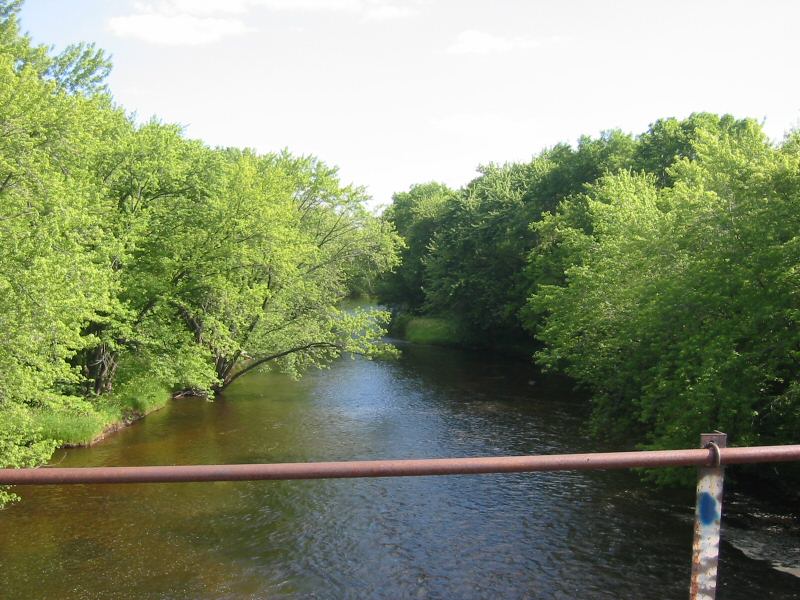
Rum River
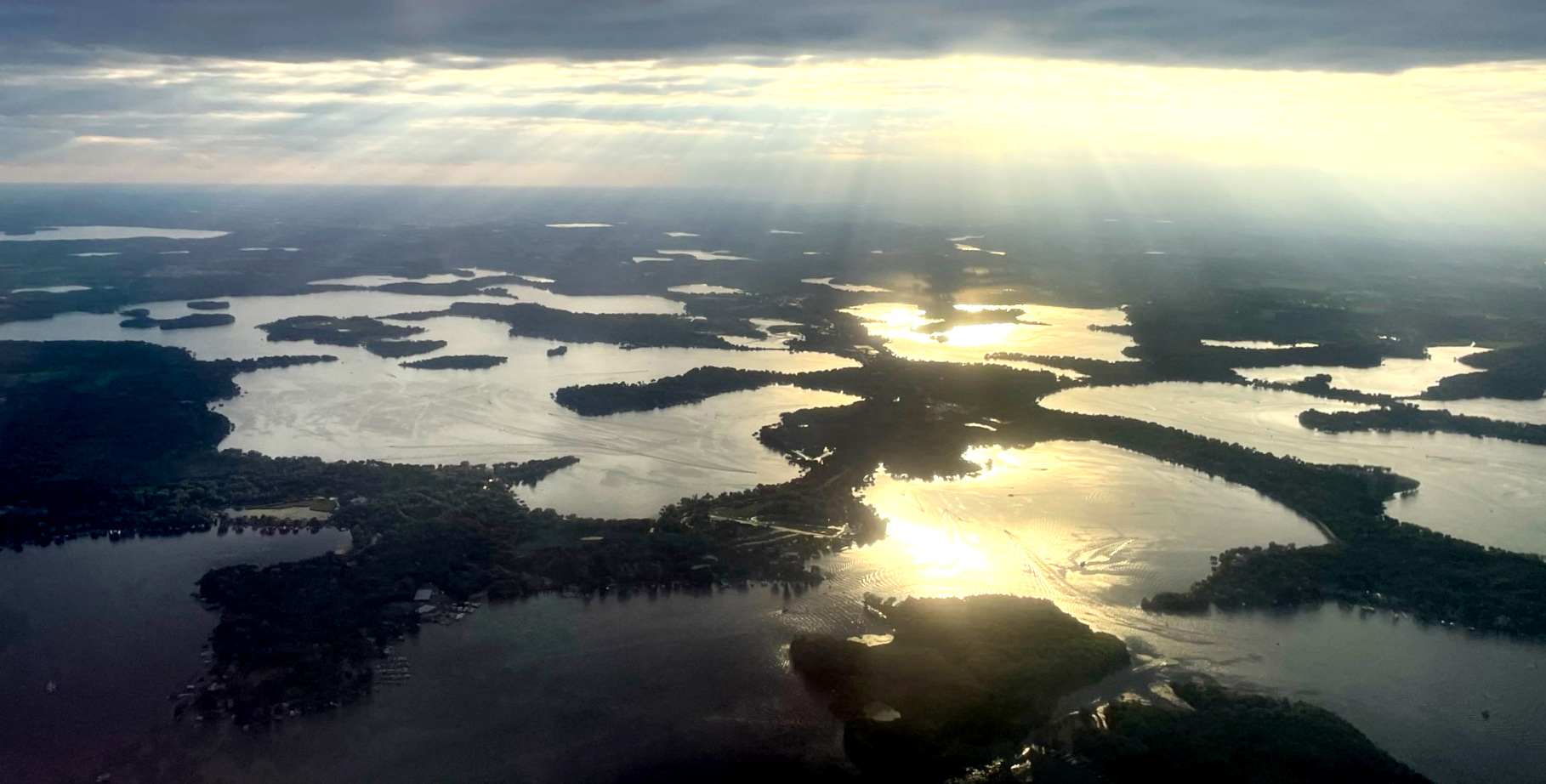
Lake Minnetonka
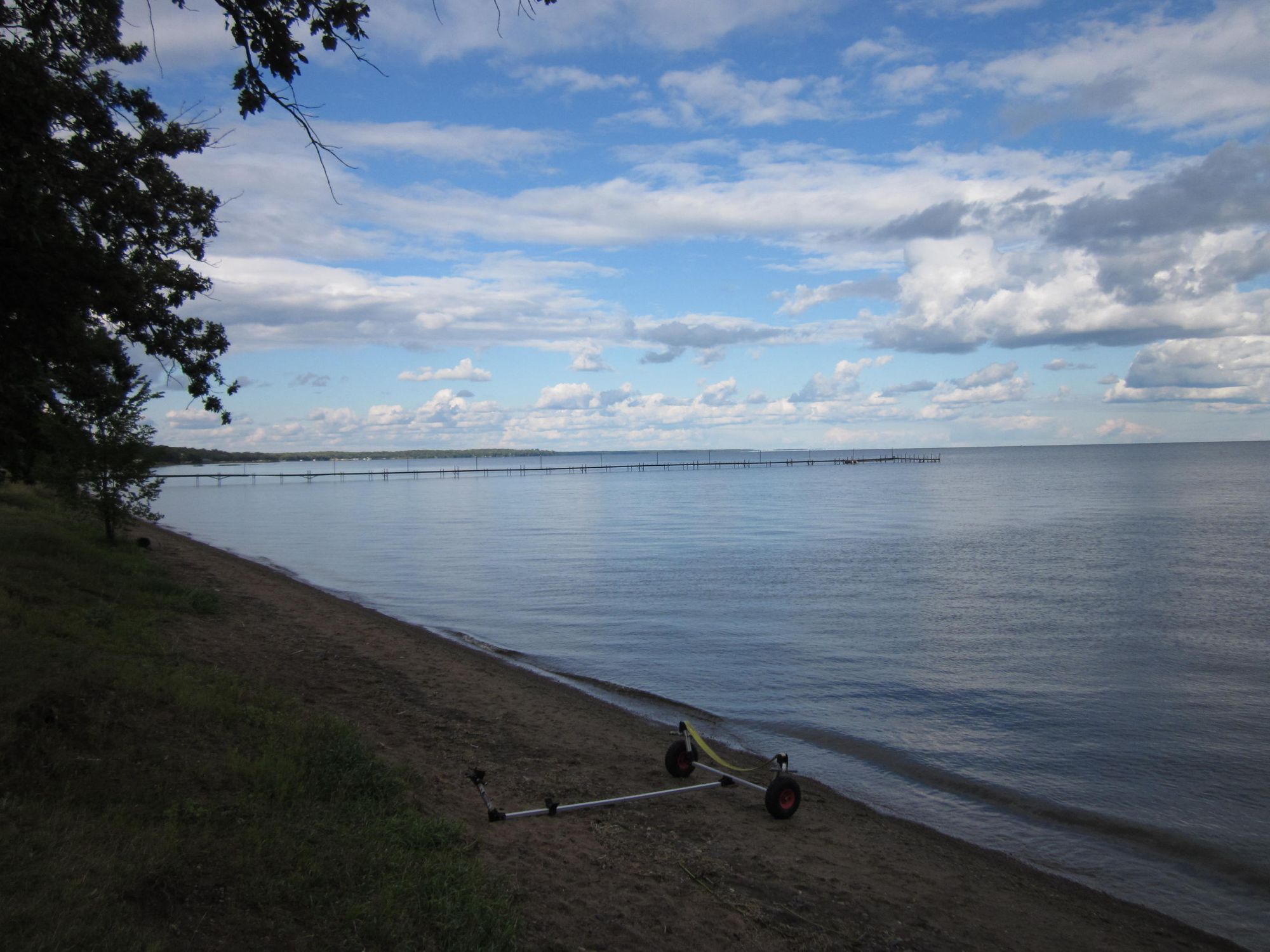
Mille Lacs Lake
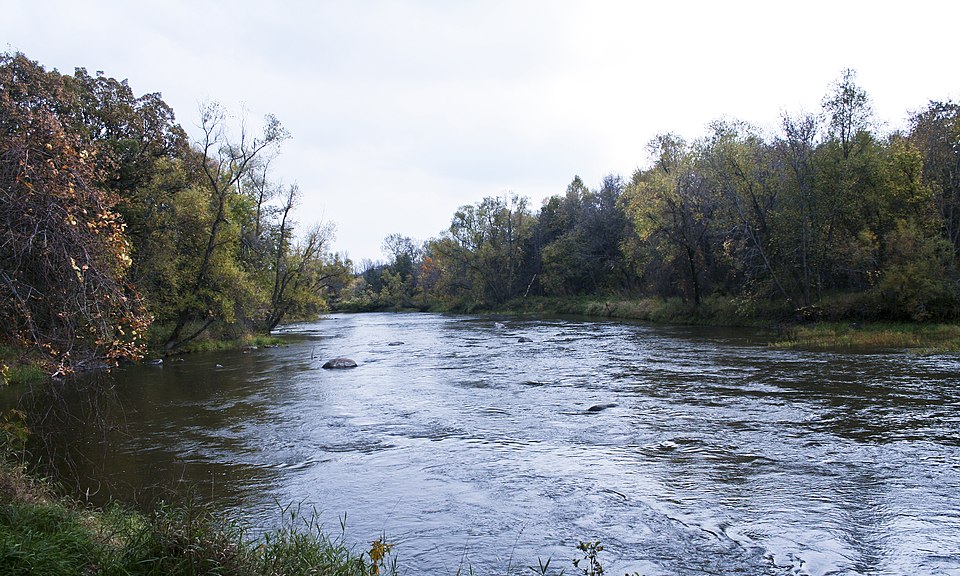
Crow River
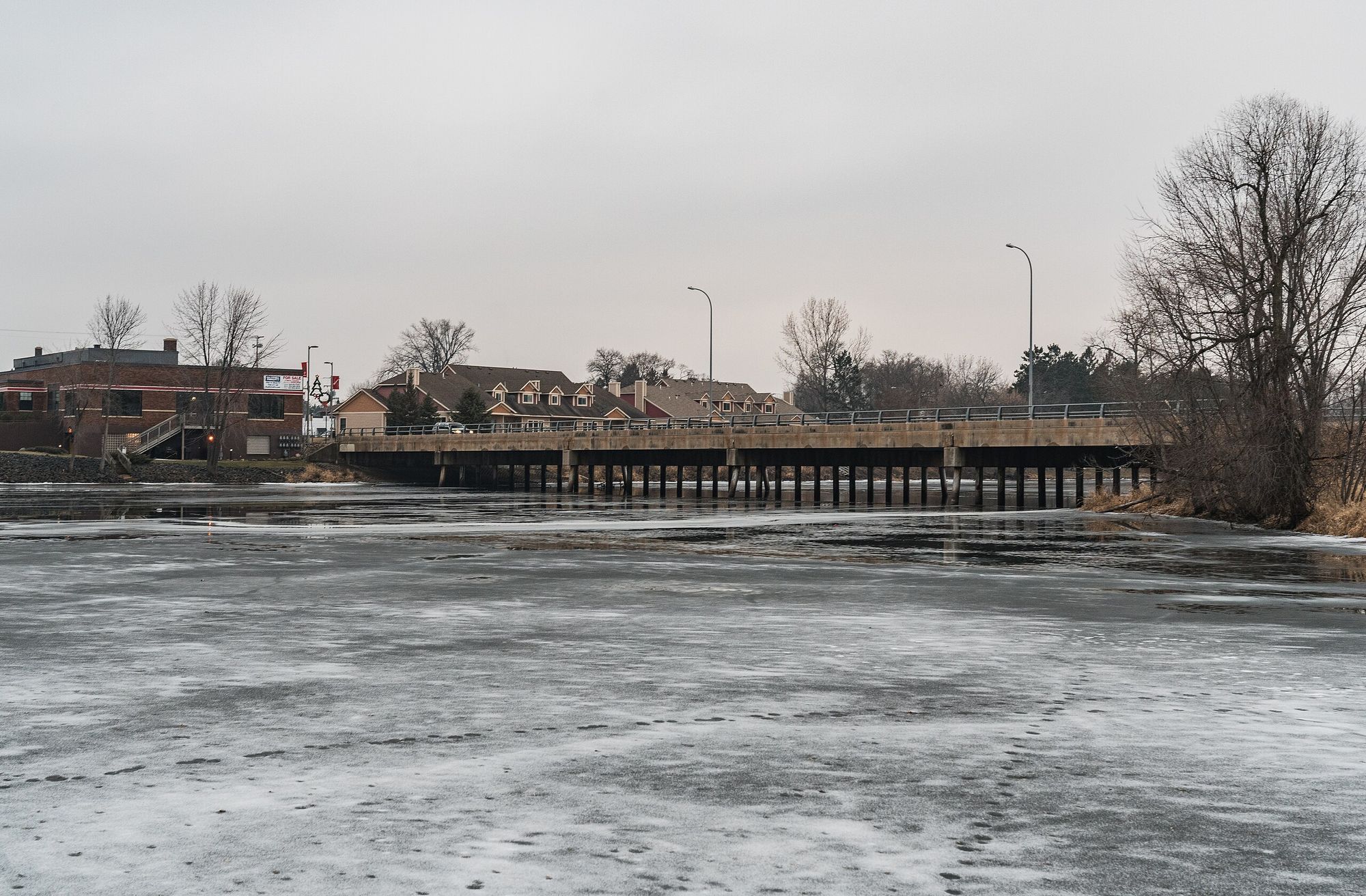
Snake River
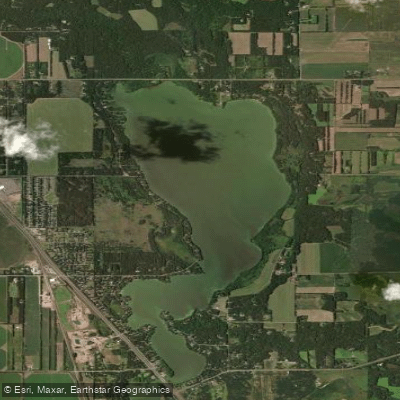
Little Rock Lake
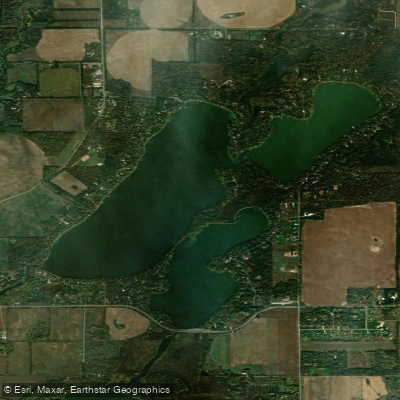
Julia Lake
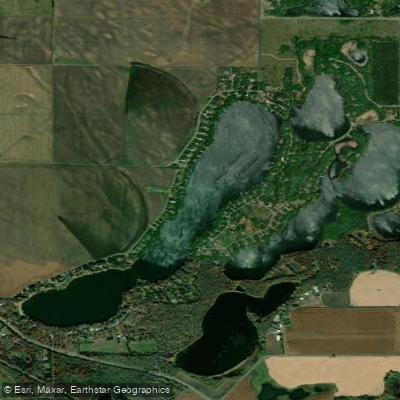
Long Lake
What to know
Habitat Distribution
- Native to the lower Mississippi, St.
- Croix, Minnesota, and Red river drainages, with recent introductions to the St.
- Louis River estuary and southwestern Minnesota lakes.
- Prefer large rivers and shallow lakes with mud or sand bottoms in slow-moving, turbid water.
Key Locations
- Lake St.
- Croix, Mississippi River downstream of Saint Anthony Falls, Minnesota River and tributaries, Madison and Washington lakes near Mankato, Fairmont Chain of Lakes, Fox Lake near Sherburne, Norway and Wilmer lakes, Red River and Red Lake River in northwest Minnesota, and Big Stone, Lac qui Parle, and Traverse lakes.
Specific Spots
- Target depths of 5-10 feet in summer around current areas and rocky reefs.
- Spring finds them in slow-moving pools near faster water and rocky outcroppings.
- Target hard bottom areas as they feed heavily on zebra mussels and crustaceans.
- Bridge crossings with fishing walkways are excellent locations.
Freshwater Drum FAQ
Answers from onWater's species guide.
What are the best lures and bait for Freshwater Drum in Minnesota?
Nightcrawlers or leeches for slip bobber rigs. Jigs (1/4-1/2 ounce) particularly effective with nightcrawlers or leeches replacing rubber bodies. Small plugs when trolling.
What flies work for Freshwater Drum in Minnesota?
Clouser Minnows in chartreuse/white, olive/white, or brown/white, black or olive Woolly Buggers, natural Muddler Minnows, and black bead-head stonefly nymphs.
When is the best time to fish for Freshwater Drum in Minnesota?
Prime drum fishing occurs June-July when they move to deeper waters after spawning. Spawning occurs in May-June when water temperatures reach 19°C (66°F), making this period ideal to avoid targeting them.
How do you catch Freshwater Drum in Minnesota?
Slip bobber rigs with circle hooks placed 6 inches to 1 foot off bottom for still waters. Cast and retrieve steadily or jig vertically. Small plugs work surprisingly well when trolling, especially in fall. Shore fishing from piers works equally well. Retrieved slowly along bottom features for fly fishing.
What do Freshwater Drum eat?
Benthic feeders. Their diet shifts seasonally: dipterans comprise 50% of their diet in April-May, while fish (primarily young gizzard shad) make up 52-94% from August through November. They also consume mayfly larvae, crayfish, snails, mussels (including invasive zebra mussels), and small fish.
Fish smarter with real-time insights
Whether you're en route and conditions shift or you're looking for the best spot based on current flows, we enable you to make informed decisions on the fly.




See it in the app
Most maps show you water.
onWater shows you Freshwater Drum.



- 01 · Species map filter
Map every Freshwater Drum water
Pick Freshwater Drum and the map zeroes in on the waters they call home. No more guessing which lake holds them.
- 02 · Waterbody species
Tap any water. See what lives there.
Species, behavior and seasonal patterns for every lake, river and pond, before you leave the driveway.
- 03 · Angler Intelligence
Ask how to catch Freshwater Drum
Tactics, gear and timing from onWater's AI fishing guide, tuned to the species and the water you're on.
Stop guessing where Freshwater Drum are.
Open the map, filter by Freshwater Drum, and head to water that holds them. Download onWater and plan your next trip in minutes.
- Species map filter
- Angler Intelligence
- Fishing journal
Explore other species
Trout, bass, salmon, panfish and everything in between. Each guide unpacks the behavior, seasons, and tactics that put fish in the net.
No species information available.
Minnesota licenses and regulations
Explore nearby waters
Explore Minnesota waters
Top fishing waters
Popular Cities
Loading popular cities...

Smarter Fishing Starts in the App.
onWater Fish gives you everything you need to plan smarter, fish better, and own every trip from first cast to last.