Pink Salmon

Pink salmon are the smallest Pacific salmon found in Minnesota waters. These non-native fish were inadvertently introduced to Lake Superior in 1956 when approximately 21,000 fingerlings were released into Thunder Bay's Current River.
Despite scientific predictions that they were the least likely salmonid to survive in Lake Superior's oligotrophic waters, pink salmon adapted remarkably well and were first caught by Minnesota anglers in 1959 at the Cross and Sucker Rivers.
Scientific Name: Oncorhynchus gorbuscha
Also known as humpies, humpback salmon
- Minnesota pink salmon typically measure 12-16 inches and weigh 1-3 pounds, though the state record of 4.5 pounds was caught in the Cascade River in 1989.
- Males develop a distinctive hump behind their head and hooked jaw (kype) during spawning.
- Their coloration changes from silver in the lake to greenish-olive on top with pink and white sides and dark oval spots when spawning.
Fishing in Minnesota
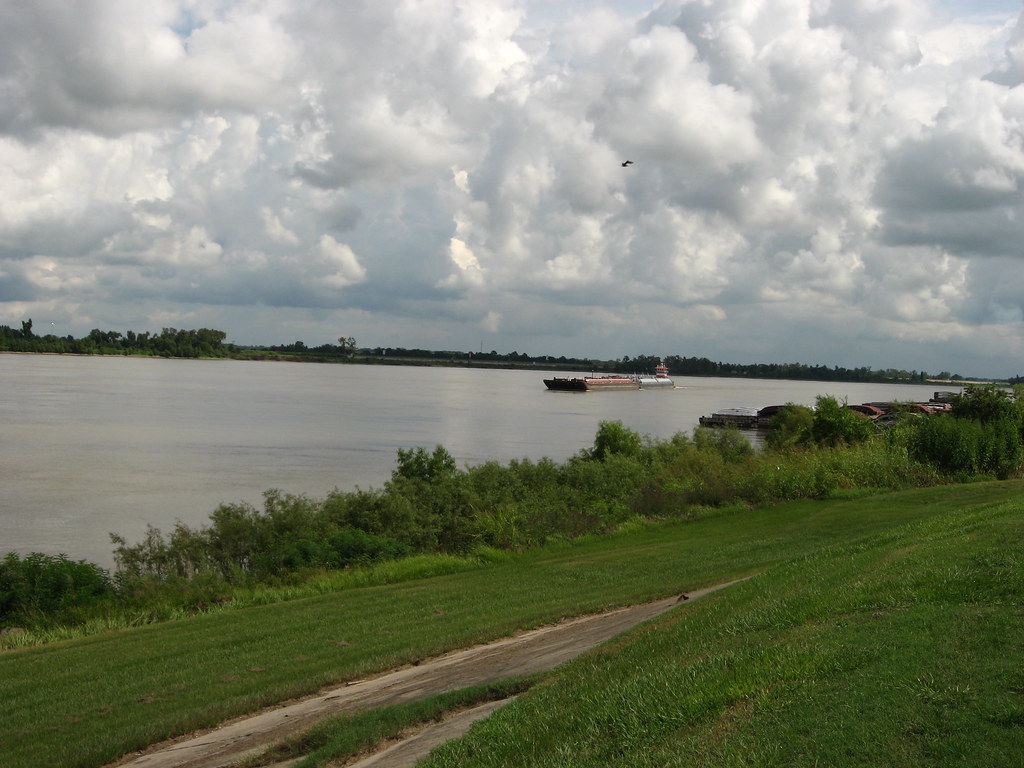
Mississippi River
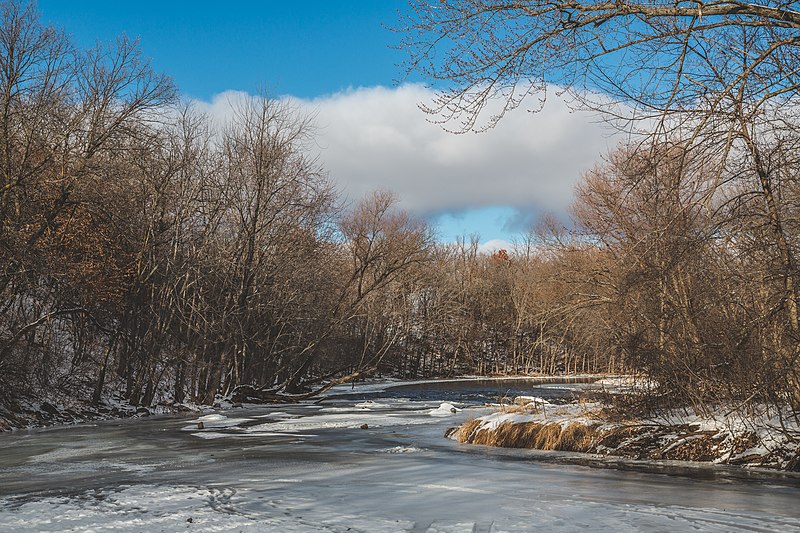
Sauk River
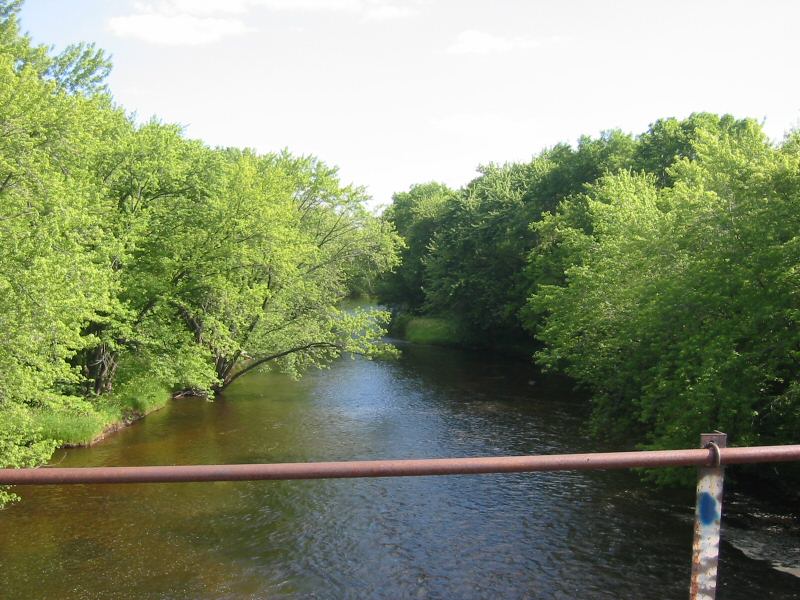
Rum River
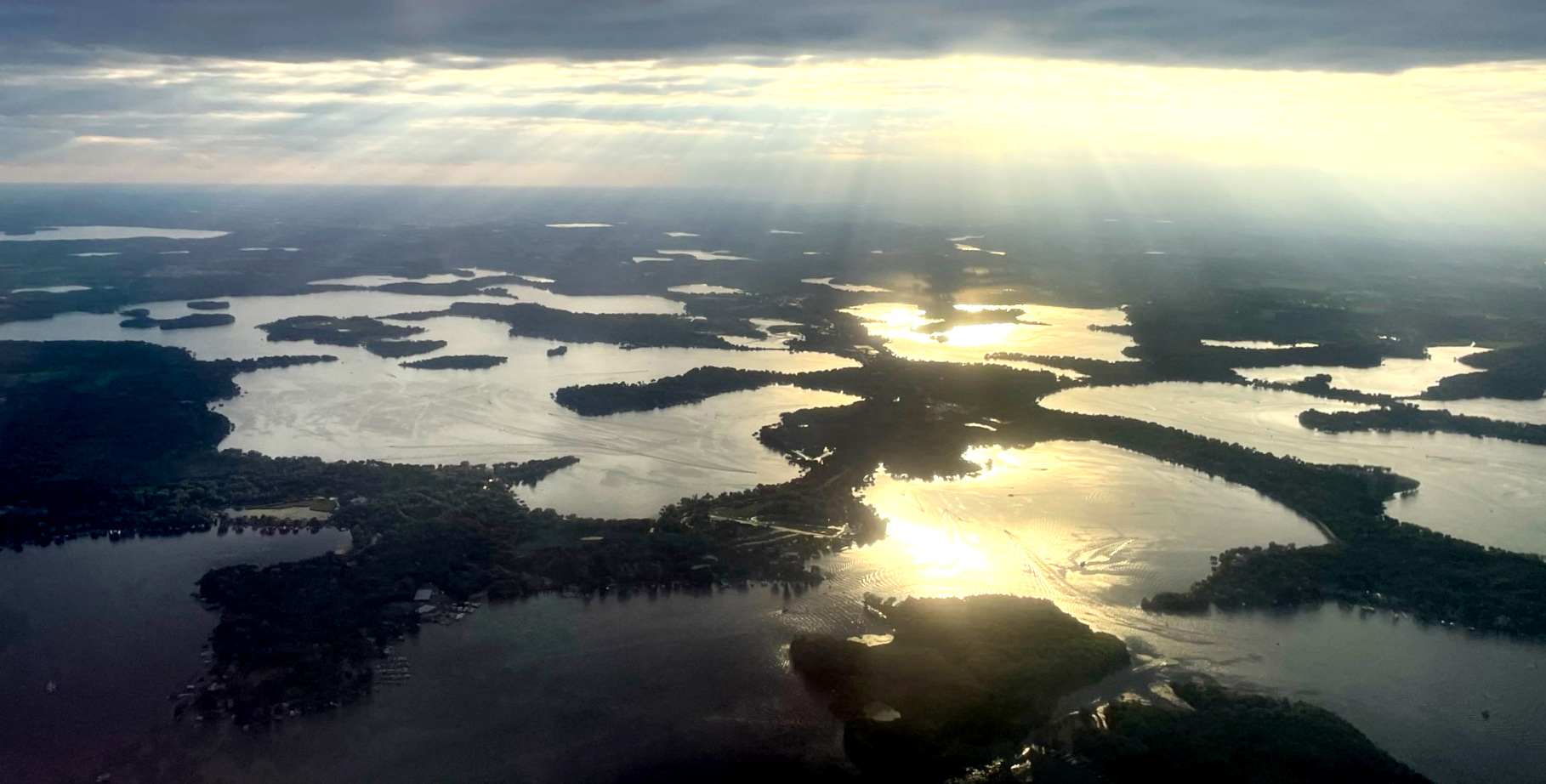
Lake Minnetonka
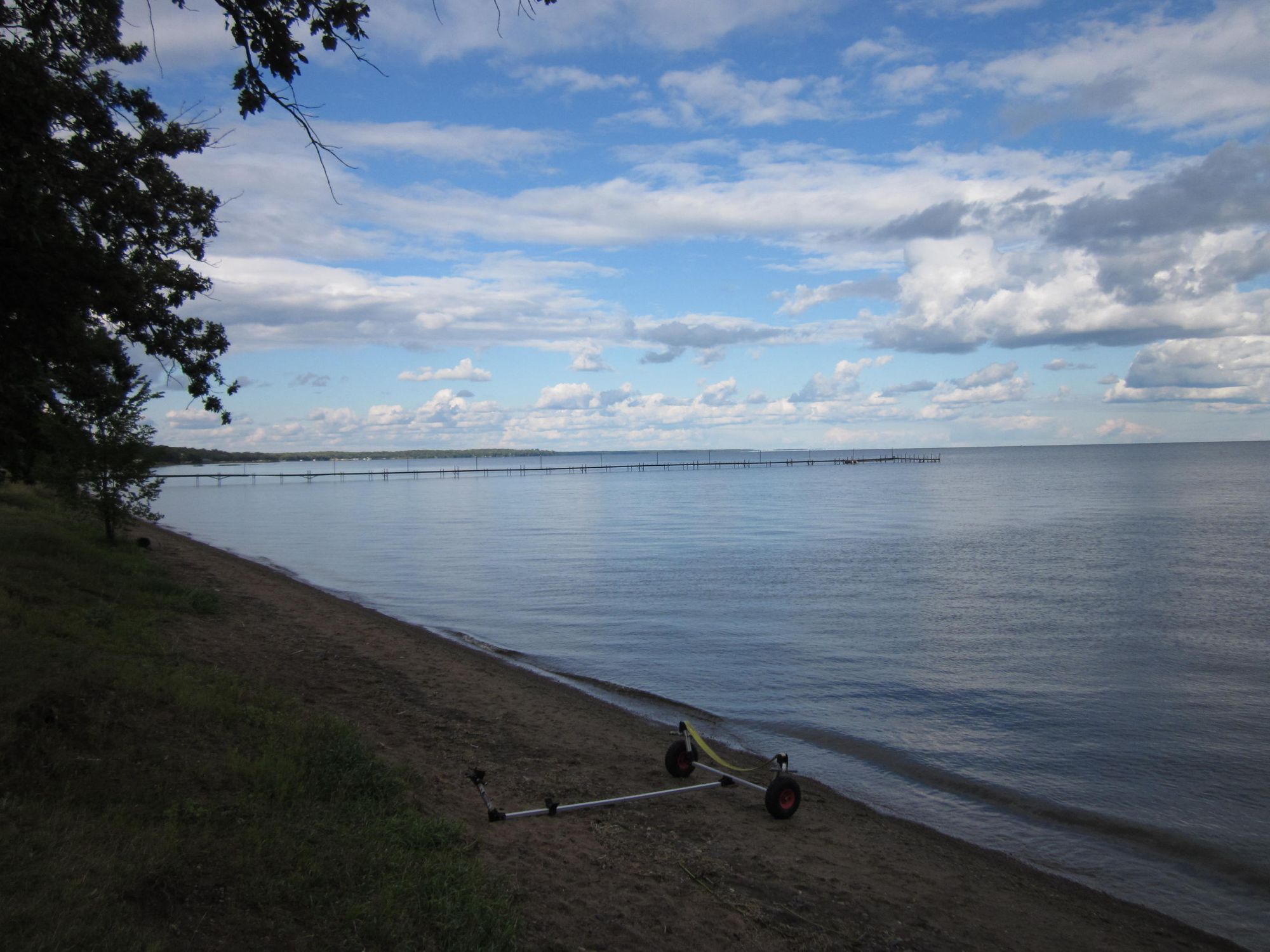
Mille Lacs Lake
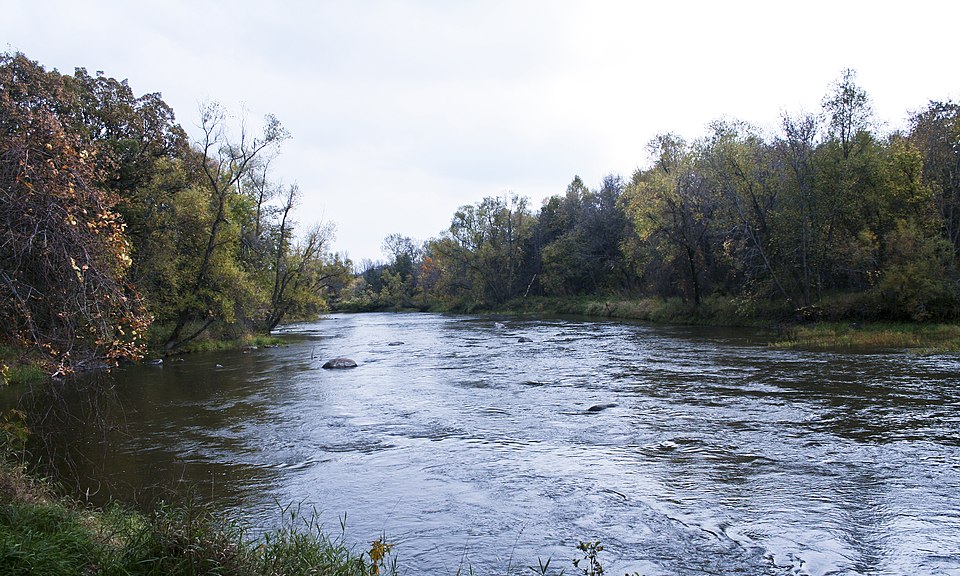
Crow River
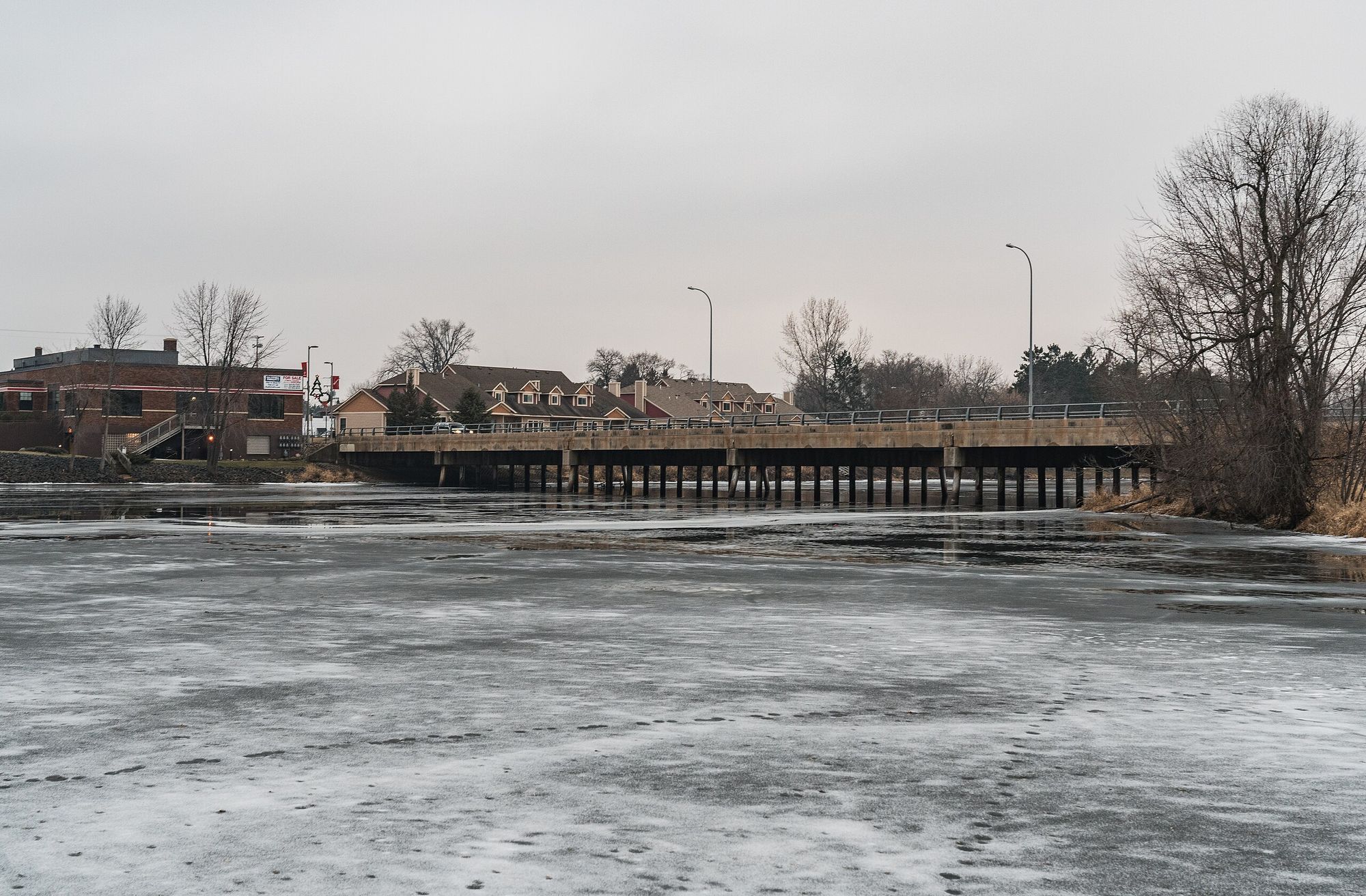
Snake River
Little Rock Lake
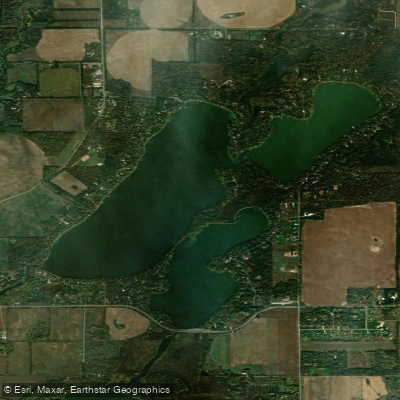
Julia Lake
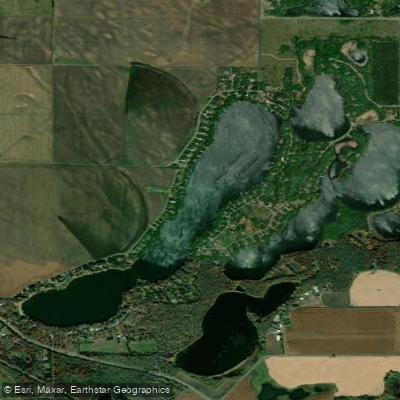
Long Lake
What to know
Habitat Distribution
- Pink salmon utilize most Lake Superior tributaries from Duluth to Canada.
- They can exploit marginal short-run streams unsuitable for other salmon species.
Key Locations
- Most Lake Superior tributaries from Duluth to Canada, with upper shore streams typically having more reliable runs.
- Cross and Sucker Rivers.
- Cascade River.
Specific Spots
- Target river mouths and work upstream until reaching impassable waterfalls.
- Pink salmon school together and swim near the surface in fall's lower, clearer water.
- Look for their bright white bellies in tailouts of deep holes, but also check deep pools and seams.
- Fish barrier falls where salmon stack below impassable obstacles.
Pink Salmon FAQ
Answers from onWater's species guide.
What flies work for Pink Salmon in Minnesota?
In slow, clear water, small nymphs (size 12-20) including Frenchies, pheasant tails, copper johns, prince nymphs, scuds, and zebra midges. For faster, dirtier water, bright e.g.g patterns like glo-bugs or beads in pink, orange, chartreuse, and red.
When is the best time to fish for Pink Salmon in Minnesota?
Pink salmon fishing in Minnesota begins in late August but peaks in September, with runs potentially lasting into October depending on water temperature and flow. Spawning occurs from late August through mid-September when rainfall raises stream levels.
How do you catch Pink Salmon in Minnesota?
Fly fishing is the most popular method. In slow, clear water, use small nymphs. For faster, dirtier water, use bright e.g.g patterns. Fish weighted streamers or add split-shot to leaders, using short, quick strips to entice strikes. Sight-fishing is highly effective.
What do Pink Salmon eat?
Young salmon eat small crustaceans like copepods and amphipods. Adults feed on euphausiids, small fish, and invertebrates.
Where do Pink Salmon live in Minnesota?
Pink salmon utilize most Lake Superior tributaries from Duluth to Canada. They can exploit marginal short-run streams unsuitable for other salmon species.
Fish smarter with real-time insights
Whether you're en route and conditions shift or you're looking for the best spot based on current flows, we enable you to make informed decisions on the fly.




See it in the app
Most maps show you water.
onWater shows you Pink Salmon.



- 01 · Species map filter
Map every Pink Salmon water
Pick Pink Salmon and the map zeroes in on the waters they call home. No more guessing which lake holds them.
- 02 · Waterbody species
Tap any water. See what lives there.
Species, behavior and seasonal patterns for every lake, river and pond, before you leave the driveway.
- 03 · Angler Intelligence
Ask how to catch Pink Salmon
Tactics, gear and timing from onWater's AI fishing guide, tuned to the species and the water you're on.
Stop guessing where Pink Salmon are.
Open the map, filter by Pink Salmon, and head to water that holds them. Download onWater and plan your next trip in minutes.
- Species map filter
- Angler Intelligence
- Fishing journal
Explore other species
Trout, bass, salmon, panfish and everything in between. Each guide unpacks the behavior, seasons, and tactics that put fish in the net.
No species information available.
Minnesota licenses and regulations
Explore nearby waters
Explore Minnesota waters
Top fishing waters
Popular Cities
Loading popular cities...

Smarter Fishing Starts in the App.
onWater Fish gives you everything you need to plan smarter, fish better, and own every trip from first cast to last.