Black Buffalo

The Black Buffalo is a threatened freshwater fish species in Minnesota, representing the northern edge of its range.
This member of the sucker family (Catostomidae) is among the most elusive and challenging species to catch, seldom taken despite dedicated angling efforts.
As a rare species vulnerable to habitat degradation, they face significant impacts from dams that impede fish passage and reduce habitat availability.
Scientific Name: Ictiobus niger
- They have a distinctive black dorsal side with dark green or bronze coloration on the sides, fading to dull yellow or off-white below.
- They have heavy, rounded bodies with long dorsal fins, thick lips, and small ventral mouths.
- In Minnesota, Black Buffalo average just under 20 inches, though the largest recorded specimen was 34.2 inches and weighed over 20 pounds.
Fishing in Minnesota
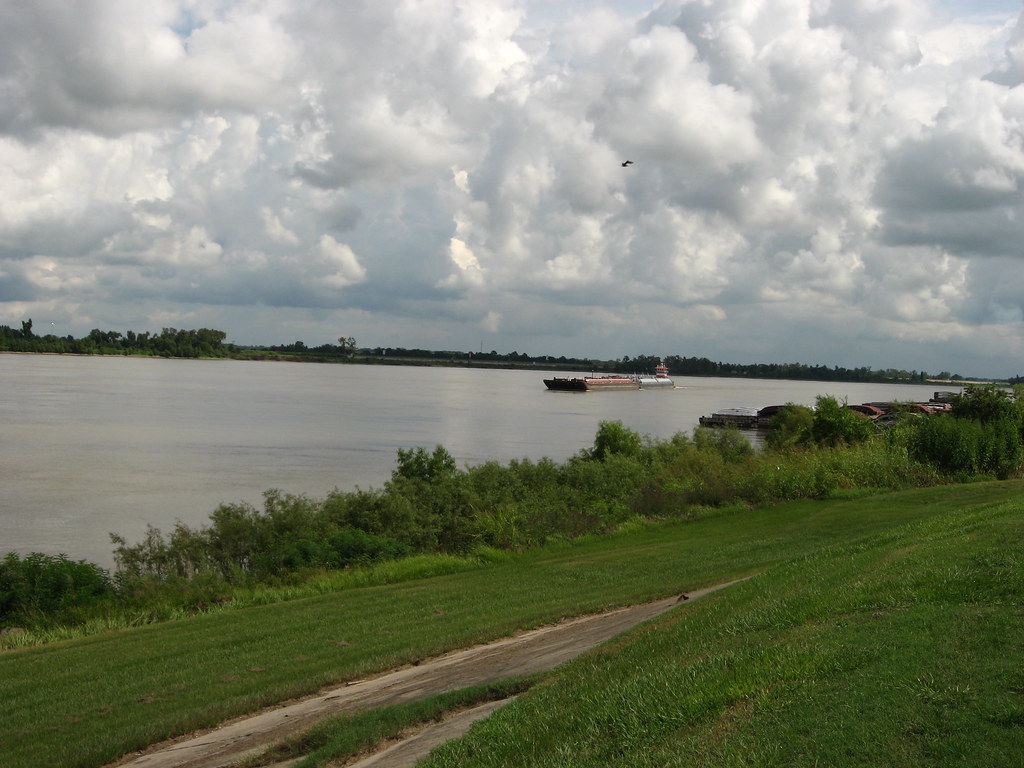
Mississippi River
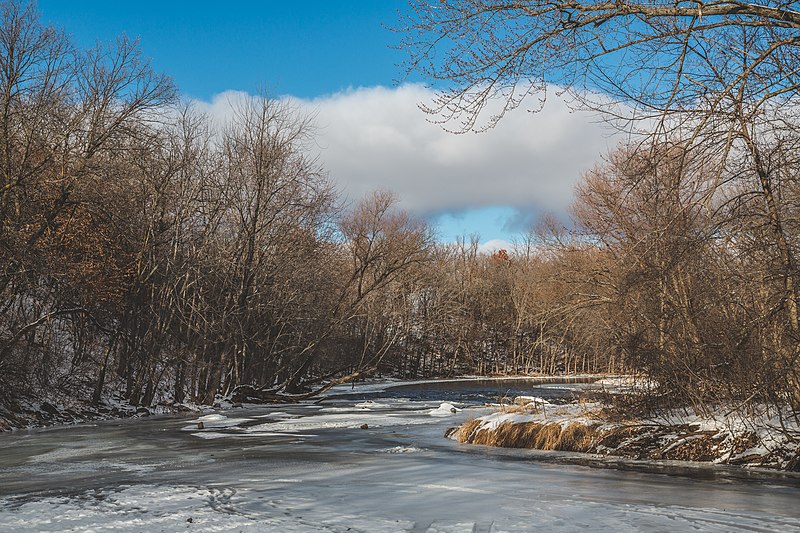
Sauk River
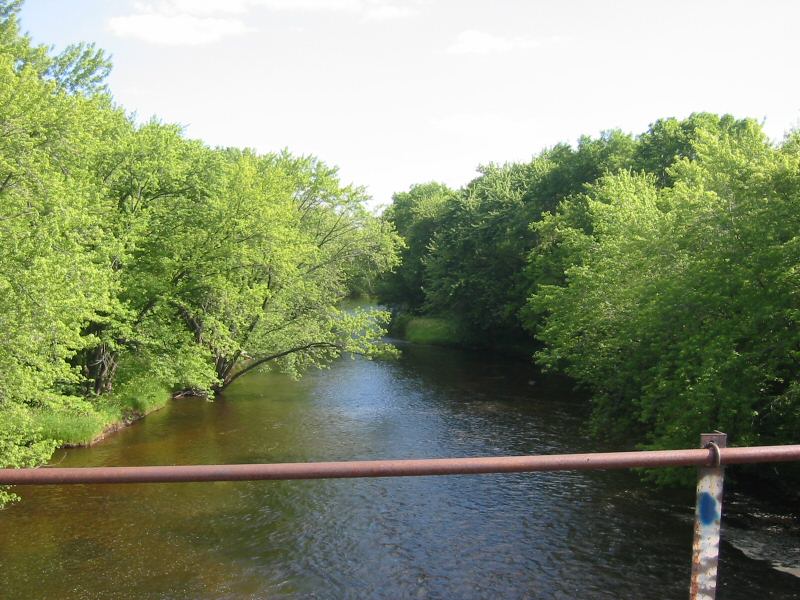
Rum River
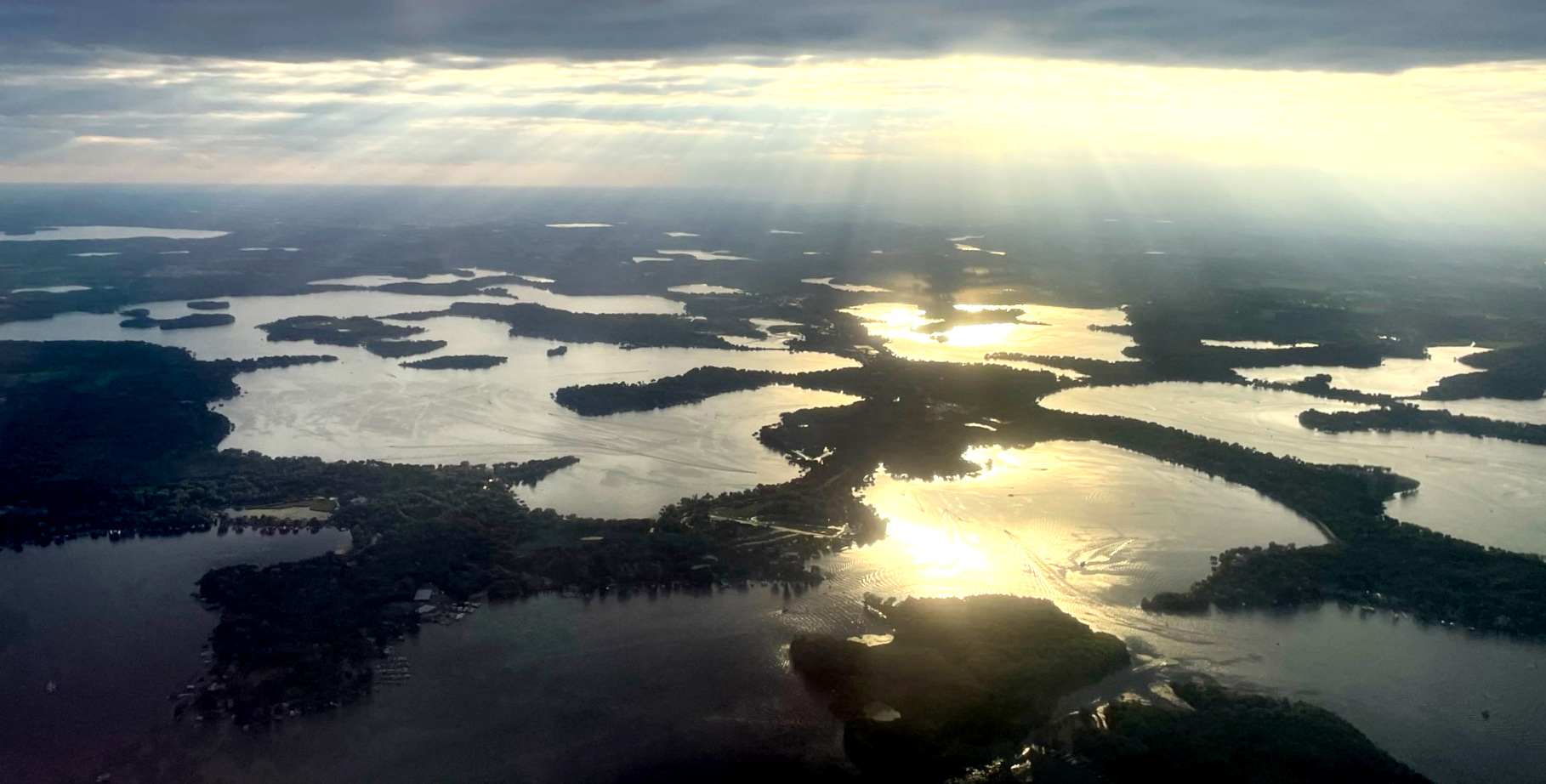
Lake Minnetonka
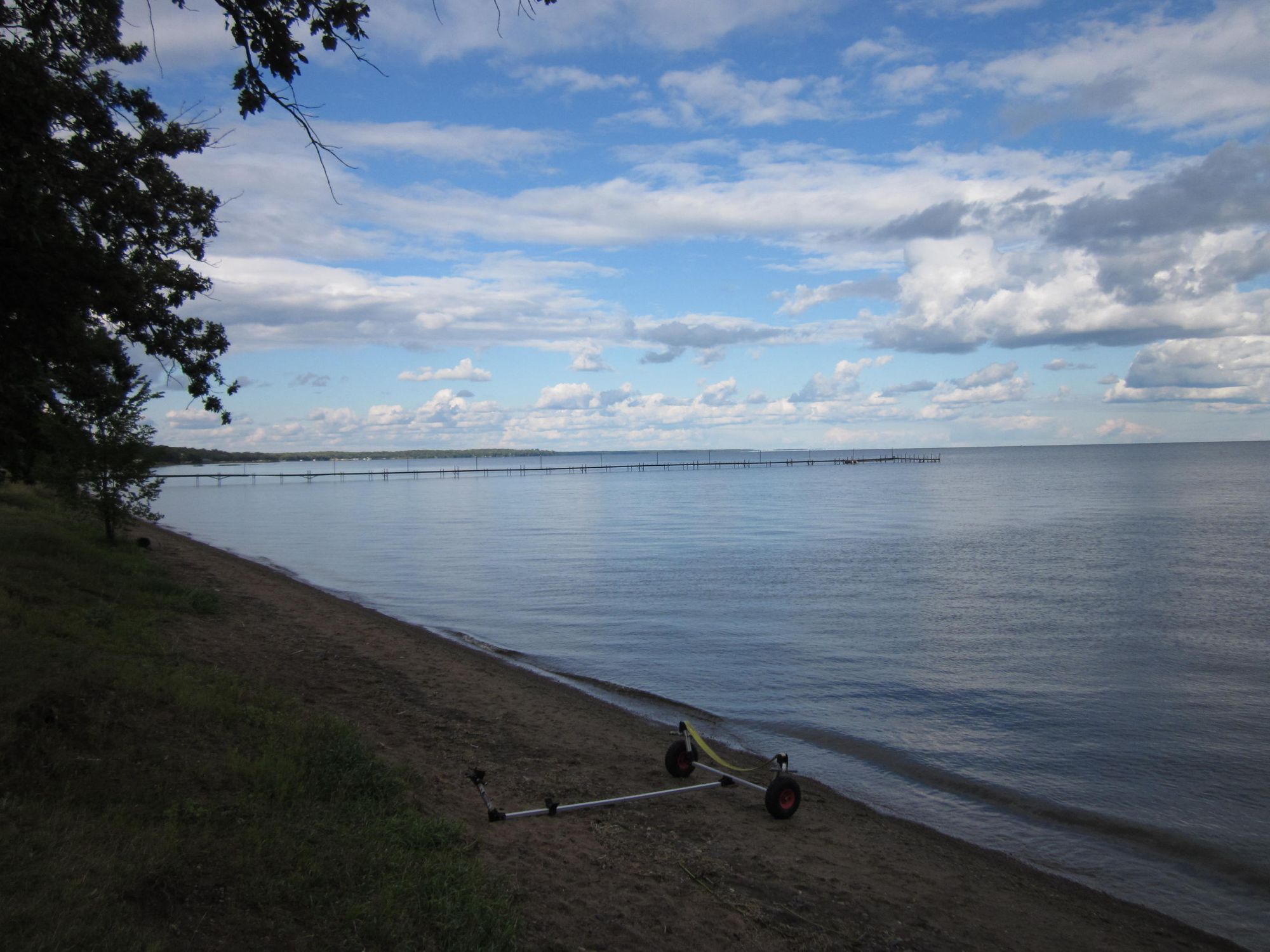
Mille Lacs Lake
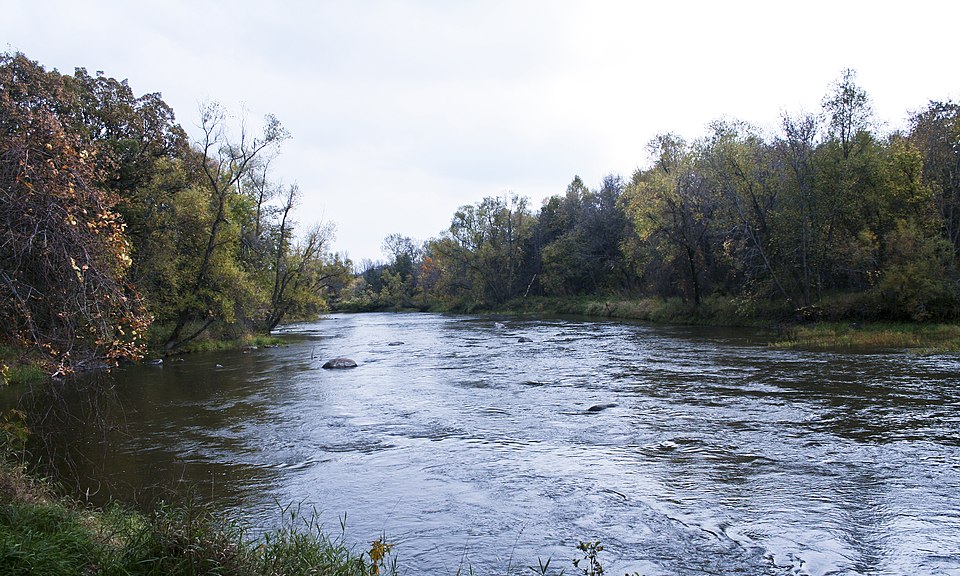
Crow River
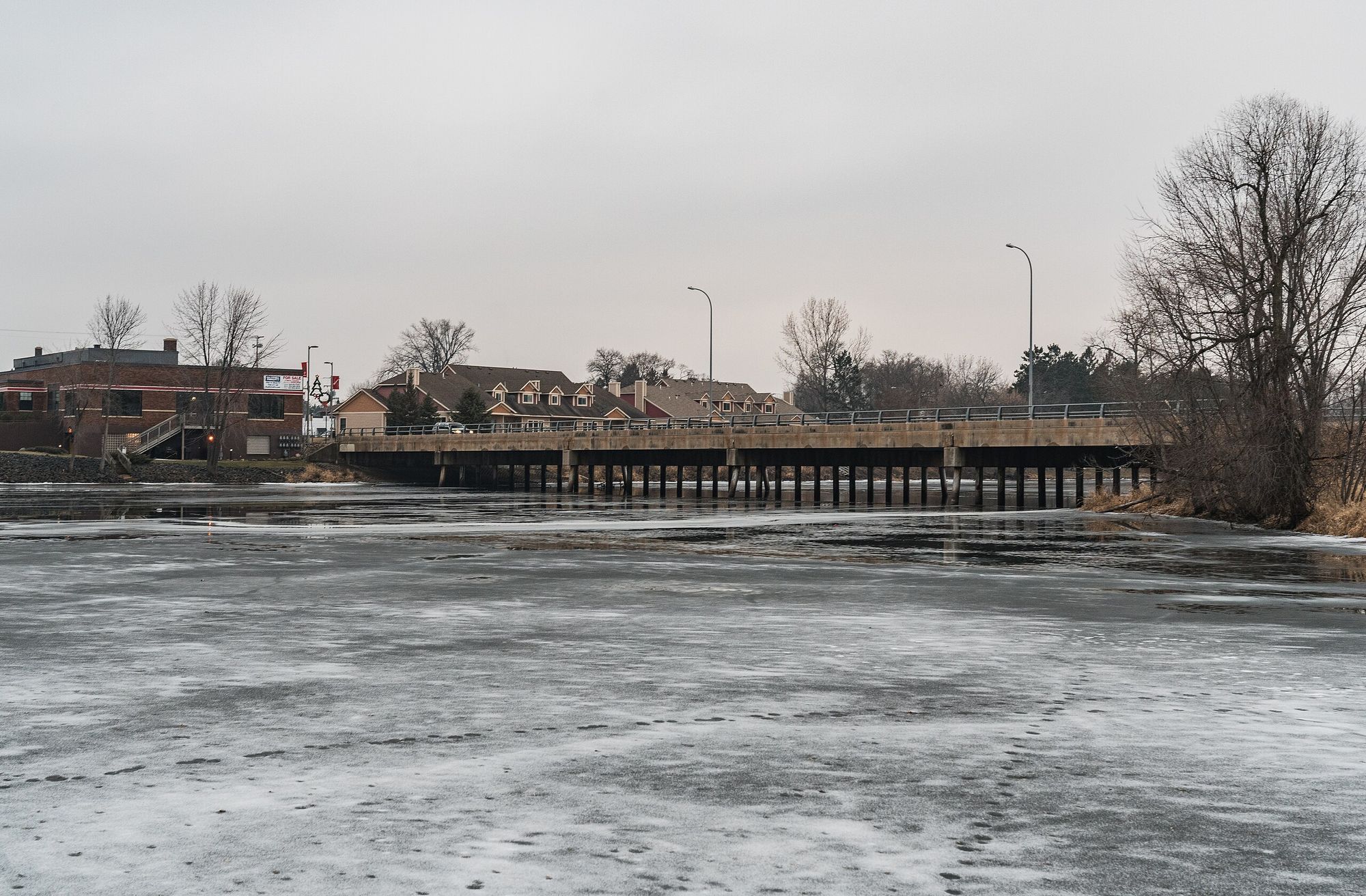
Snake River
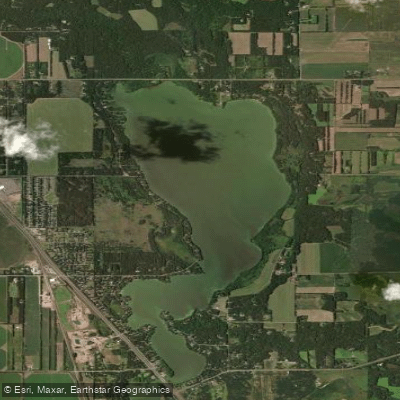
Little Rock Lake
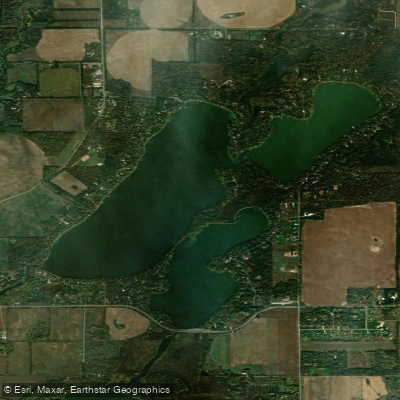
Julia Lake
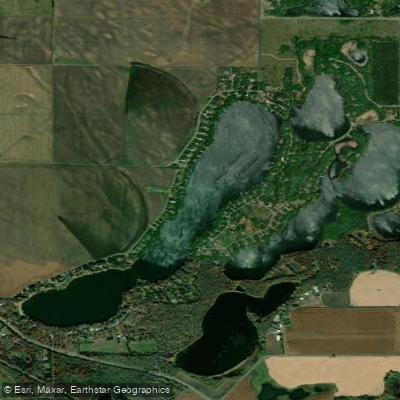
Long Lake
What to know
Habitat Distribution
- They inhabit large rivers, sloughs, impoundments, and both fast- and slow-flowing river sections throughout southern Minnesota.
- They prefer deeper waters and faster-moving currents compared to other buffalo species.
Key Locations
- Mississippi River (Pools 4, 7, and 8), the lower Cottonwood River, Minnesota River downstream from Minnesota Falls Dam, and the St.
- Croix River downstream of Bayport.
Specific Spots
- Target tailwater zones below dams, side channel borders, and main channel borders.
- In the Mississippi River Pool 4, most Black Buffalo (37 of 45) were found at depths of 13.5 feet or more, primarily in tailwater zones of dams.
Black Buffalo FAQ
Answers from onWater's species guide.
When is the best time to fish for Black Buffalo in Minnesota?
The most productive fishing occurs outside the spawning season (avoid April through mid-June when fish are spawning in shallow tributaries). Target the deeper main river channels and tailwater areas during summer and fall months when fish return to their preferred deeper water habitats.
How do you catch Black Buffalo in Minnesota?
A specialized buffalo sucker rig has proven effective with the rig sitting on the bottom since Black Buffalo are benthic feeders. Modern bowfishing techniques using specialized bows and arrows in shallow waters at night have become more common but require specific equipment and skills.
What do Black Buffalo eat?
Black Buffalo are bottom feeders with a diverse diet including mollusks, insects, crayfish, duckweed, algae, Asian clams, insect larvae, and vegetation.
Where do Black Buffalo live in Minnesota?
They inhabit large rivers, sloughs, impoundments, and both fast- and slow-flowing river sections throughout southern Minnesota. They prefer deeper waters and faster-moving currents compared to other buffalo species.
Fish smarter with real-time insights
Whether you're en route and conditions shift or you're looking for the best spot based on current flows, we enable you to make informed decisions on the fly.




See it in the app
Most maps show you water.
onWater shows you Black Buffalo.



- 01 · Species map filter
Map every Black Buffalo water
Pick Black Buffalo and the map zeroes in on the waters they call home. No more guessing which lake holds them.
- 02 · Waterbody species
Tap any water. See what lives there.
Species, behavior and seasonal patterns for every lake, river and pond, before you leave the driveway.
- 03 · Angler Intelligence
Ask how to catch Black Buffalo
Tactics, gear and timing from onWater's AI fishing guide, tuned to the species and the water you're on.
Stop guessing where Black Buffalo are.
Open the map, filter by Black Buffalo, and head to water that holds them. Download onWater and plan your next trip in minutes.
- Species map filter
- Angler Intelligence
- Fishing journal
Explore other species
Trout, bass, salmon, panfish and everything in between. Each guide unpacks the behavior, seasons, and tactics that put fish in the net.
No species information available.
Minnesota licenses and regulations
Explore nearby waters
Explore Minnesota waters
Top fishing waters
Popular Cities
Loading popular cities...

Smarter Fishing Starts in the App.
onWater Fish gives you everything you need to plan smarter, fish better, and own every trip from first cast to last.