Longnose Gar
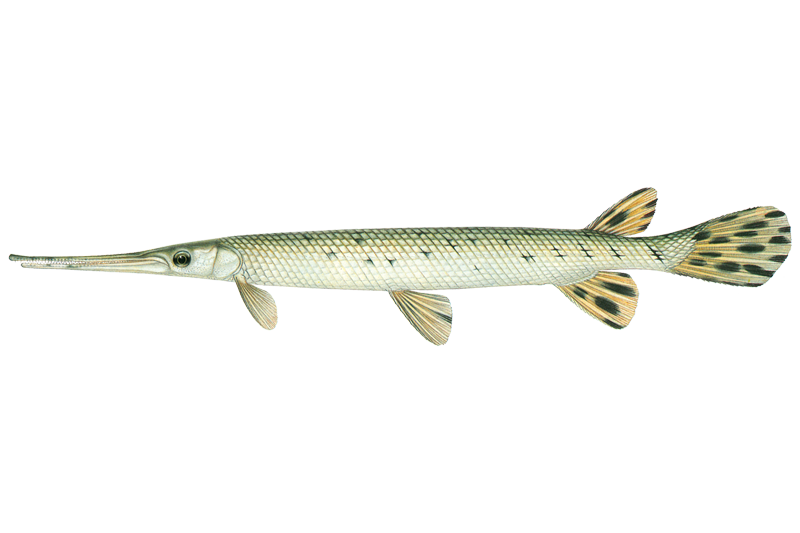
The Longnose Gar is a primitive predatory fish that has existed largely unchanged for over 100 million years. They're considered native rough fish with no special conservation status but are increasingly valued for their ecological role.
Scientific Name: Lepisosteus osseus
- Distinguished by its elongated snout that's 18-20 times longer than it is wide, torpedo-shaped body covered in diamond-shaped ganoid scales, and needle-like teeth.
- Adults typically reach 1 meter (3+ feet) in length and can weigh 3-4.5 kg (6.6-10 lbs), with females growing larger than males.
Fishing in Minnesota
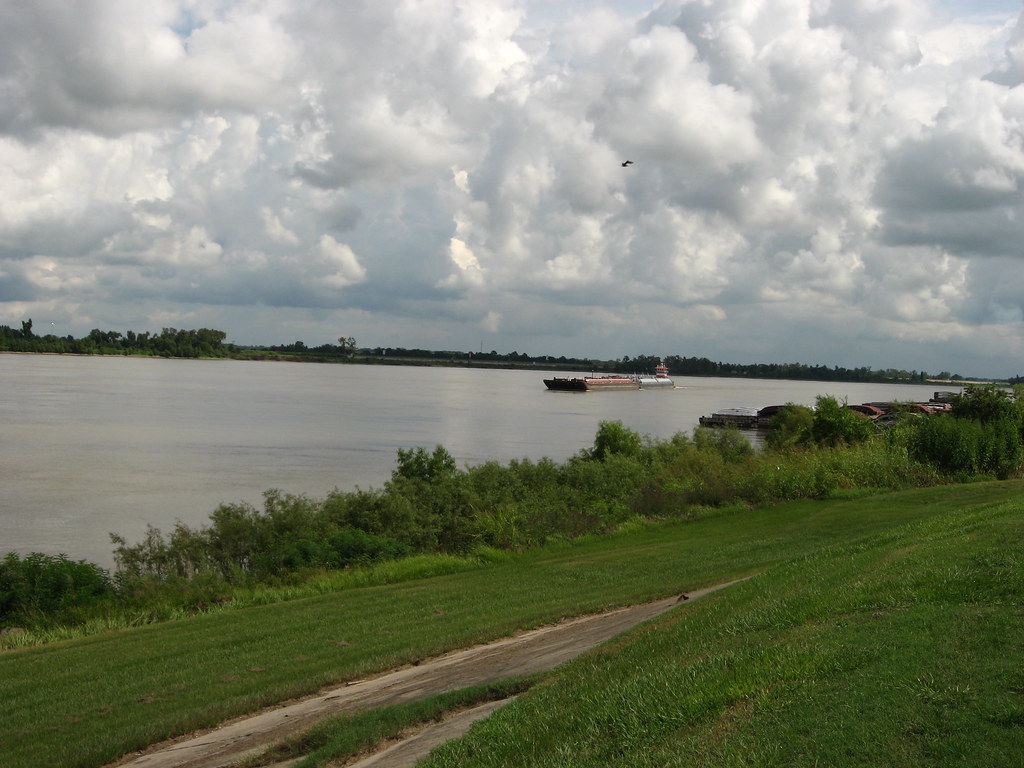
Mississippi River
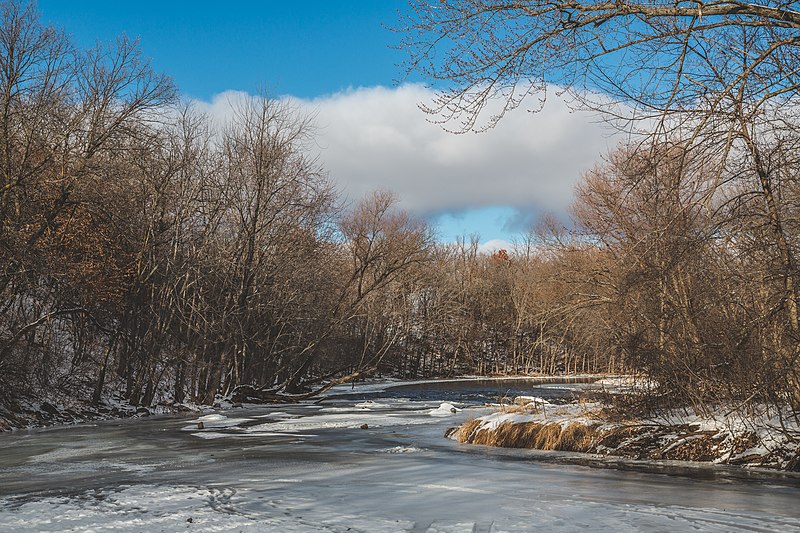
Sauk River
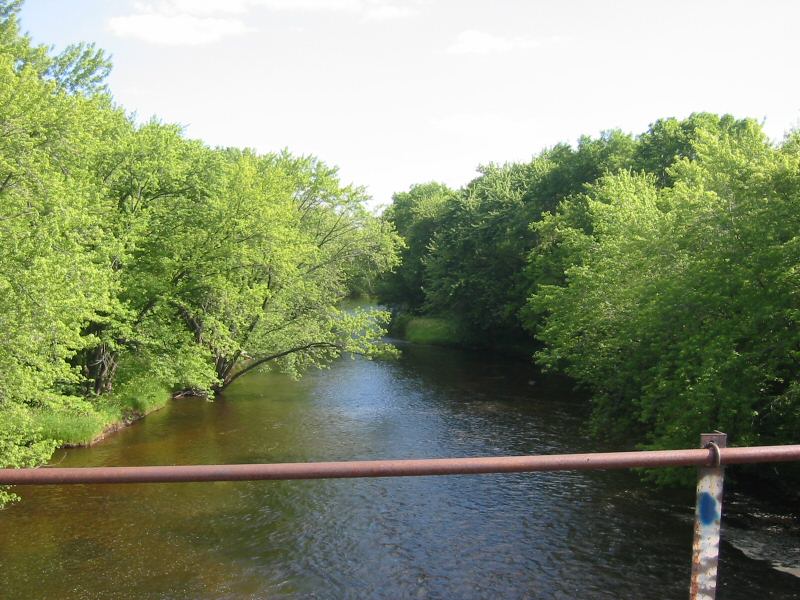
Rum River
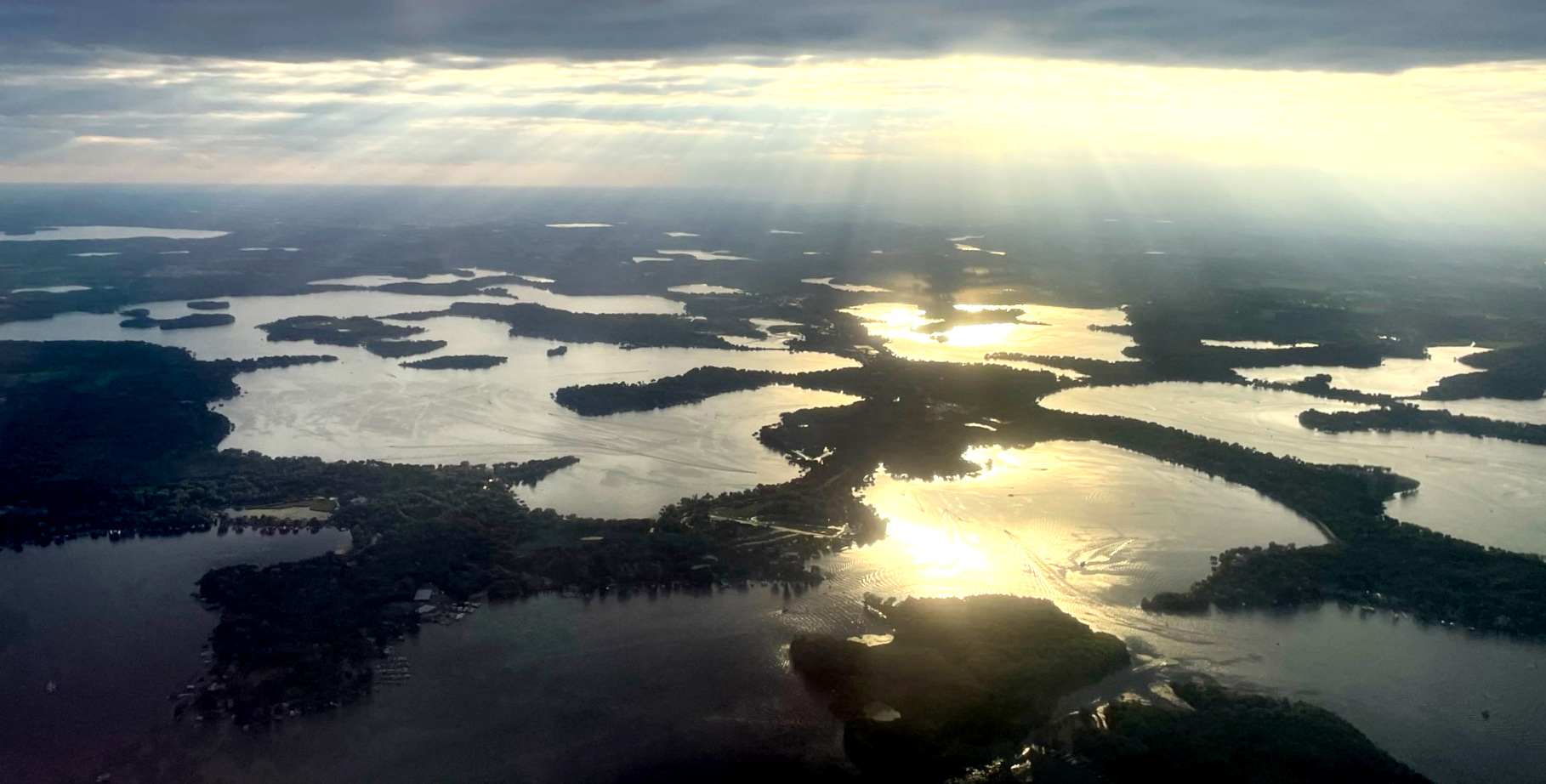
Lake Minnetonka
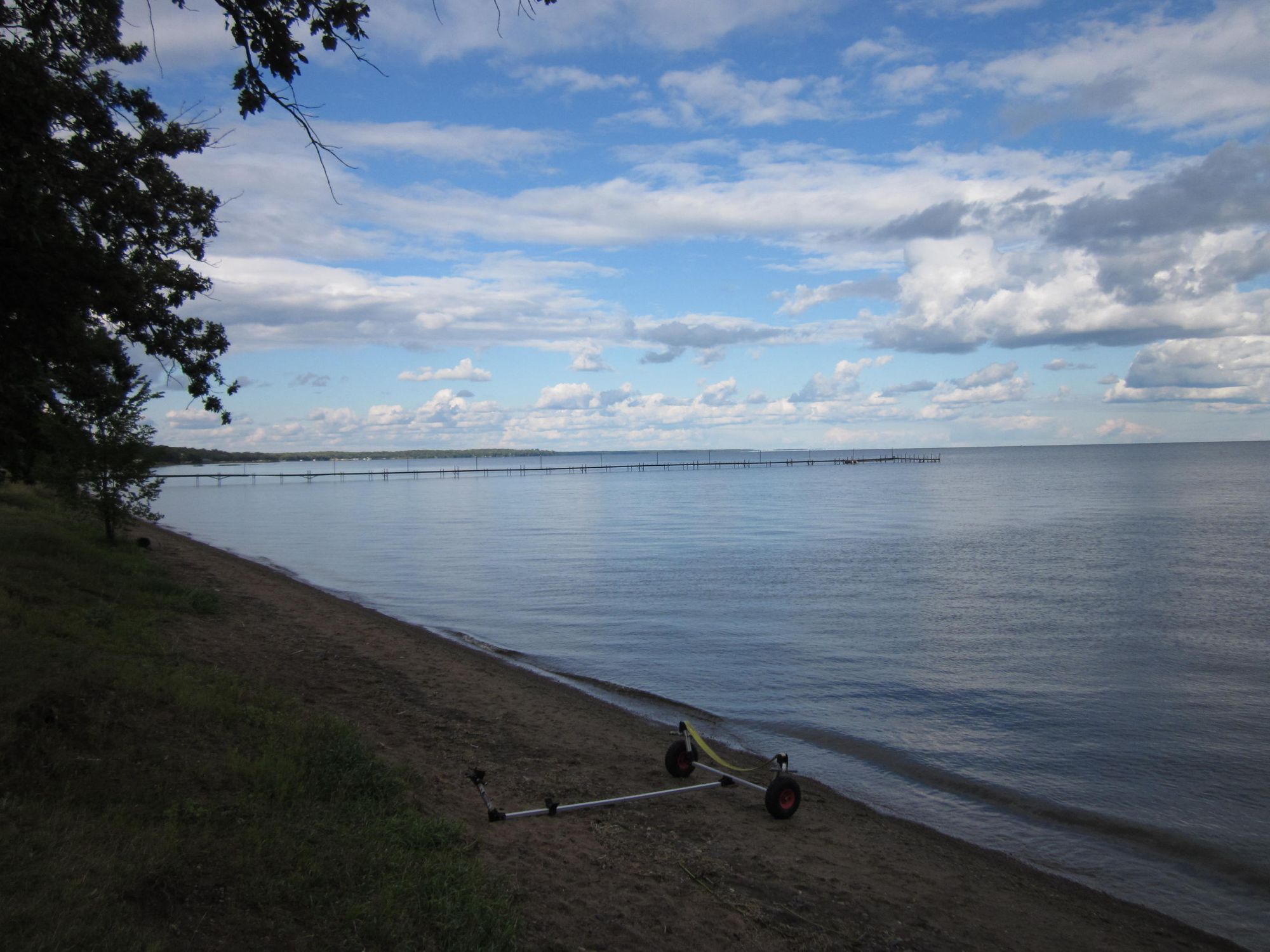
Mille Lacs Lake
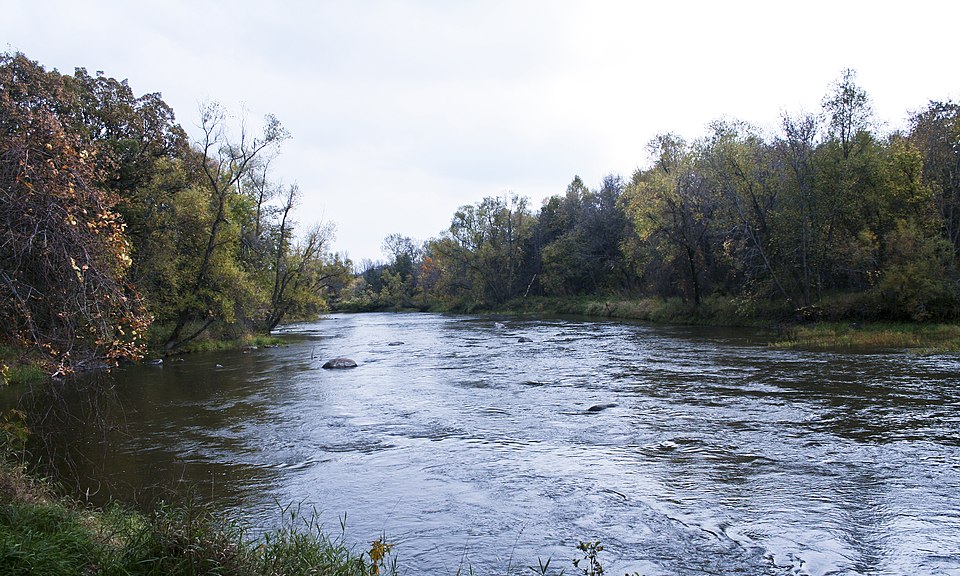
Crow River
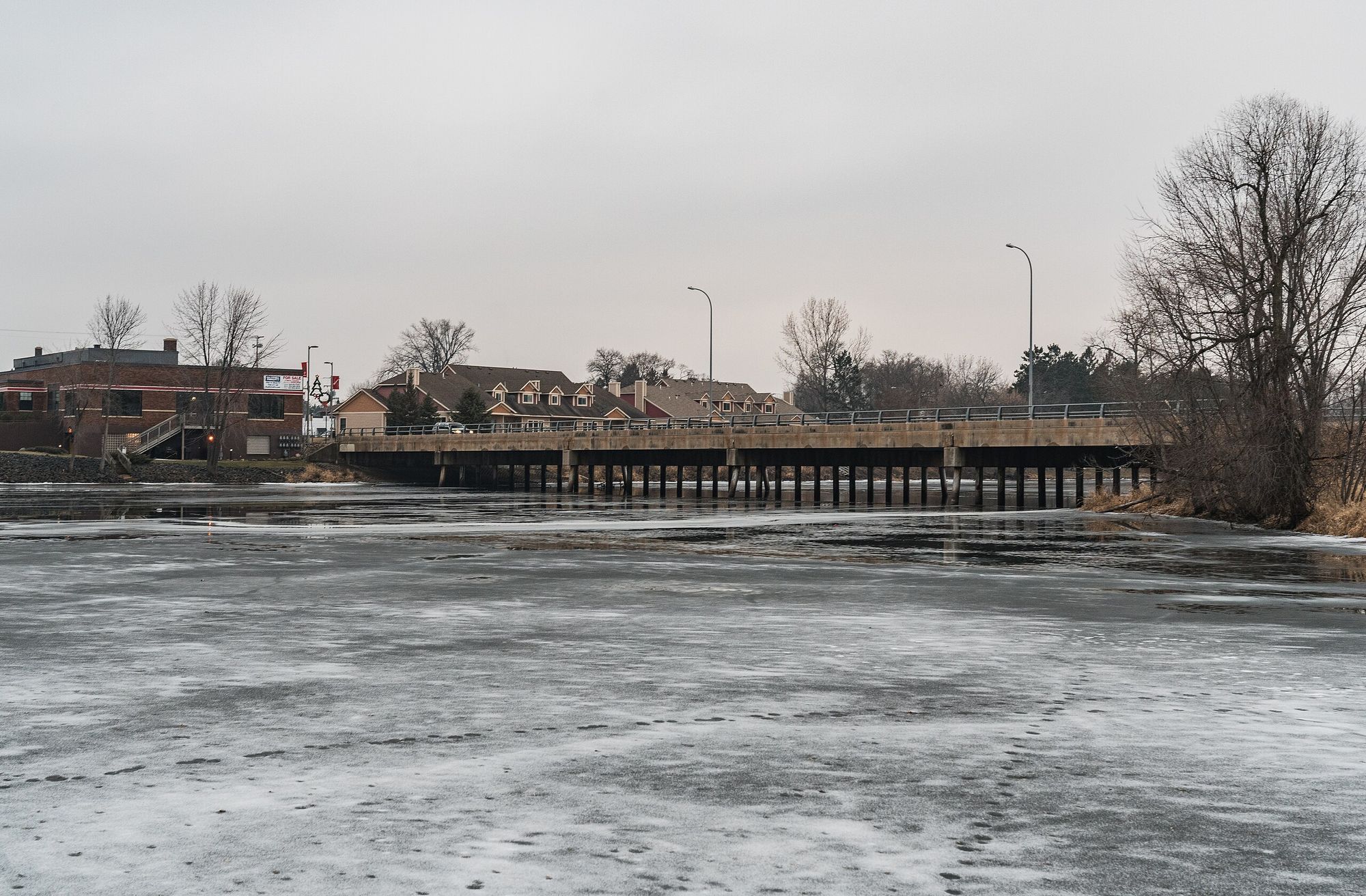
Snake River
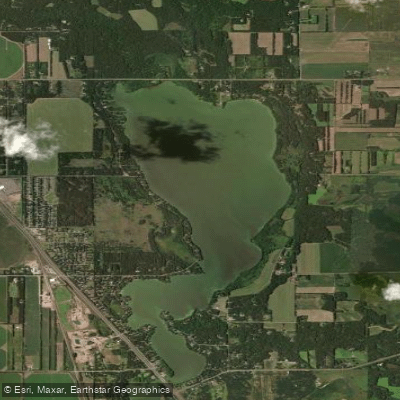
Little Rock Lake
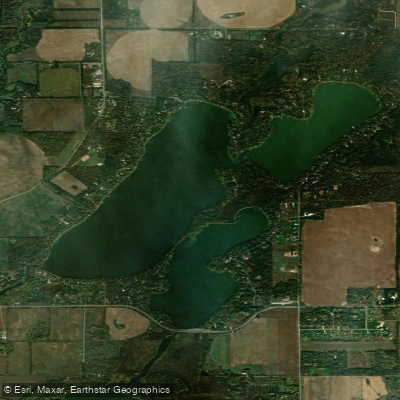
Julia Lake
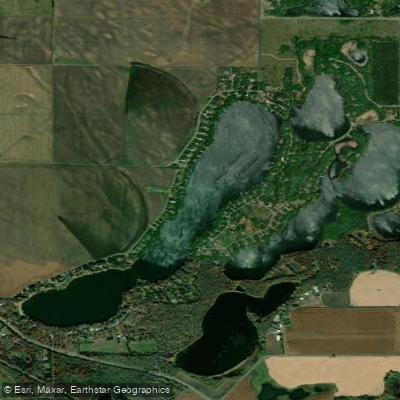
Long Lake
What to know
Habitat Distribution
- Distribution in Minnesota is limited to warmer southern waters, primarily the lower Mississippi, St.
- Croix, and Minnesota rivers and their tributaries, plus weedy floodplain lakes.
- They inhabit large rivers with backwaters having little current.
Key Locations
- Minnesota River around Jordan, Cargill barge areas, and creek inlets, plus backwaters and slow-moving sections of the St.
- Croix and lower Mississippi rivers.
- The Minnesota state record is 7.6 kg (16 lbs 12 oz) caught in the St.
- Croix River.
Specific Spots
- They feed near the surface in back eddies, around structure, or in slack water areas.
- Found in backwaters and slow-moving sections with little current.
Longnose Gar FAQ
Answers from onWater's species guide.
What flies work for Longnose Gar in Minnesota?
Streamers like bucktail patterns or rope flies. Rope flies made from unbraided nylon are highly effective - the gar's teeth get tangled in the rope fibers. Stinger hook setups with a trailer treble hook behind the main fly can improve hookup rates.
When is the best time to fish for Longnose Gar in Minnesota?
Summer months (July-August) when they're most active. Spawning occurs in late May through June when water temperatures reach 19°C (67°F) - this period should be avoided by anglers to protect spawning fish.
How do you catch Longnose Gar in Minnesota?
A sideways hookset is more effective than an upward motion. For fly fishing, let the gar chew on rope flies for several seconds before applying pressure. Present flies with slow retrieves just under the surface, casting past the fish's nose. Night fishing can be productive, though visibility becomes an issue.
What do Longnose Gar eat?
Longnose Gar are voracious piscivores, feeding on fish of all sizes including carp, brook silversides, minnows, bluegill, largemouth and smallmouth bass, northern pike, cisco, yellow perch, walleye, and even other gar. Young gar initially feed on copepods and waterfleas before transitioning to fish.
Where do Longnose Gar live in Minnesota?
Distribution in Minnesota is limited to warmer southern waters, primarily the lower Mississippi, St. Croix, and Minnesota rivers and their tributaries, plus weedy floodplain lakes. They inhabit large rivers with backwaters having little current.
Fish smarter with real-time insights
Whether you're en route and conditions shift or you're looking for the best spot based on current flows, we enable you to make informed decisions on the fly.




See it in the app
Most maps show you water.
onWater shows you Longnose Gar.



- 01 · Species map filter
Map every Longnose Gar water
Pick Longnose Gar and the map zeroes in on the waters they call home. No more guessing which lake holds them.
- 02 · Waterbody species
Tap any water. See what lives there.
Species, behavior and seasonal patterns for every lake, river and pond, before you leave the driveway.
- 03 · Angler Intelligence
Ask how to catch Longnose Gar
Tactics, gear and timing from onWater's AI fishing guide, tuned to the species and the water you're on.
Stop guessing where Longnose Gar are.
Open the map, filter by Longnose Gar, and head to water that holds them. Download onWater and plan your next trip in minutes.
- Species map filter
- Angler Intelligence
- Fishing journal
Explore other species
Trout, bass, salmon, panfish and everything in between. Each guide unpacks the behavior, seasons, and tactics that put fish in the net.
No species information available.
Minnesota licenses and regulations
Explore nearby waters
Explore Minnesota waters
Top fishing waters
Popular Cities
Loading popular cities...

Smarter Fishing Starts in the App.
onWater Fish gives you everything you need to plan smarter, fish better, and own every trip from first cast to last.