Fishing in New Zealand
- Lakes
- 1,314
- Rivers
- 3,037
- Access
- 71
- Boat Ramps
- 193
- Shops
- 0
New Zealand sits in the South Pacific, roughly the size of the United Kingdom, stretched across two main islands with a spine of mountains running through much of its length.
The water here is the story — cold, clear rivers draining off the Southern Alps, deep volcanic lakes on the North Island plateau, and open ocean on all sides.
Freshwater and saltwater fishing pull in different directions, and the country is large enough that you can chase marlin off the Northland coast in the same week someone else is stalking brown trout in a backcountry South Island river.
The freshwater fishing runs on trout — rainbow and brown — in rivers and lakes across both islands. The South Island is where most serious fly anglers end up, working clear-water rivers where sight fishing is the standard approach, not the exception.
The water genuinely is as clear as the guides say. You spot the fish first, then figure out how to reach it without being seen. Guides here will climb trees to get a better angle. The Rakaia River, south of Christchurch, is known for salmon and sea-run trout.
Nelson and the West Coast regions hold some of the most technical backcountry river fishing in the country.
On the North Island, Lake Taupō and the rivers feeding it — including the Waitahanui, which has well-known river mouth fishing and holds large brown trout — draw anglers year-round.
Taupō is administered separately from the rest of the country: the Department of Conservation (DOC) manages the Taupō Fishing District and issues its own special licence.
Everywhere else, freshwater sports fishing falls under Fish & Game New Zealand, which operates through regional councils.
Most visitors will need a Non-Resident Licence; check the relevant Fish & Game region before you go, because regulations, seasons, and access details vary by area. Access is generally good.
Most waters are in the public domain, with a Queens Chain providing right of way along many riverbanks. Where the path crosses private land, the expectation is that you ask first — and most landowners will say yes if you're respectful about it.
Offshore, the northern waters warm up enough between January and May to bring striped and blue marlin within range. Commercial fishing for marlin is prohibited, which means the large fish that are here have had room to grow.
The saltwater scene is concentrated in the north, where the Pacific runs warmer. Summer in New Zealand runs November through April — worth keeping straight if you're planning from the northern hemisphere.
The backcountry rivers fish well through that stretch, with conditions and access shifting month to month. The fish are wild, the water is cold, and the country takes both seriously.
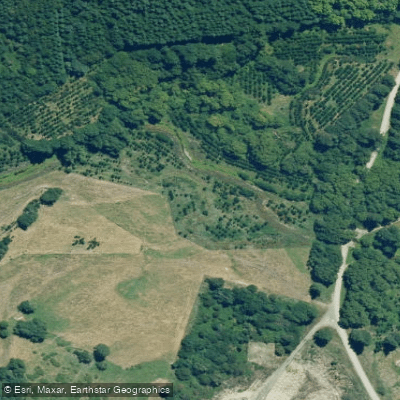
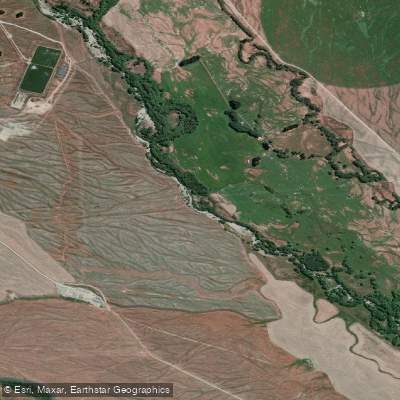
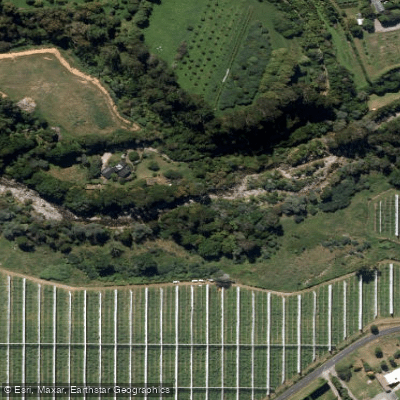
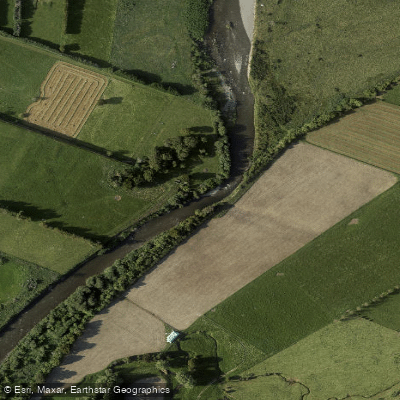
Top waters to fish near New Zealand
Species & education
Learn what type of fish are in New Zealand and what's needed to catch them.
Find which waters have the species you want to catch

Rainbow Trout
Oncorhynchus mykiss

Brown Trout
Salmo trutta

Brook Trout
Salvelinus fontinalis

Albacore
Thunnus alalunga

Alpine Galaxias
Galaxias paucispondylus

Australian Salmon
Arripis trutta

Banded Kokopu
Galaxias fasciatus

Barracouta
Thyrsites atun

Bass Groper
Polyprion americanus

Bigeye Tuna
Thunnus obesus

Black Marlin
Istiompax indica

Blue Cod
Parapercis colias

Blue Mackerel
Scomber australasicus

Blue Moki
Latridopsis ciliaris

Bluenose
Hyperoglyphe antarctica

Blue Shark
Prionace glauca

Blue Warehou
Seriolella brama

Broadbill Swordfish
Xiphias gladius

Bronze Whaler
Carcharhinus brachyurus

Butterfish
Odax pullus
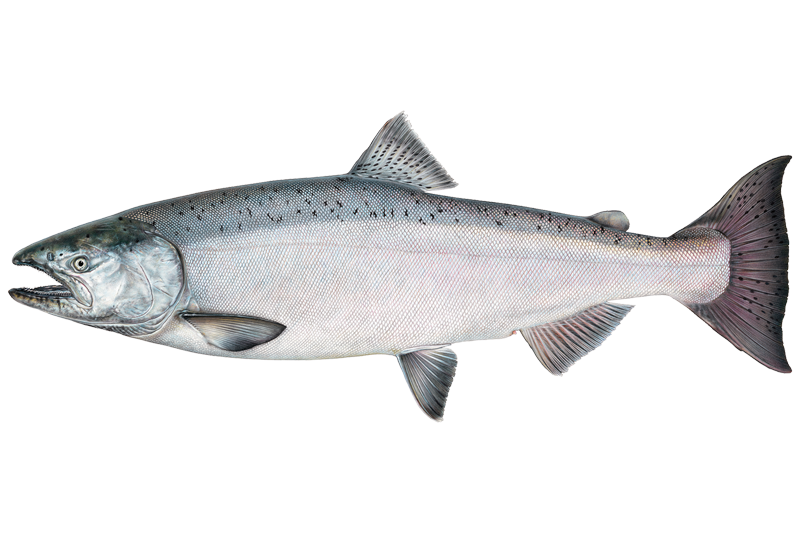
Chinook Salmon
Oncorhynchus tshawytscha

Climbing Galaxias
Galaxias brevipinnis

Common Carp
Cyprinus carpio

Common Smelt
Retropinna retropinna

Conger Eel
Conger verreauxi

Dwarf Galaxias
Galaxias divergens

Elephant Fish
Callorhinchus milii

European Perch
Perca fluviatilis

Gemfish
Rexea solandri

Giant Kokopu
Galaxias argenteus

Giant Stargazer
Kathetostoma giganteum

Greenback Flounder
Rhombosolea tapirina

Grey Mullet
Mugil cephalus

Hapuku
Polyprion oxygeneios

Jack Mackerel
Trachurus declivis

John Dory
Zeus faber

Kahawai
Arripis trutta

Leatherjacket
Meuschenia scaber

Ling
Genypterus blacodes

New Zealand Longfin Eel
Anguilla dieffenbachii
Fish smarter with real-time insights
Whether you're en route and conditions shift or you're looking for the best spot based on current flows, we enable you to make informed decisions on the fly.




Cities in New Zealand
- Alexandra, Otago
- Ashburton, Canterbury
- Ashhurst, Manawatū-Whanganui
- Auckland, Auckland
- Awarua Plains, Southland
- Balclutha, Otago
- Bethlehem, Bay of Plenty
- Blenheim, Marlborough
- Bluff, Southland
- Brightwater, Tasman
- Cambridge, Waikato
- Christchurch, Canterbury
- Clive, Hawke's Bay
- Cromwell, Otago
- Dannevirke, Manawatū-Whanganui
- Dargaville, Northland
- Dunedin, Otago
- Eltham, Taranaki
- Foxton, Manawatū-Whanganui
- Gisborne, Gisborne
- Gore, Southland
- Greymouth, West Coast
- Hamilton, Waikato
- Hastings, Hawke's Bay
- Haumoana, Hawke's Bay
- Havelock North, Hawke's Bay
- Hawera, Taranaki
- Hicks Bay, Gisborne
- Hokitika, West Coast
- Huntly, Waikato
- Inglewood, Taranaki
- Invercargill, Southland
- Kaiapoi, Canterbury
- Kaikohe, Northland
- Katikati, Bay of Plenty
- Kawerau, Bay of Plenty
- Kerikeri, Northland
- Levin, Manawatū-Whanganui
- Lincoln, Canterbury
- Lower Hutt, Wellington
- Mangawhai Heads, Northland
- Mangorei, Taranaki
- Mapua, Tasman
- Marton, Manawatū-Whanganui
- Masterton, Wellington
- Mataura, Southland
- Moerewa, Northland
- Morrinsville, Waikato
- Mosgiel, Otago
- Motueka, Tasman
- Mount Maunganui, Bay of Plenty
- Napier, Hawke's Bay
- Nelson, Nelson
- New Plymouth, Taranaki
- Ngaruawahia, Waikato
- Oamaru, Otago
- Omokoroa, Bay of Plenty
- Pahiatua, Manawatū-Whanganui
- Palmerston North, Manawatū-Whanganui
- Papatowai, Otago
- Paraparaumu, Wellington
- Picton, Marlborough
- Porirua, Wellington
- Queenstown, Otago
- Rangiora, Canterbury
- Rapaura, Marlborough
- Raupunga, Hawke's Bay
- Renwick, Marlborough
- Richmond, Tasman
- Riverton, Southland
- Rolleston, Canterbury
- Rotorua, Bay of Plenty
- Ruakaka, Northland
- Runanga, West Coast
- Stratford, Taranaki
- Takaka, Tasman
- Tangiteroria, Northland
- Taumarunui, Manawatū-Whanganui
- Taupo, Waikato
- Tauranga, Bay of Plenty
- Te Anau, Southland
- Te Awamutu, Waikato
- Te Puke, Bay of Plenty
- Thames, Waikato
- Timaru, Canterbury
- Tiniroto, Gisborne
- Tokoroa, Waikato
- Upper Hutt, Wellington
- Waikanae, Wellington
- Waimate North, Northland
- Wairau Valley, Marlborough
- Wairoa, Hawke's Bay
- Waitara, Taranaki
- Wakefield, Tasman
- Wanaka, Otago
- Wellington, Wellington
- Westport, West Coast
- Whakatane, Bay of Plenty
- Whanganui, Manawatū-Whanganui
- Whangarei, Northland
- Winton, Southland
Explore New Zealand waters
Top fishing waters
Popular Cities
Loading popular cities...

Smarter Fishing Starts in the App.
onWater Fish gives you everything you need to plan smarter, fish better, and own every trip from first cast to last.